By creating an environment where employees feel safe, supported and connected, organisations can unlock potential, reduce stress and foster thriving teams.
South African workers are reporting higher levels of overall wellbeing than a year ago, according to the 2025 GIBS October Health Workplace Wellbeing Report.
Scores across mental, physical, social, emotional, and work domains all improved, with spiritual wellbeing, measured for the first time, also showing strong results.
However, financial wellbeing remains the lowest-scoring area, highlighting ongoing economic pressures, while fewer employees rated their workplace as “very healthy”, signalling that progress is uneven and organisational culture continues to be a key challenge.
The report launched recently during the Wellbeing Conference at GIBS unpacked the complexities of the workplace as employees battle financial stress, AI-related job insecurity, and emotional challenges.
The Workplace Wellbeing Index 2nd Edition 2025 reveals persistent challenges for South African employees. Financial wellbeing again scored lowest, reflecting ongoing economic pressures. Although overall wellbeing improved across measured domains, fewer employees rated their workplace as “very healthy” in 2025 (24%) compared to 31% in 2024, indicating uneven progress and inconsistent organisational cultures.
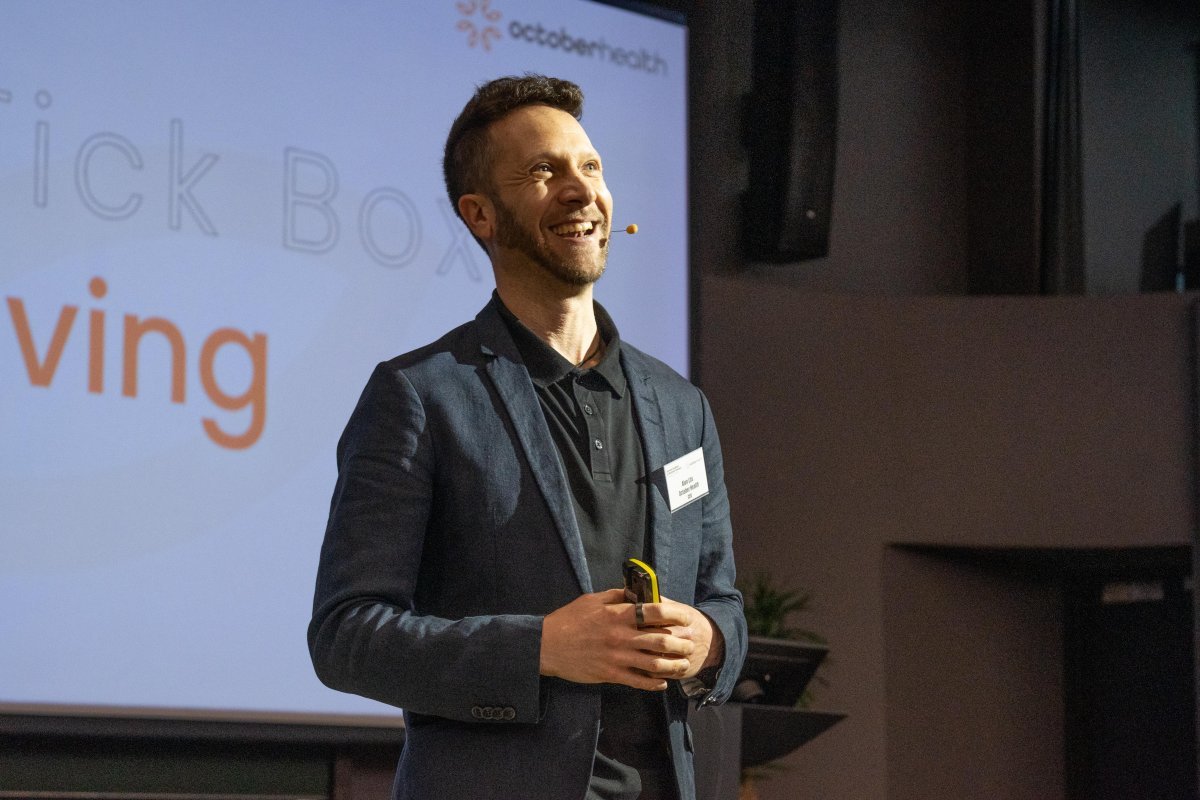
“Individual wellbeing doesn’t exist in isolation, it is shaped by culture, leadership, skills, and holistic health,” says Alon Lits, CEO and co-founder of October Health.
He emphasised reframing wellbeing as a business priority, particularly mental health. One in four South Africans is diagnosed with depression annually – and this excludes other mental health conditions or undiagnosed cases.
According to the report findings, leadership, psychological safety, and a culture of genuine care are central to employee wellbeing.
From competition to care economy
Before the Covid-19 pandemic, life at GIBS and in many organisations was defined by competition. “In a highly competitive world, a lot is forgiven as long as you win,” said Prof. Morris Mthombeni, GIBS Dean.
Prof. Mthombeni said while the world of work has transformed, not everyone has maintained the lessons of the pandemic. “The world needs to shift from winning despite people to winning with people. To do this, we must see them their real selves and care for them. That care must be embedded in work, design, roles, functions and tasks.”
GIBS has embraced the care economy in its teaching and student support, partnering with October Health to proactively monitor and respond to wellbeing challenges. Data from October Health informs both student and staff wellbeing. Rising stress, for example, prompts reflection on pedagogy and workplace design, ensuring healthy challenge rather than harmful pressure.
“The care economy isn’t a ‘kumbaya’ model – it’s about embedding empathy and support into design, conflict and leadership,” said Mthombeni.
“In a world that tells you to be strong, the strongest thing you can do is care for your people.”


Gallery