Once dismissed as the “dark continent”, Africa is now firmly in the headlines, sometimes for progress, sometimes for crisis, but unmistakably present.
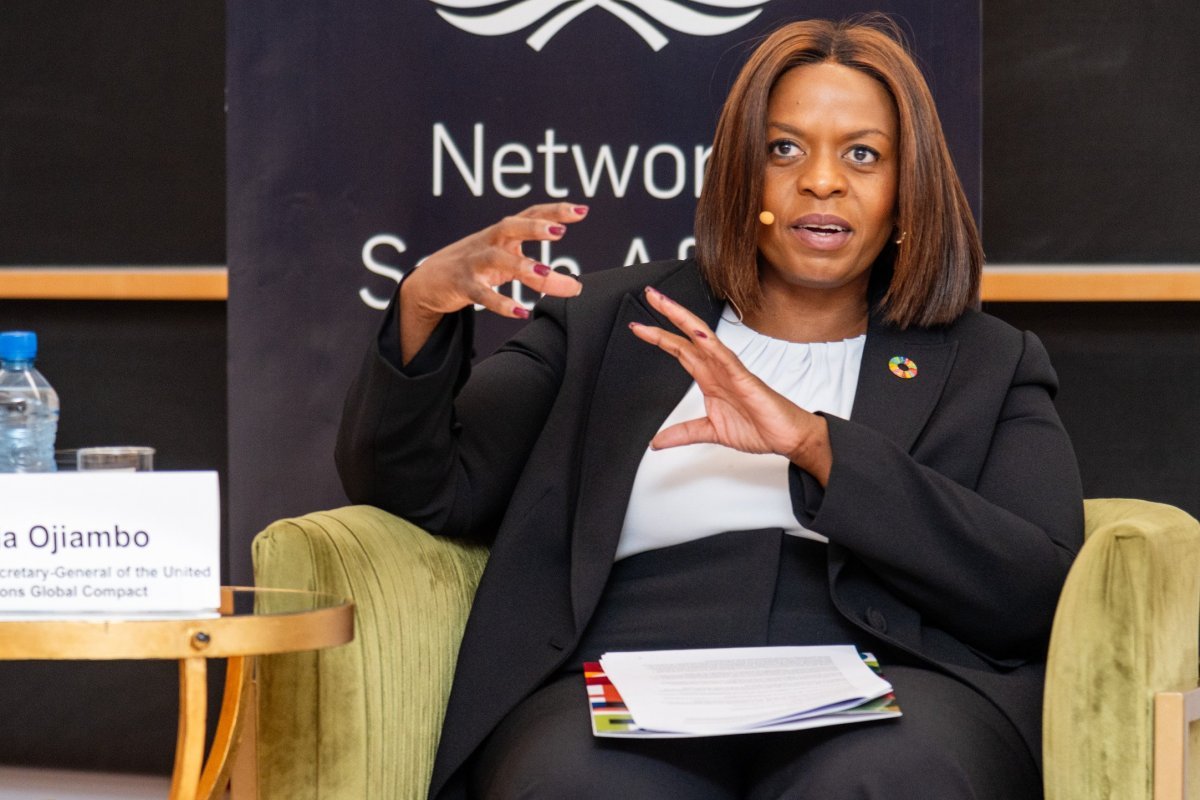
“The world is looking at Africa for critical minerals, for the consumer and labour markets, and for the humanitarian and developmental challenges we face,” said Sanda Ojiambo, assistant secretary-general of the United Nations Global Compact.
Ojiambo said this visibility brings both opportunity and uncertainty. “I worry about whether we have stable political leadership capable of seeing opportunity at a continental scale, whether the private sector will step forward as an equal partner rather than simply as an extractor, and whether we are truly serving our future generations.”
Young Africans are increasingly clear about what they expect from their leaders and in her view, this is entirely justified. Amid the concern, Ojiambo said she feels “immense pride” and hopes Africa’s systems can align to meet the moment.
She shared these reflections in conversation with Prof. Morris Mthombeni, Dean of GIBS, as the two explored Africa’s global standing and how the continent should position itself for the future. Ojiambo, who holds a master’s degree in public affairs with a focus on development and economics, is well-known for elevating the African agenda on the global stage.
Ojiambo said the UN Global Compact was founded in 2000 under Kofi Annan, at a time when it had become clear that the UN’s mission could not advance without private-sector involvement. It was considered almost radical then, with just 40 business leaders signed up at the start. Today, the Compact has networks in 70 countries and participating businesses in more than 130.
These networks differ widely, with some, like Ukraine, remaining highly active despite conflict. The Compact has recently expanded into Central Asia and has strong networks across Latin America, the EU, the US, Australia, and New Zealand. Membership ranges from fewer than 100 companies in some countries to more than 2 000 in others, with Brazil, France, and Spain among the largest.
“Across regions, businesses increasingly want to be at the table. In the US, membership has grown faster in the past six months than ever before. Europe is grappling with regulation and reporting obligations. Latin America is navigating fragmentation. Across various regions, the shared sentiment is that governments are not being ambitious enough and business wants more collaboration, better regulation, and clearer direction,” she said.
GIBS x October Health
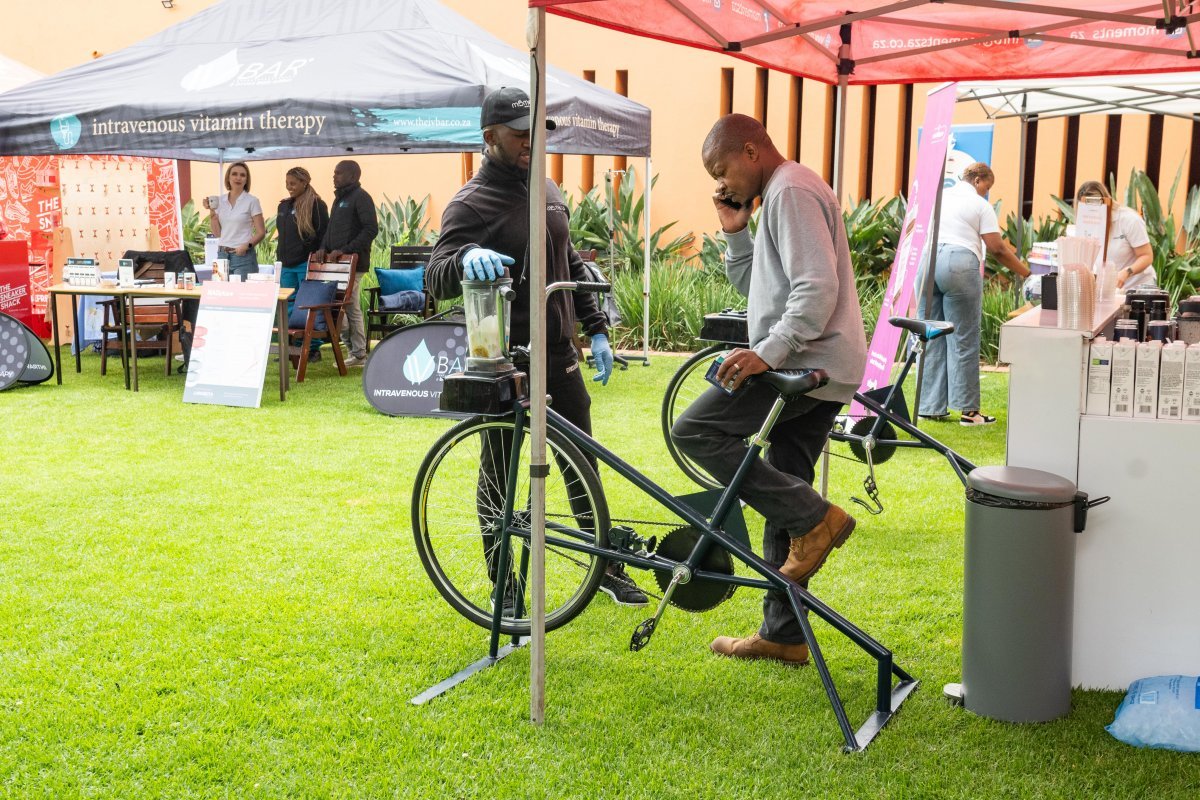
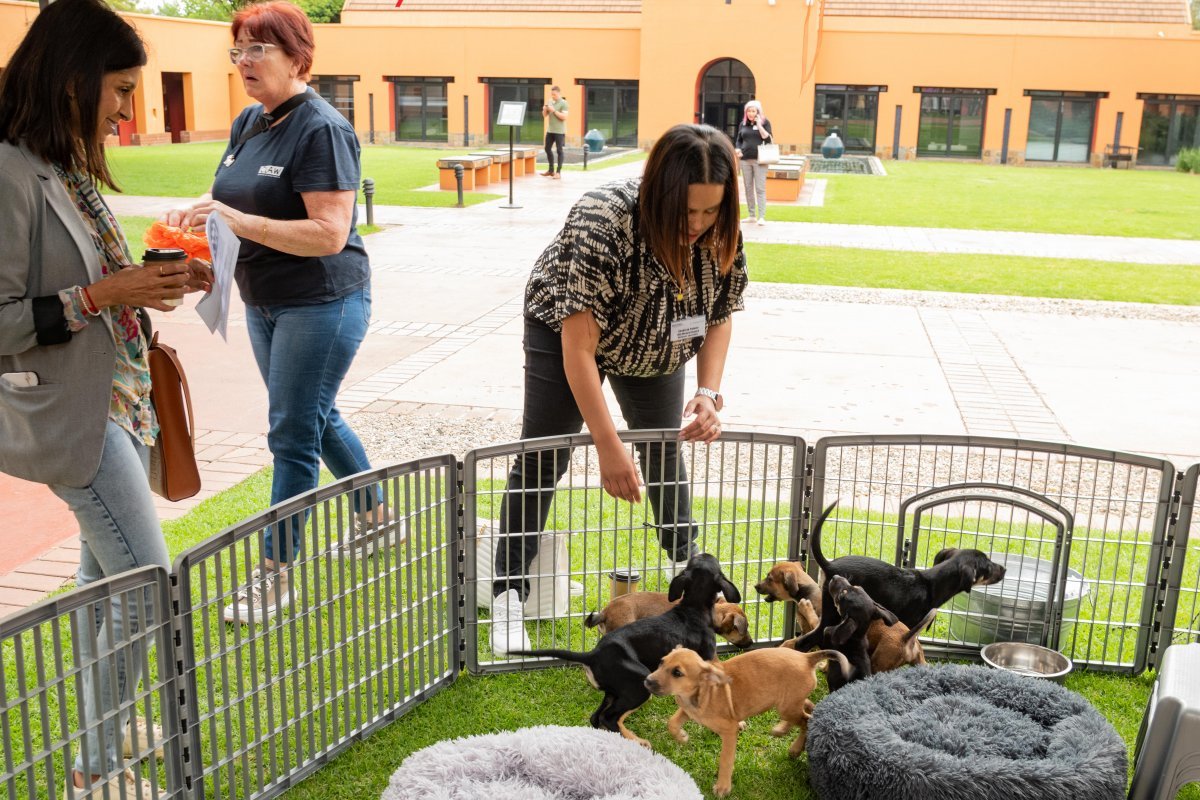
The end of last year saw the second GIBS x October Health Annual Health Index event. In the shape of an on-campus exhibition and a series of high-level panel discussions, it proved to be a stimulating success. There was even a selection puppies to stimulate mental wellbeing! We take a closer look at just two of the many highlights, including the launch of the latest GIBS October Health Wellbeing Report.


Gallery