
Our regular look at GIBS' events and guests
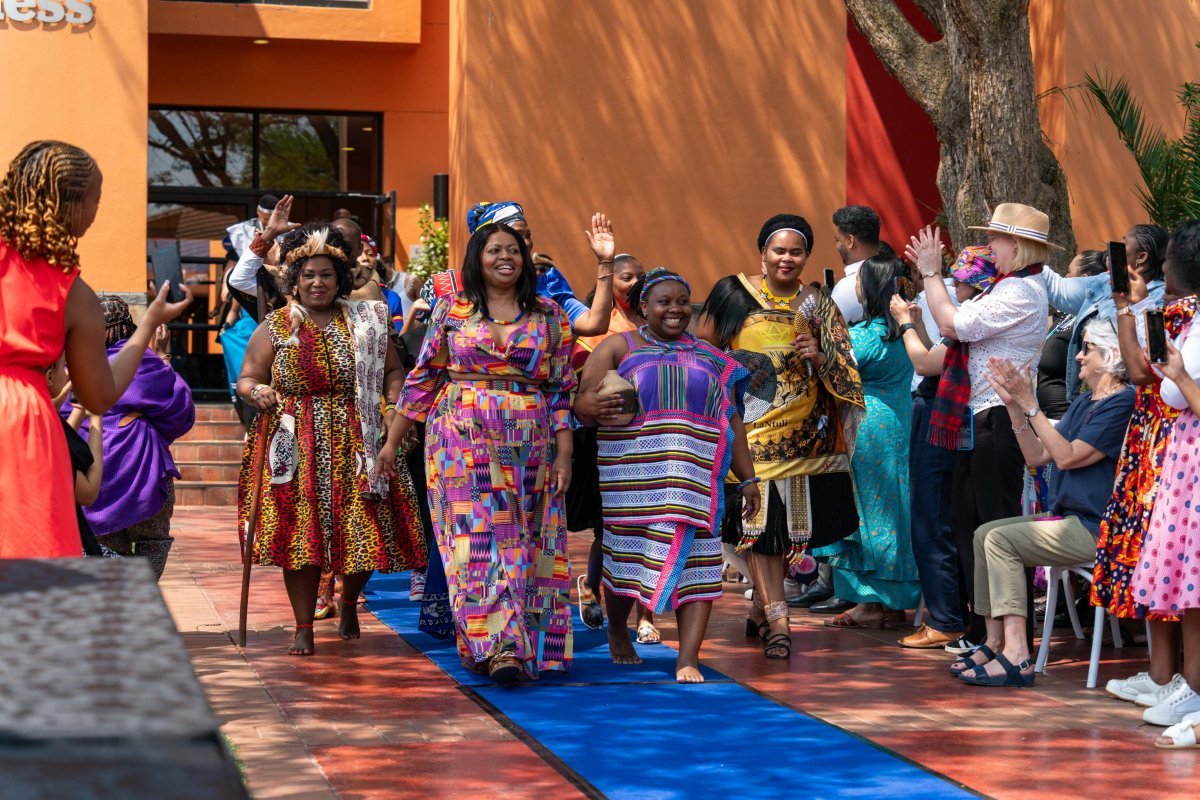
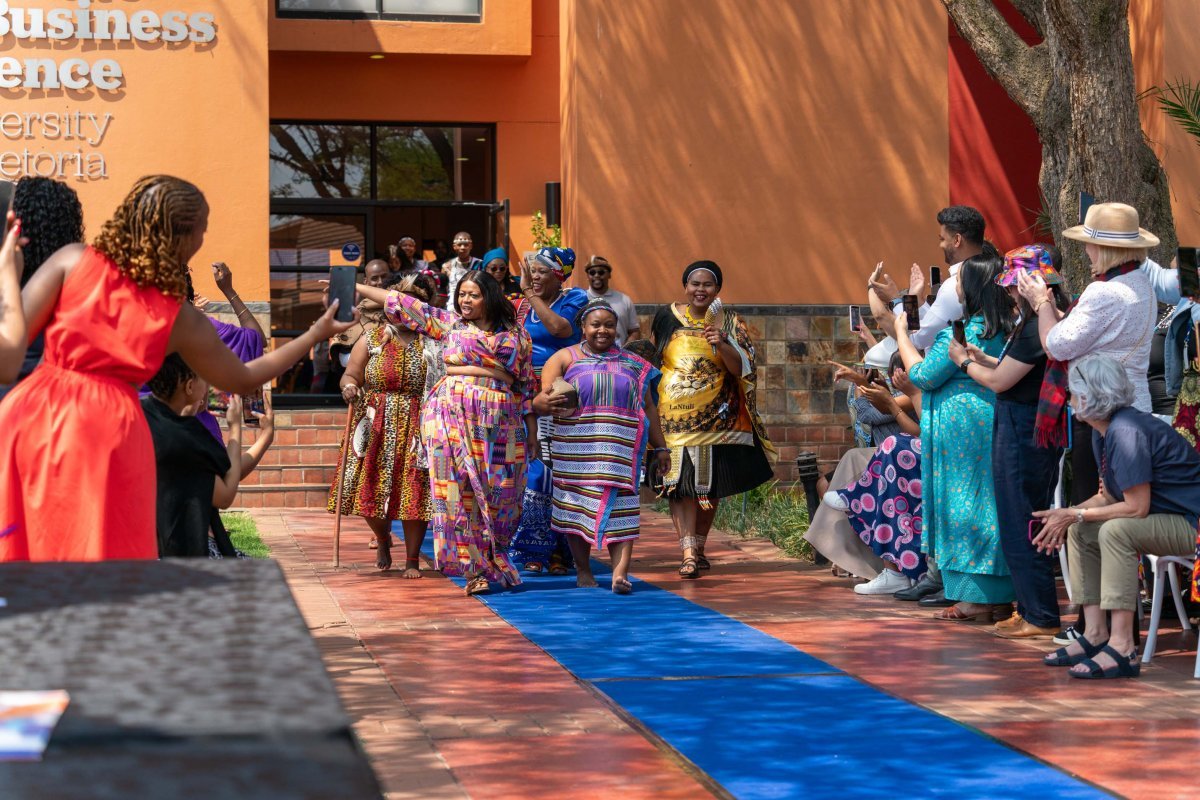
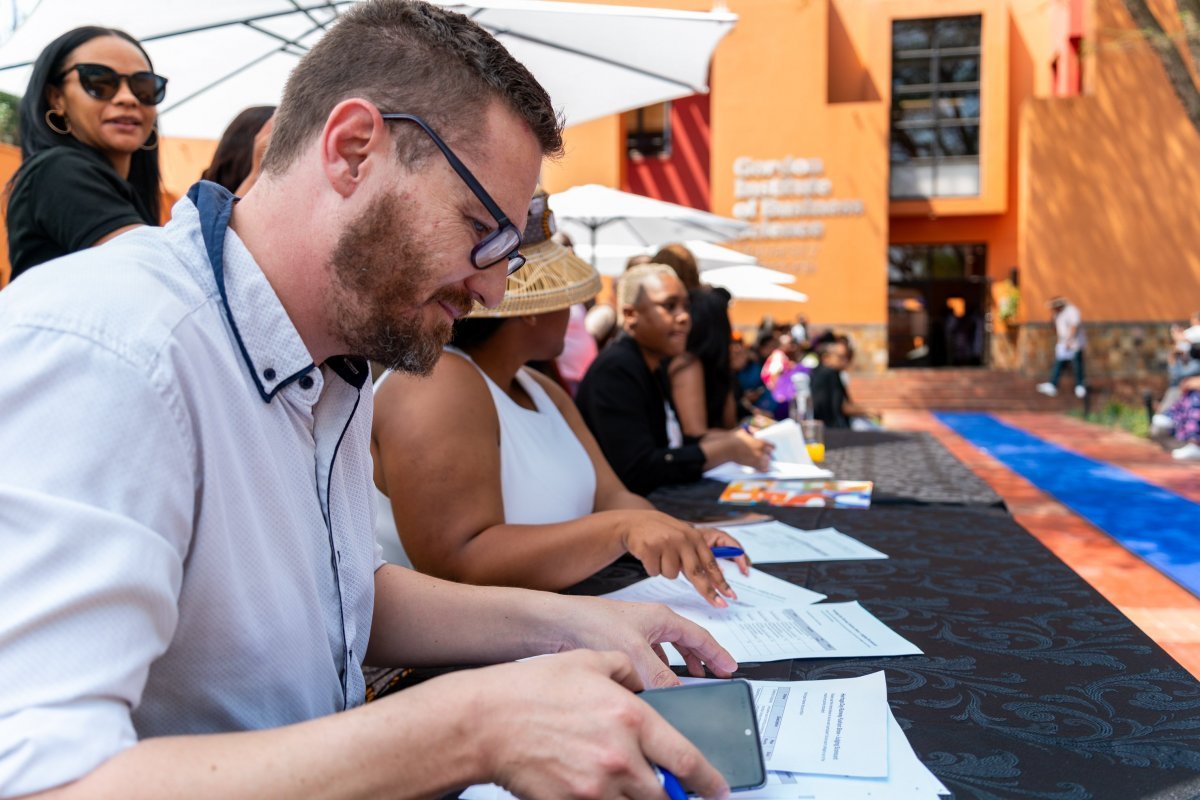
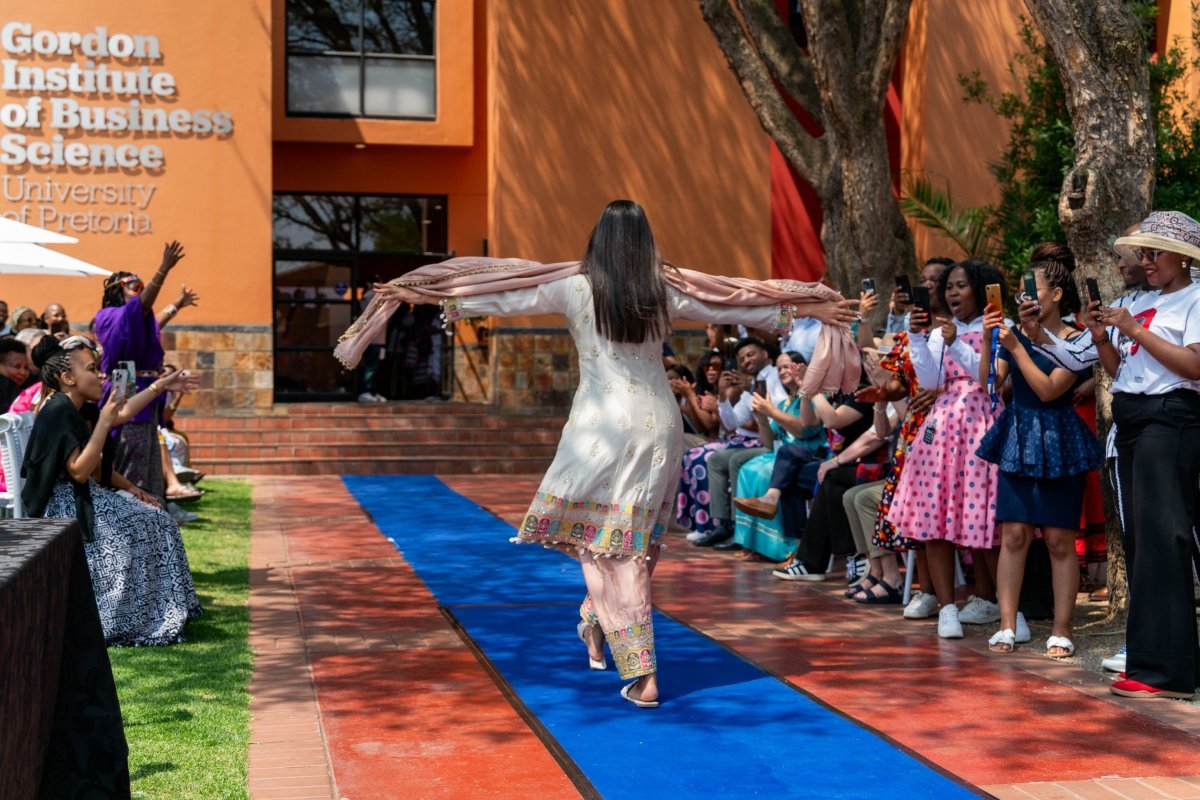
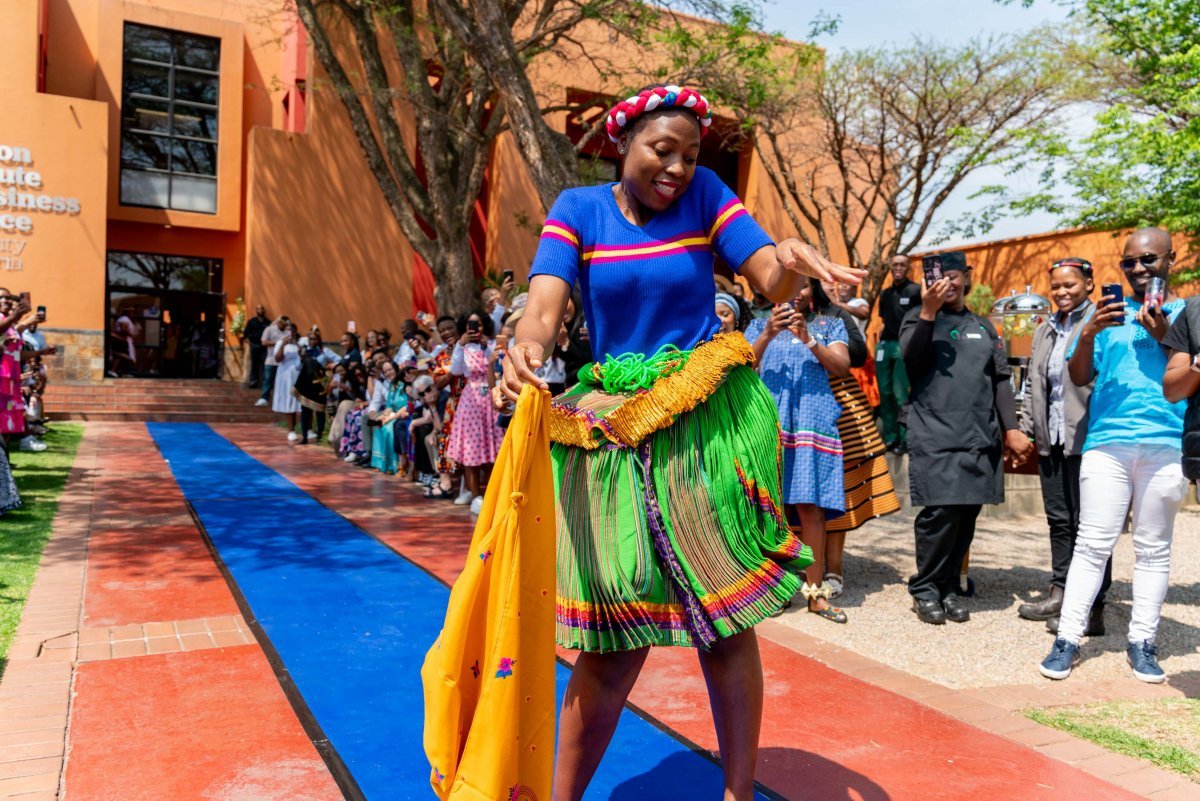
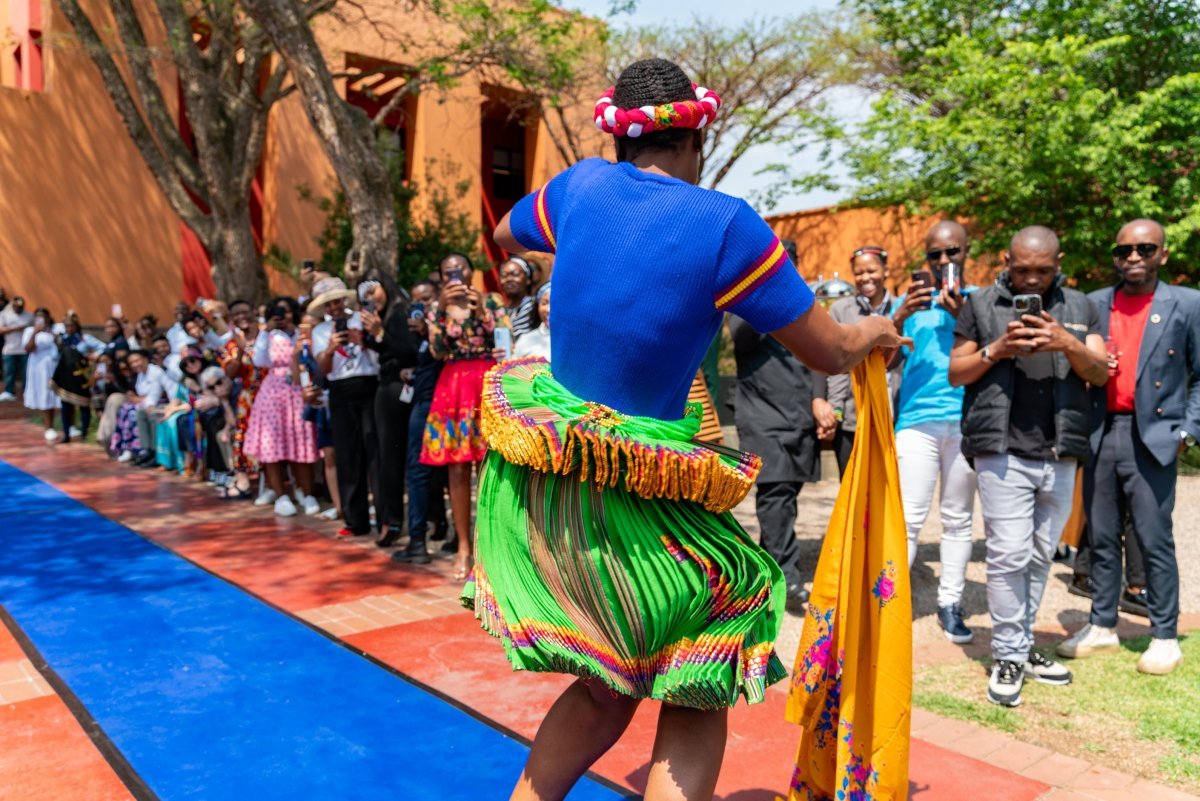
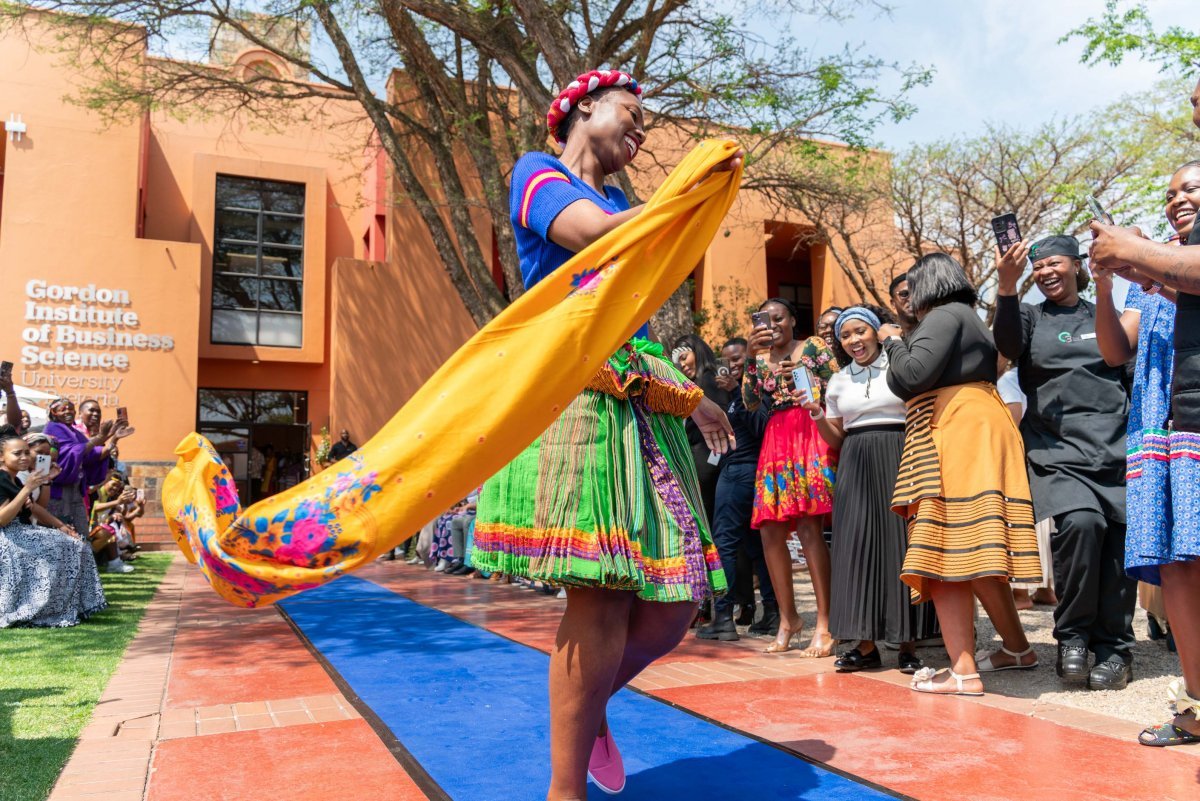
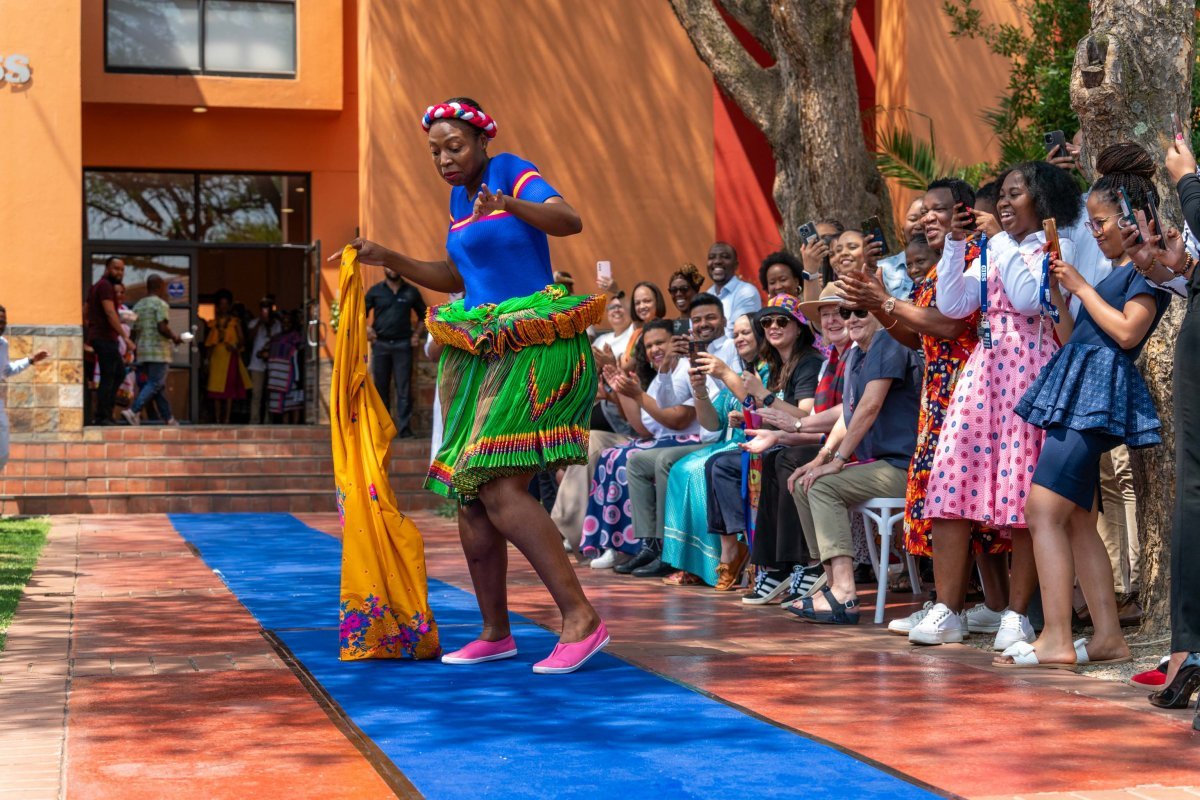
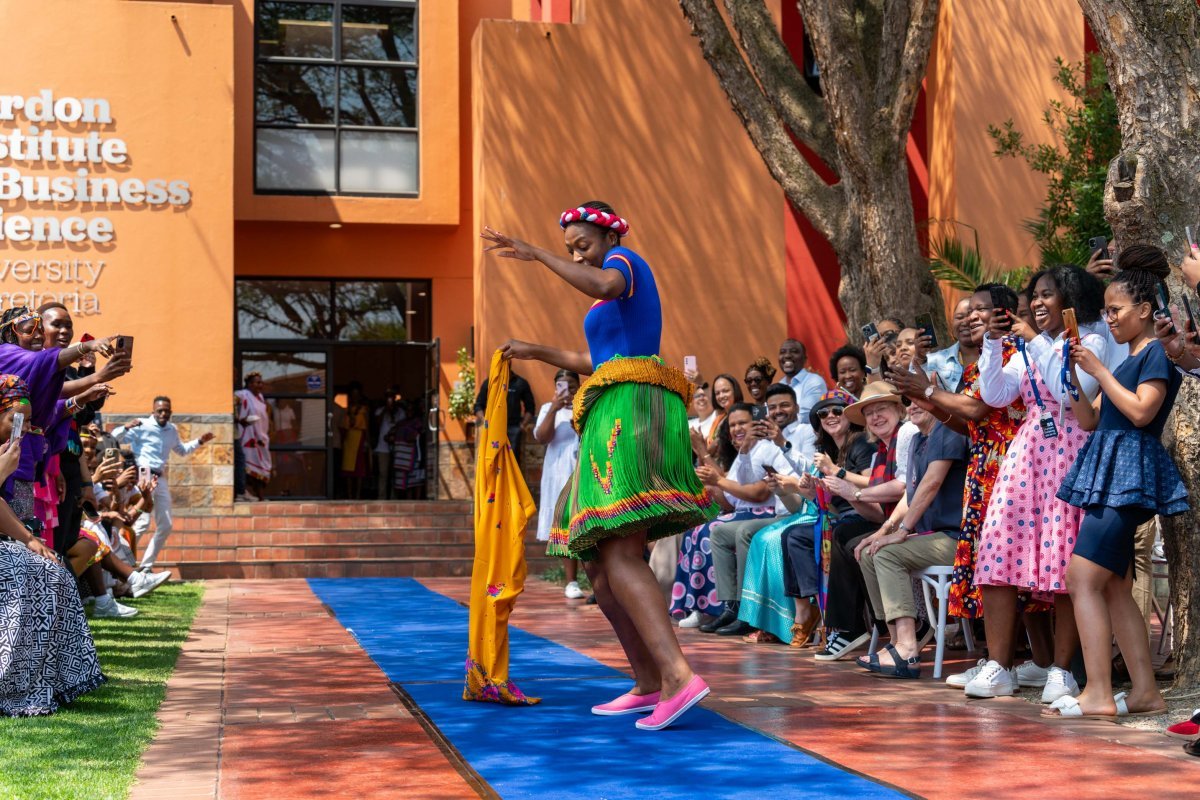
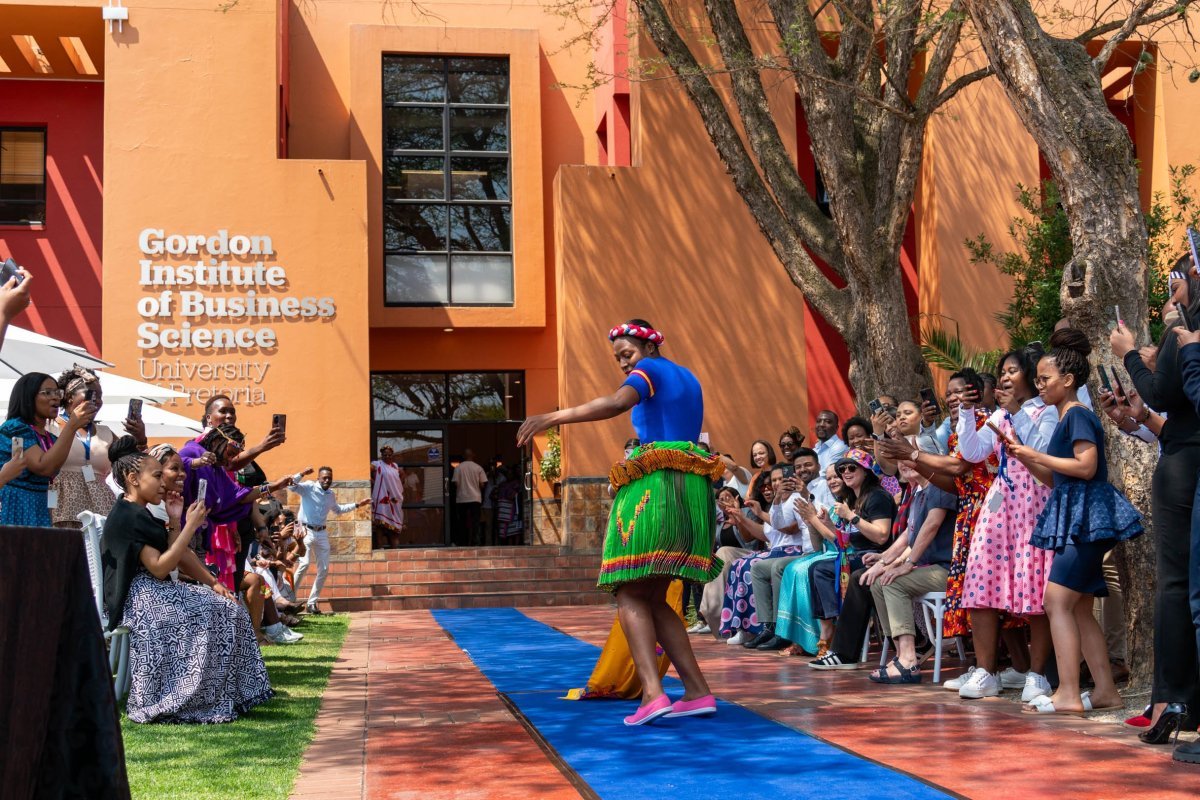
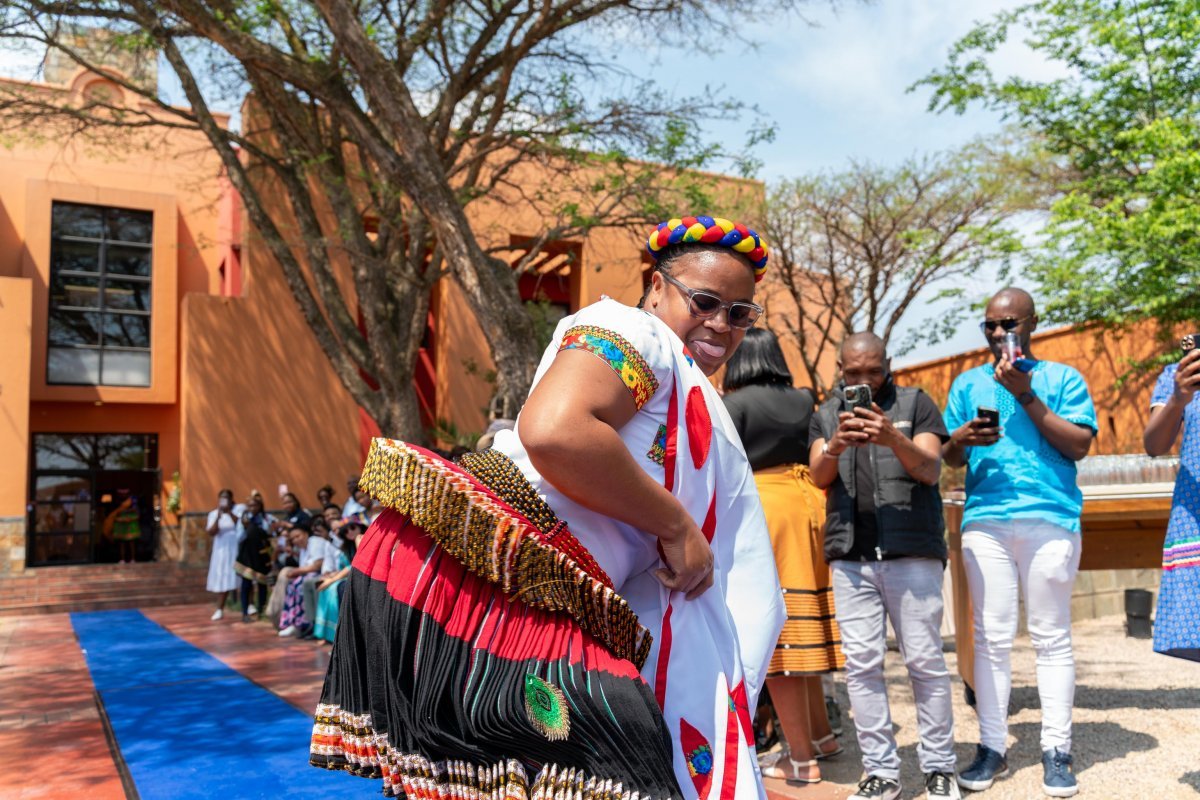
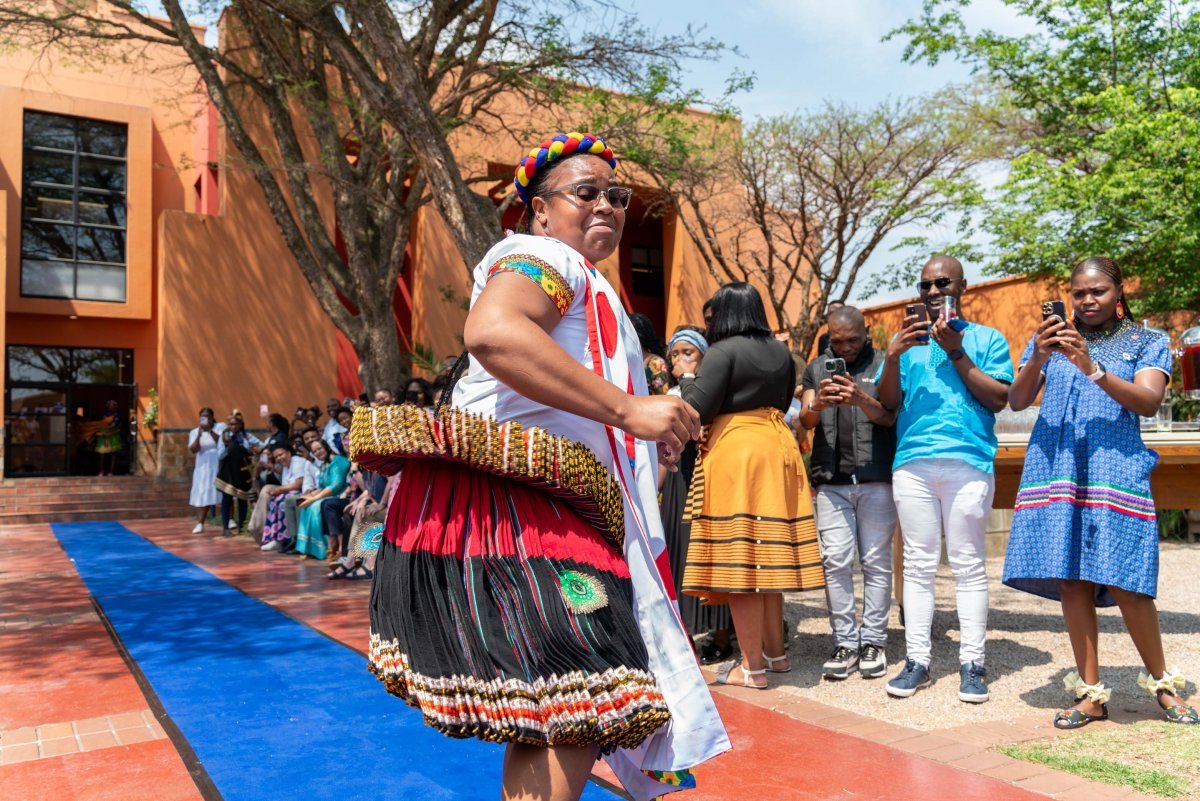
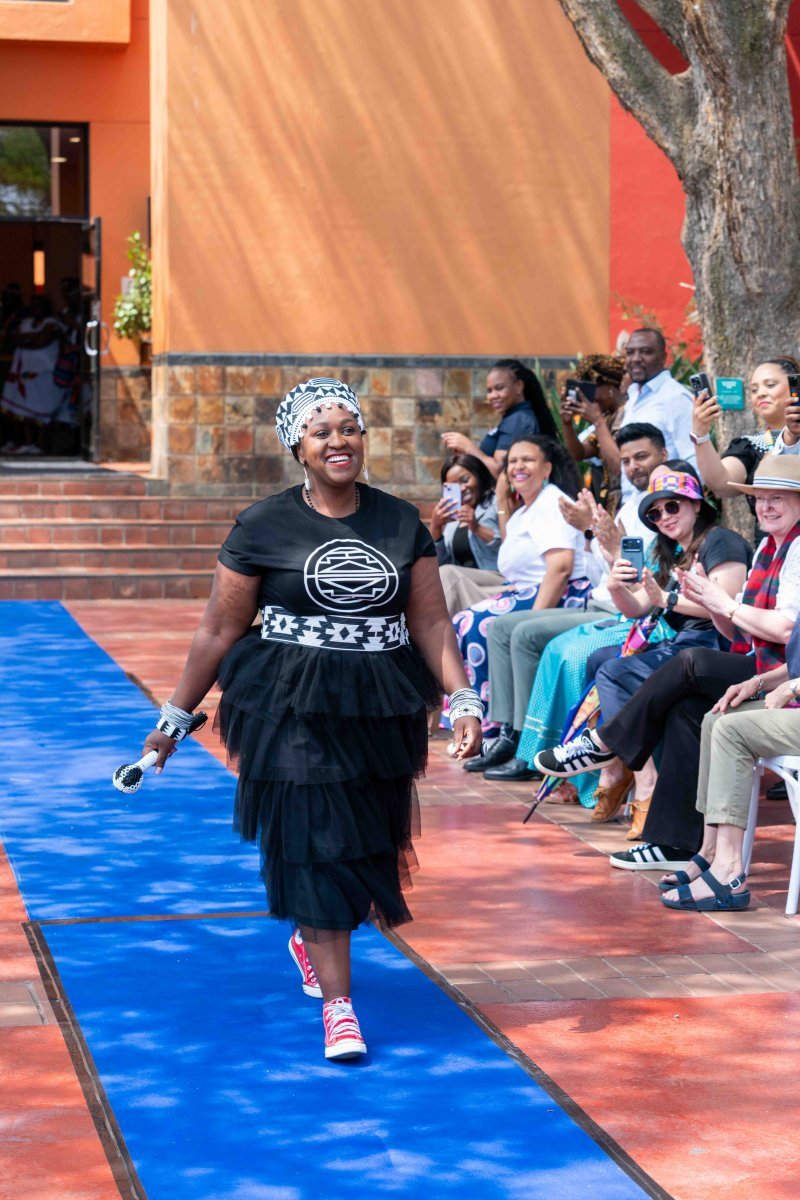
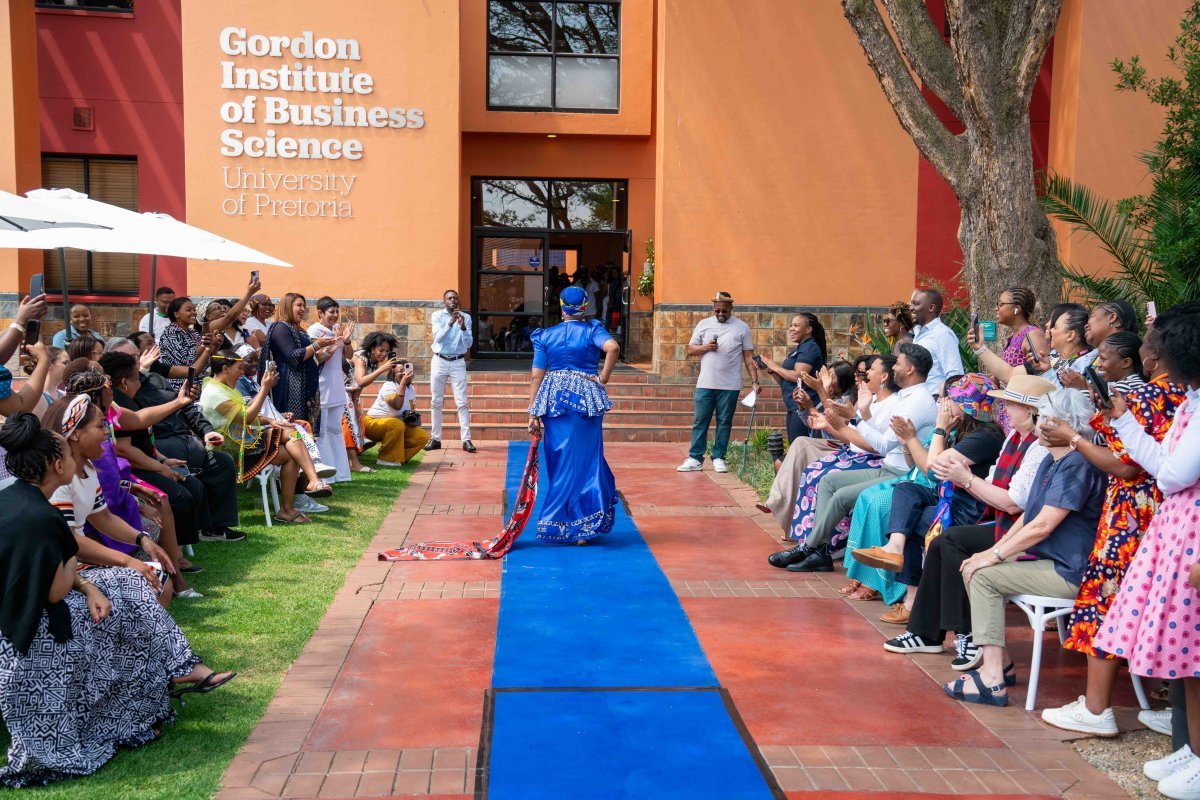
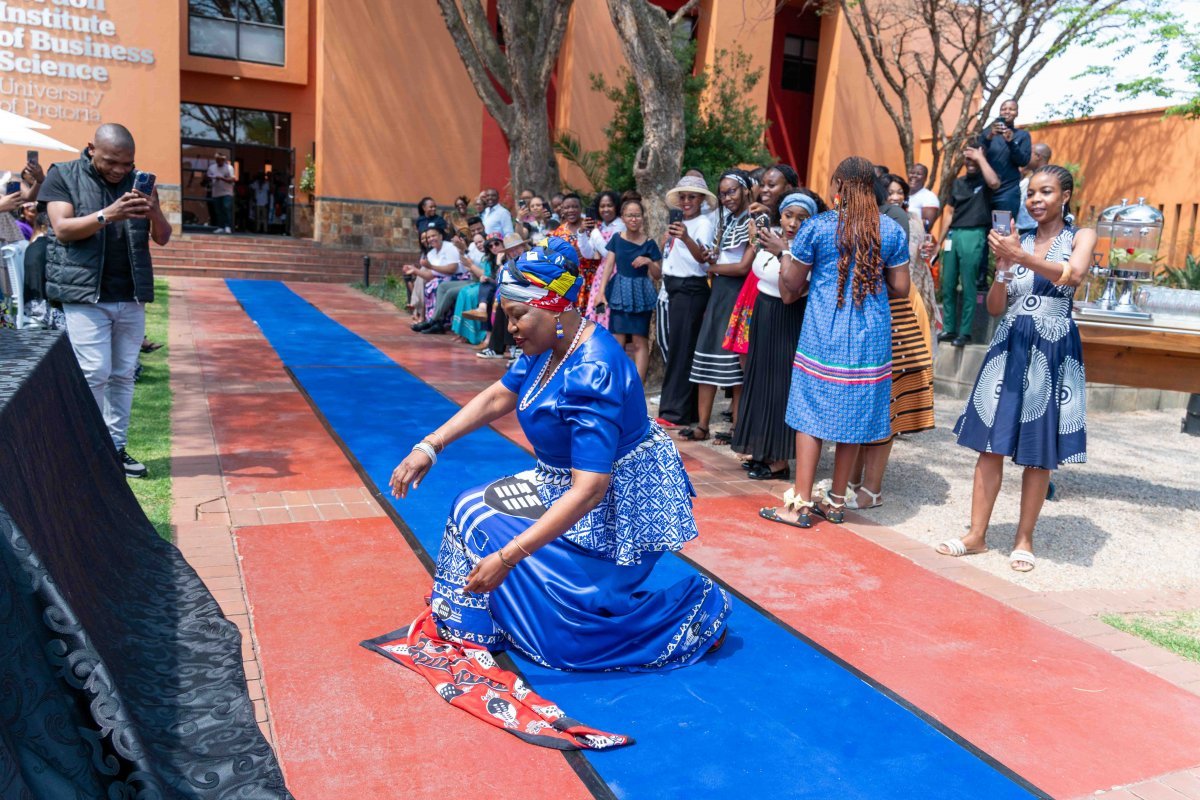
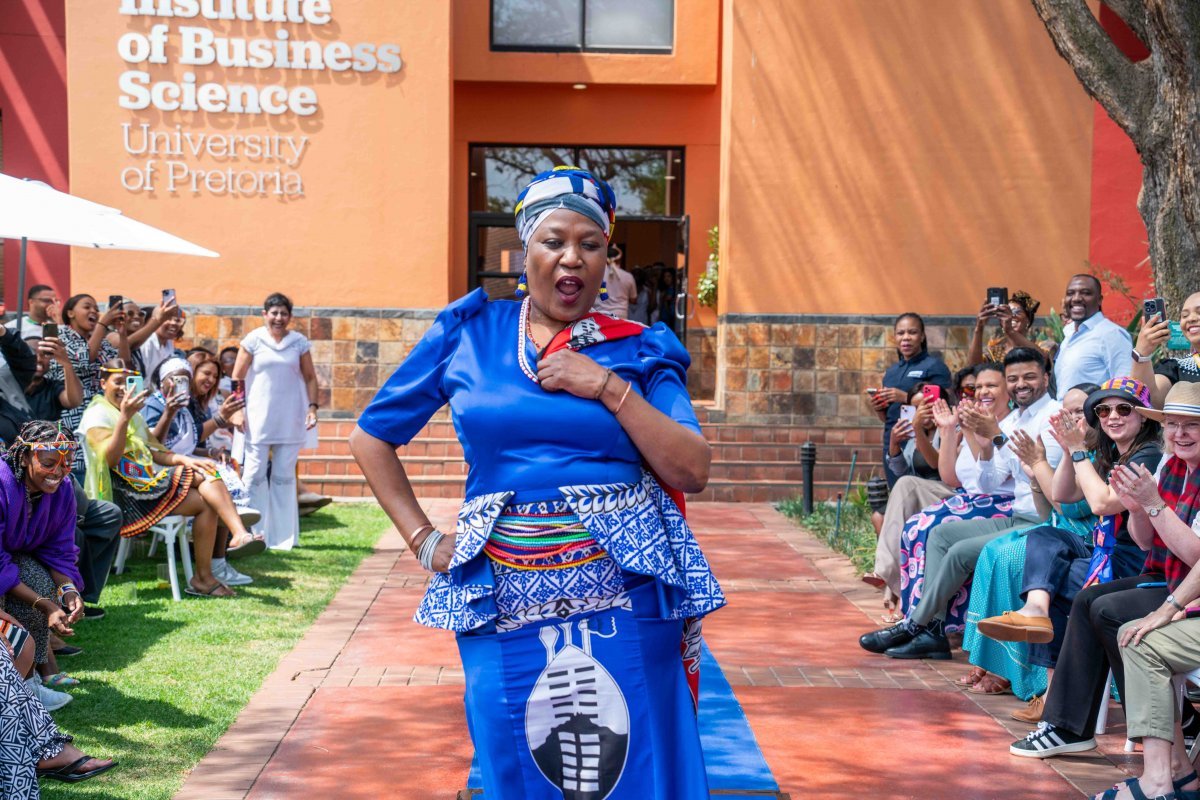
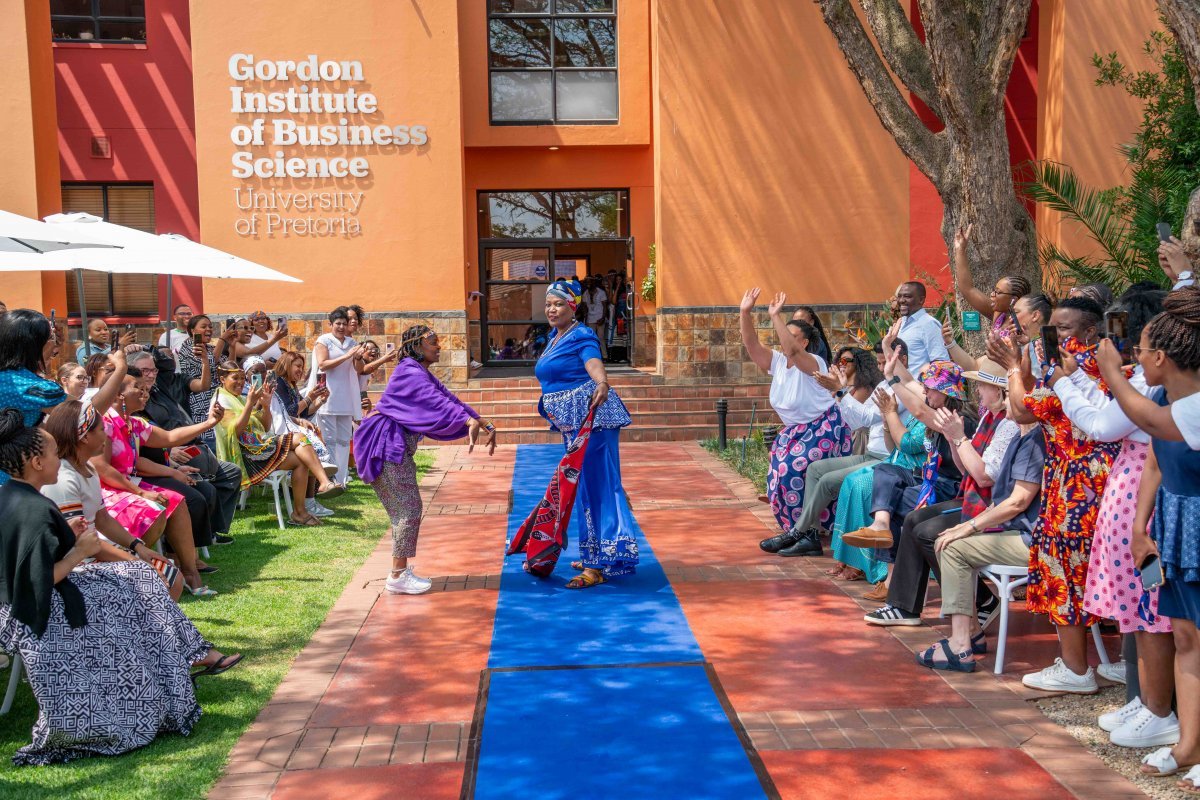
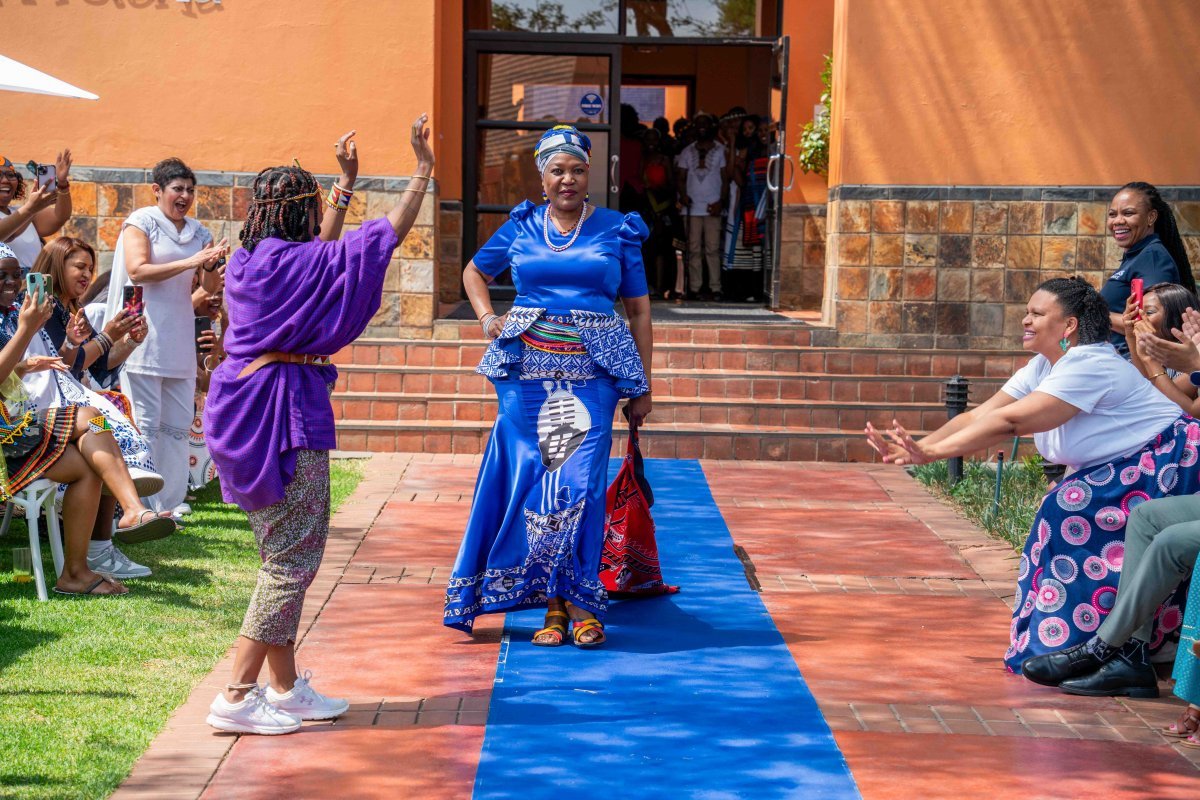
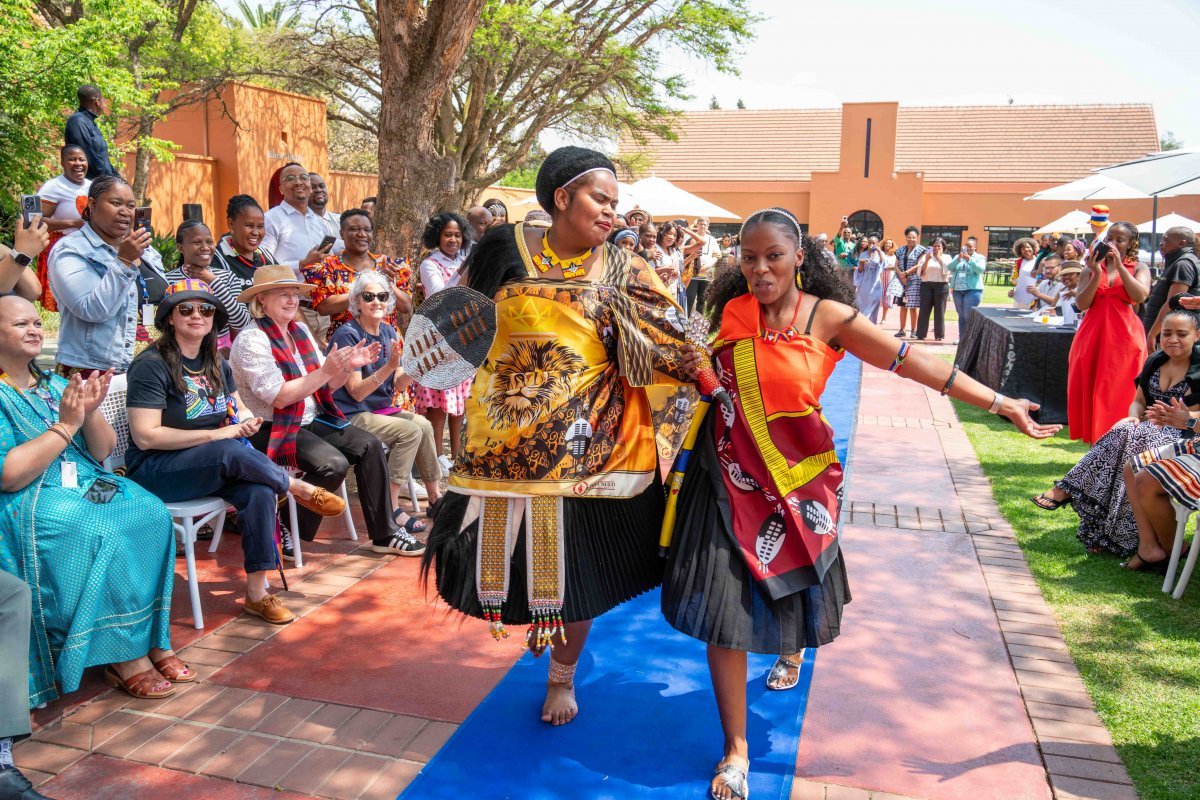
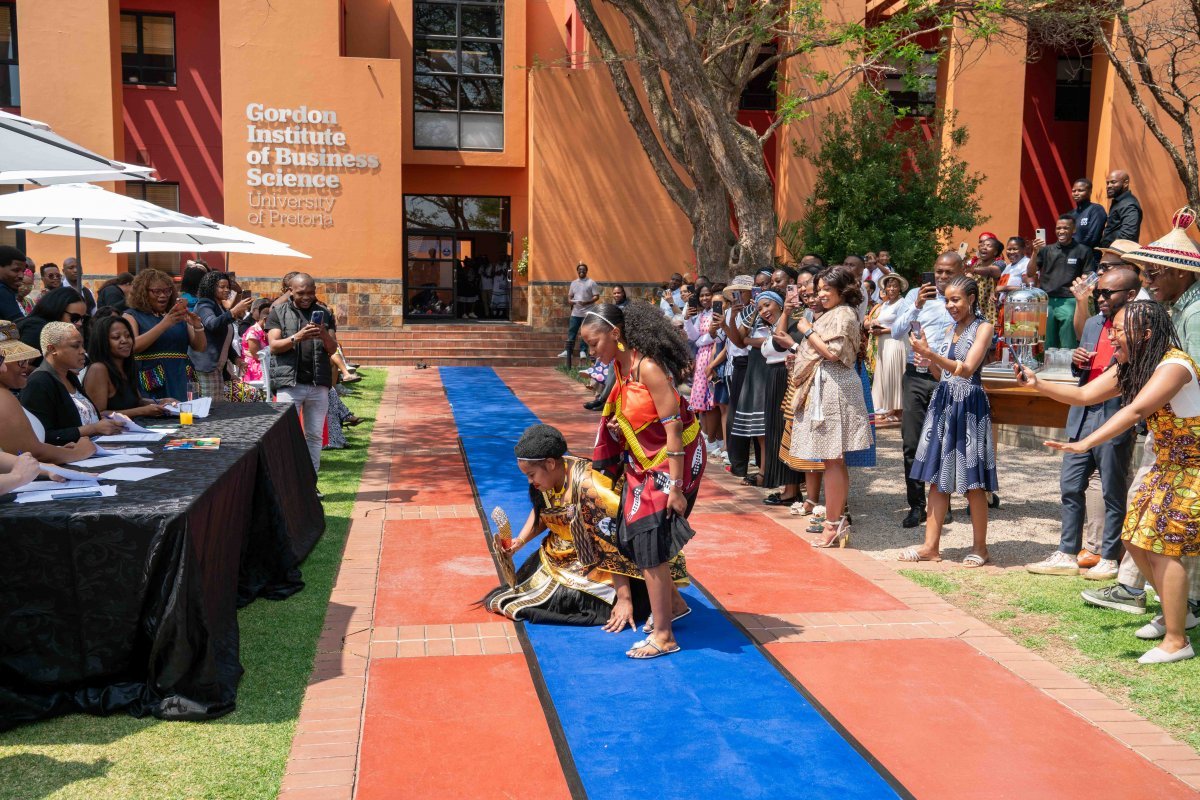
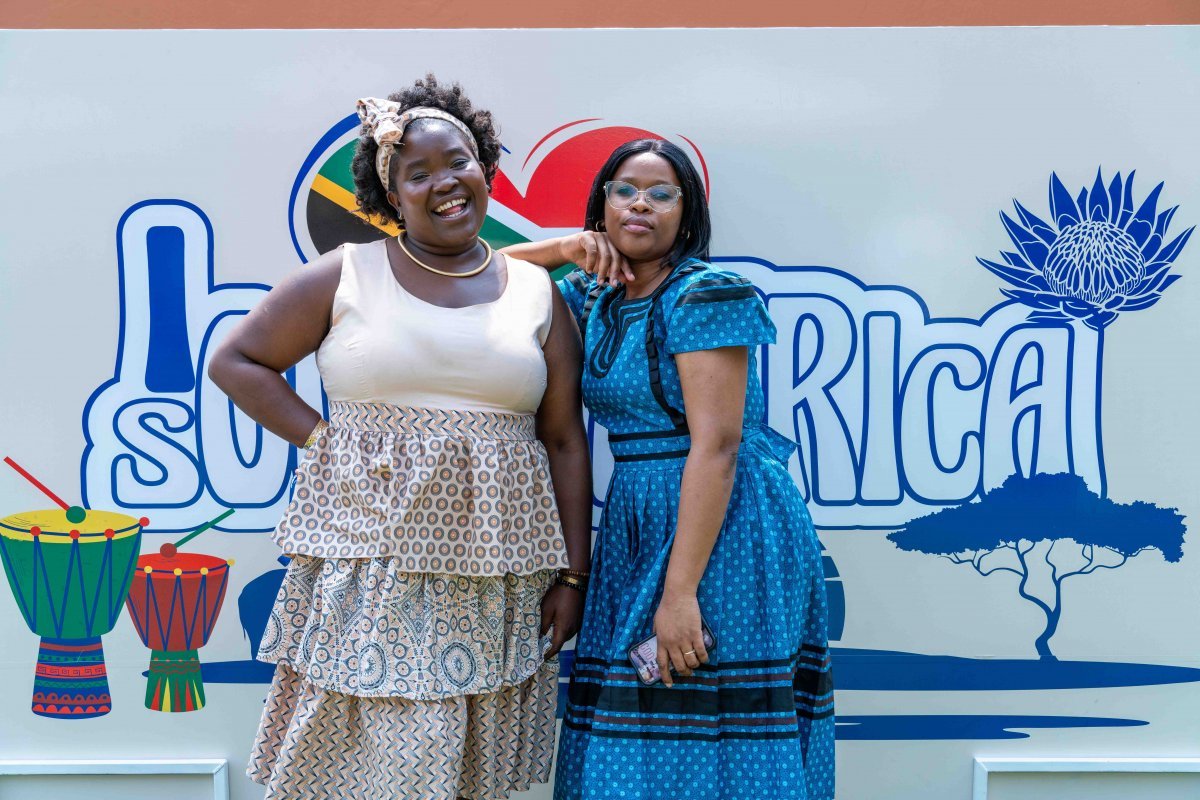
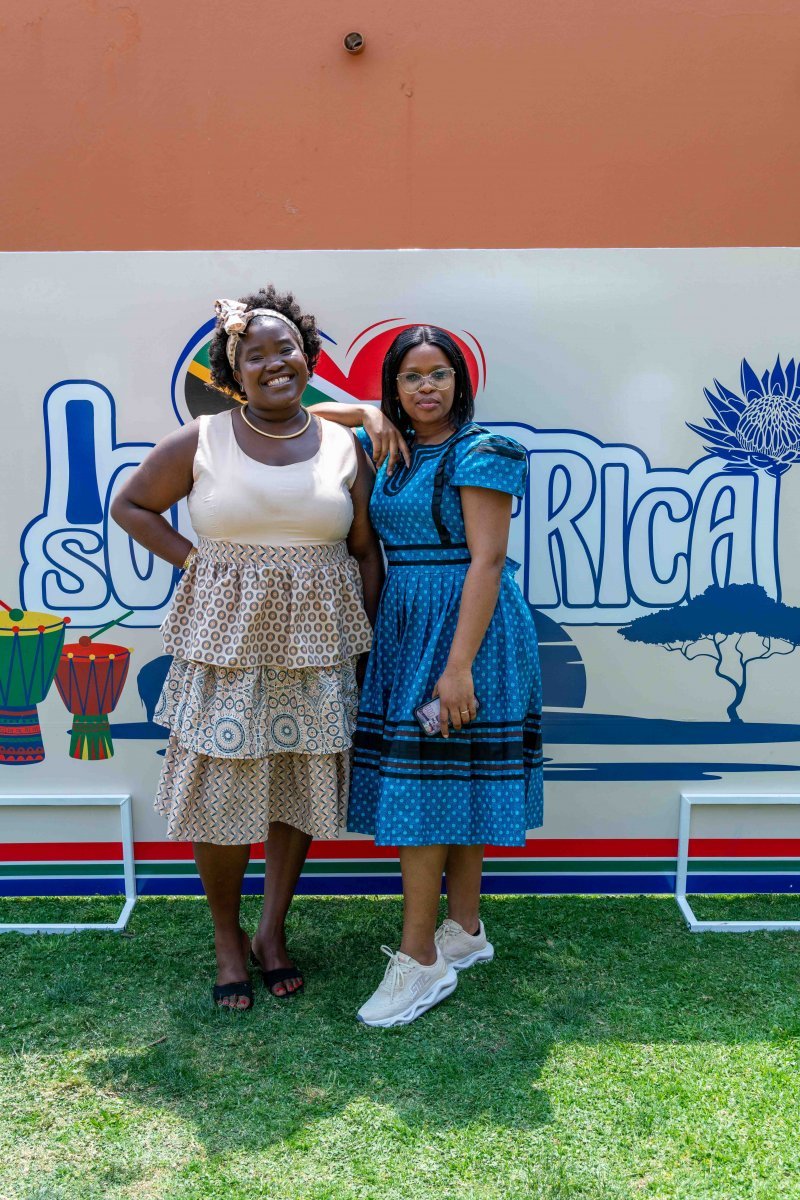
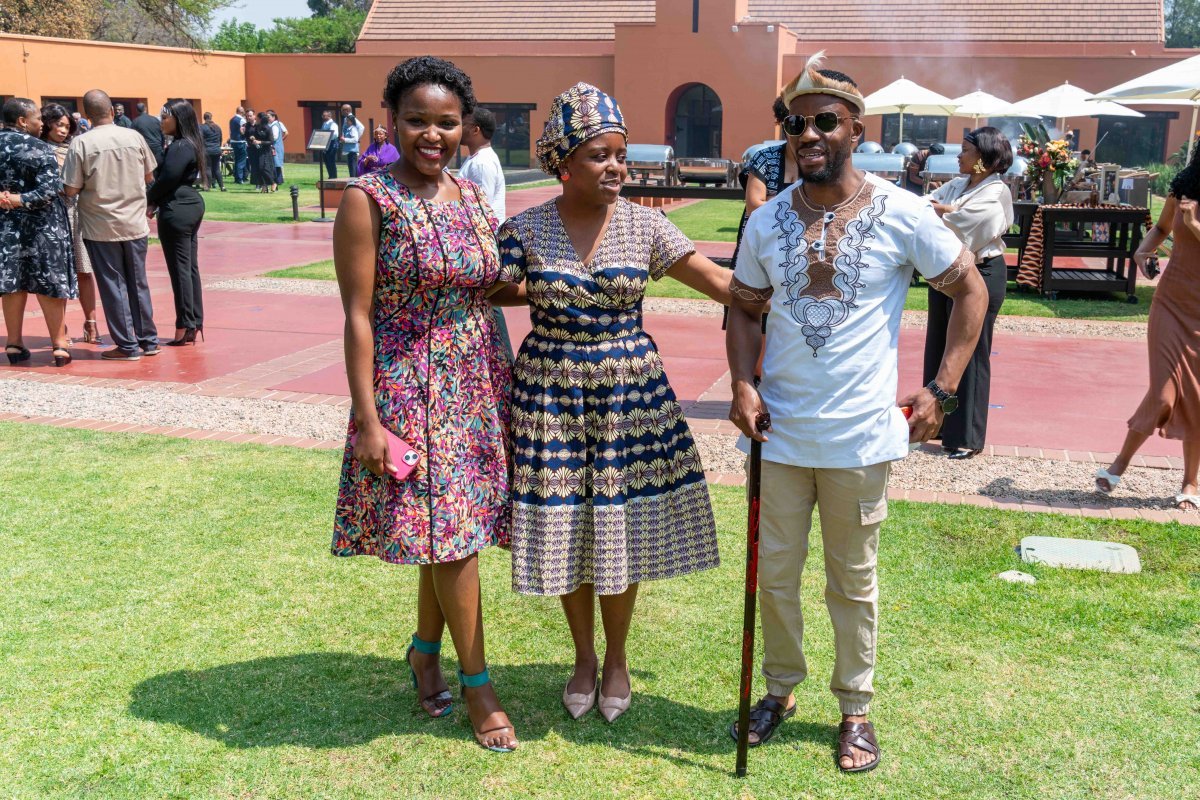
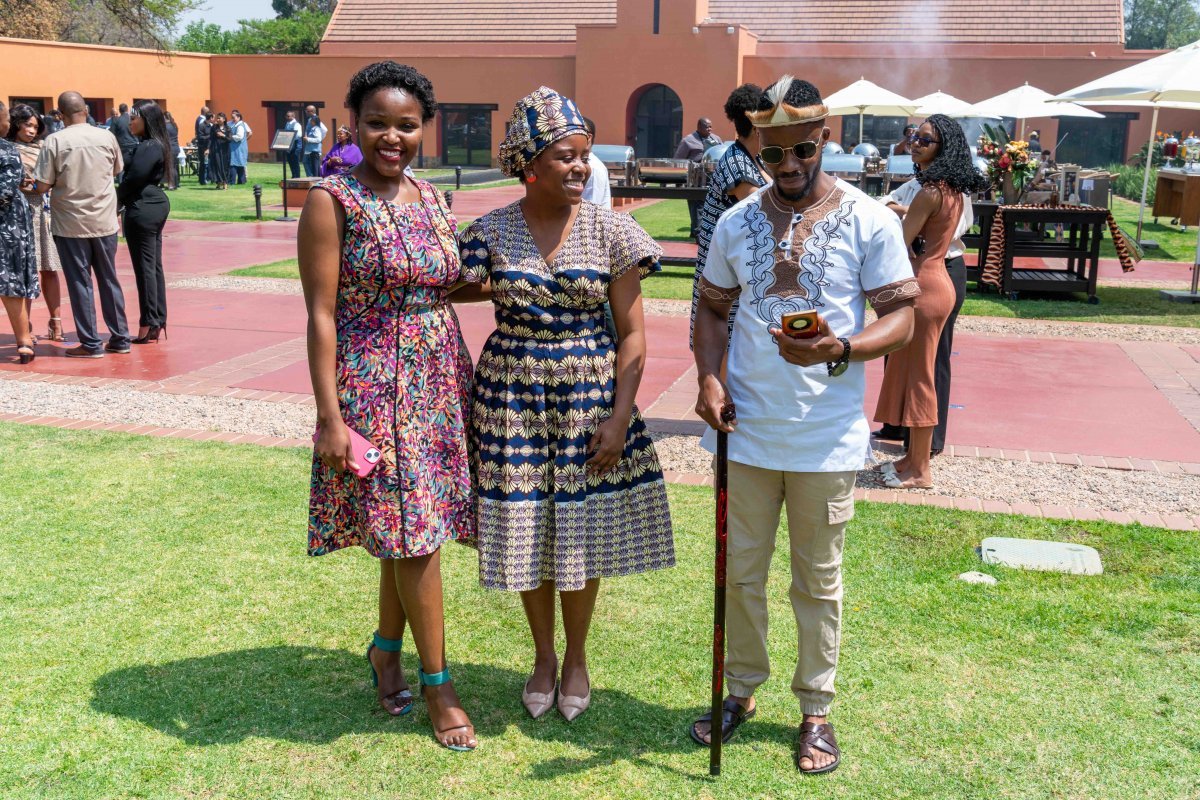
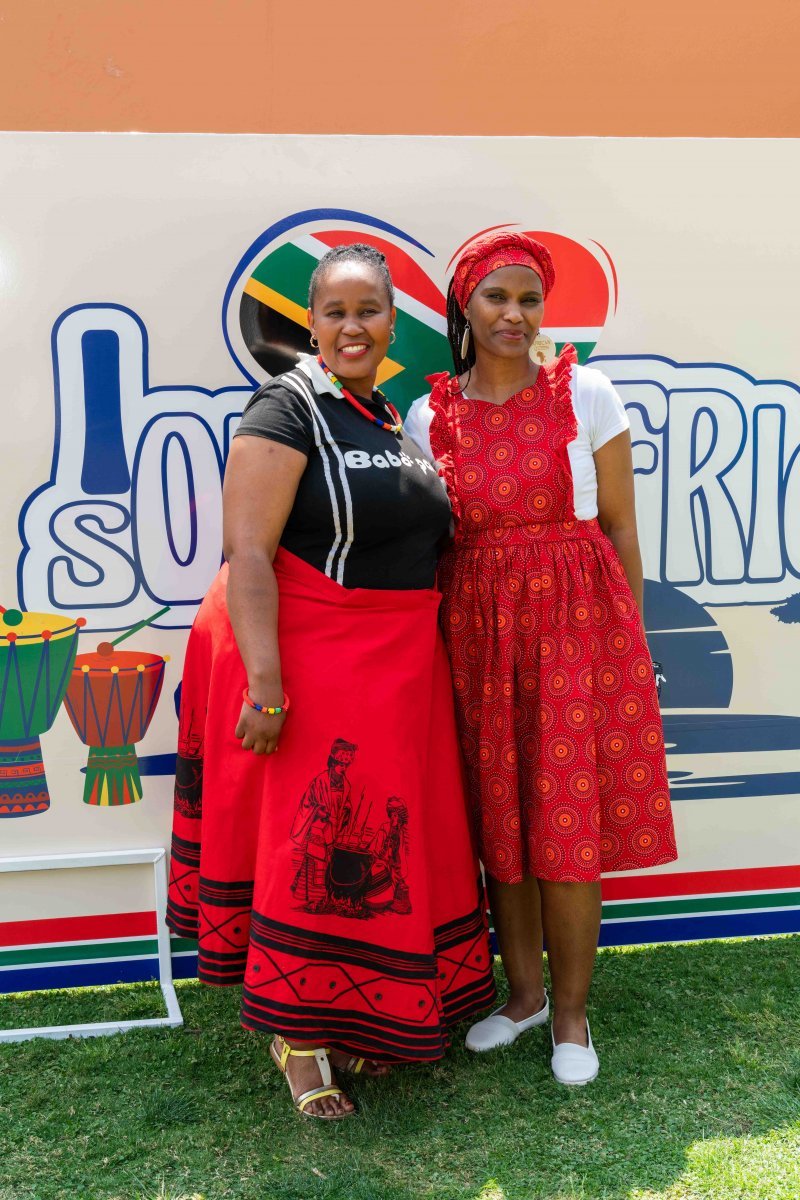
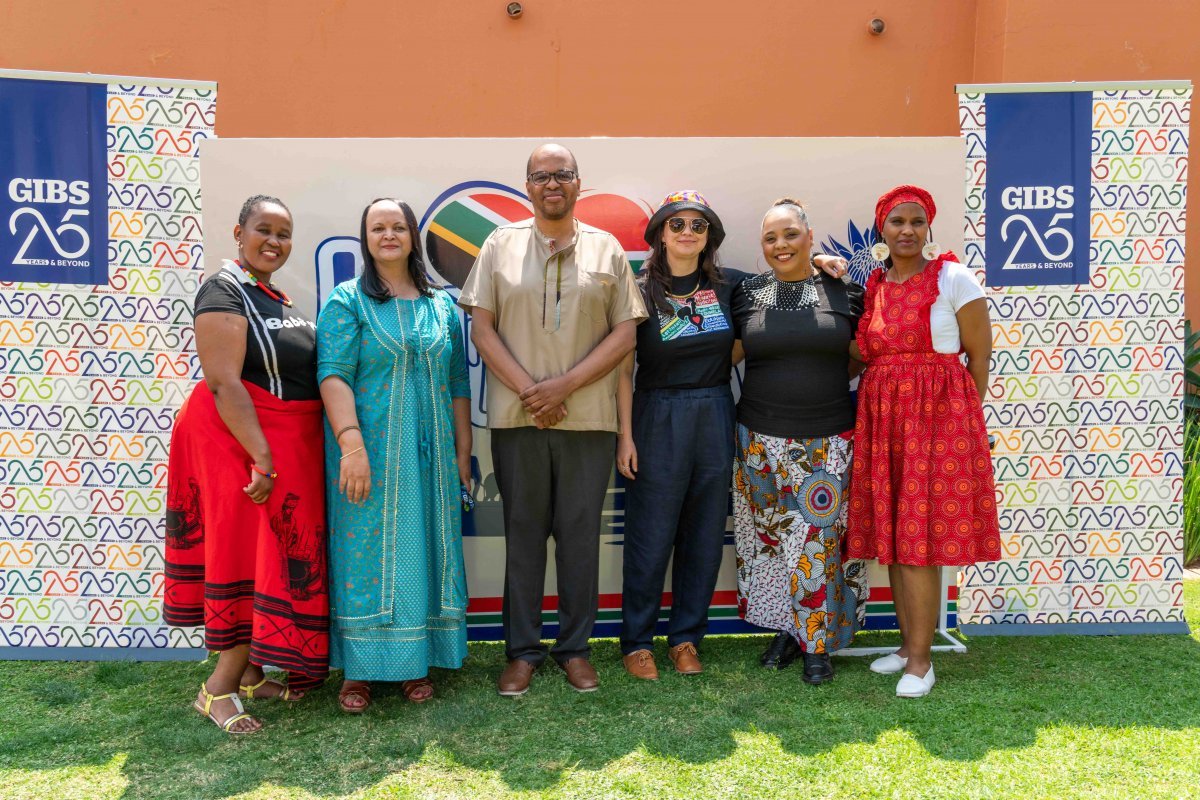
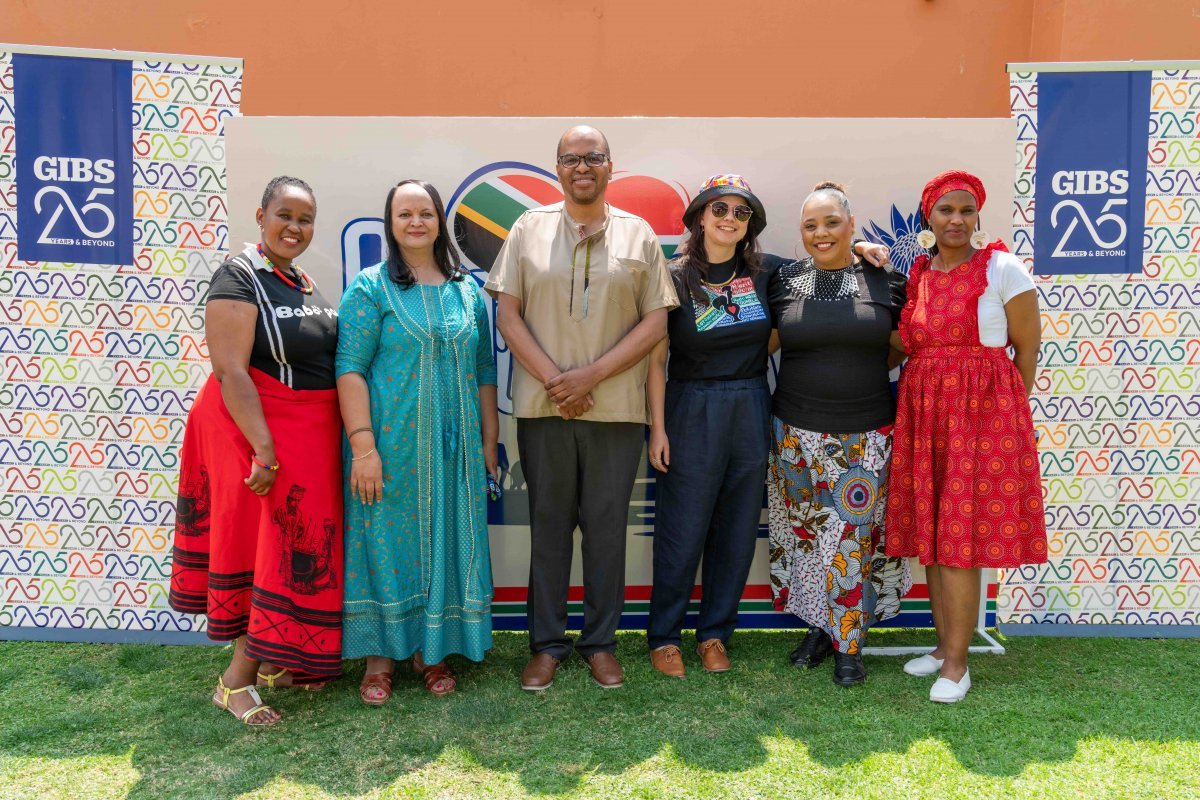
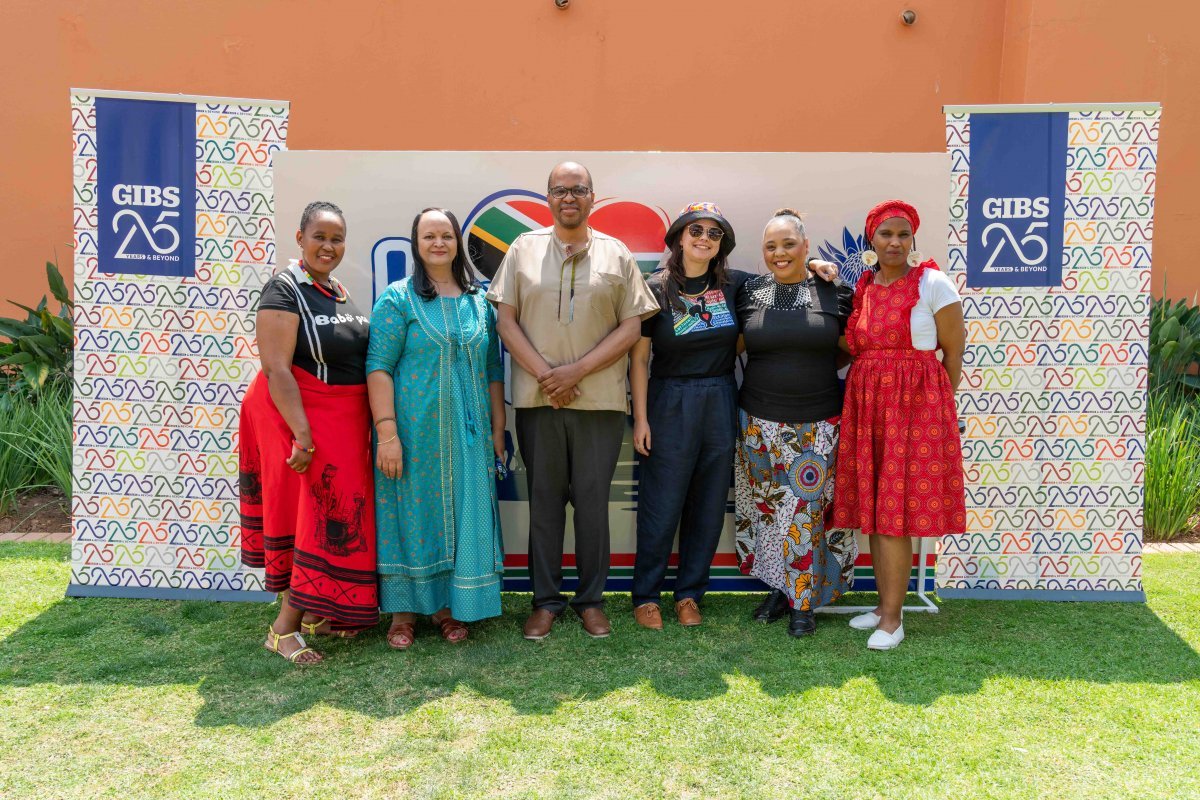
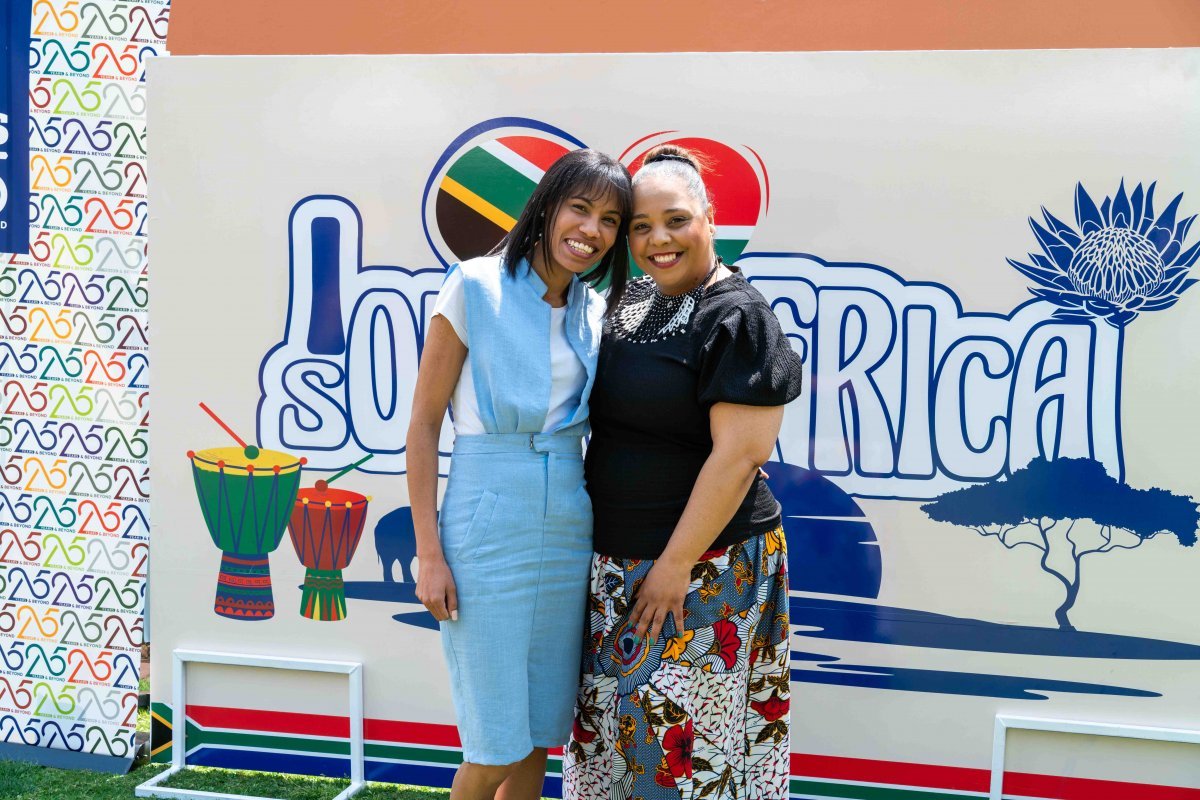
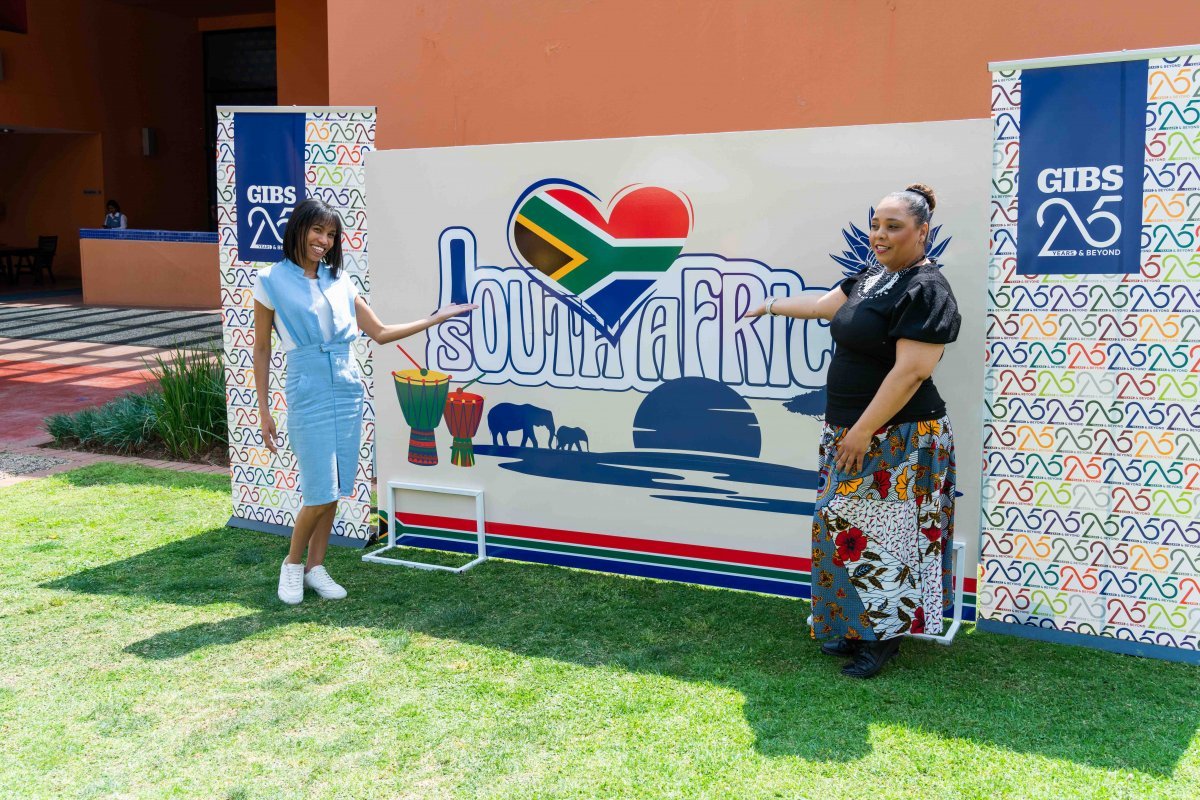
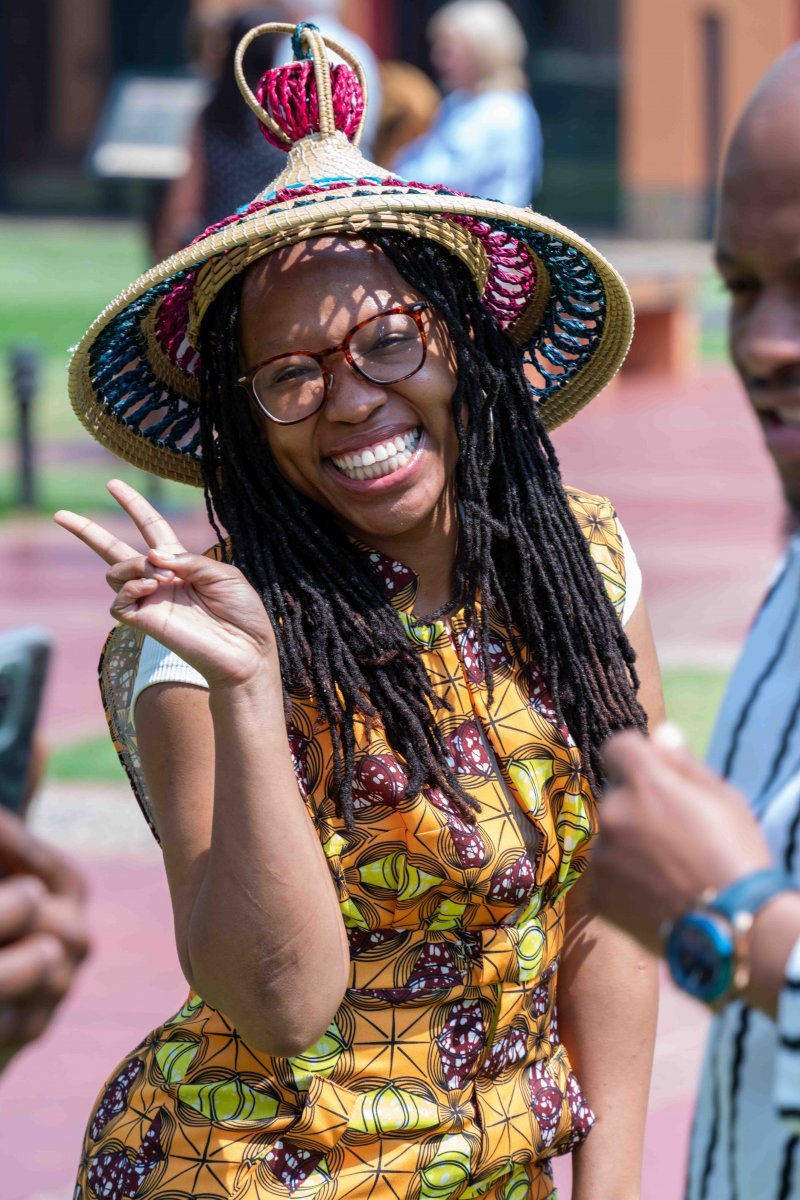
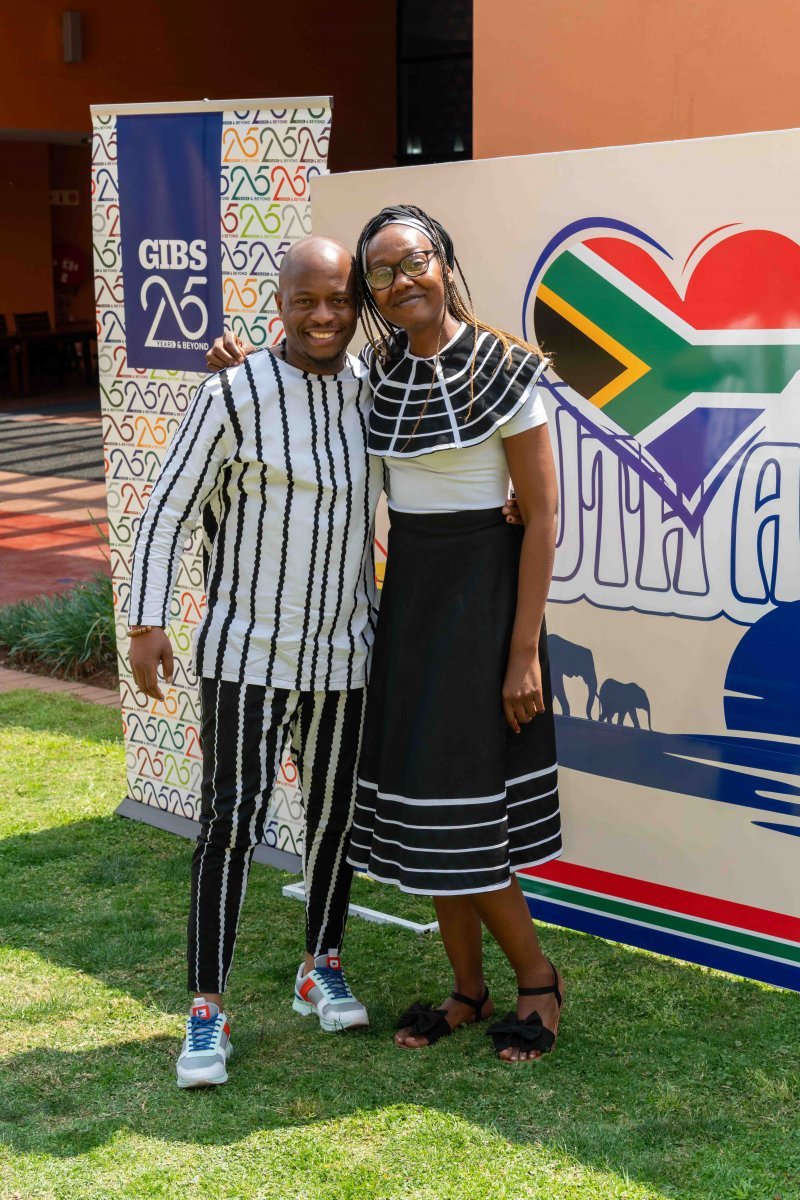
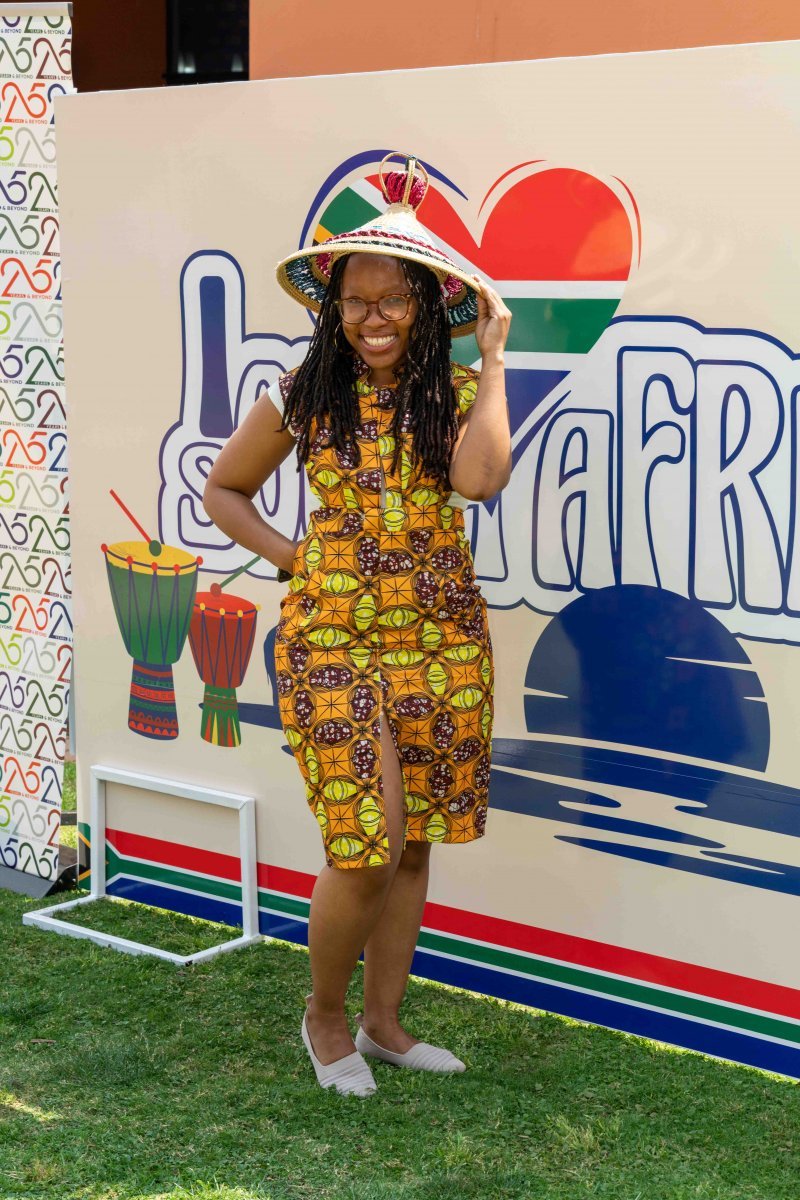
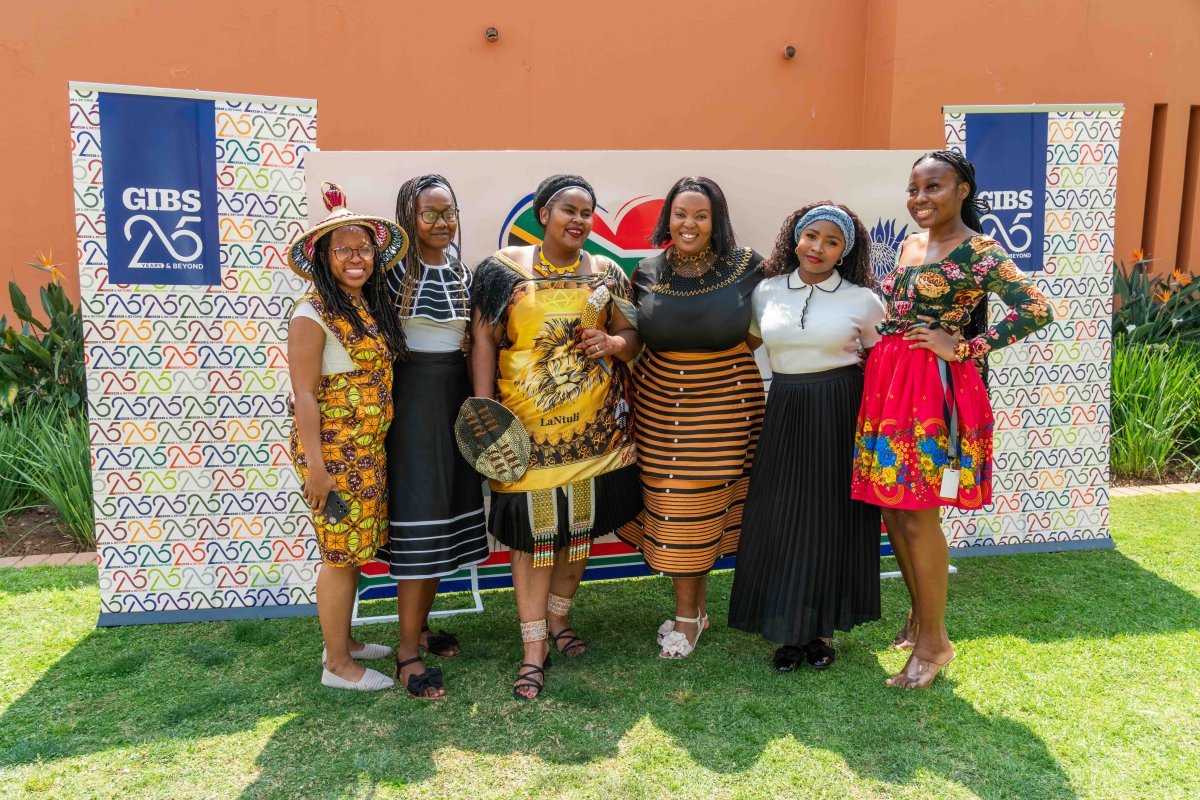
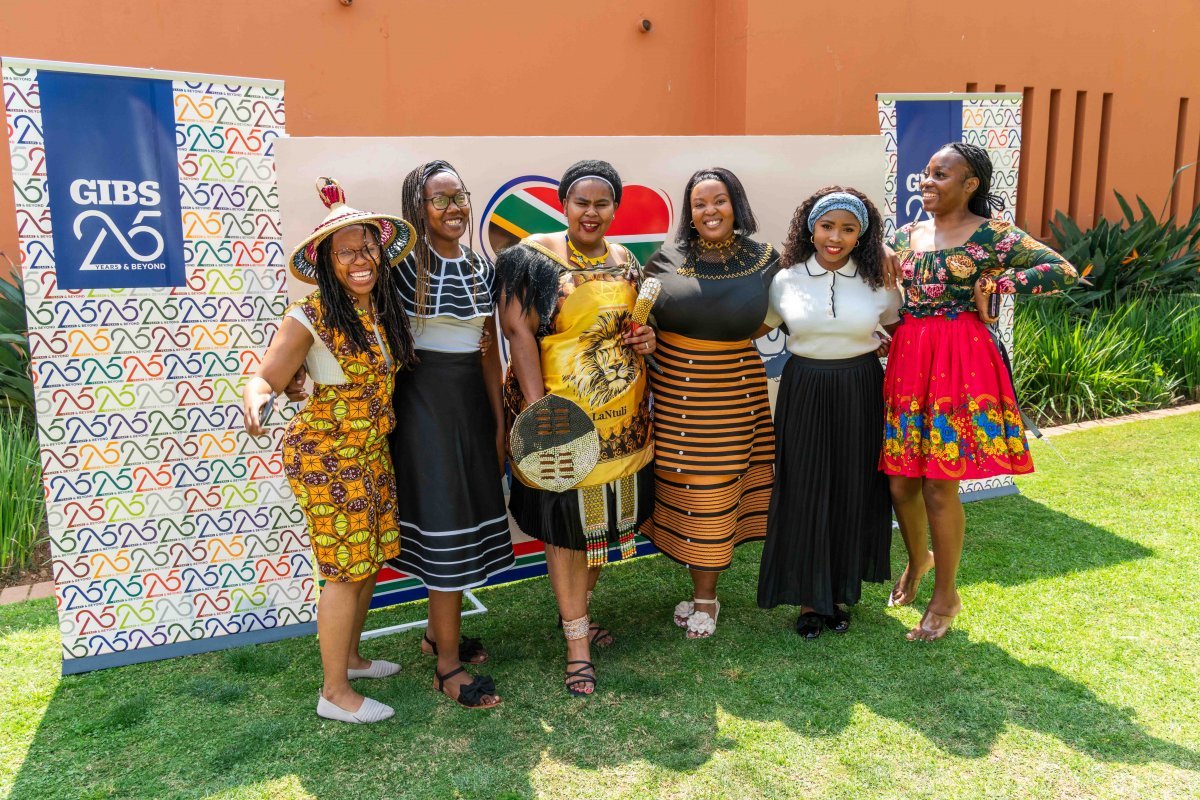
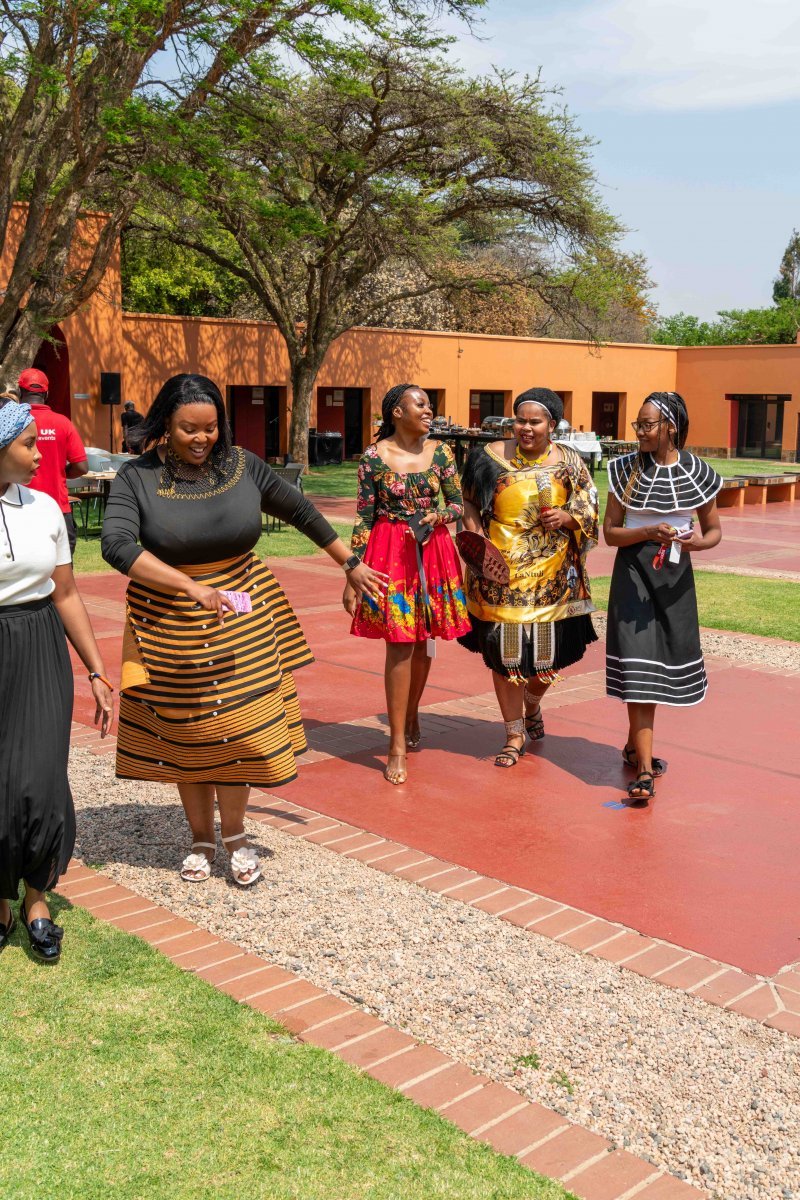
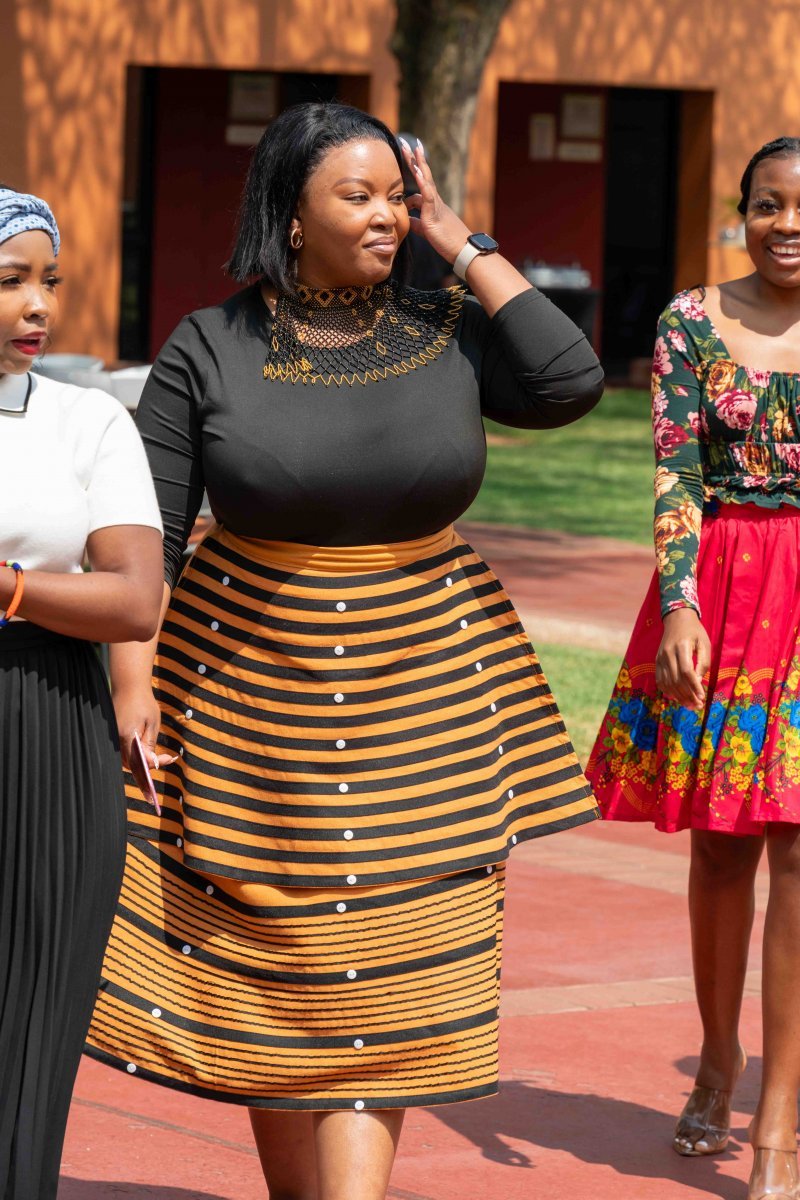
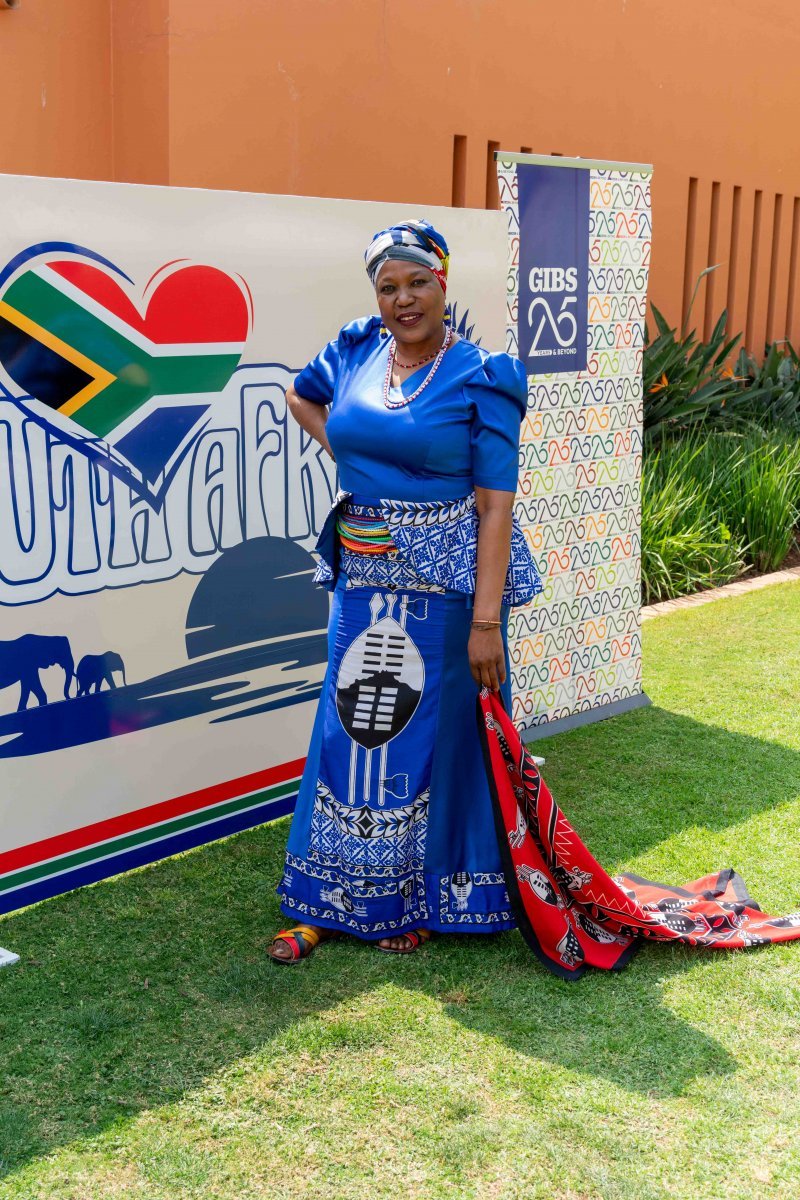
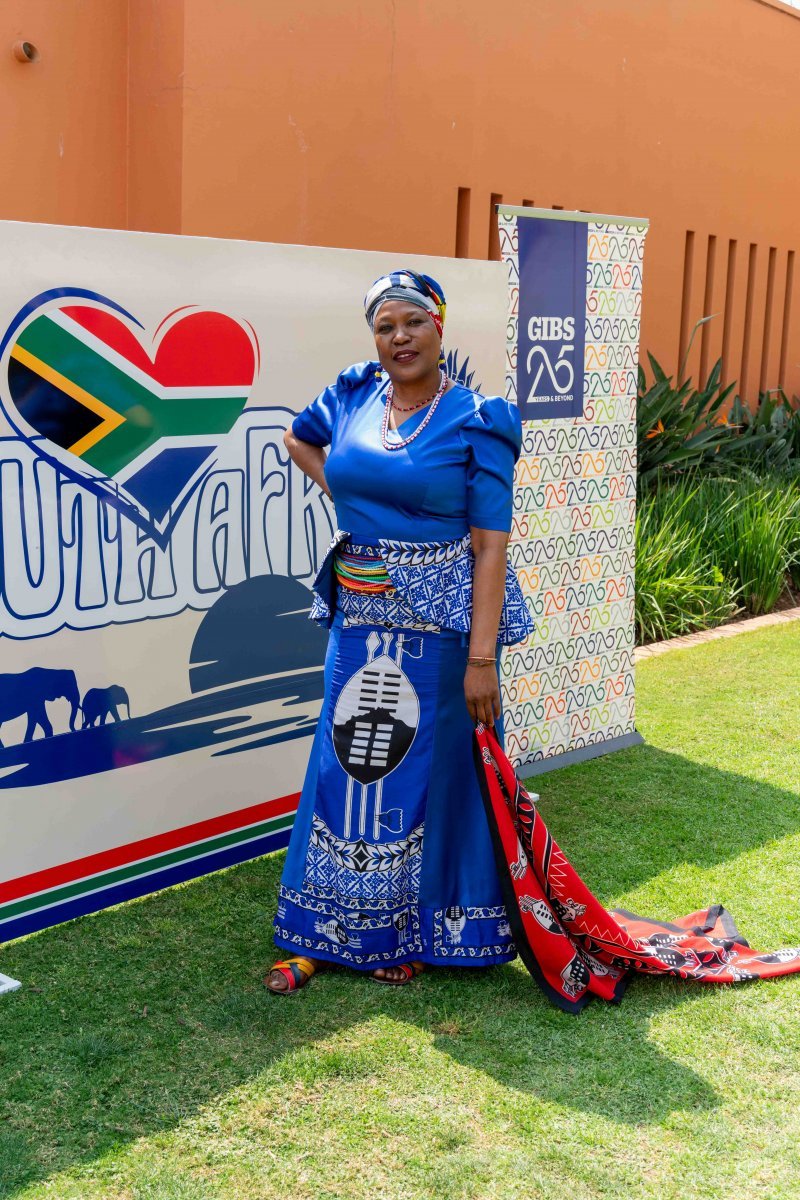
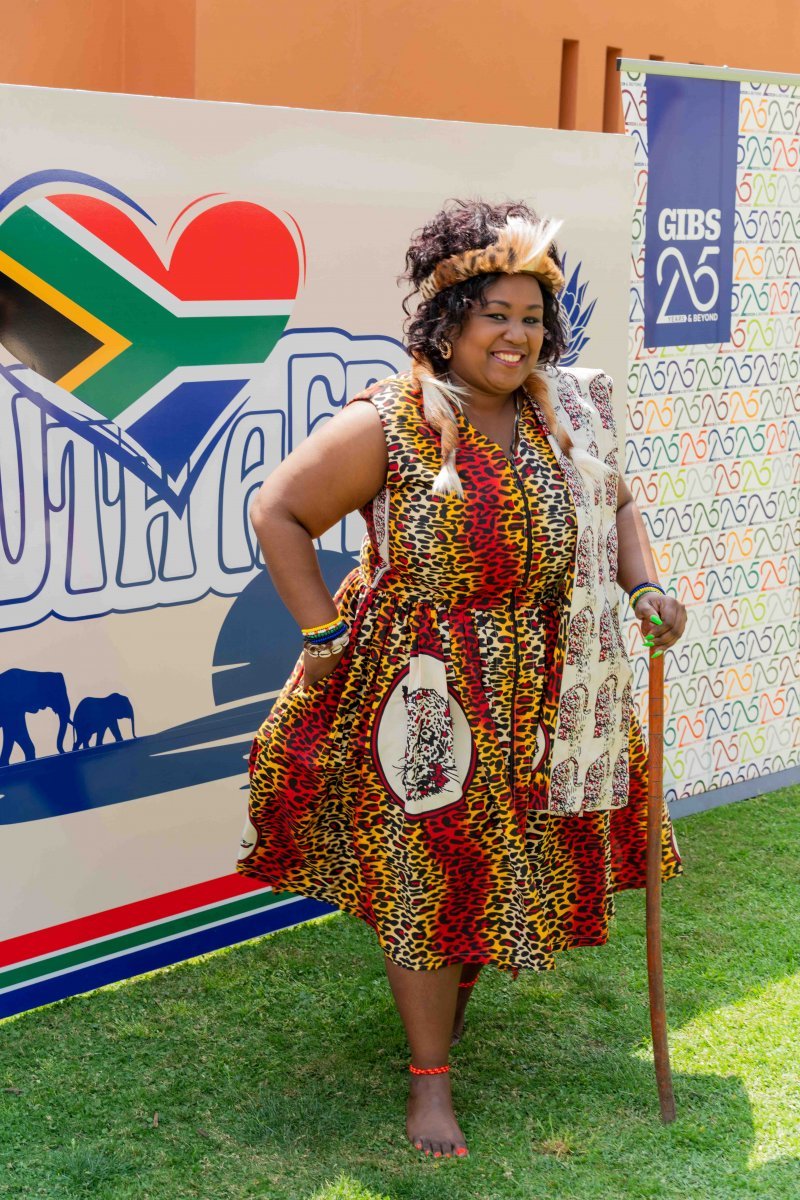
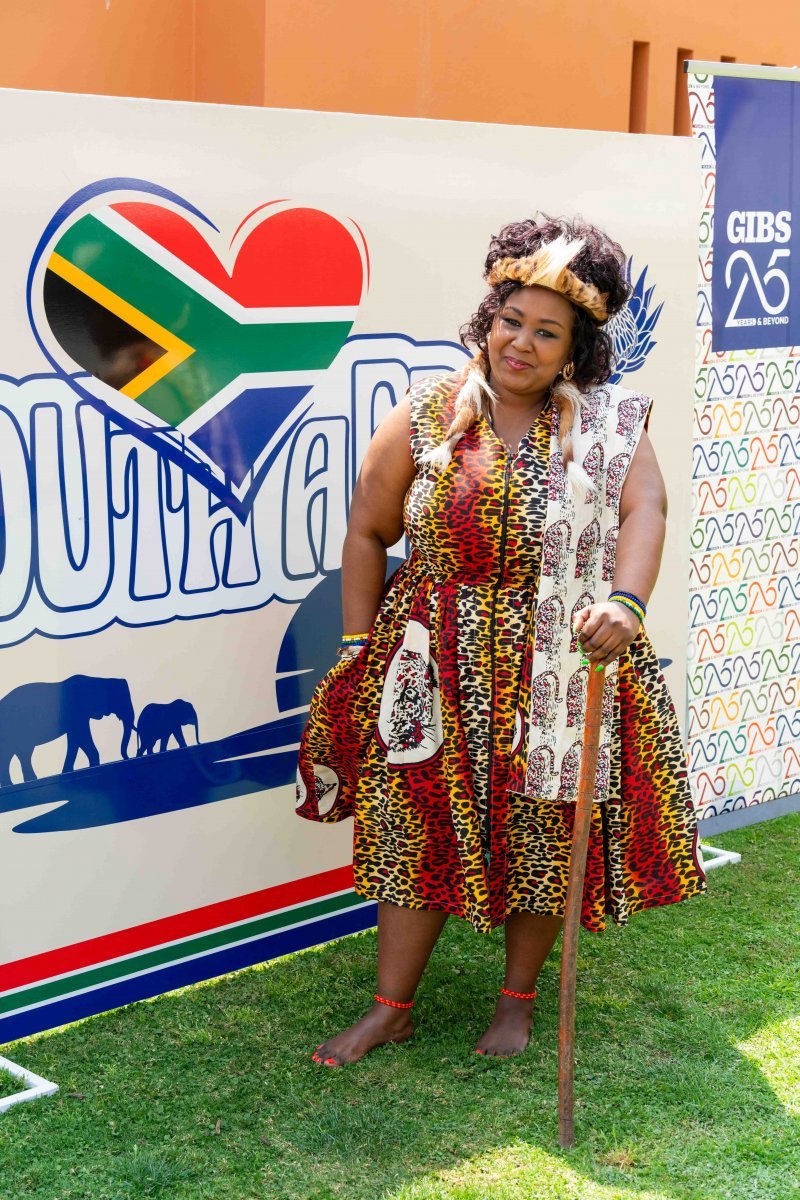
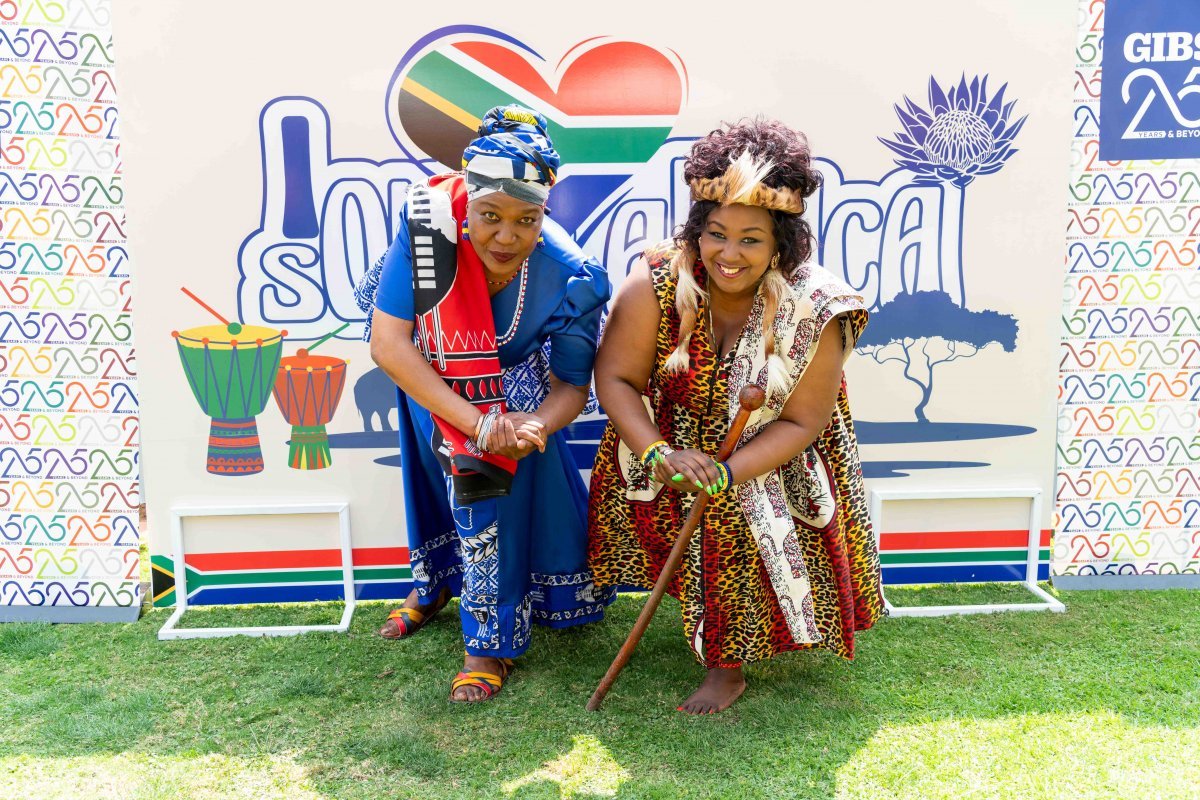
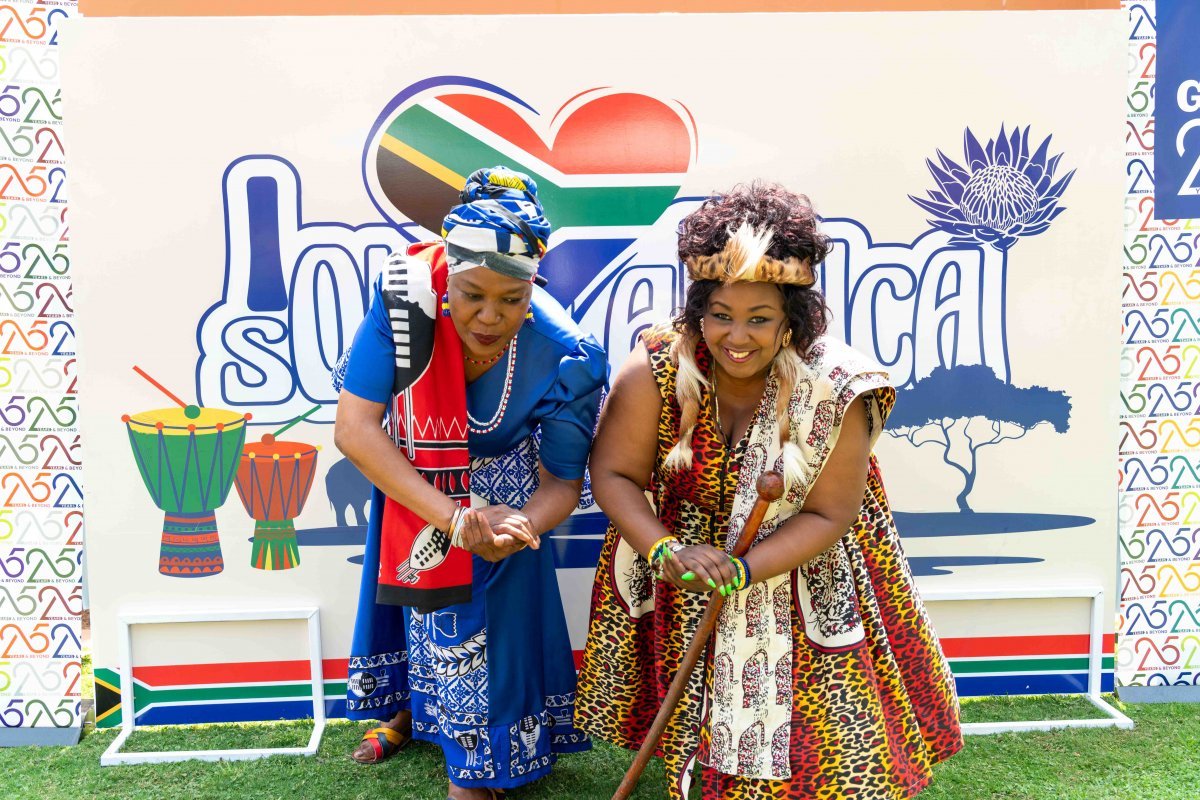
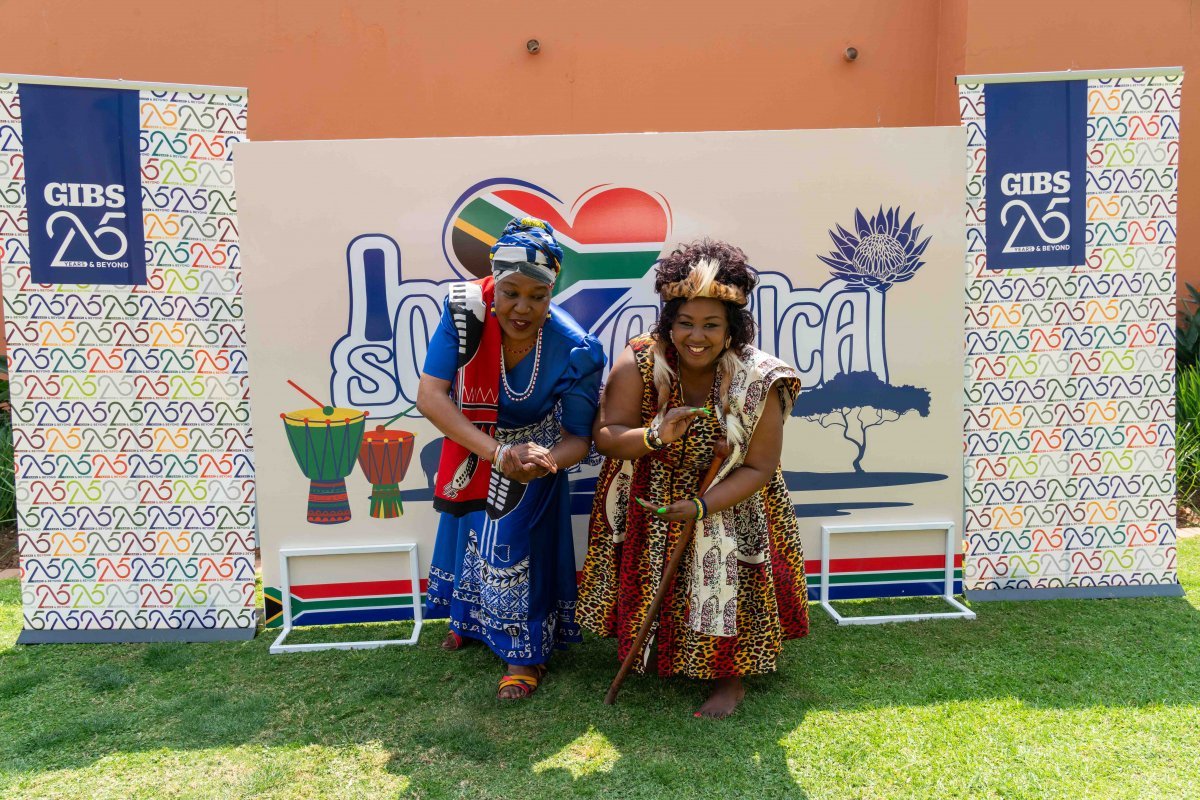
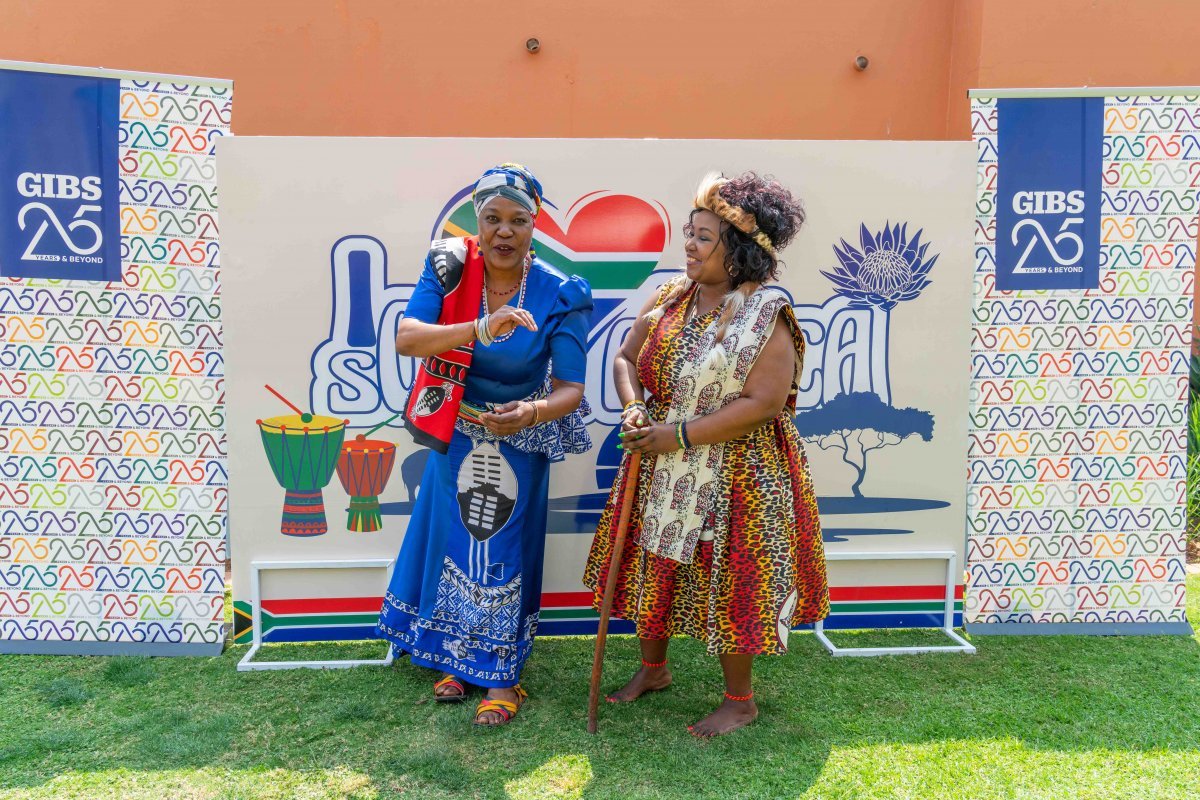
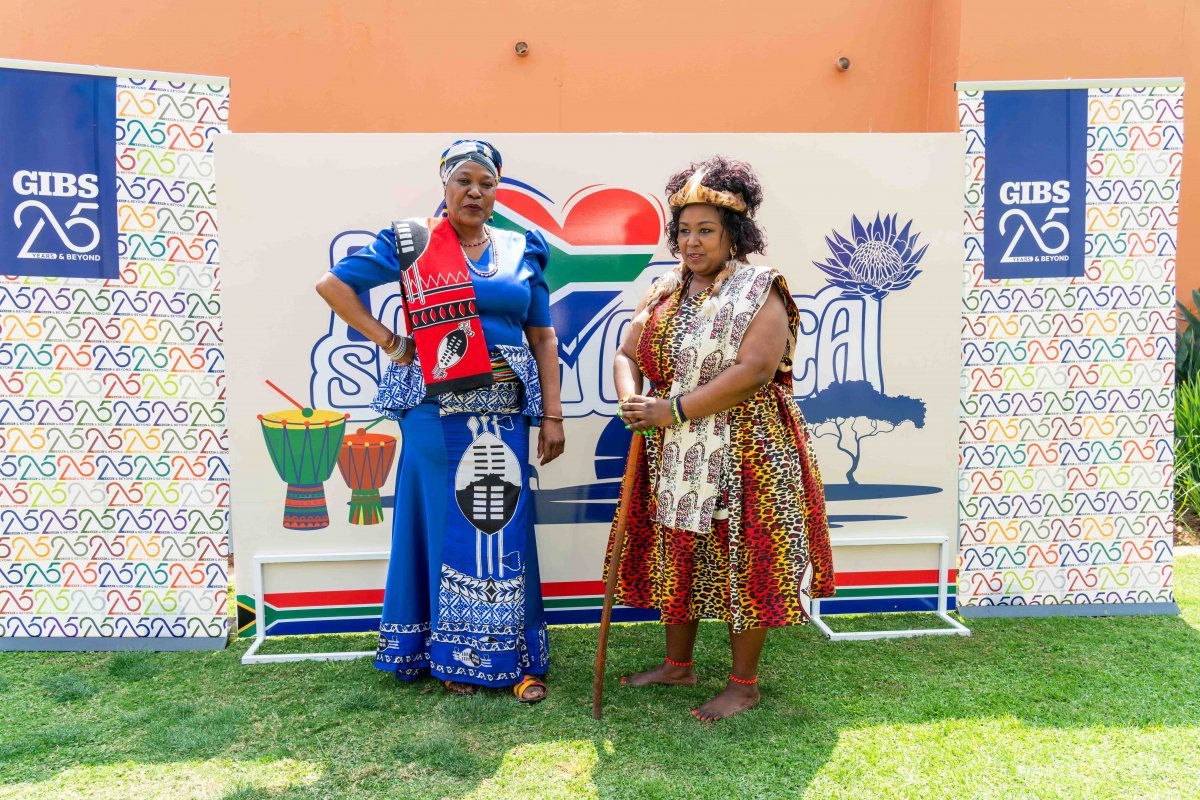
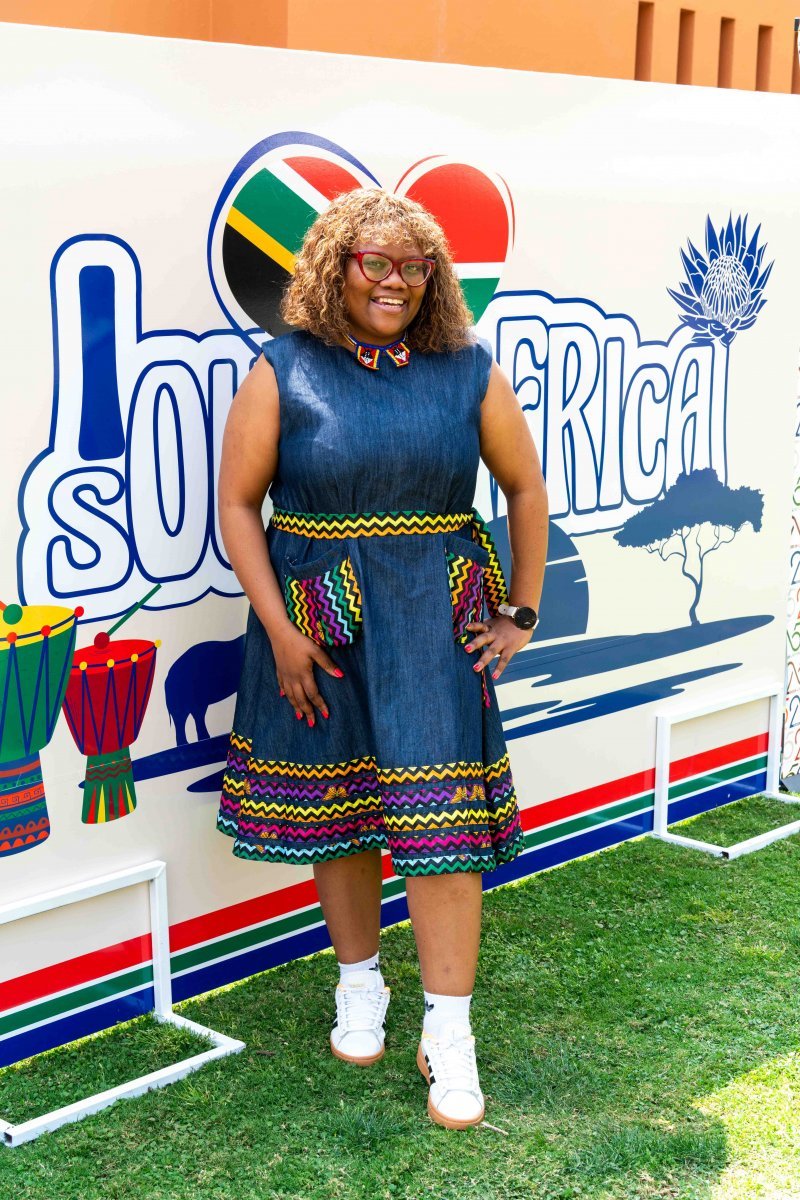
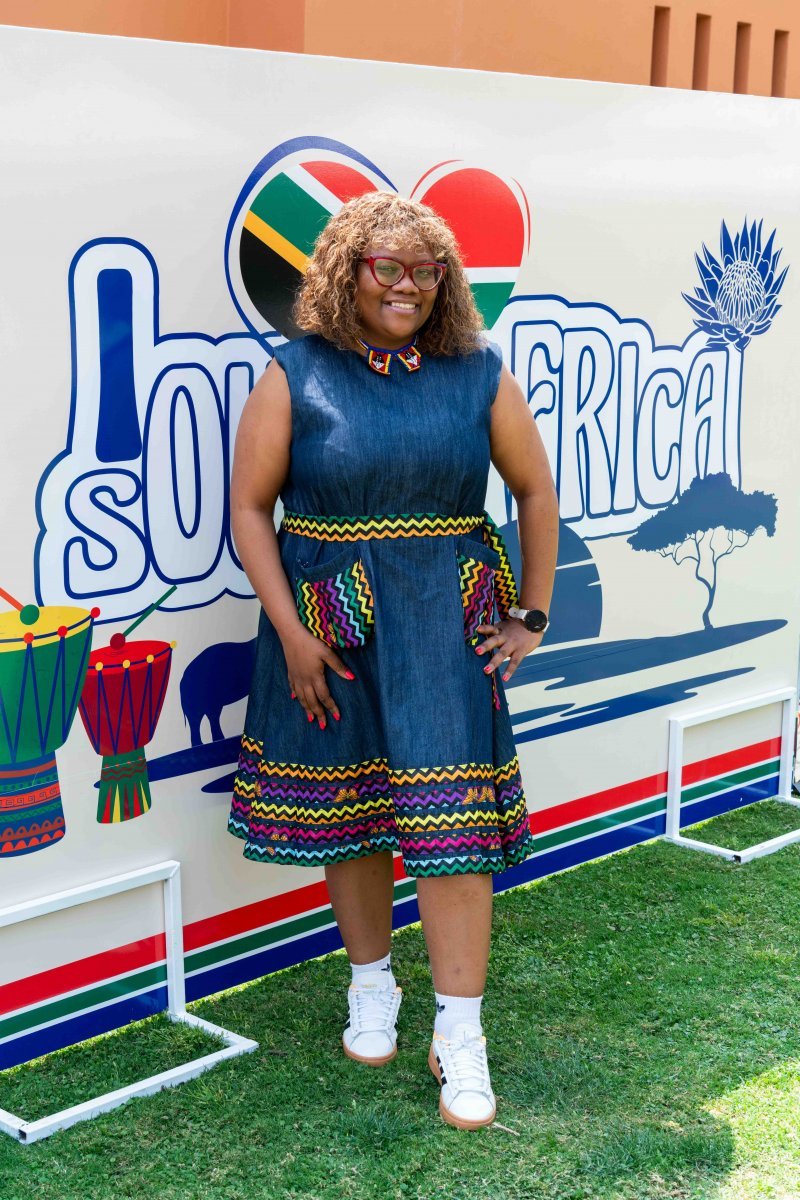
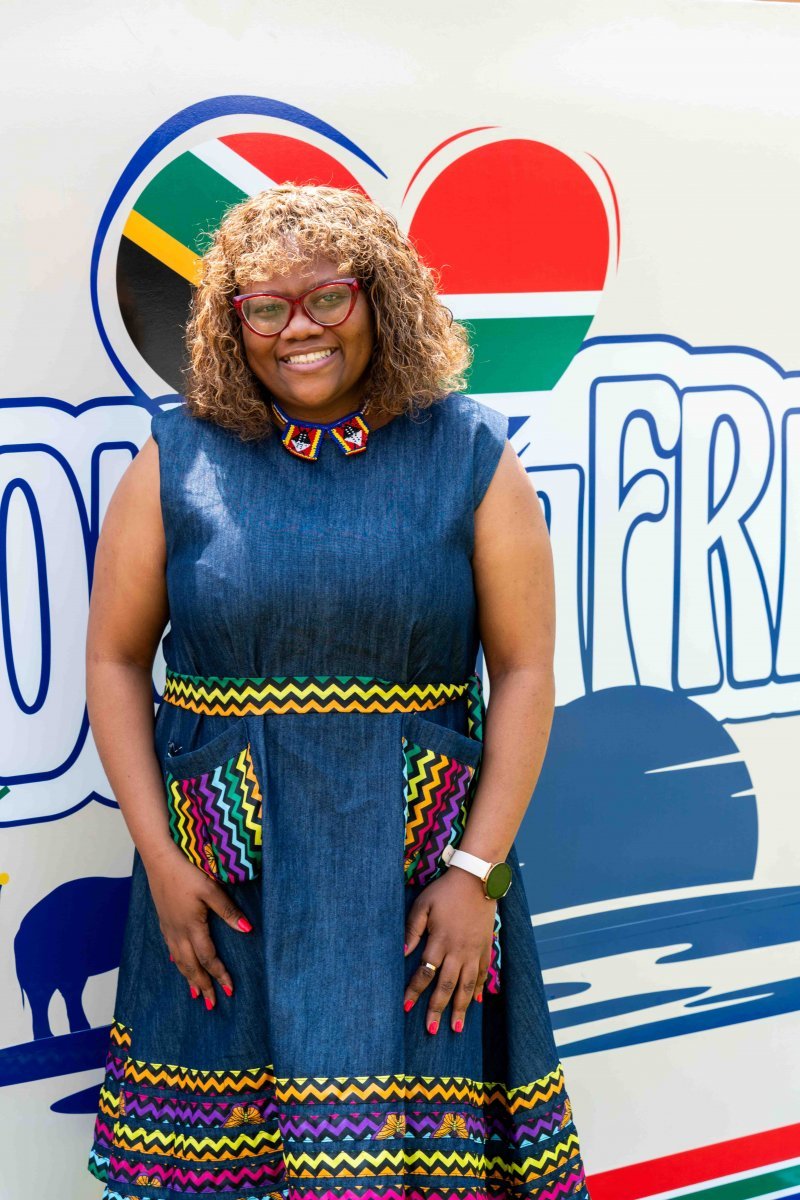
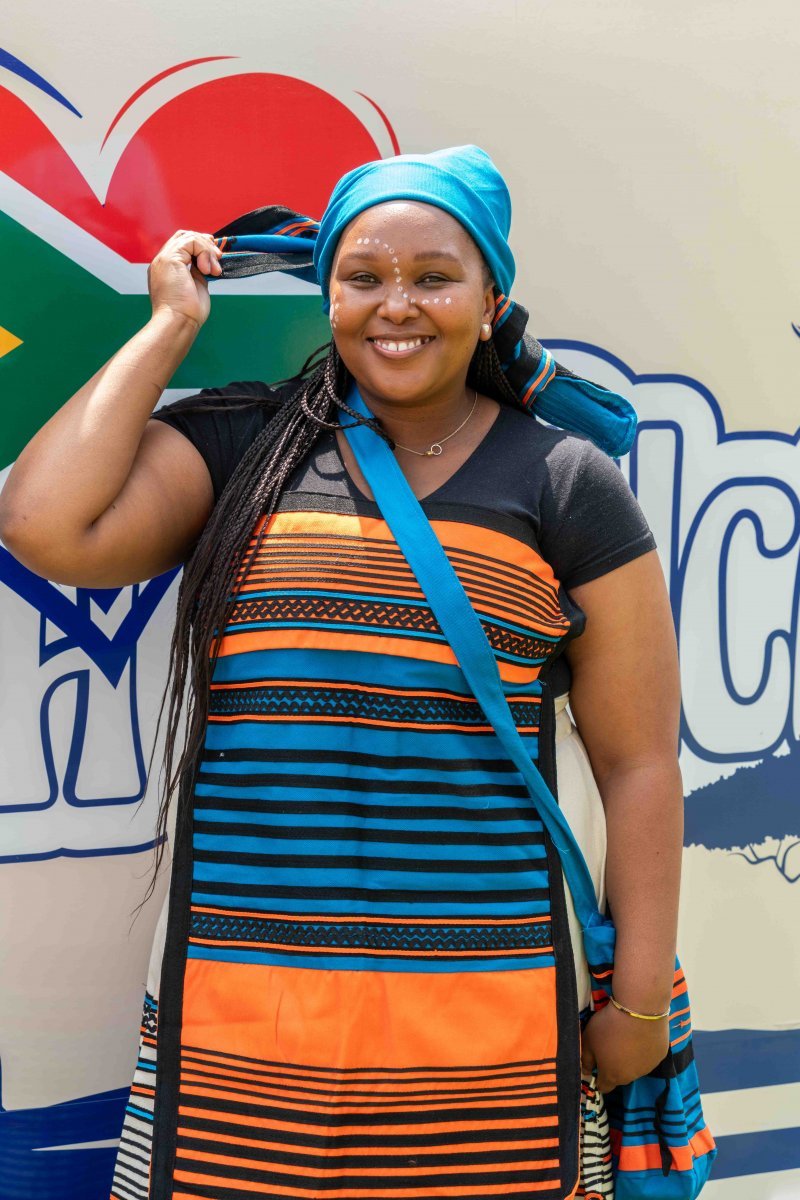
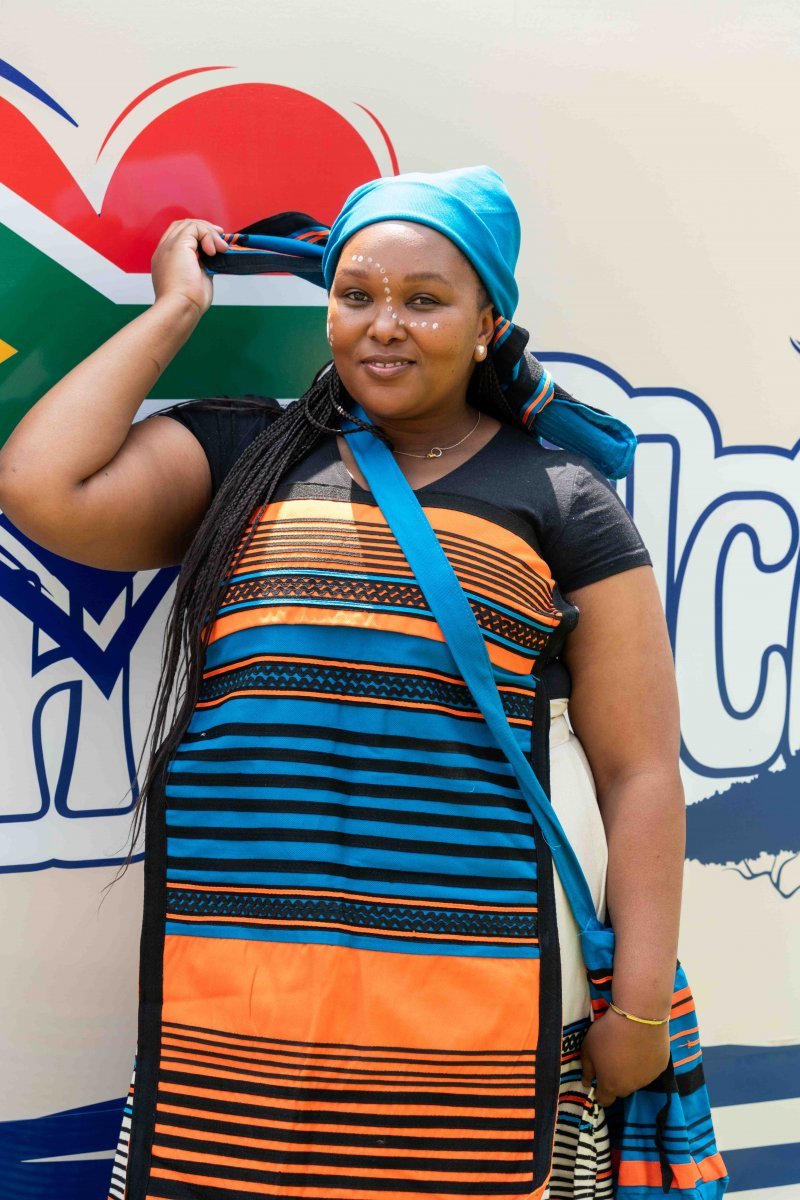
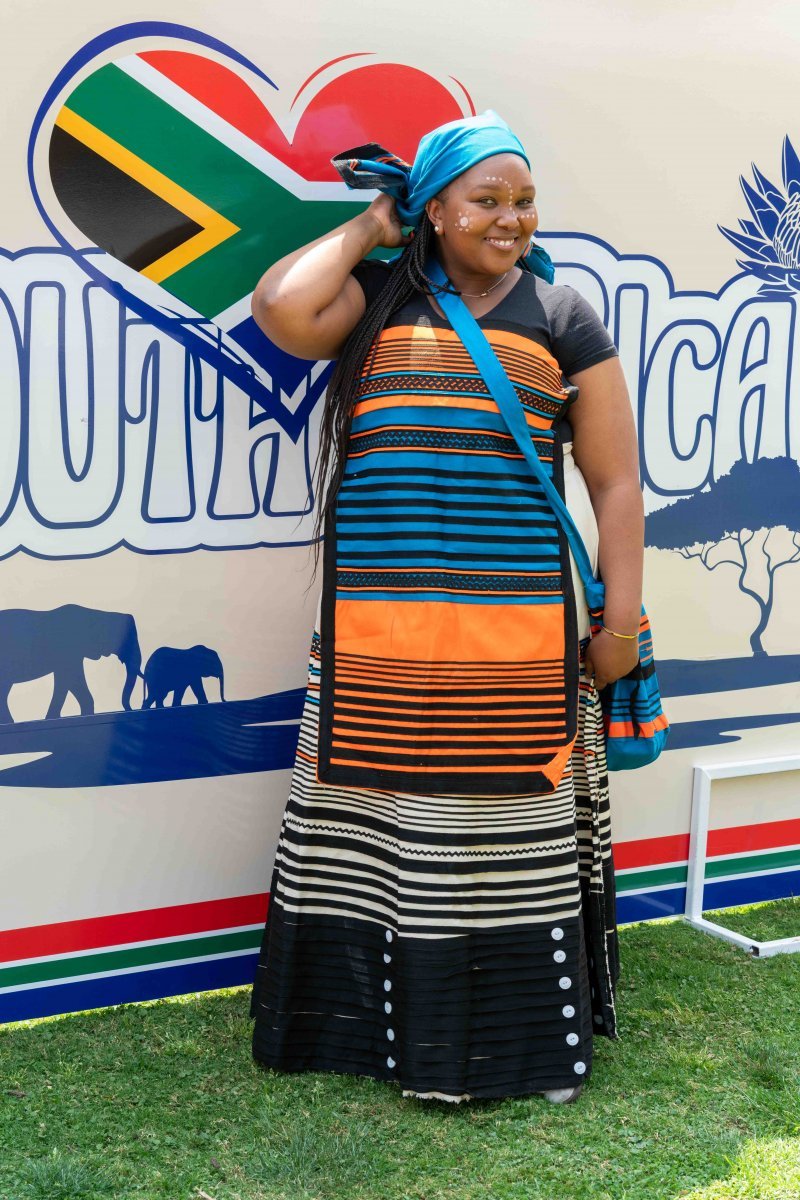
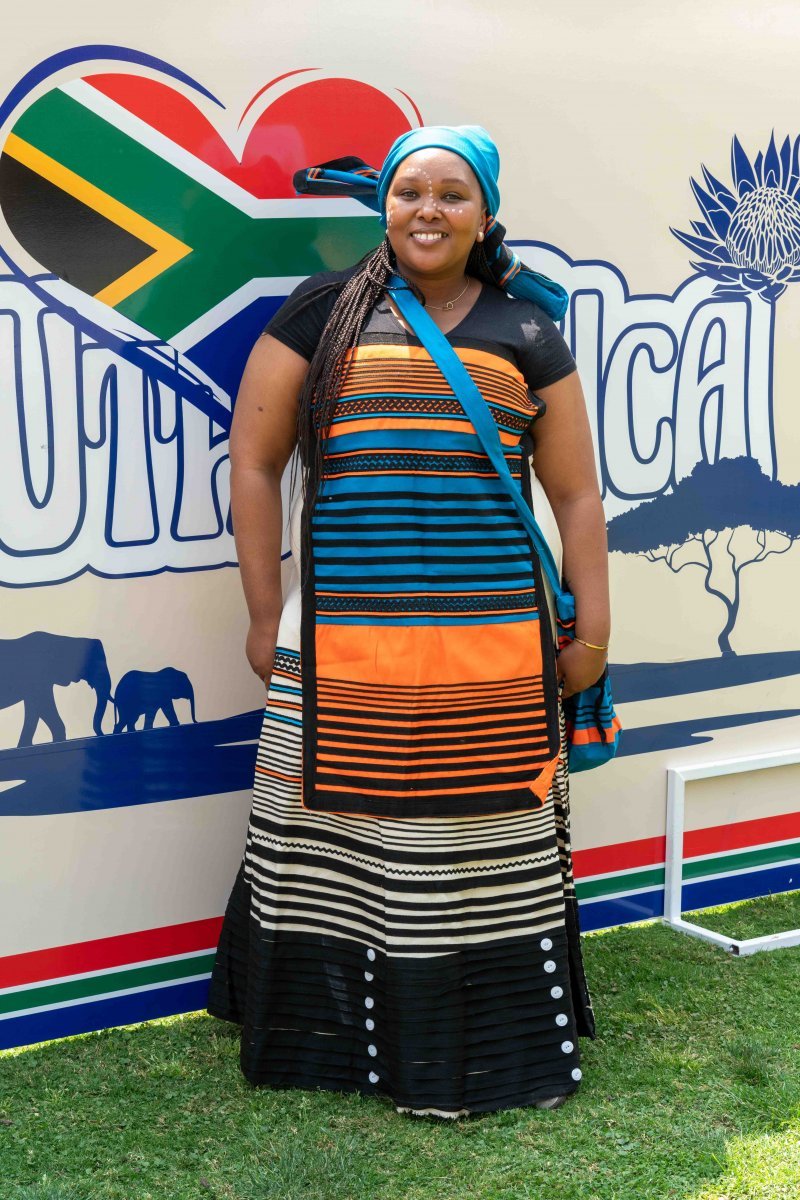
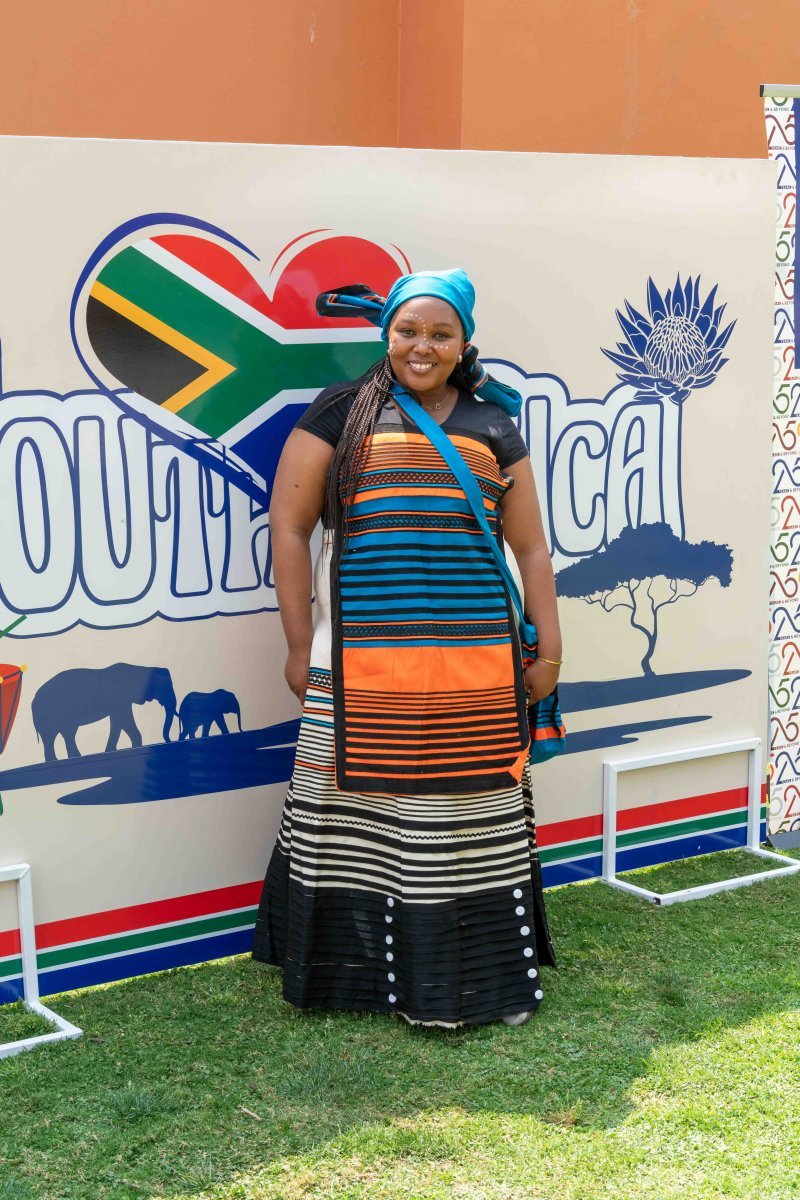
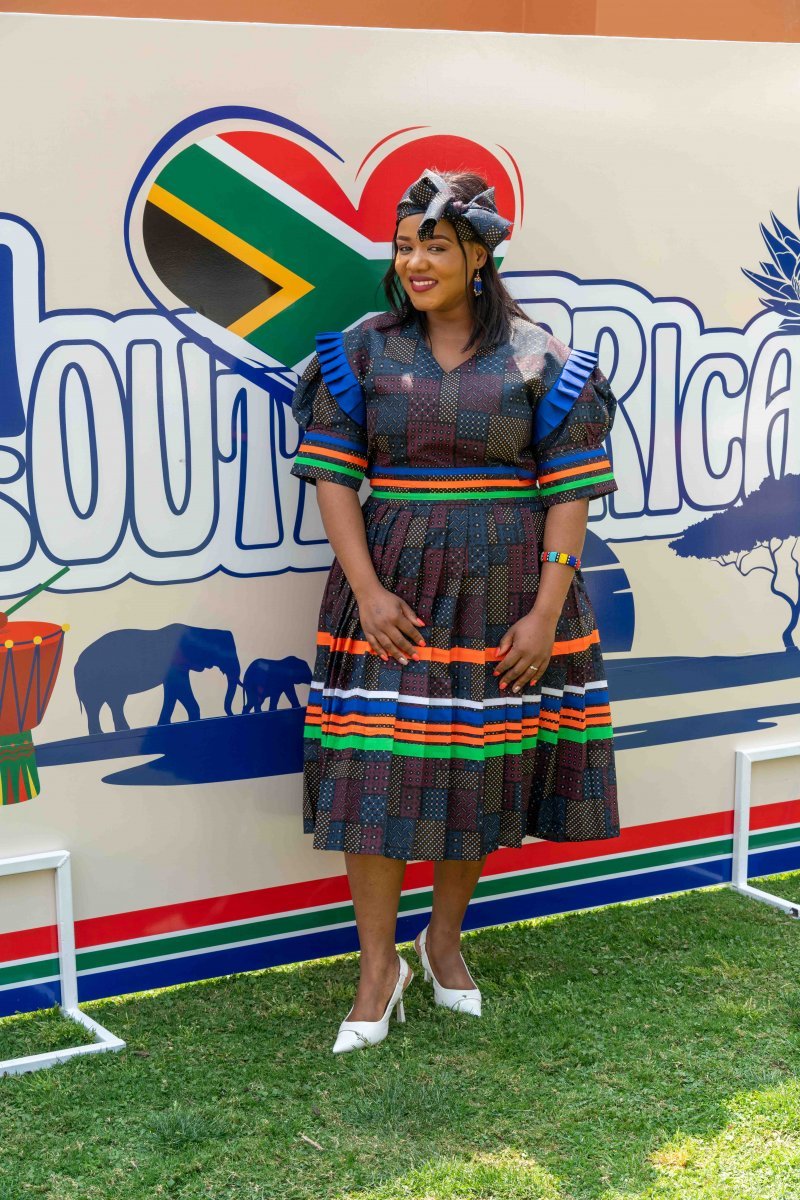
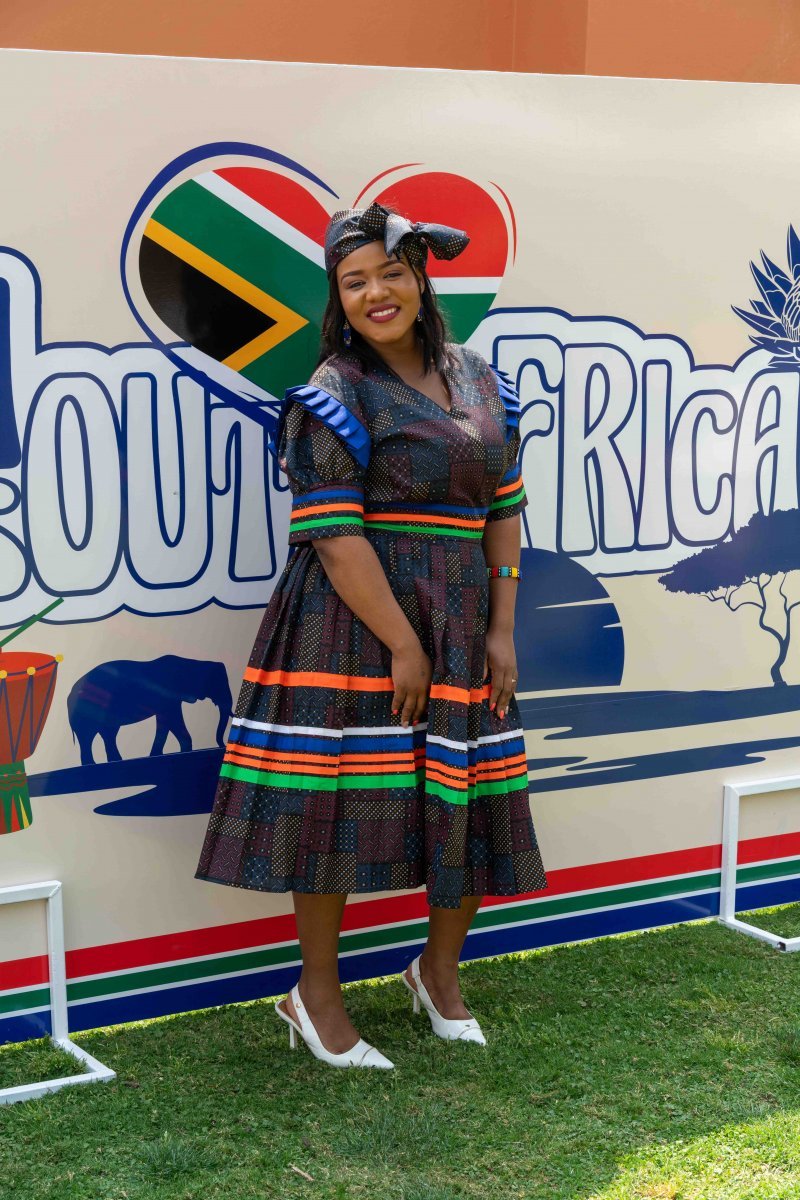
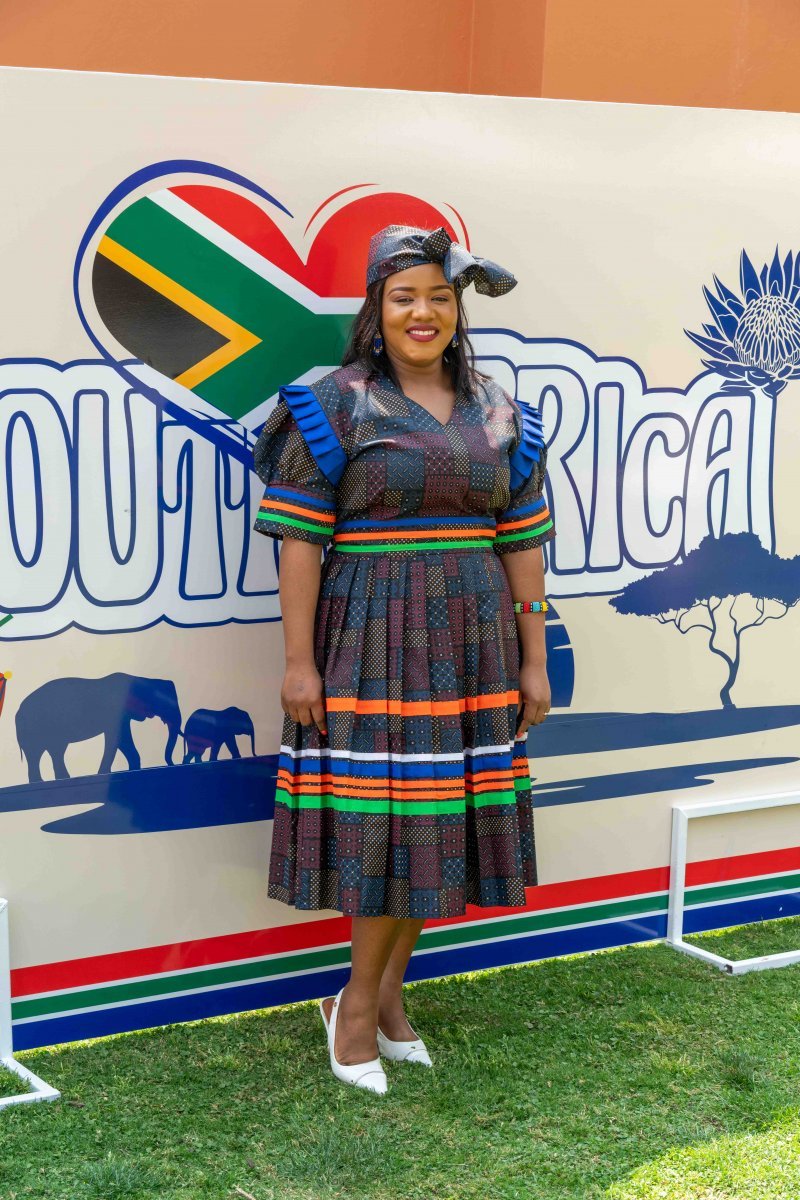
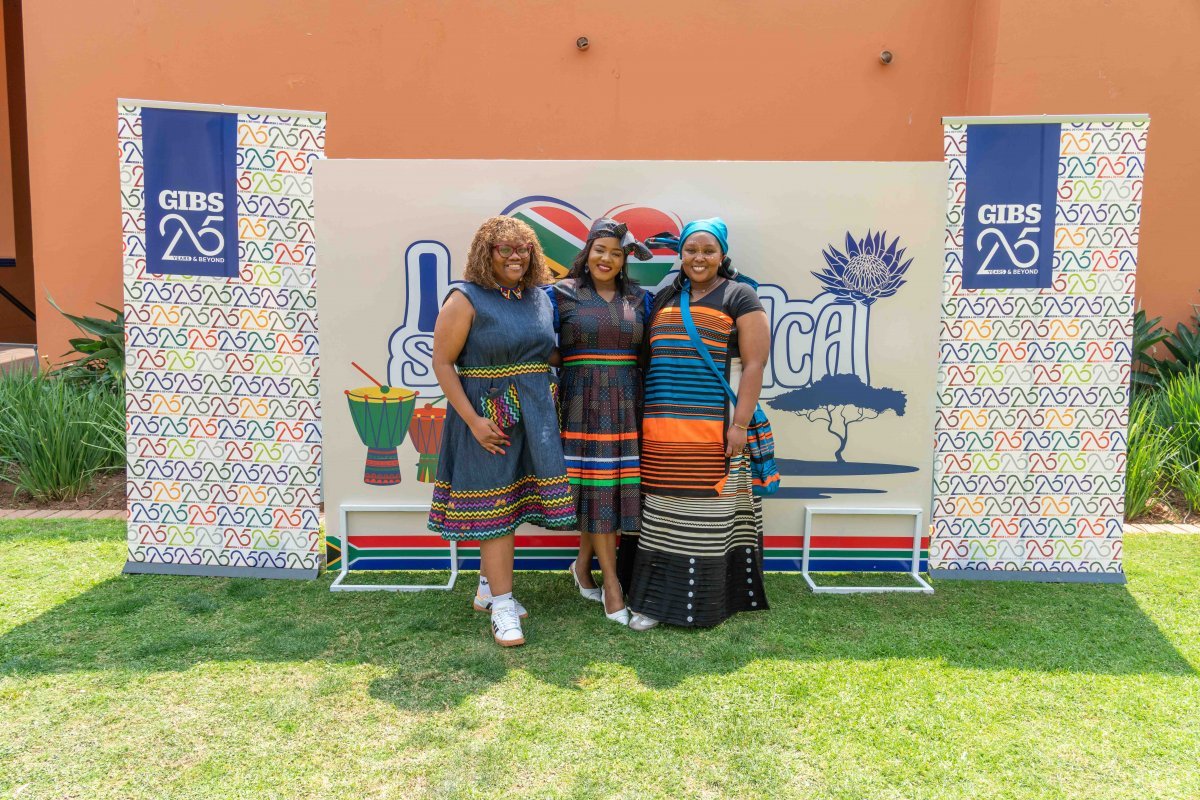
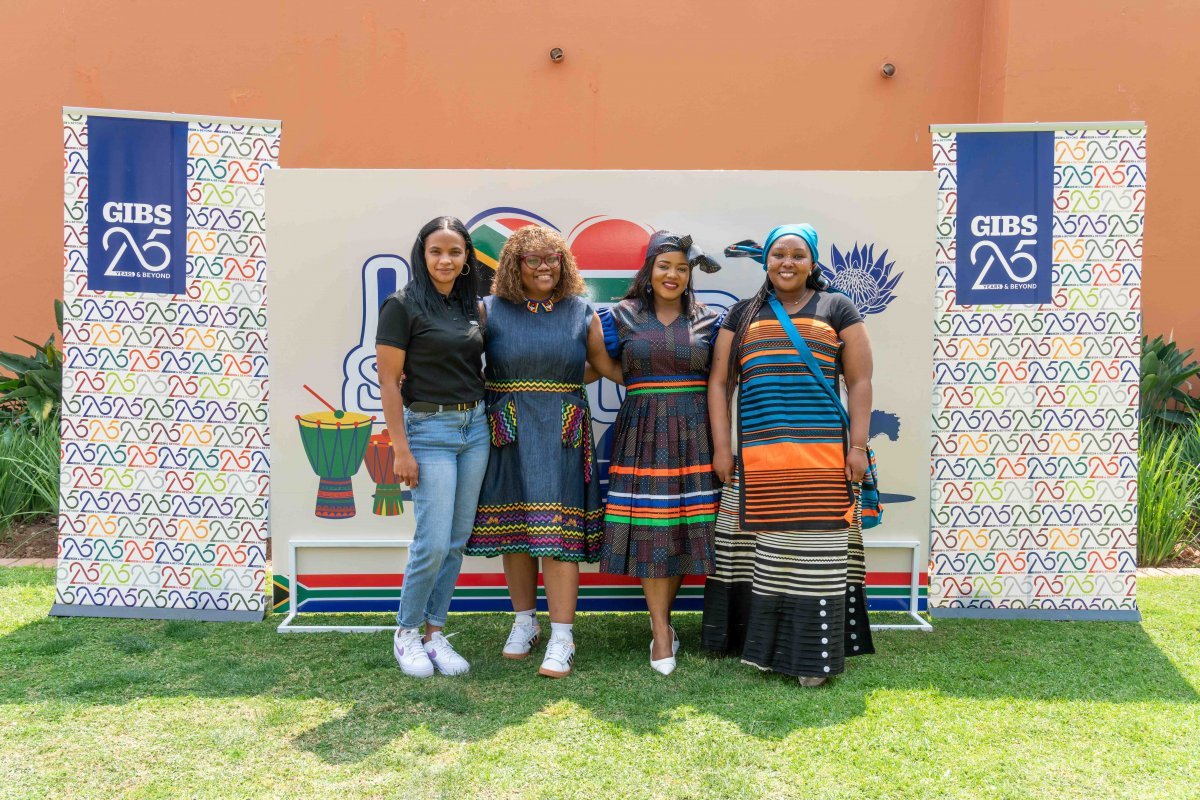
GIBS Celebrates Heritage Day: Honouring Diversity
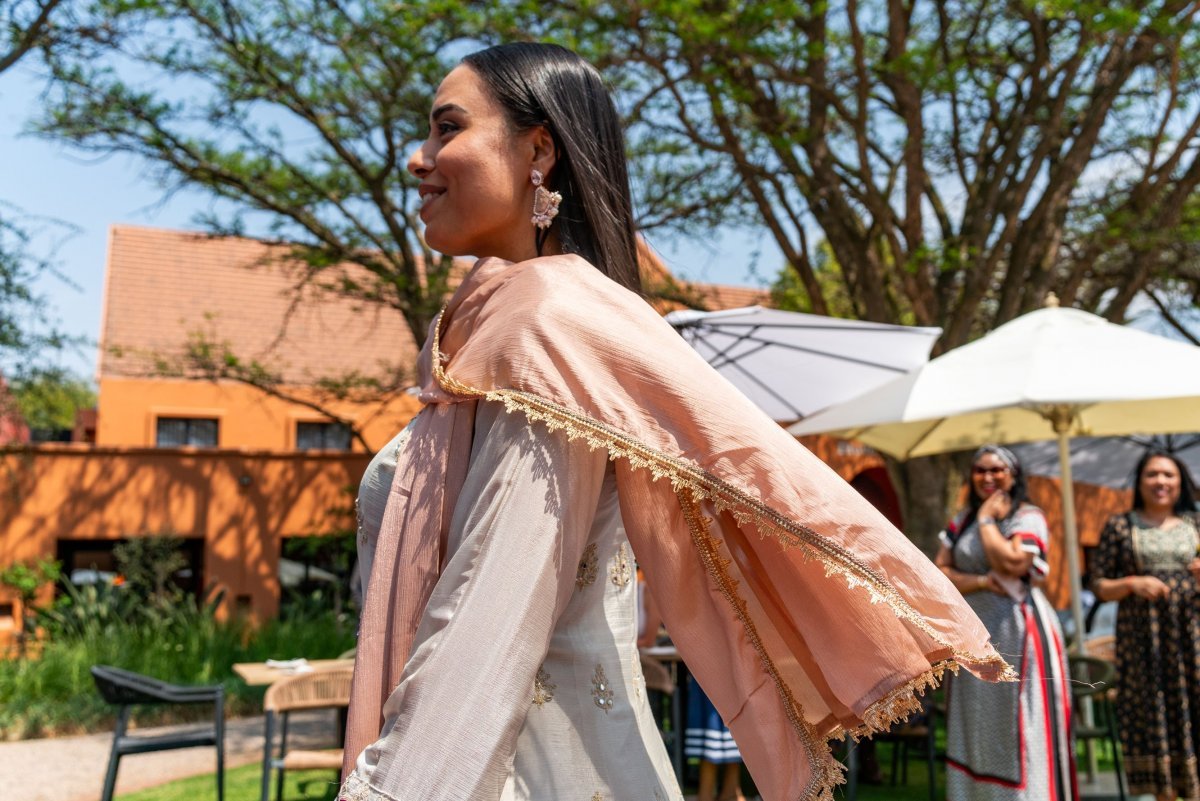
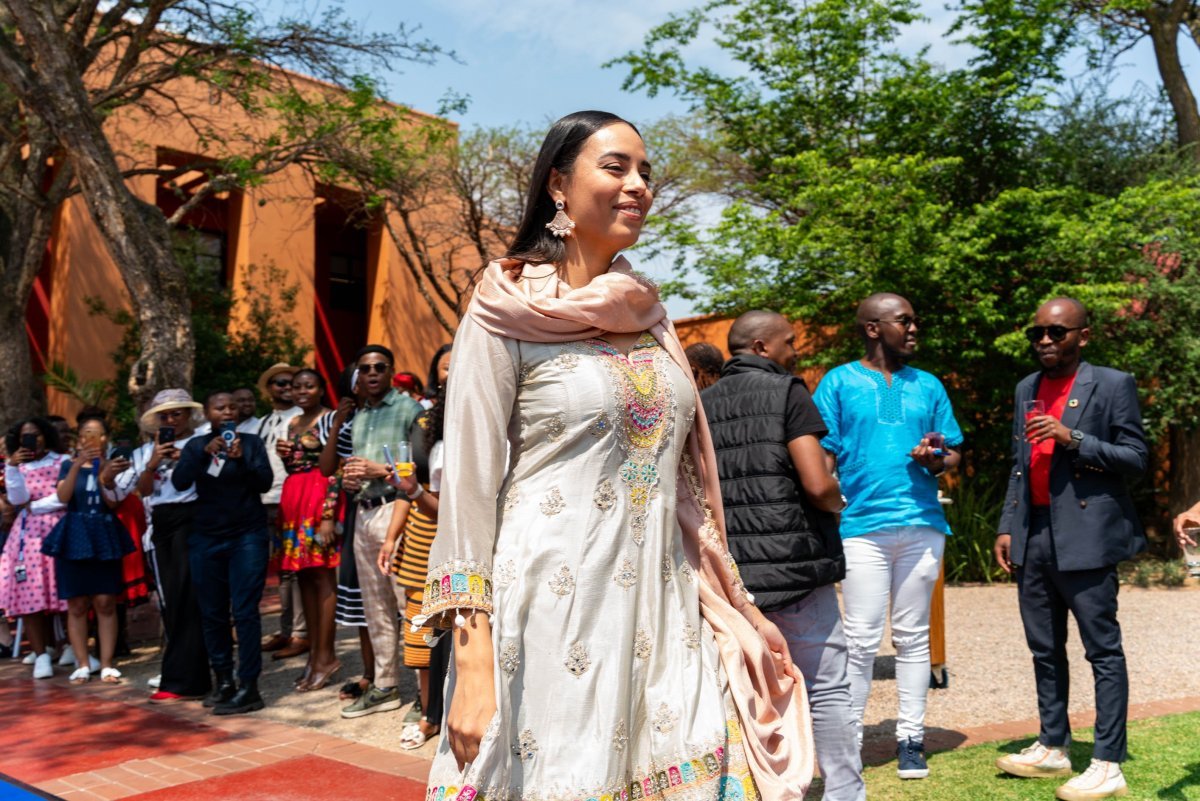
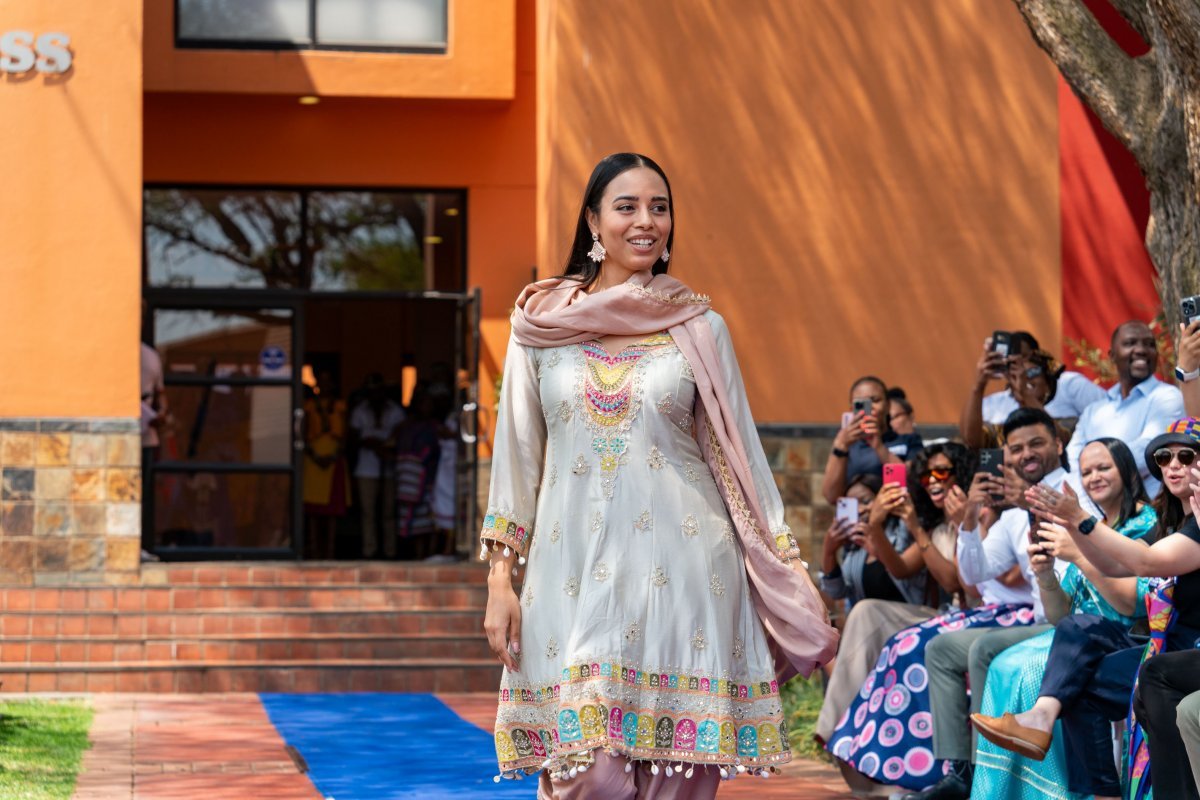
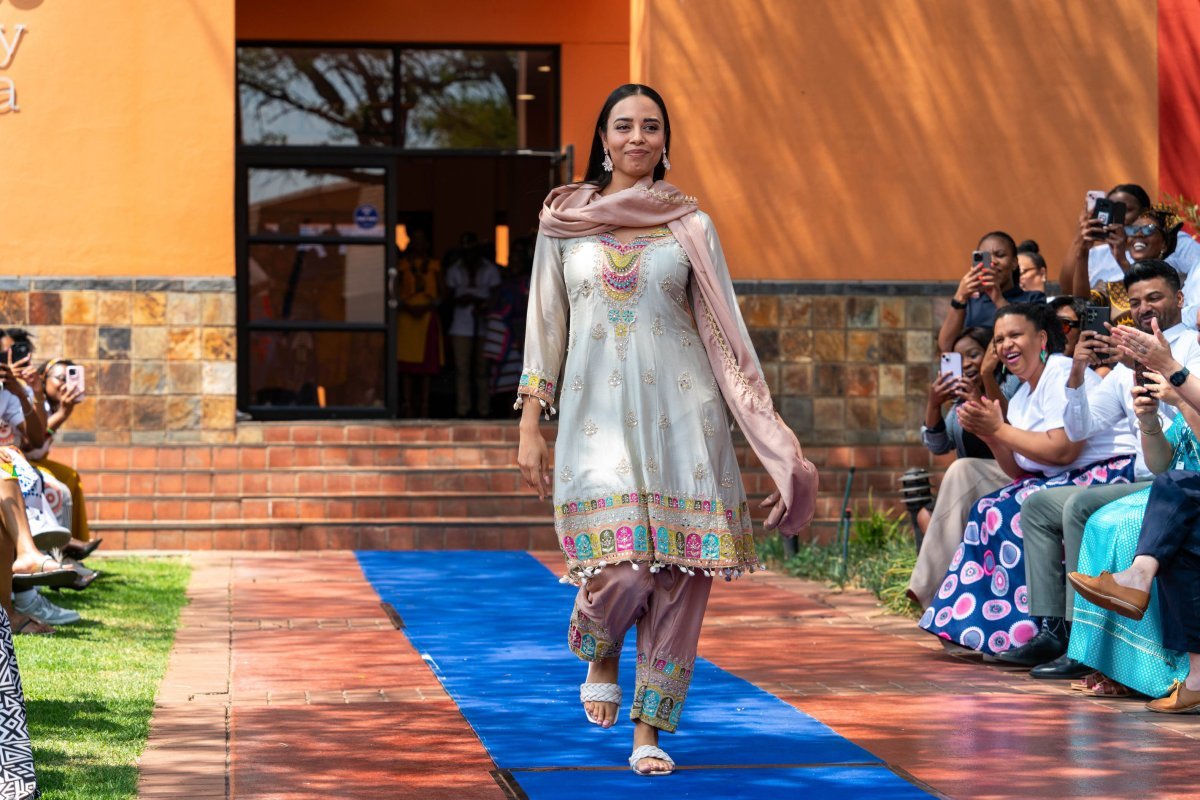
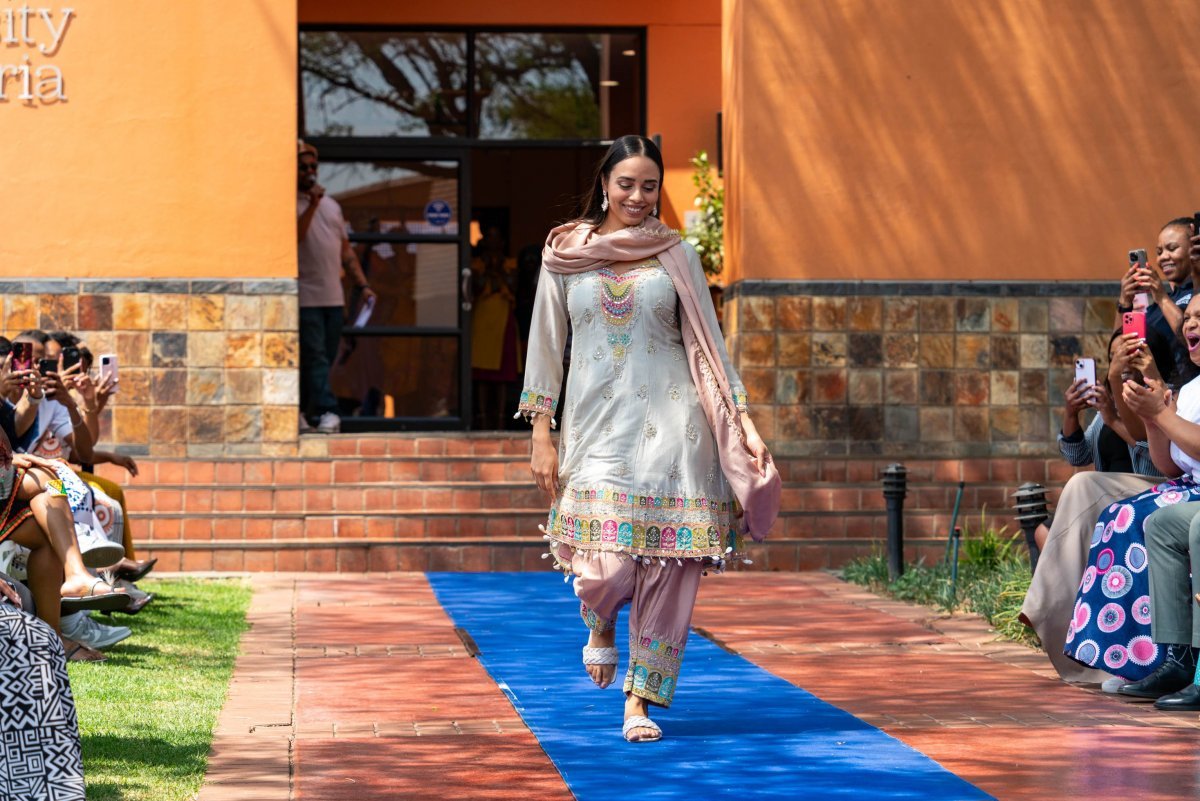
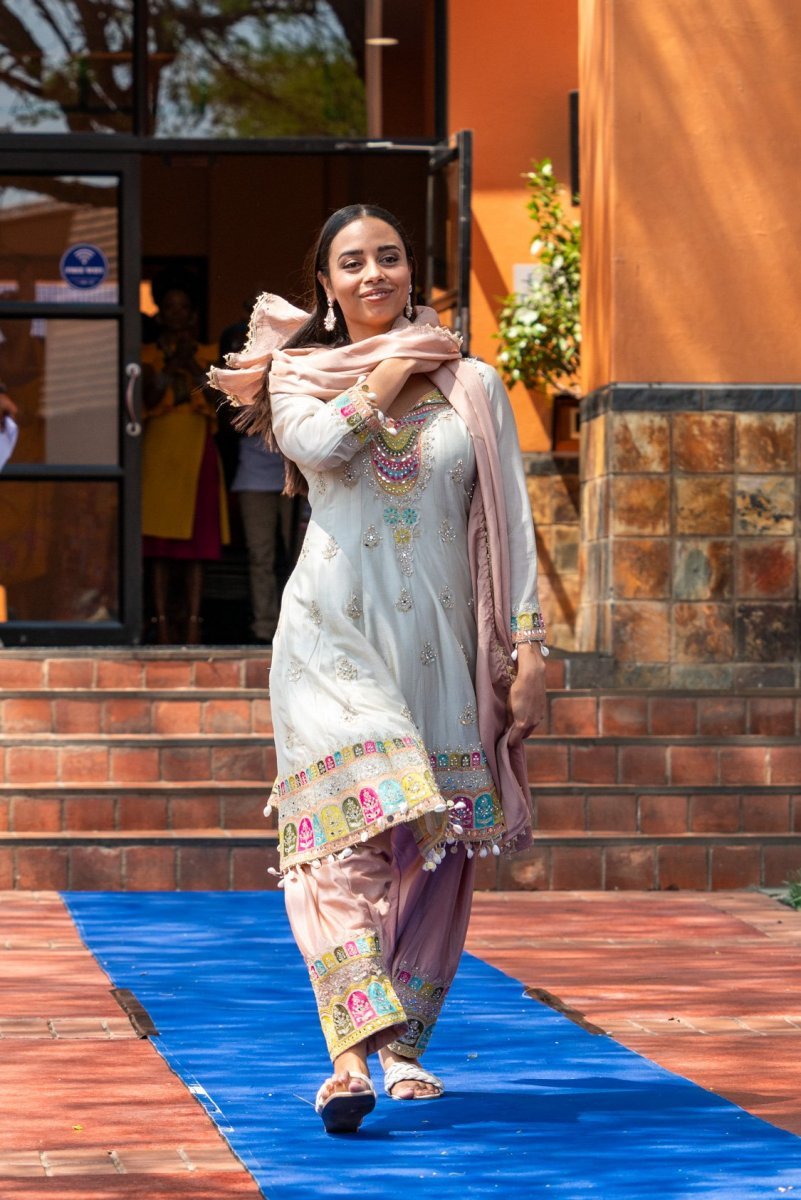
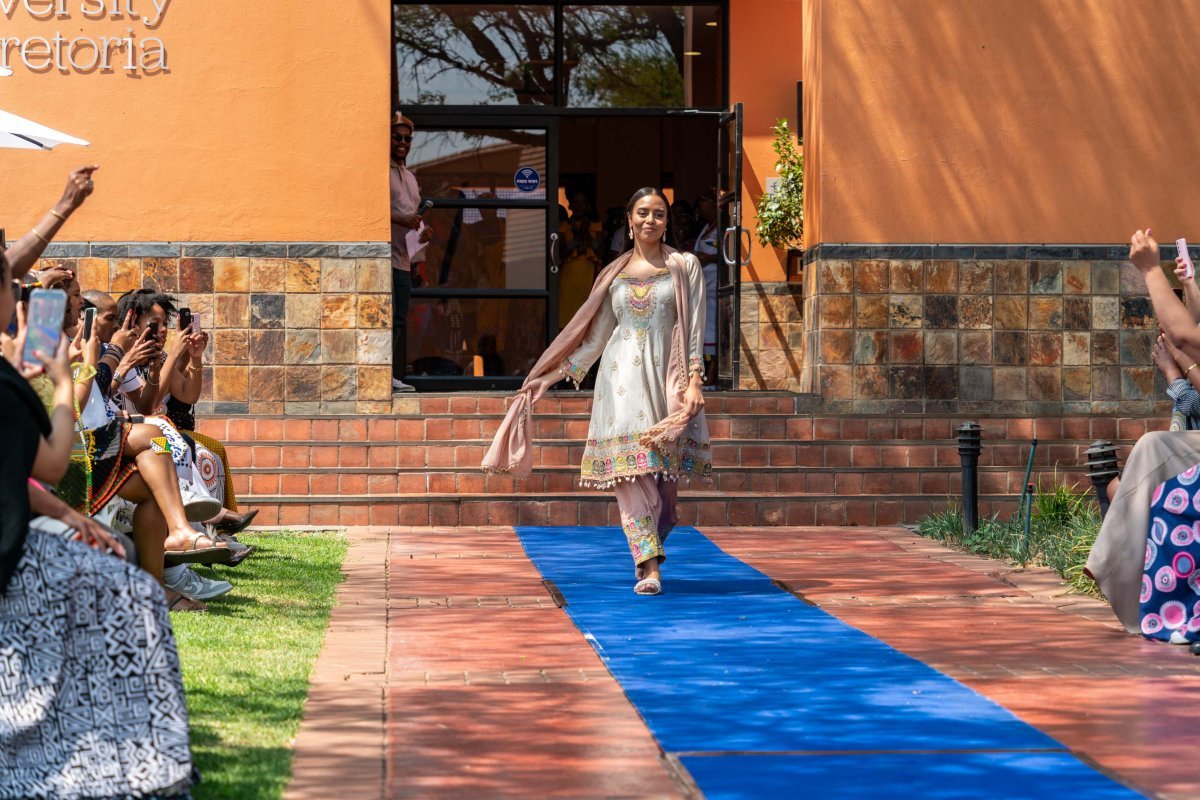
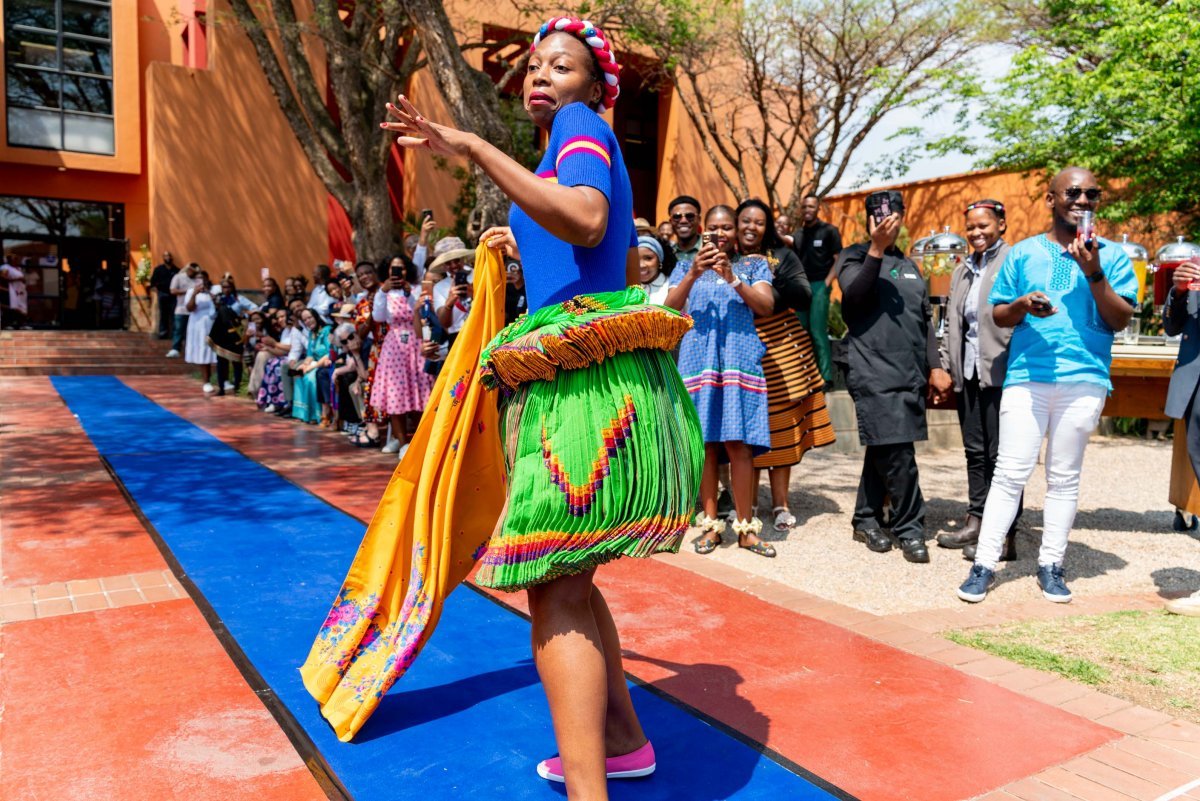
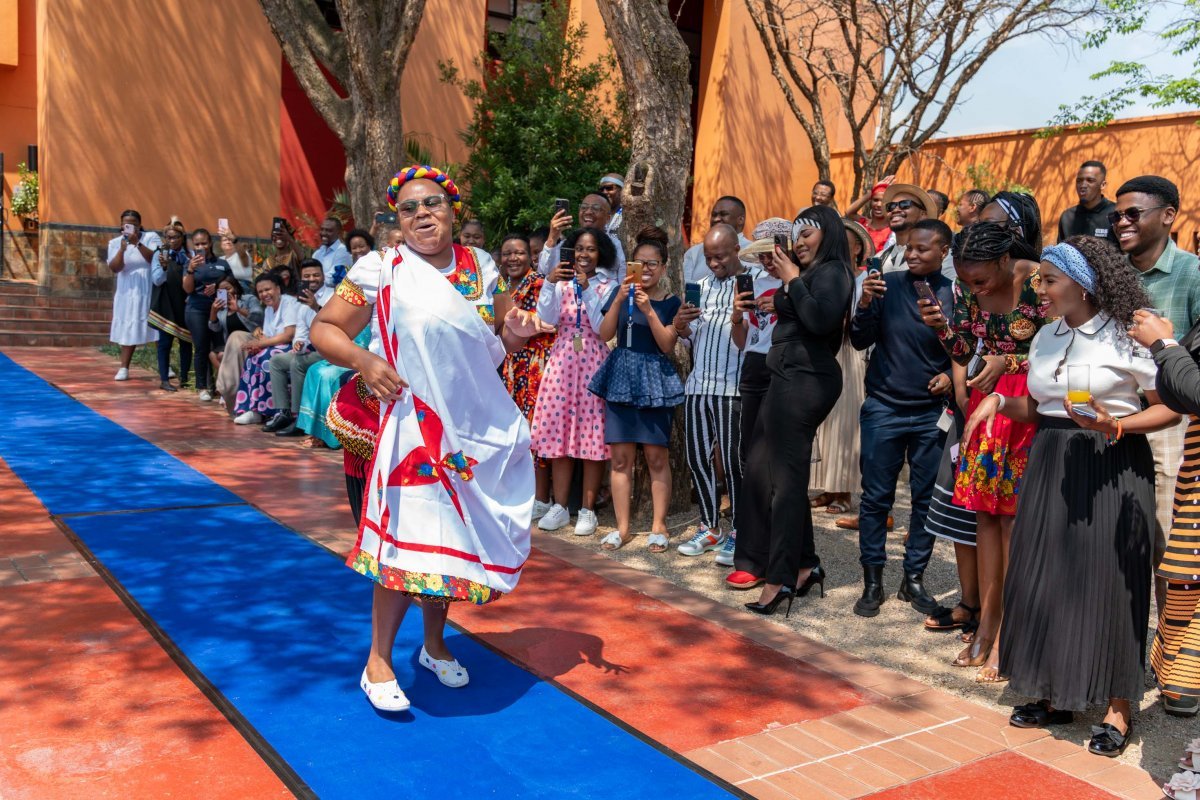
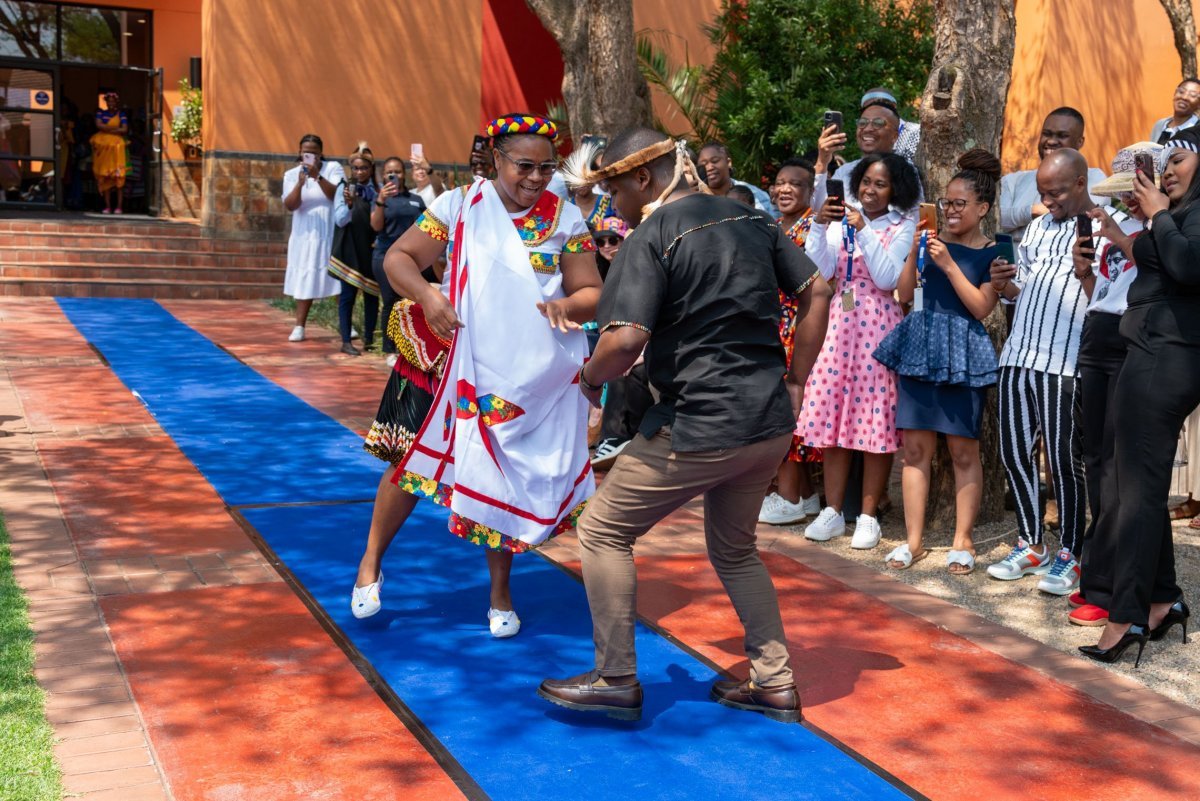
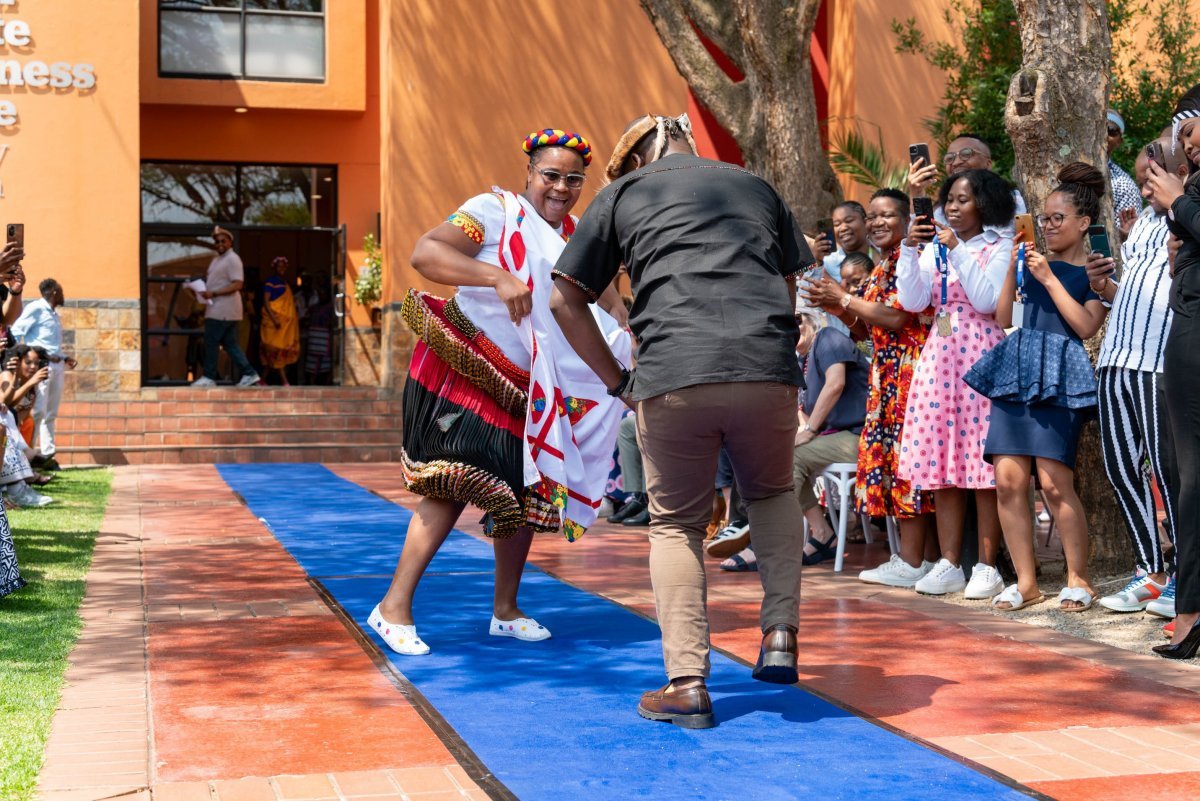
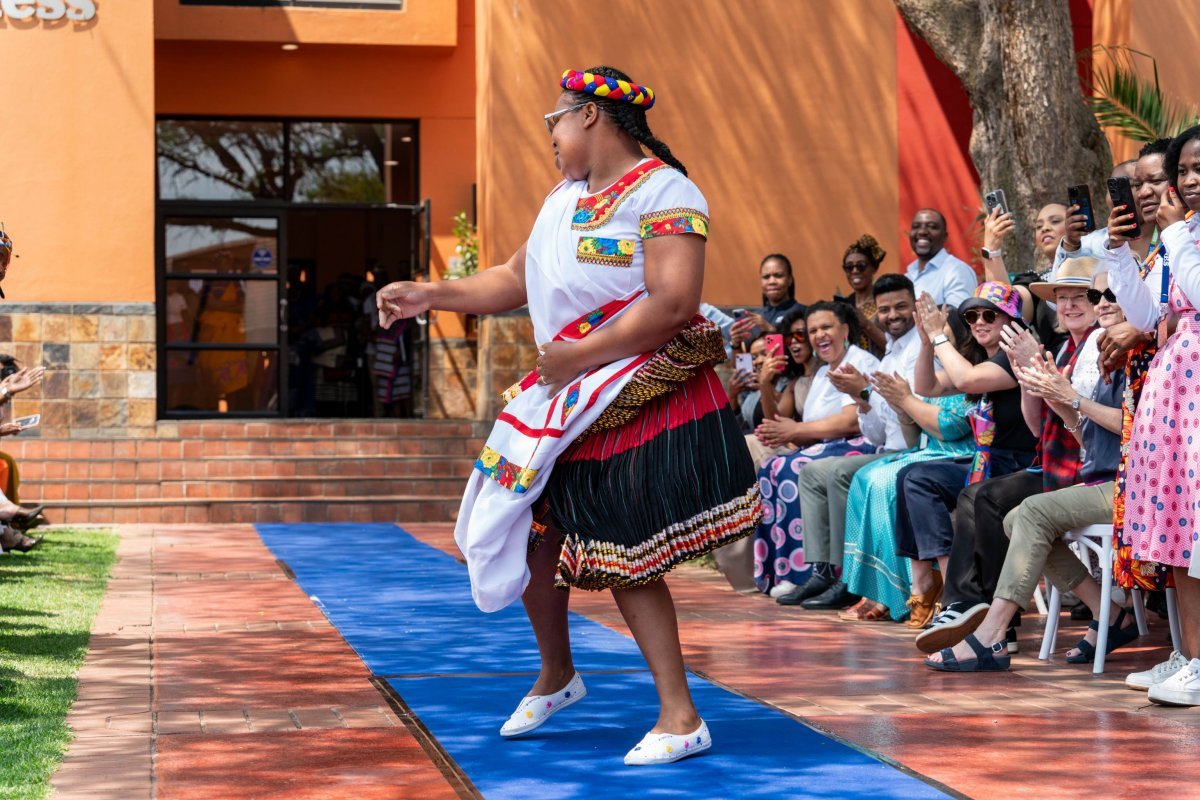
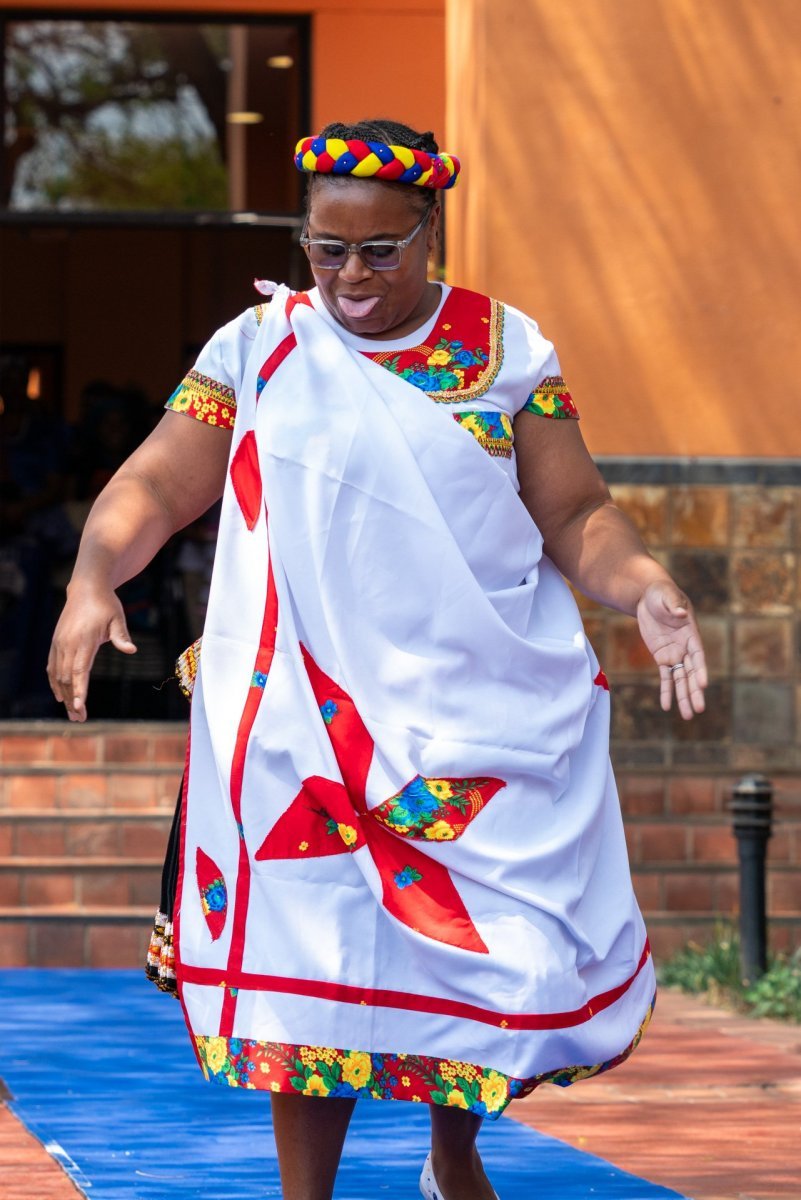
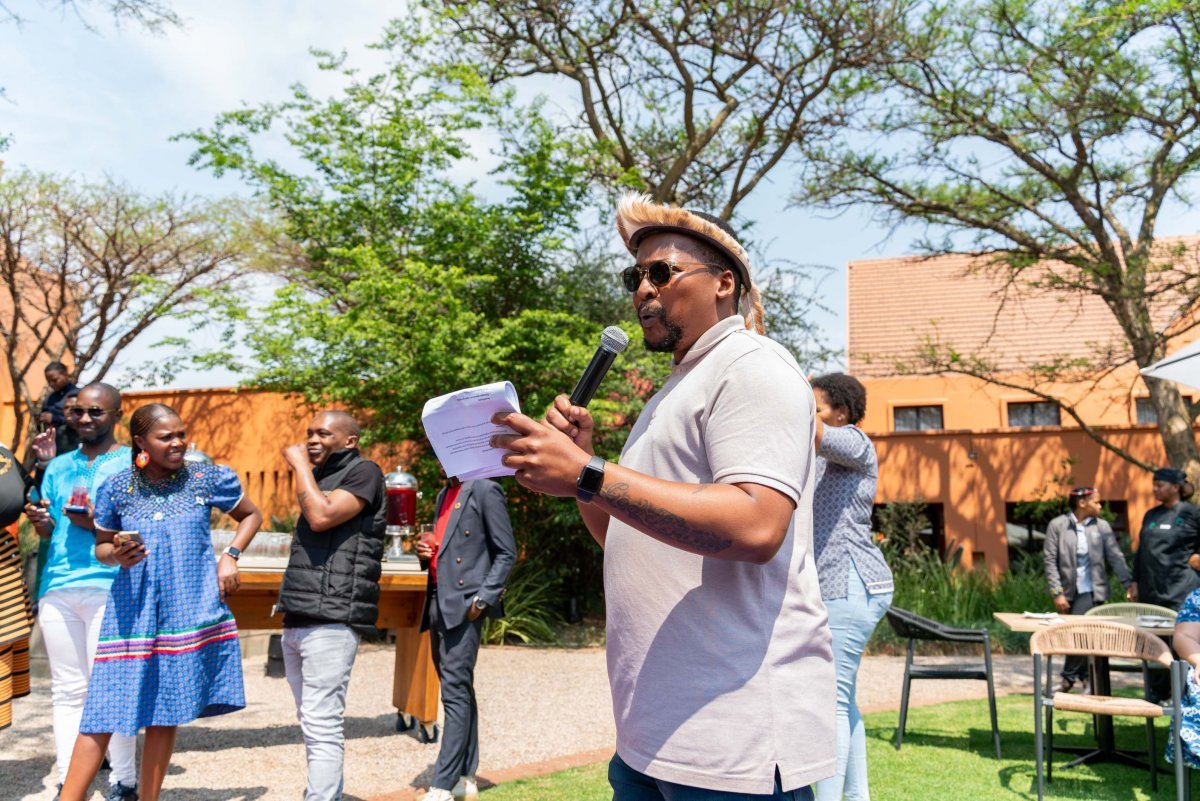
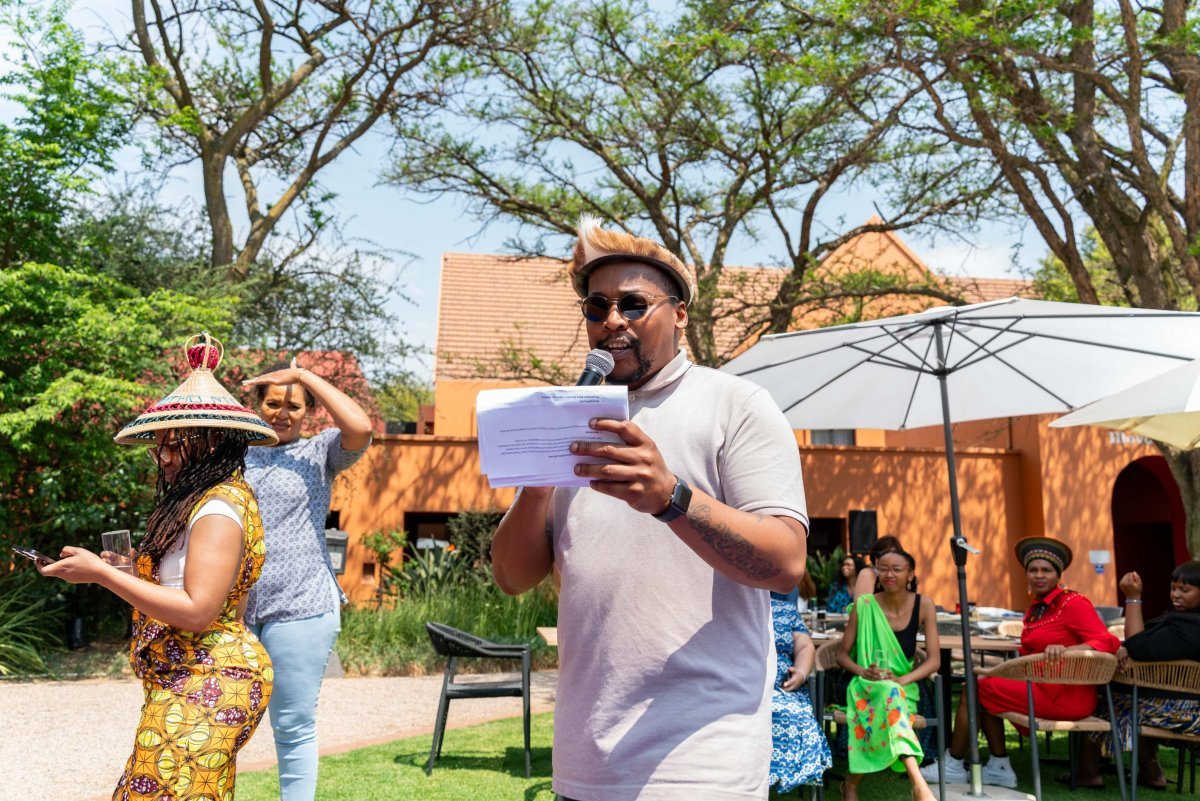
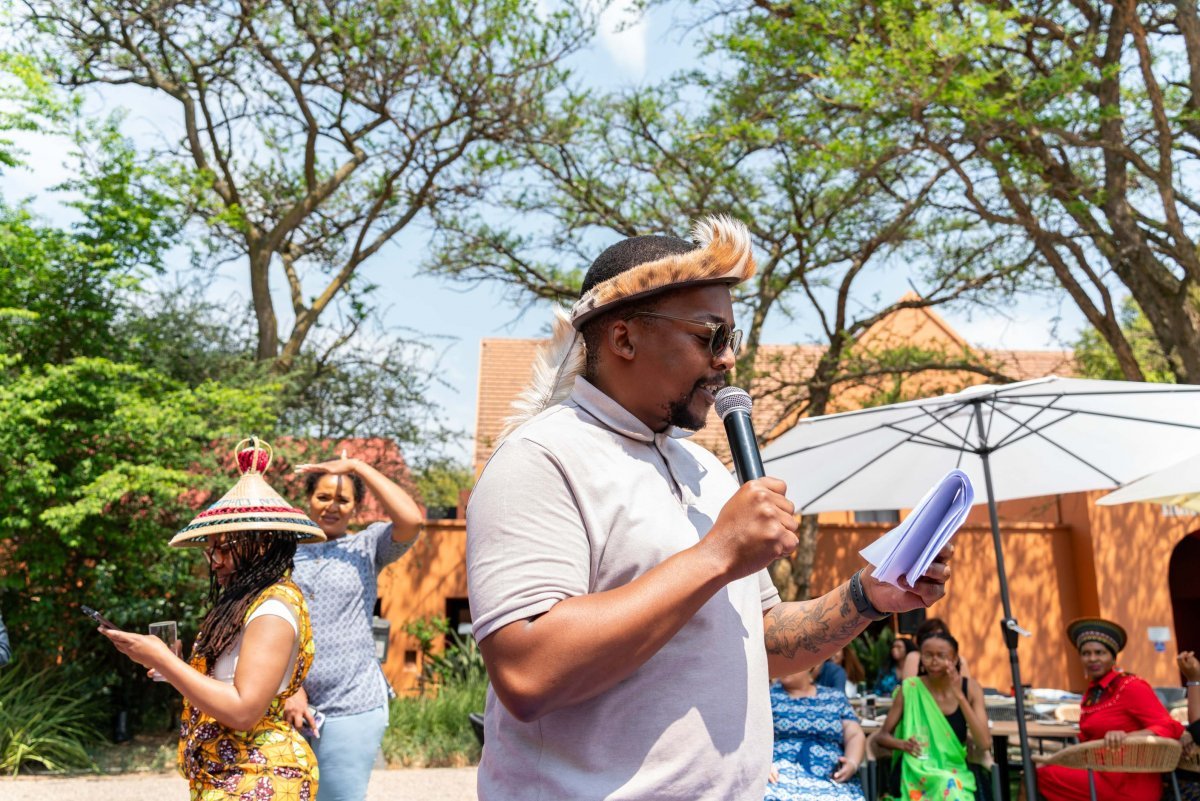
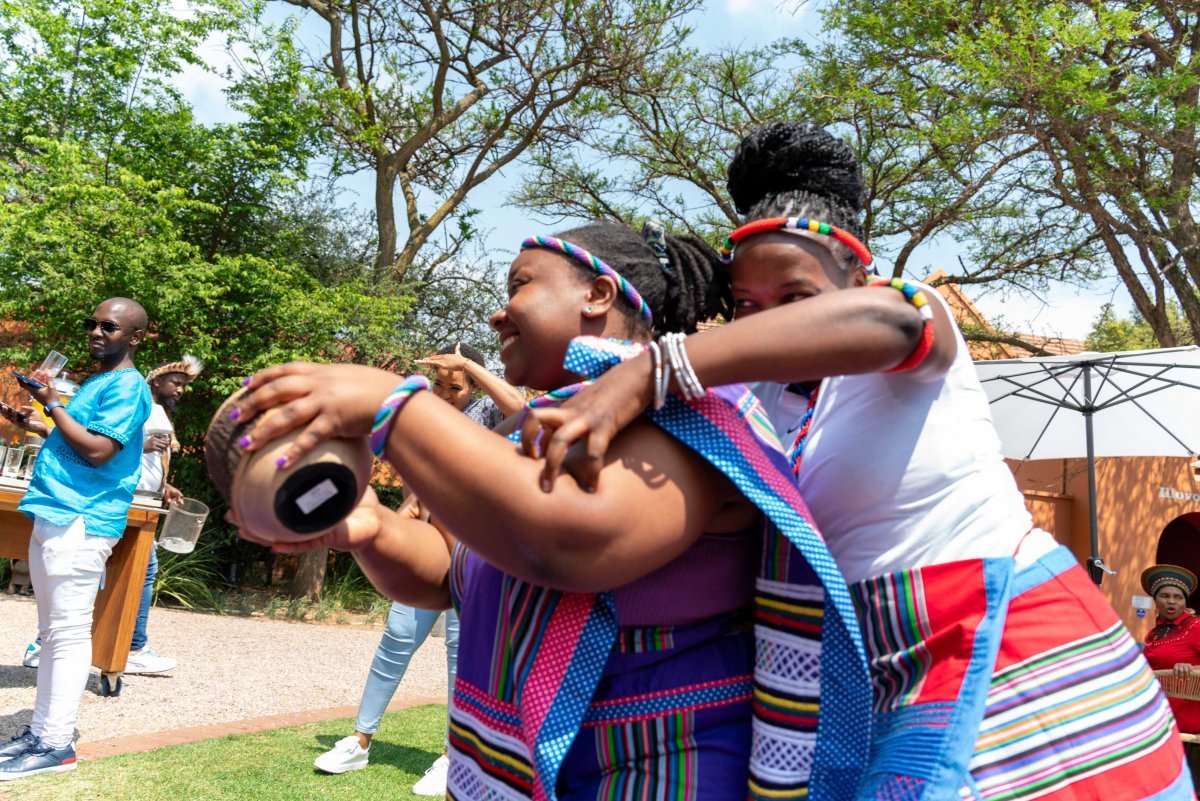
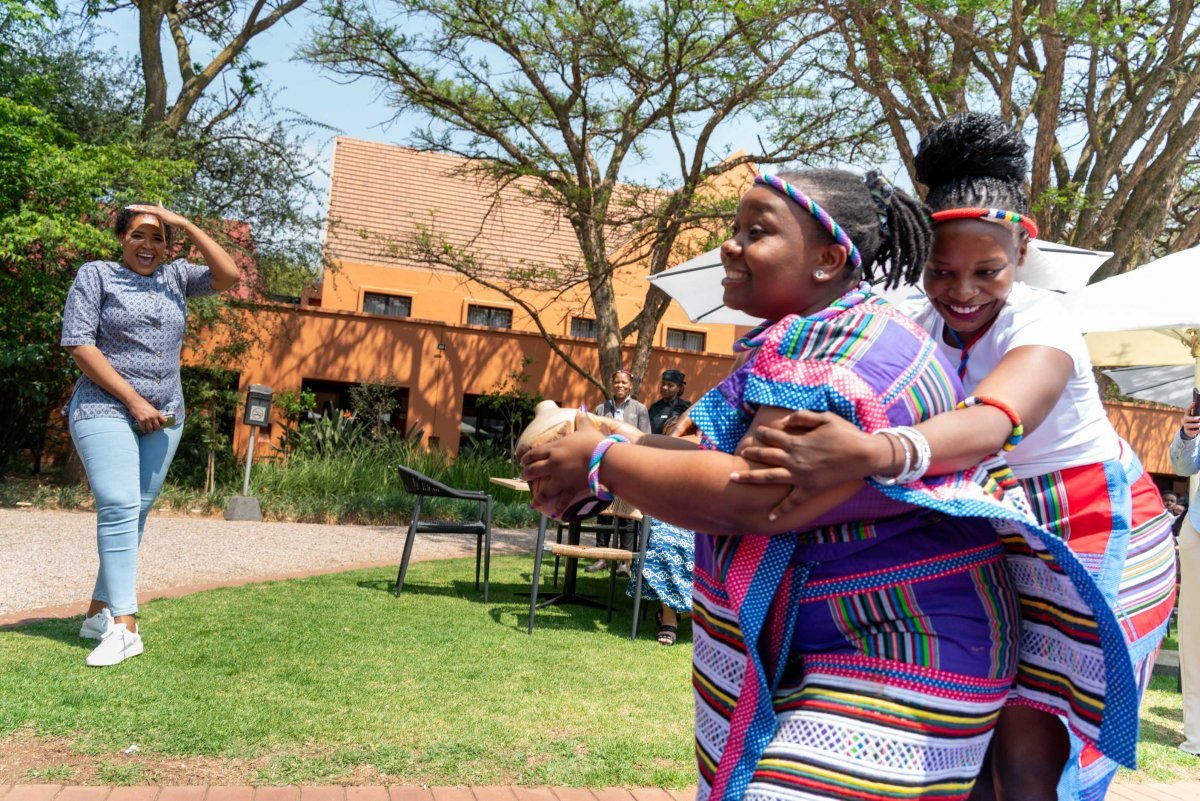
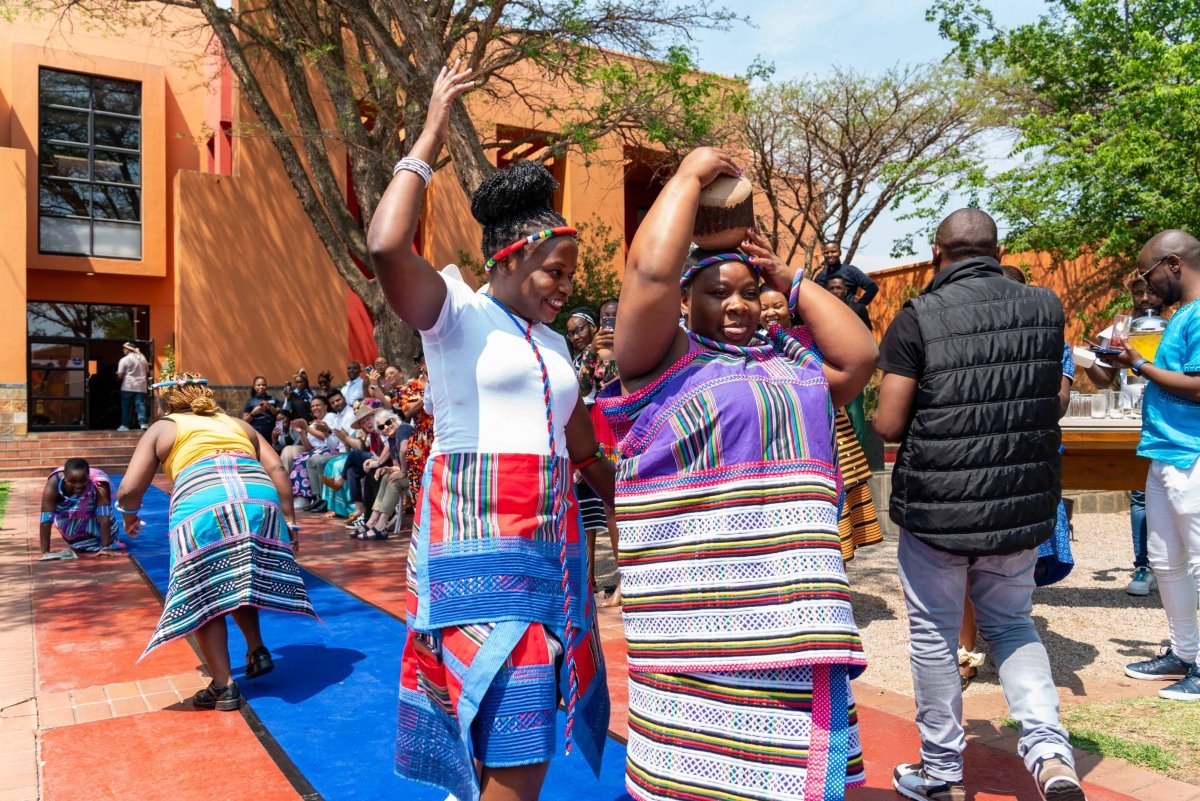
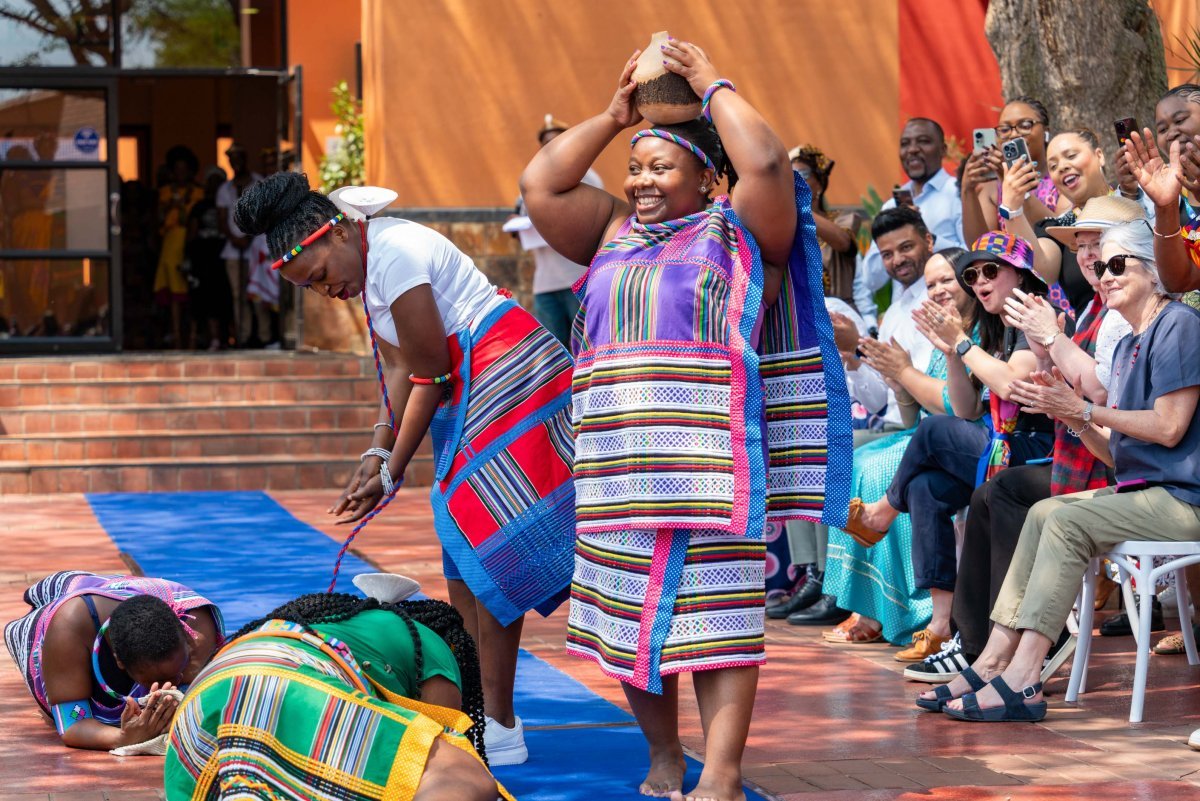
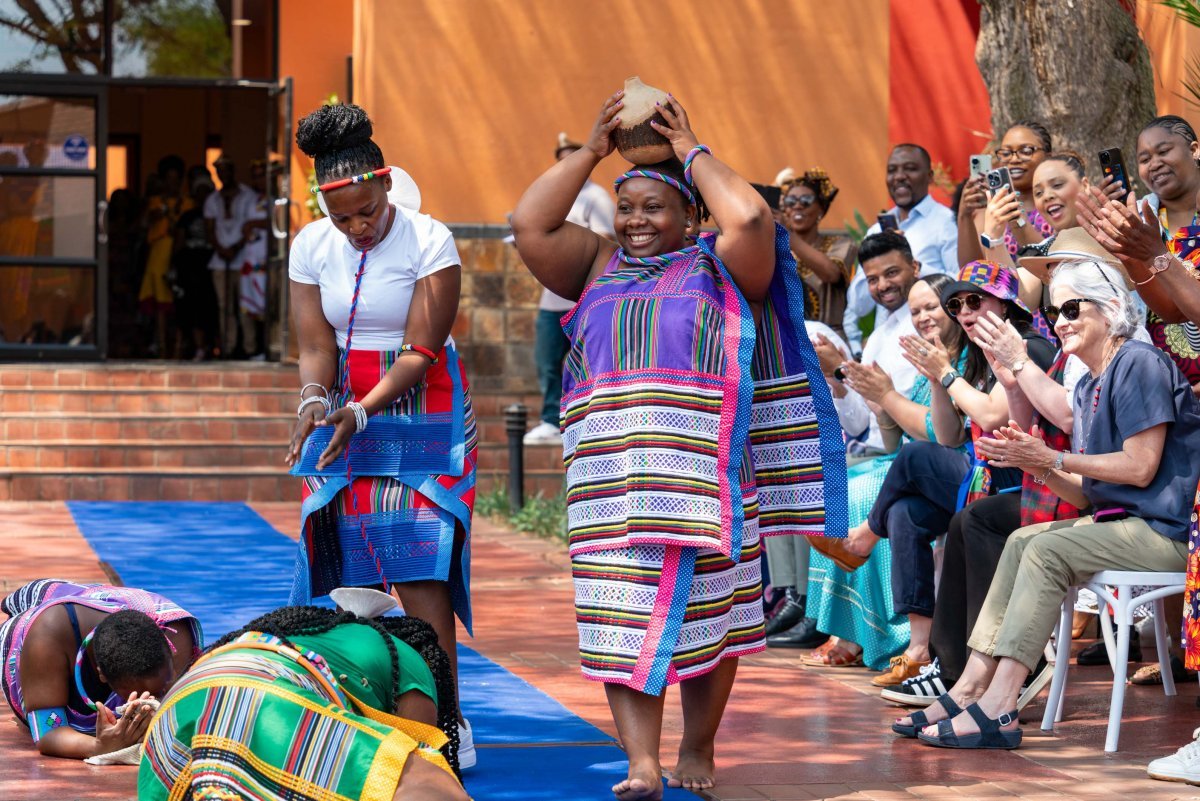
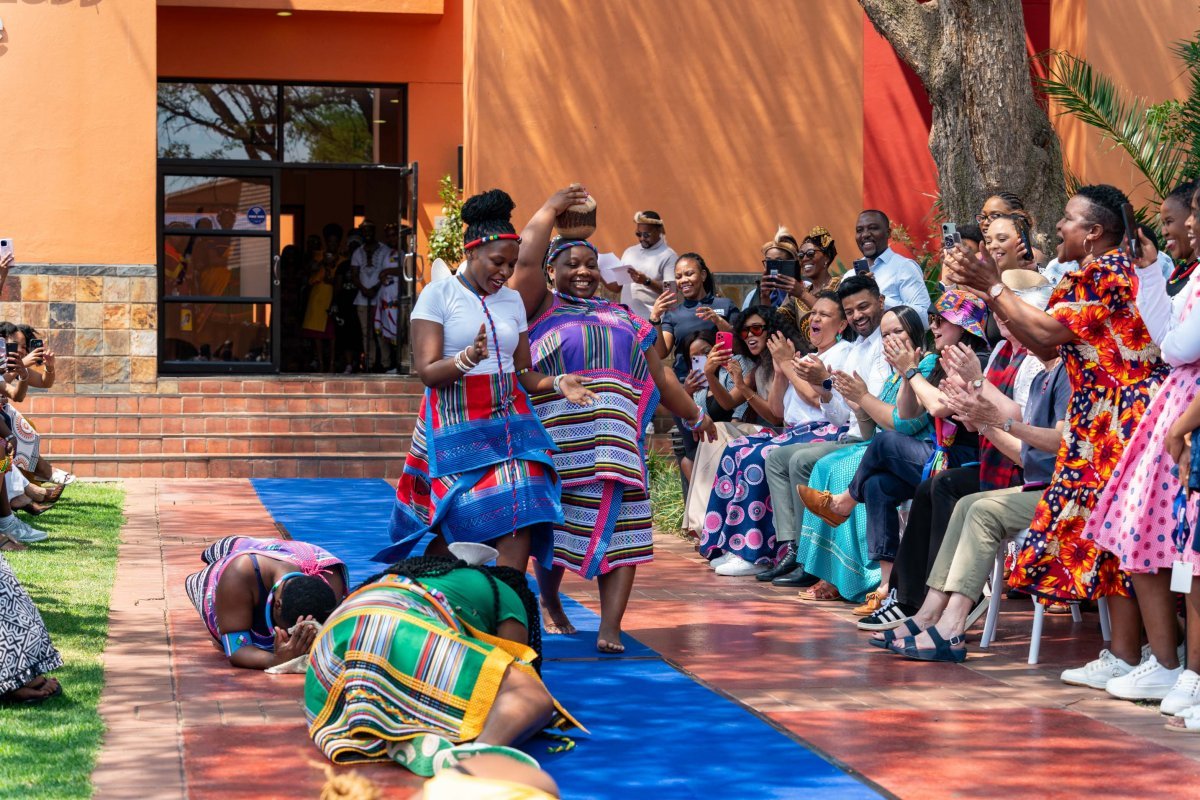
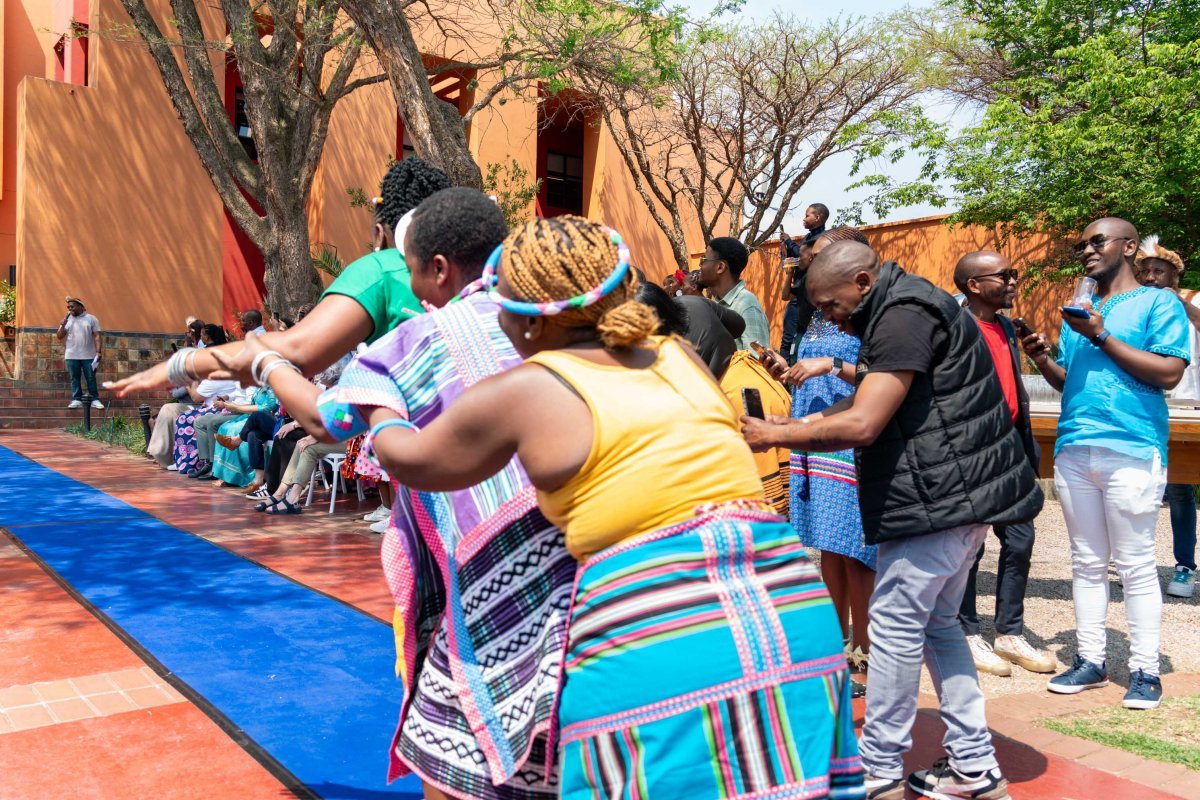
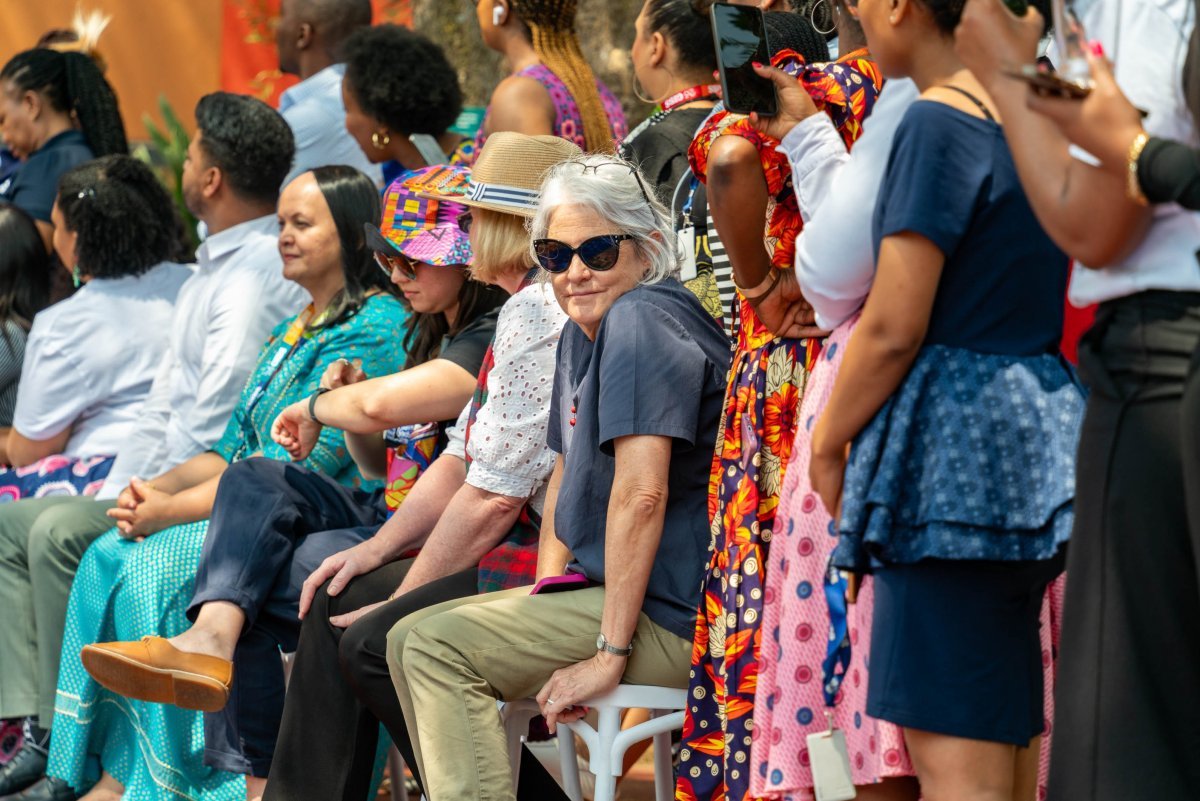
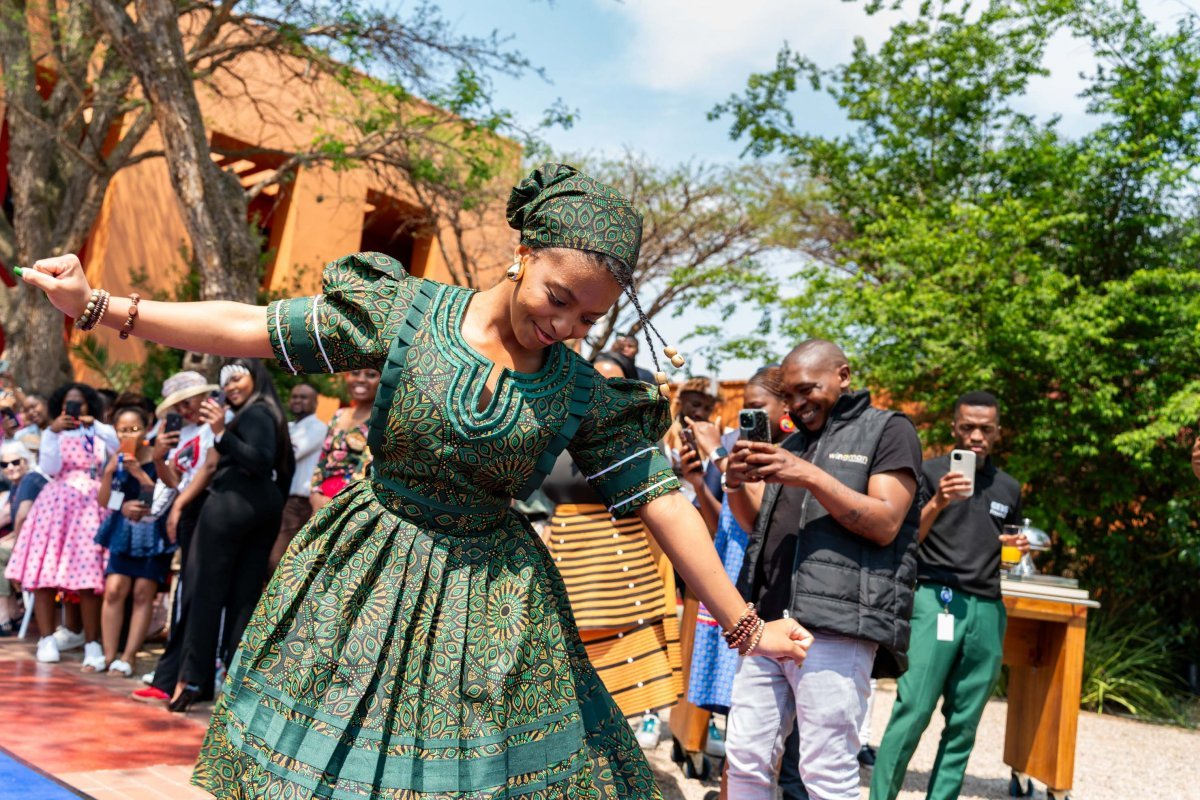
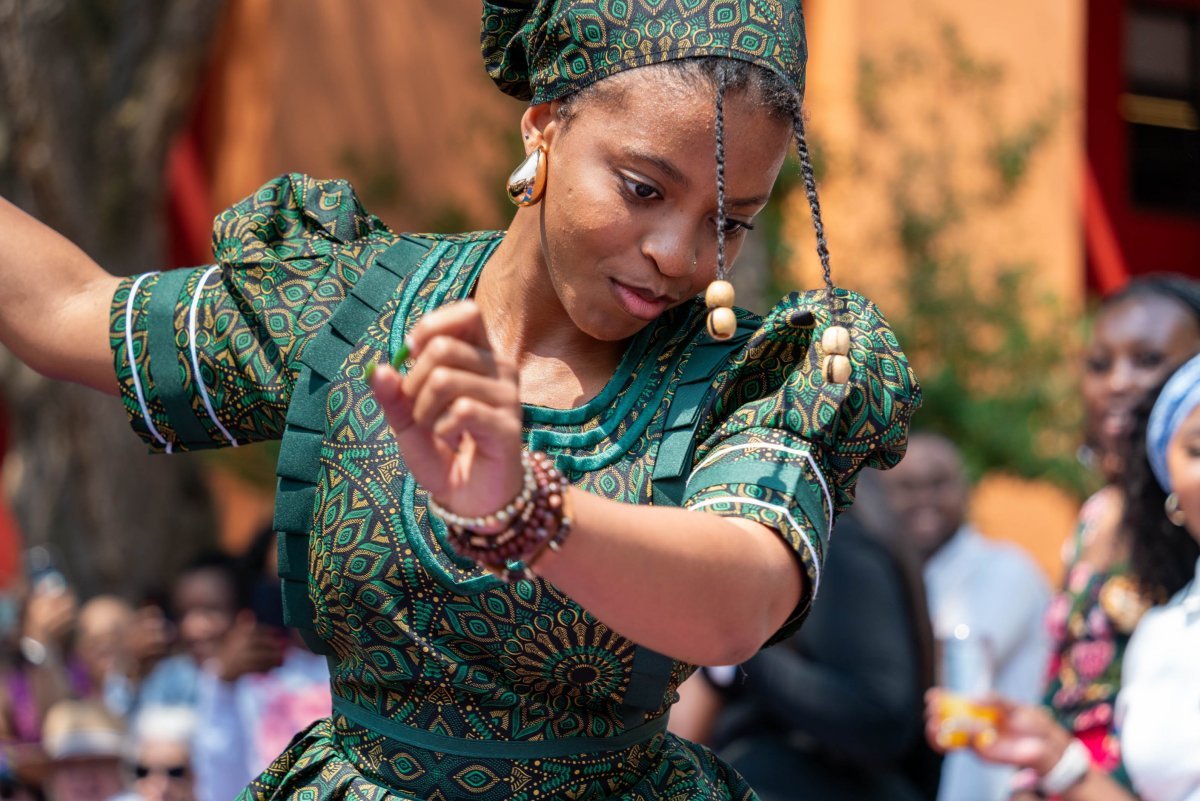
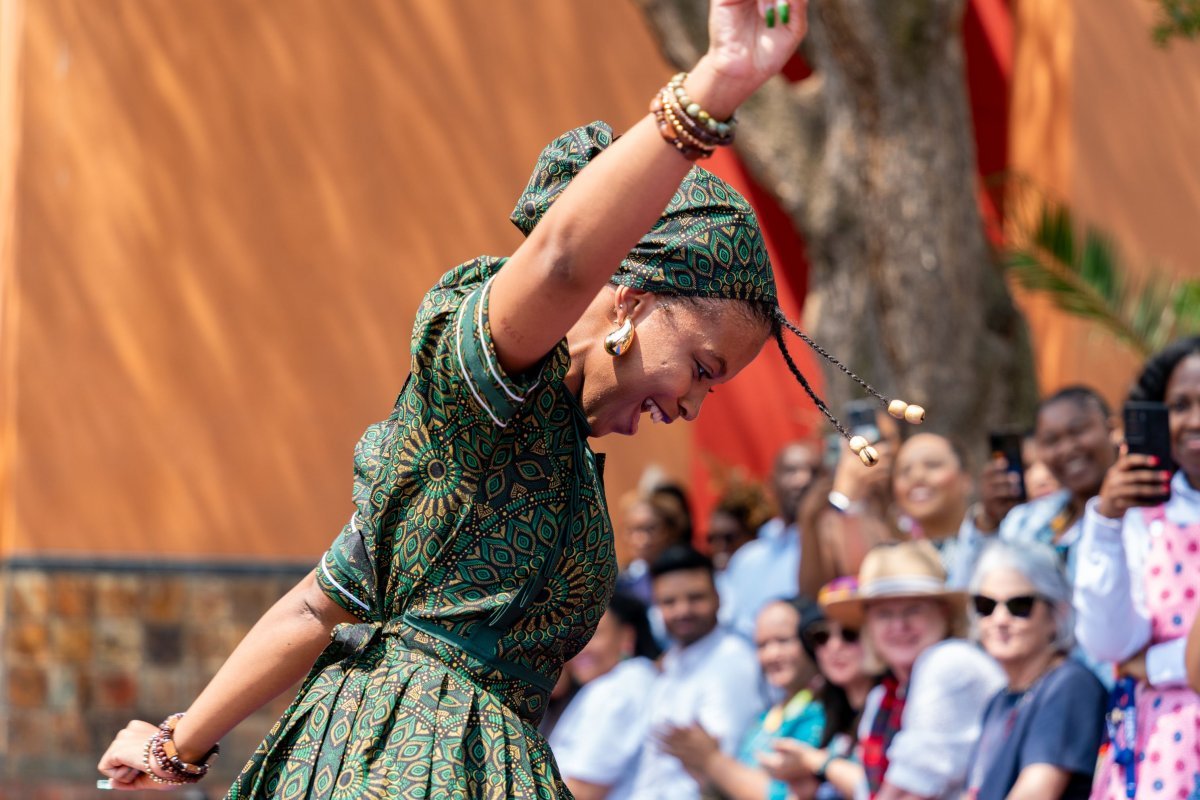
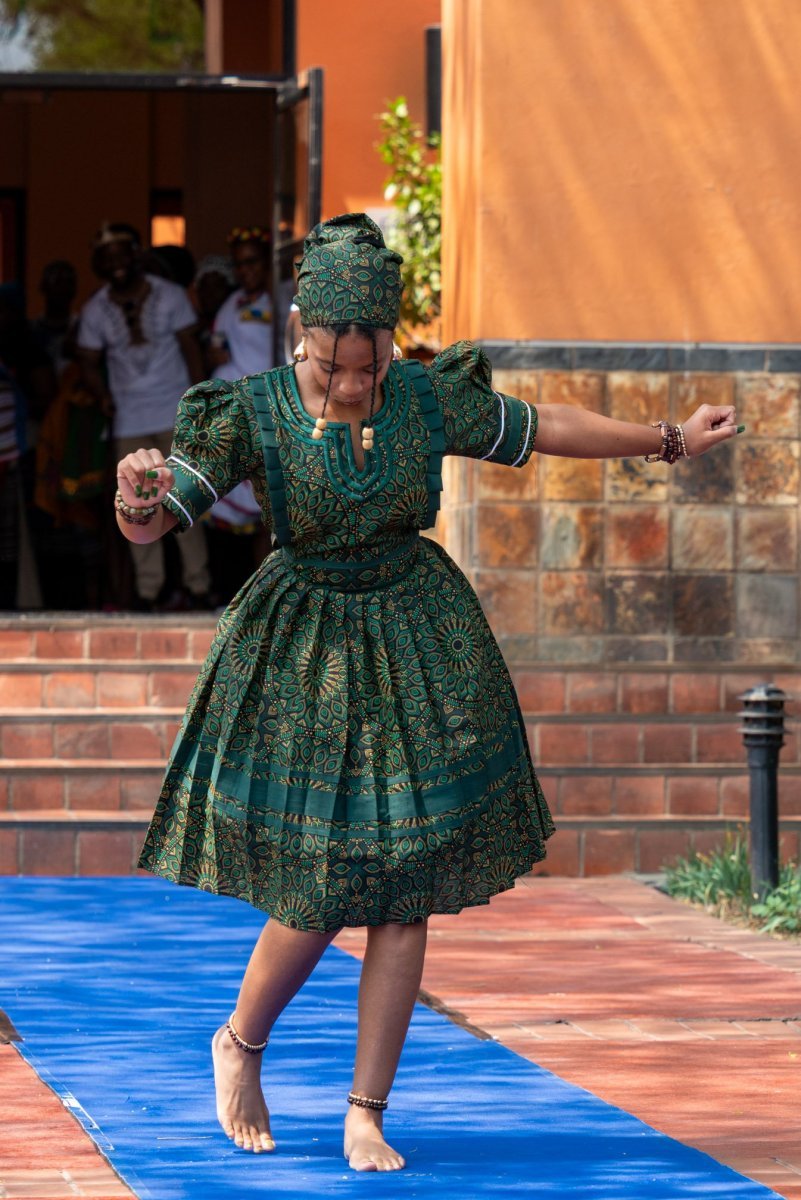
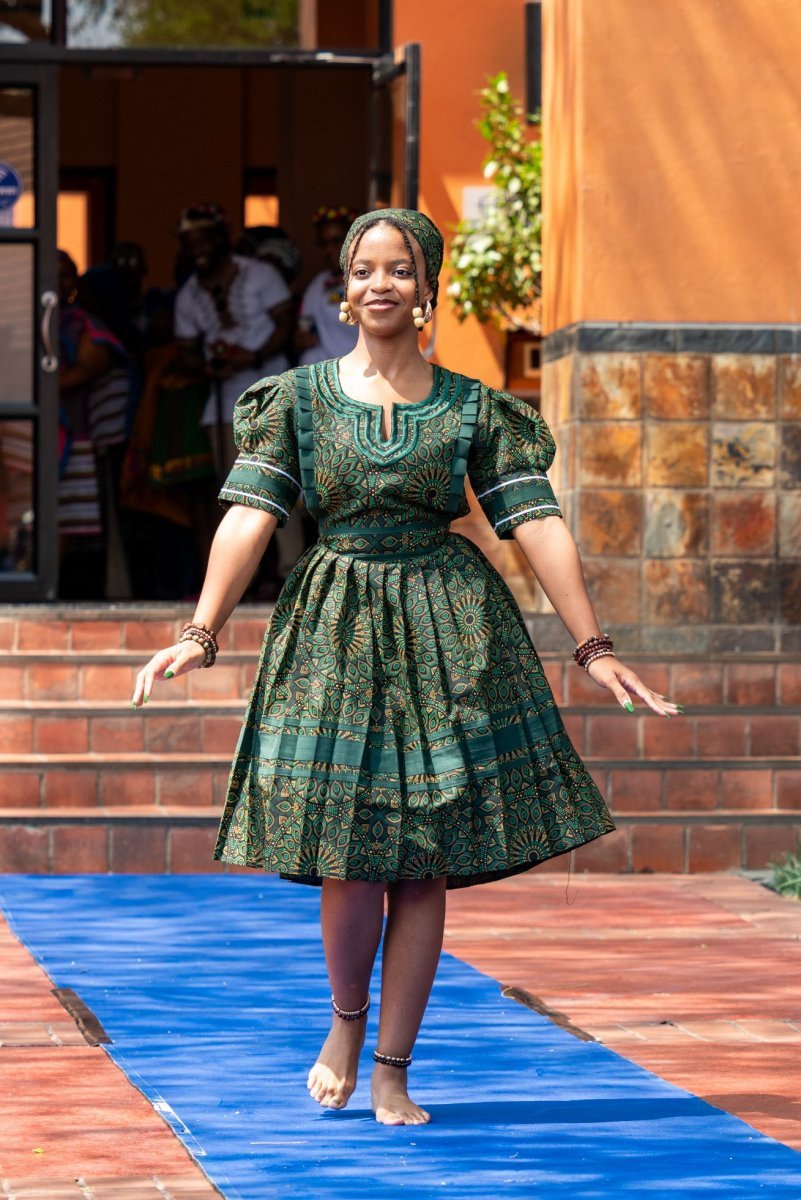
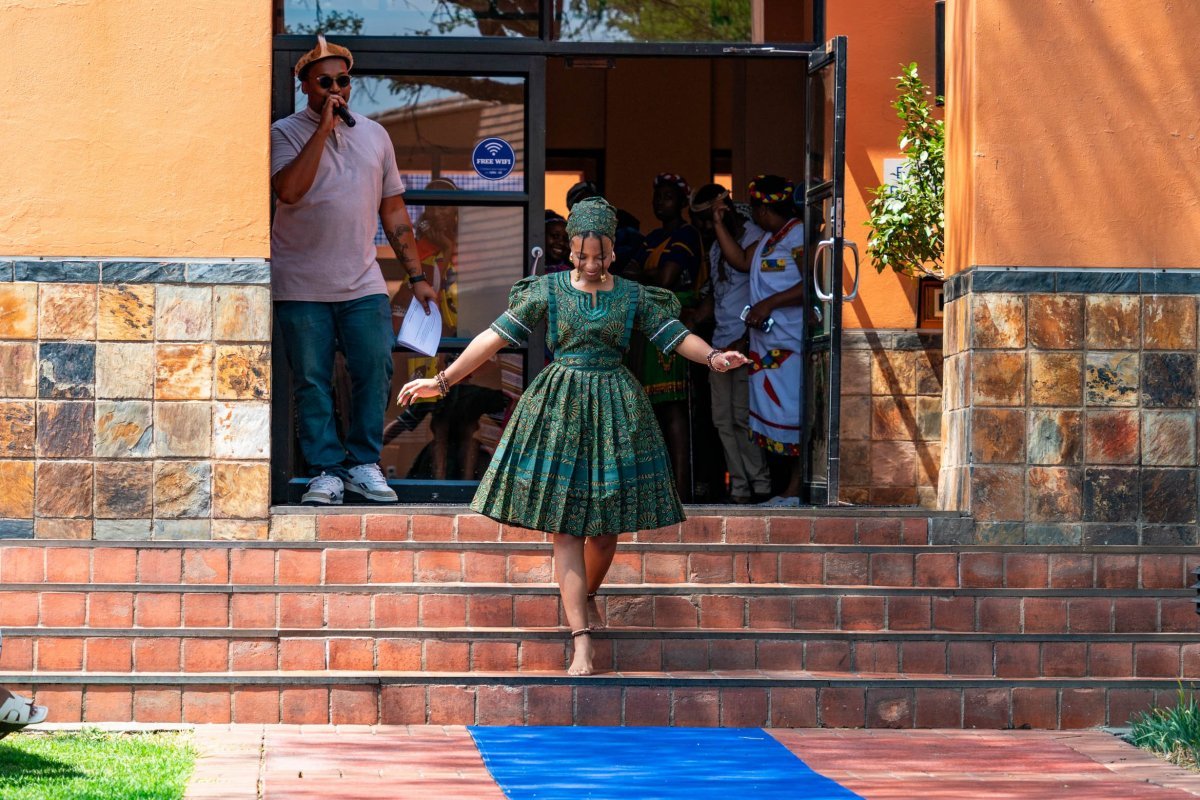
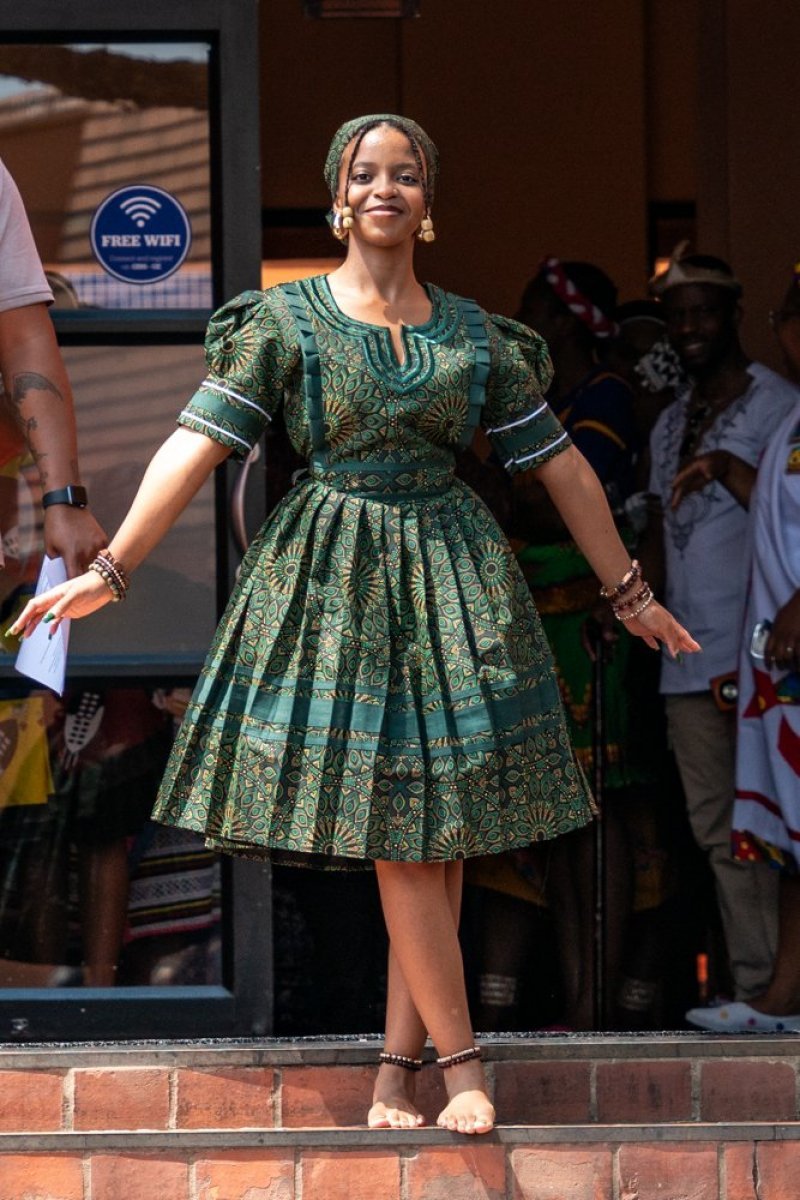
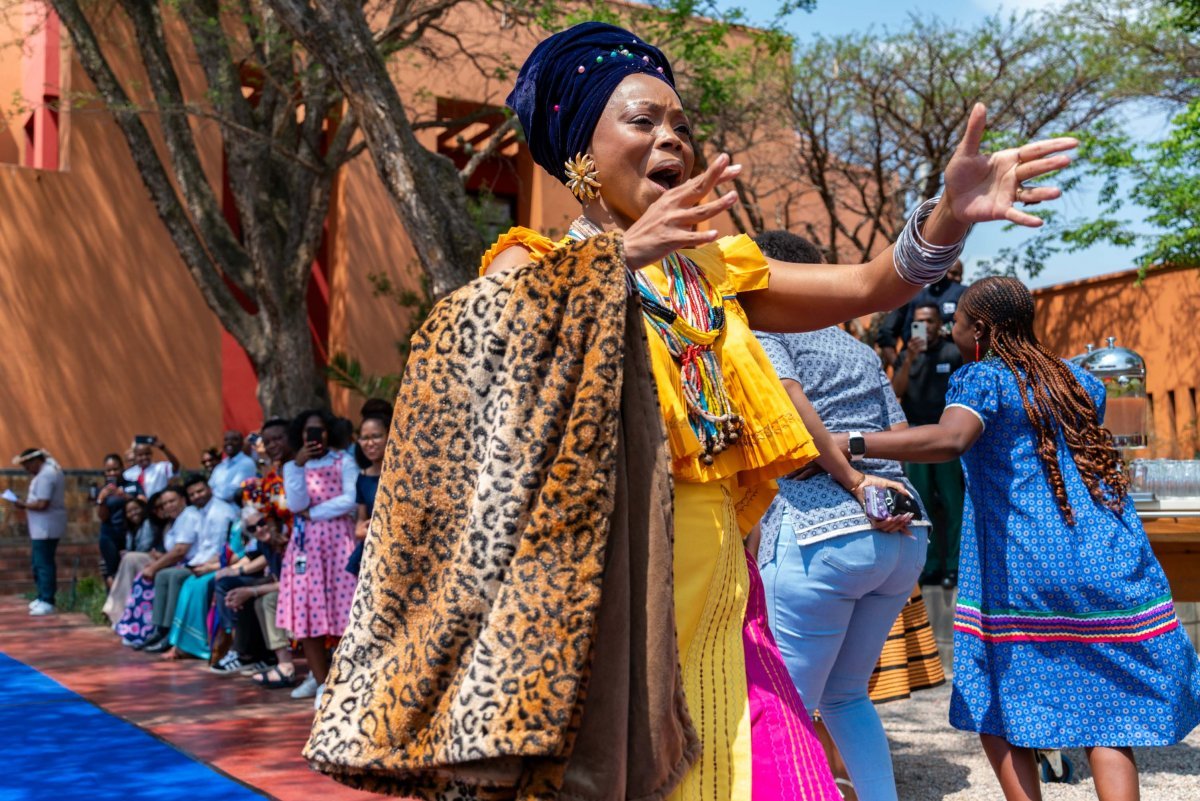
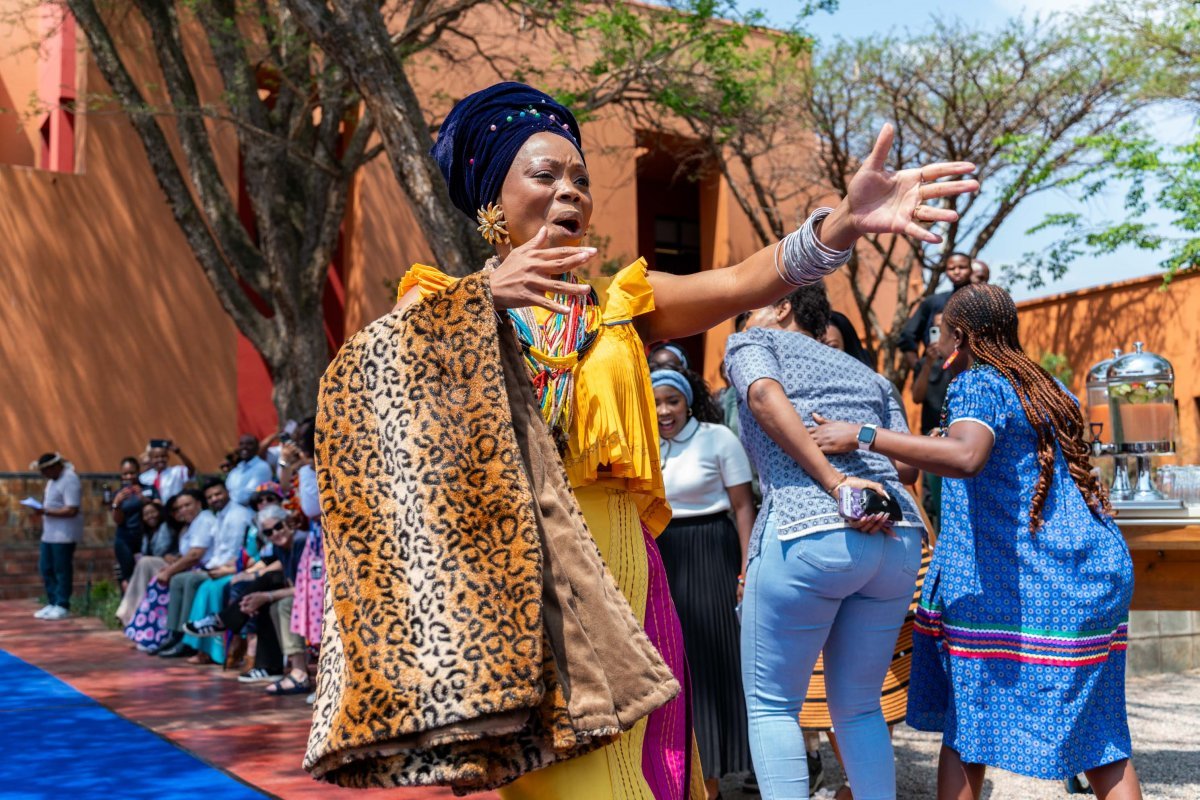
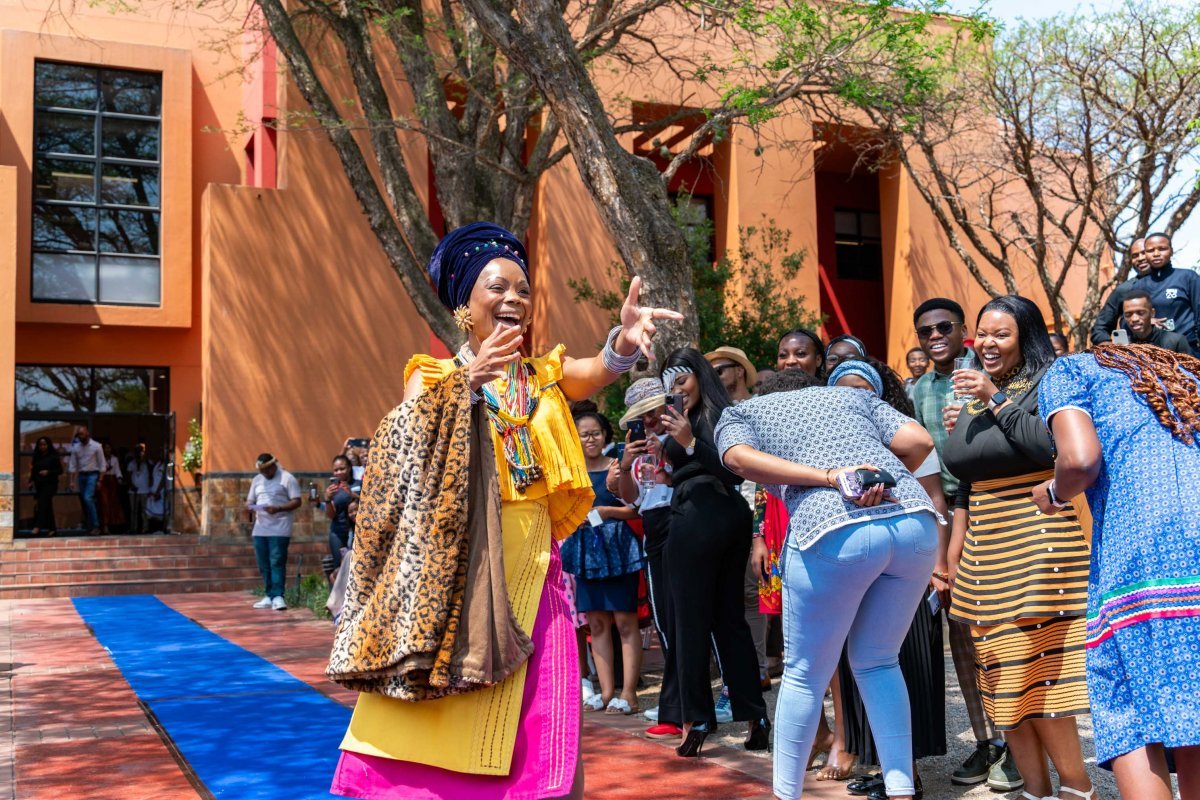
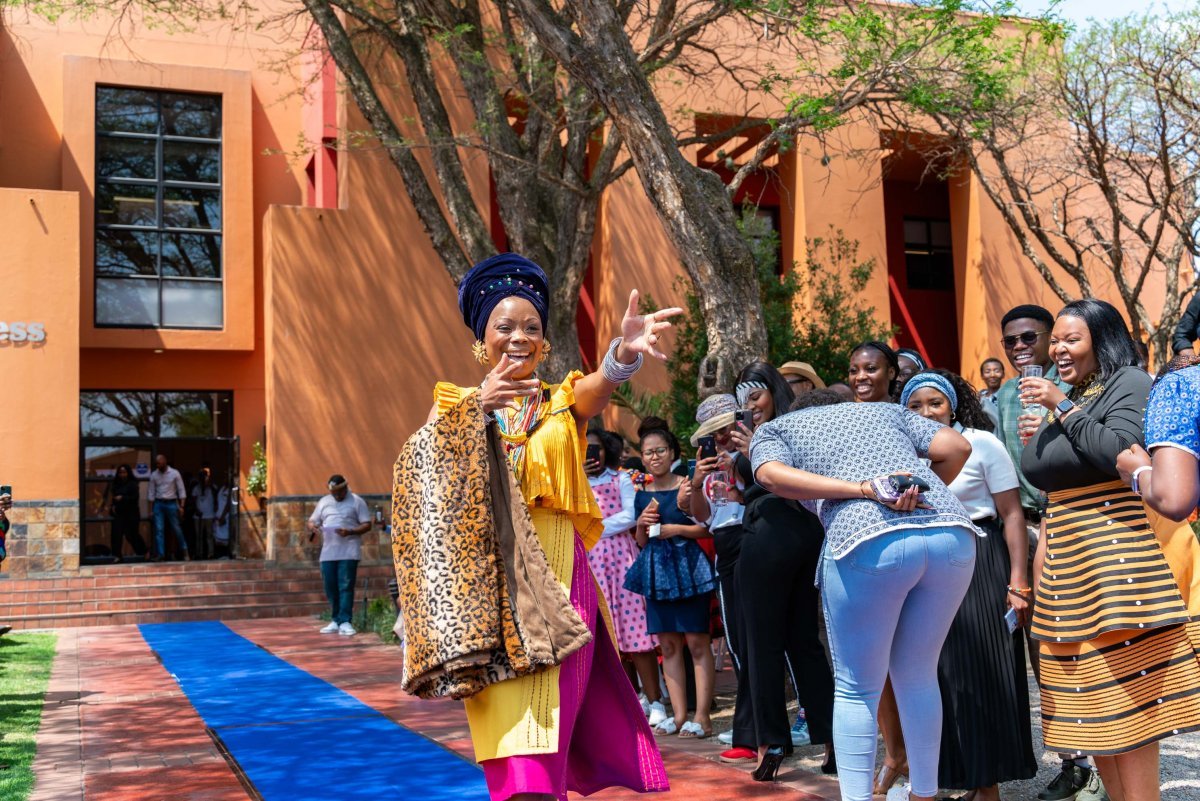
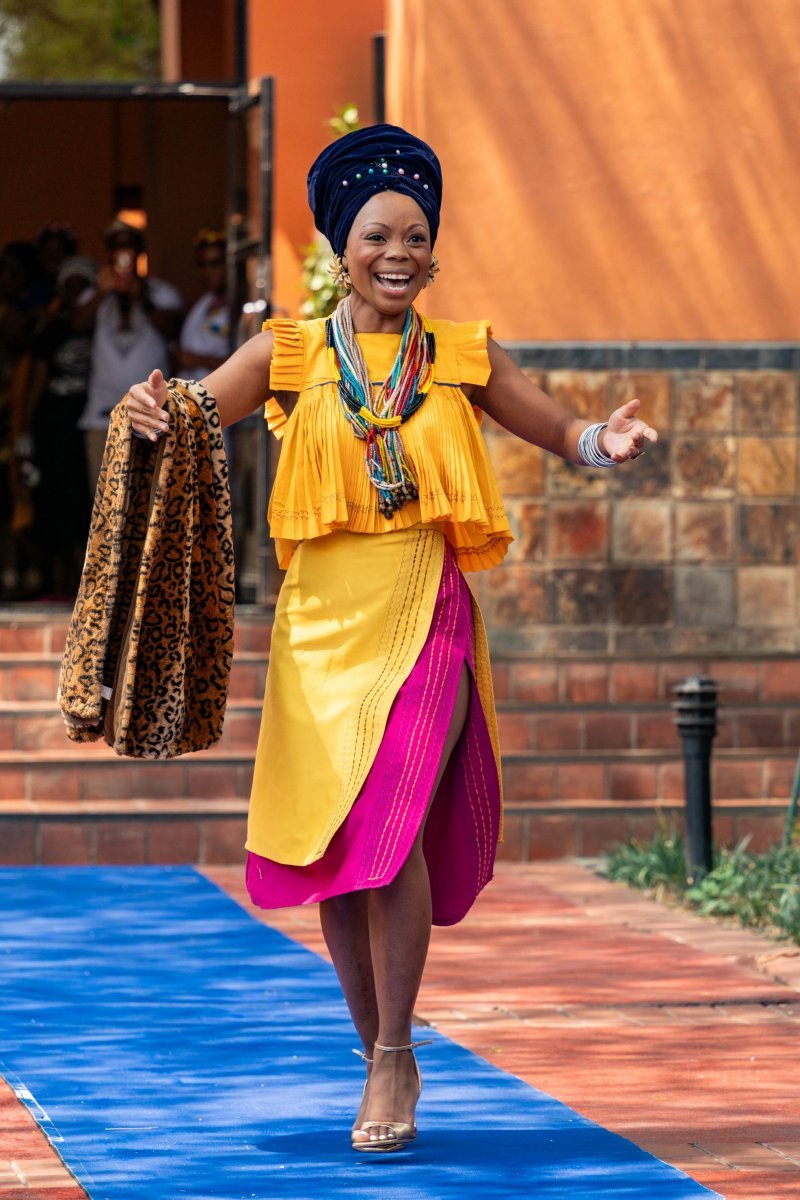
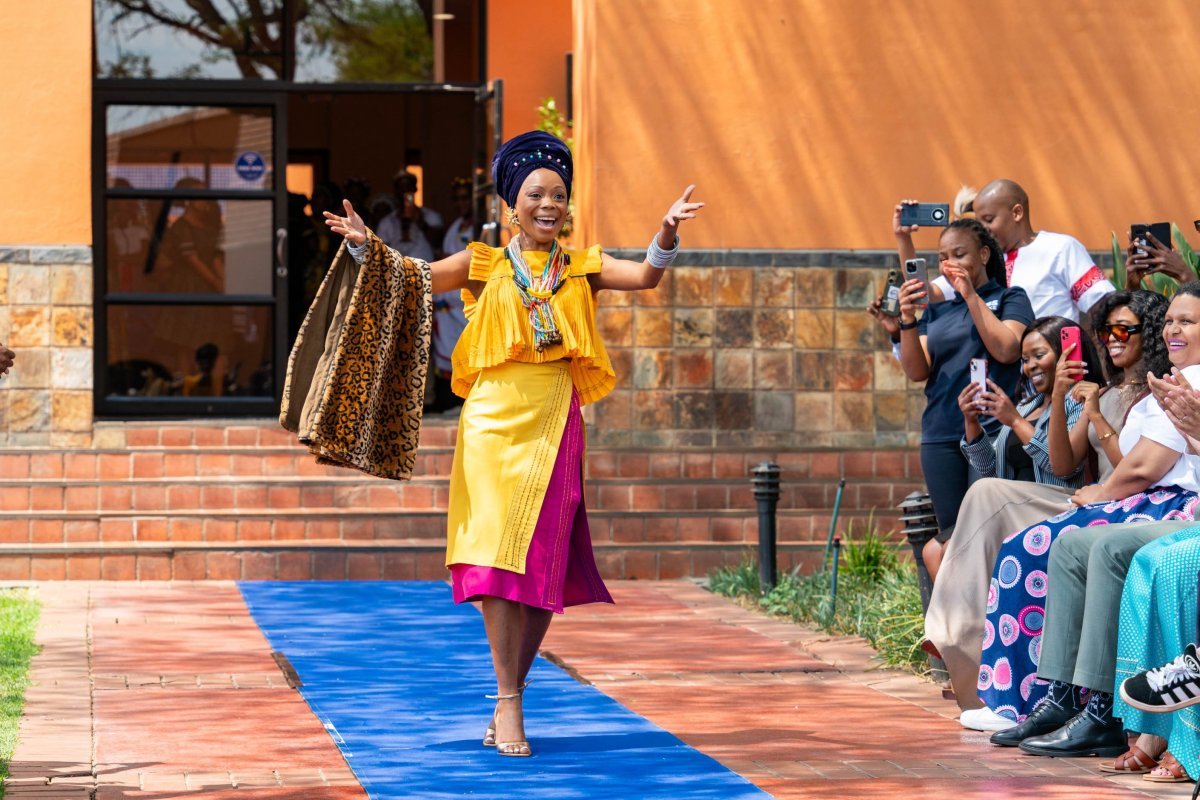
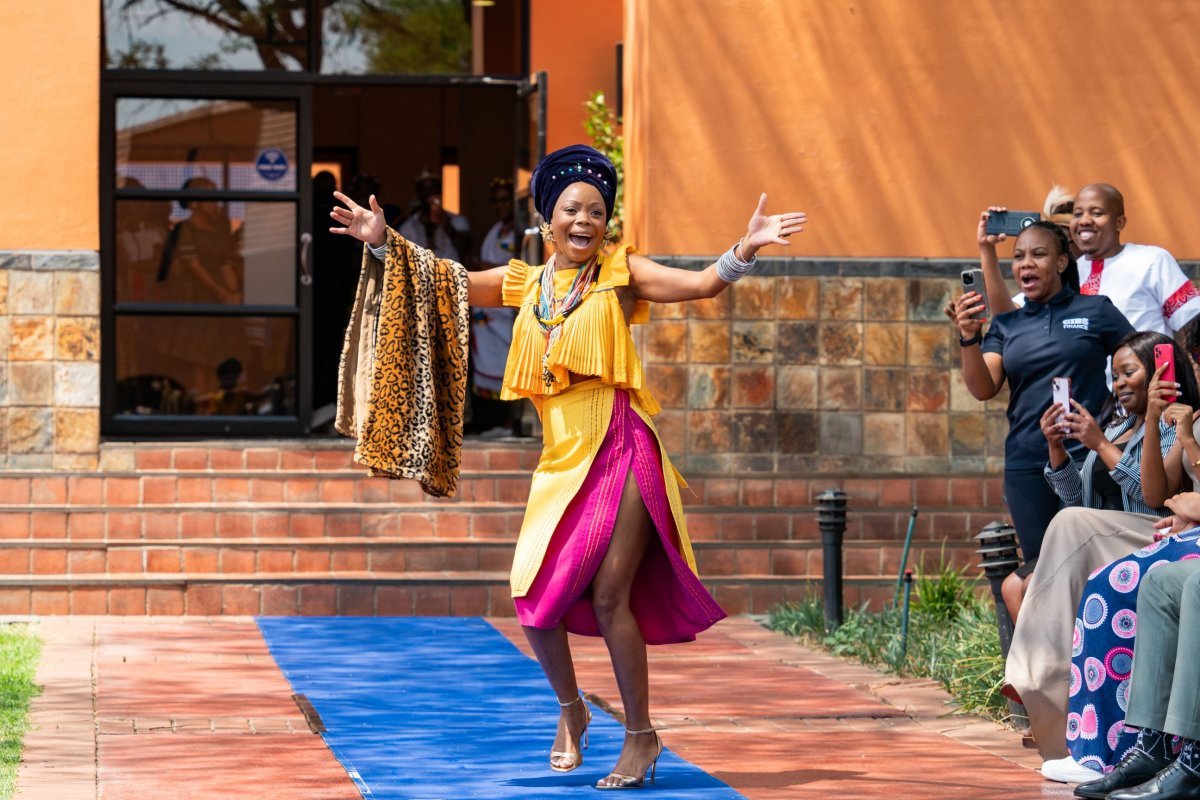
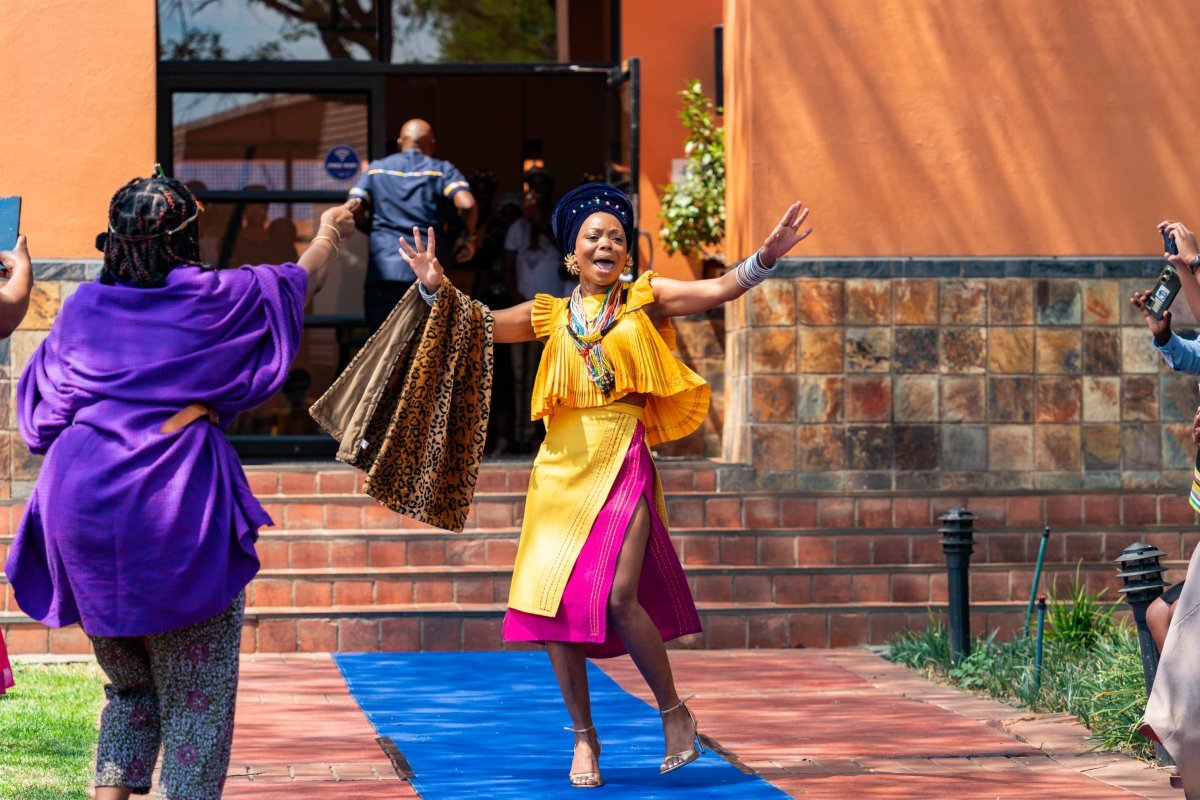
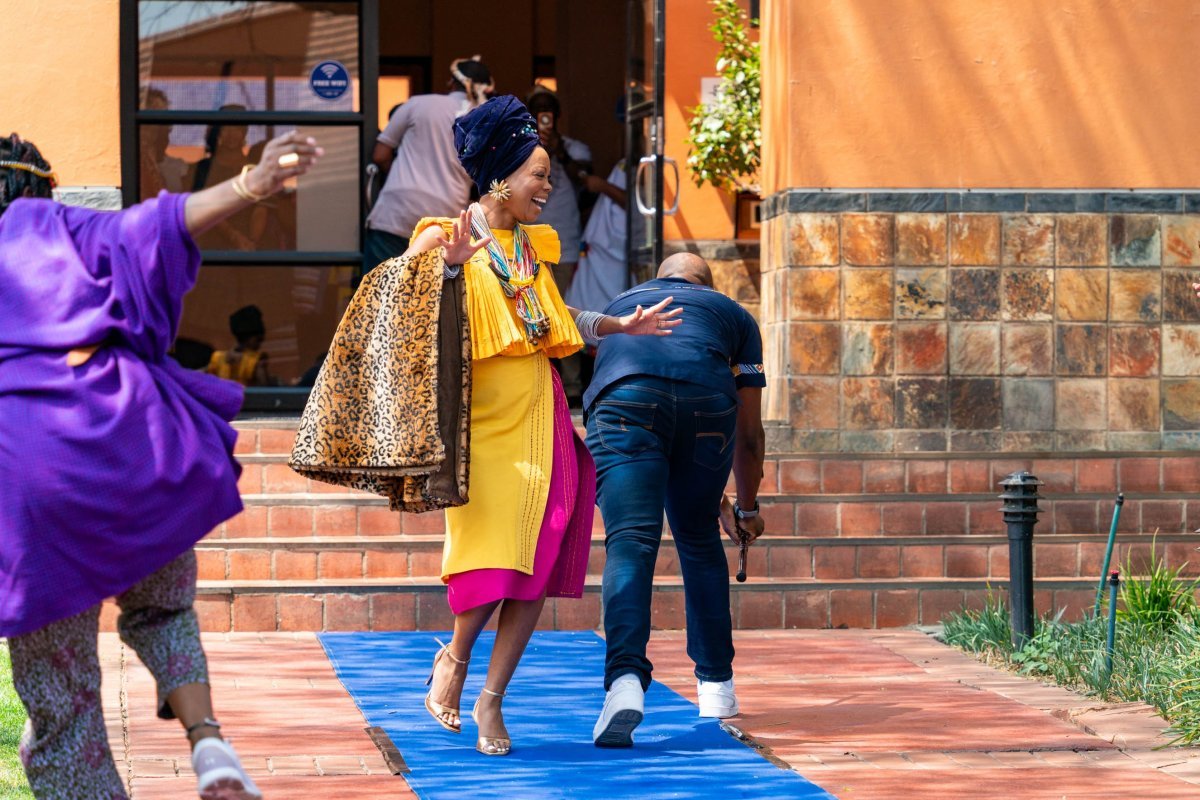
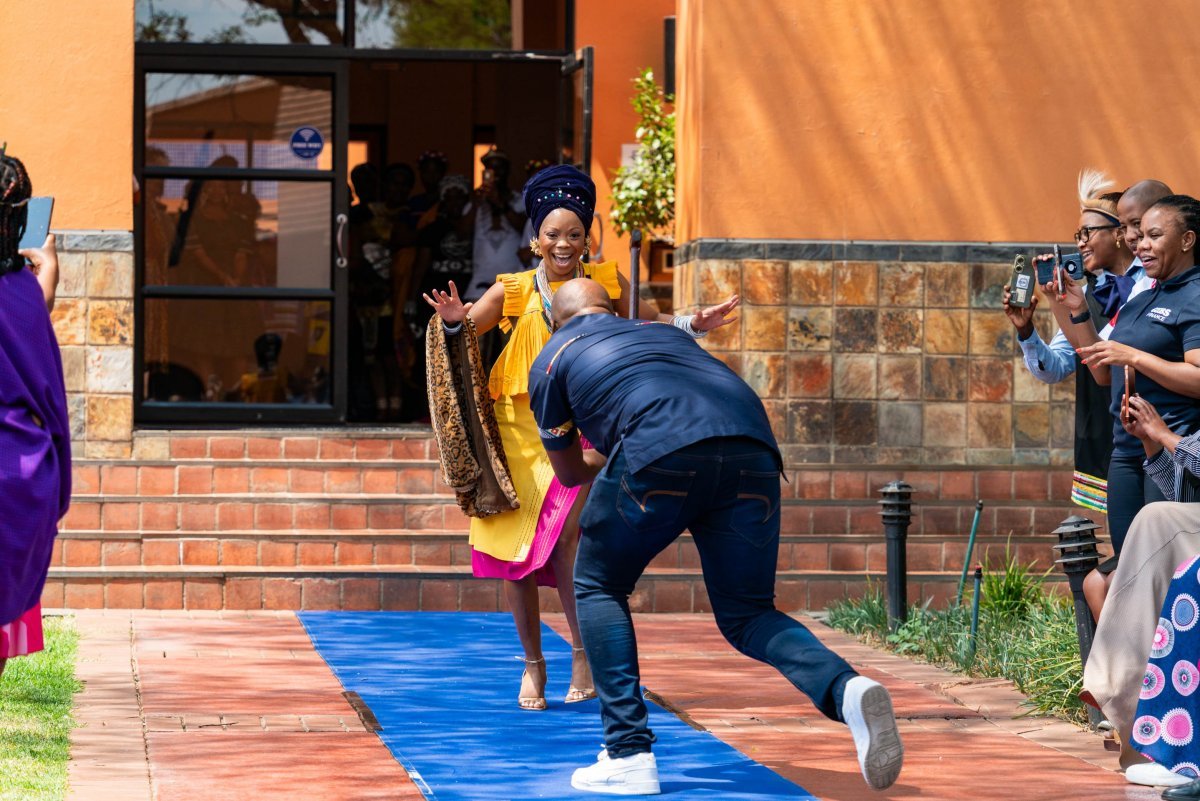
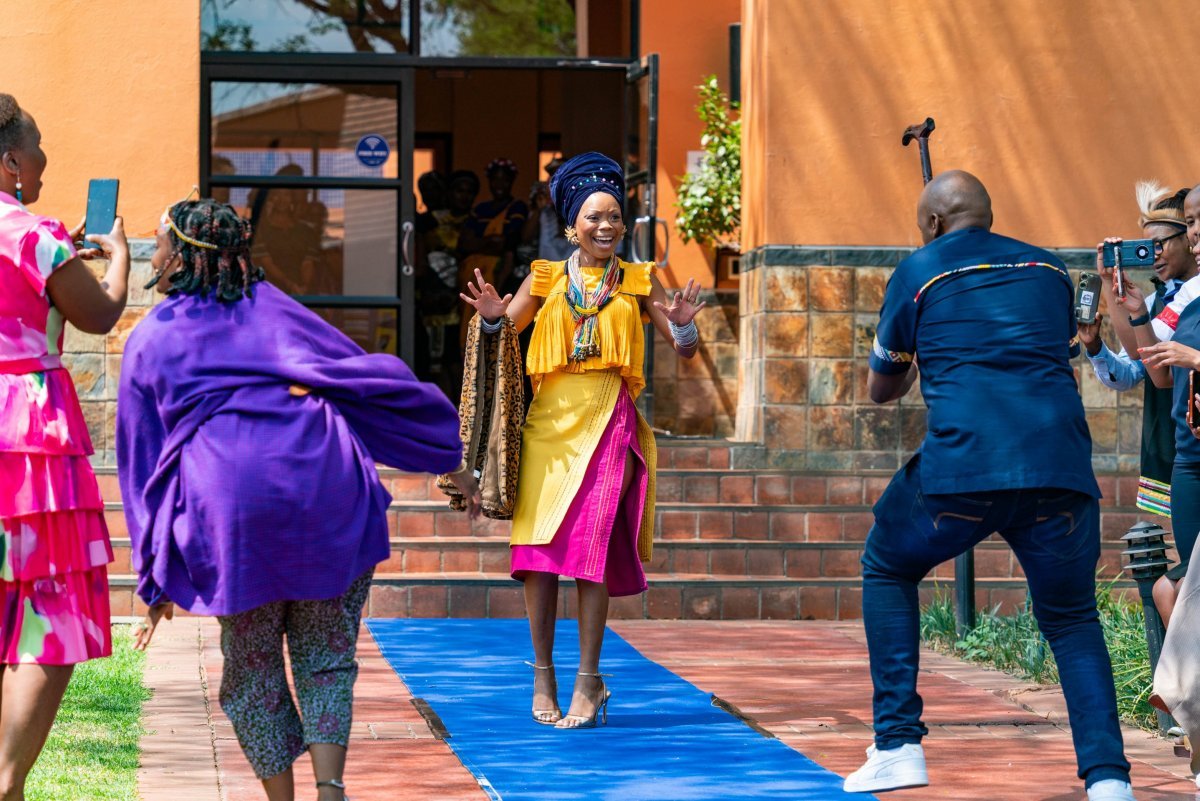
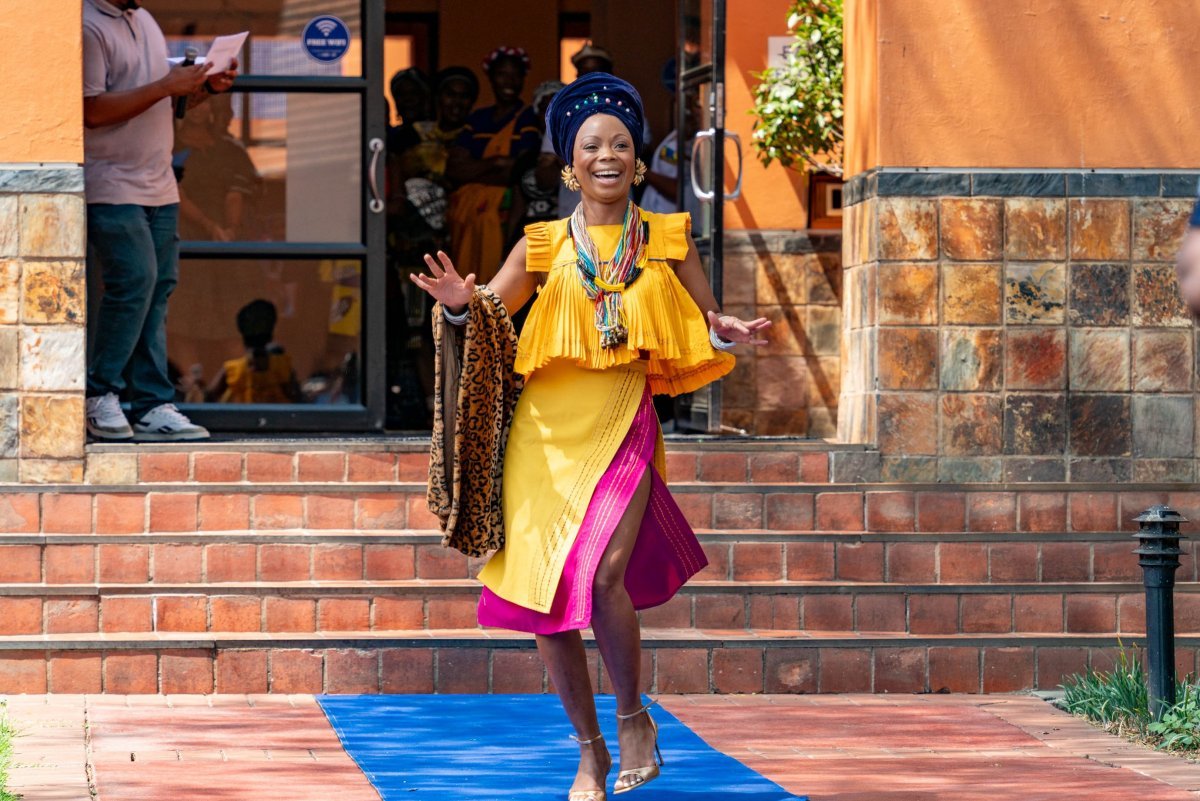
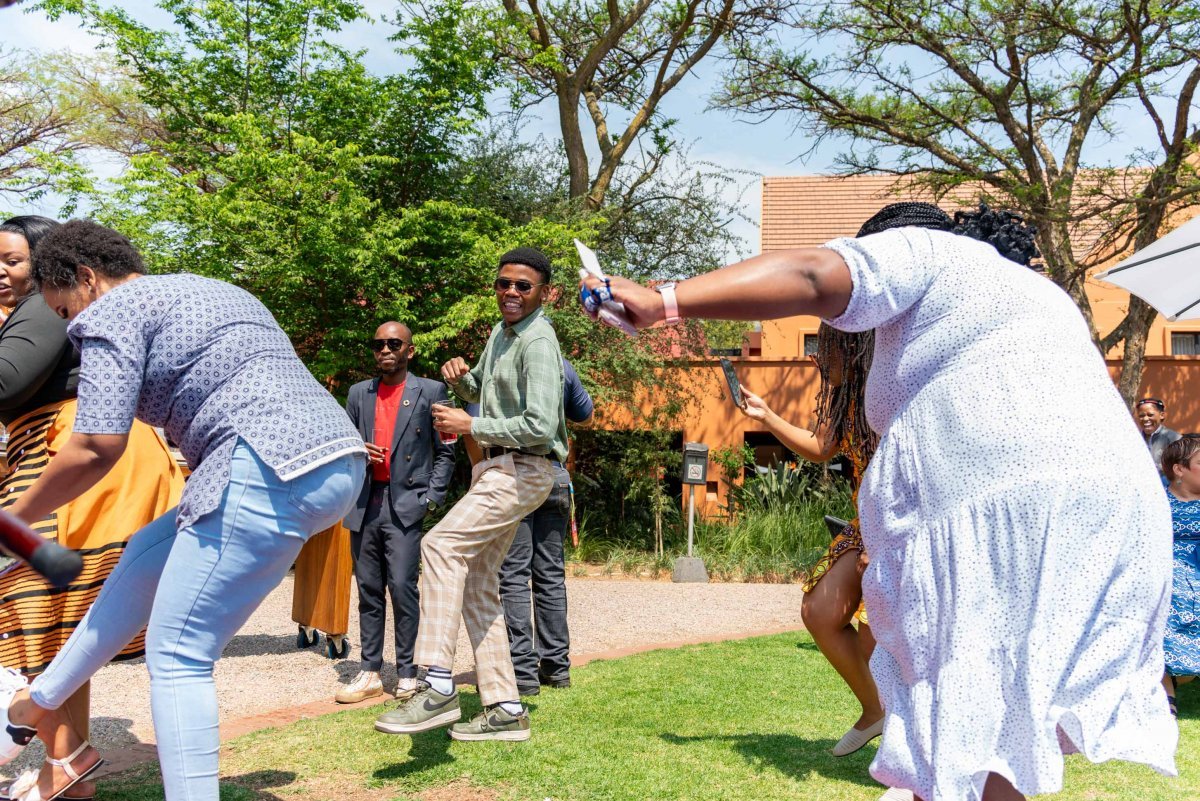
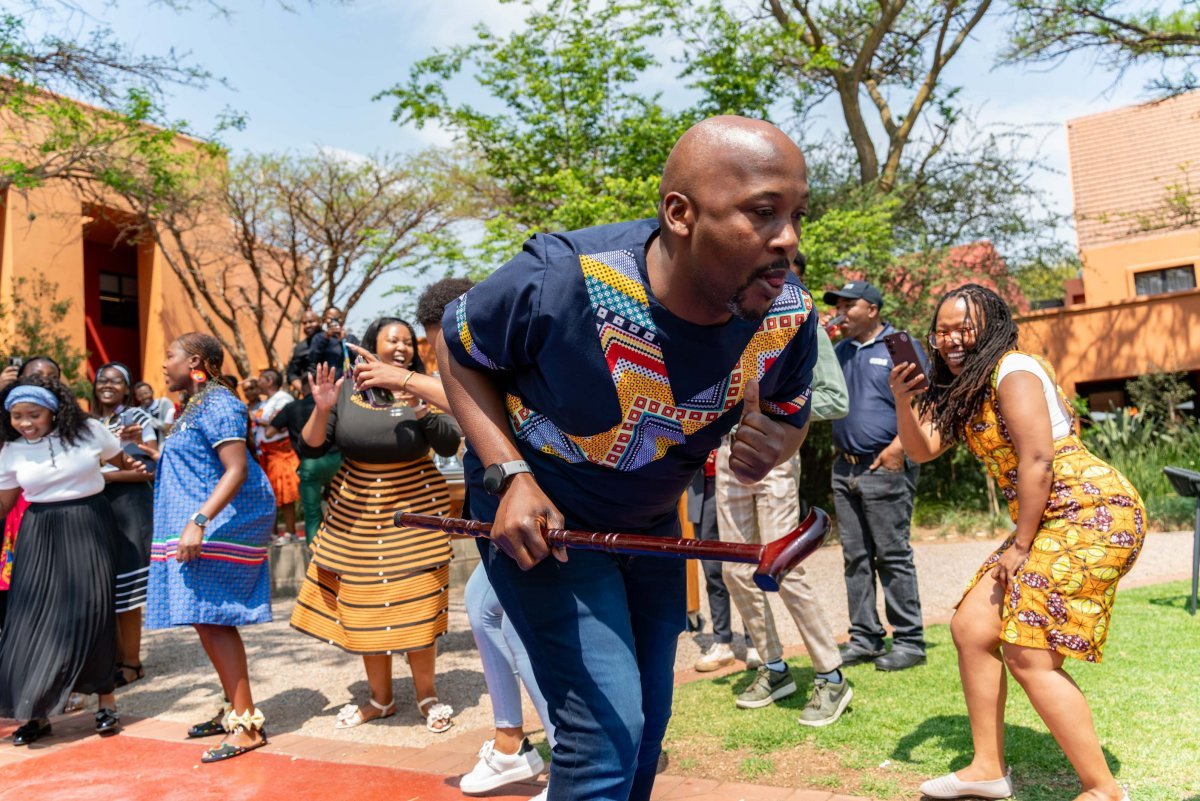
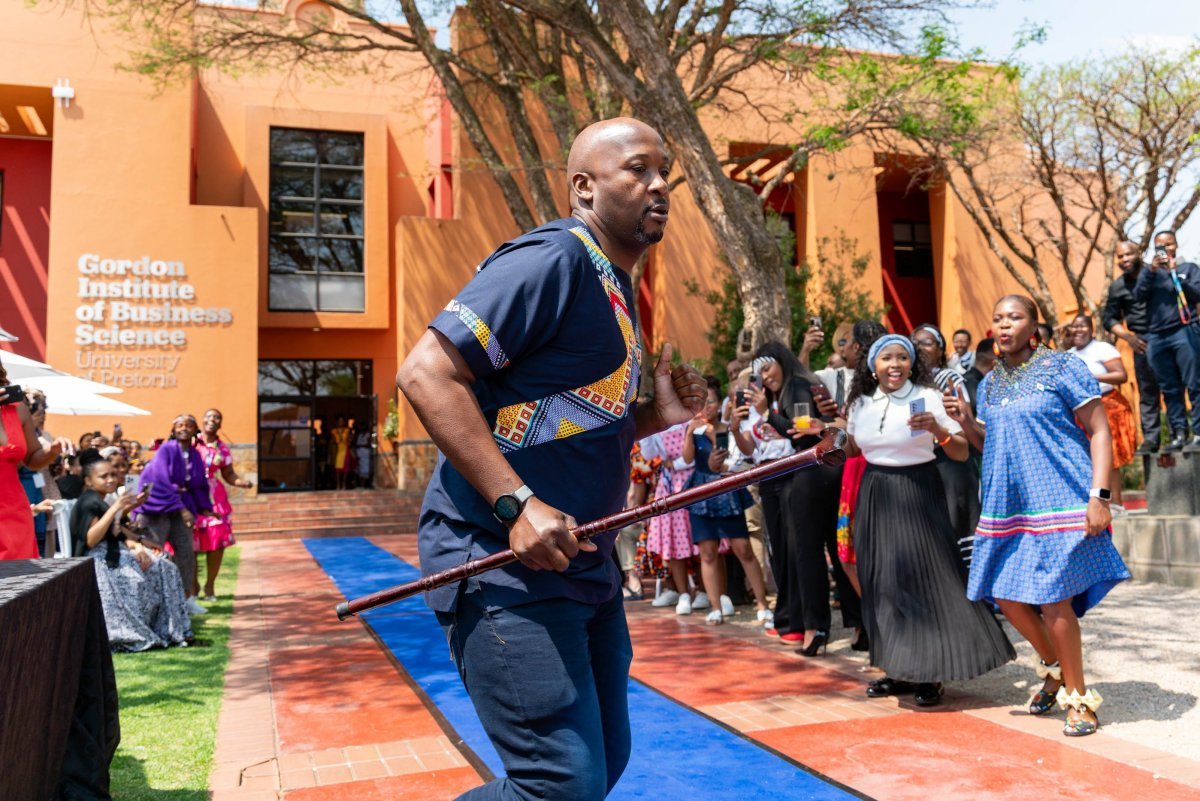
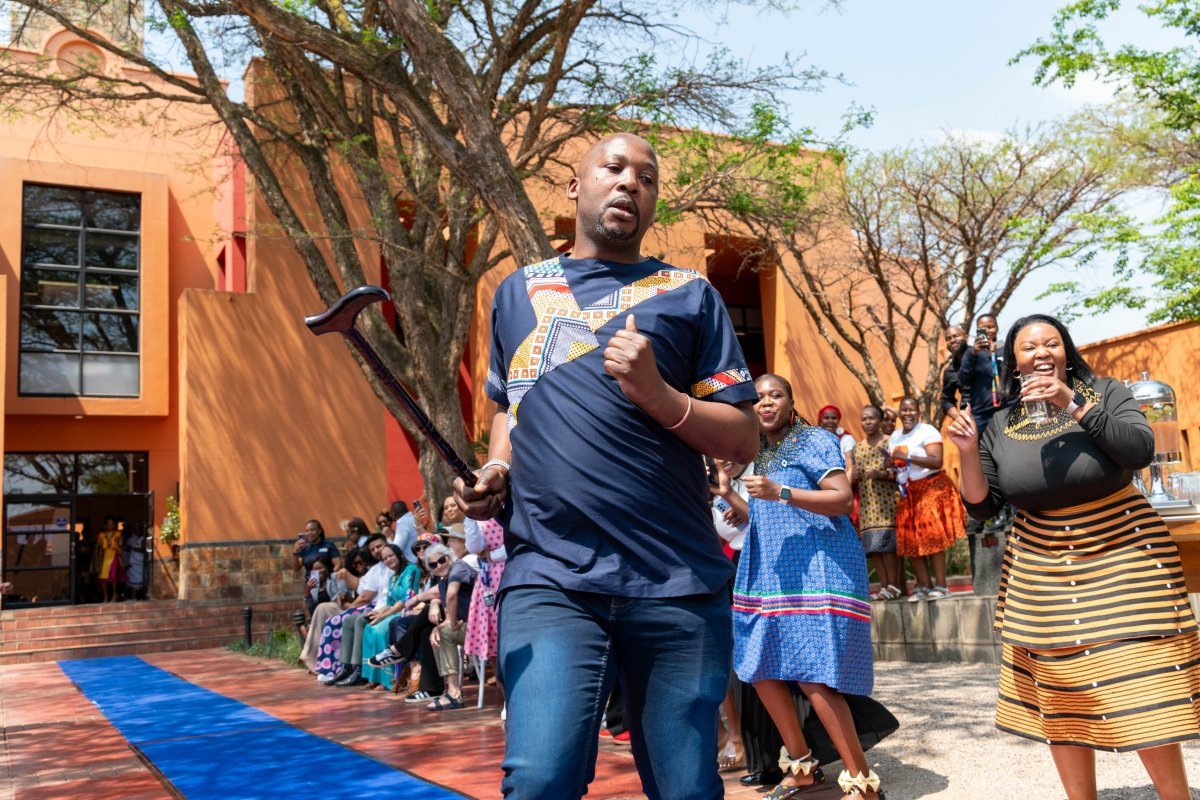
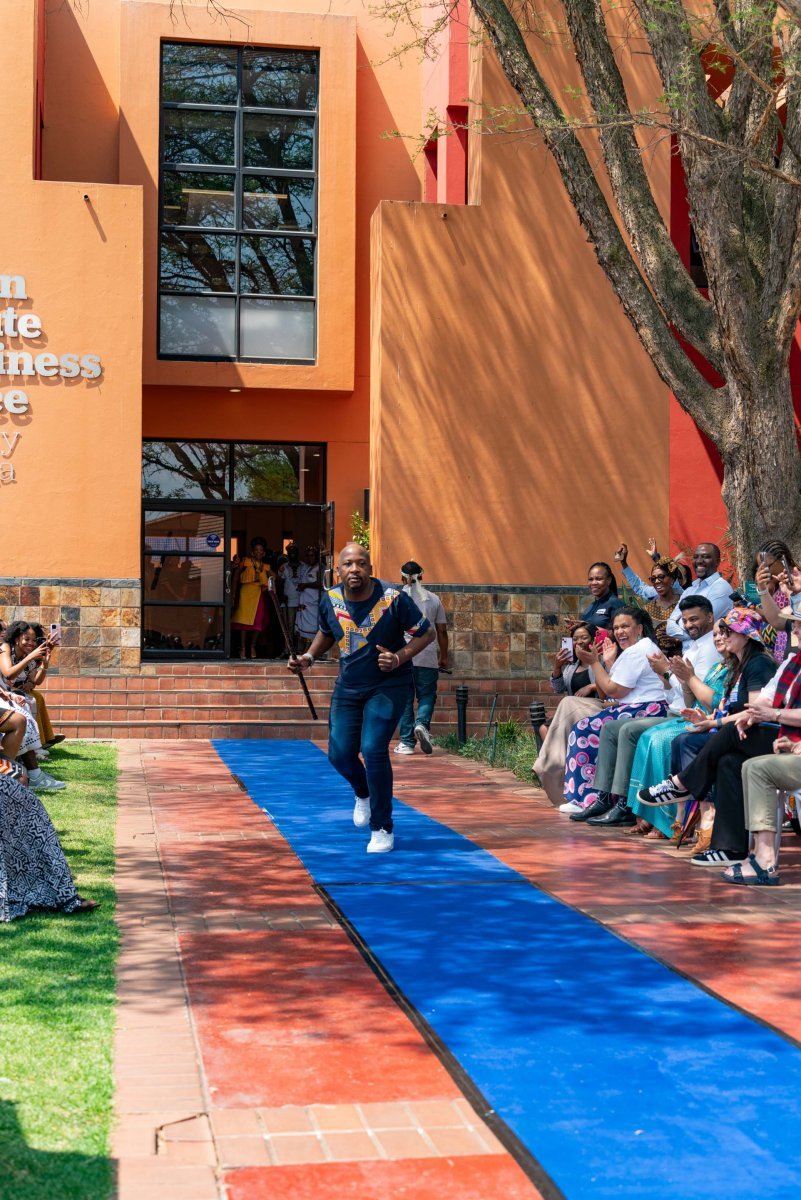
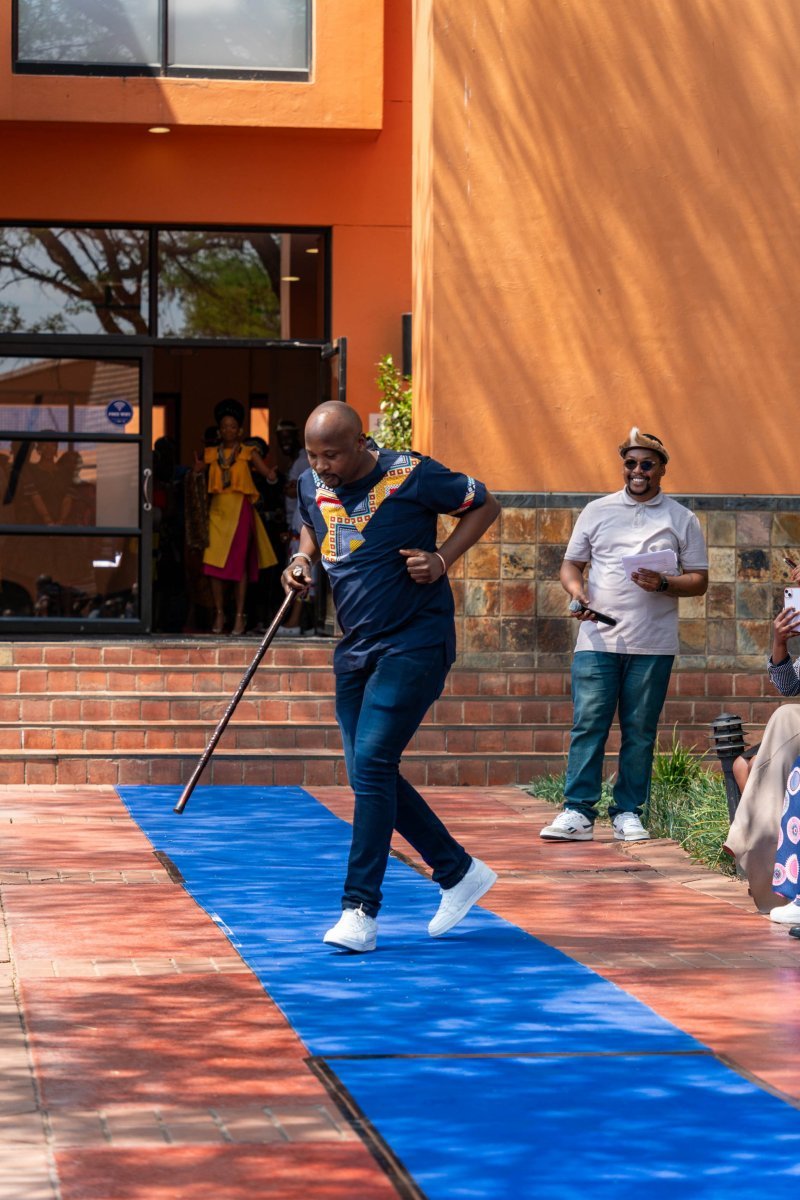
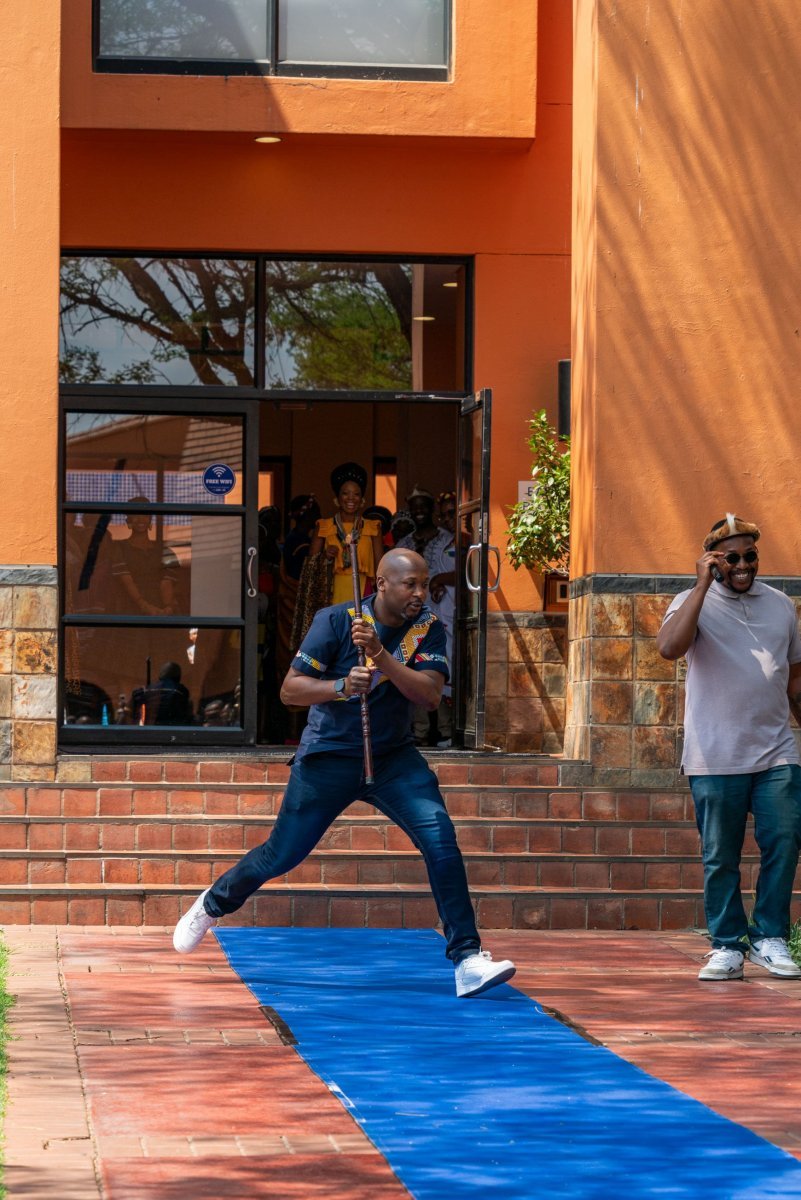
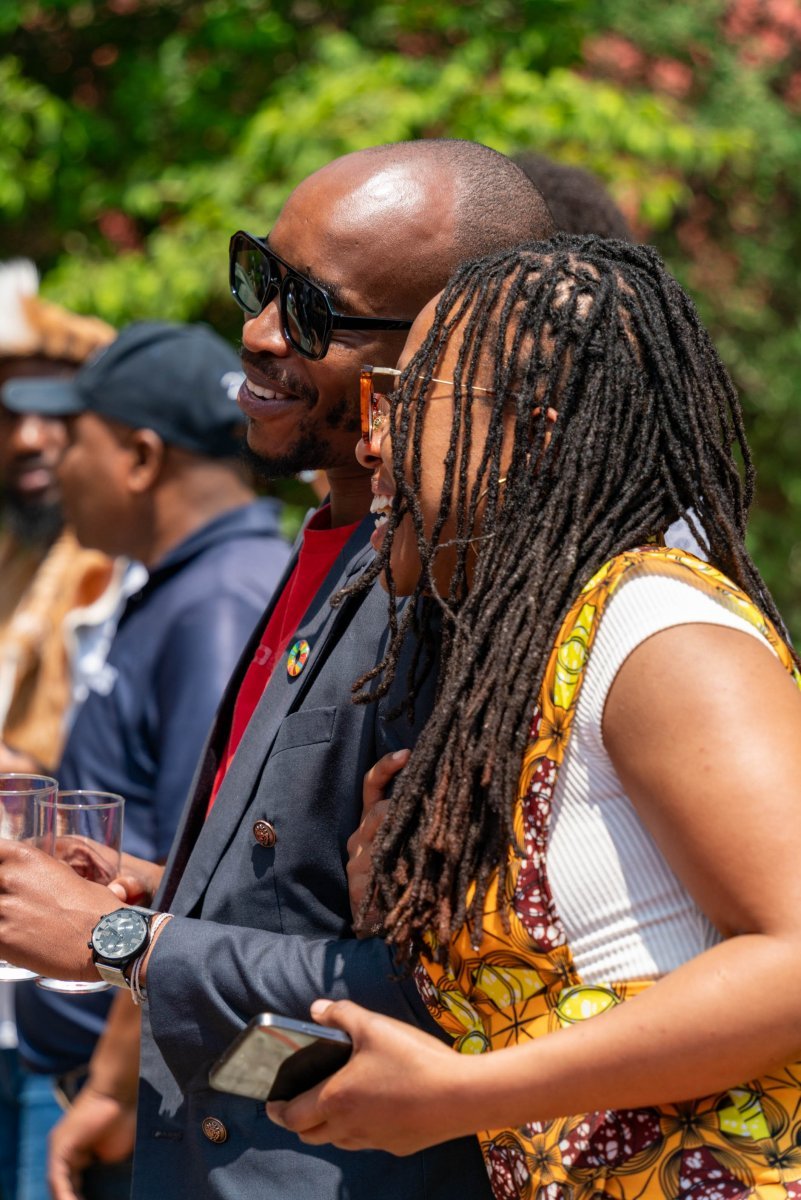
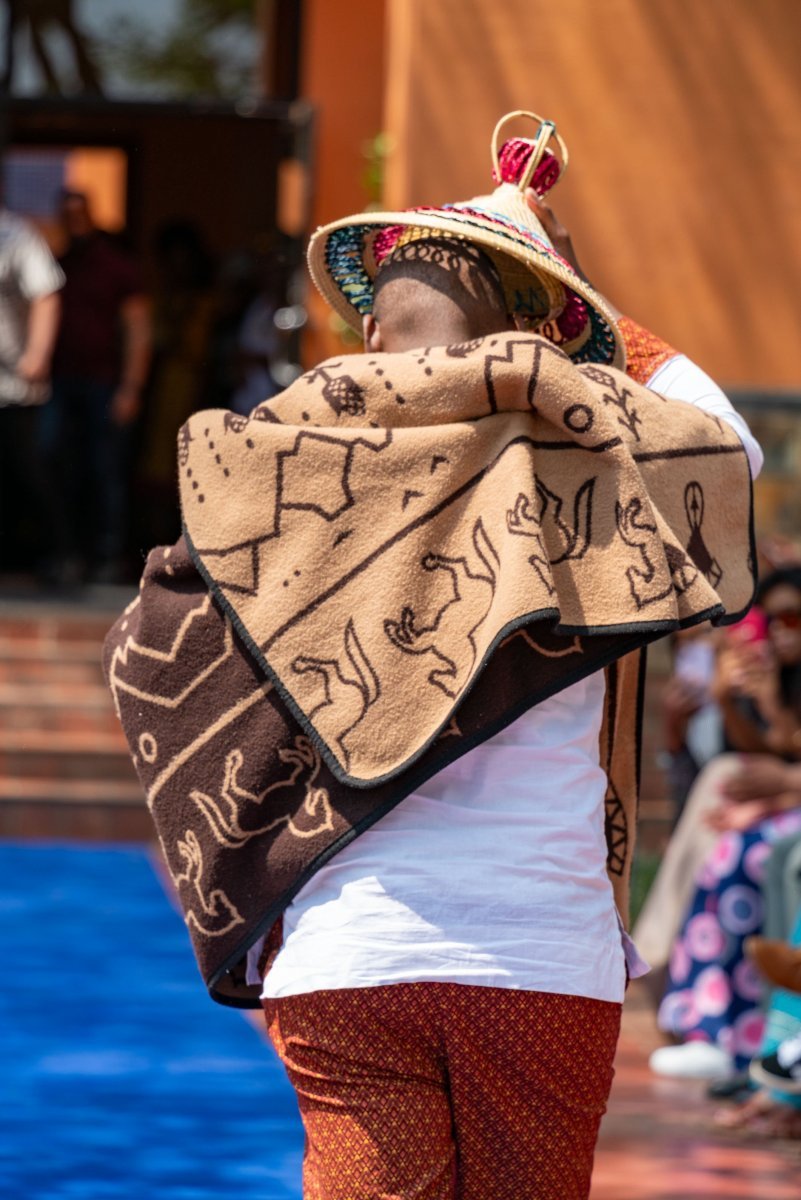
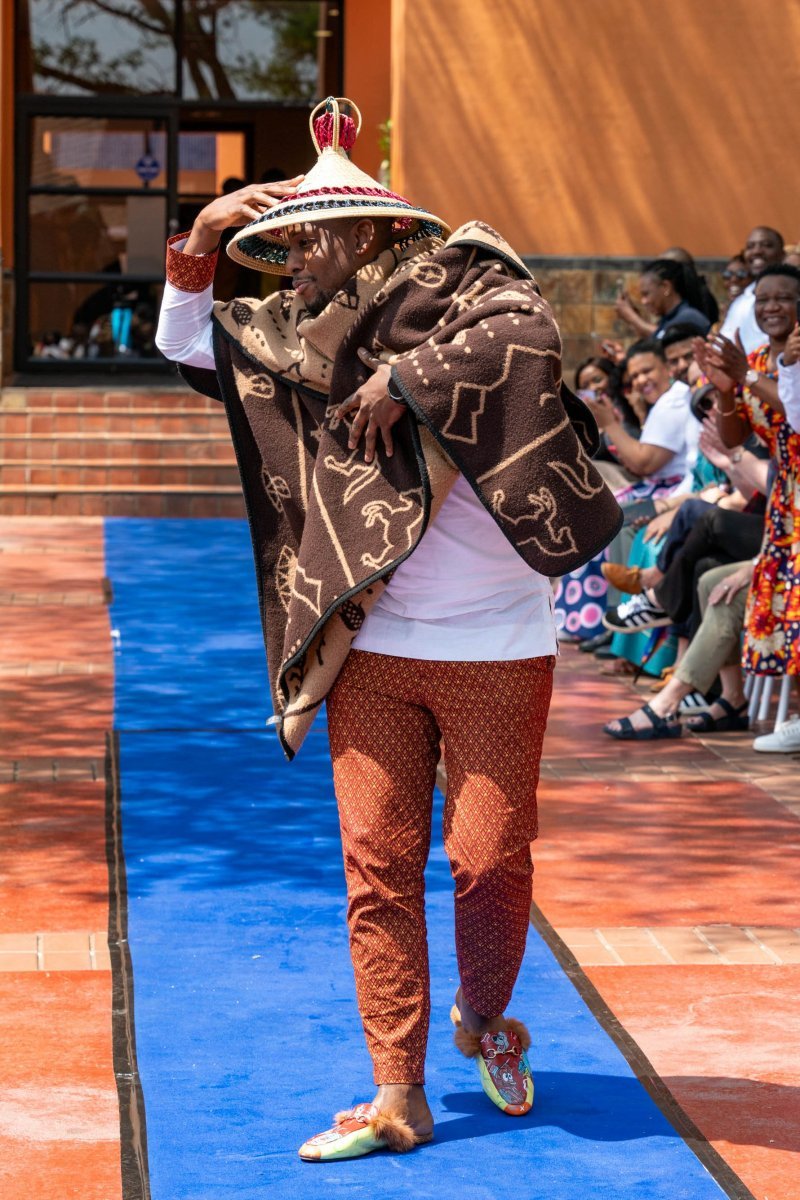
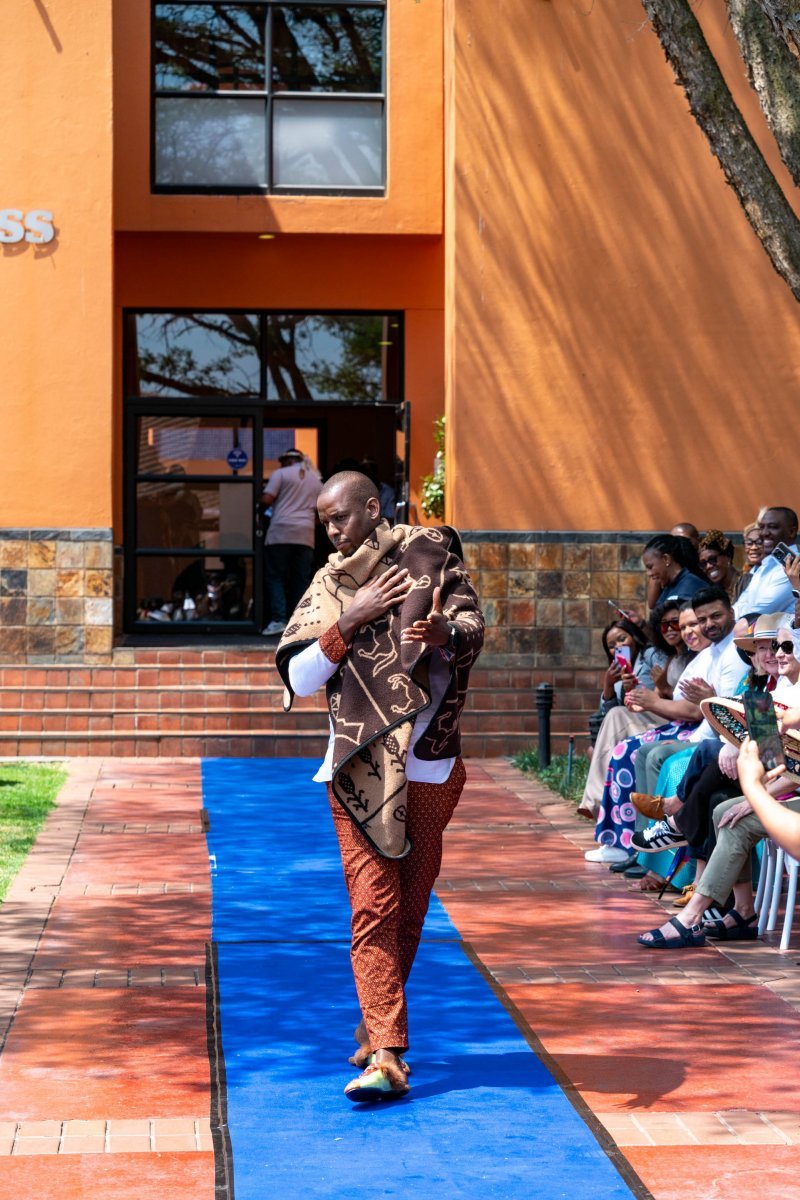
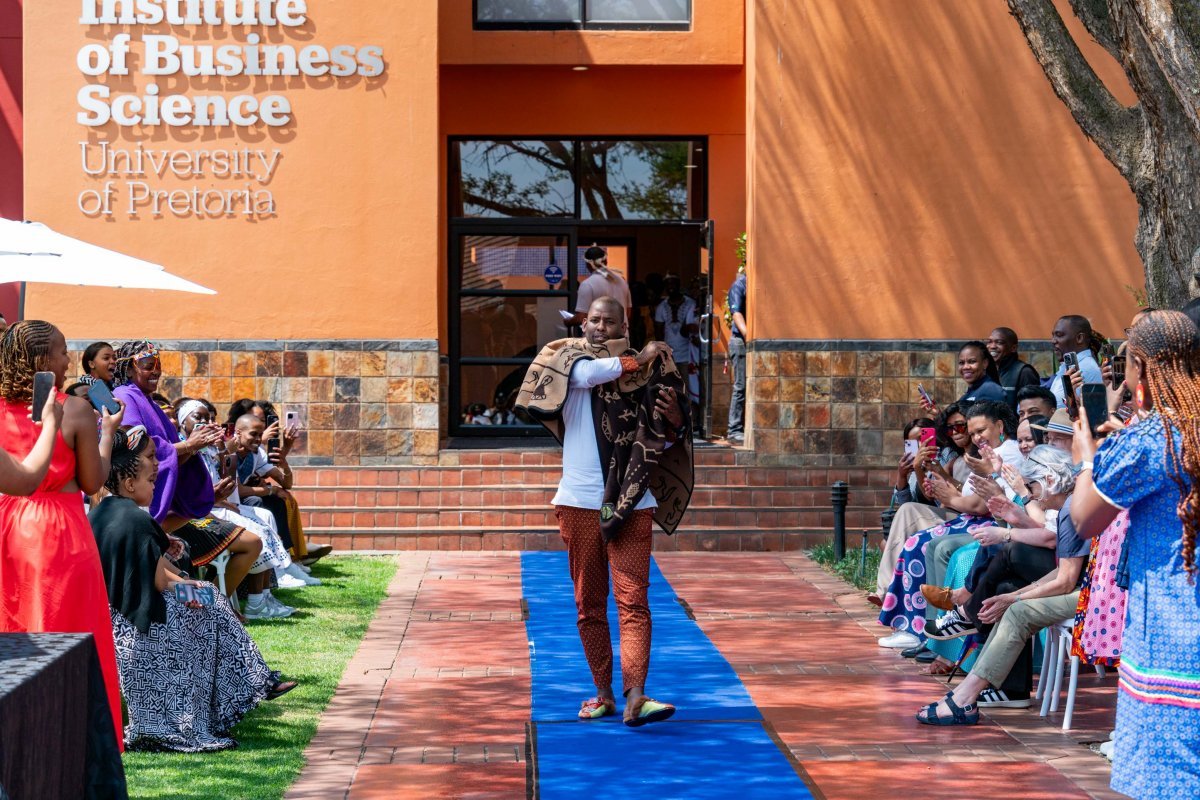
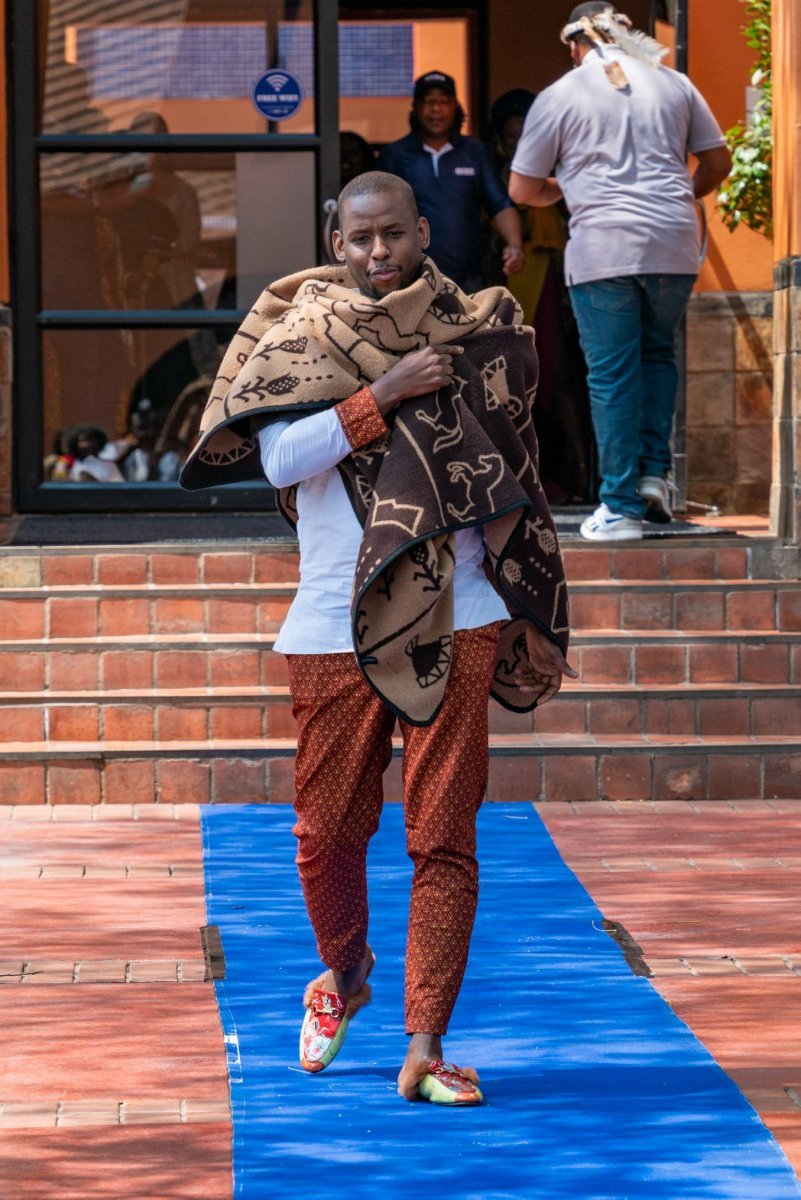
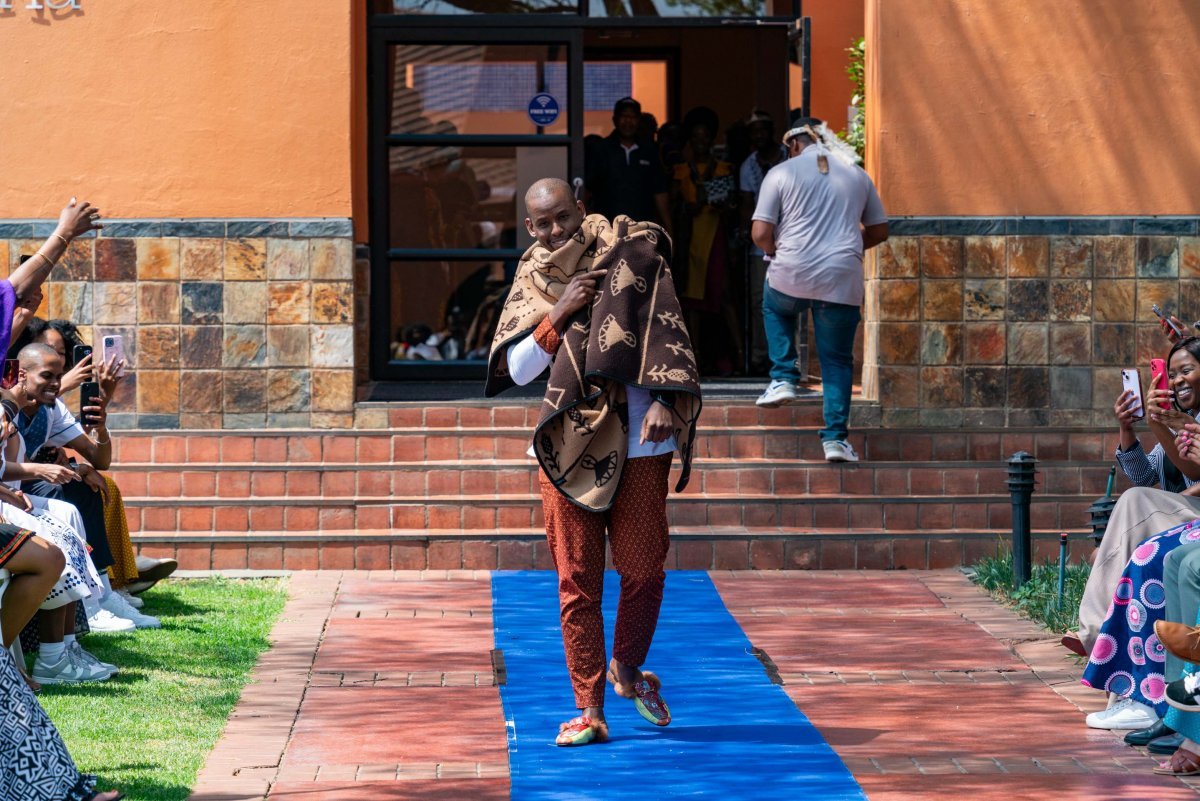
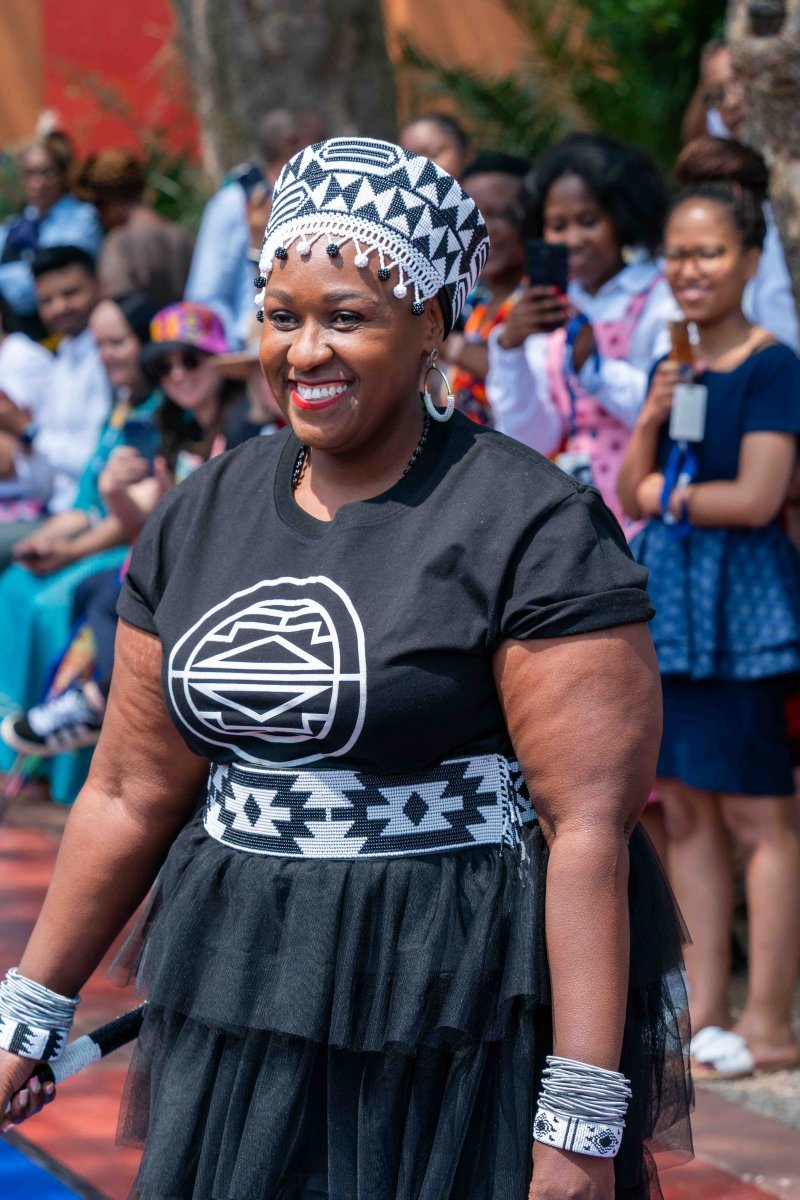
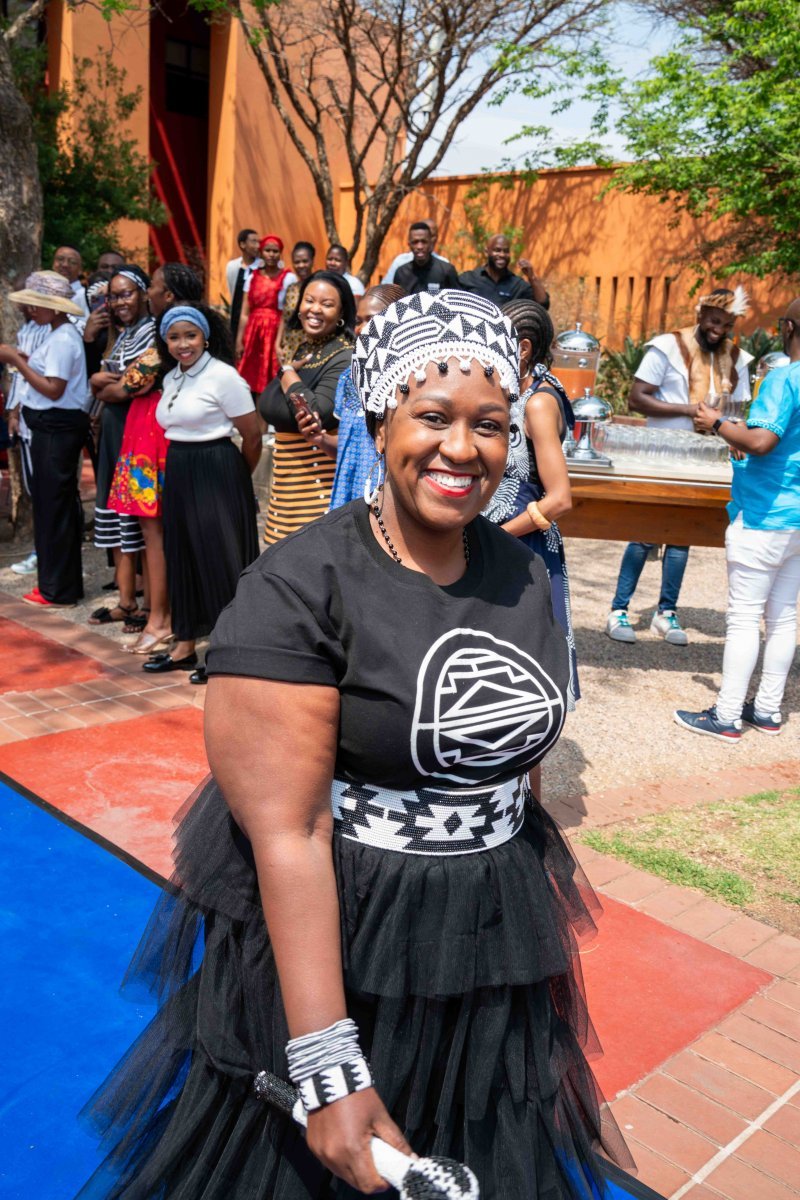
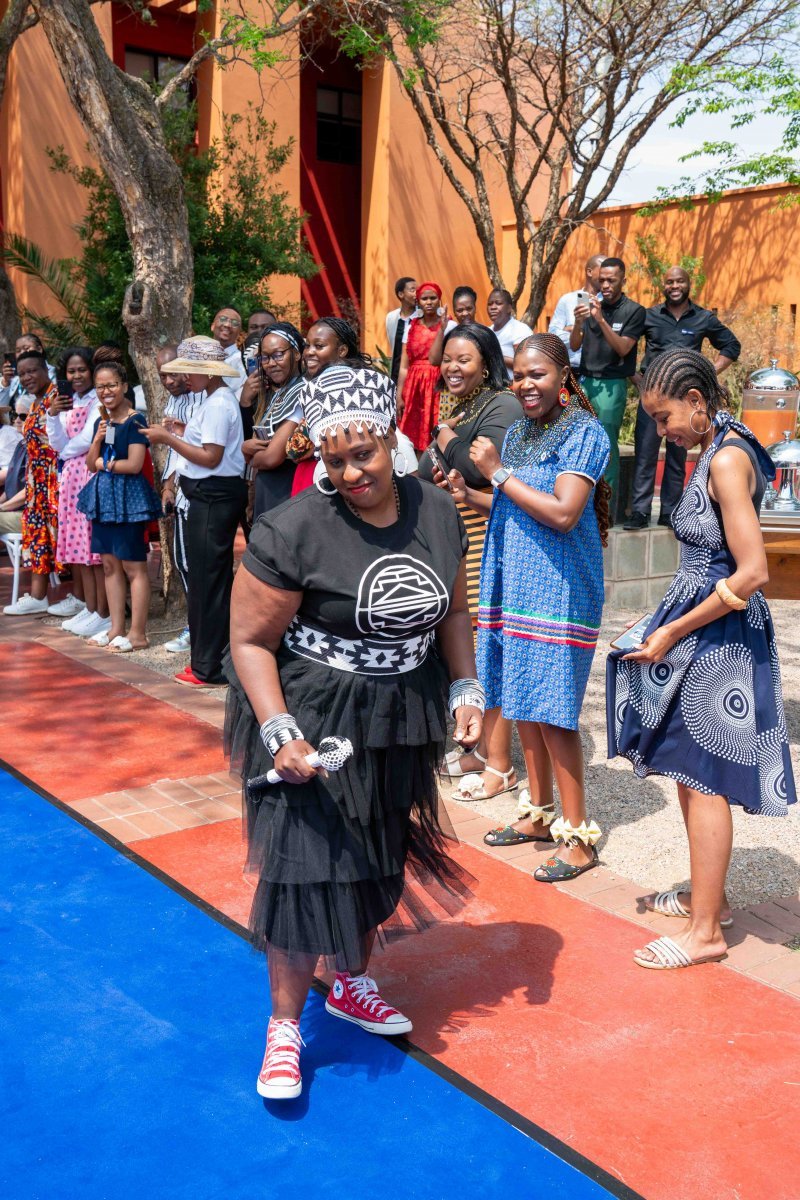
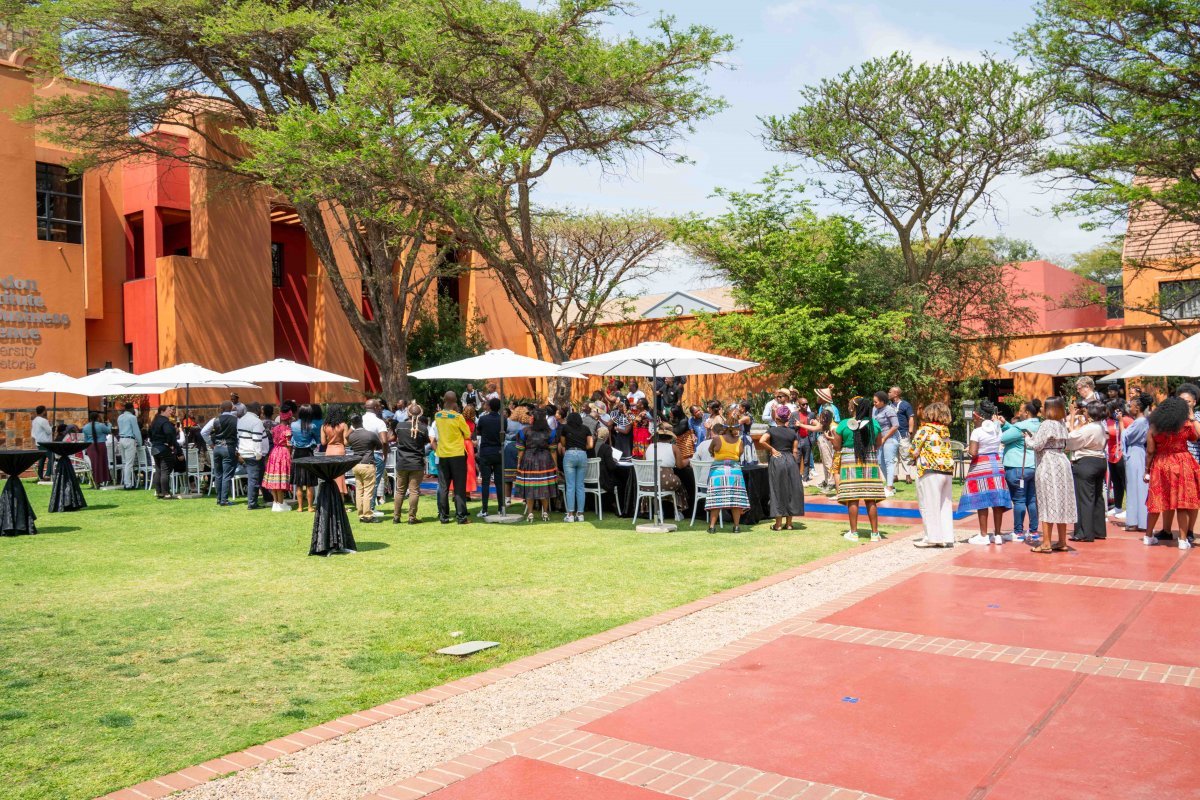
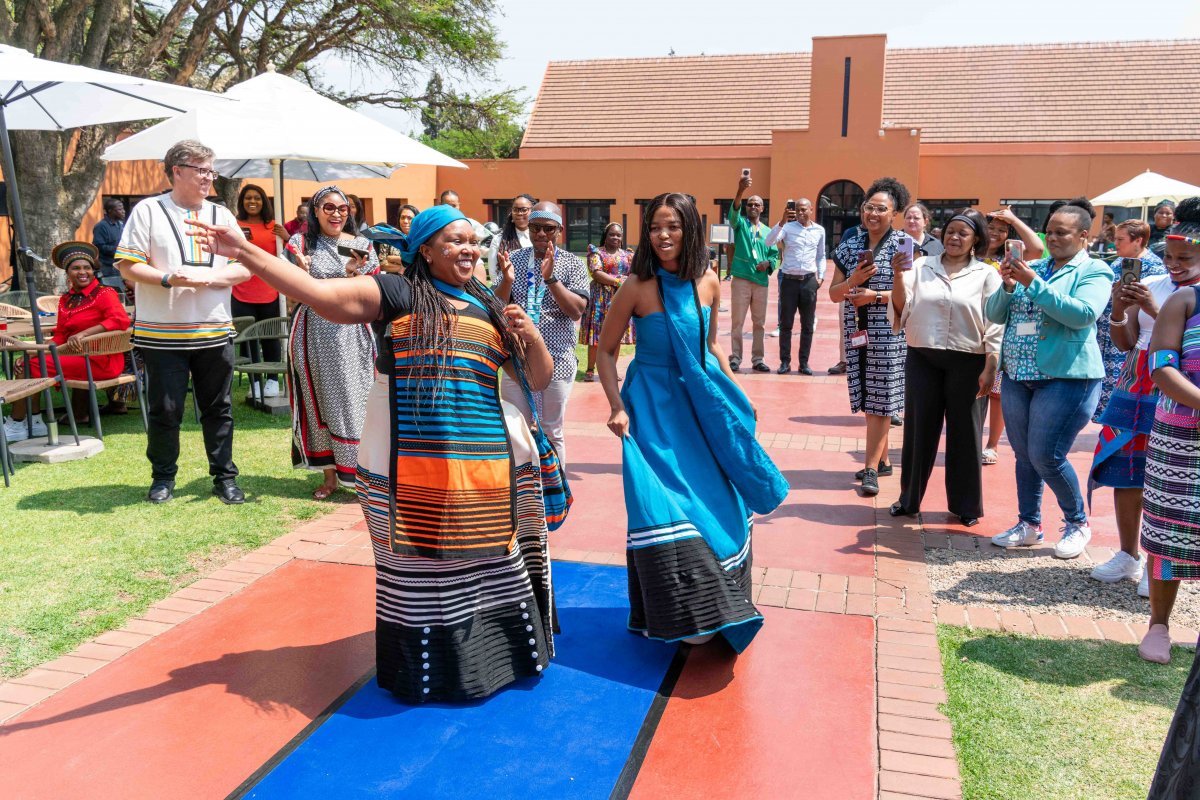
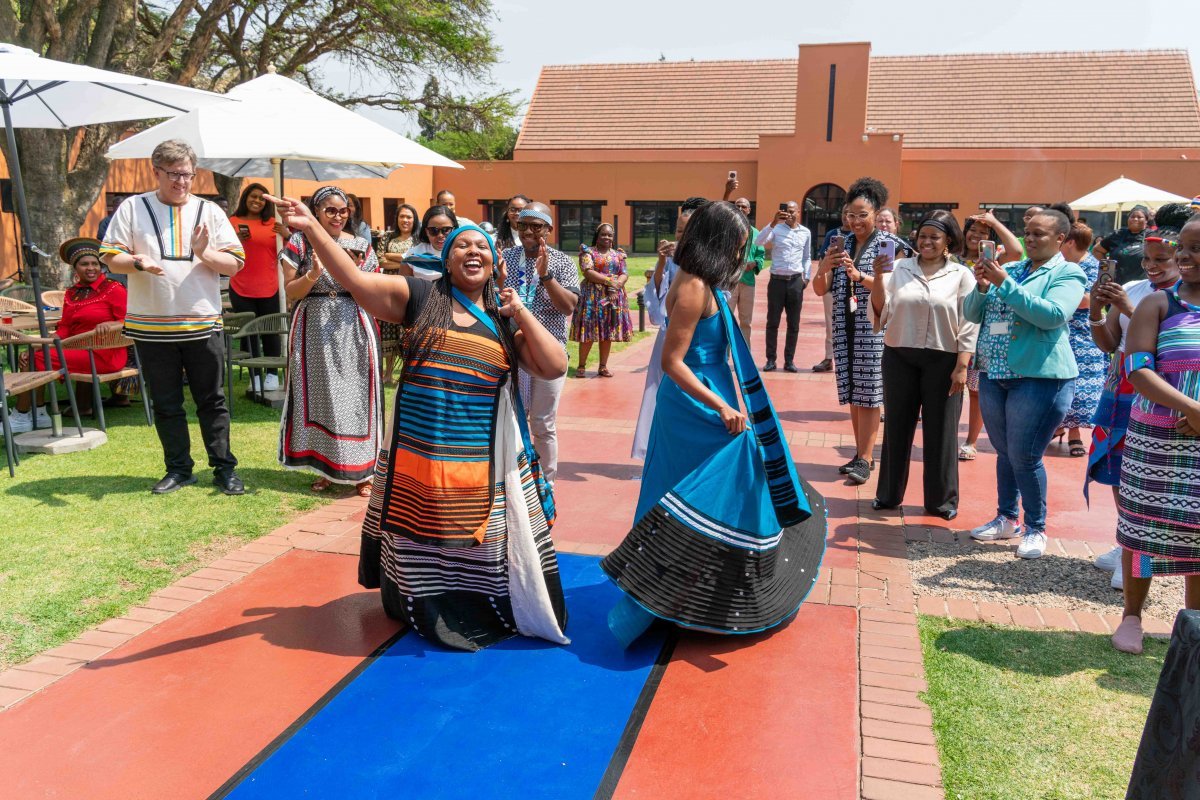
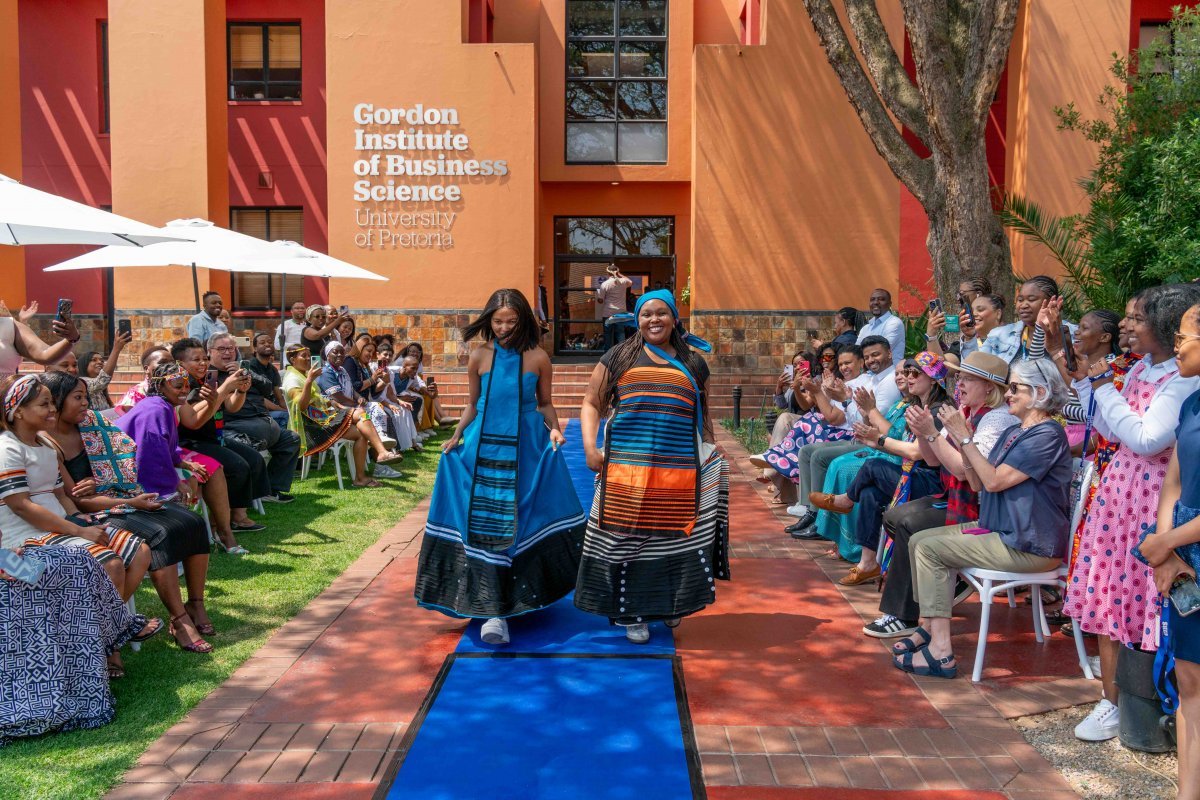
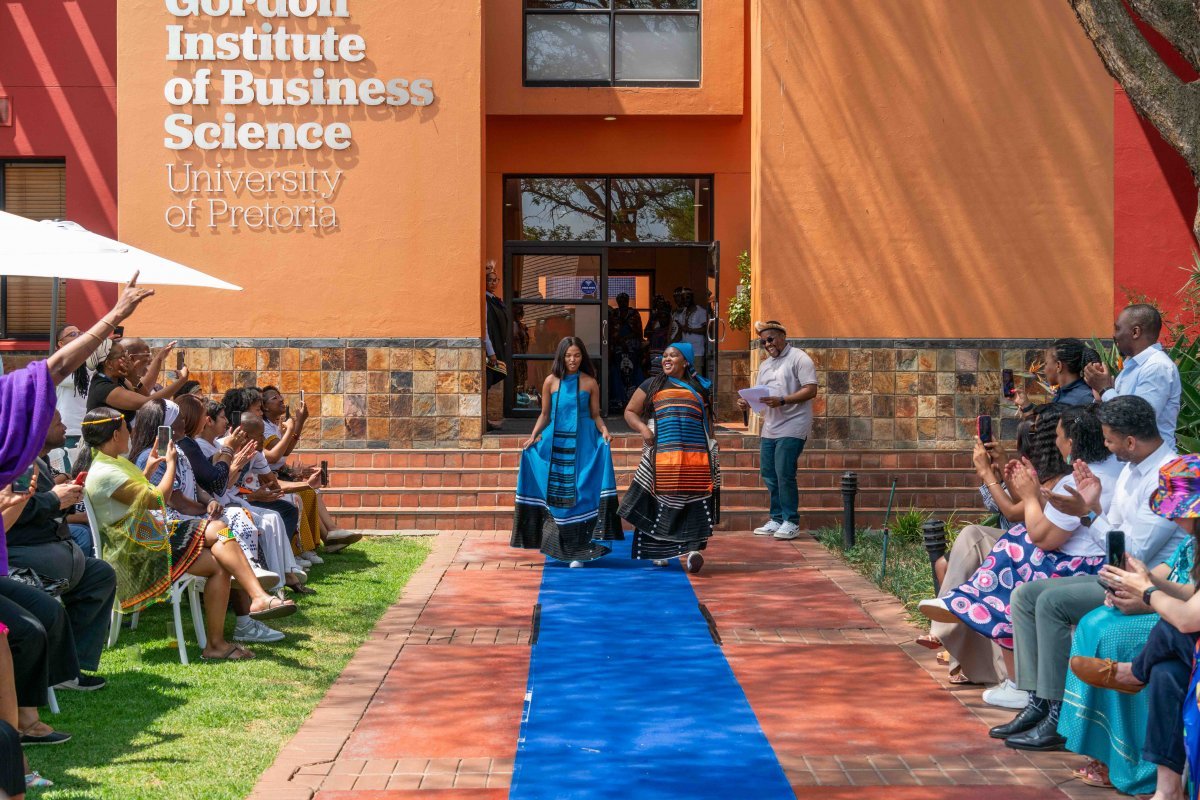
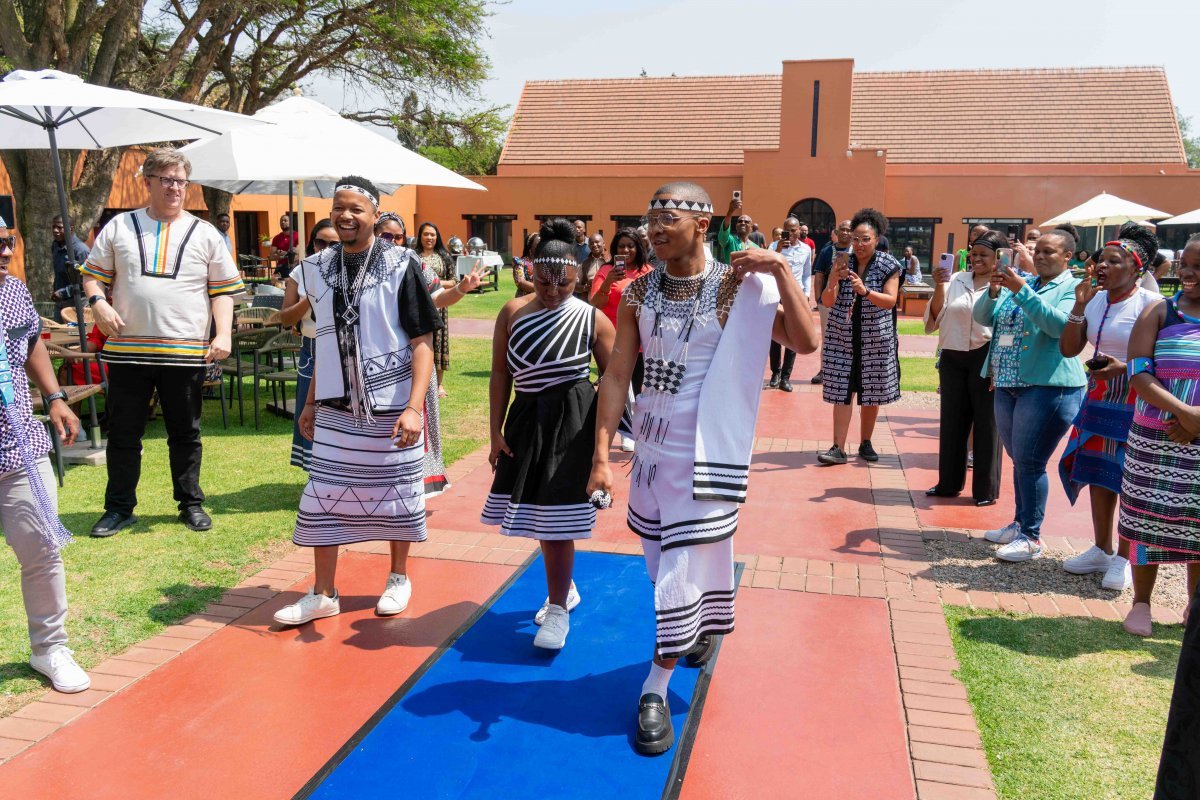
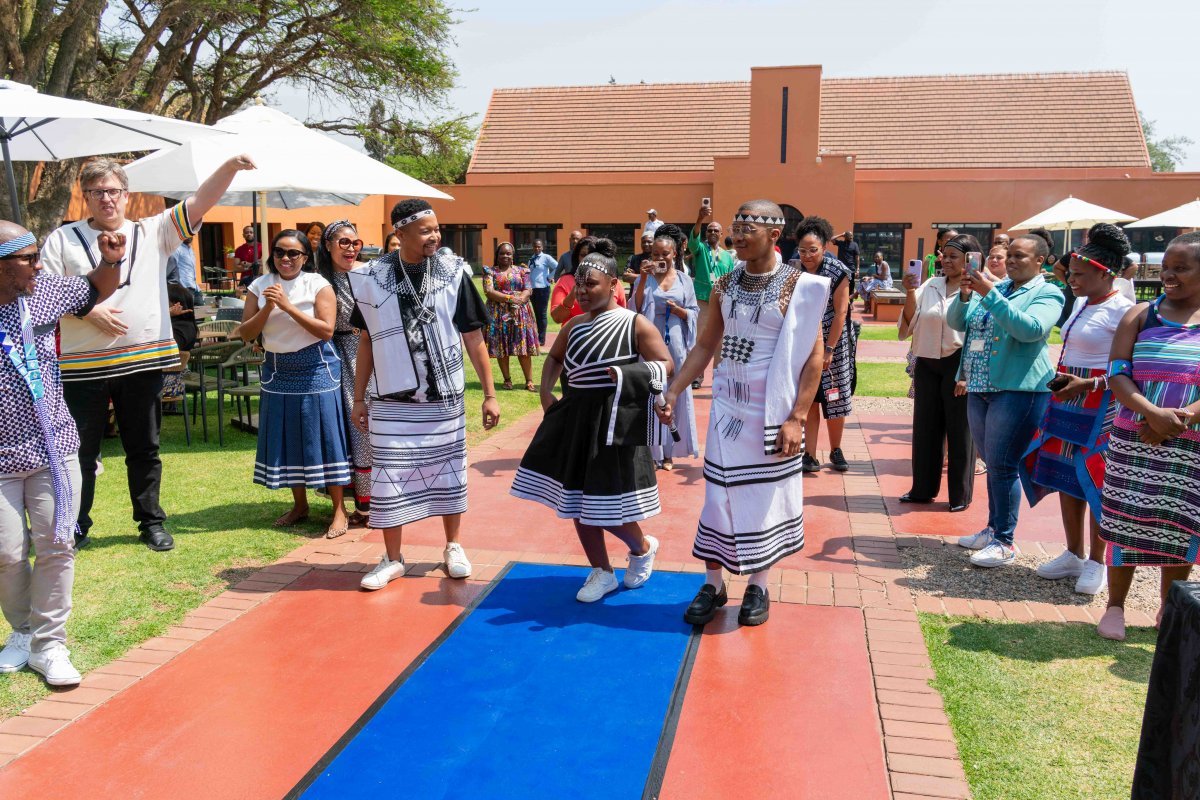
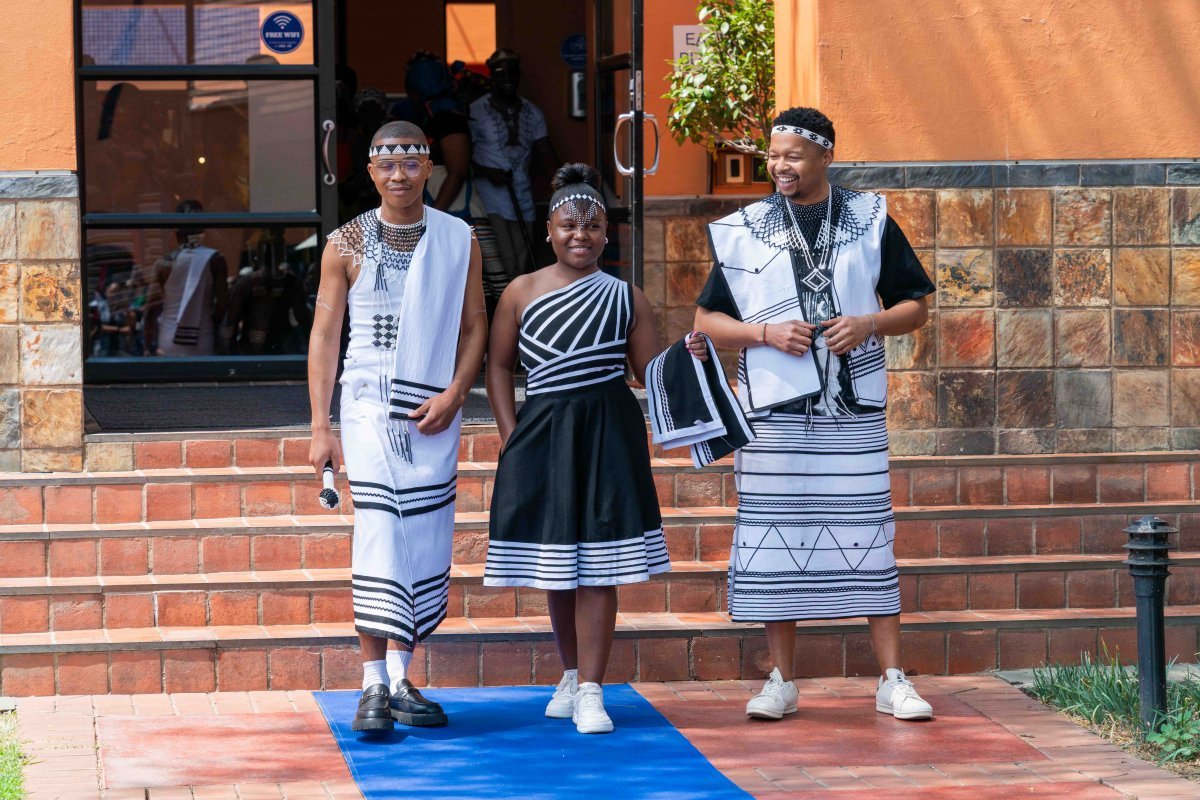
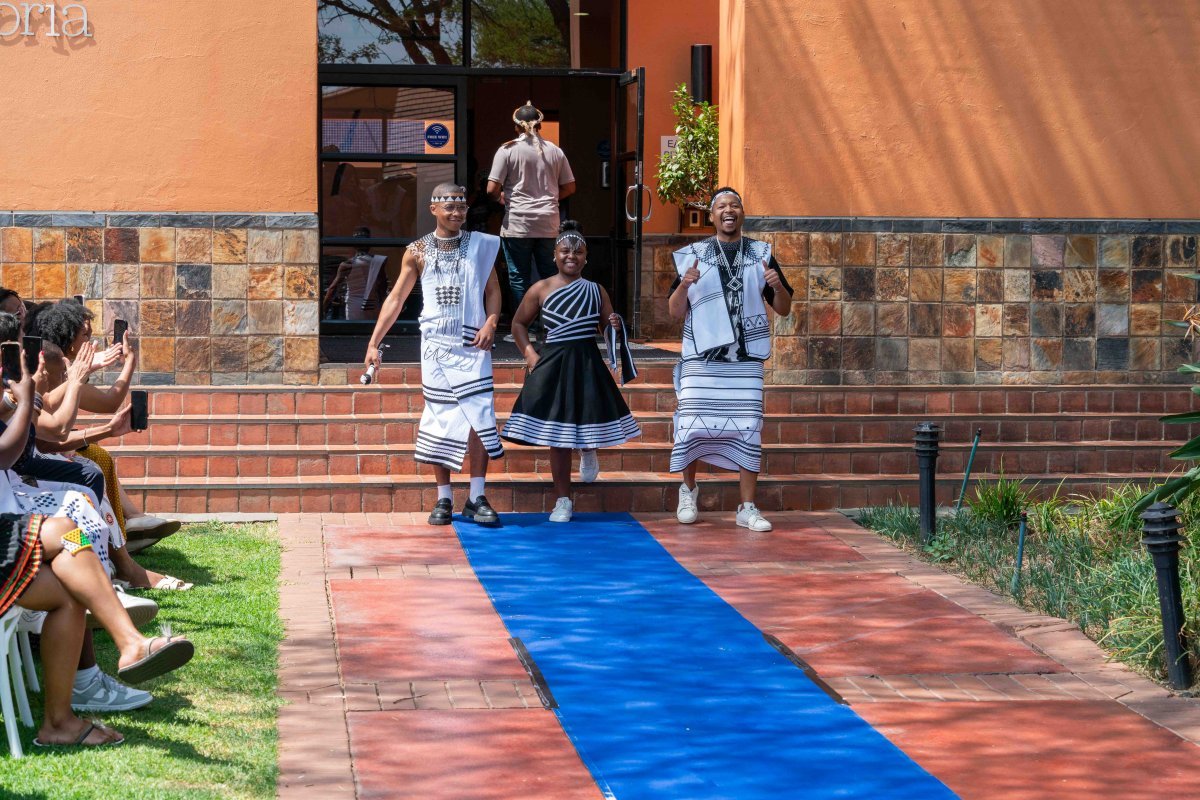
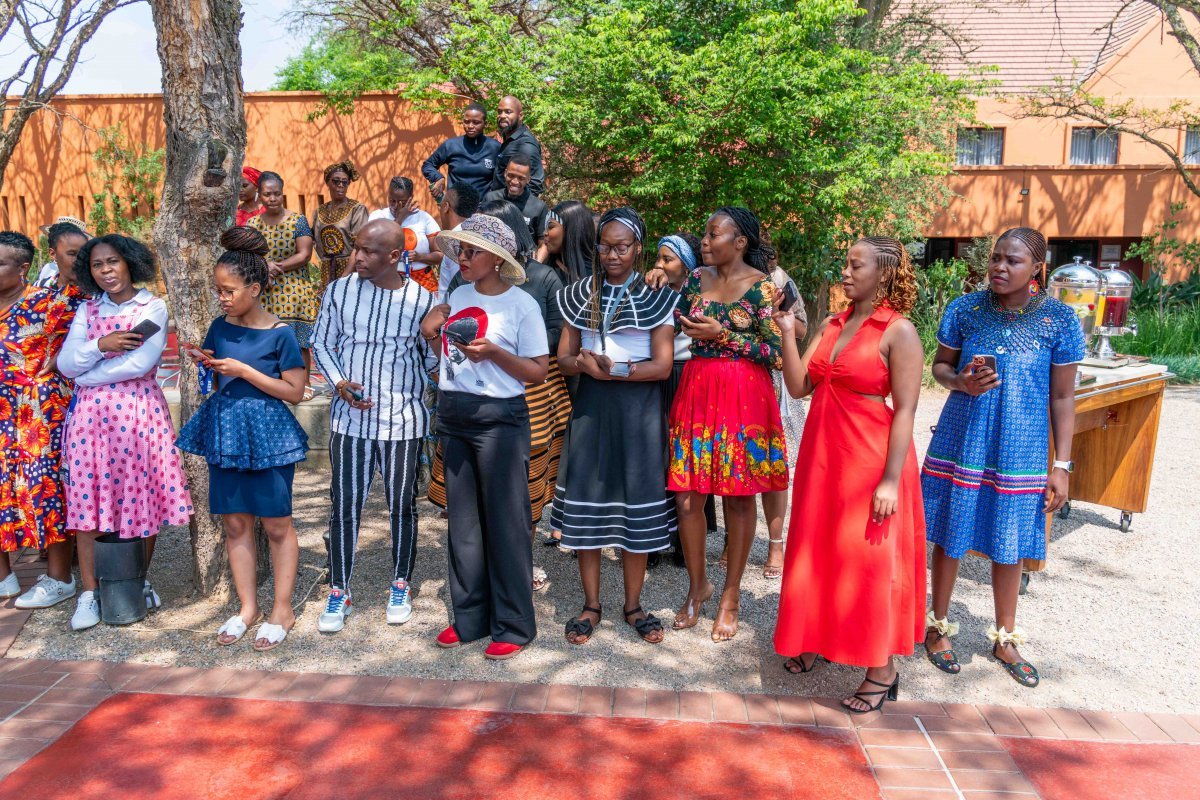
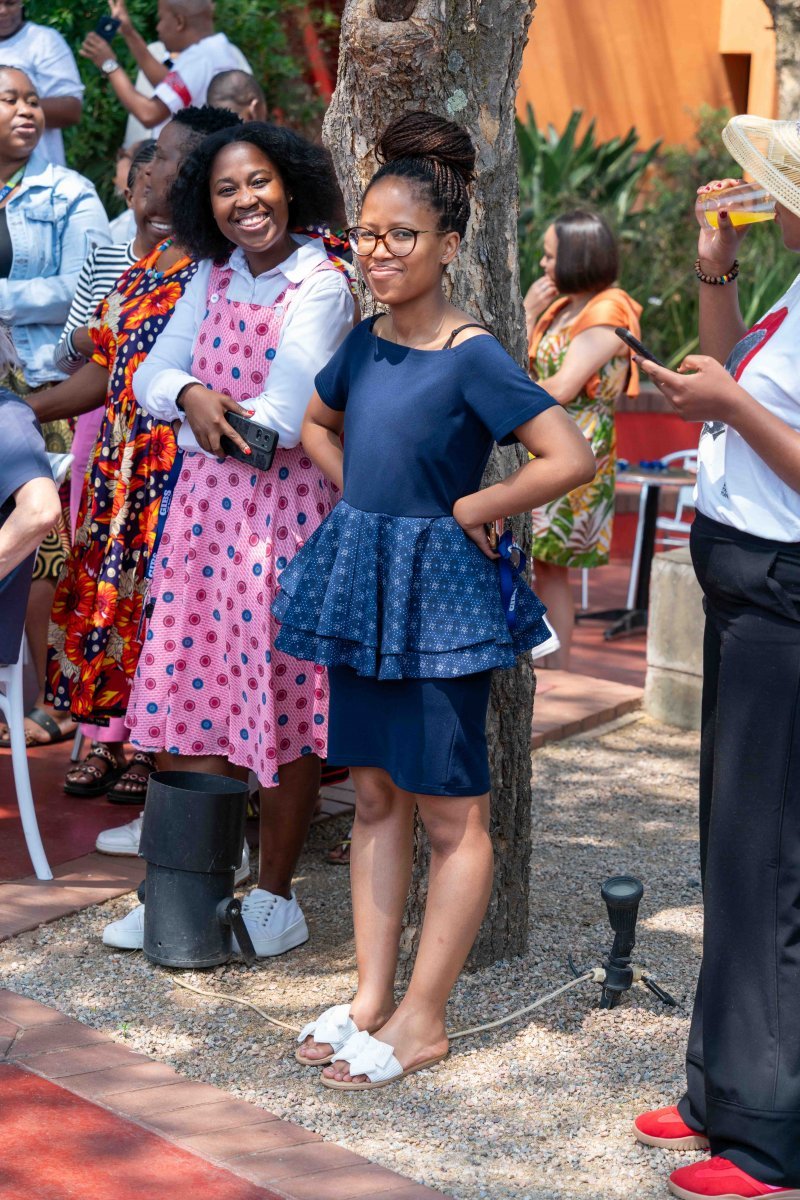
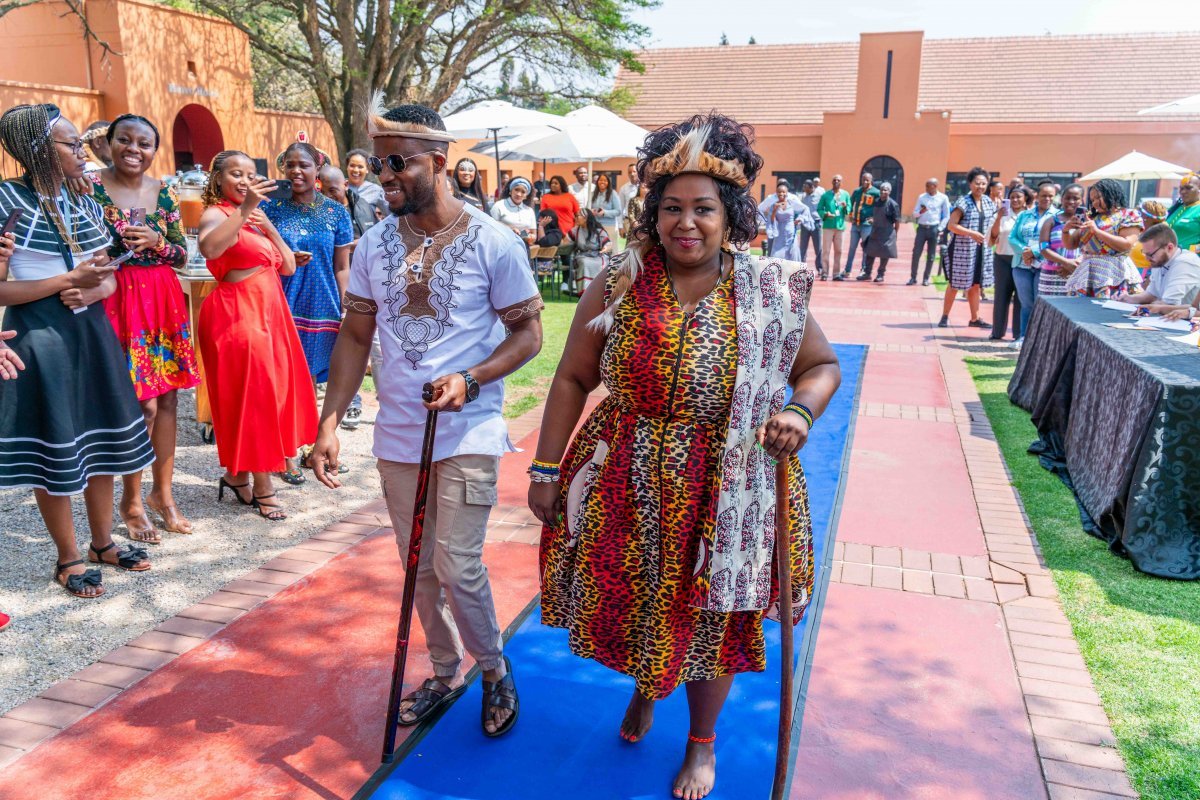
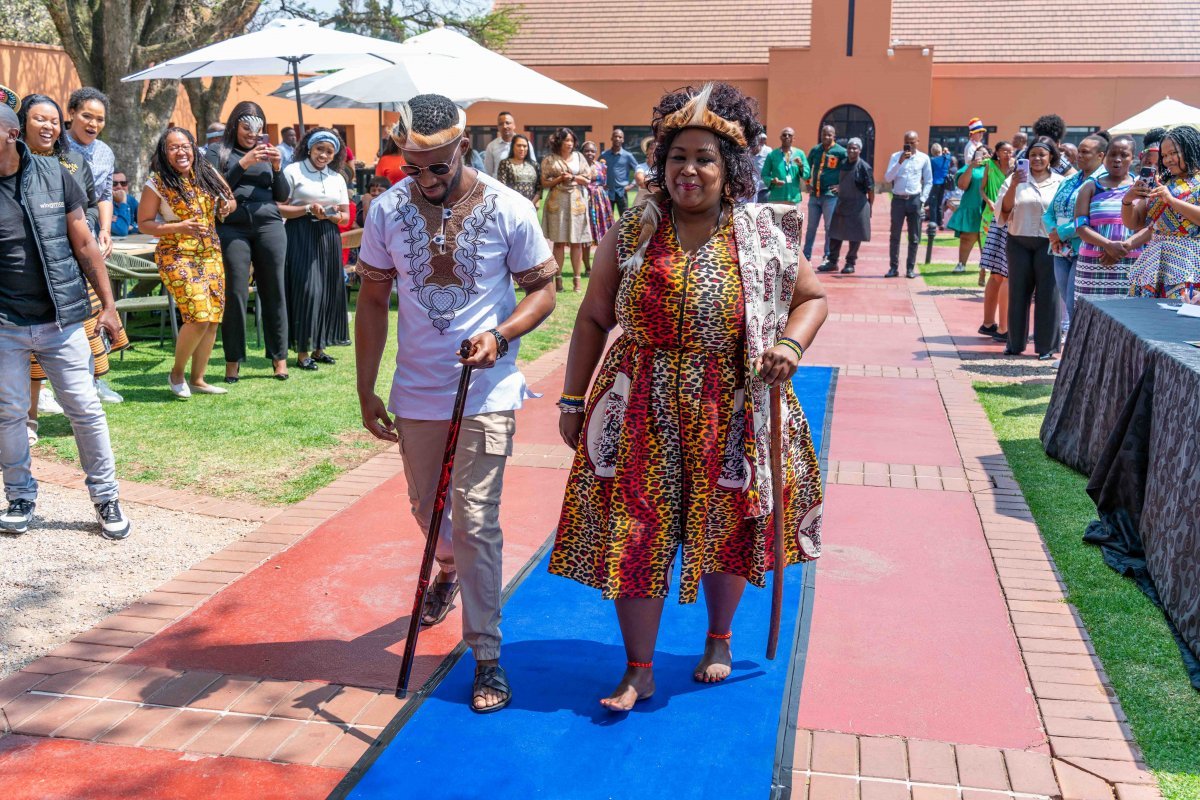
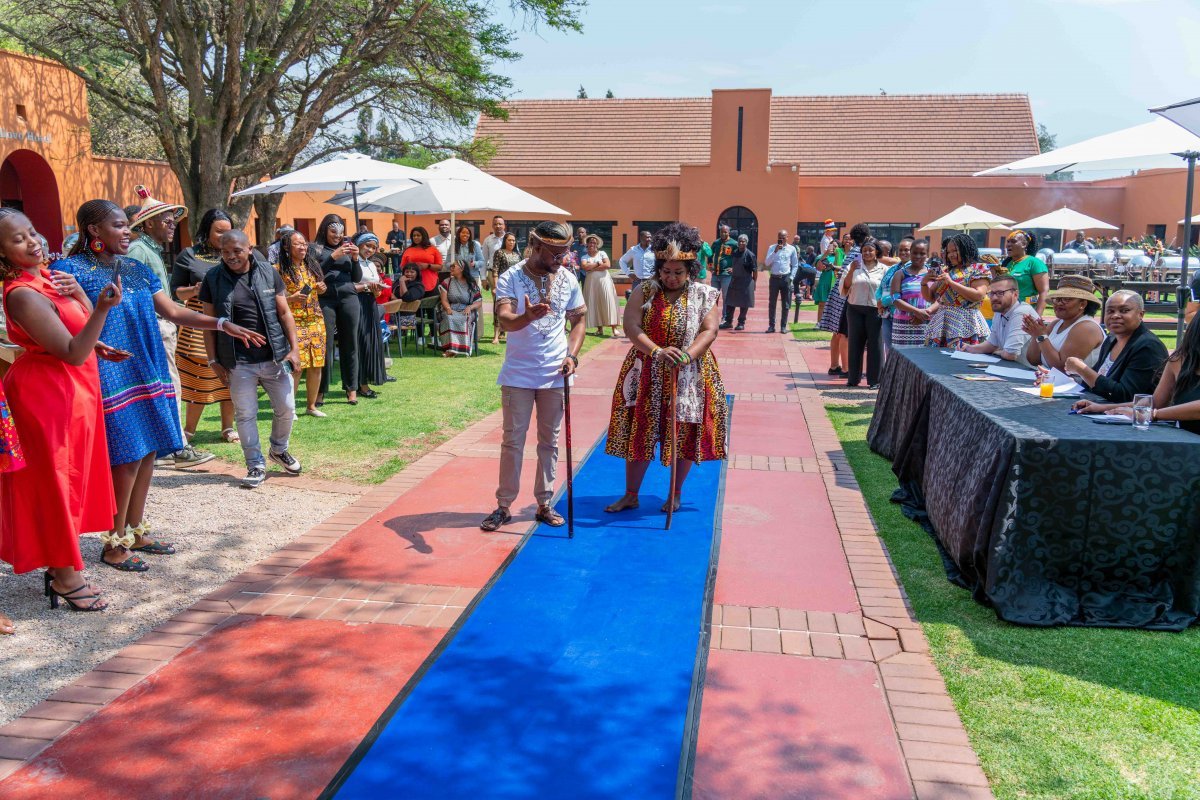
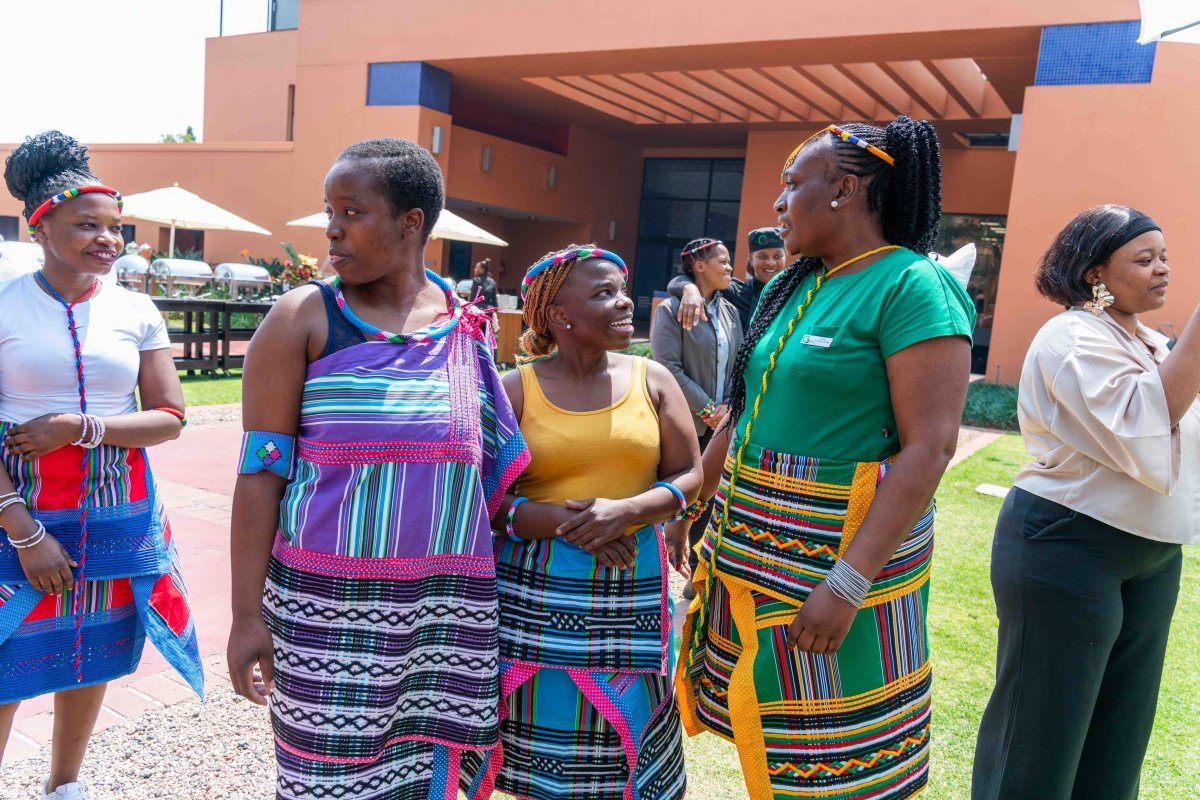
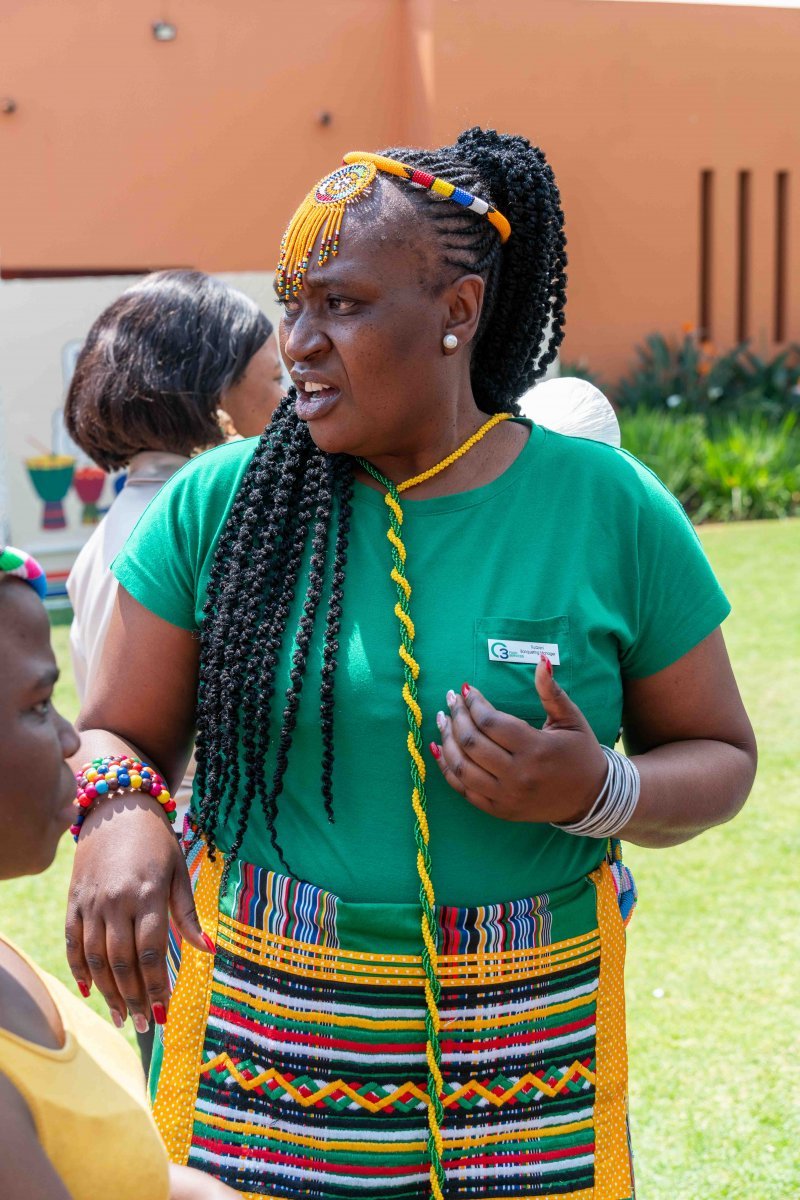
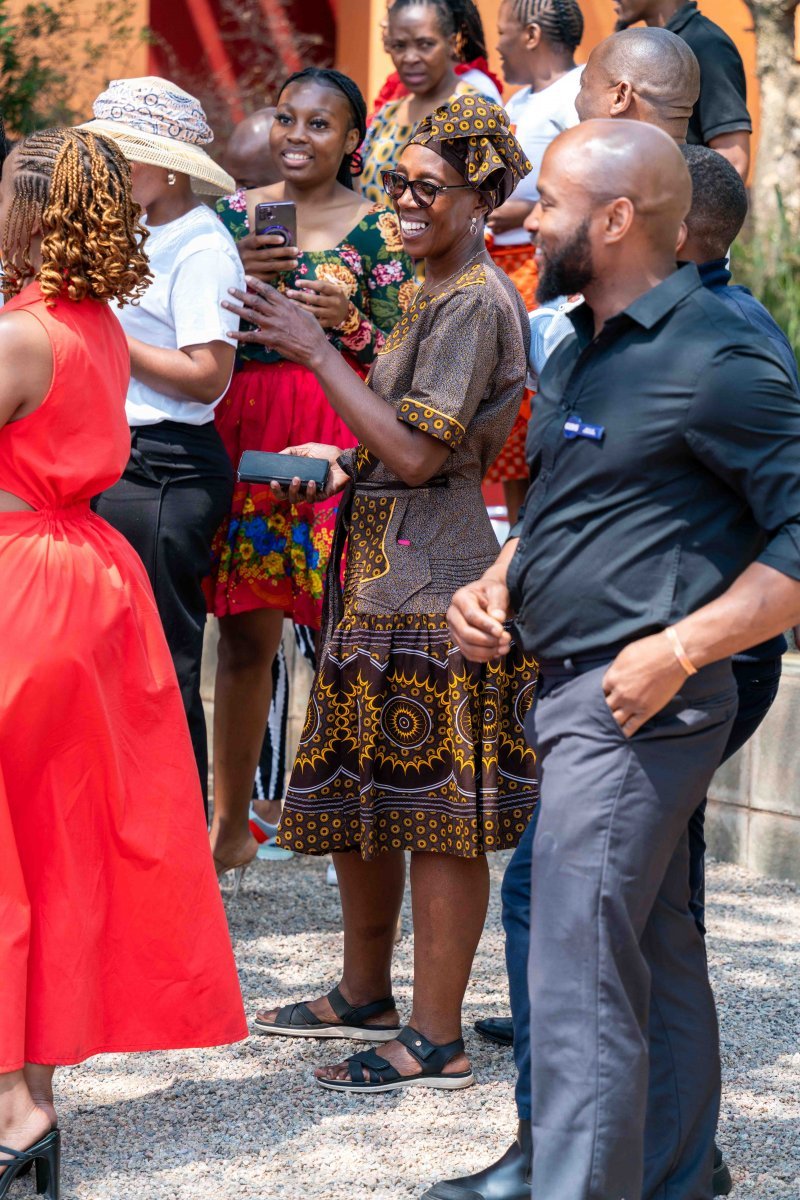
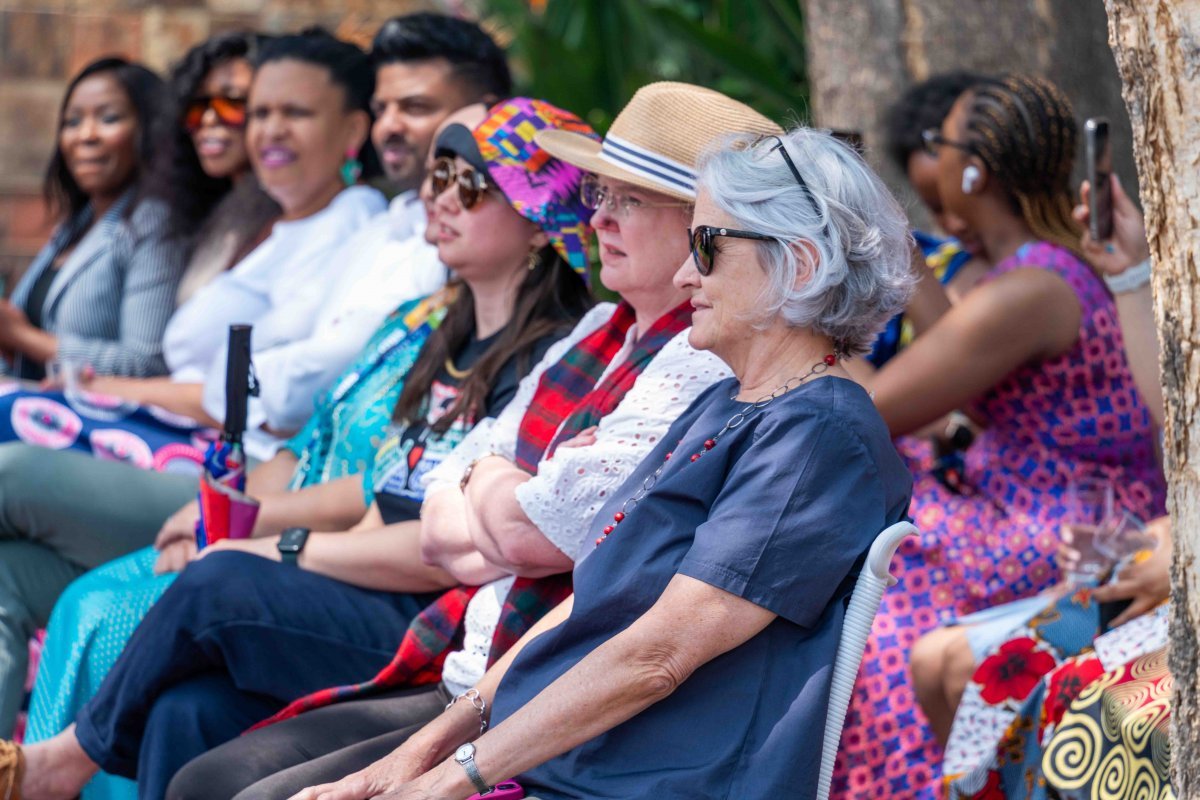
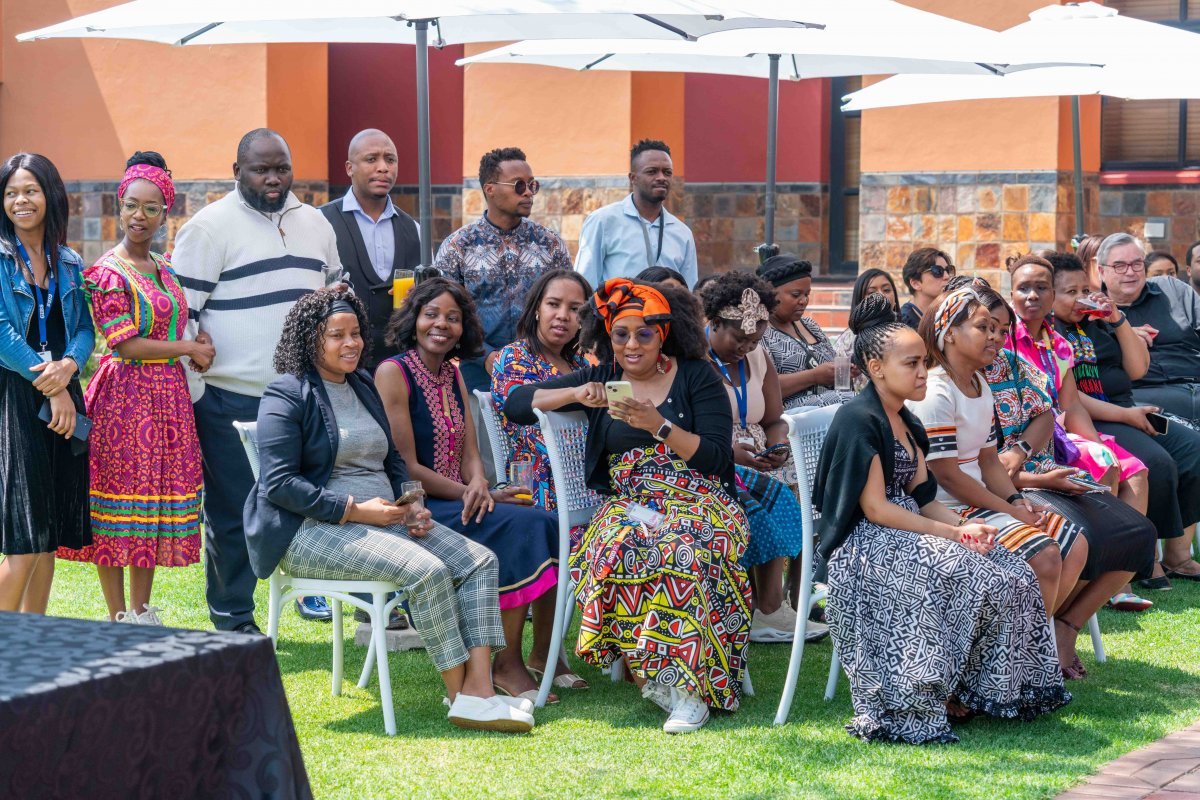
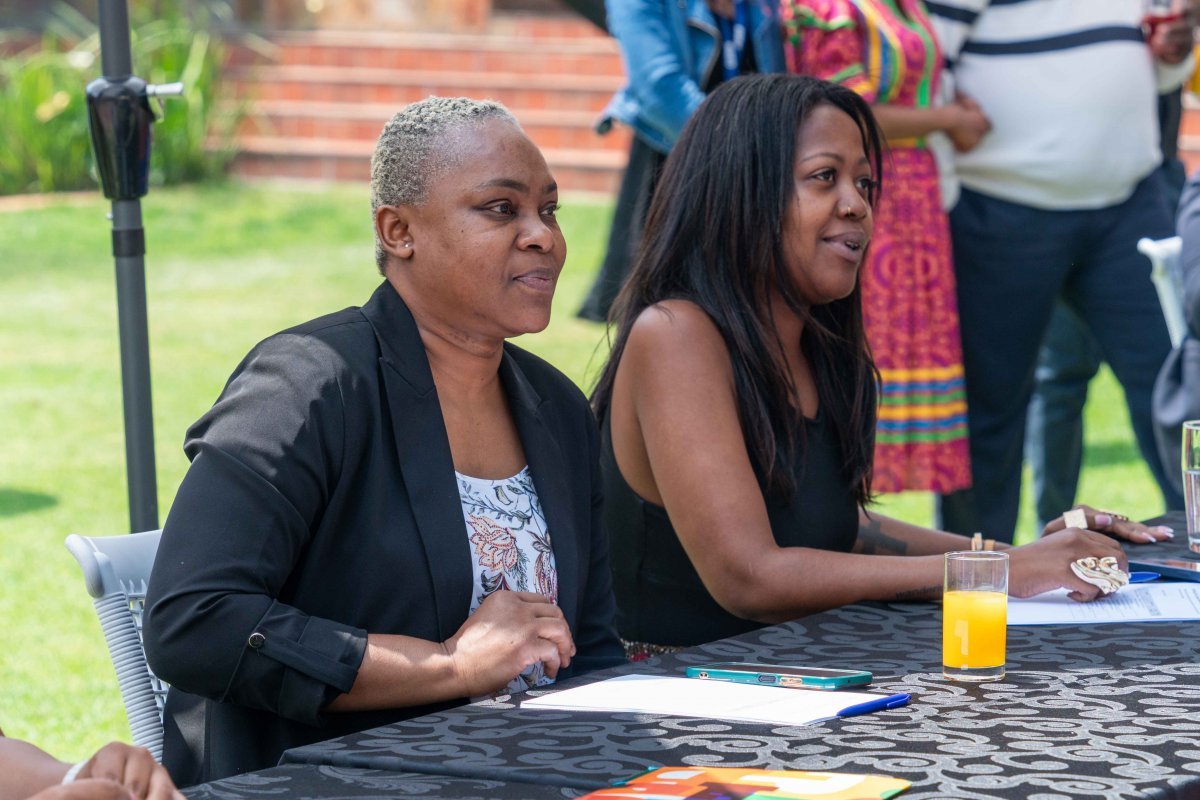
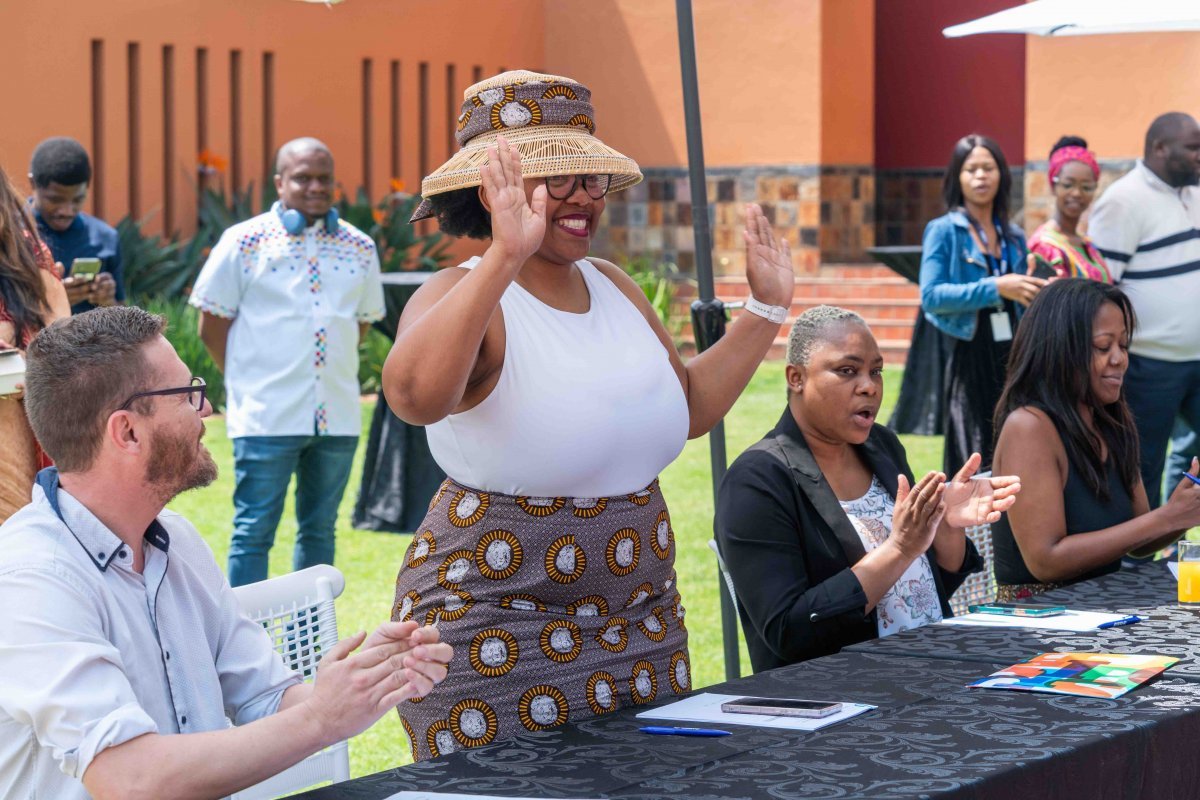
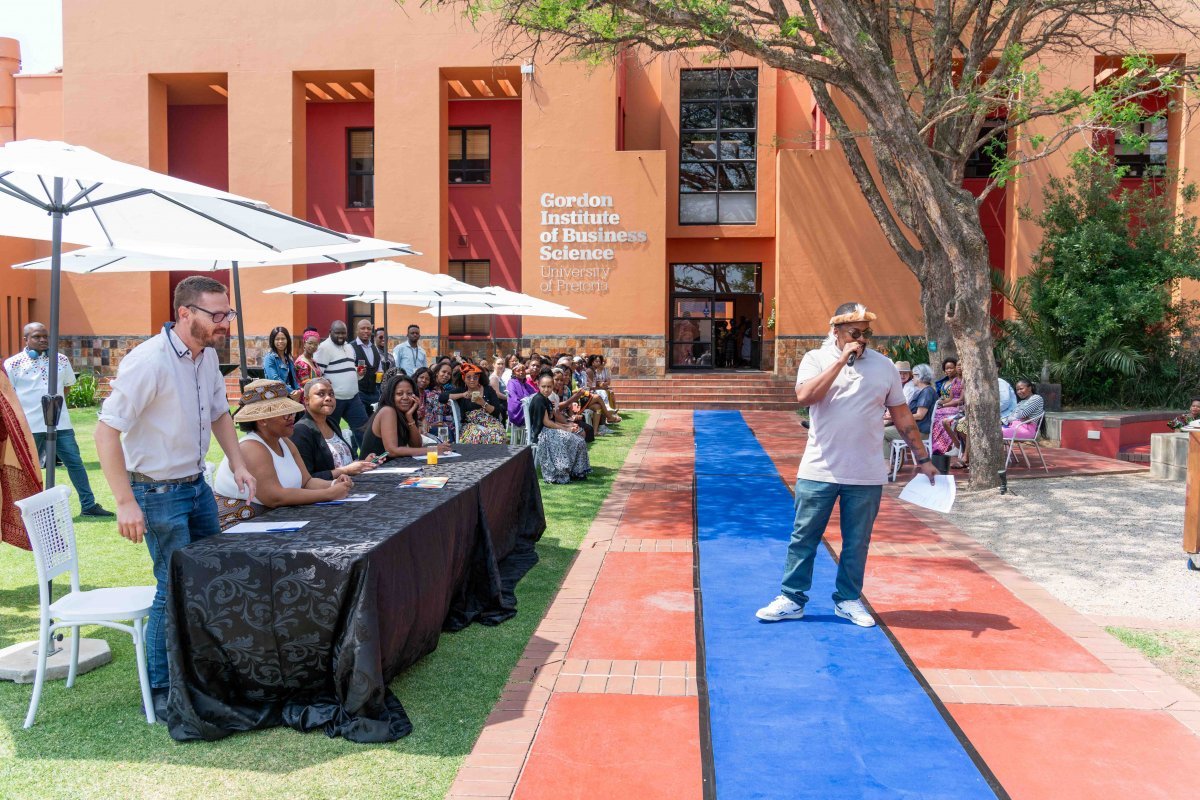
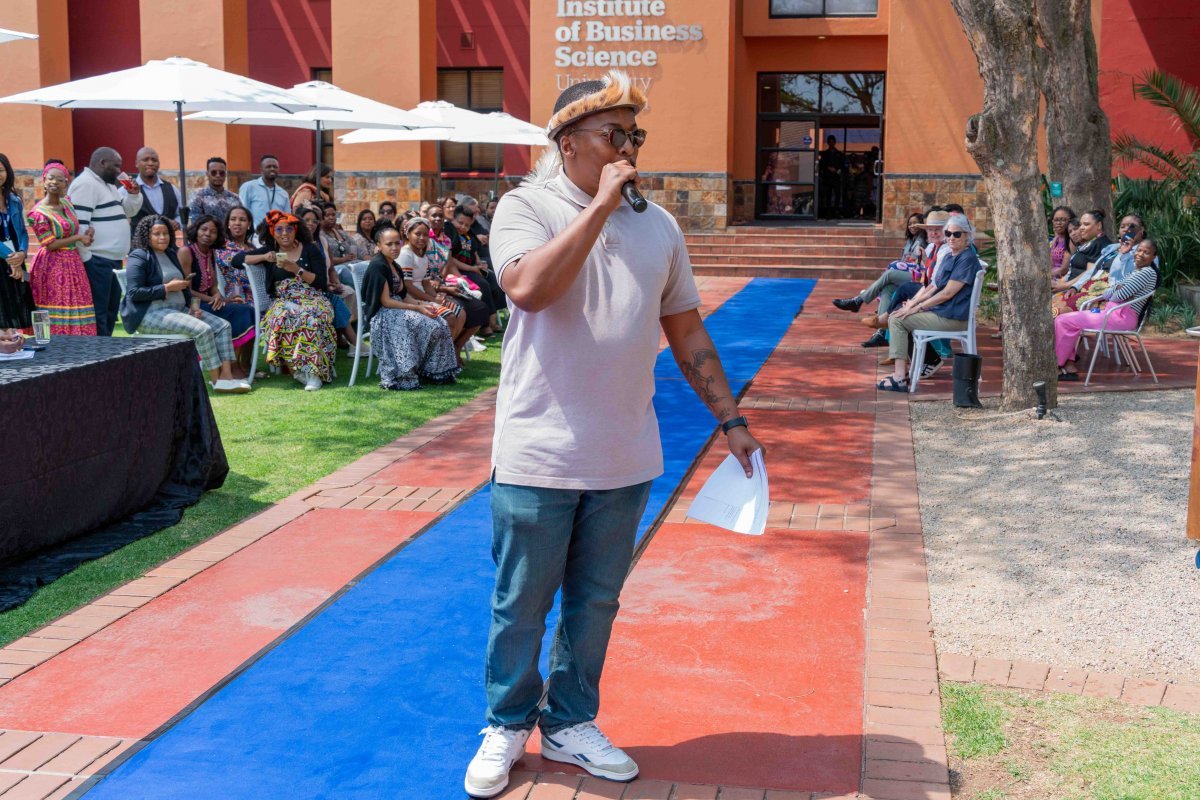
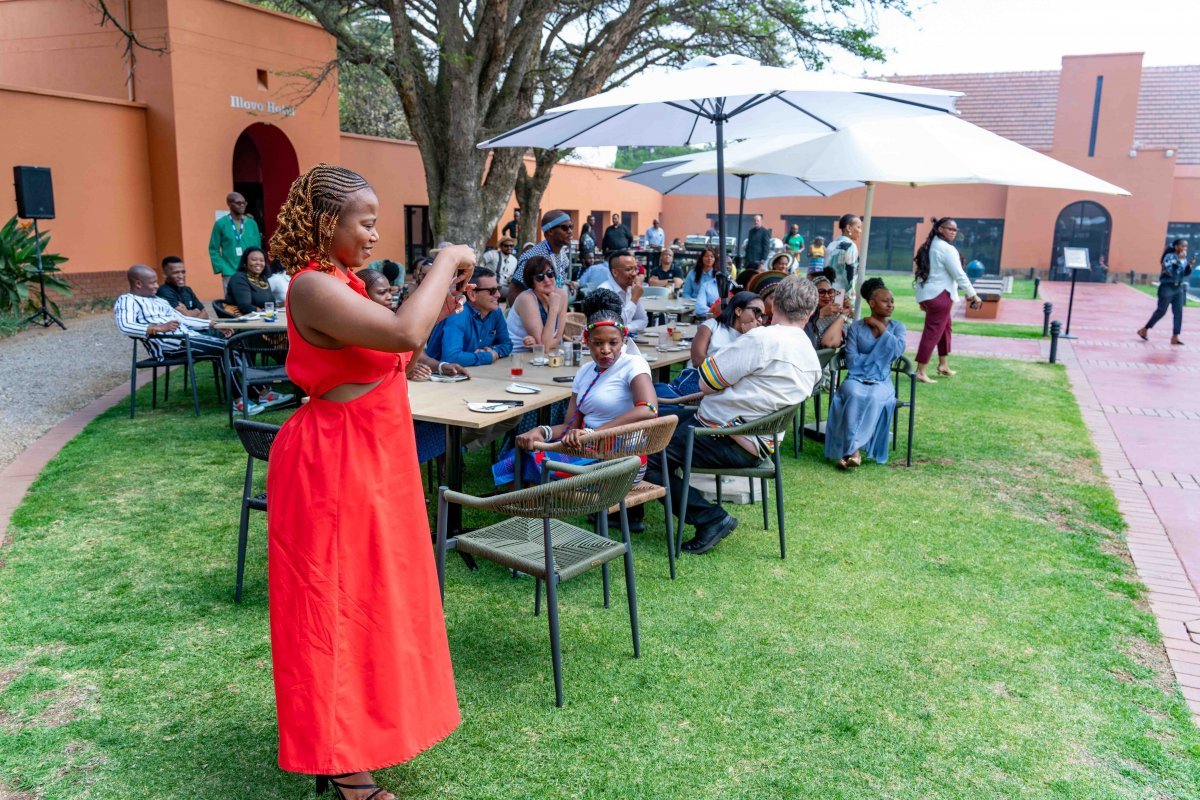
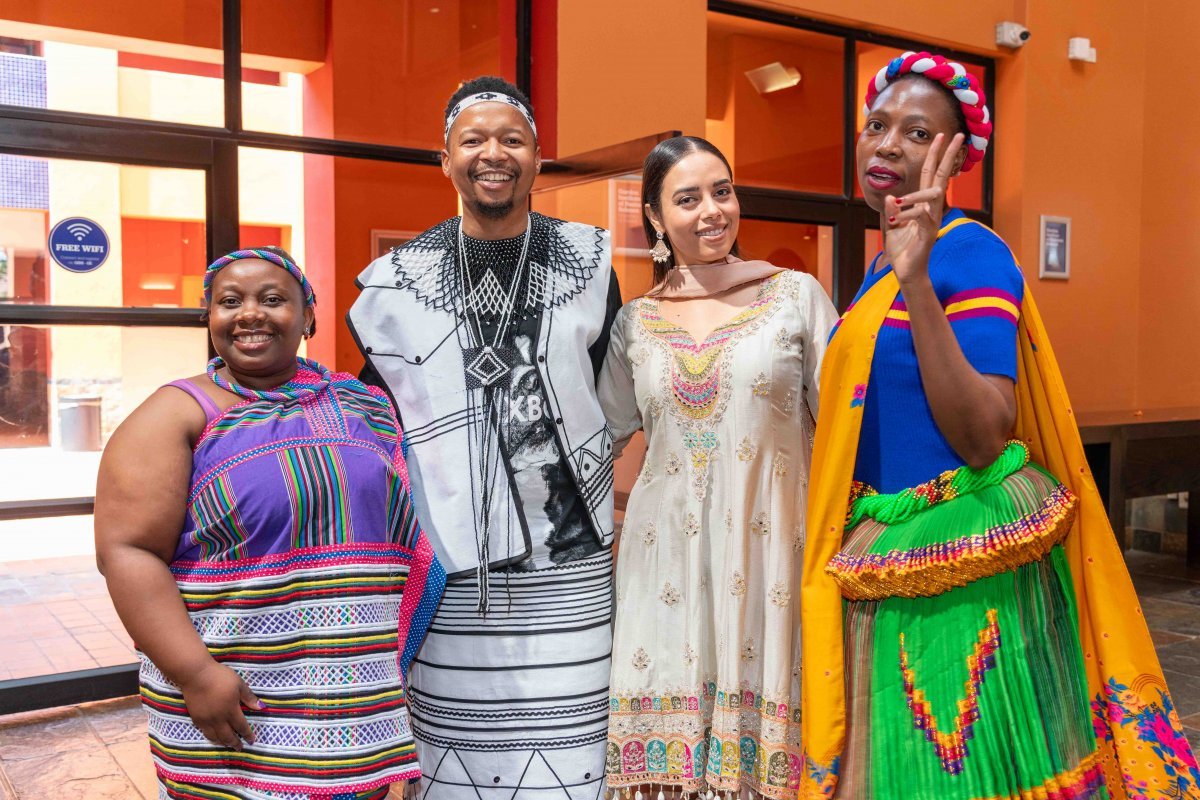
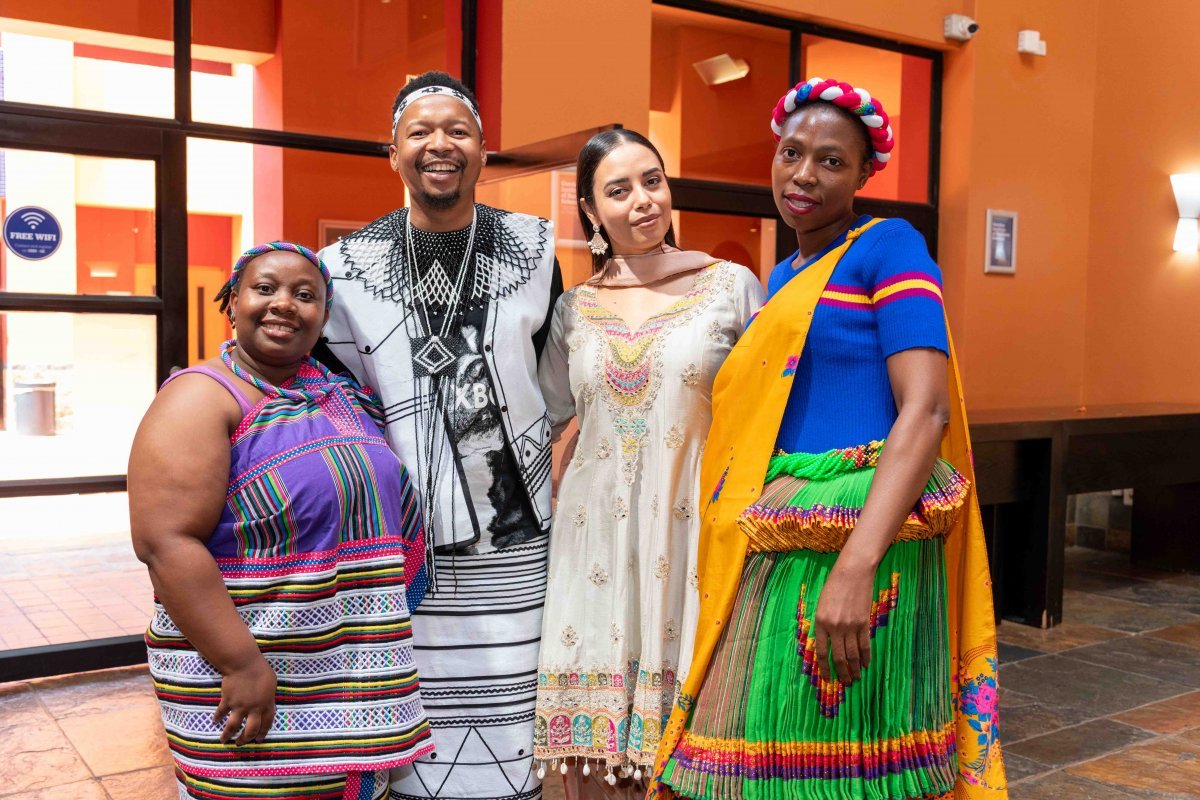
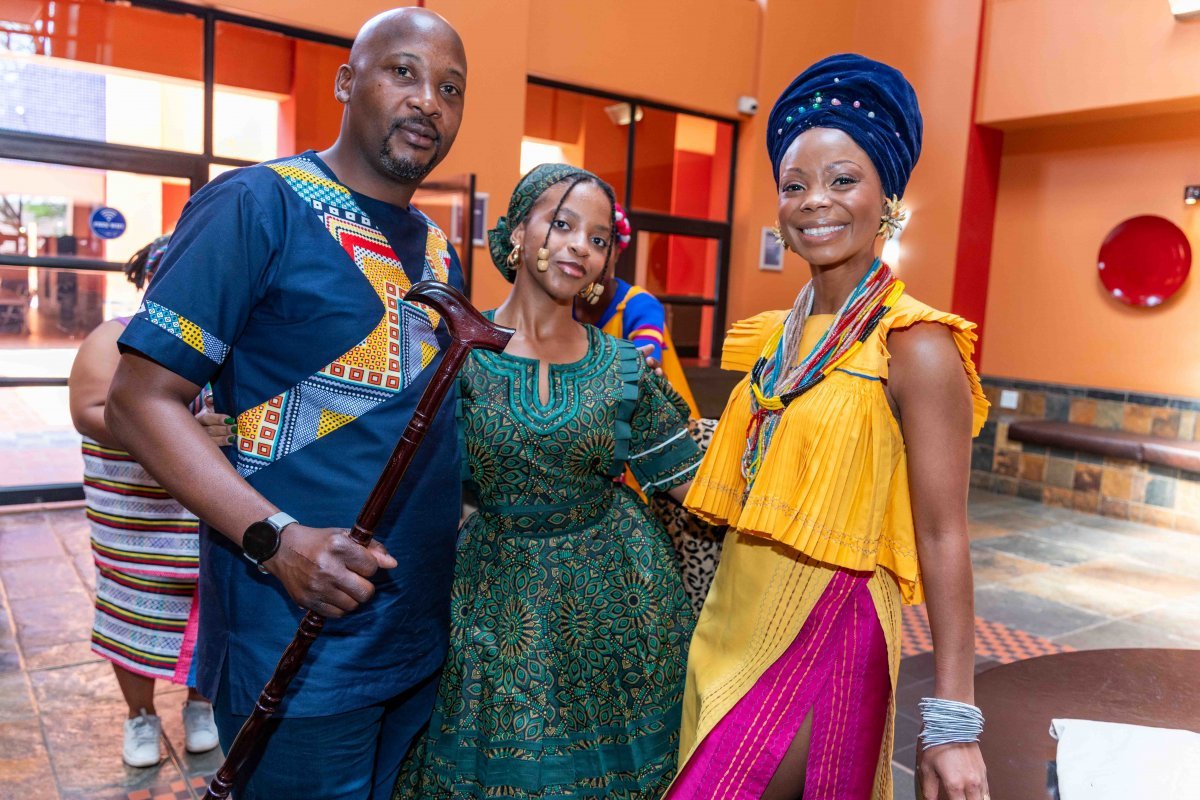
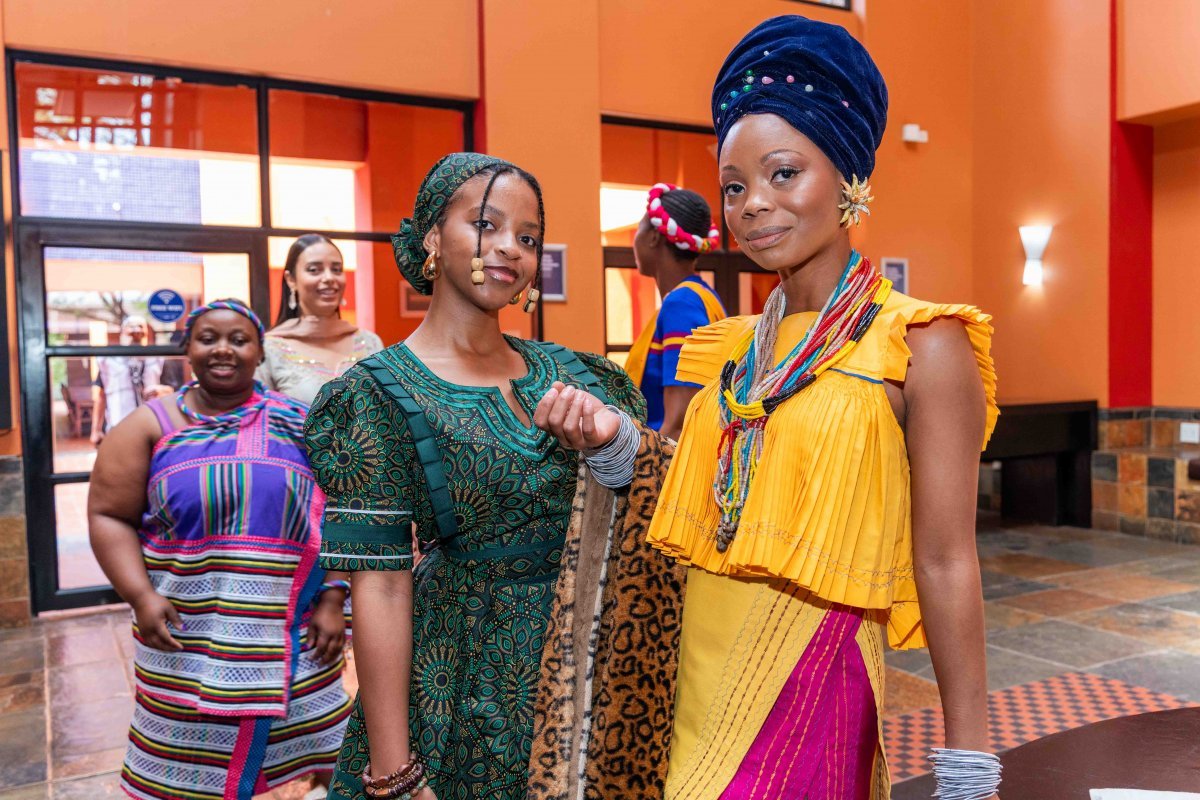
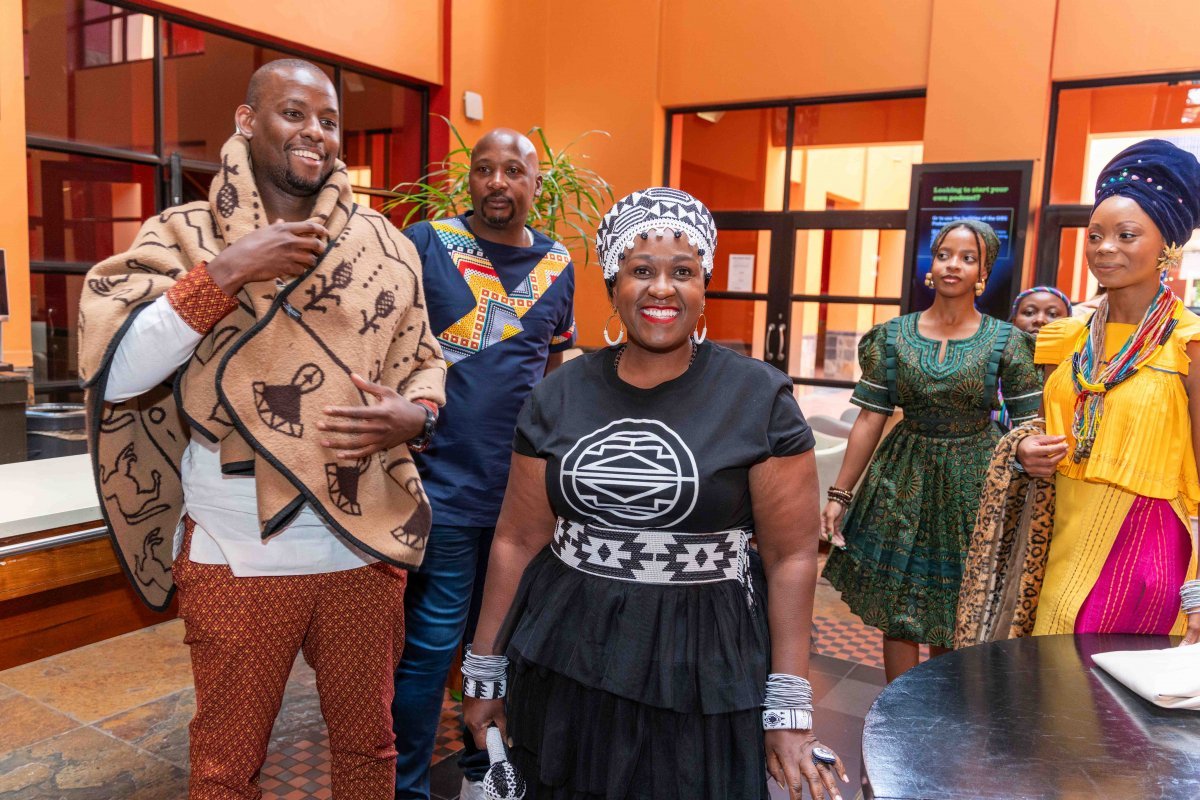
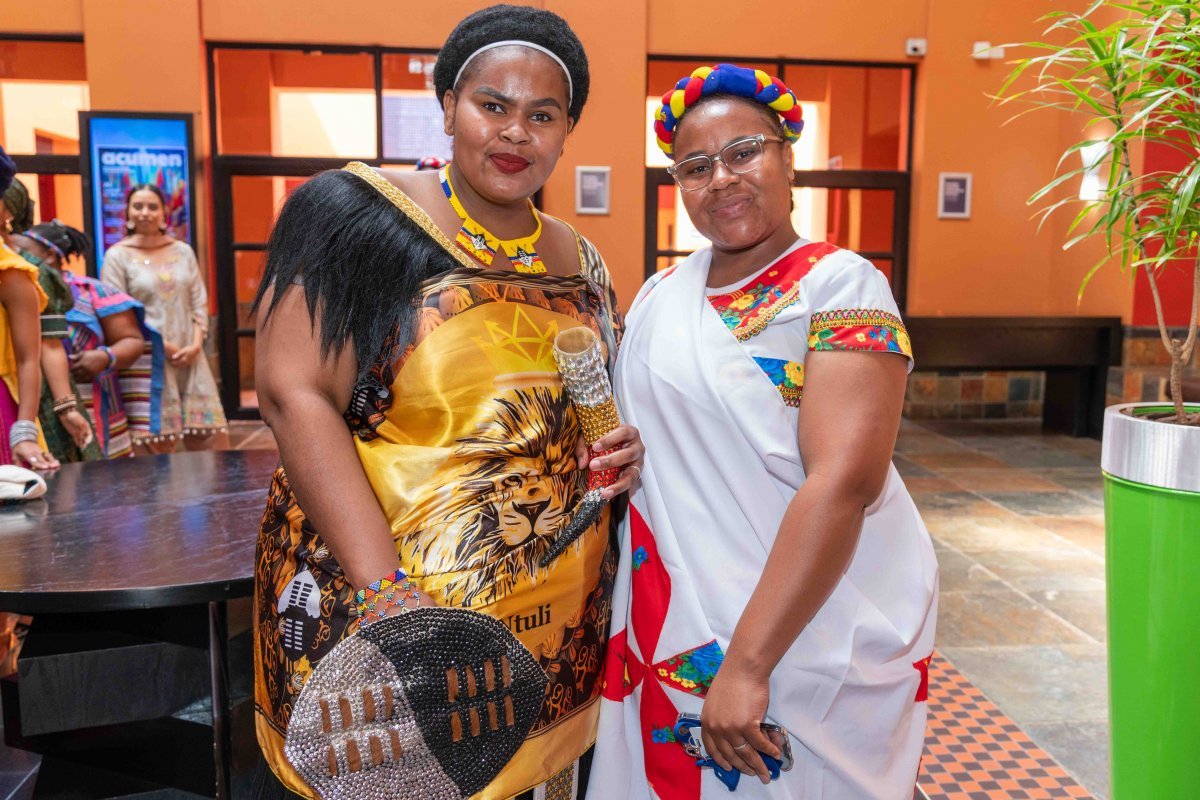
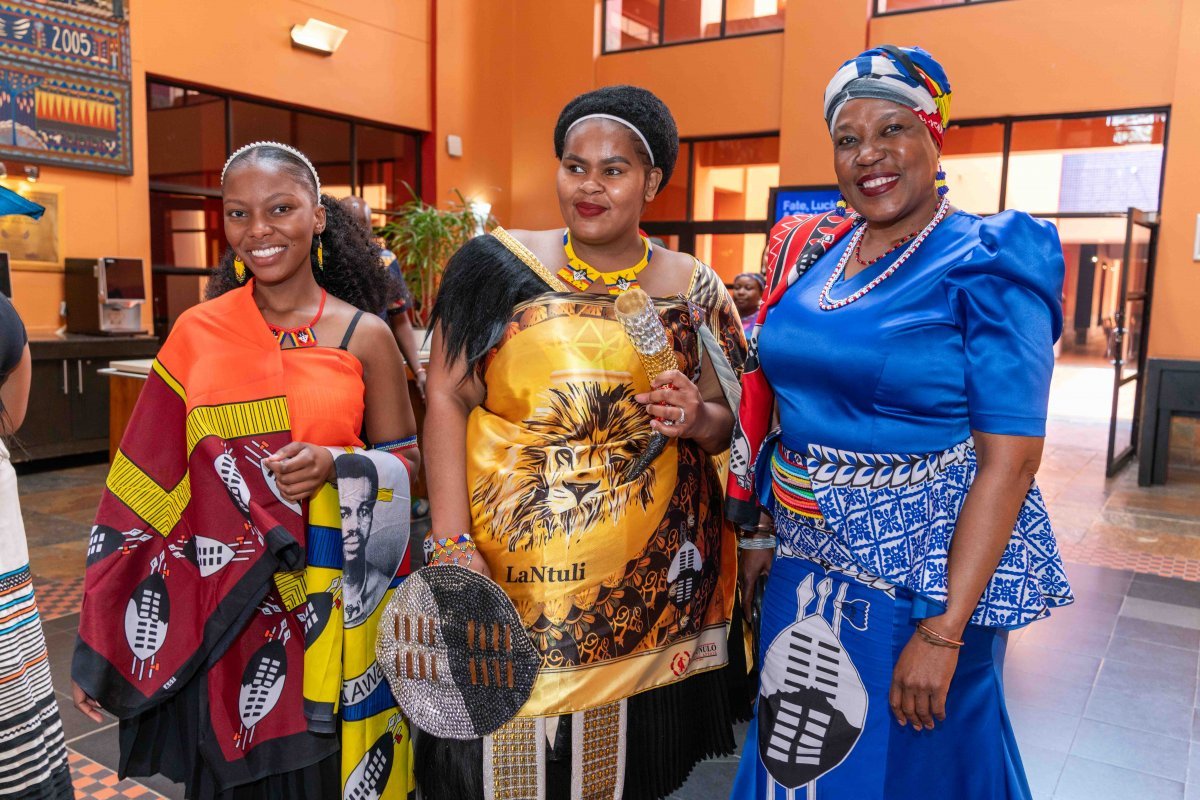
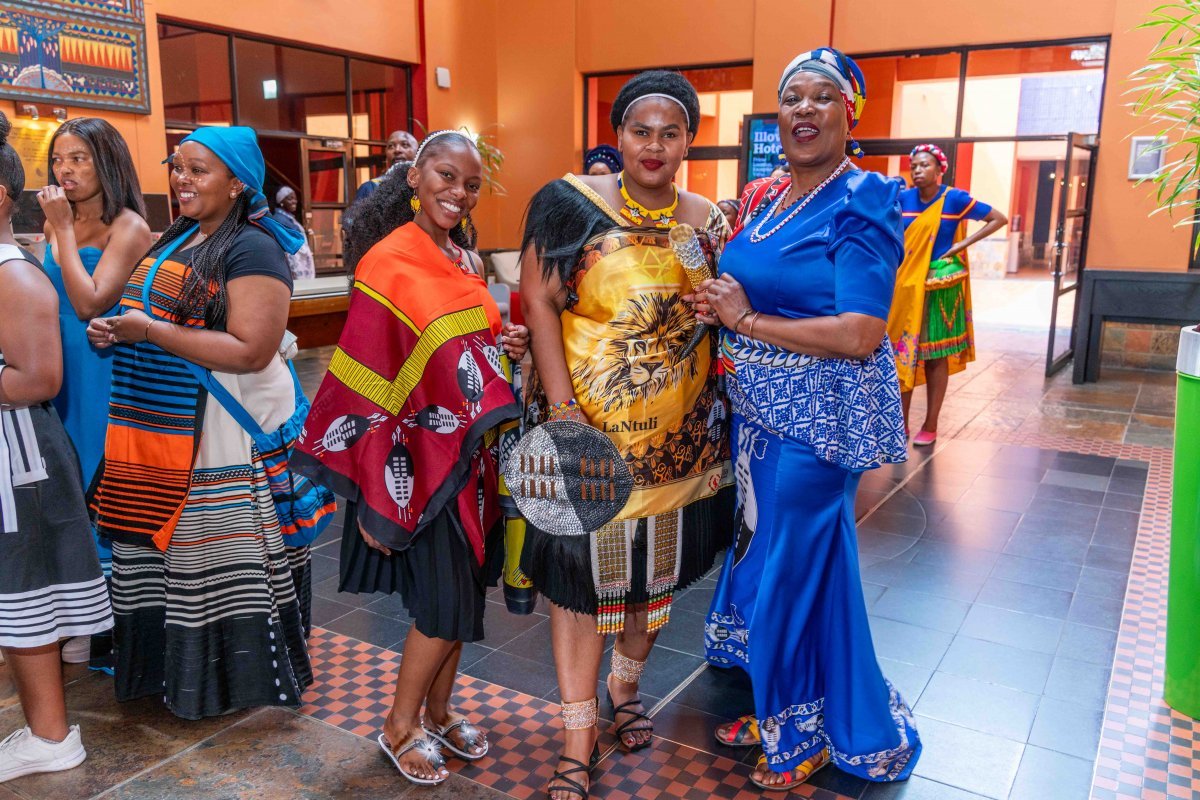
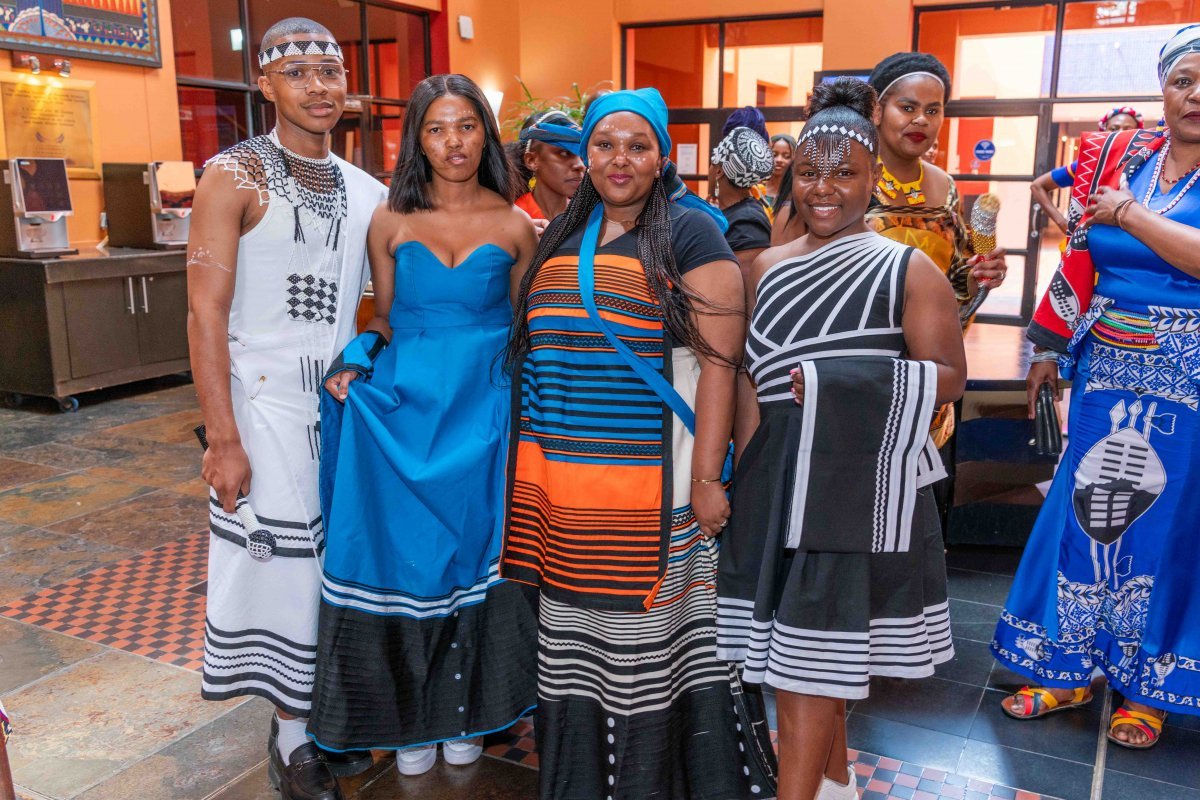
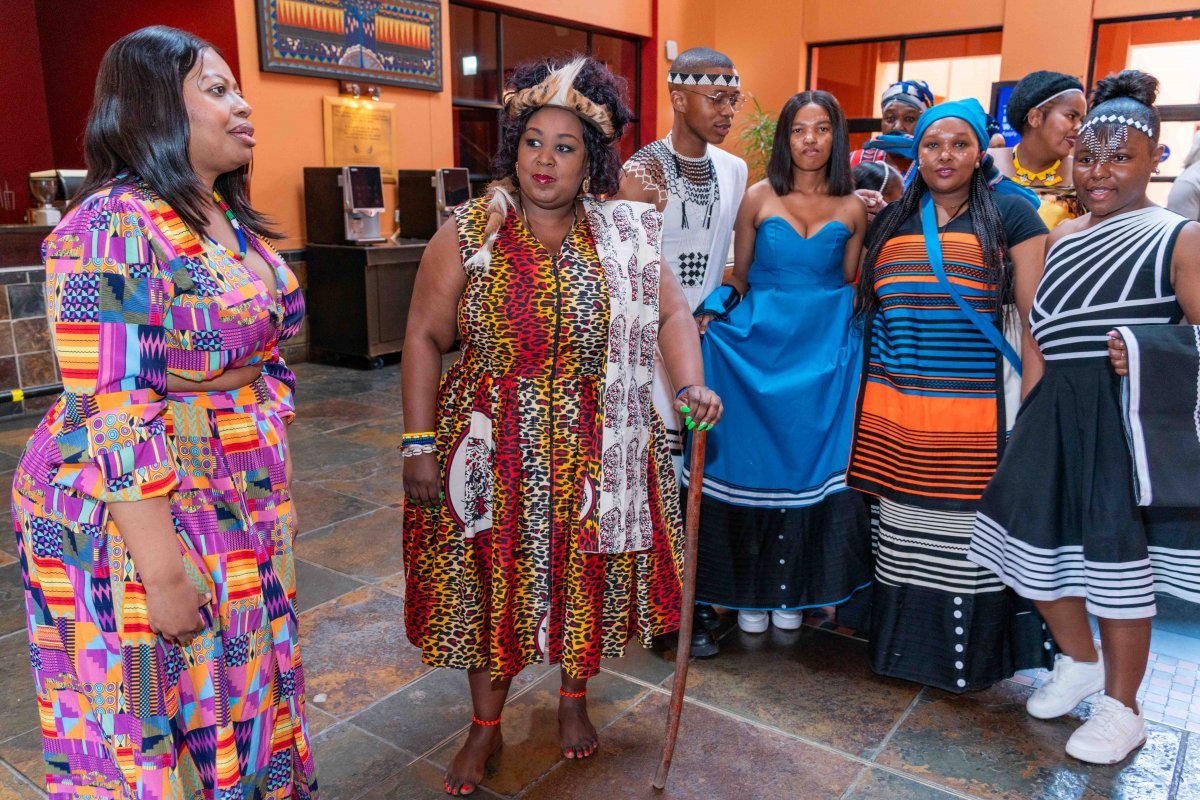
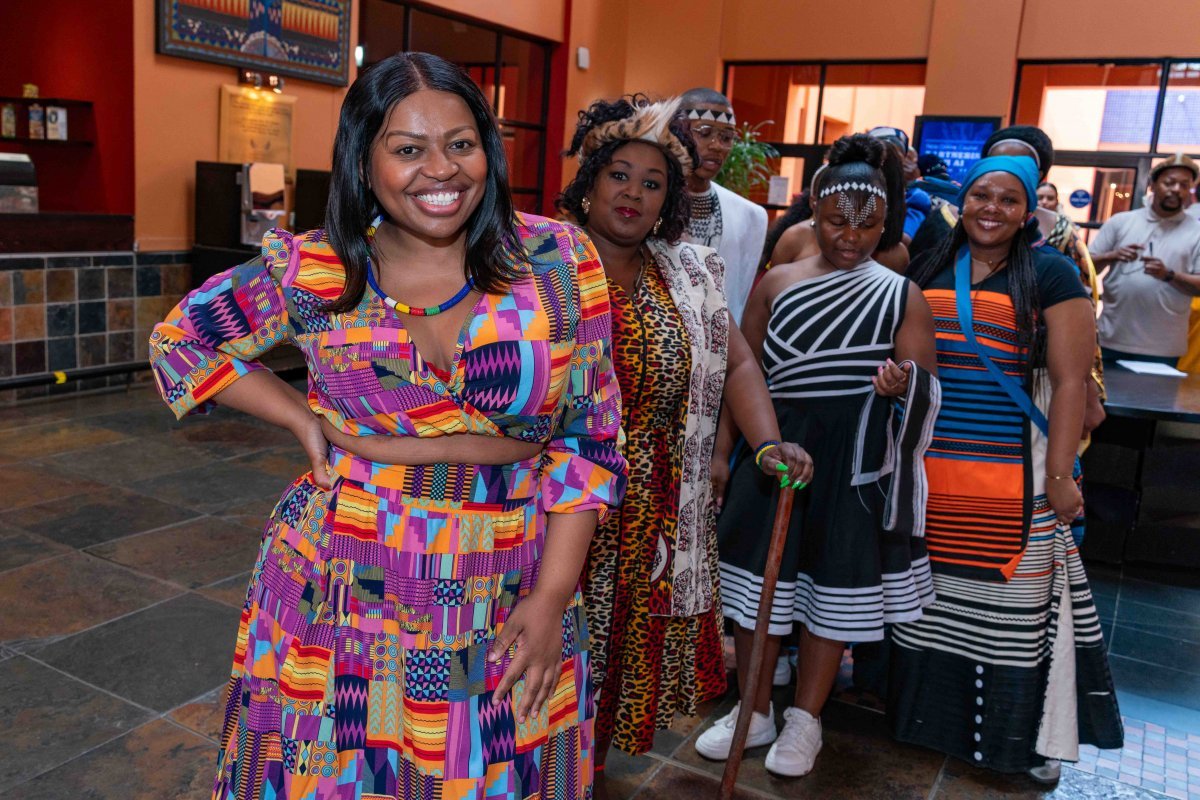
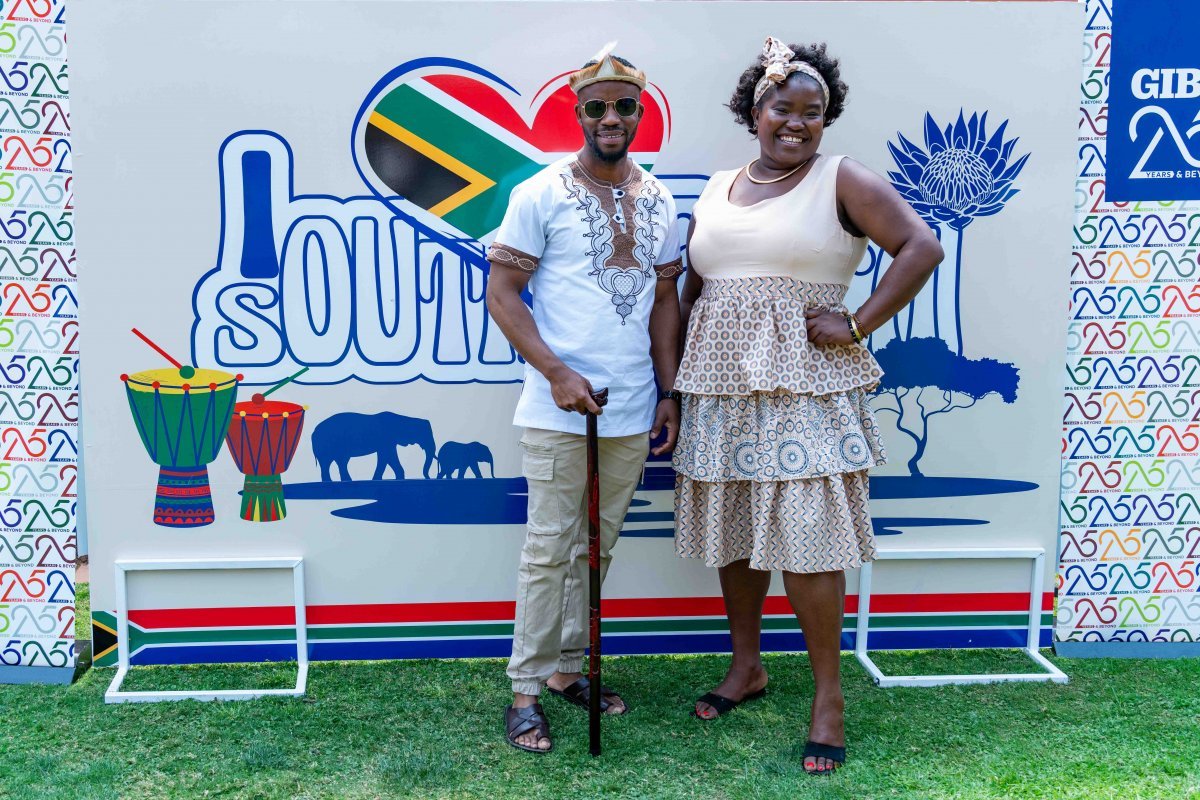
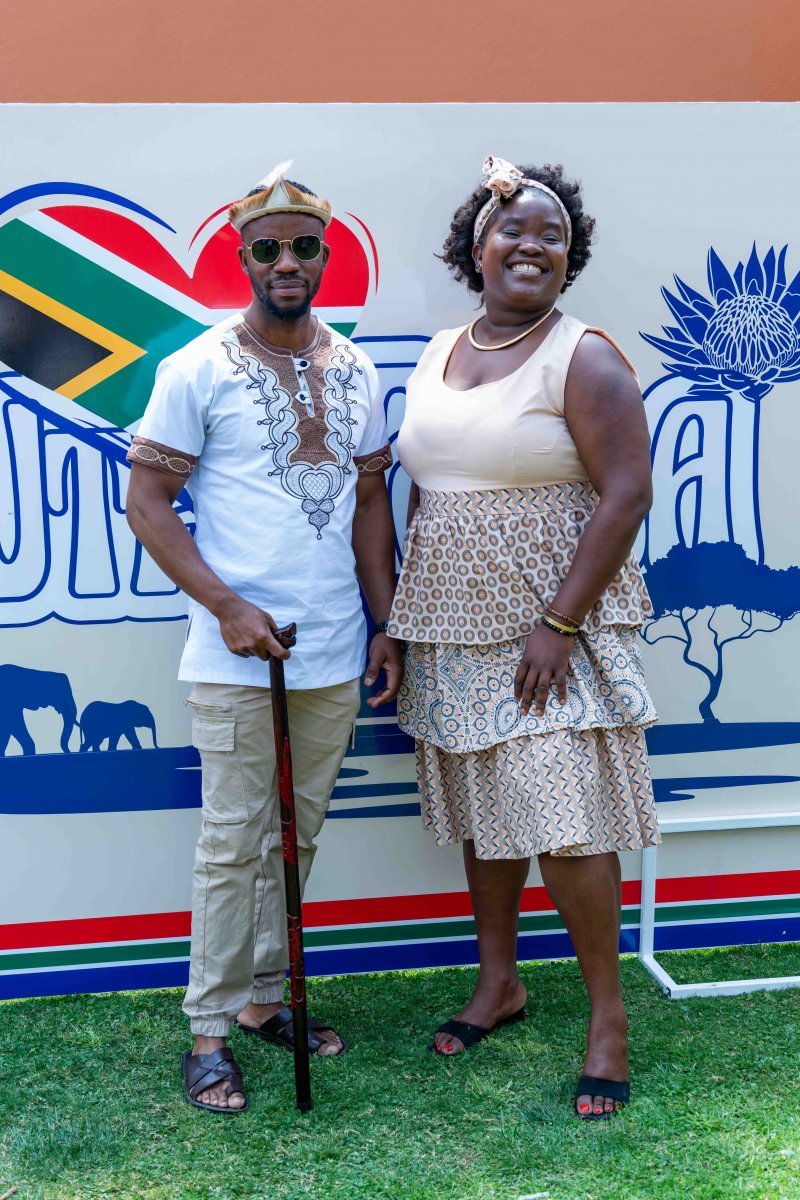
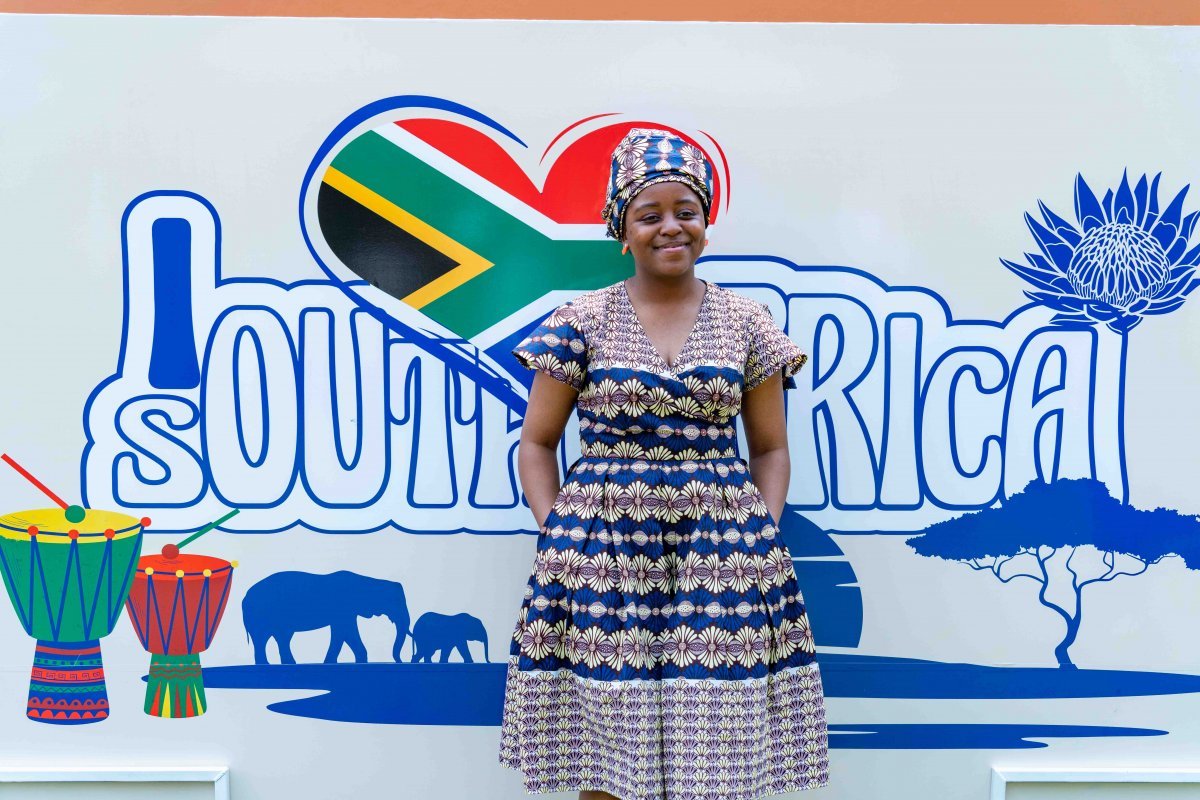
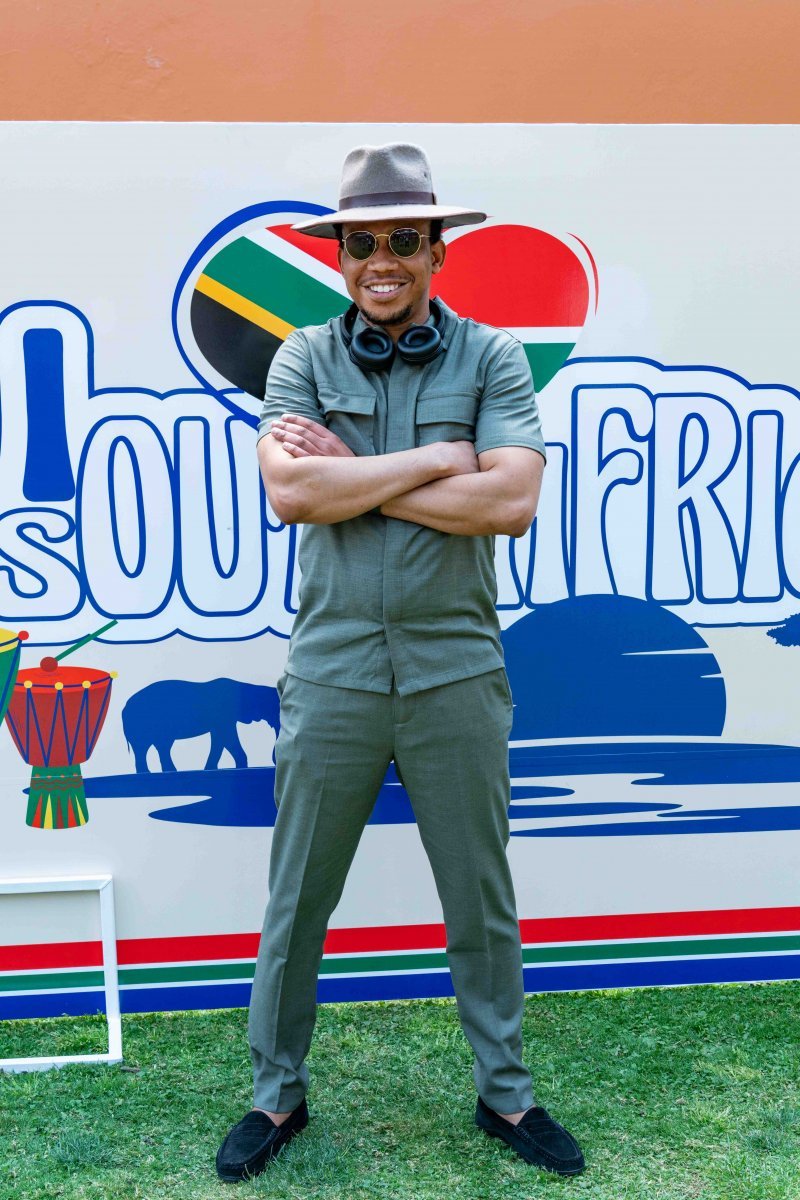
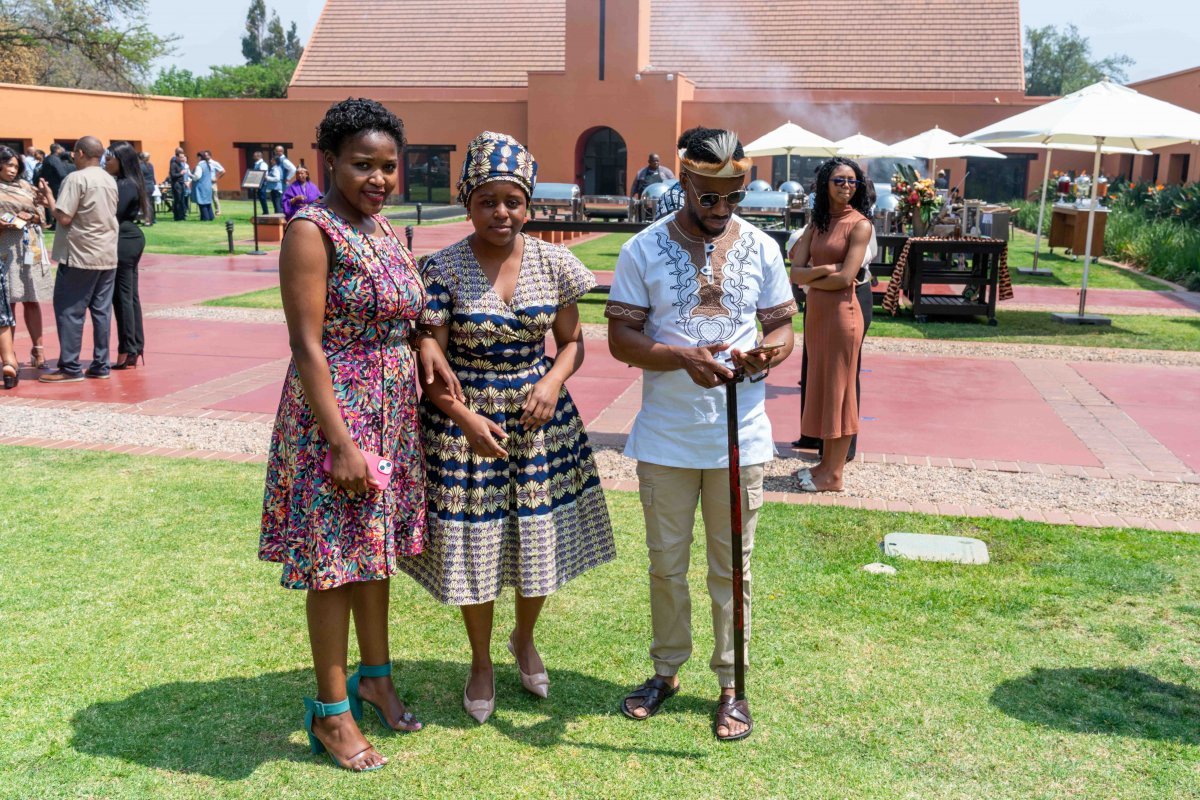
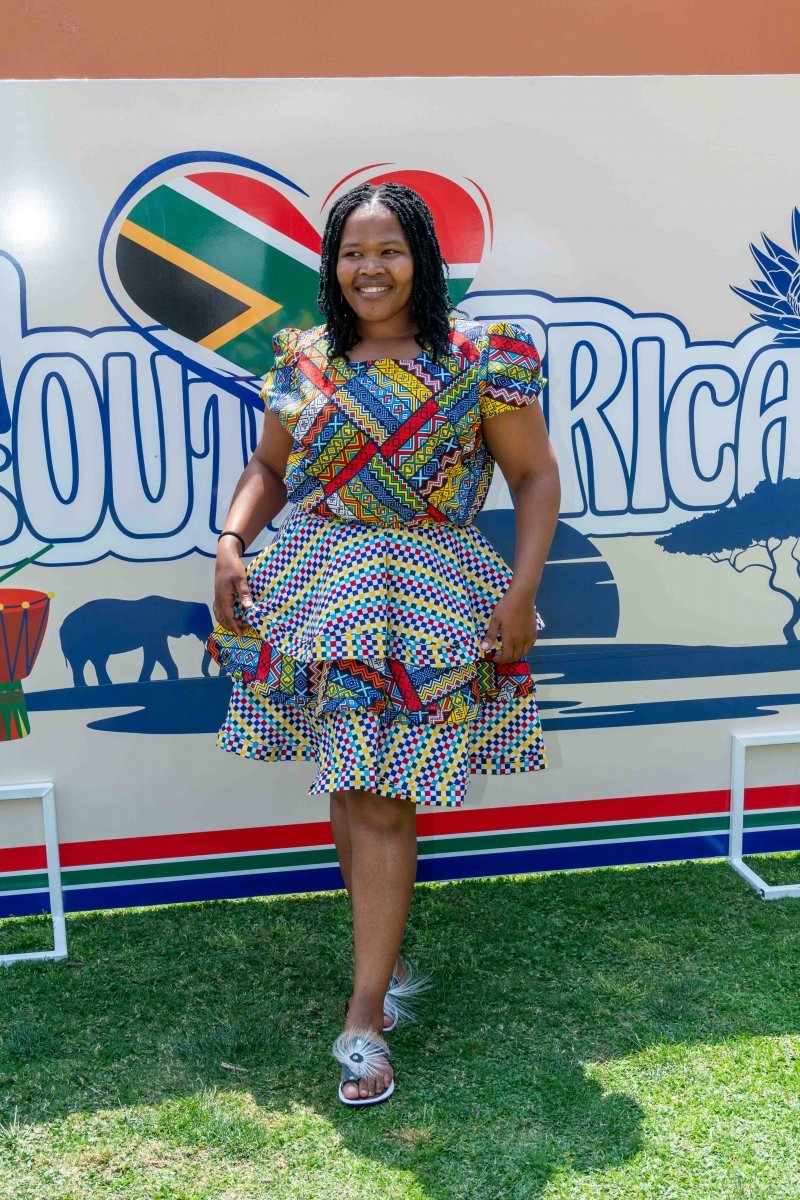
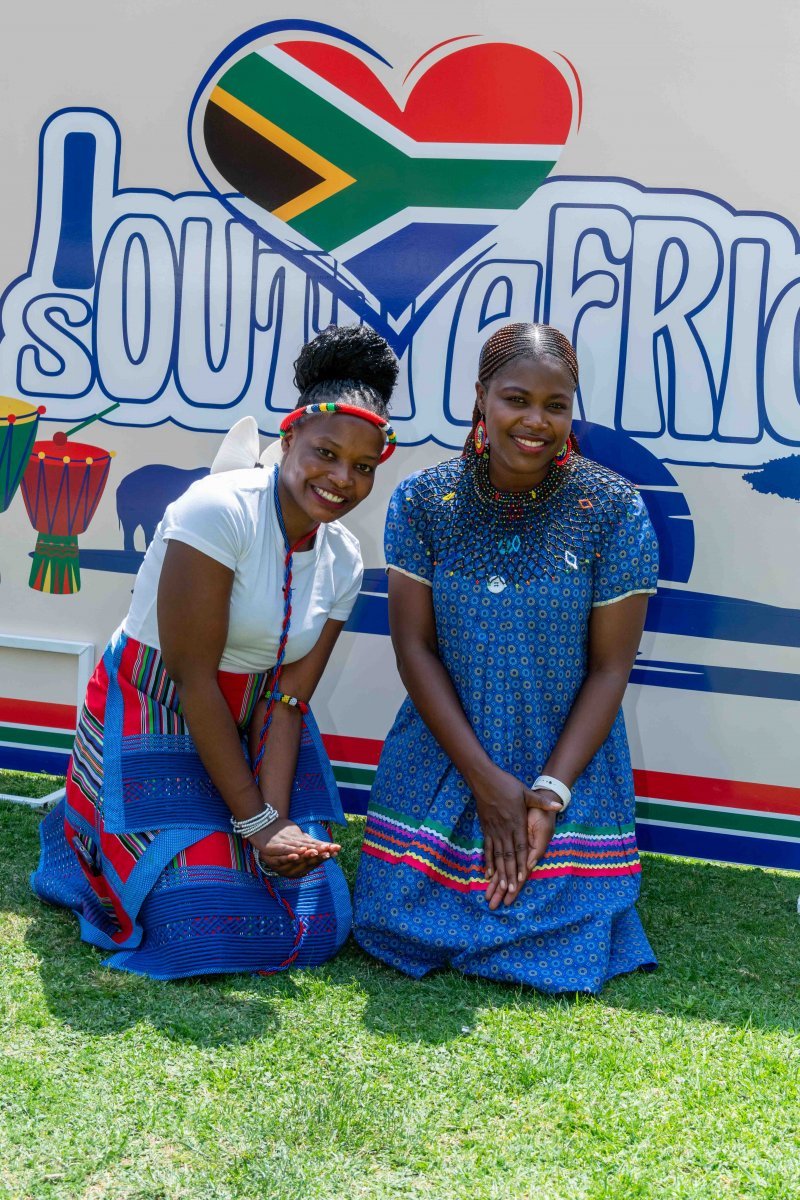
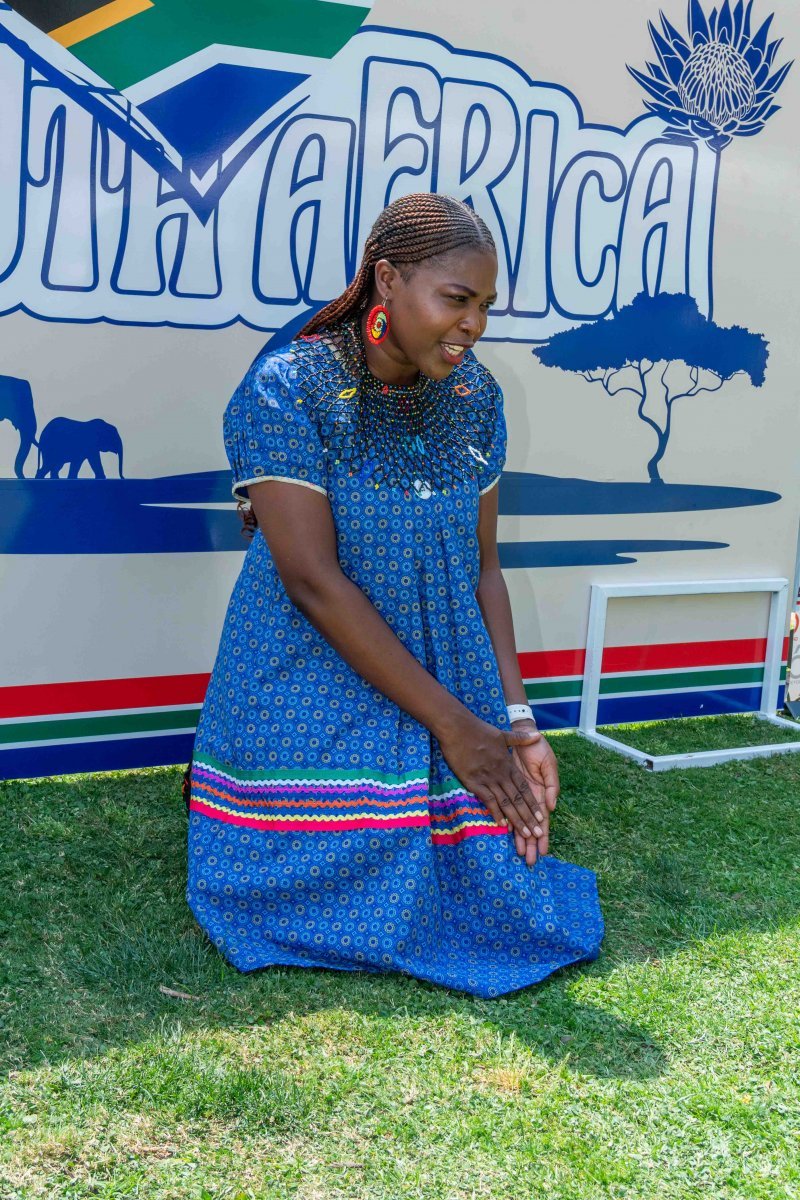
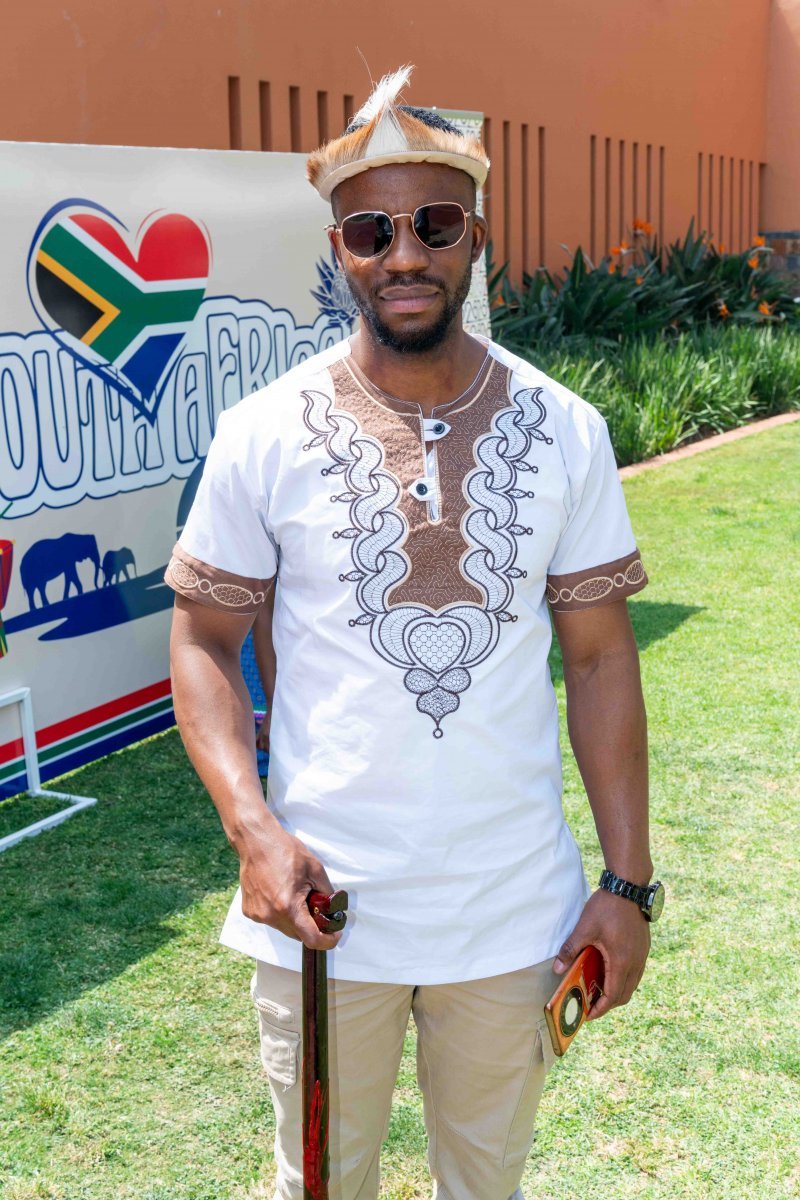
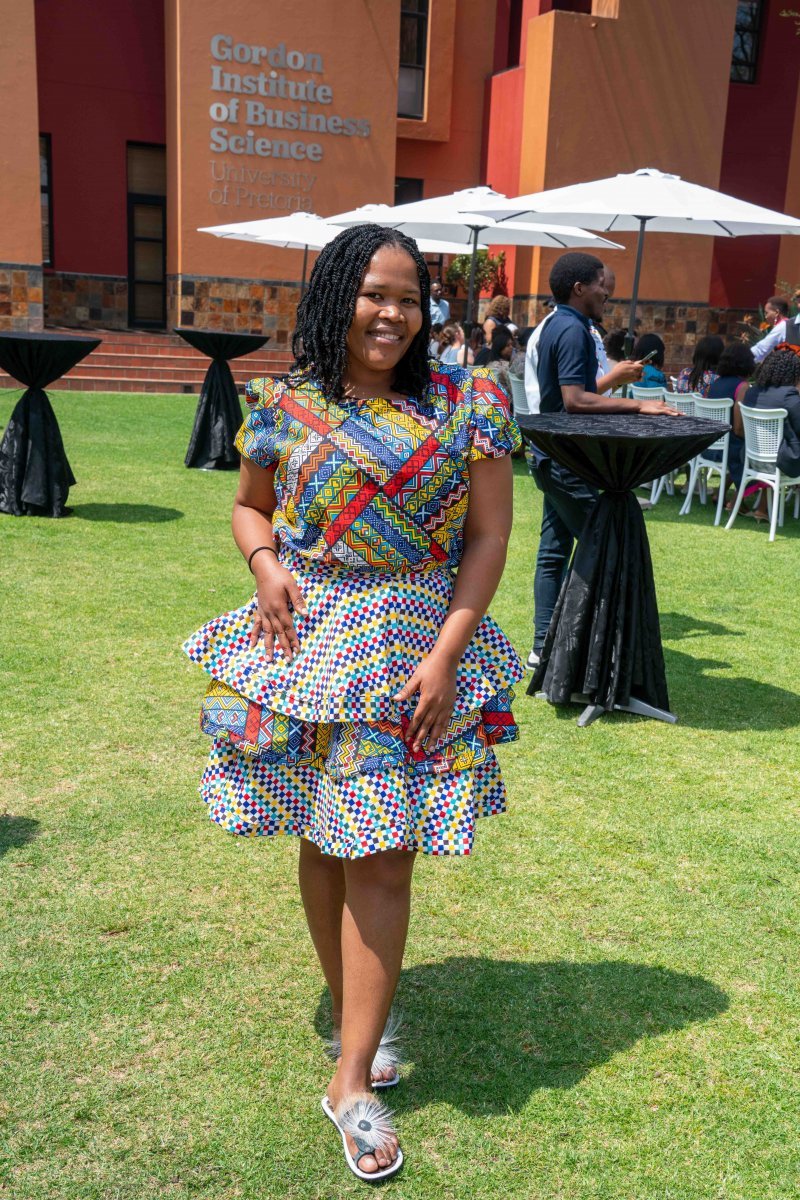
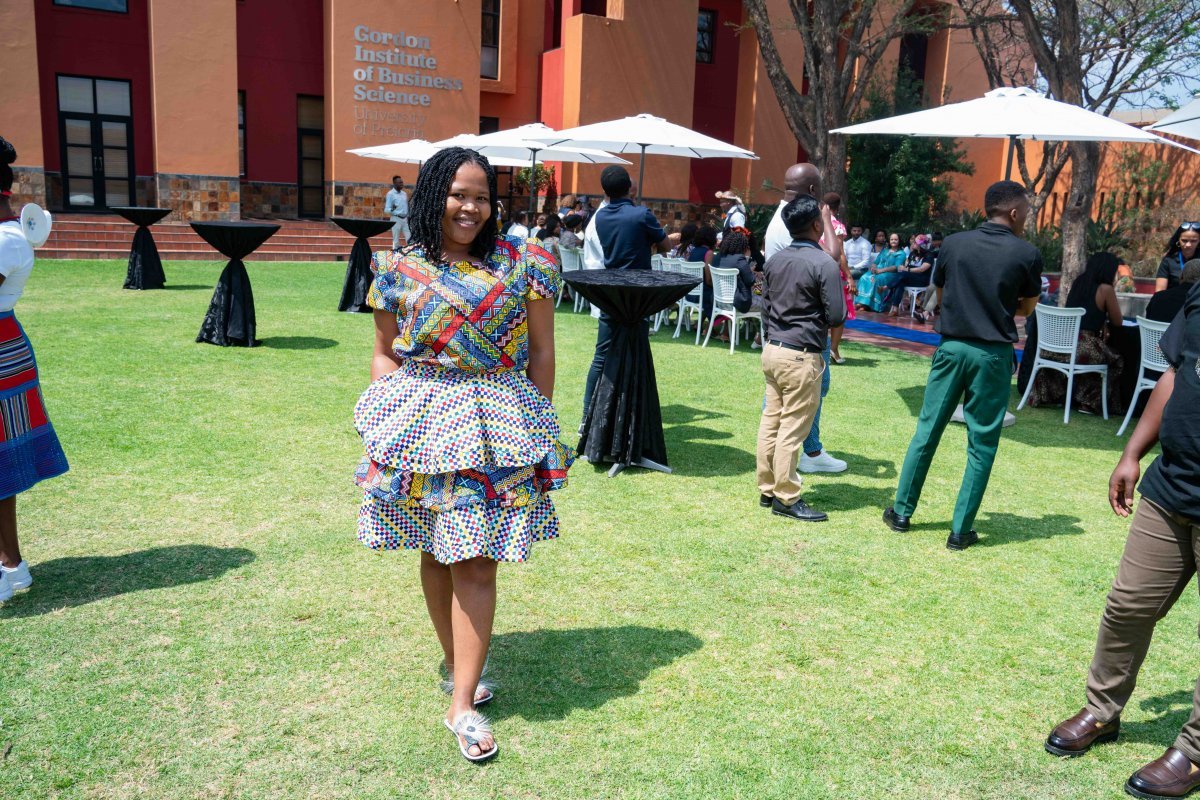
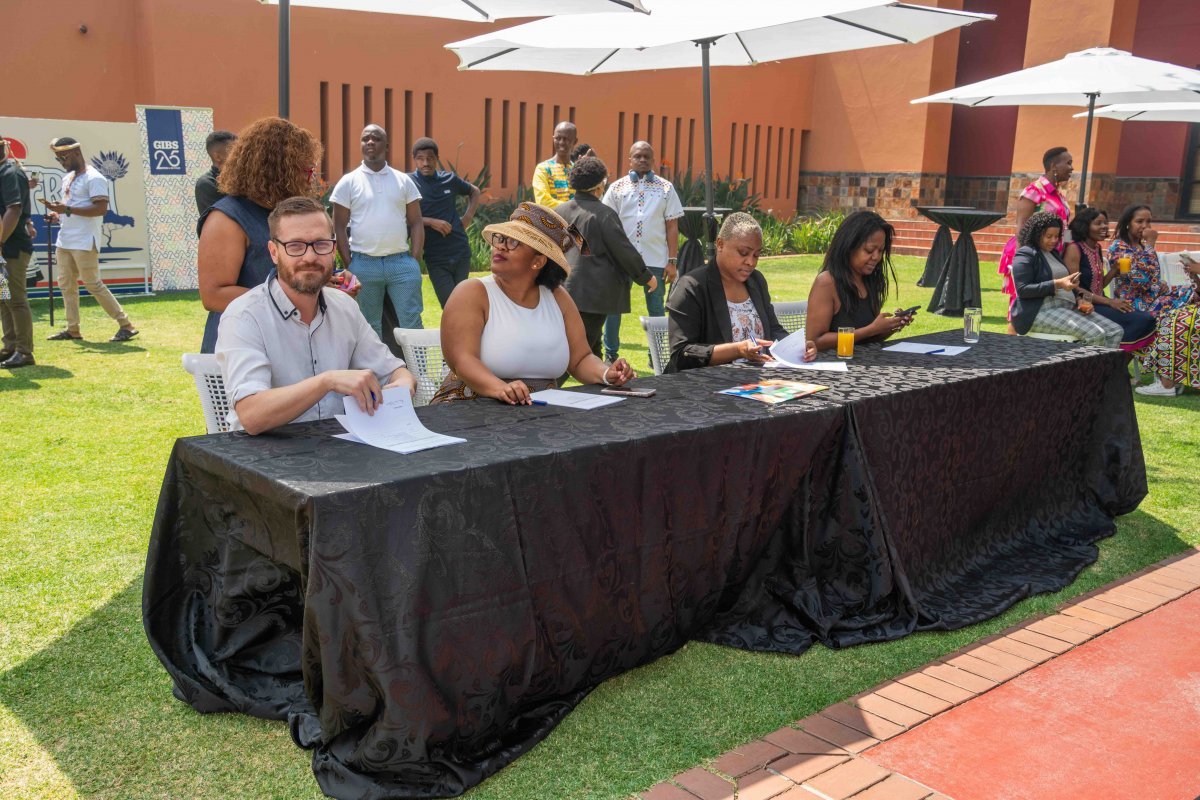
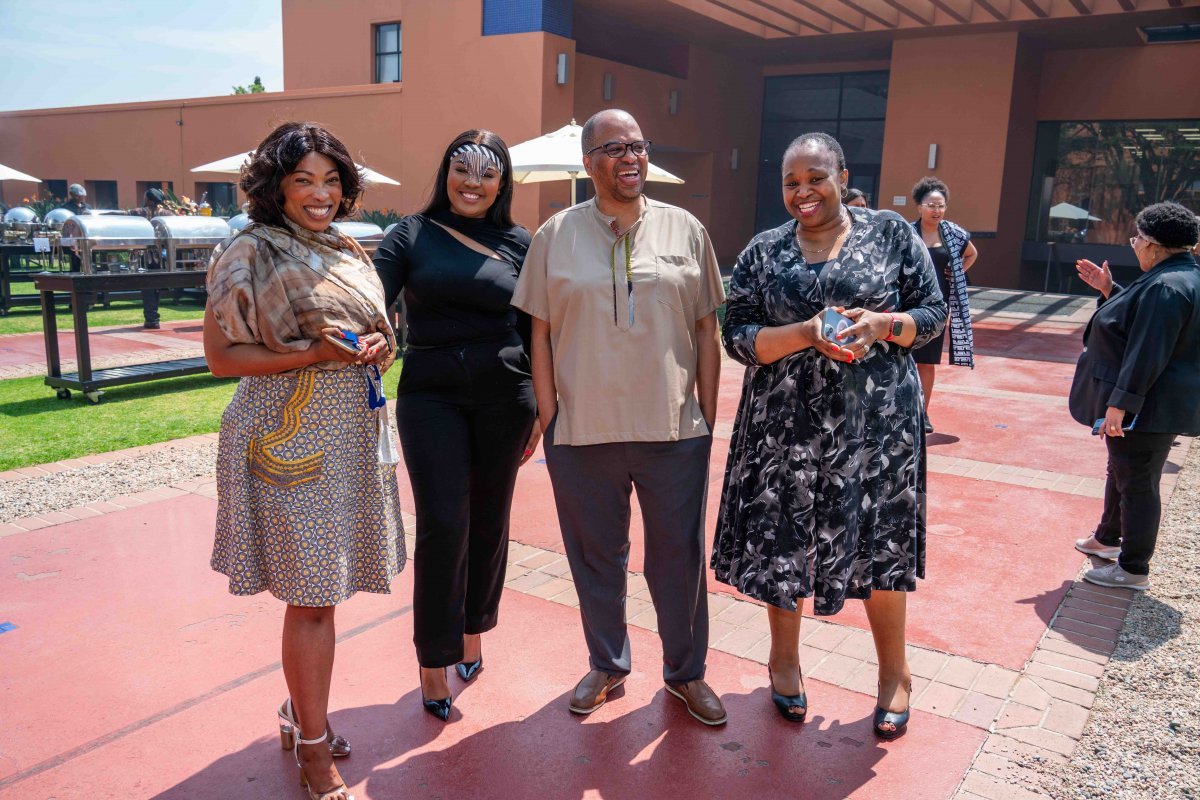
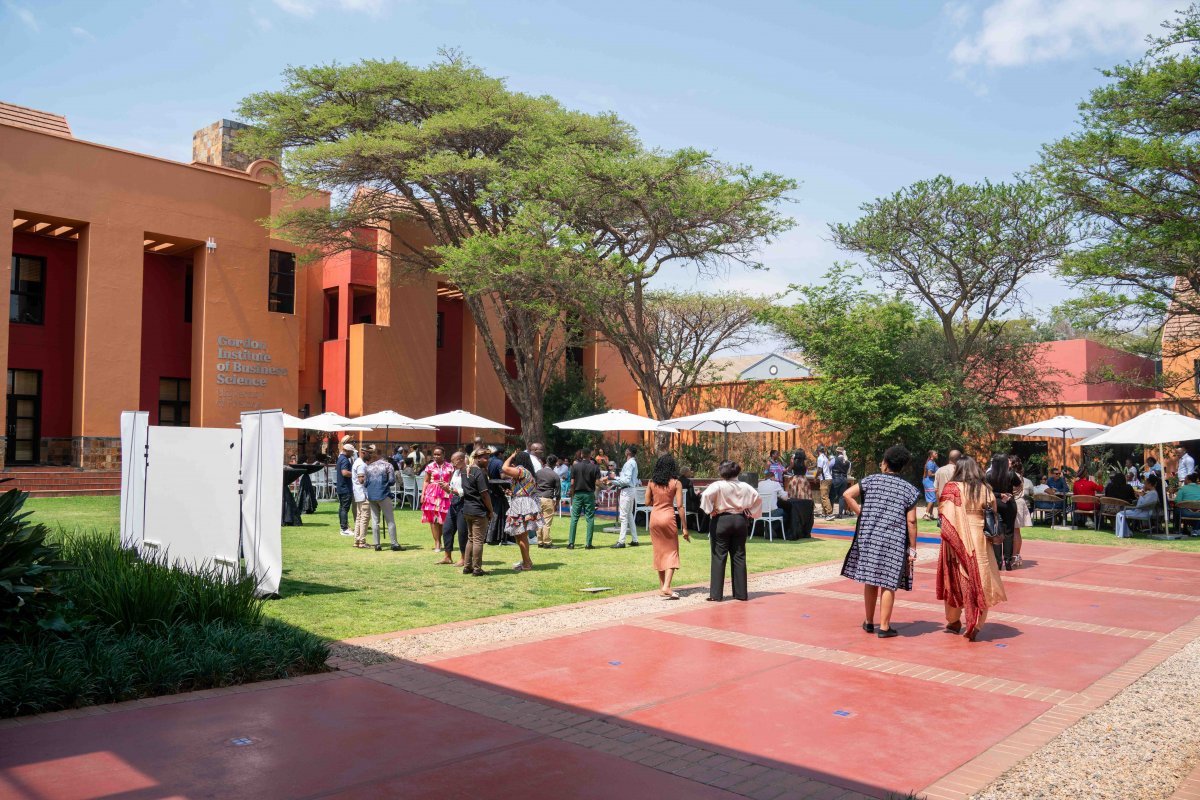
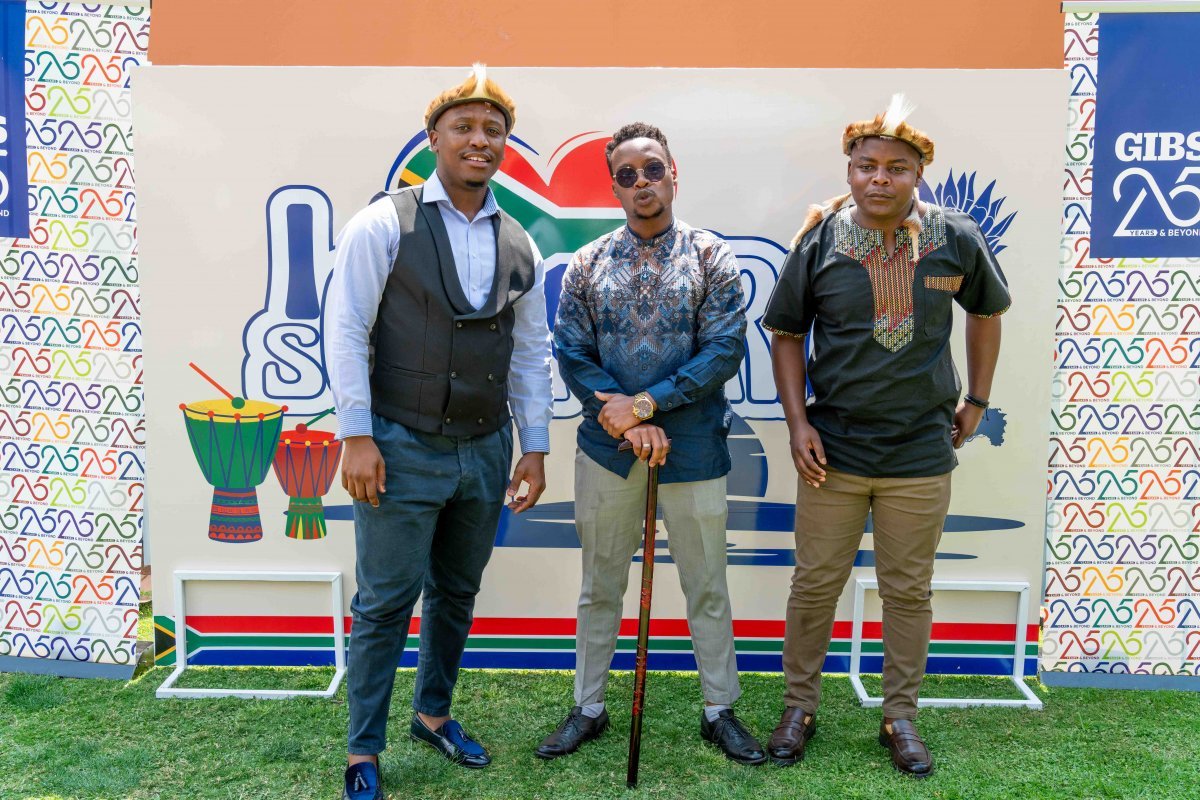
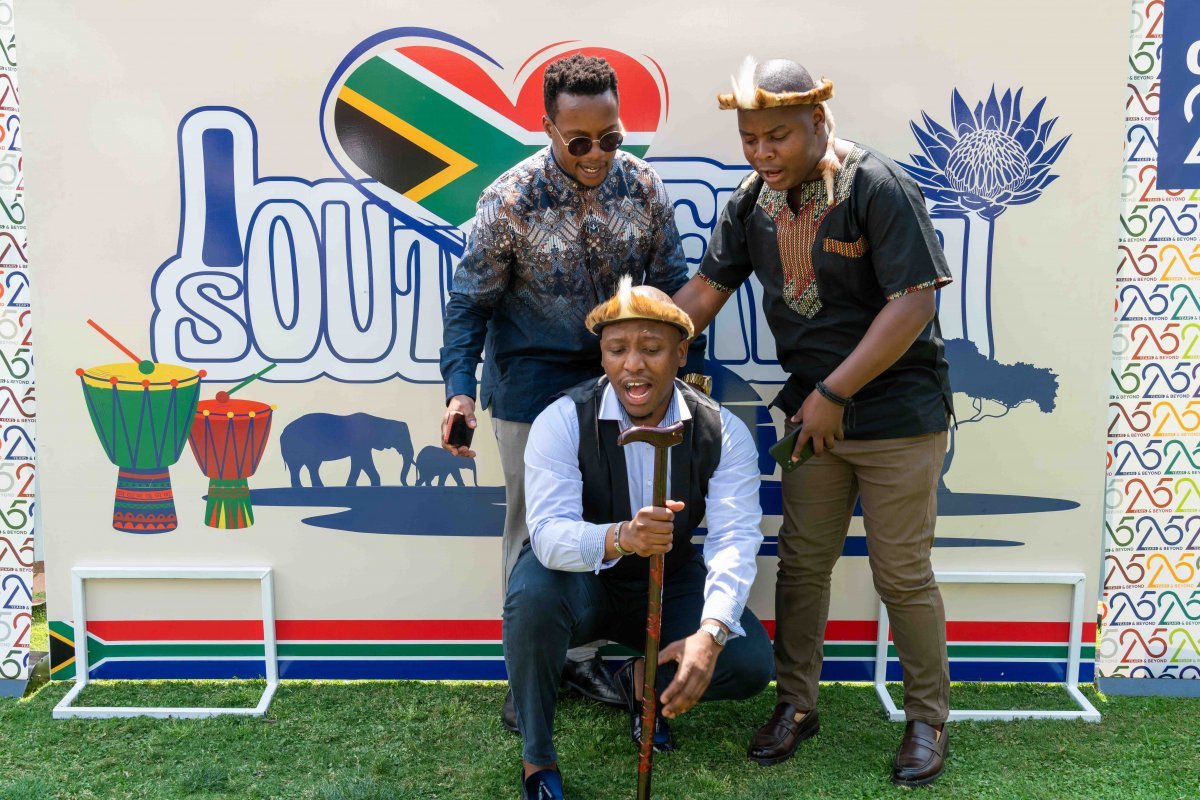
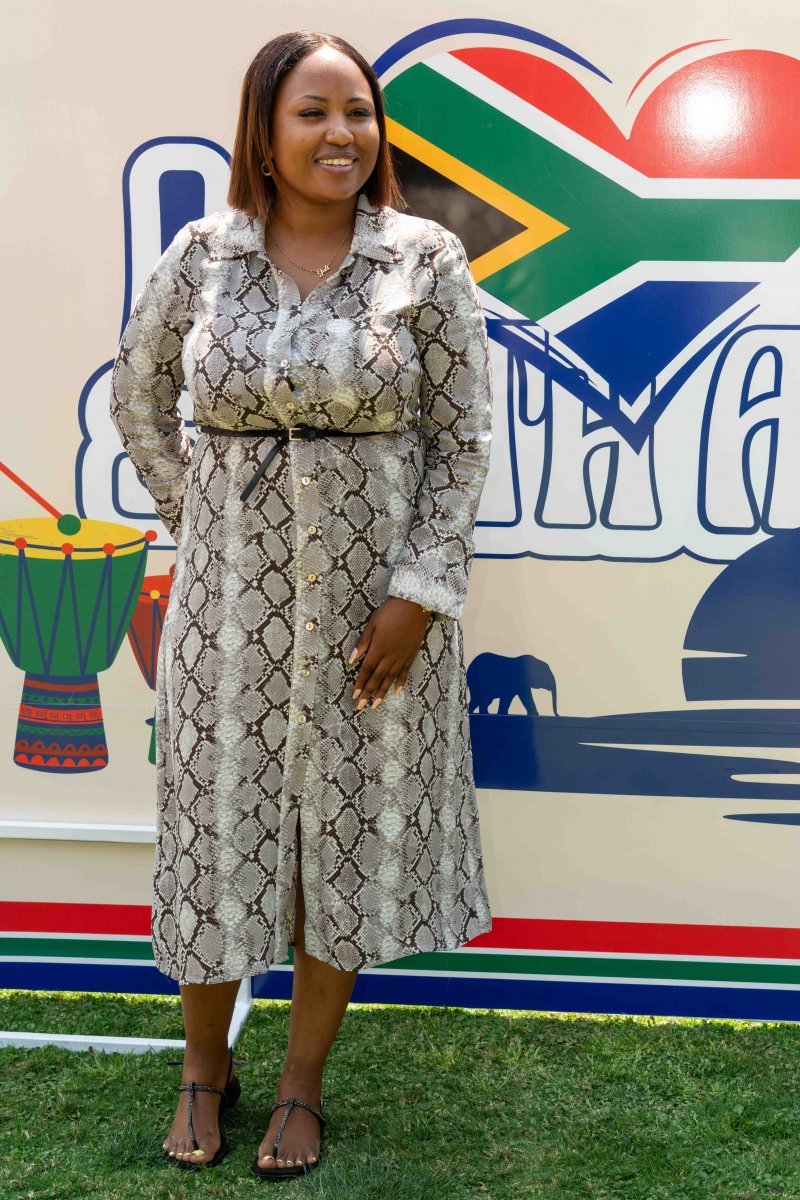
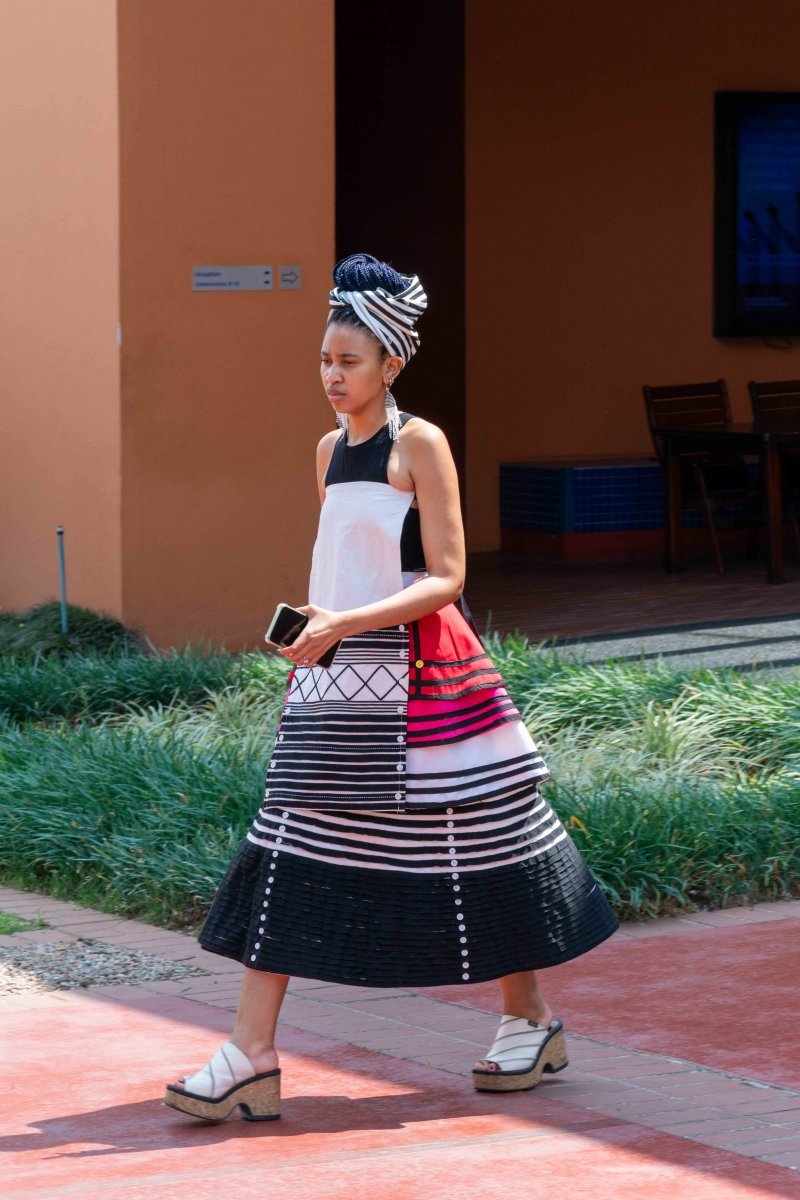
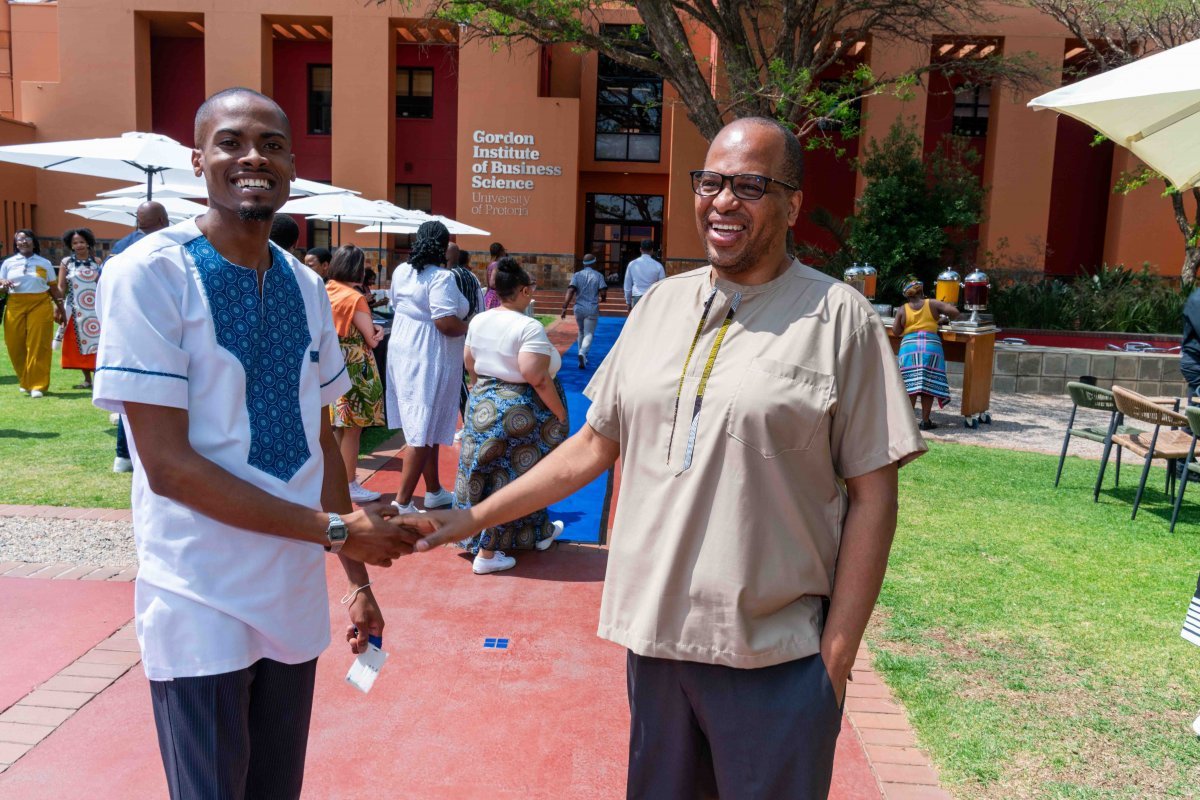
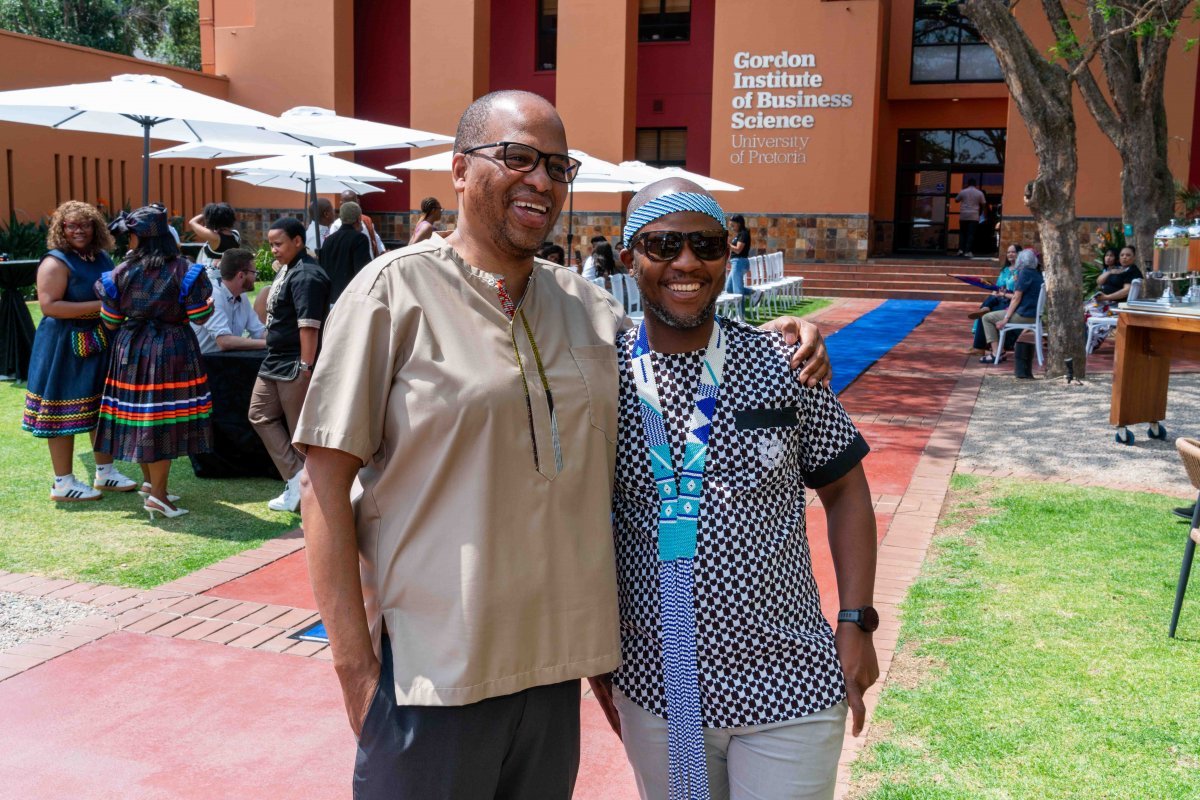
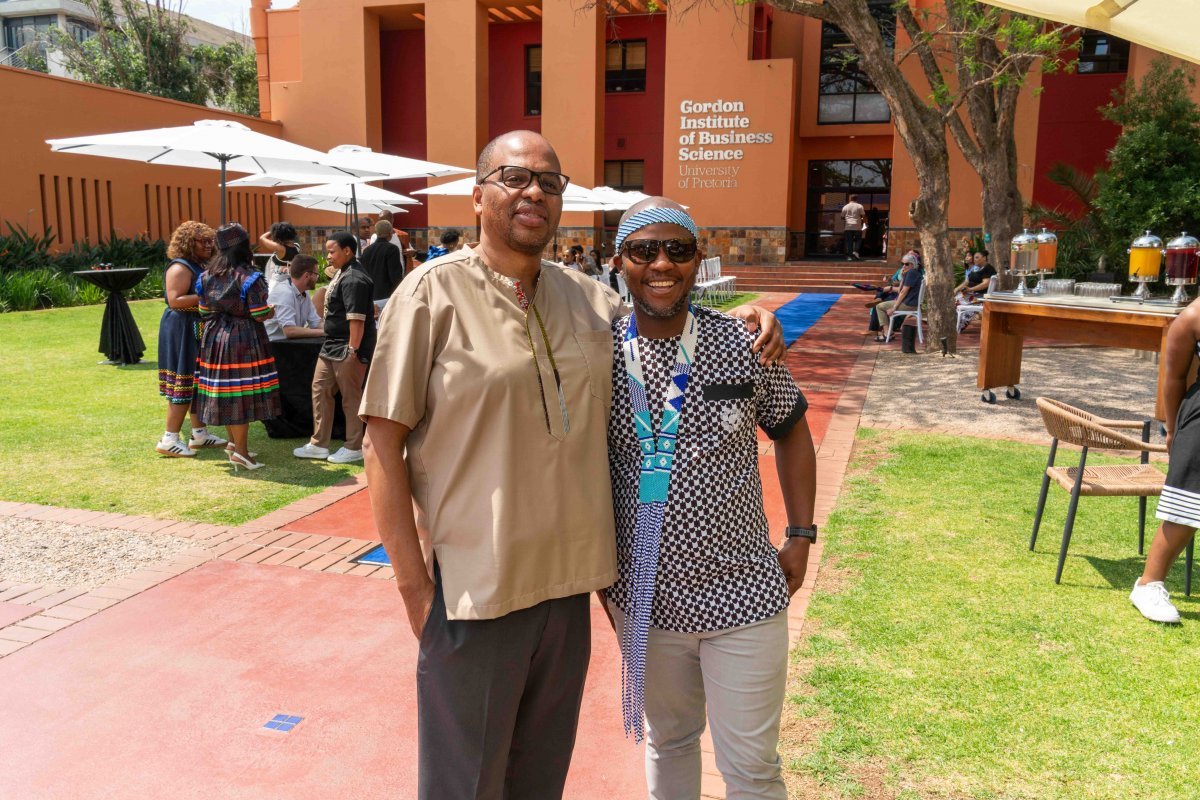
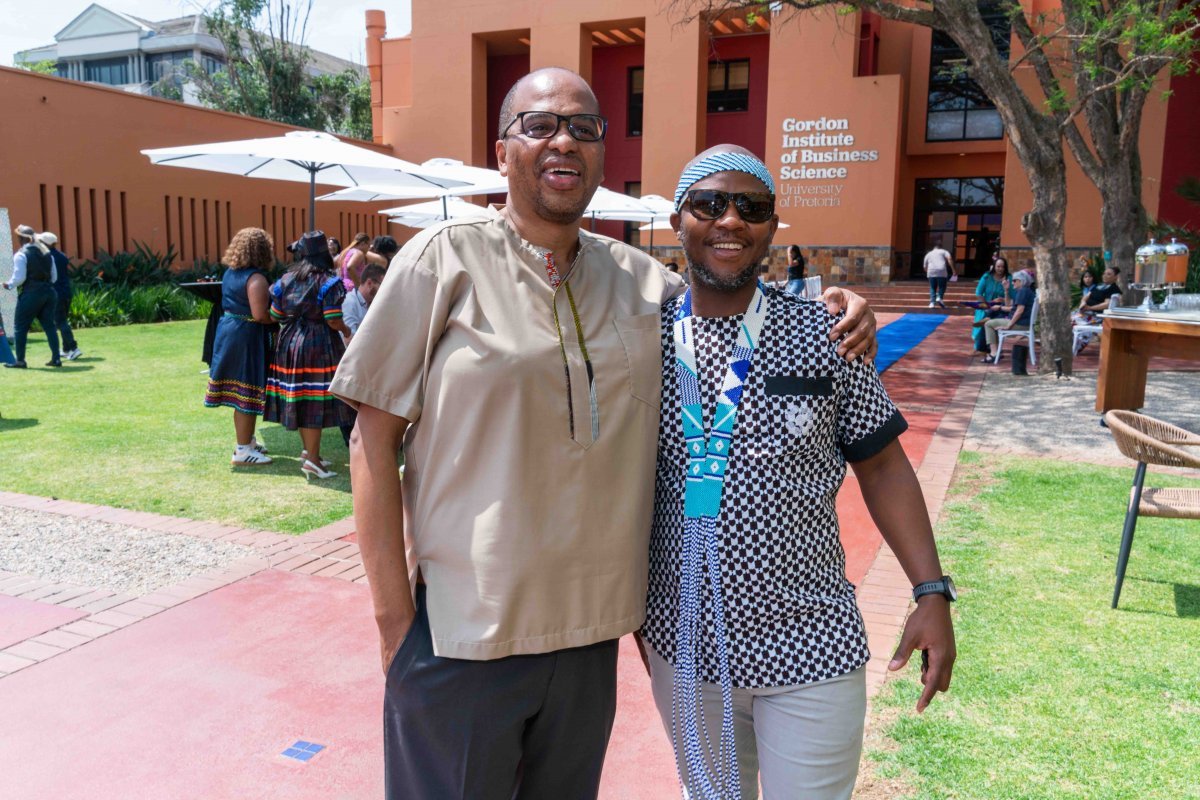
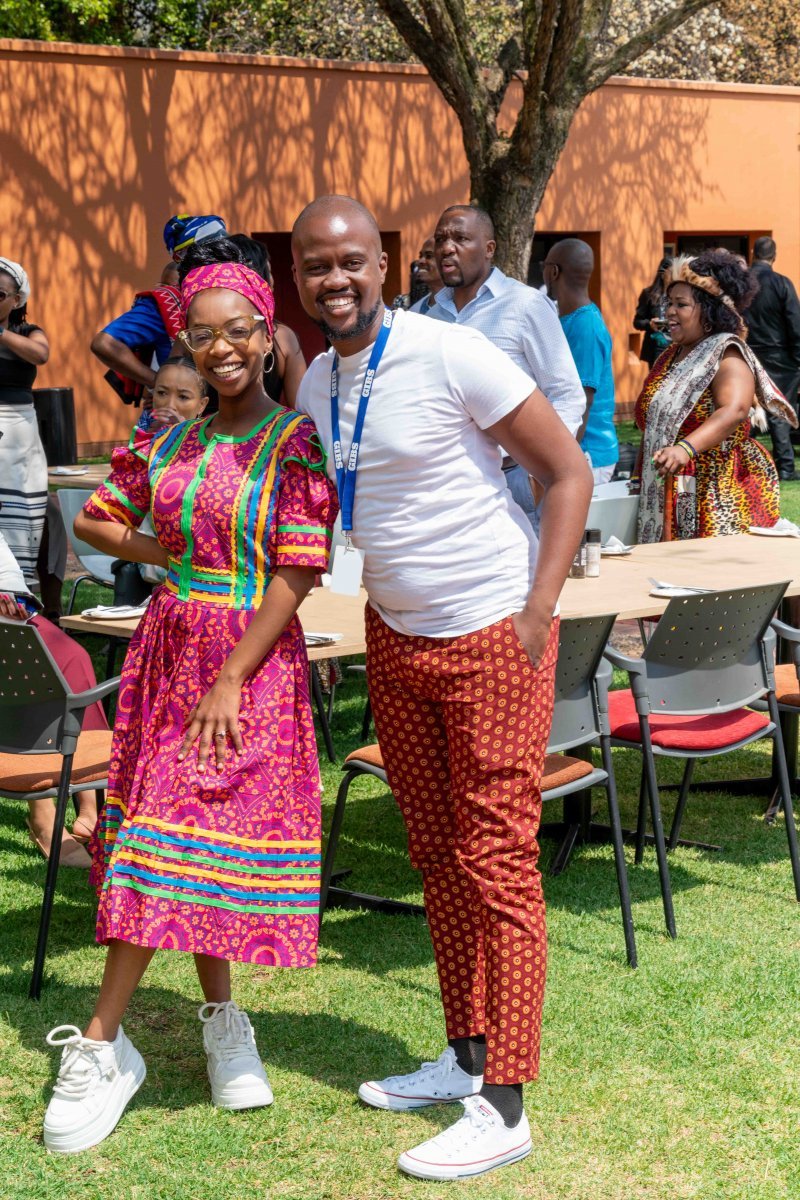
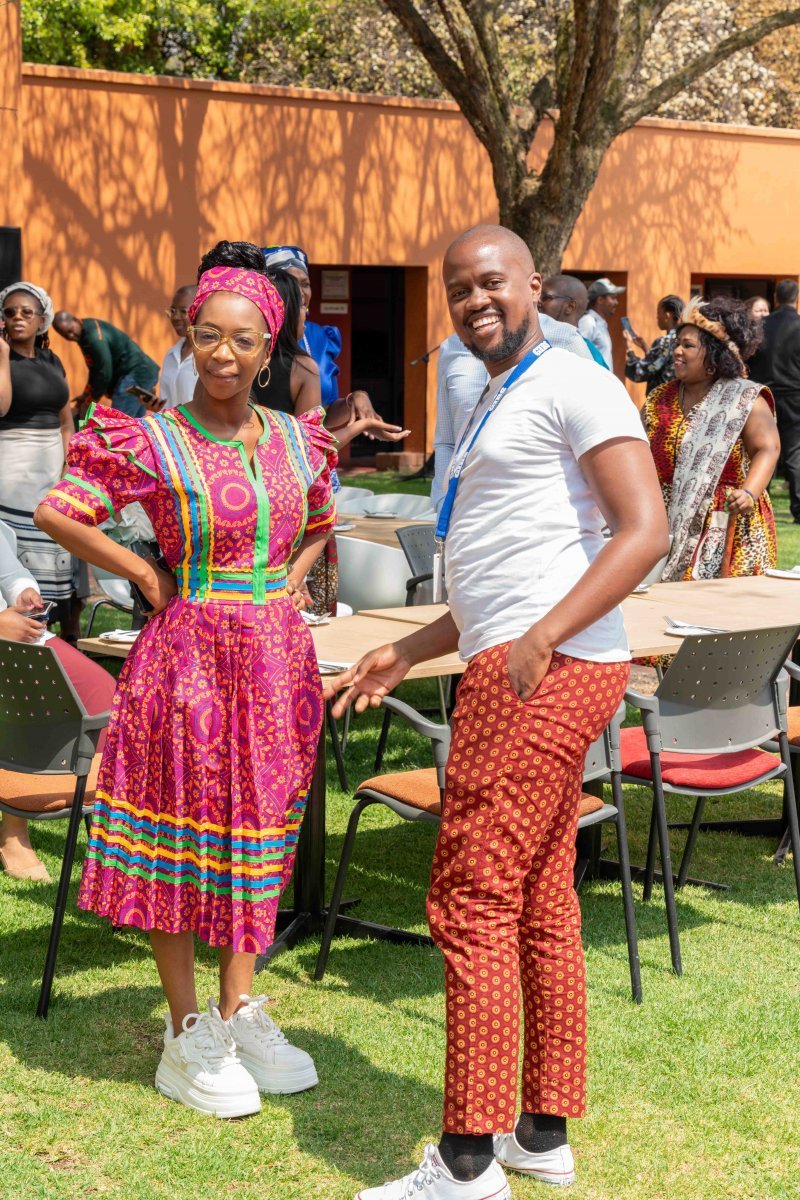
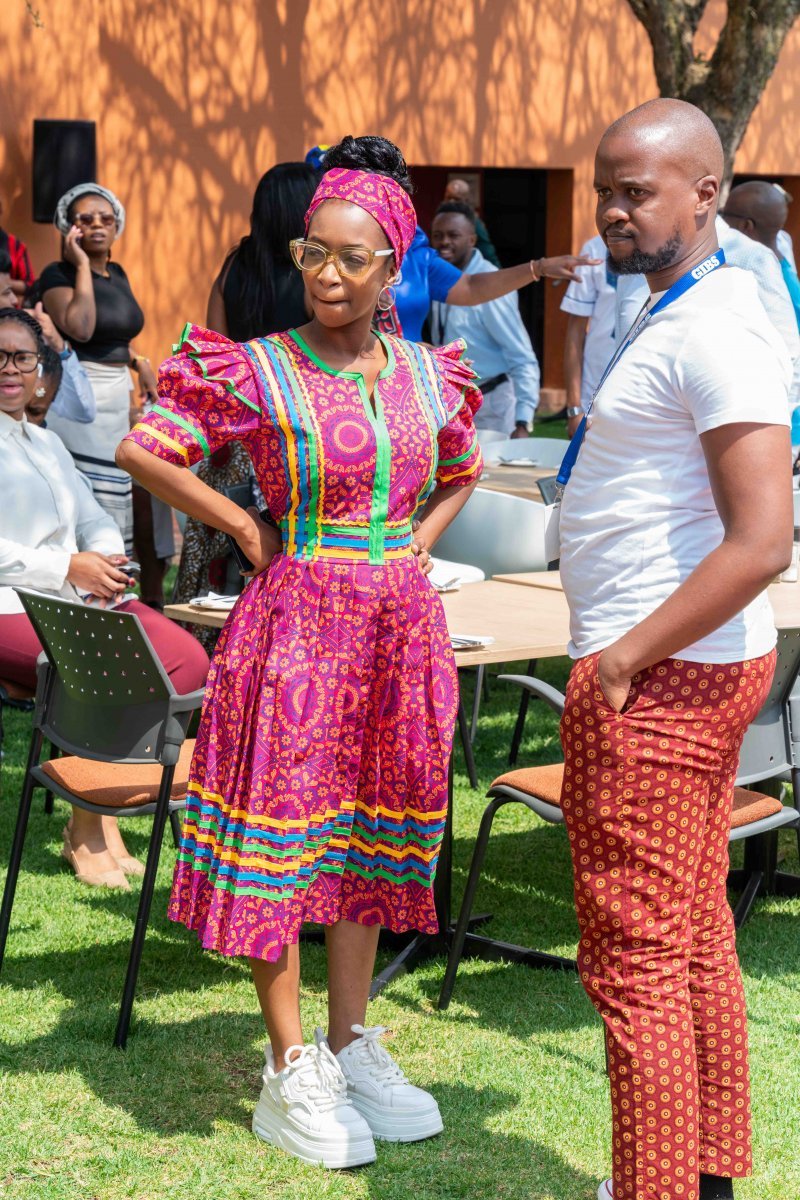
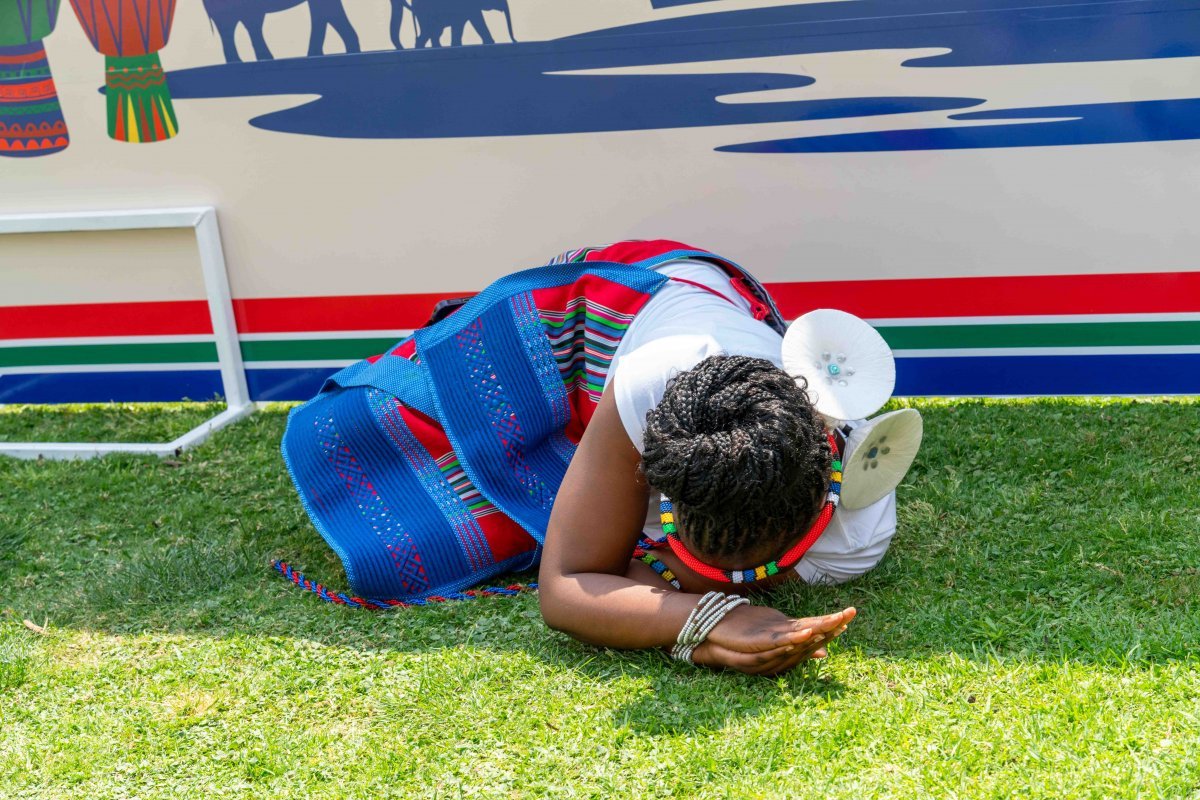
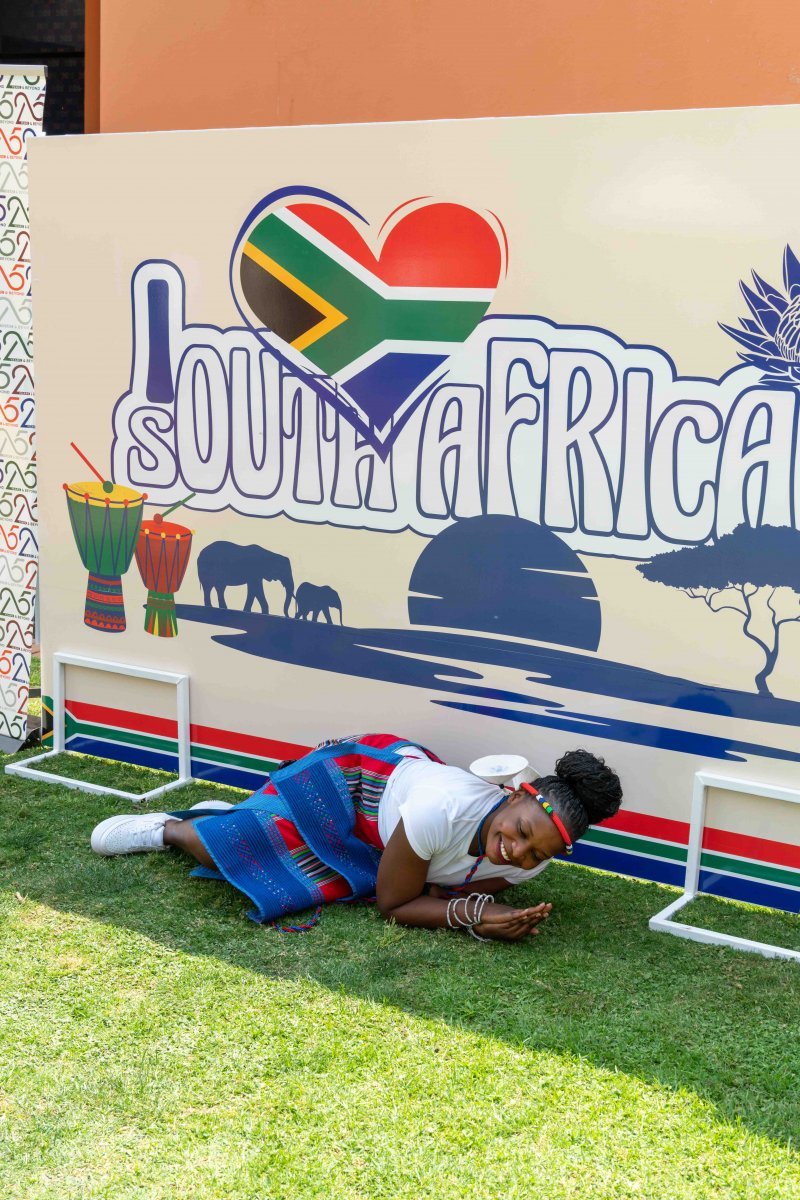
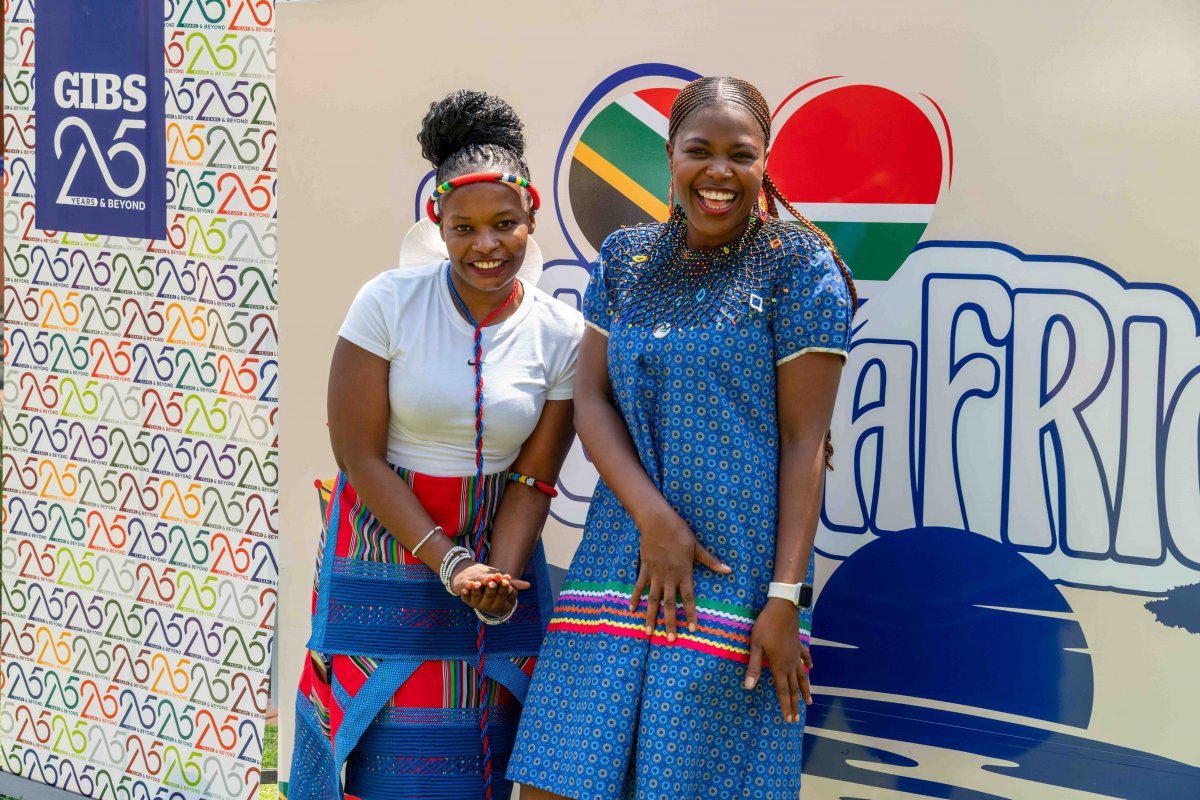
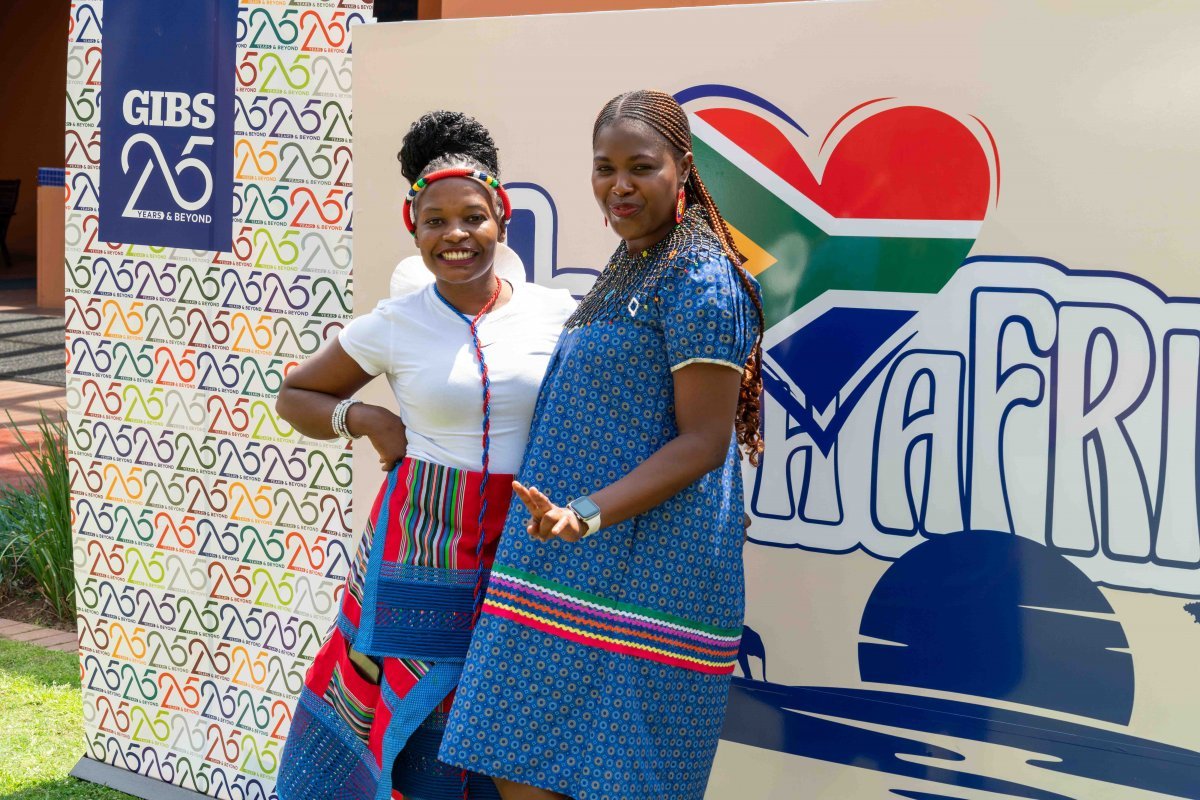
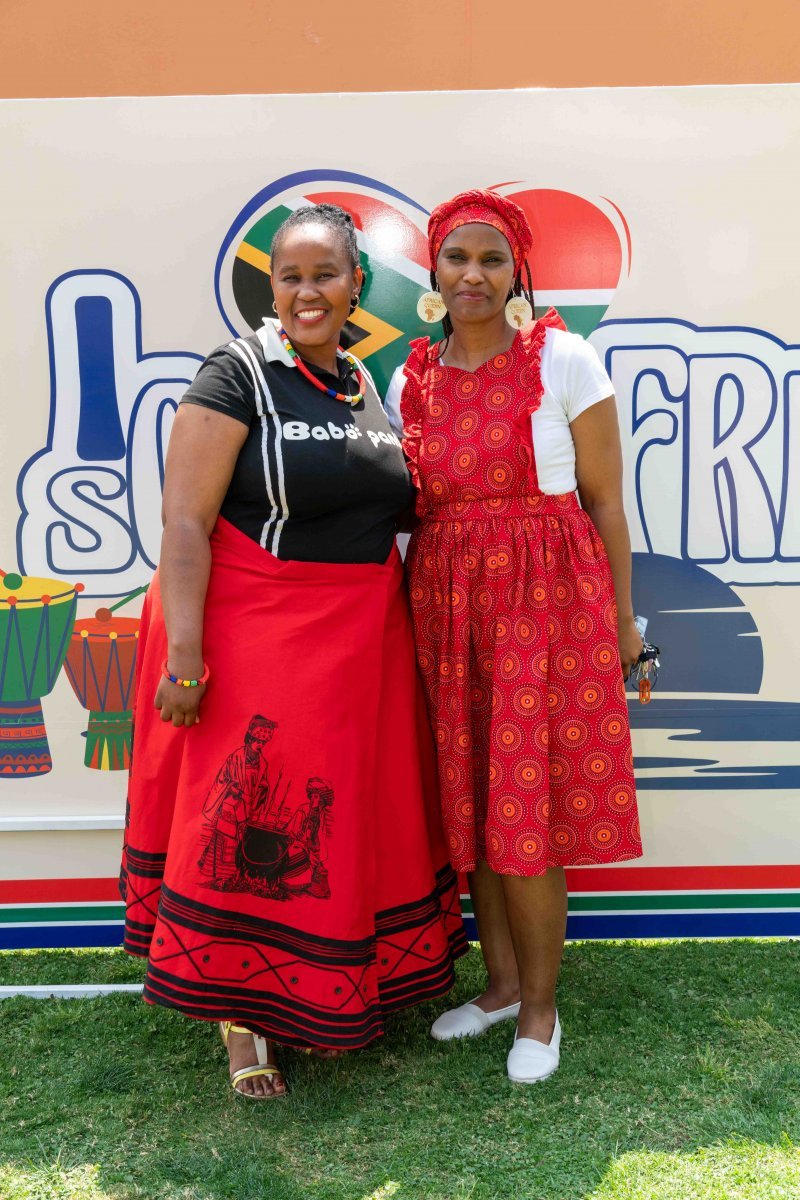
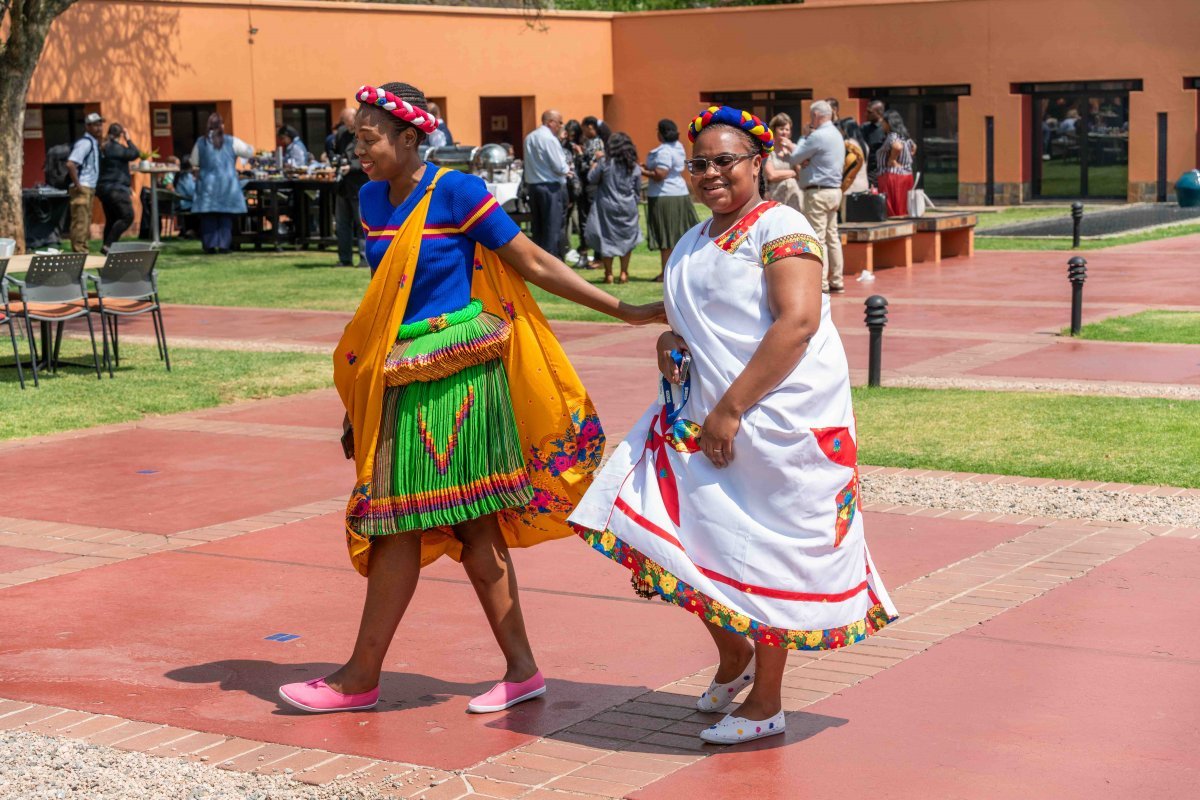
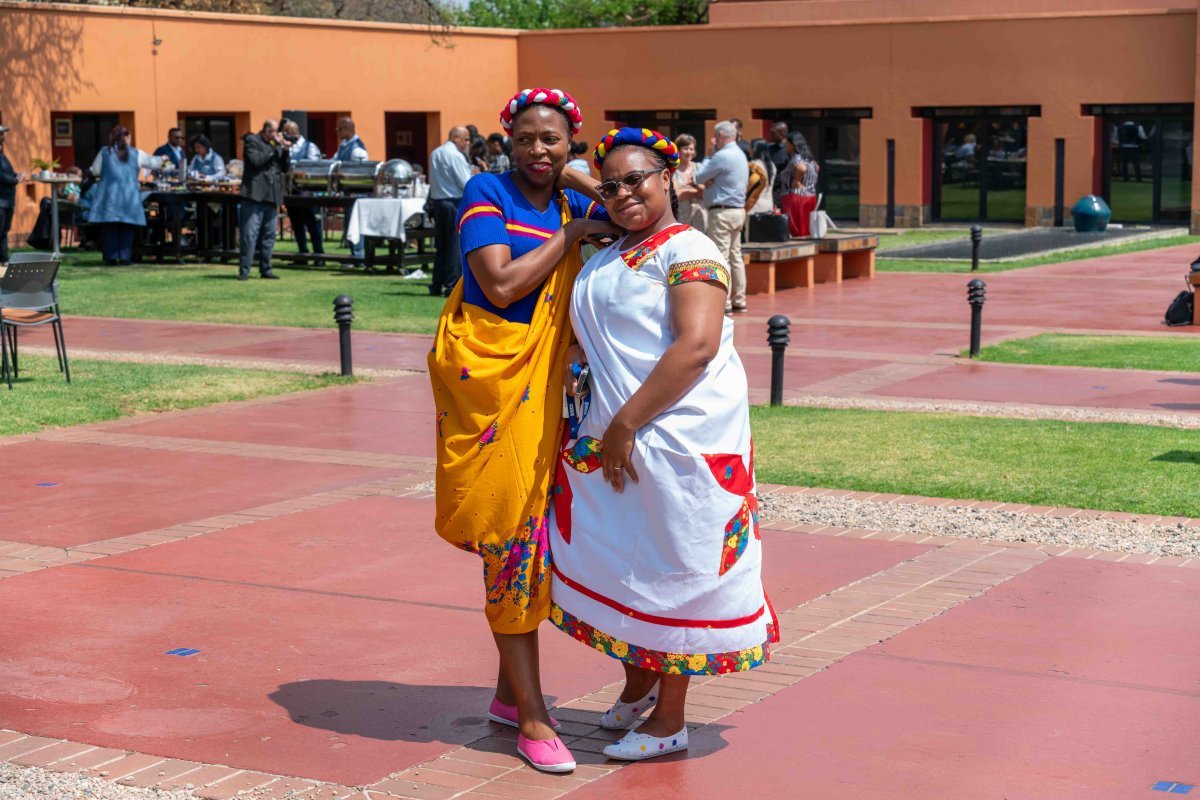
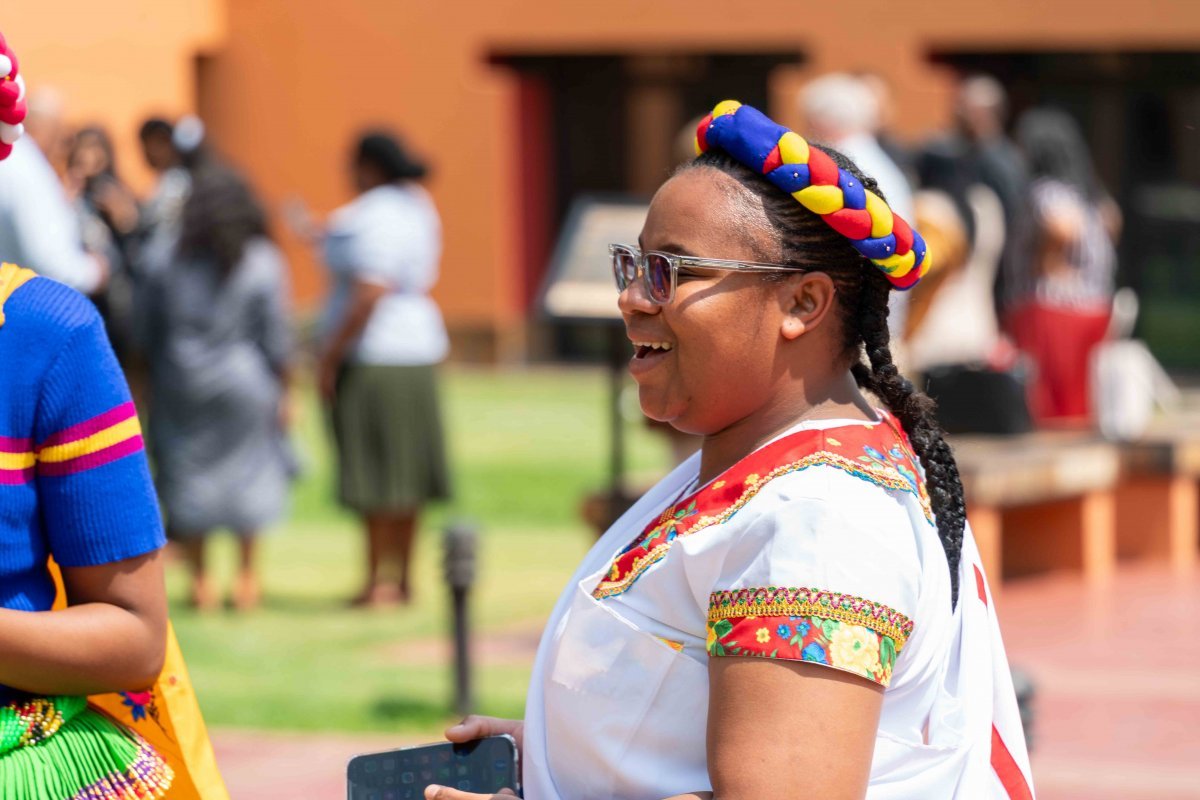
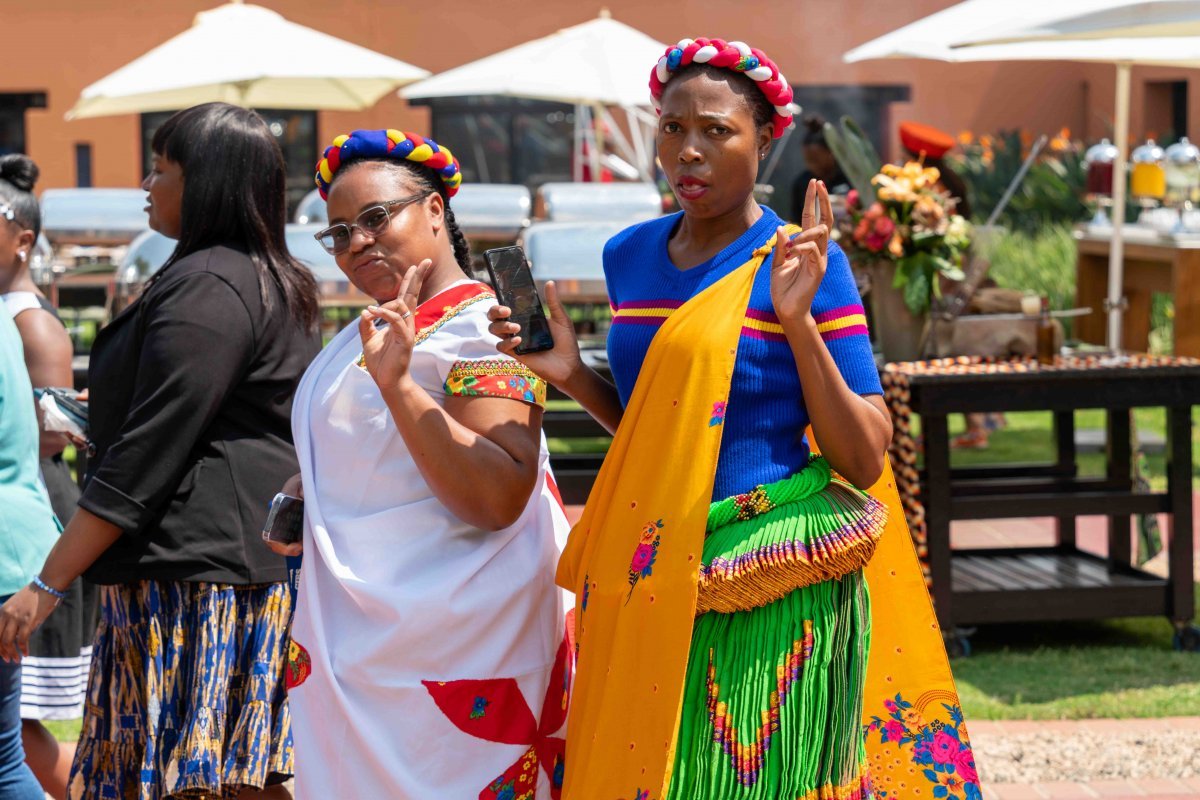
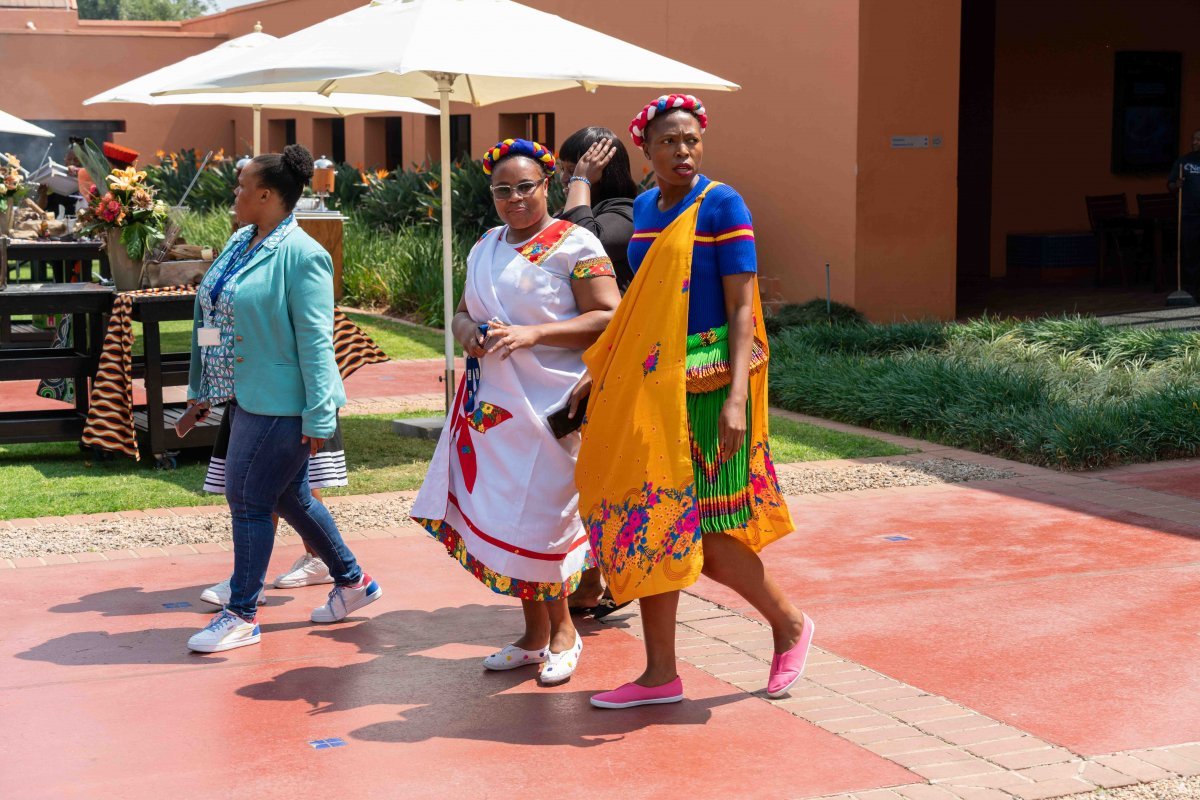
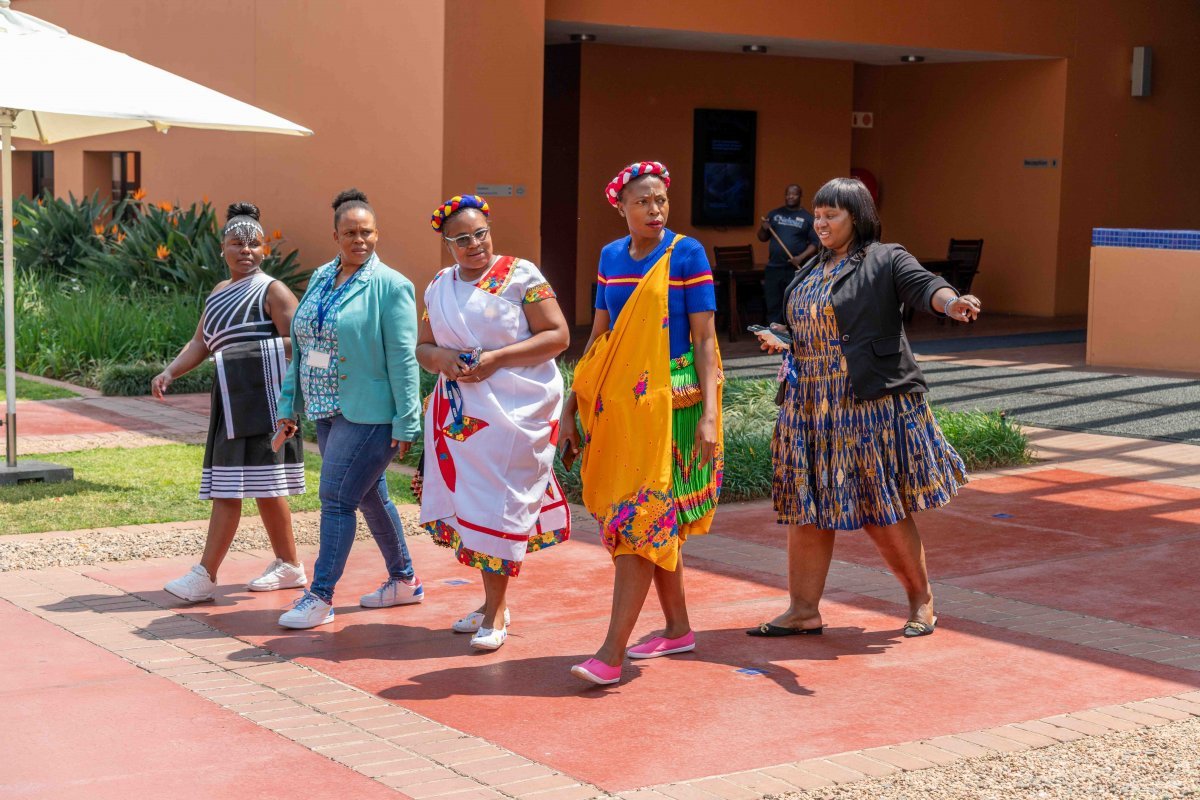
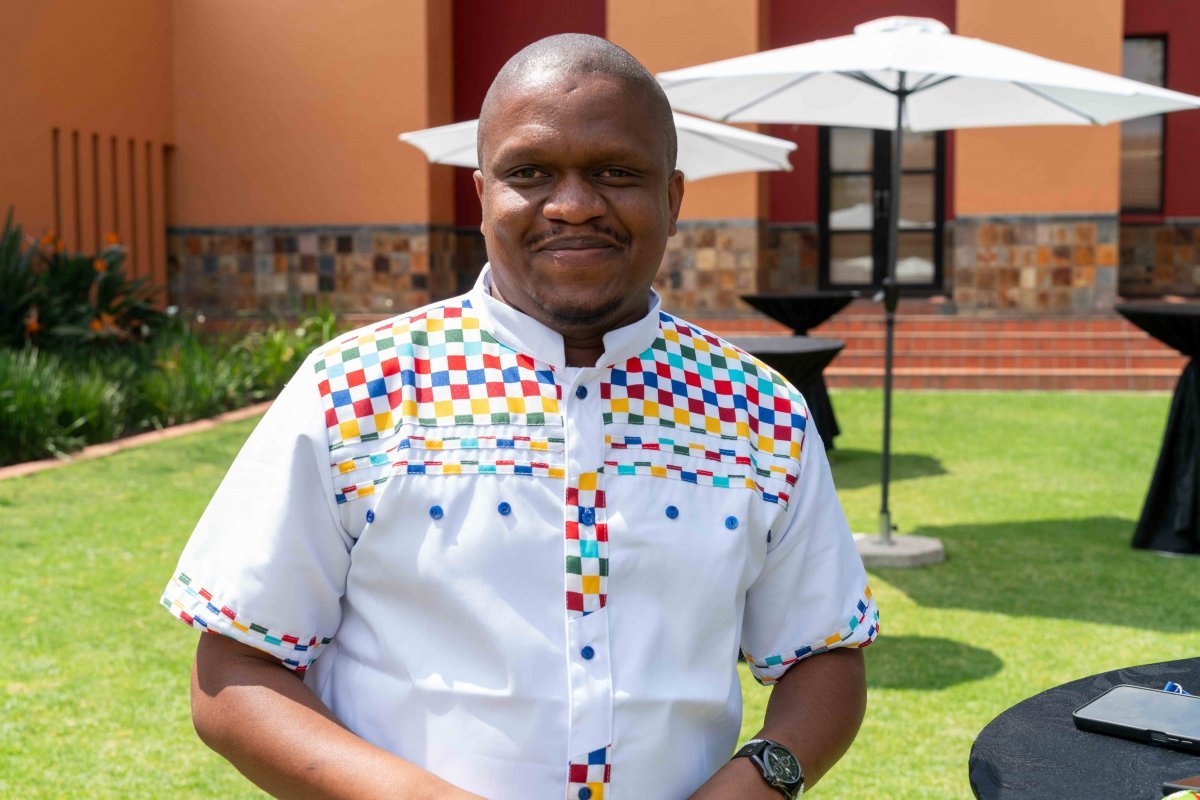
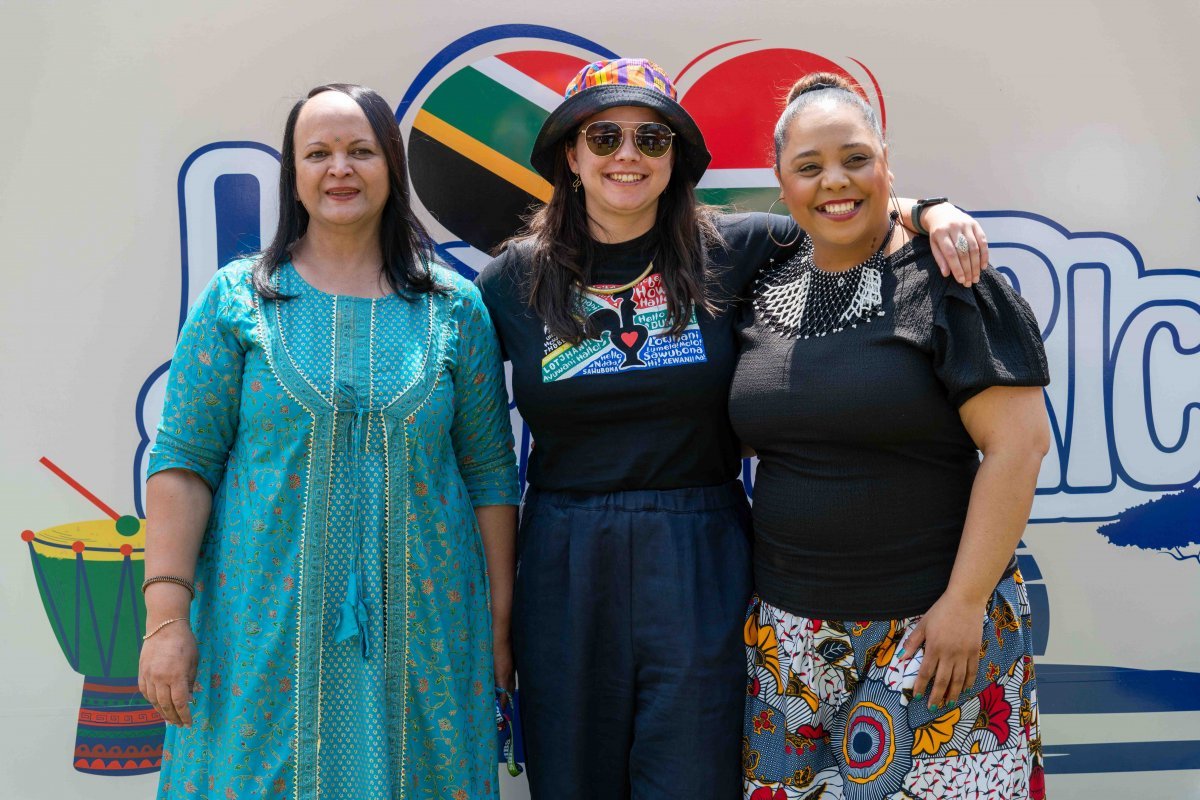
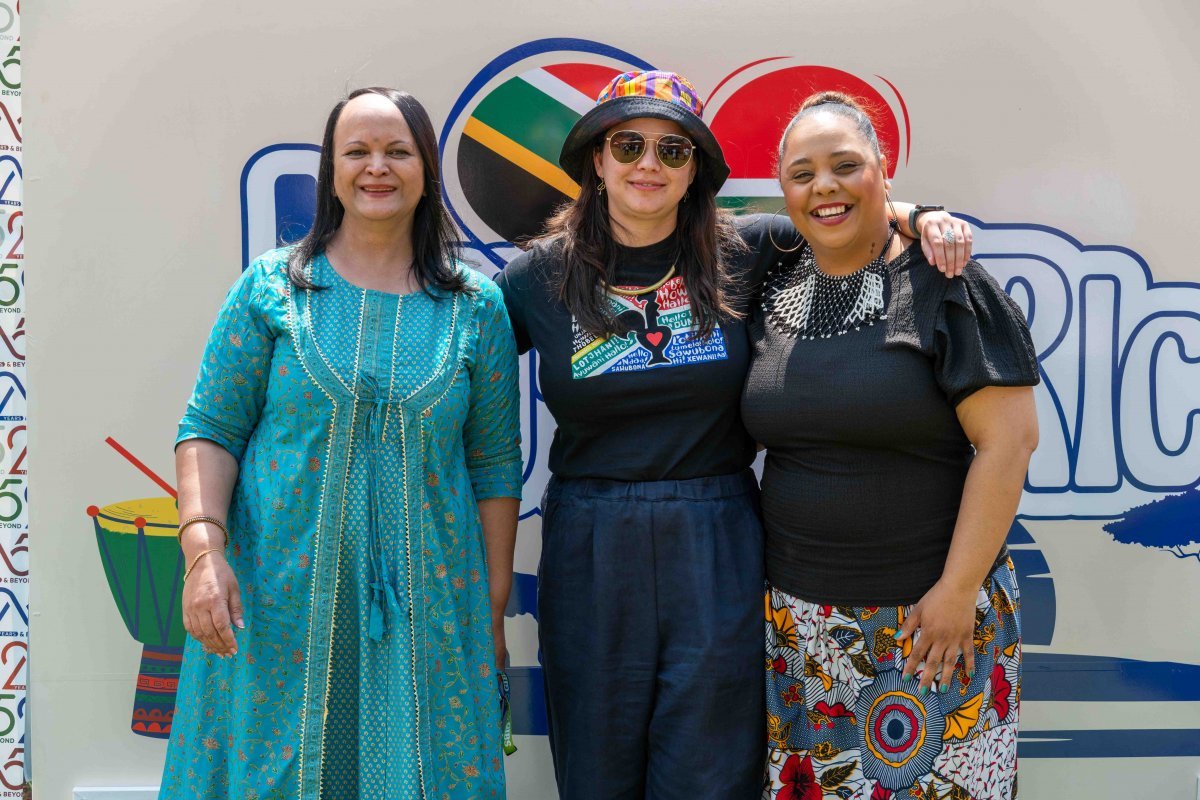
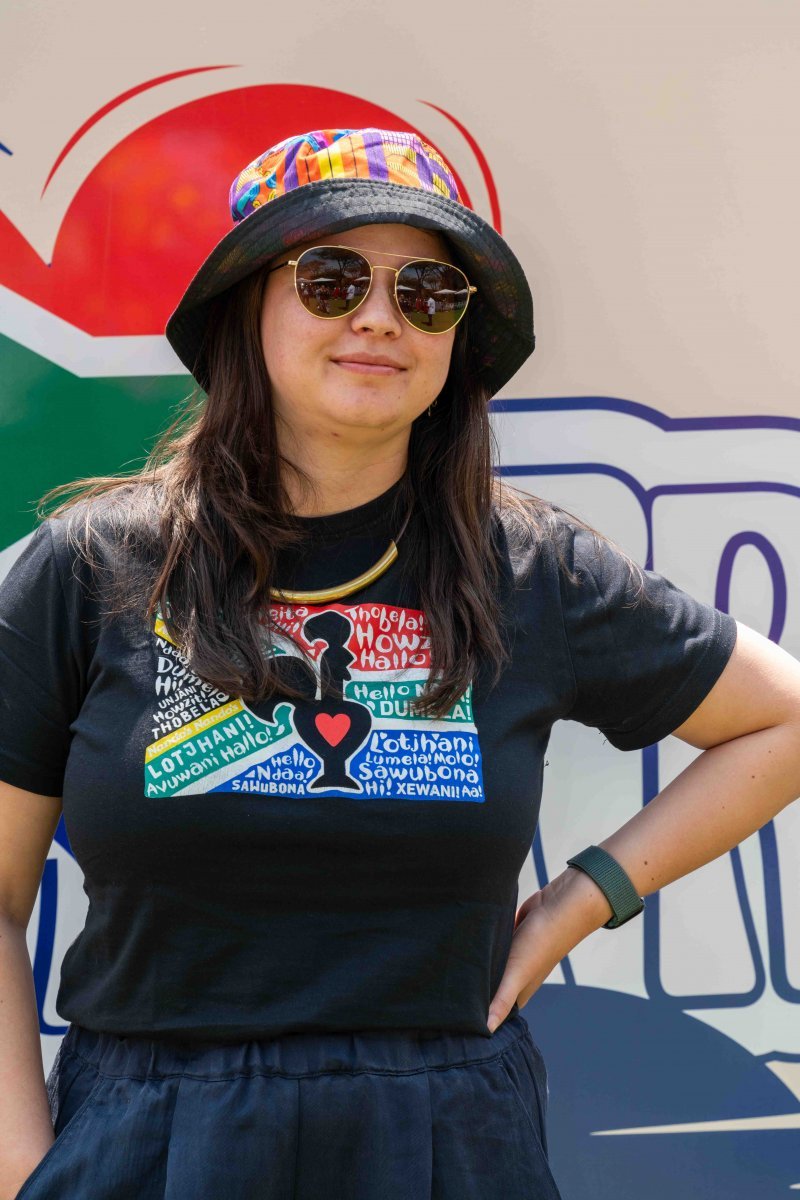
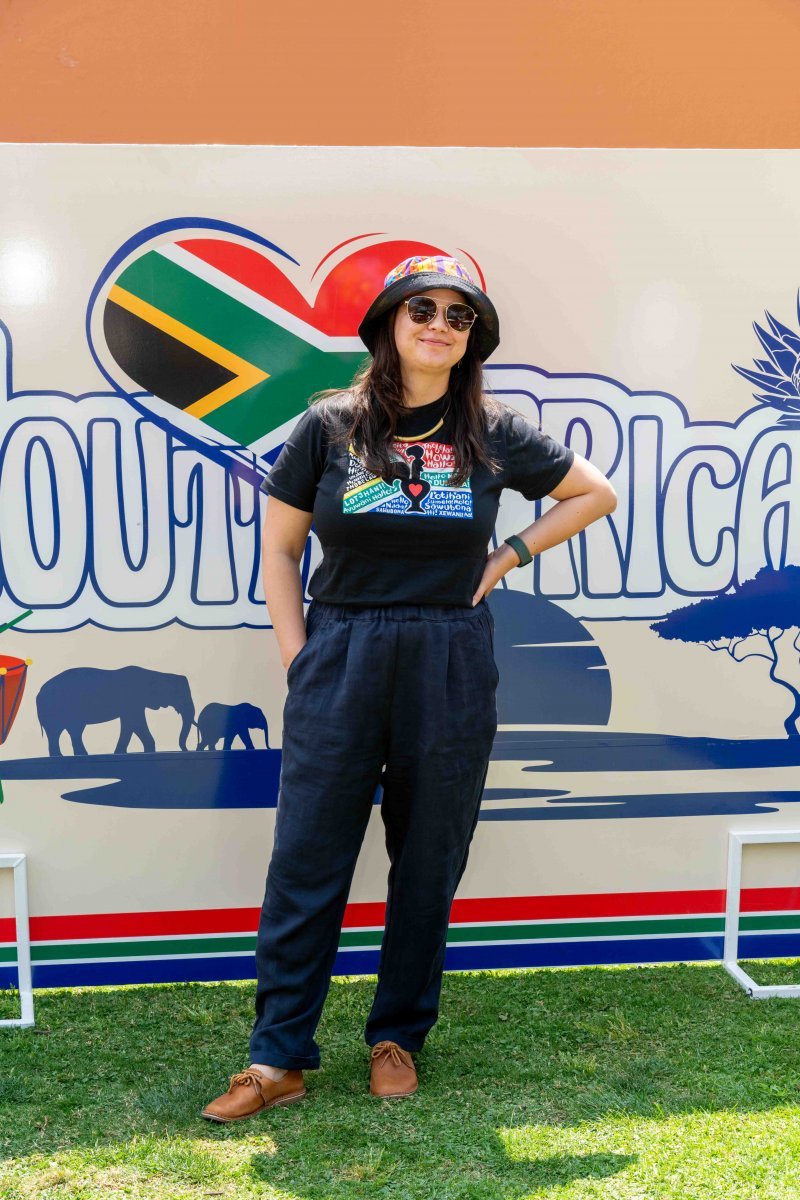
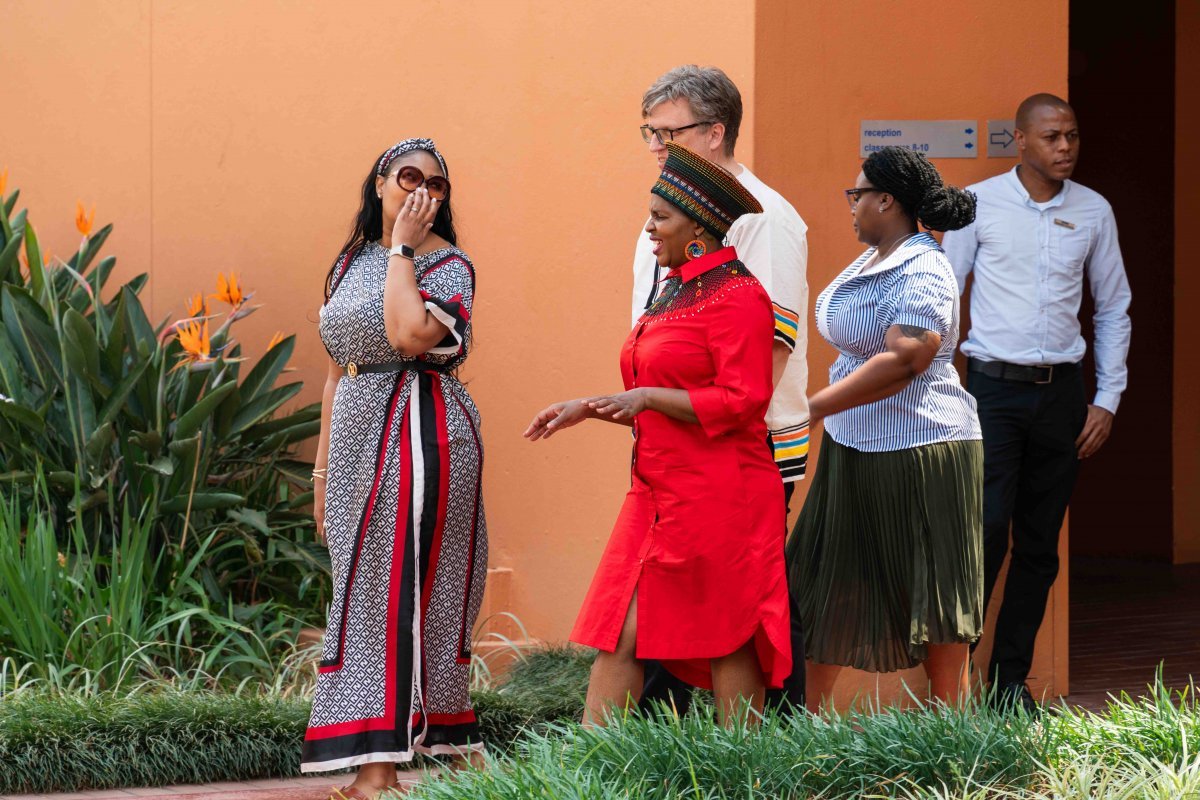
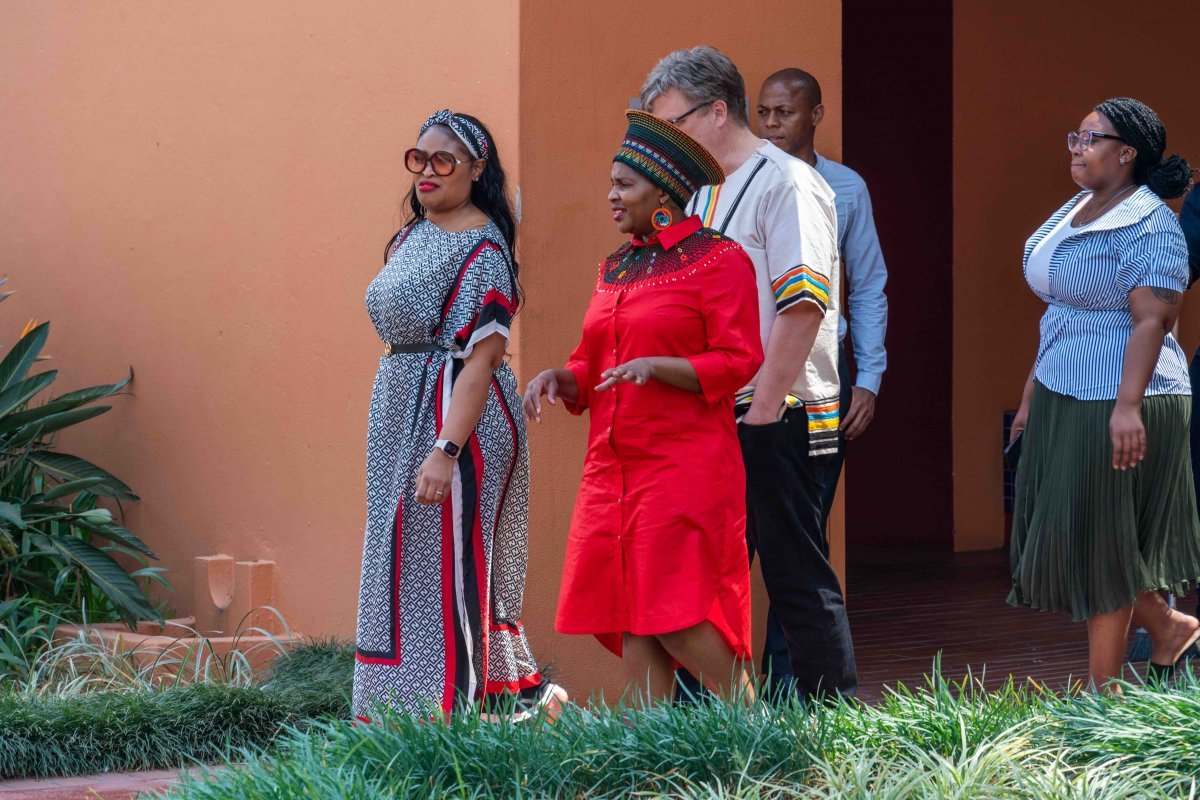
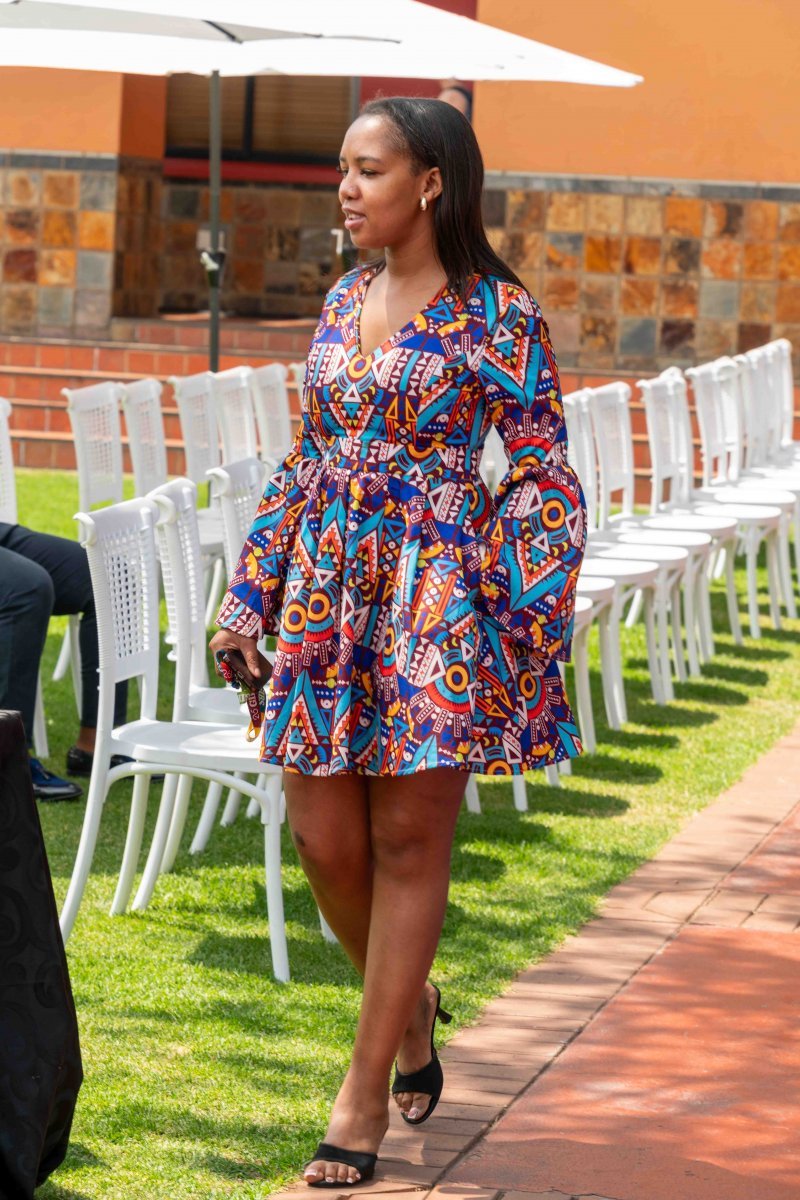
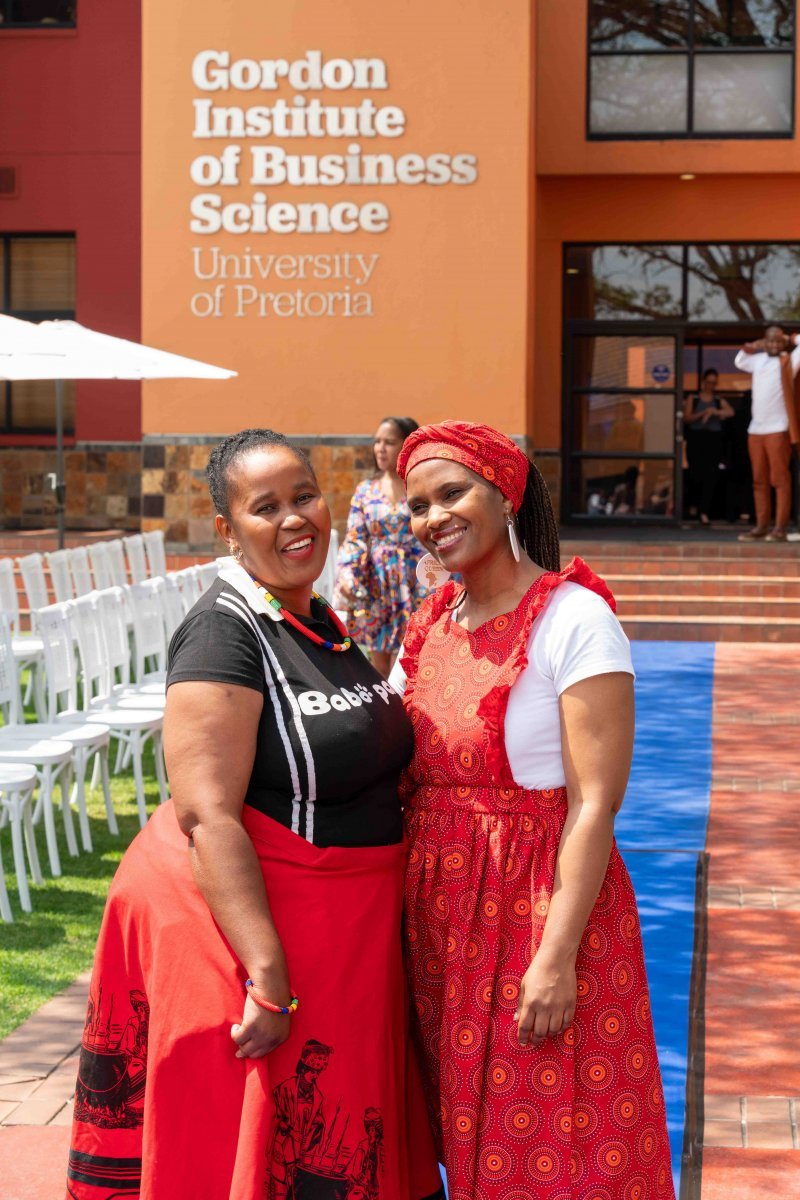
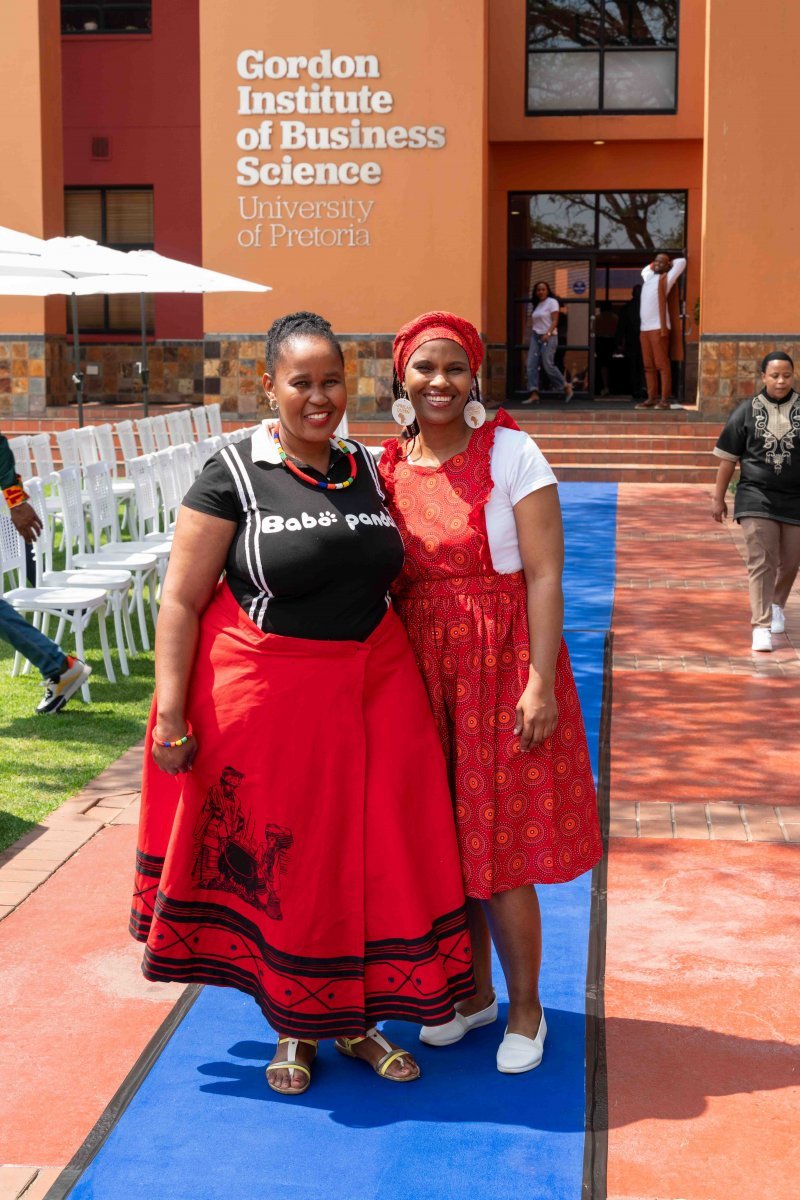
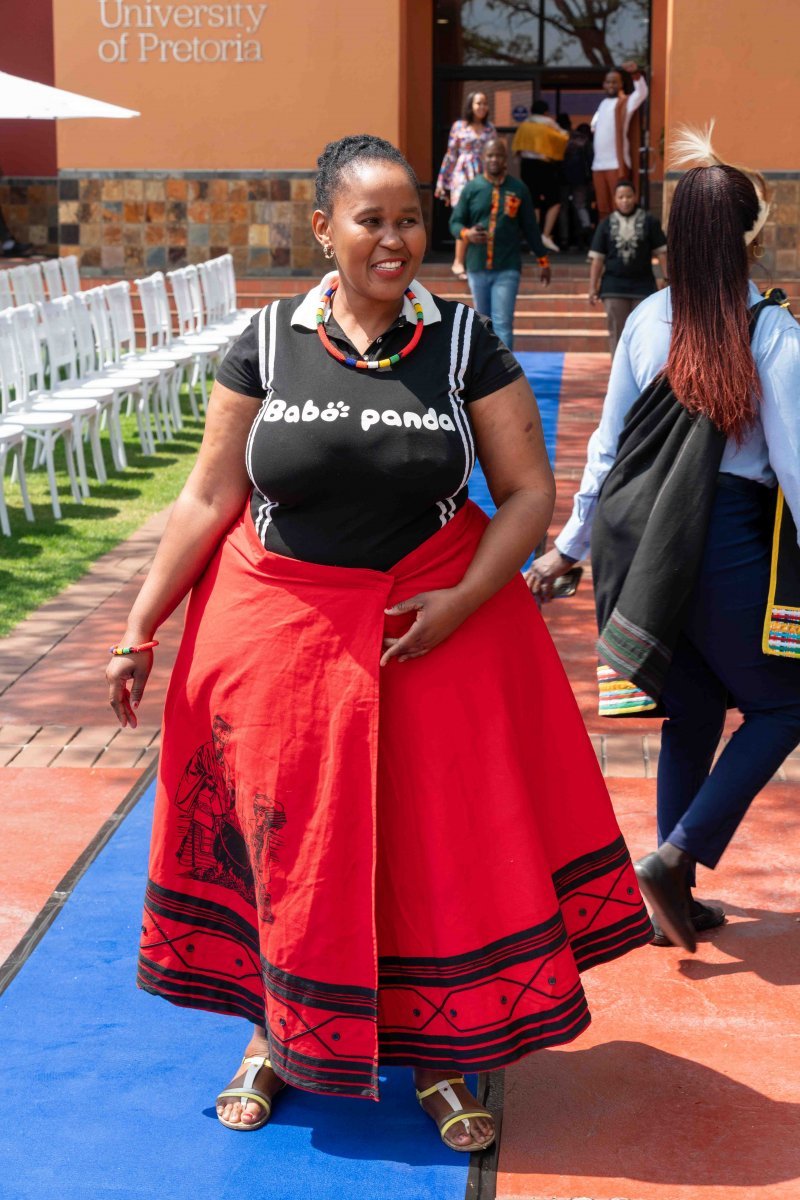
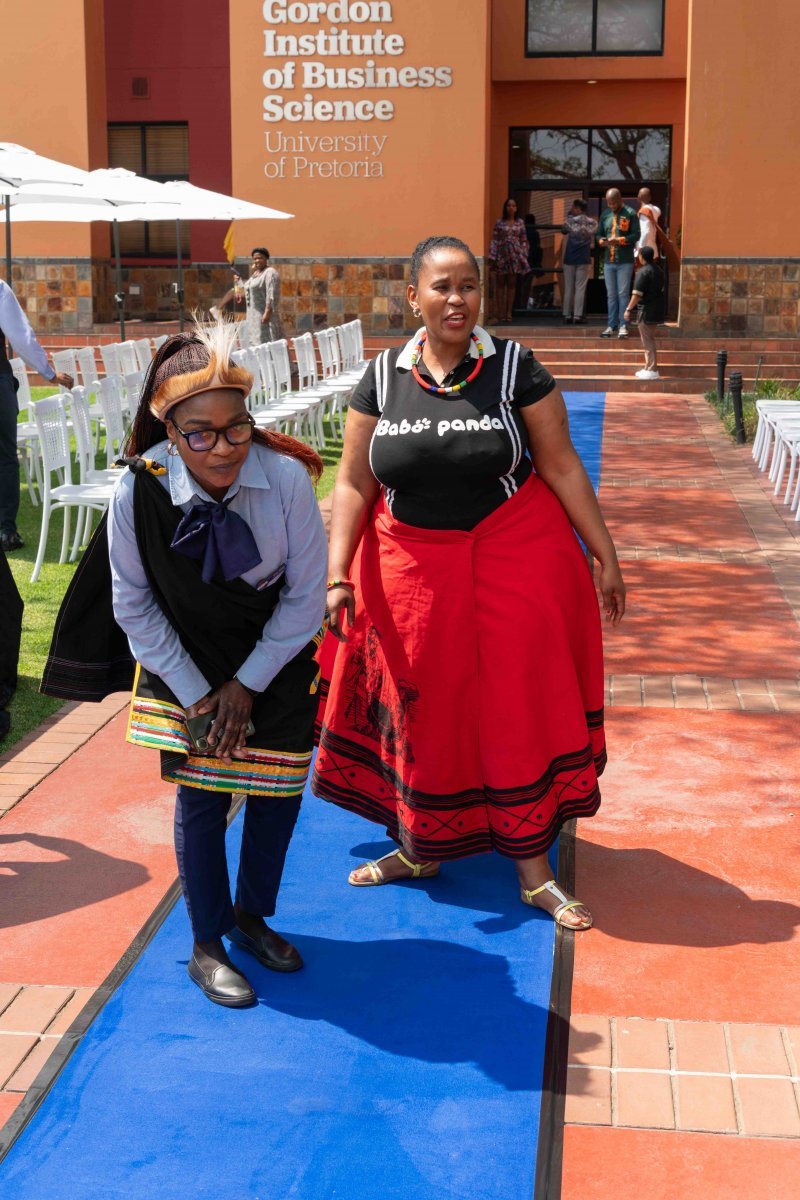
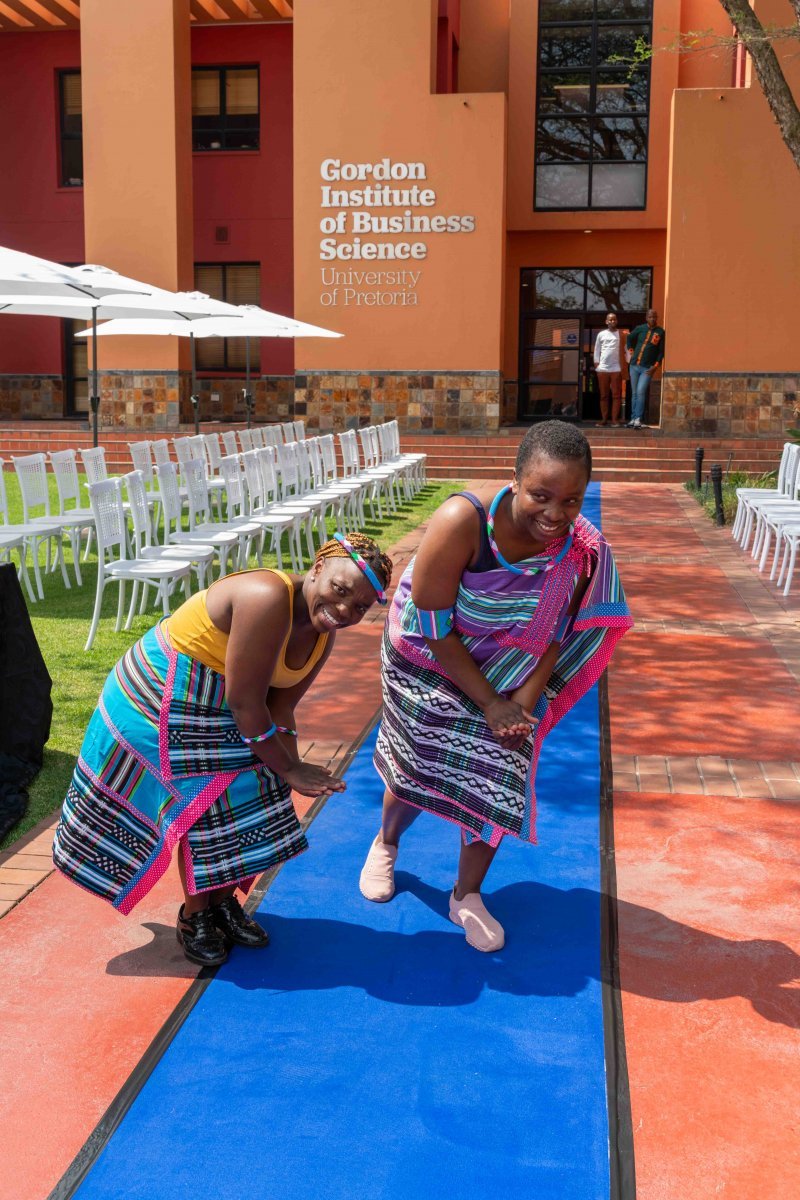
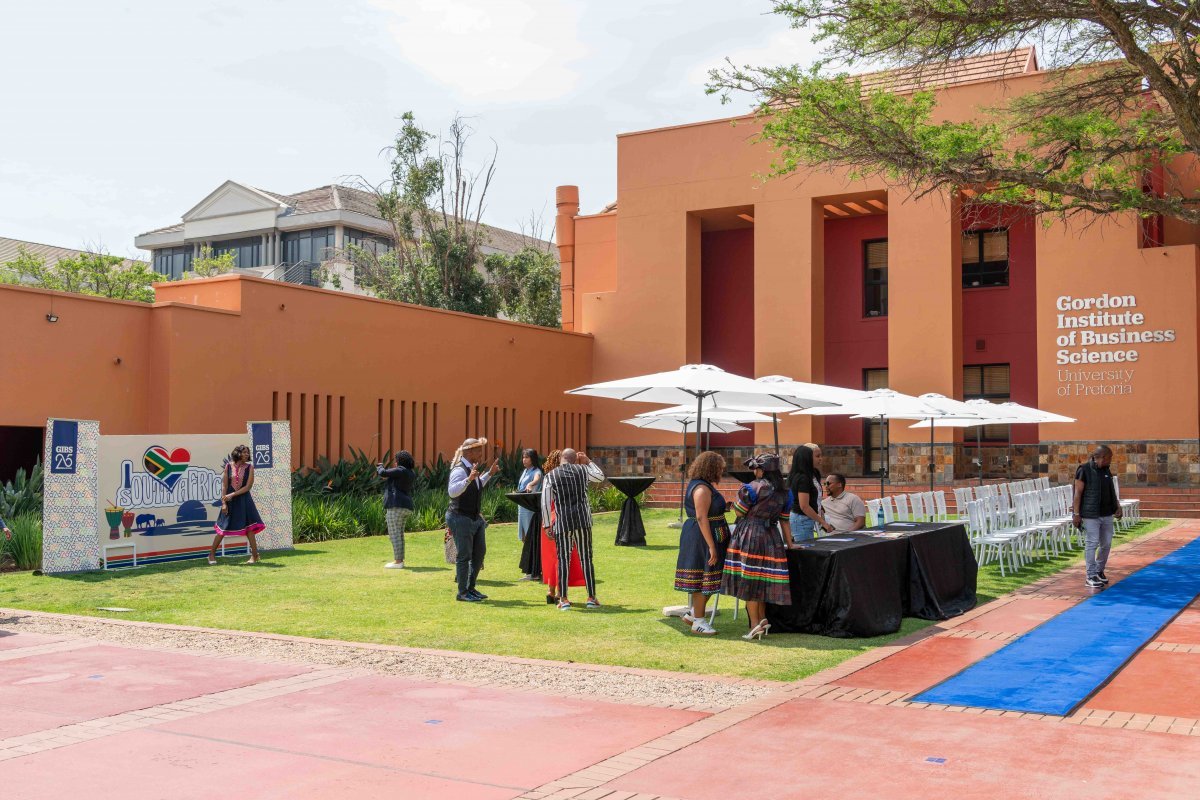
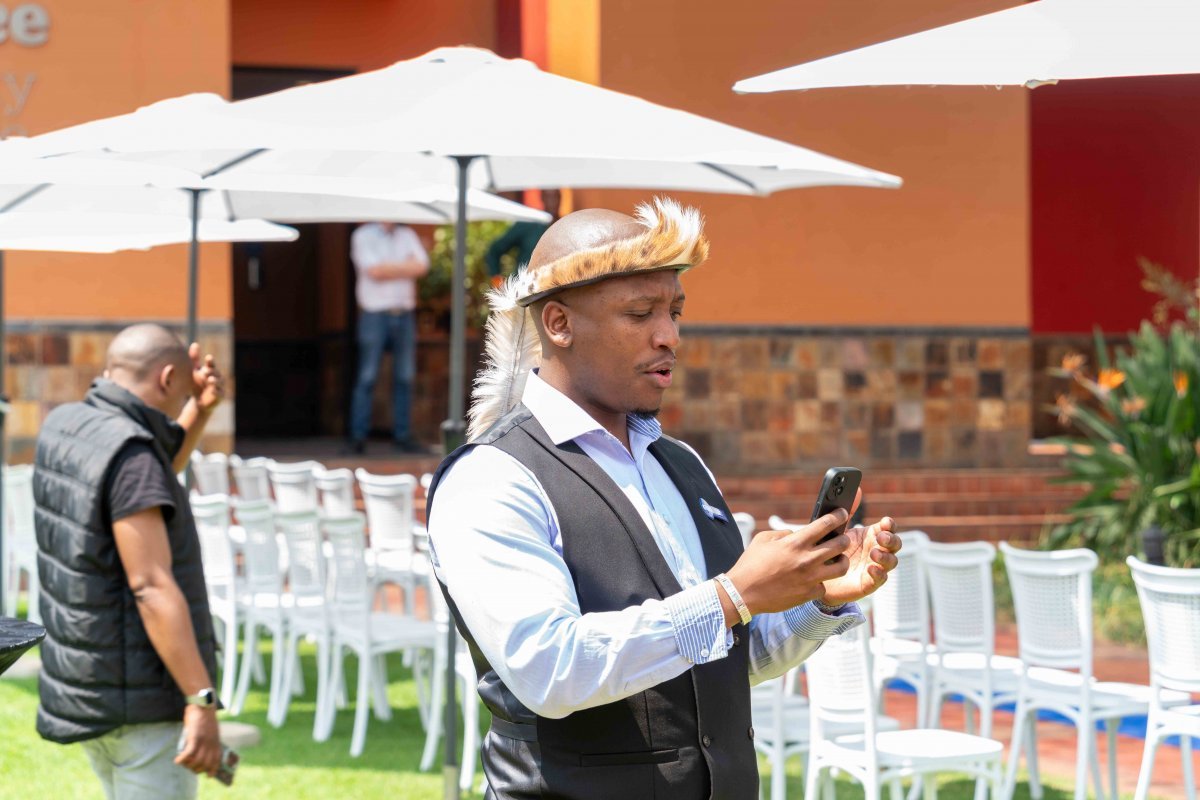
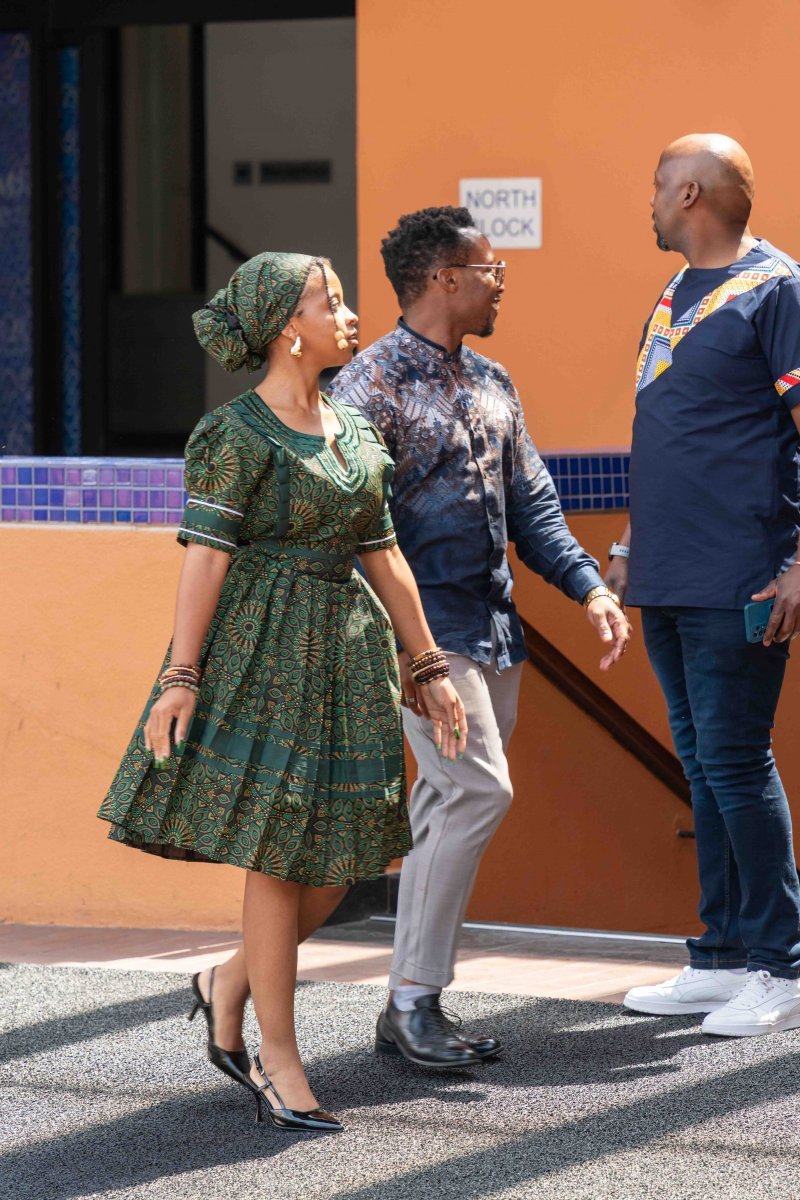
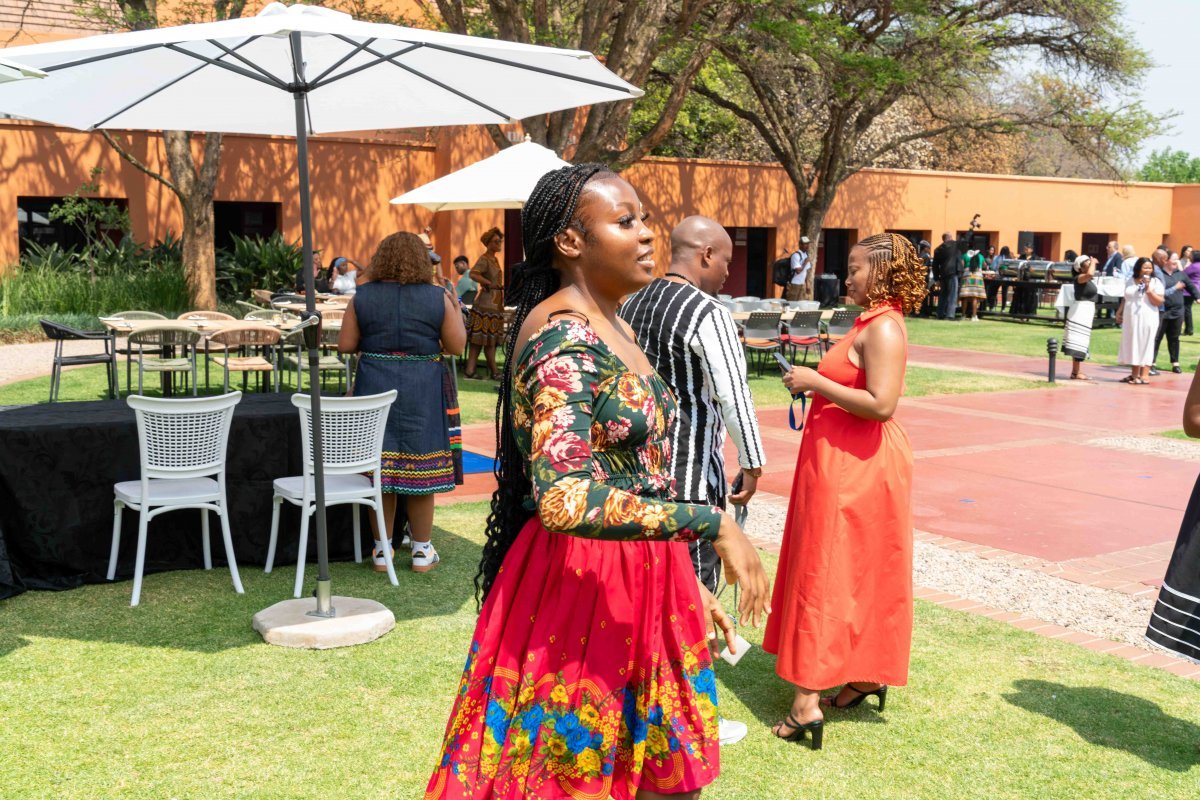
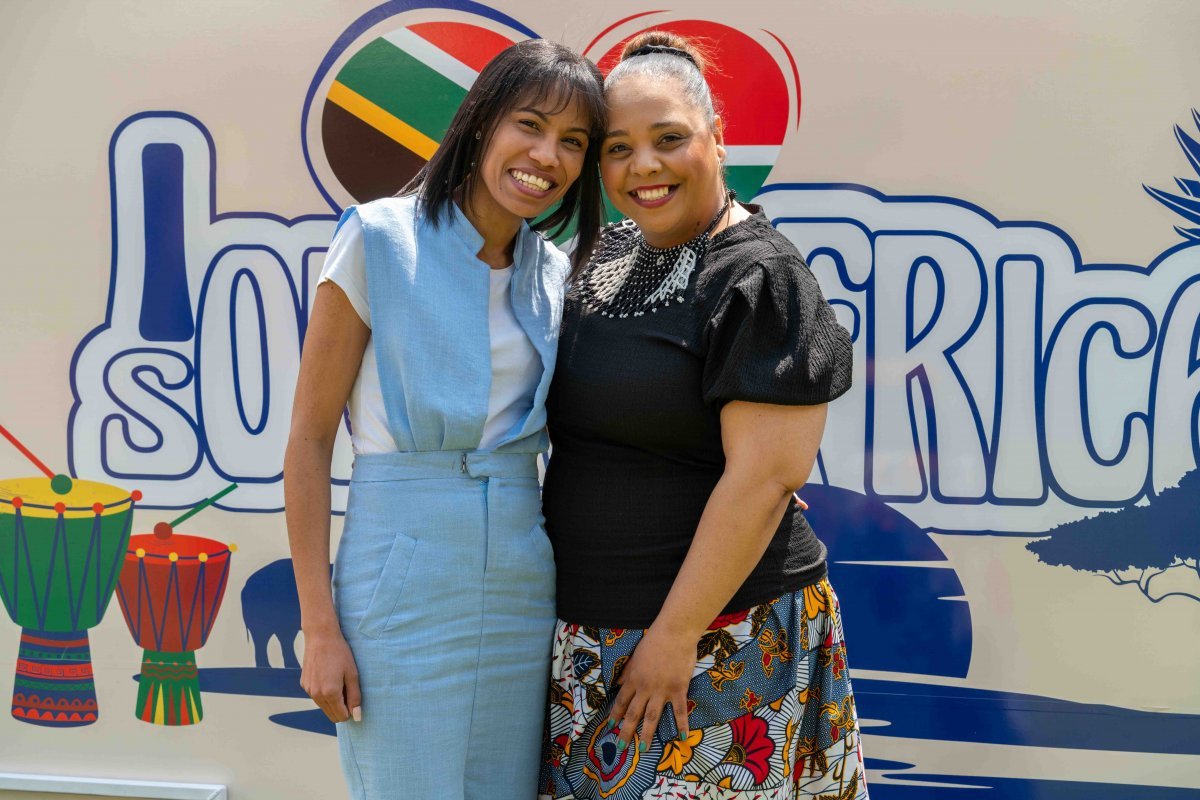
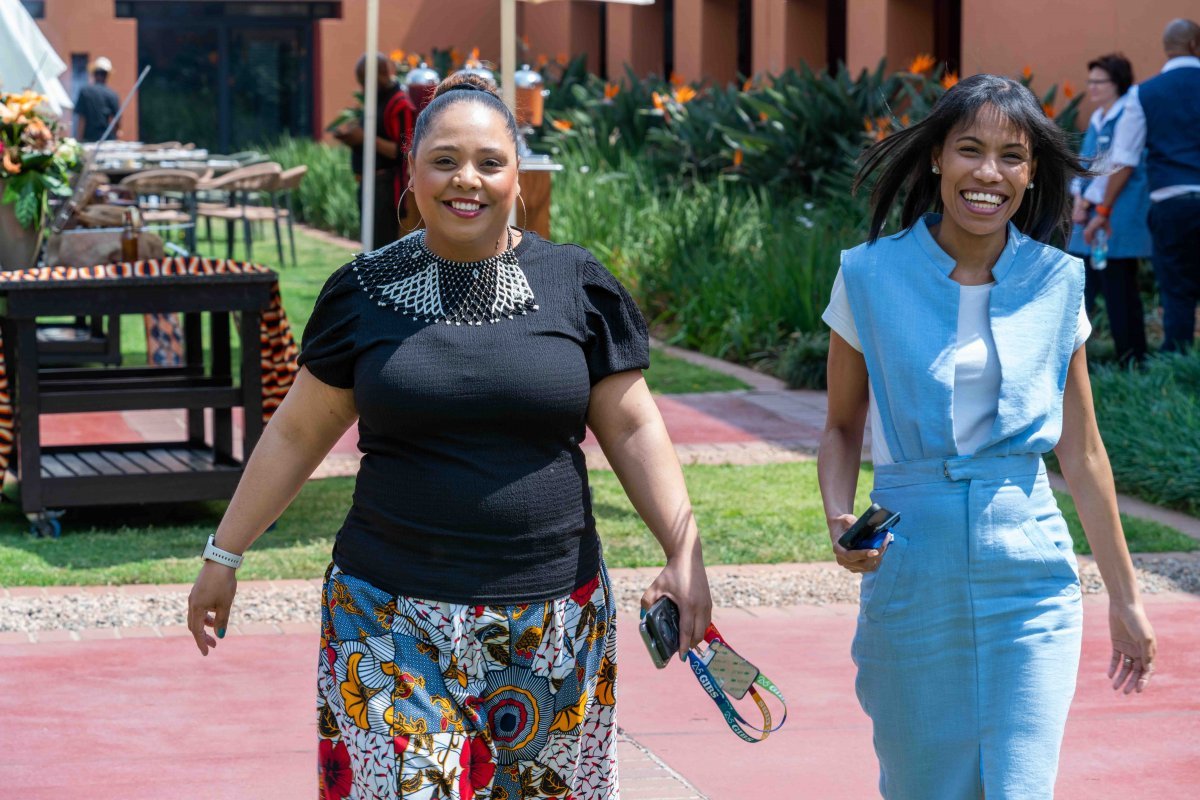
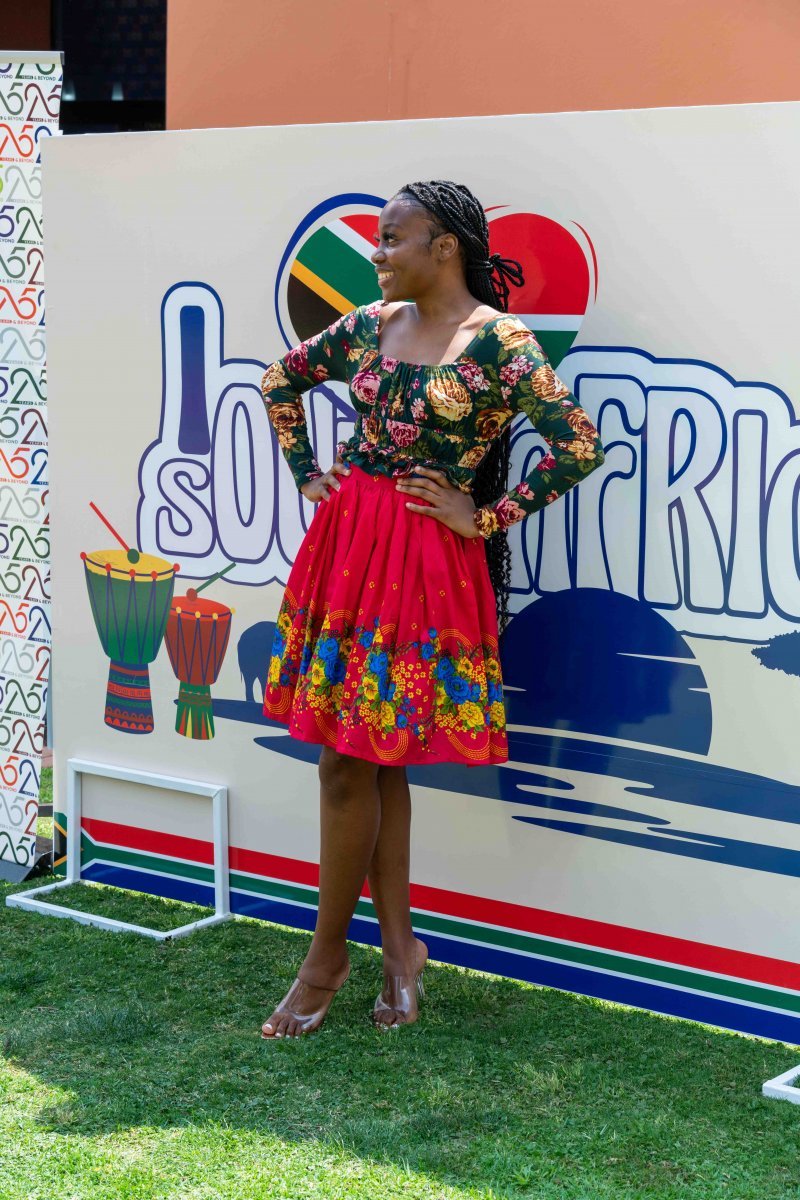
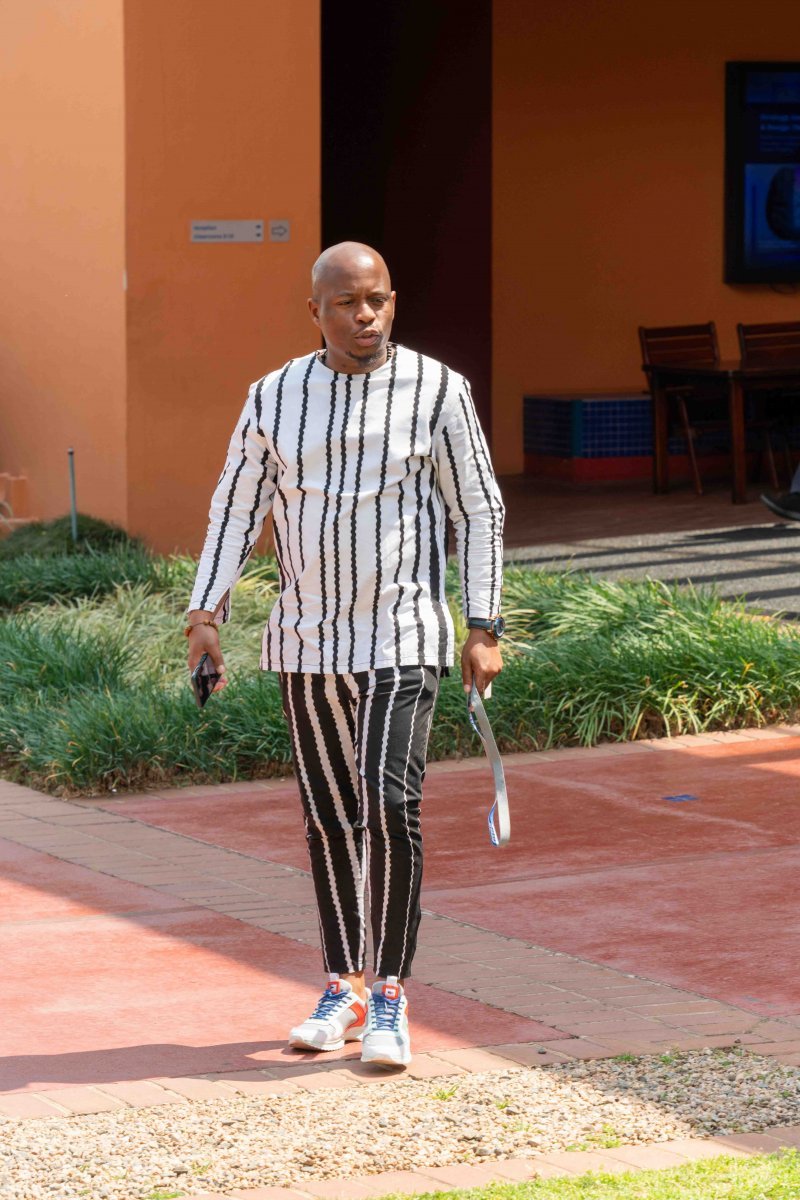
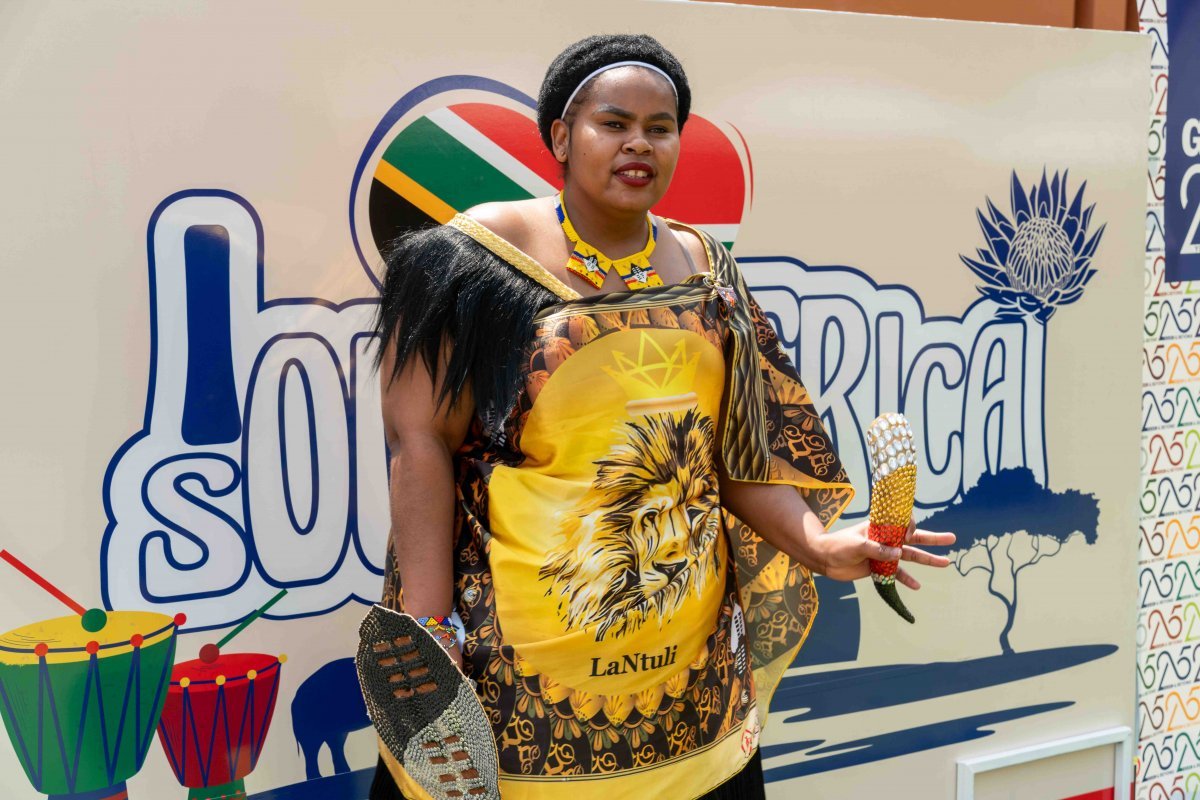
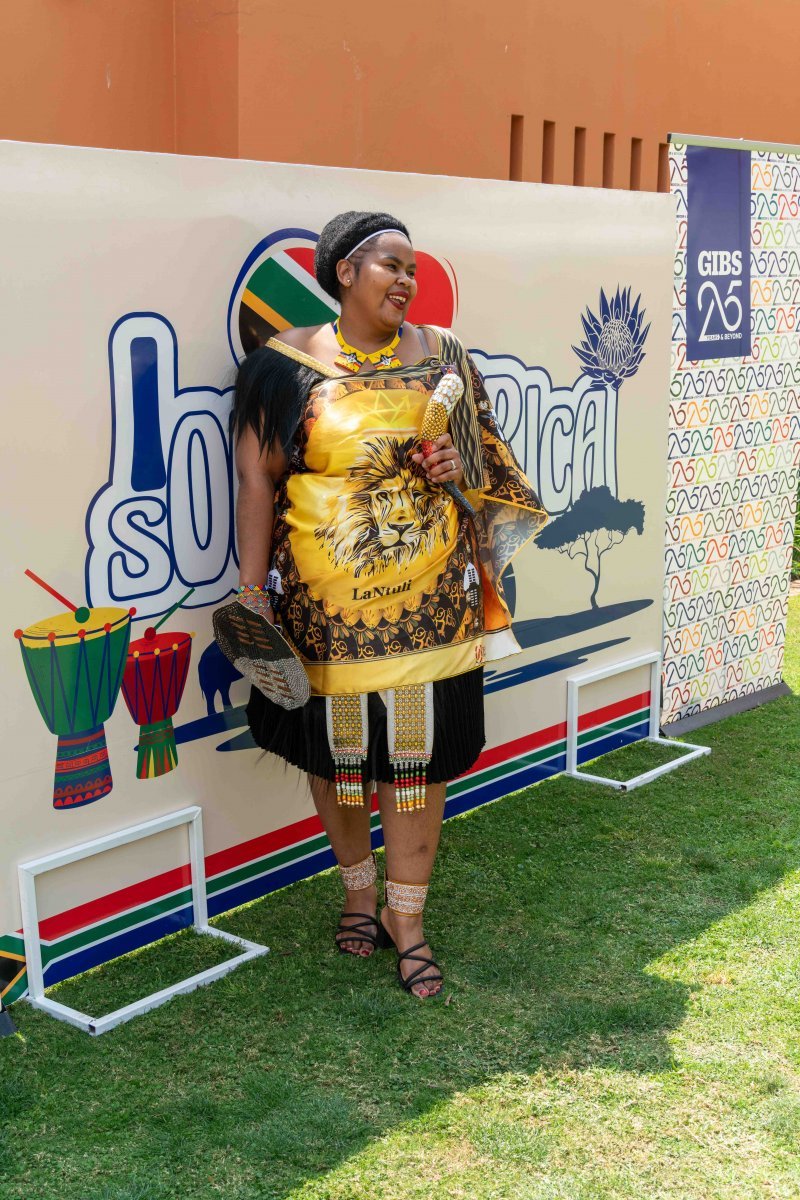
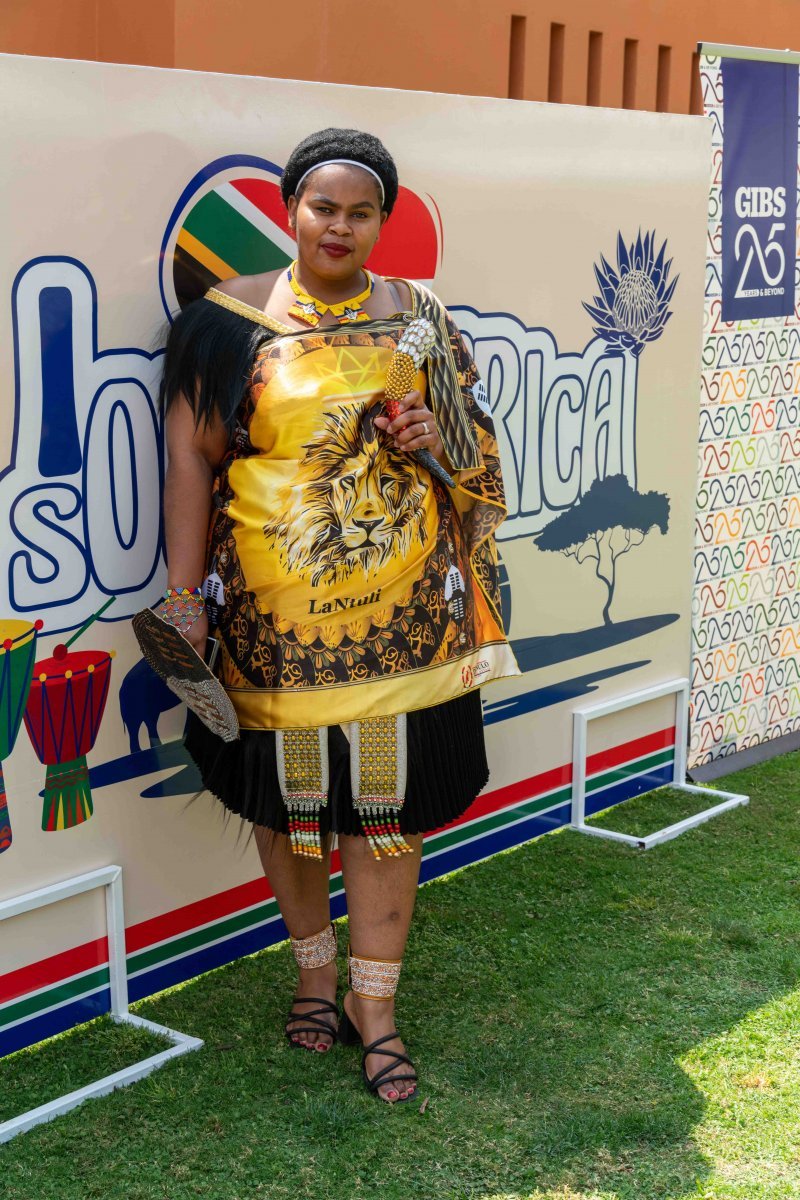
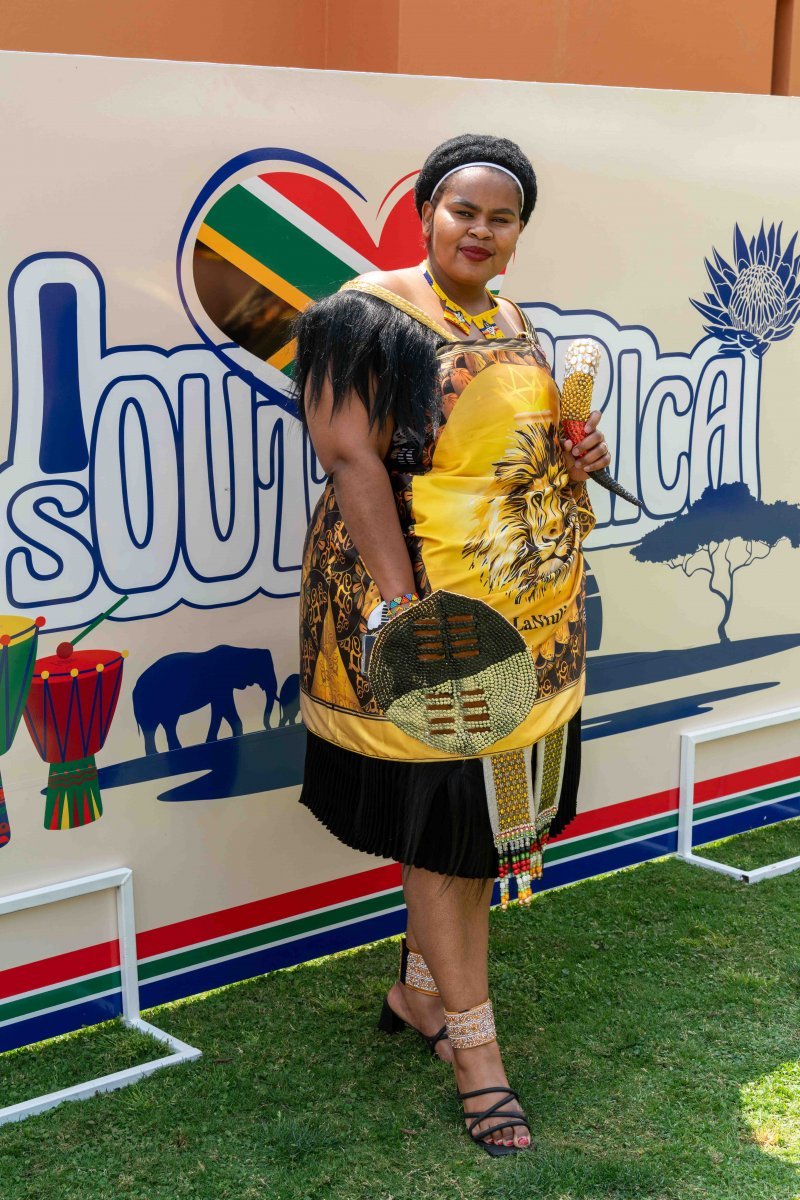
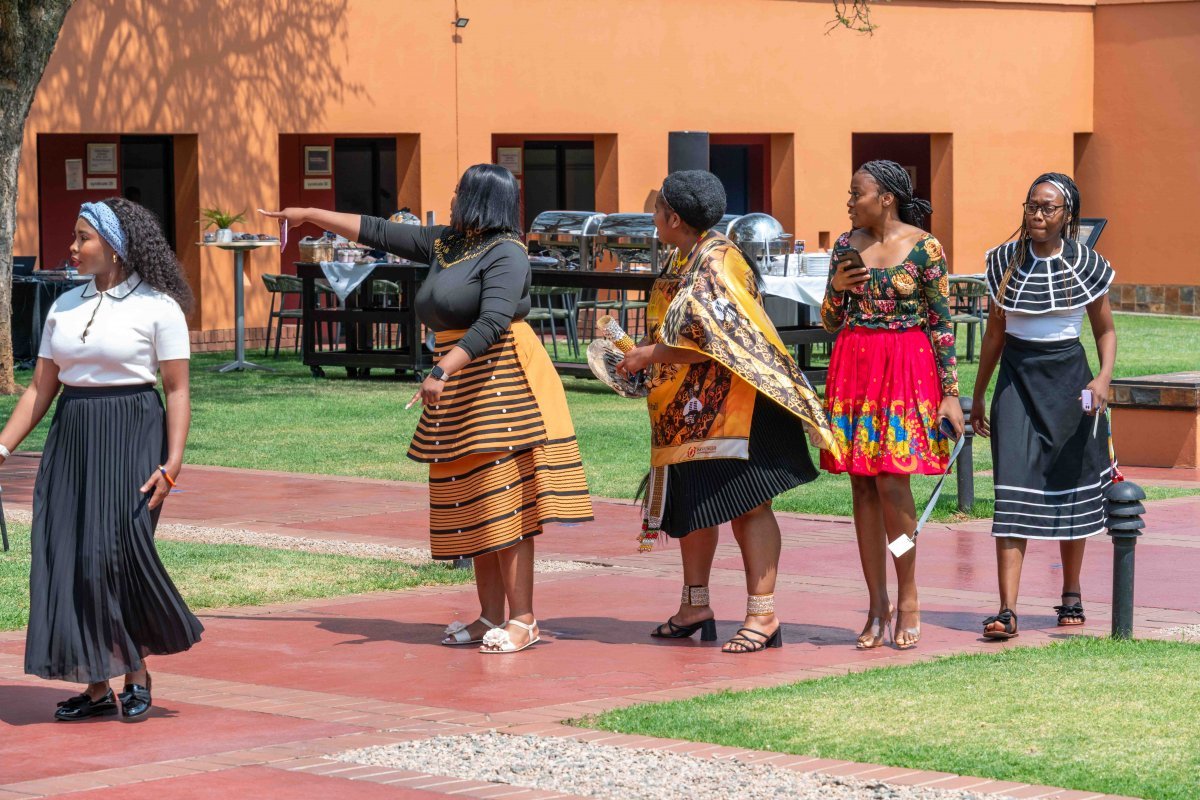
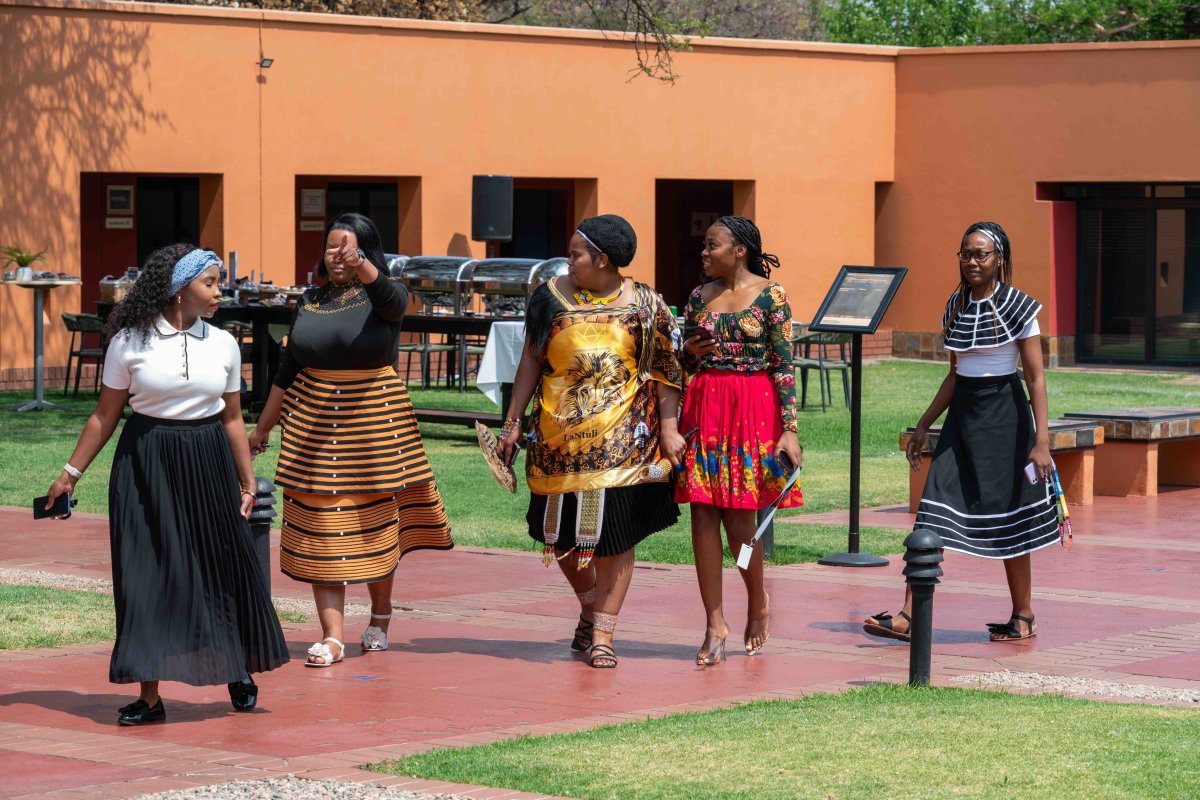
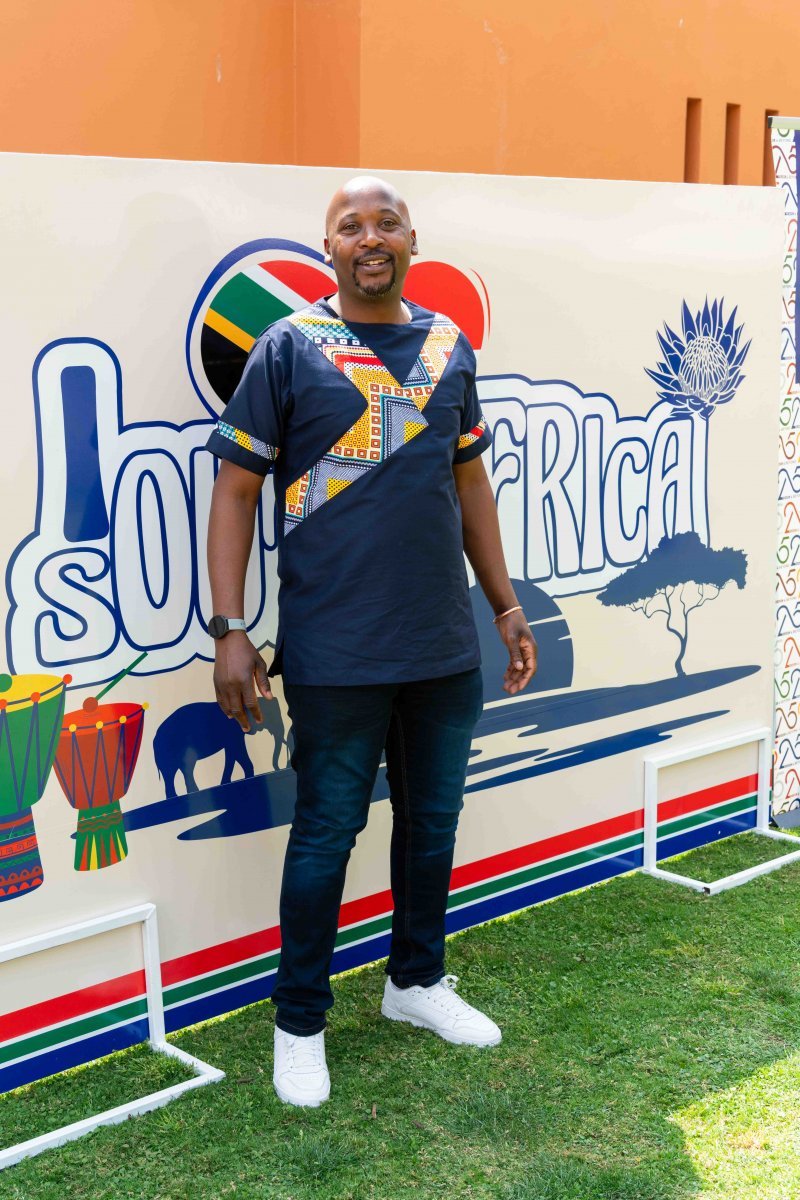
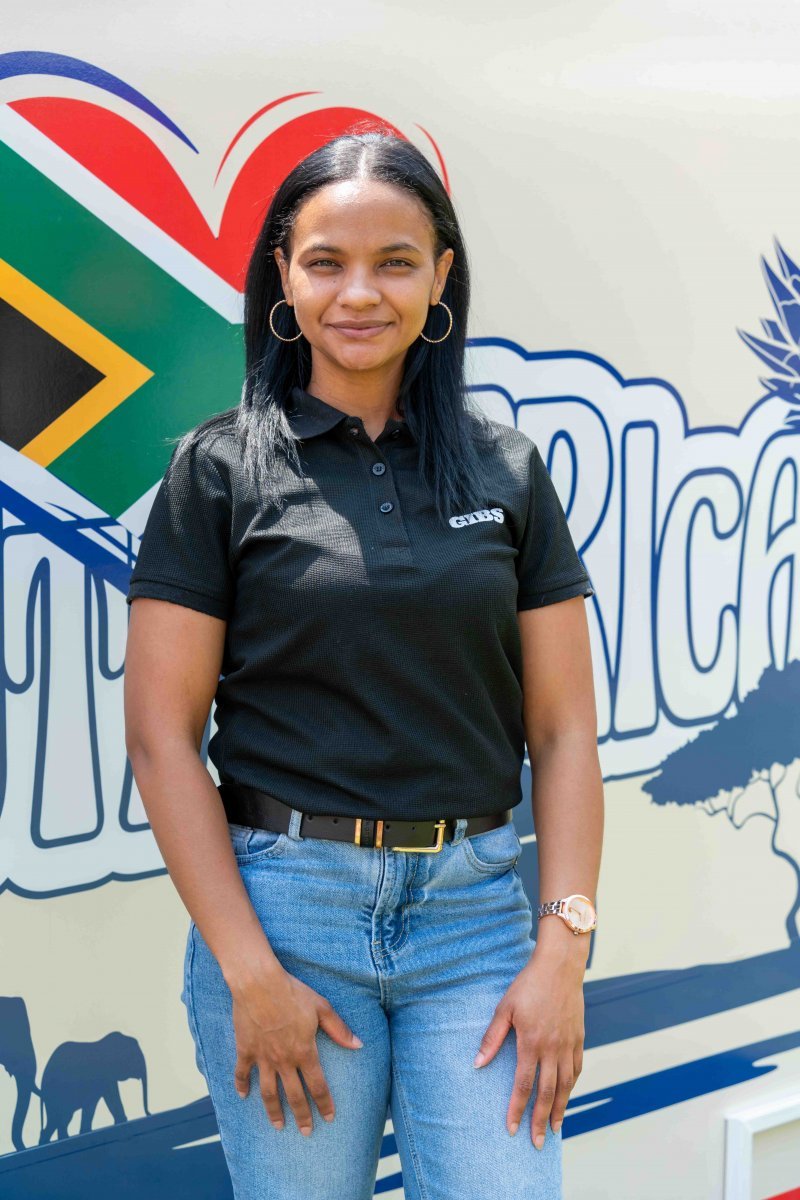
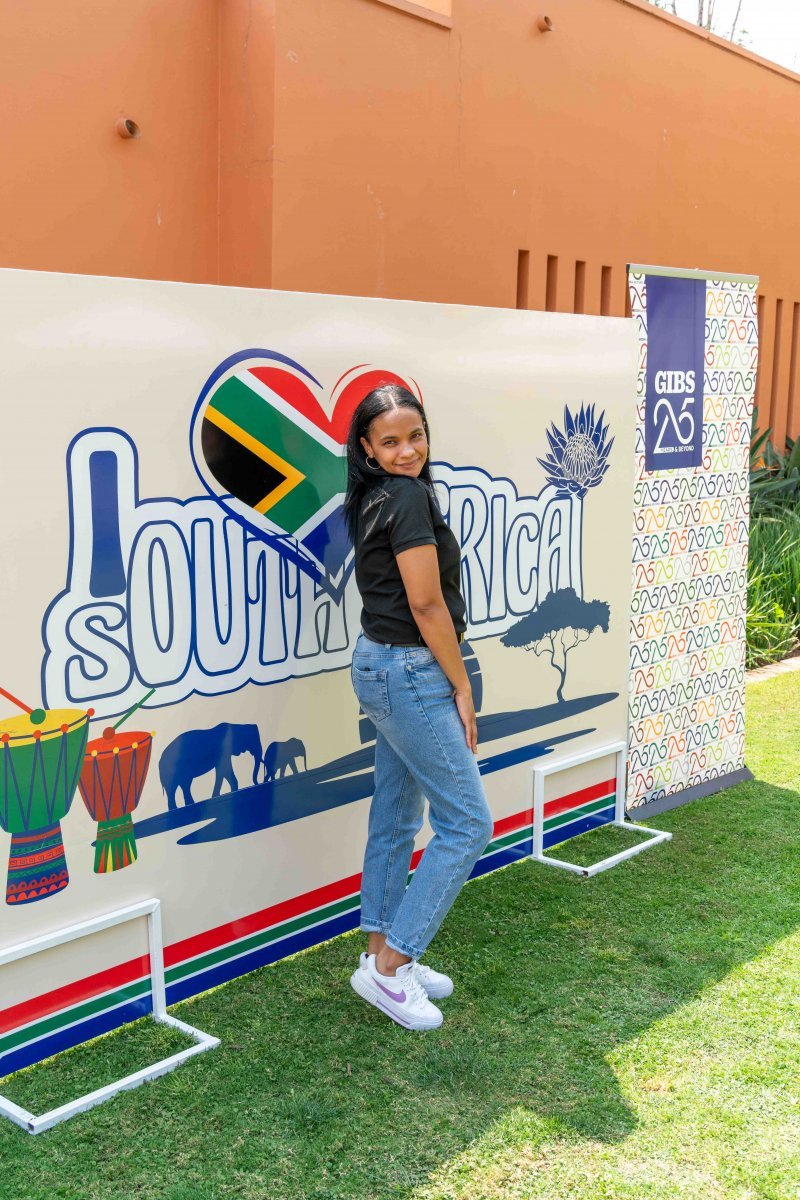
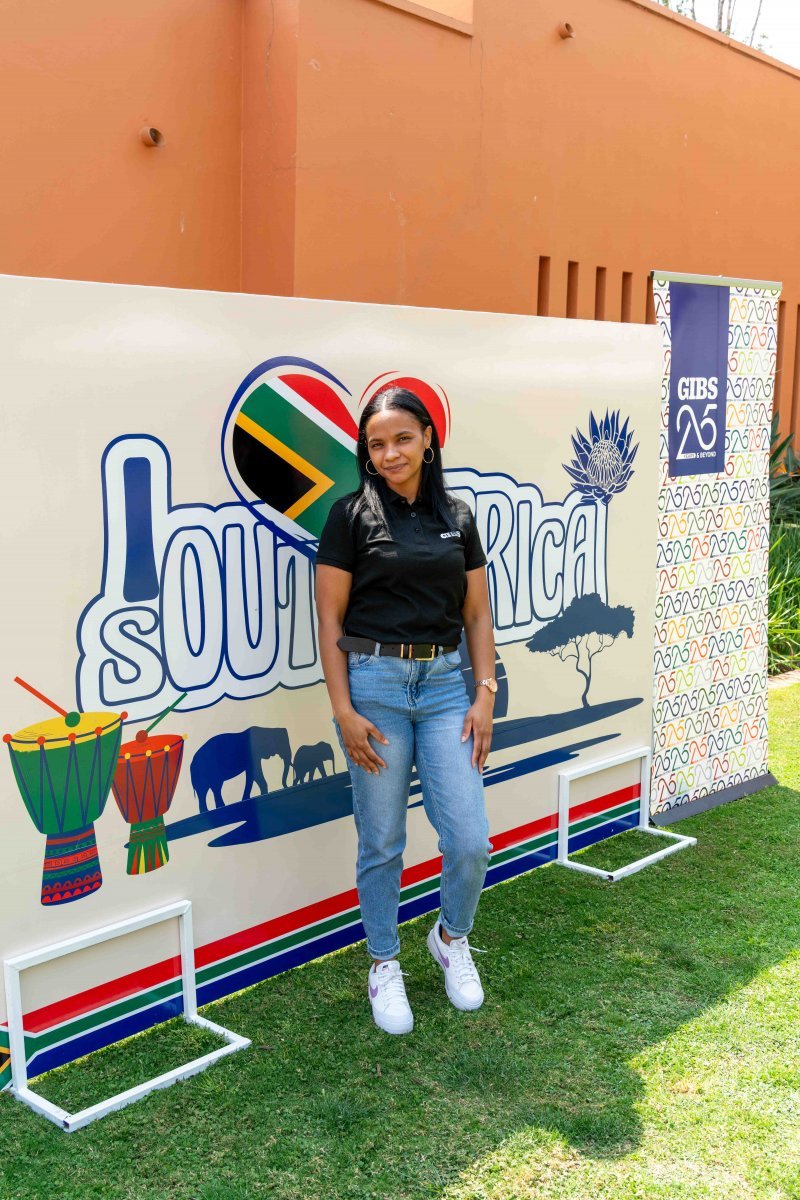
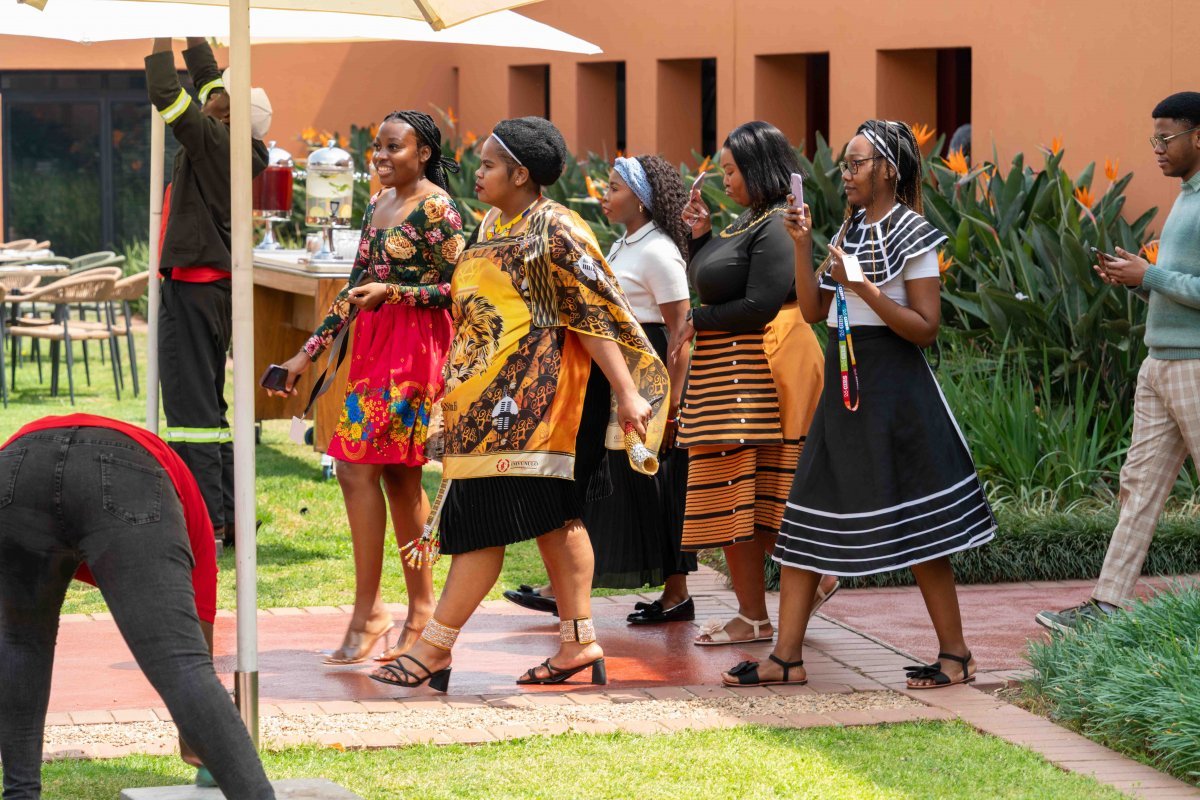
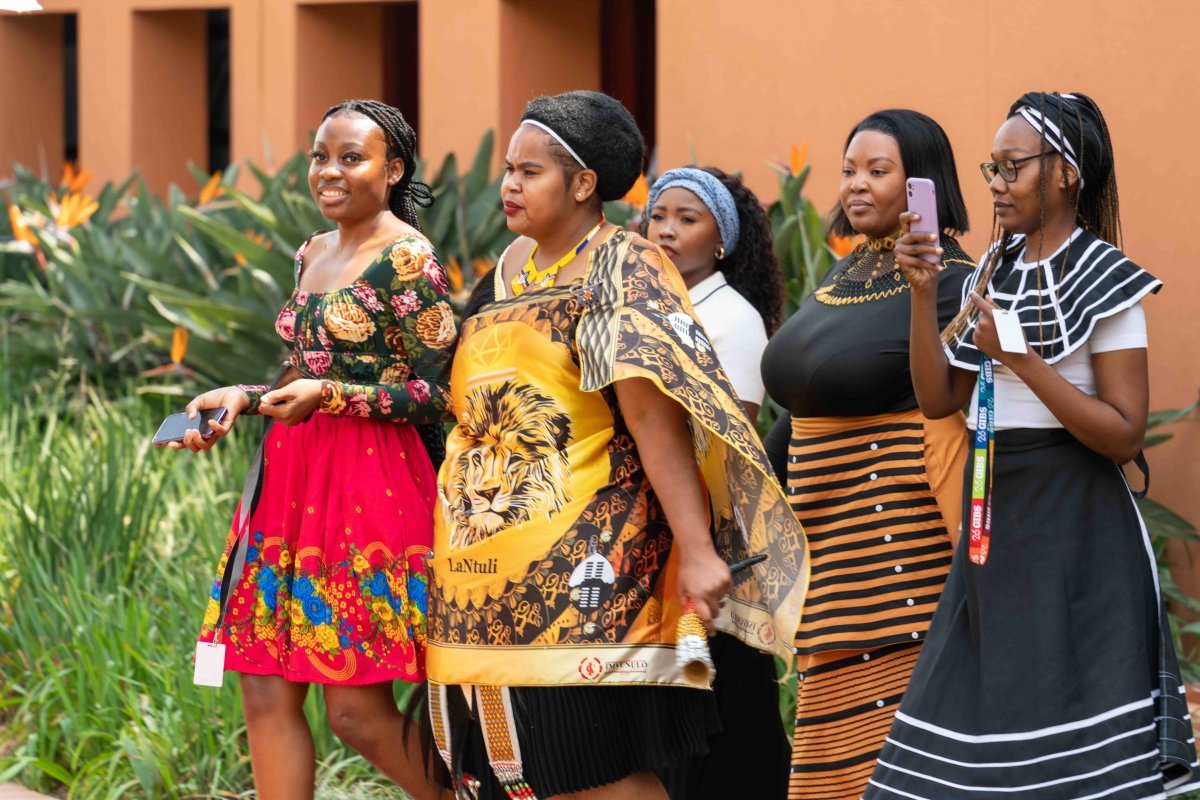
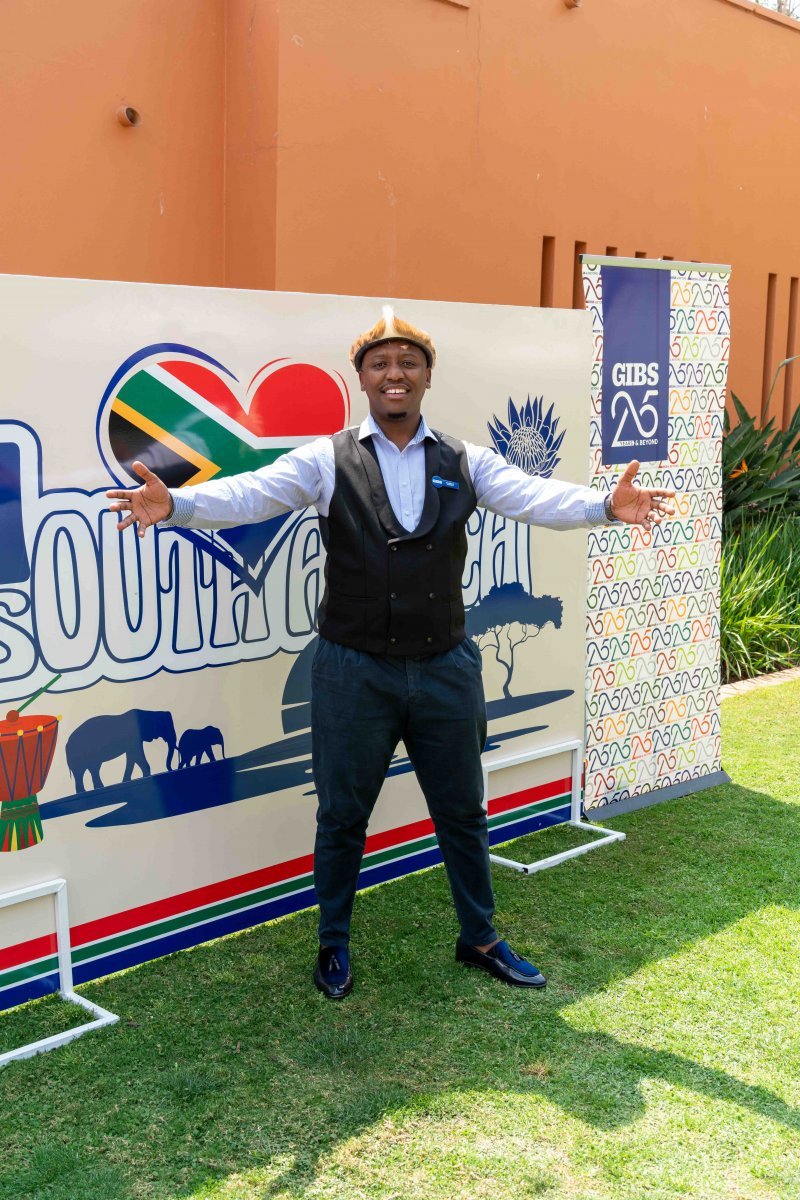
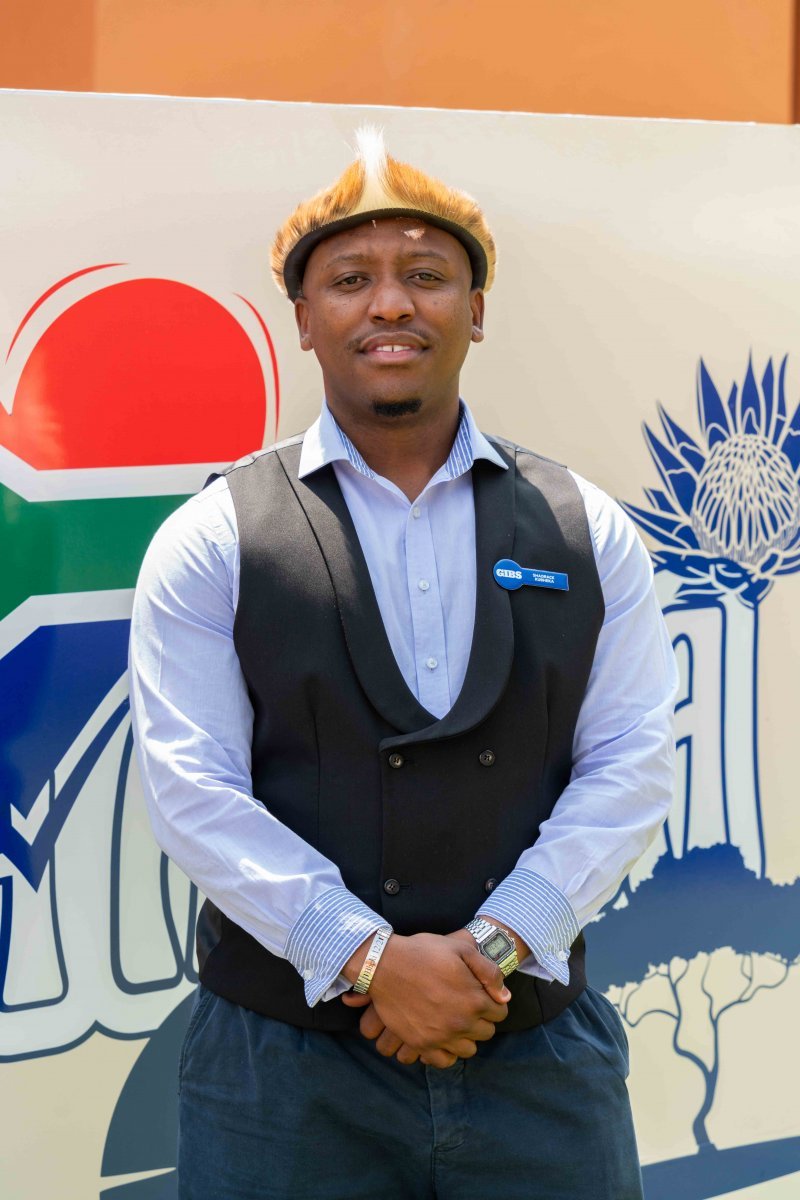
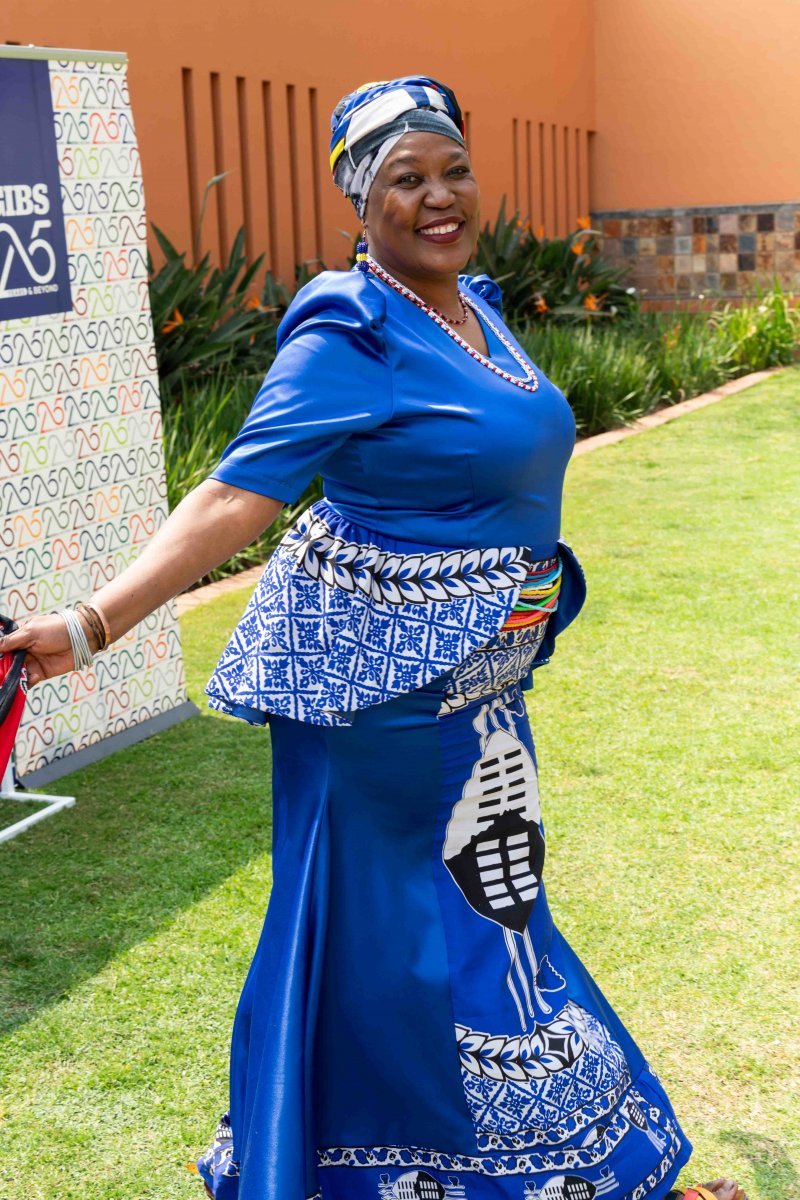
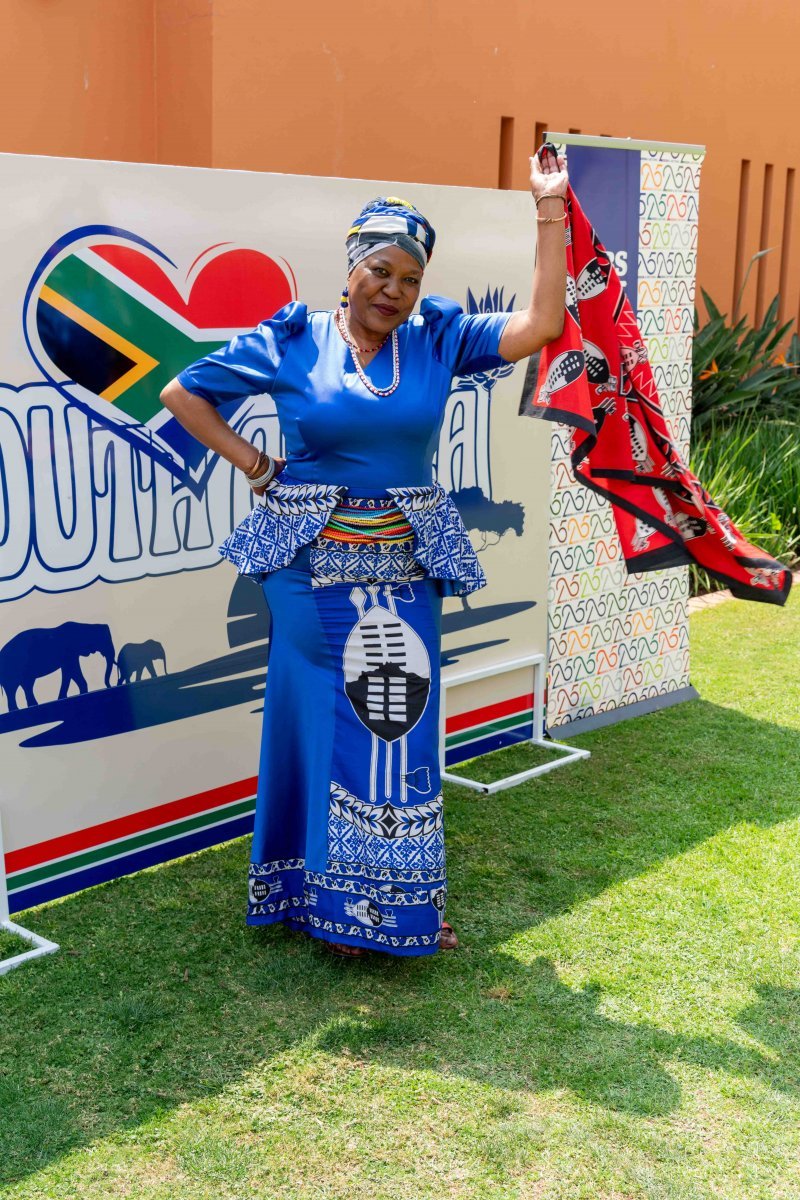
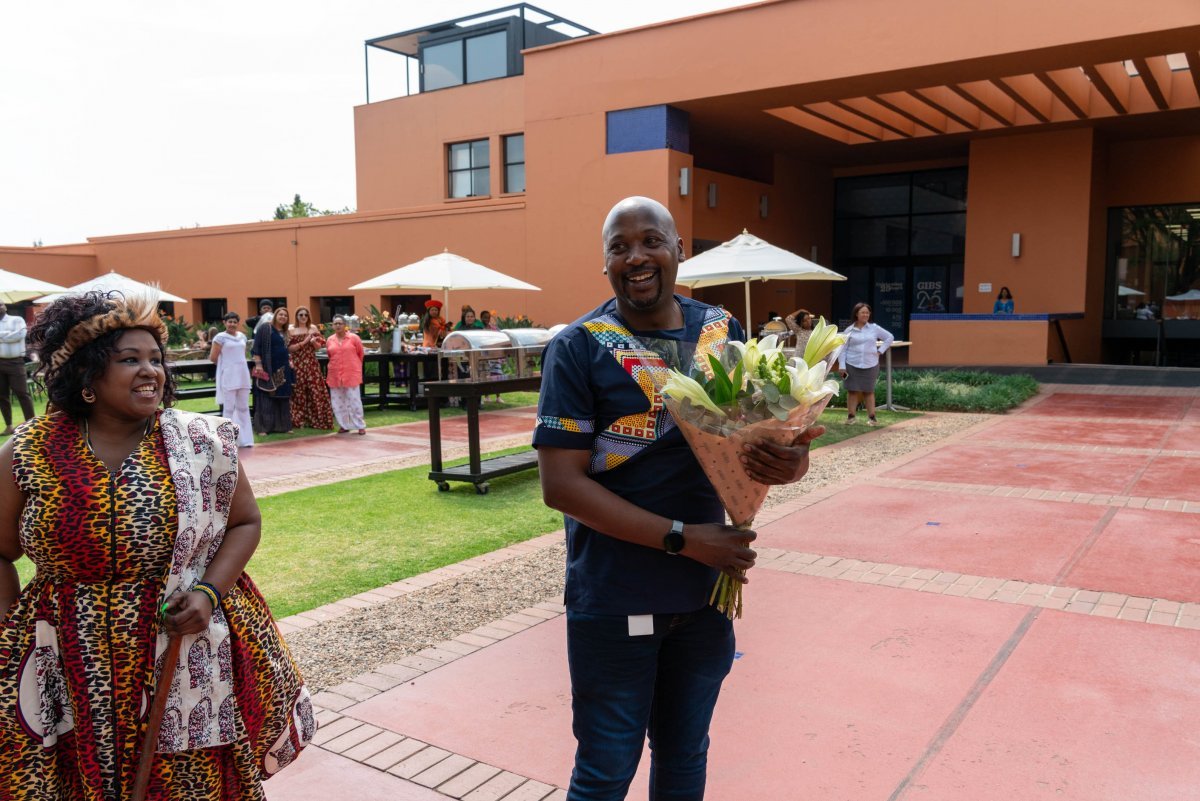
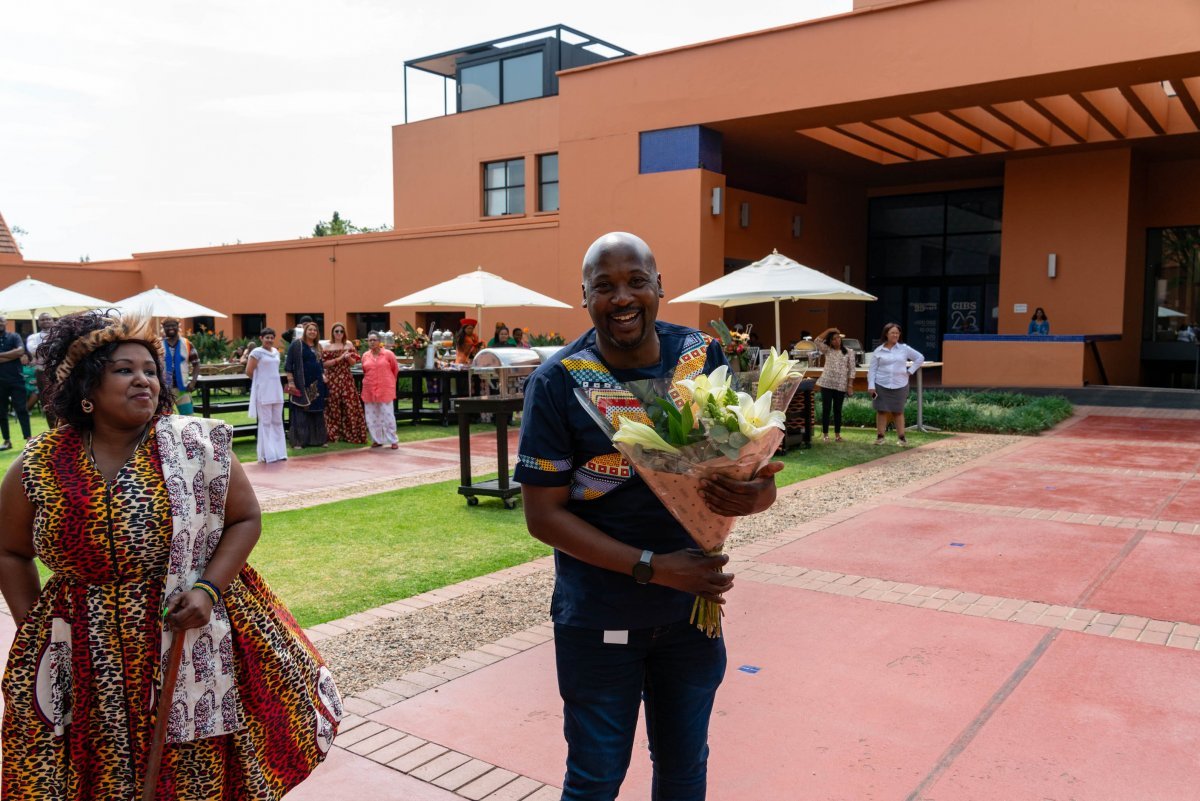
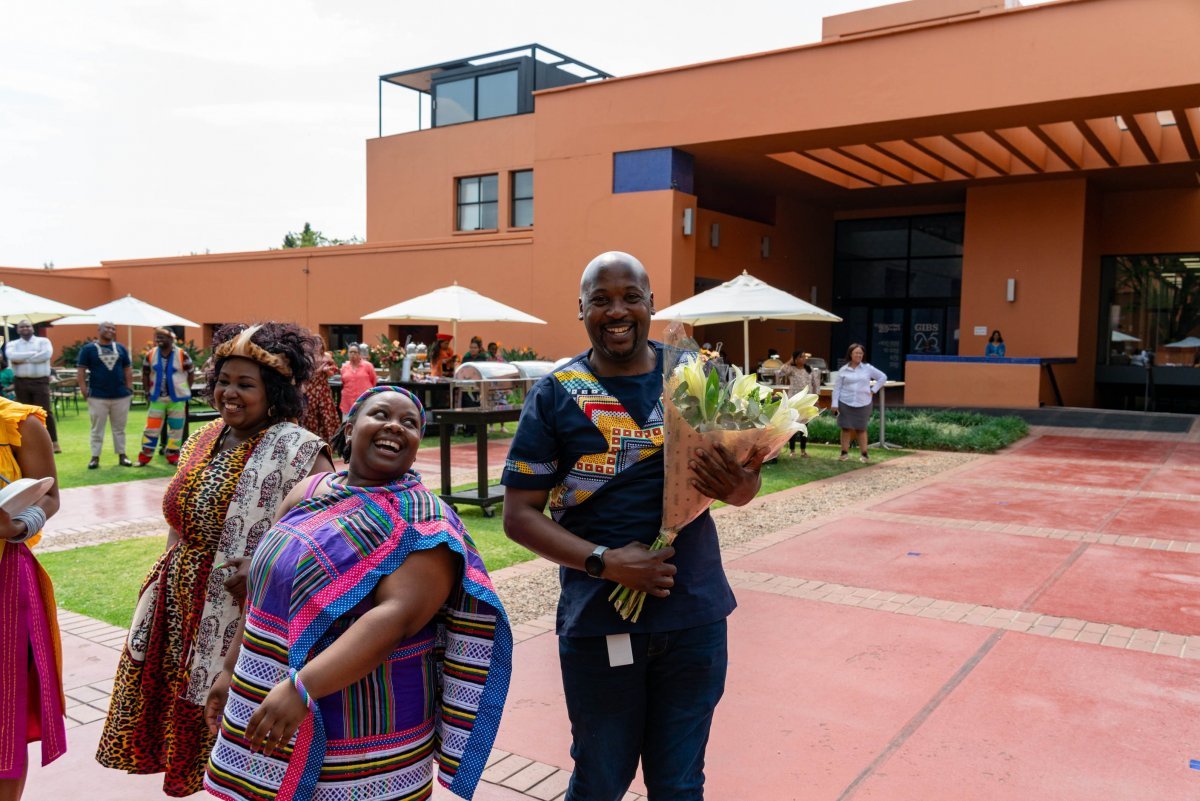
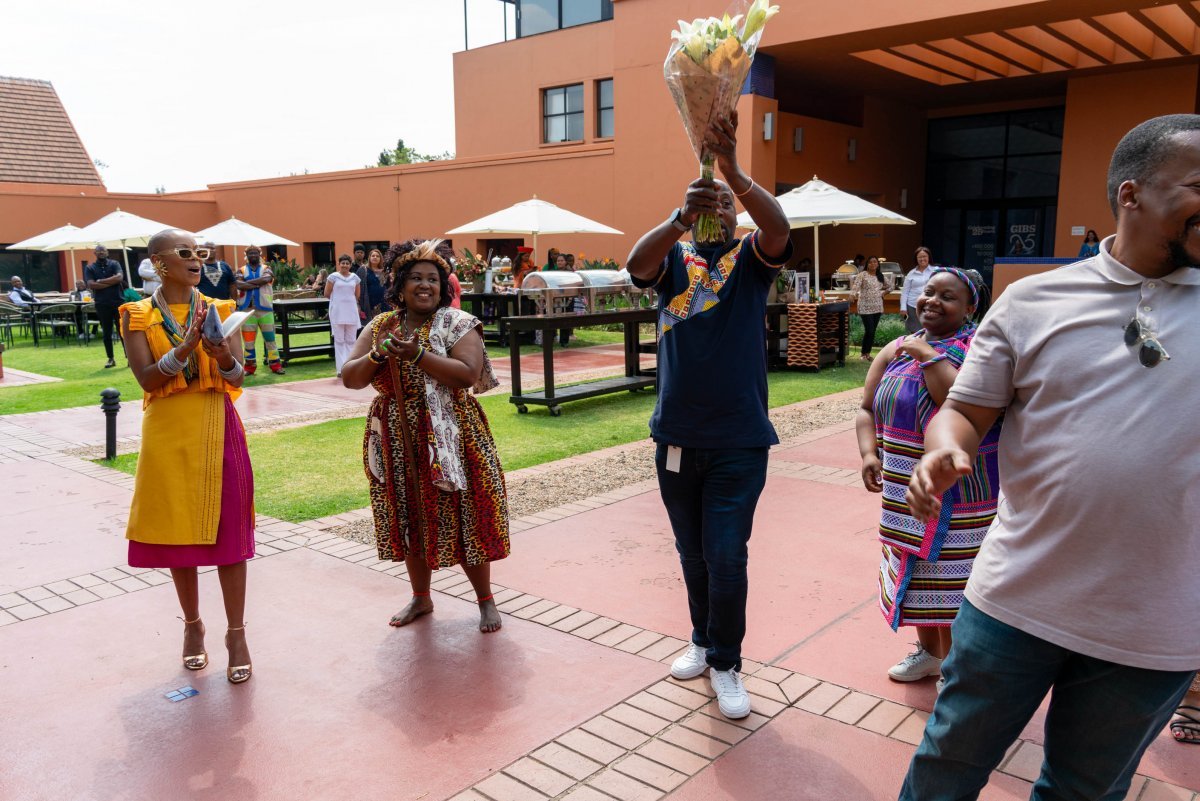
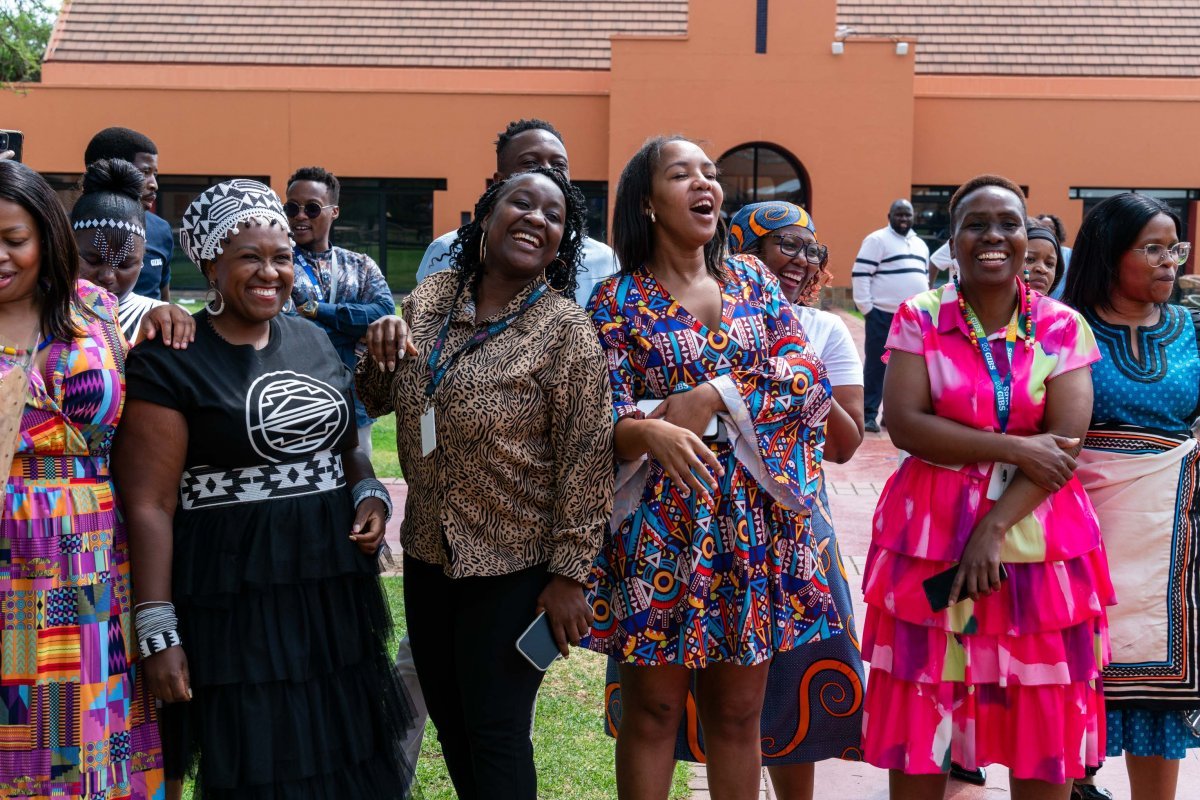
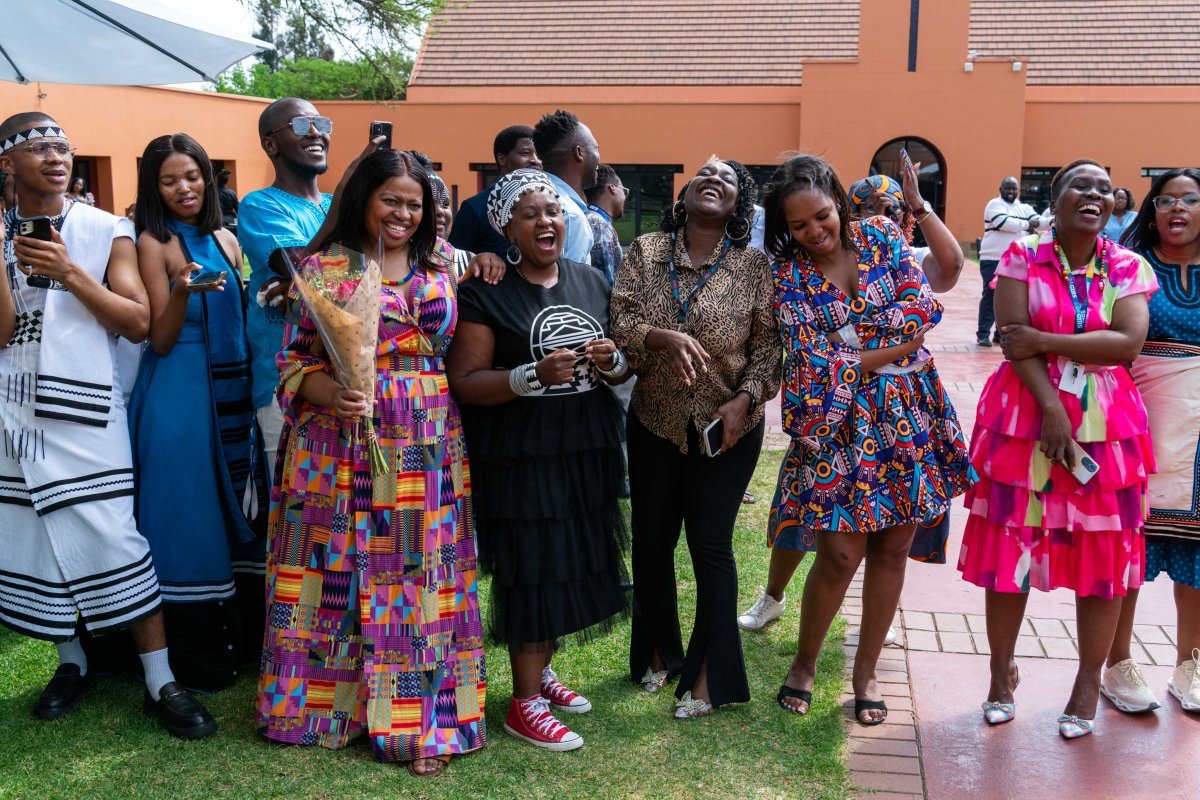
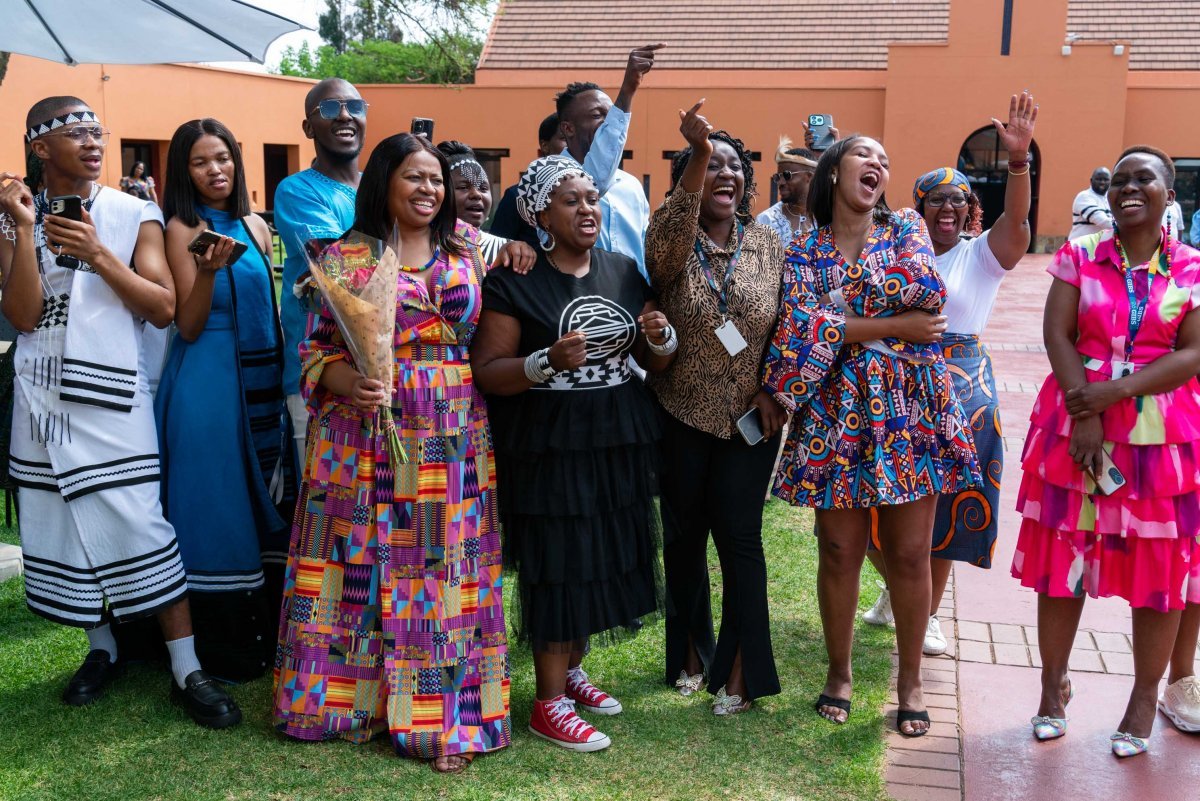
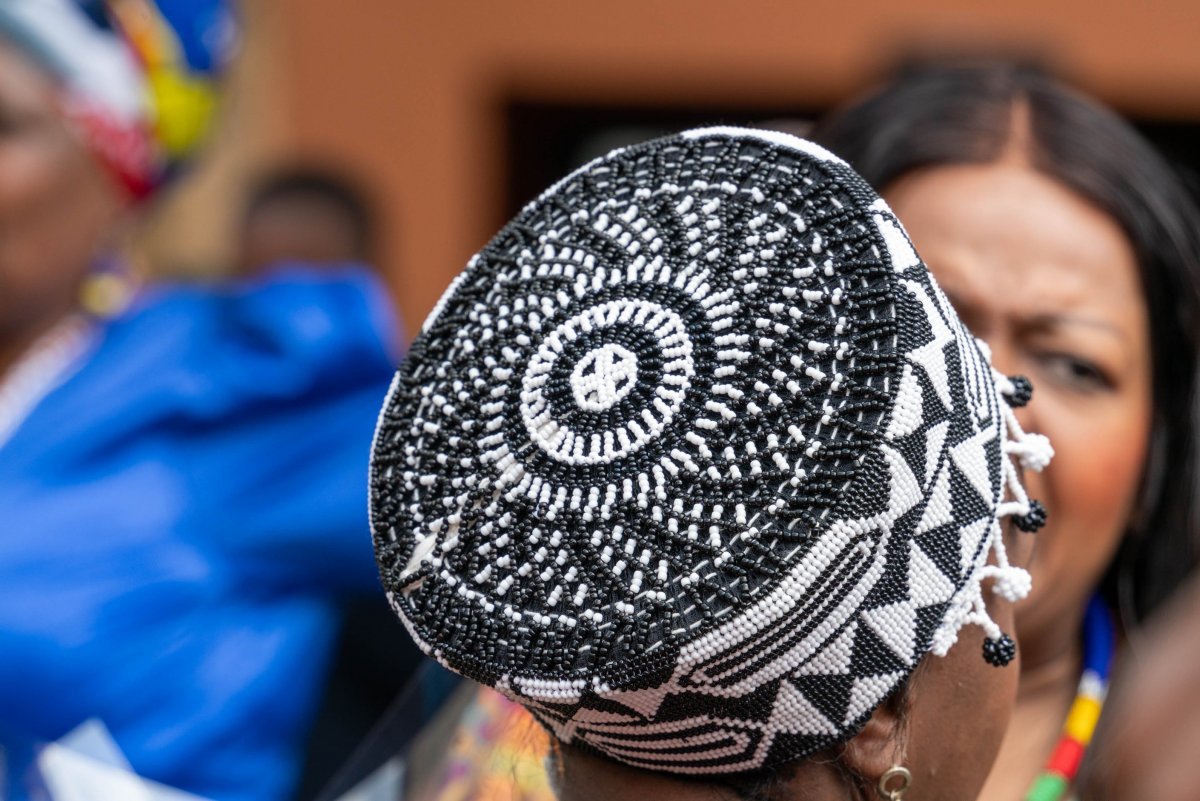
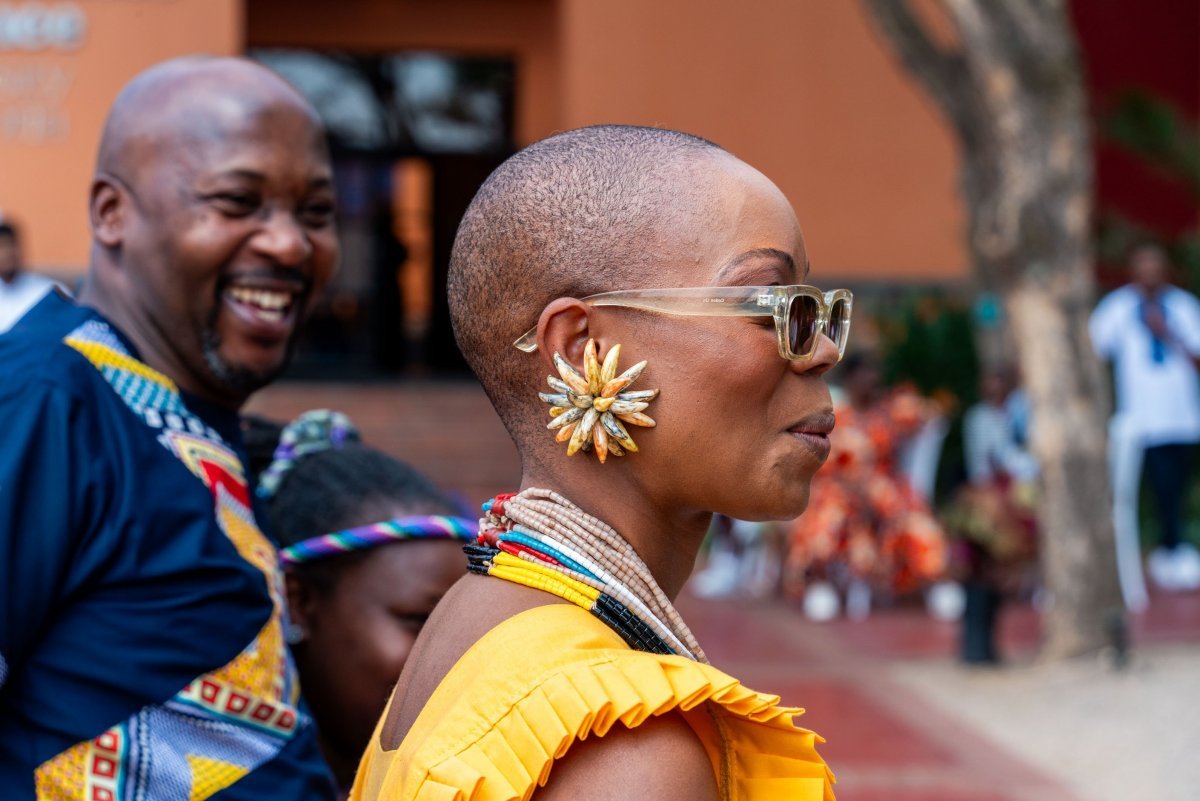
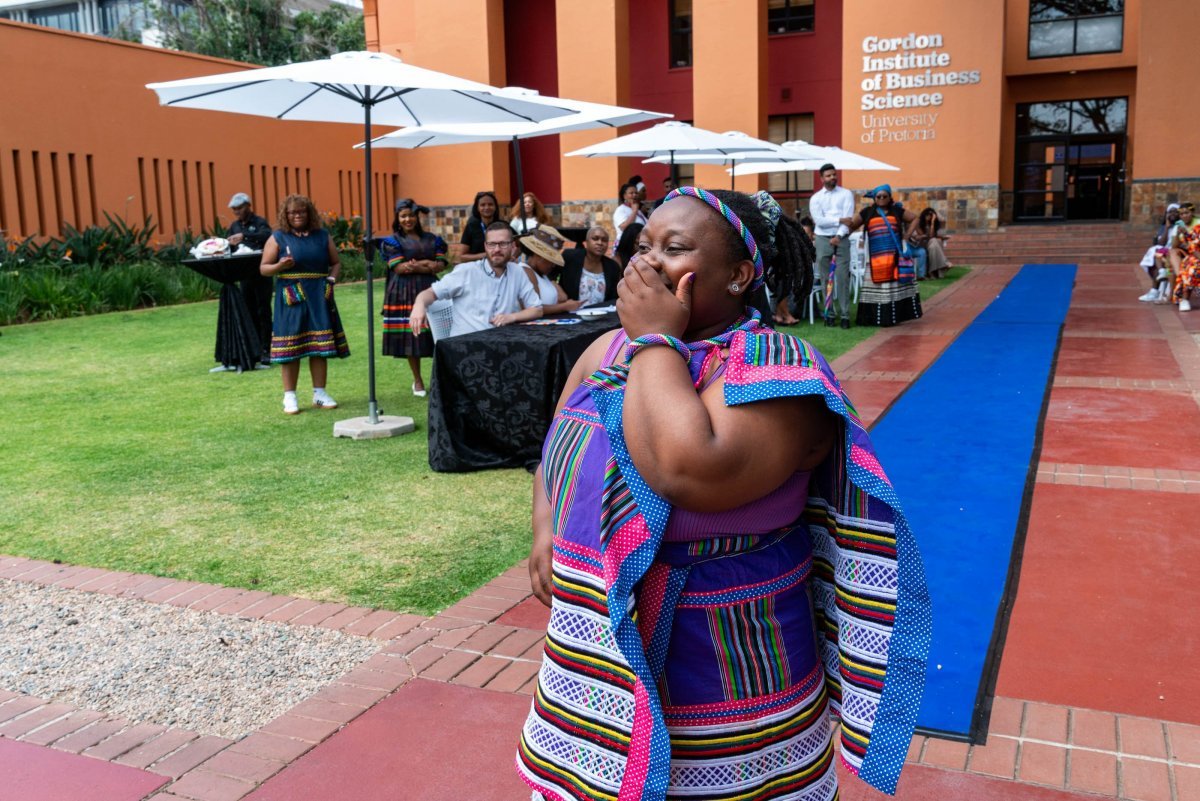
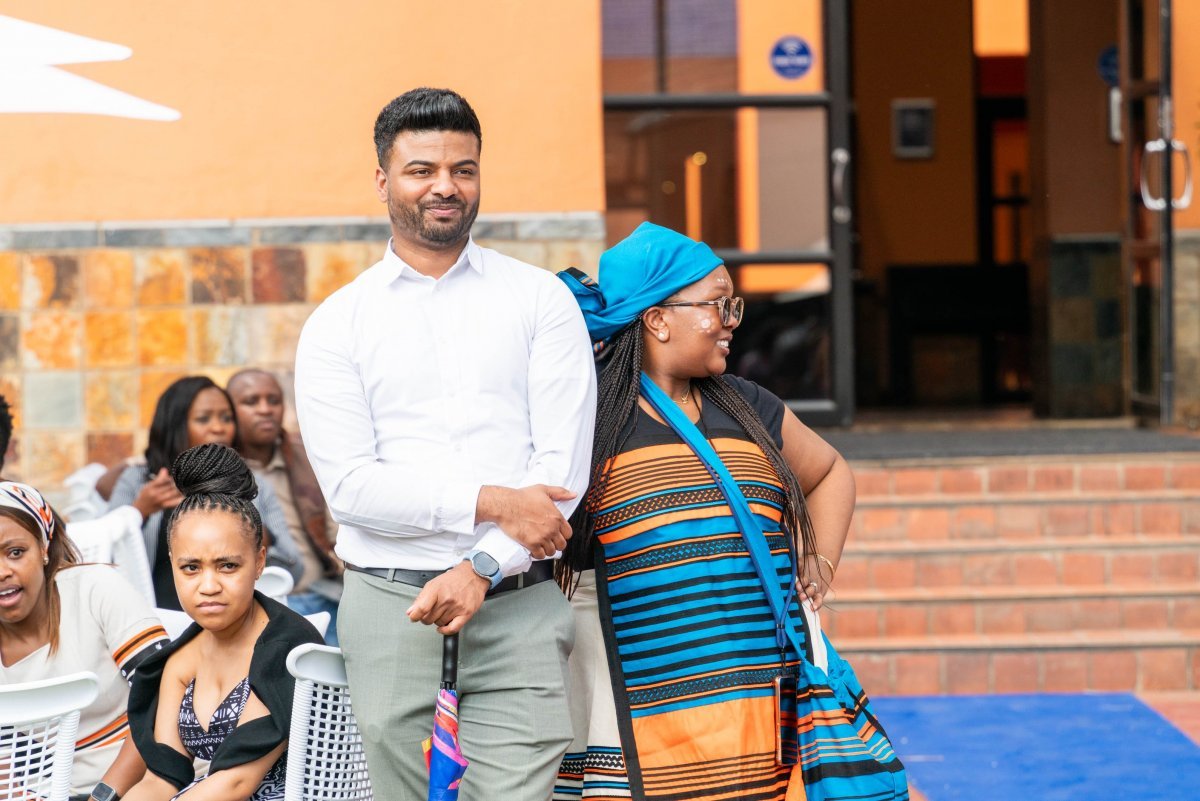
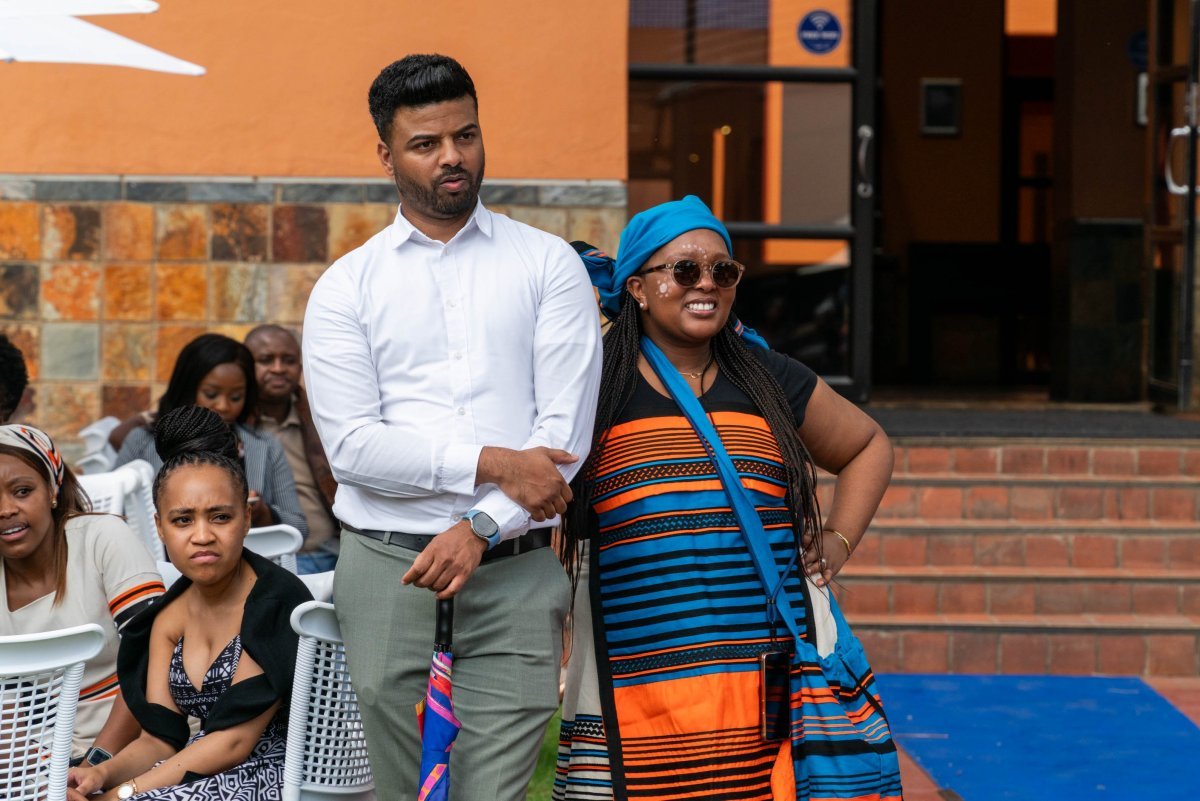
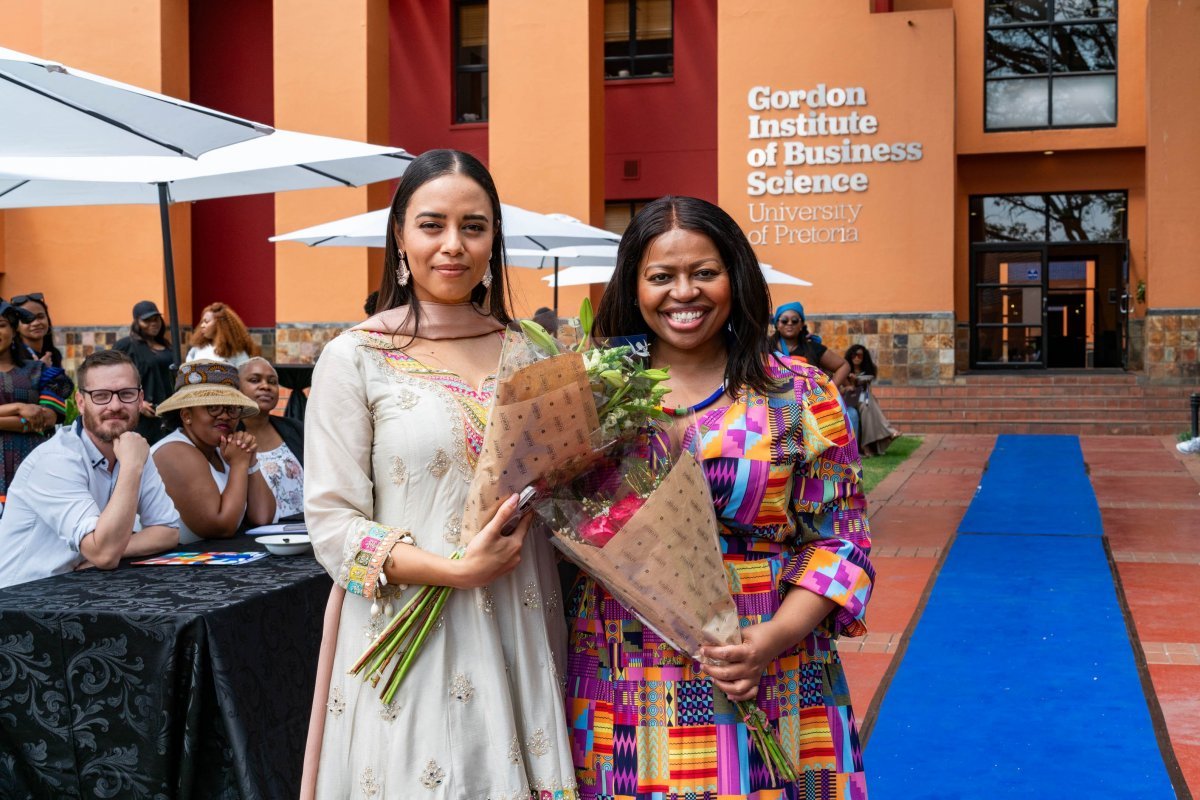
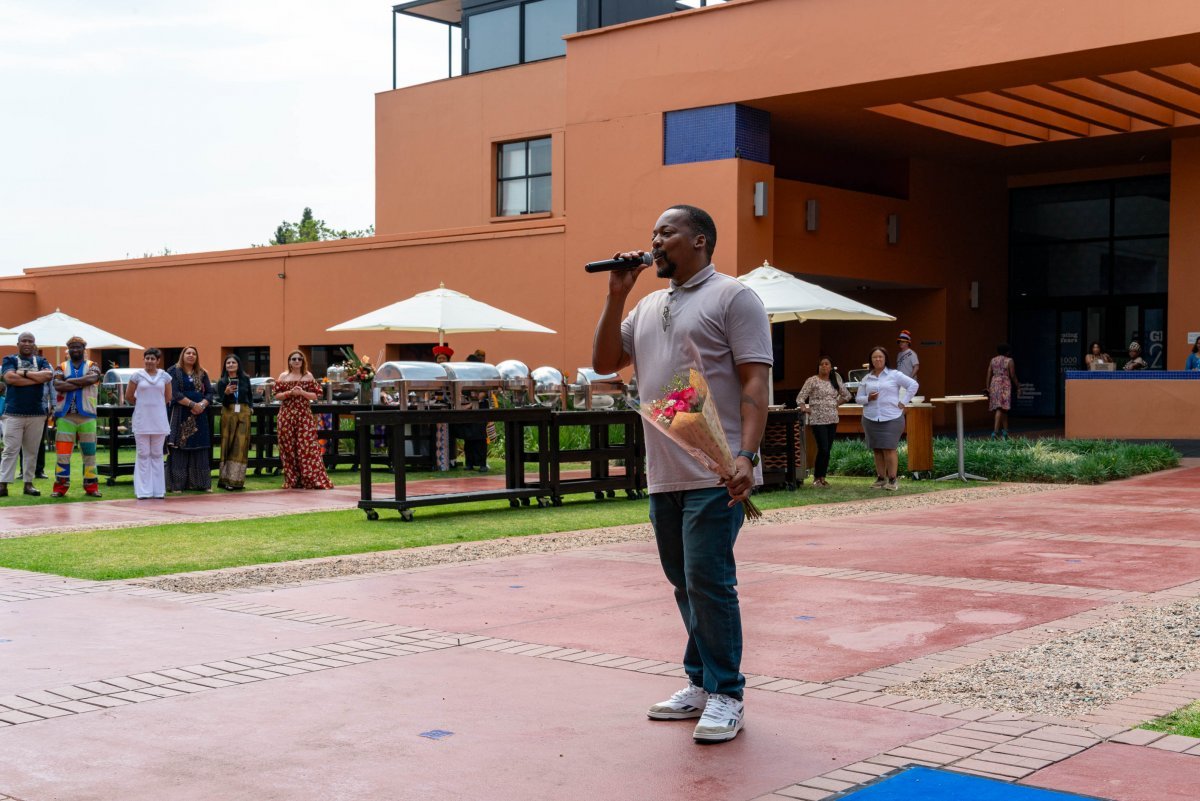
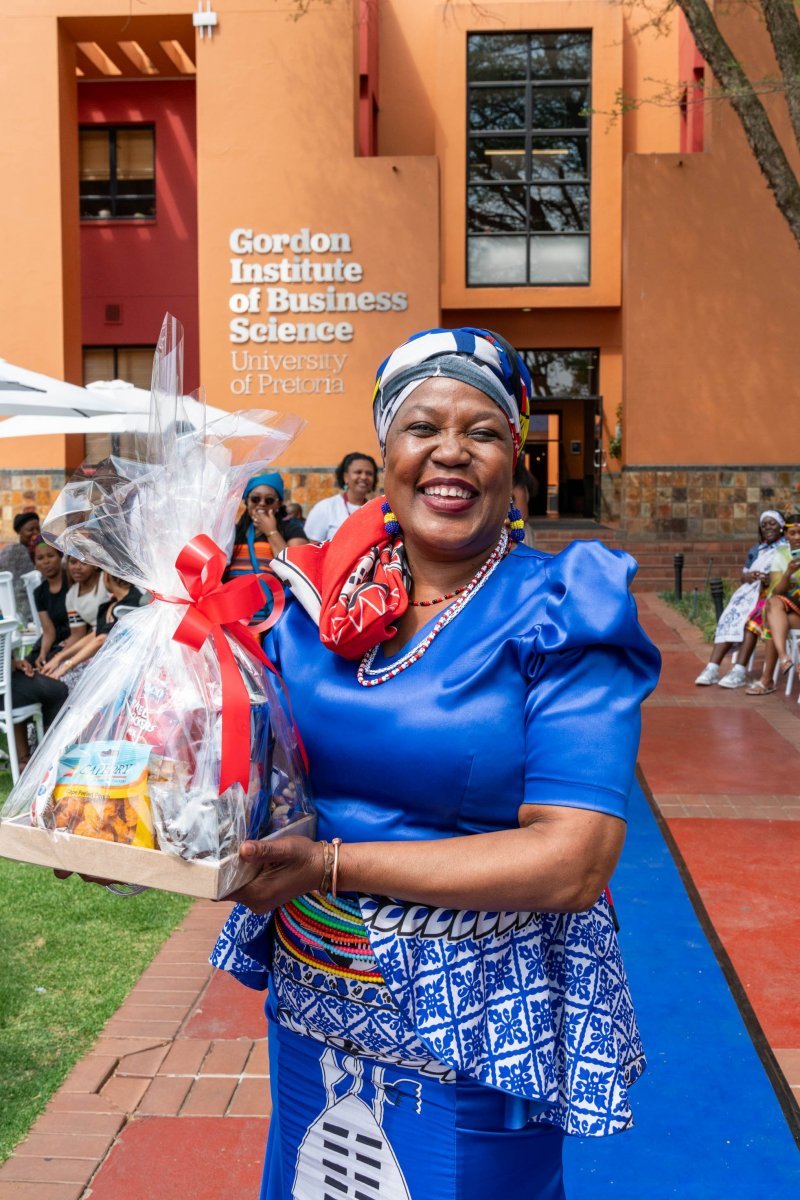
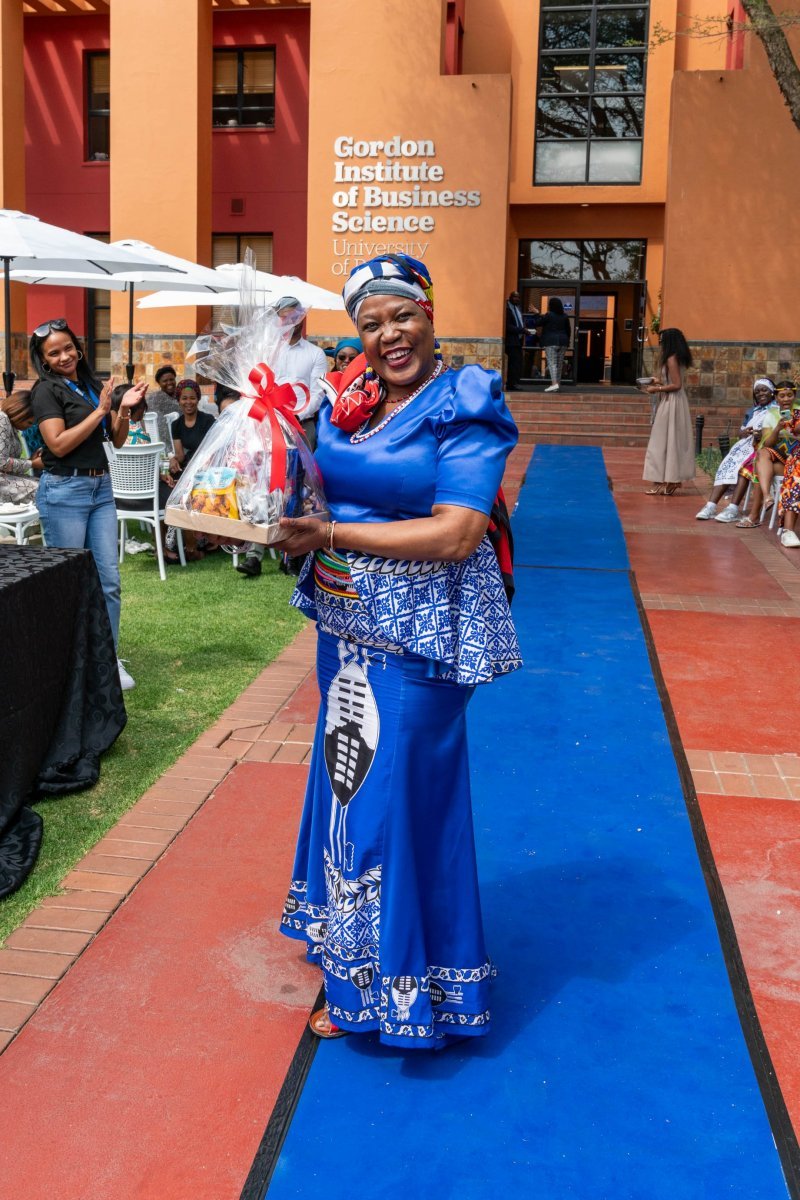
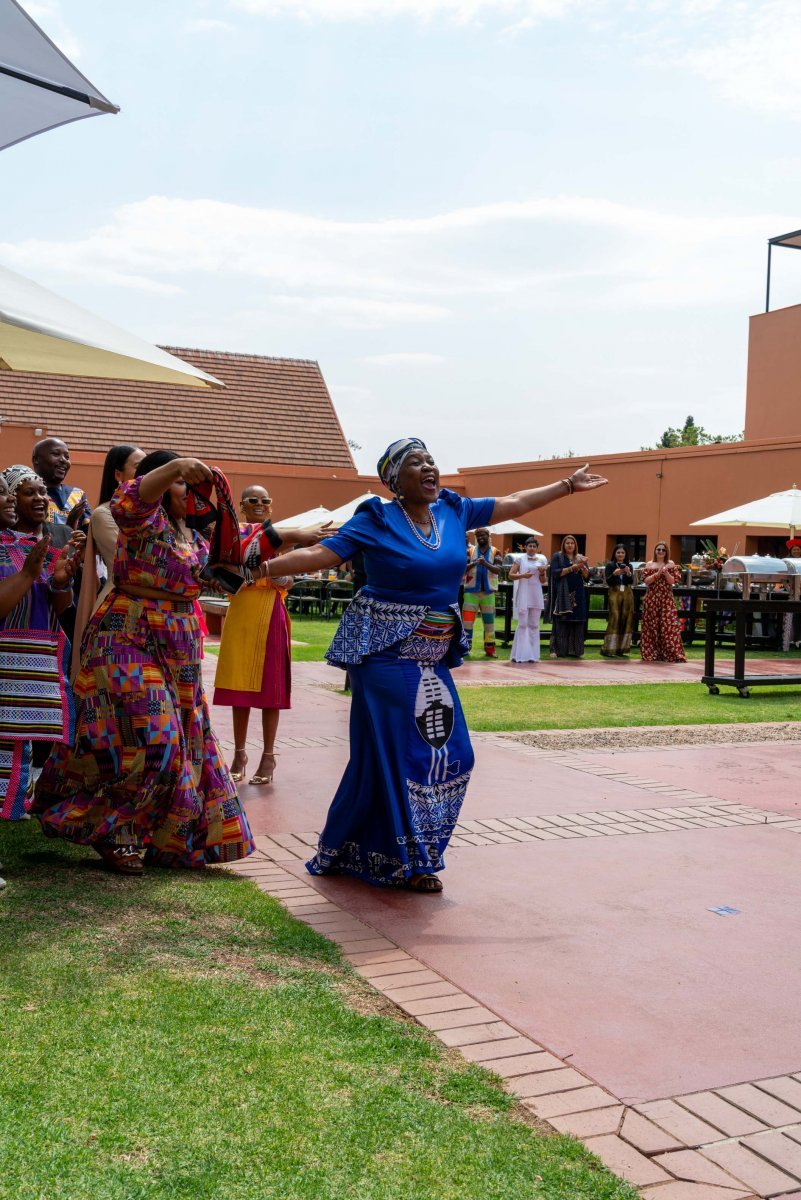
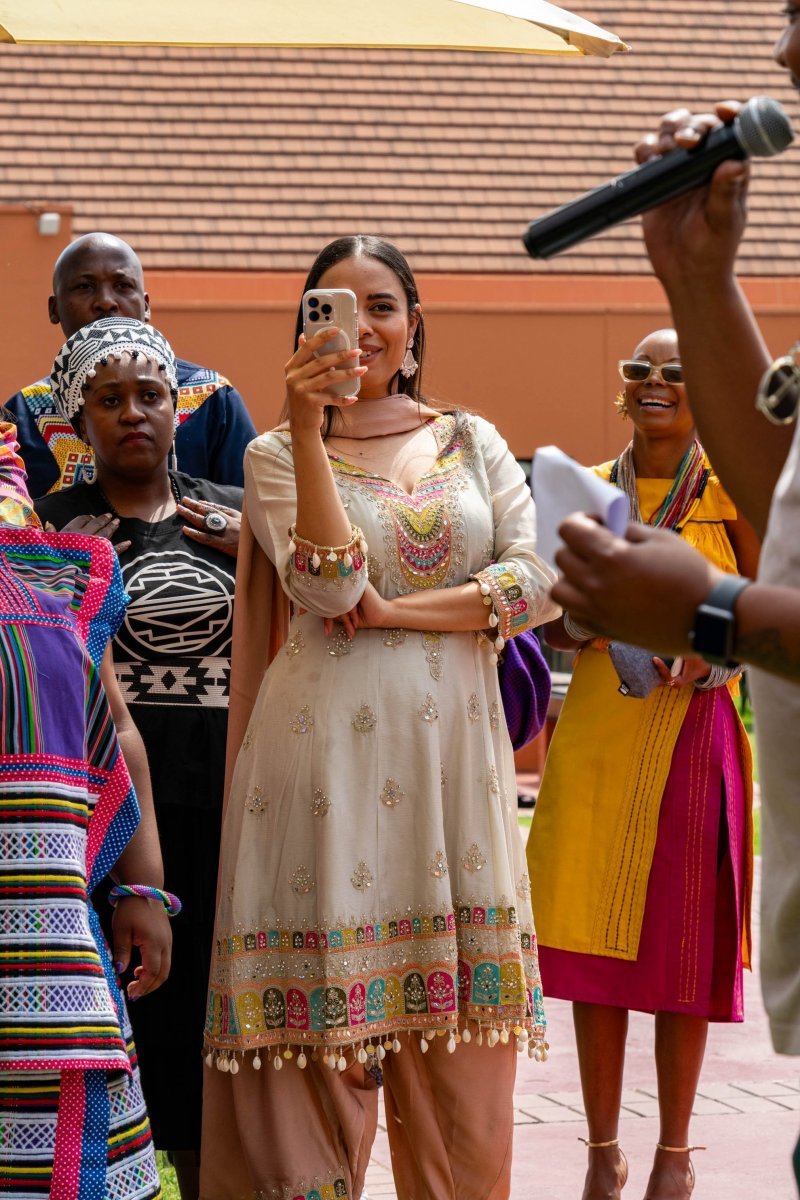
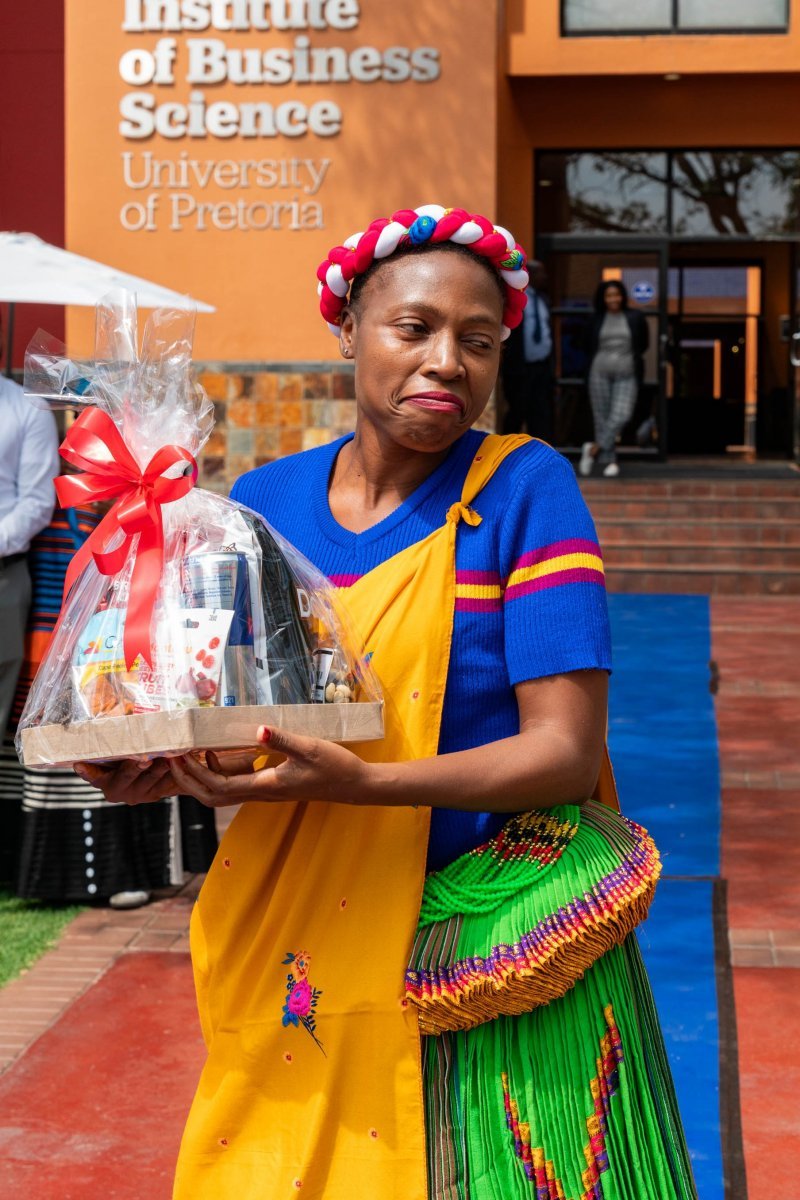
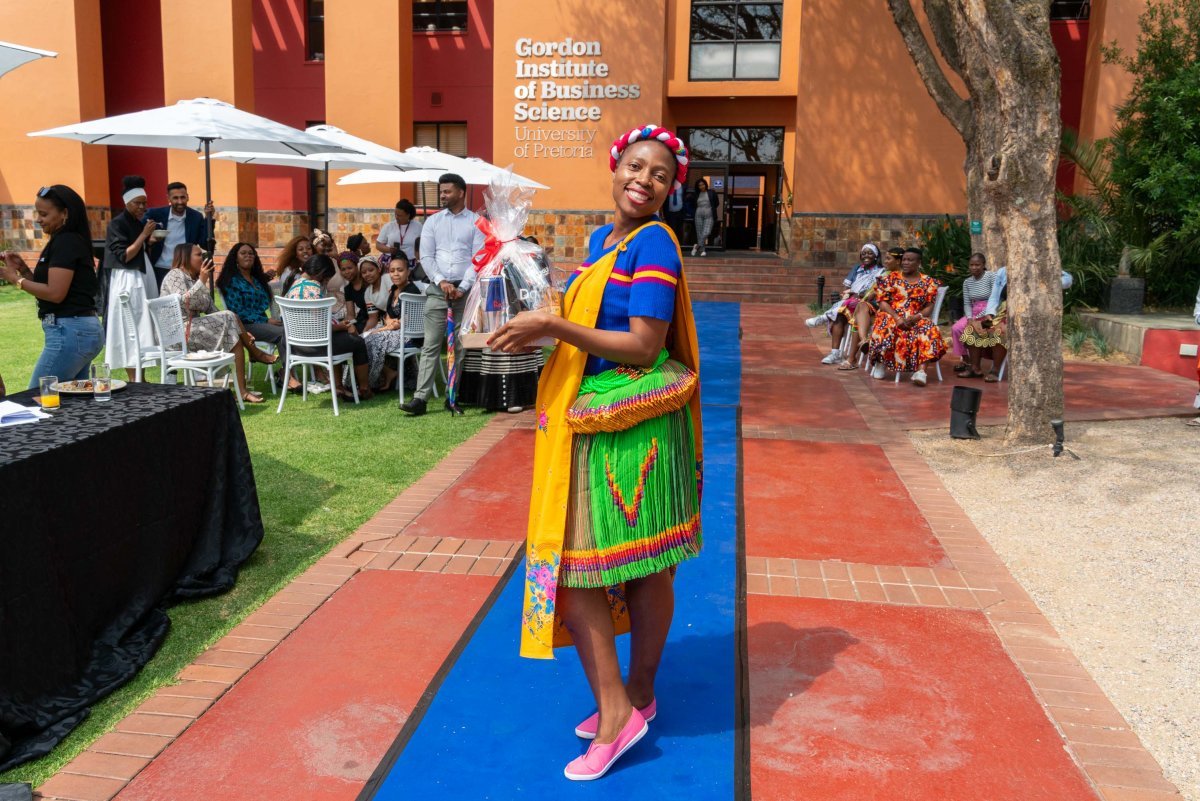
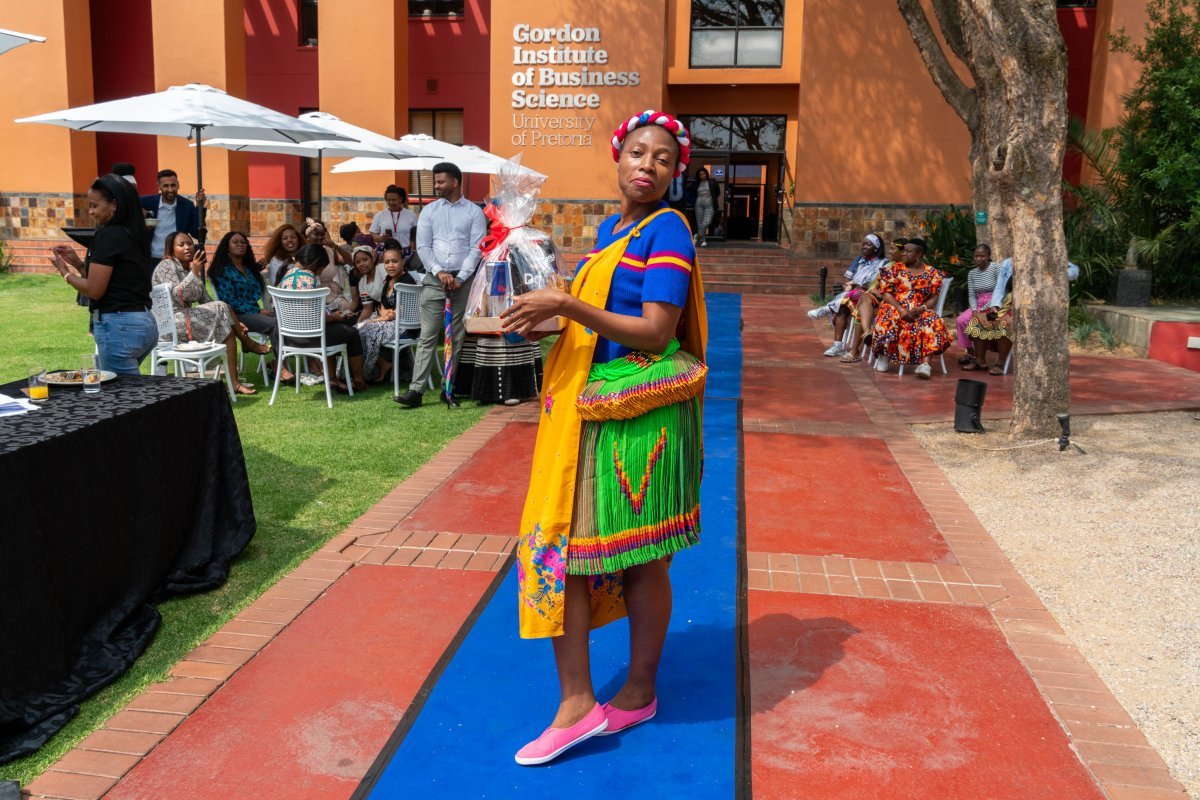
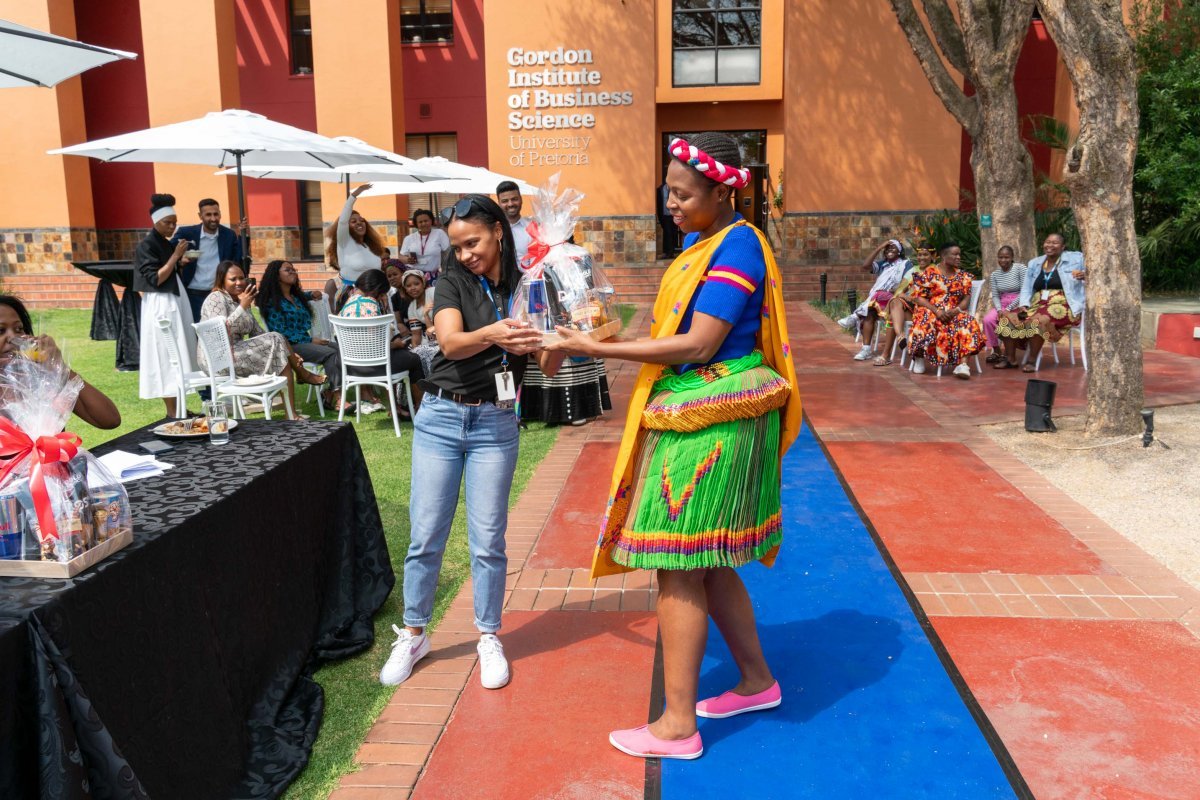
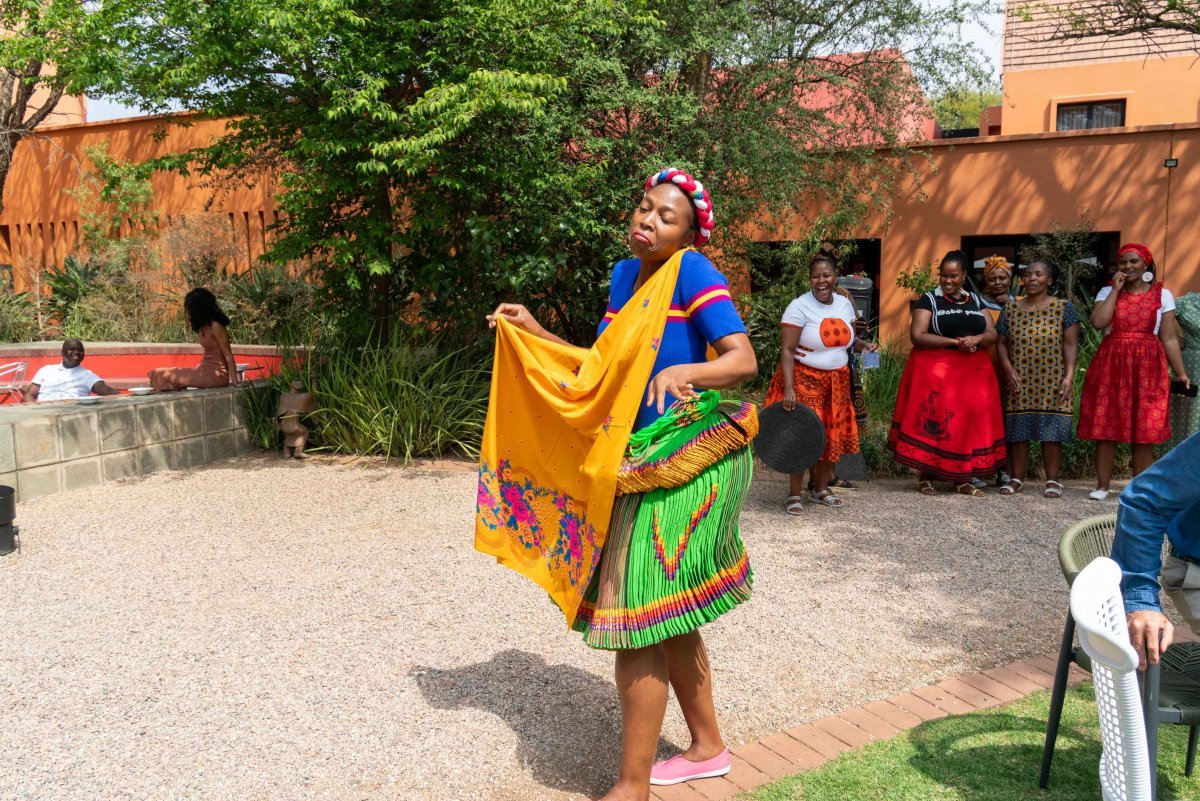
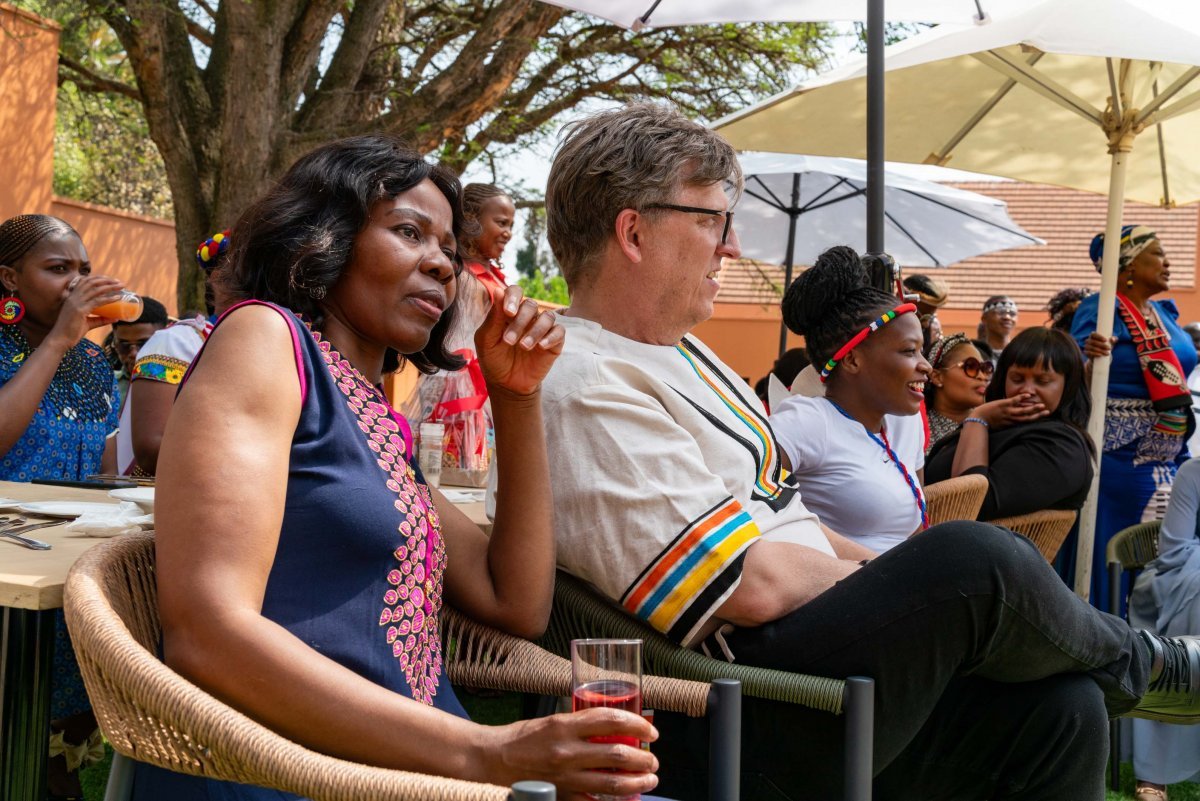
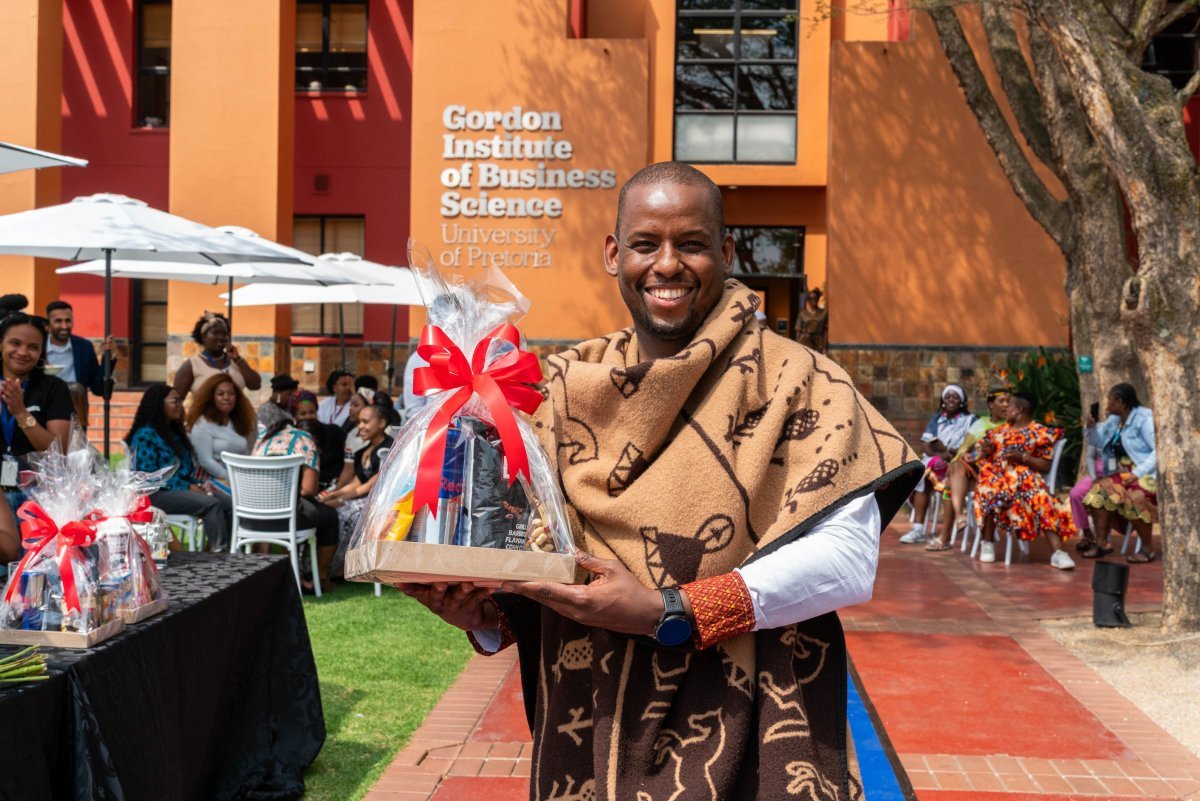
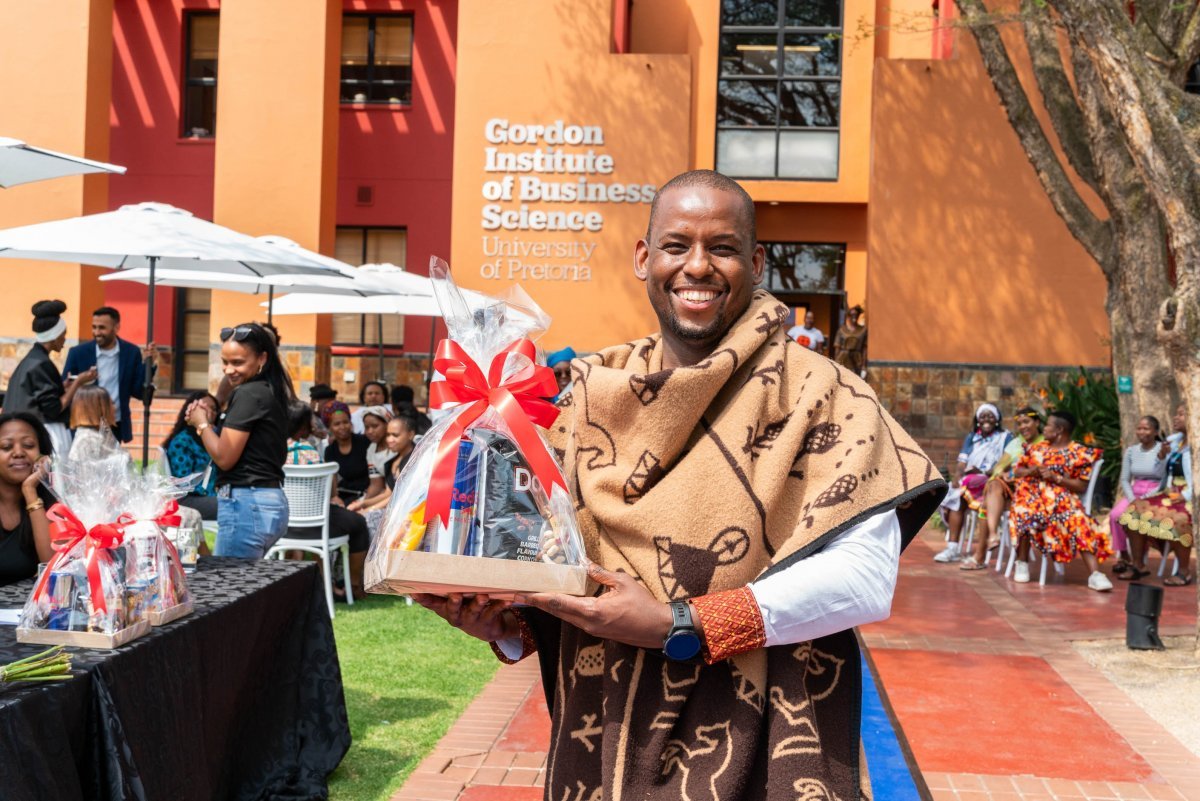
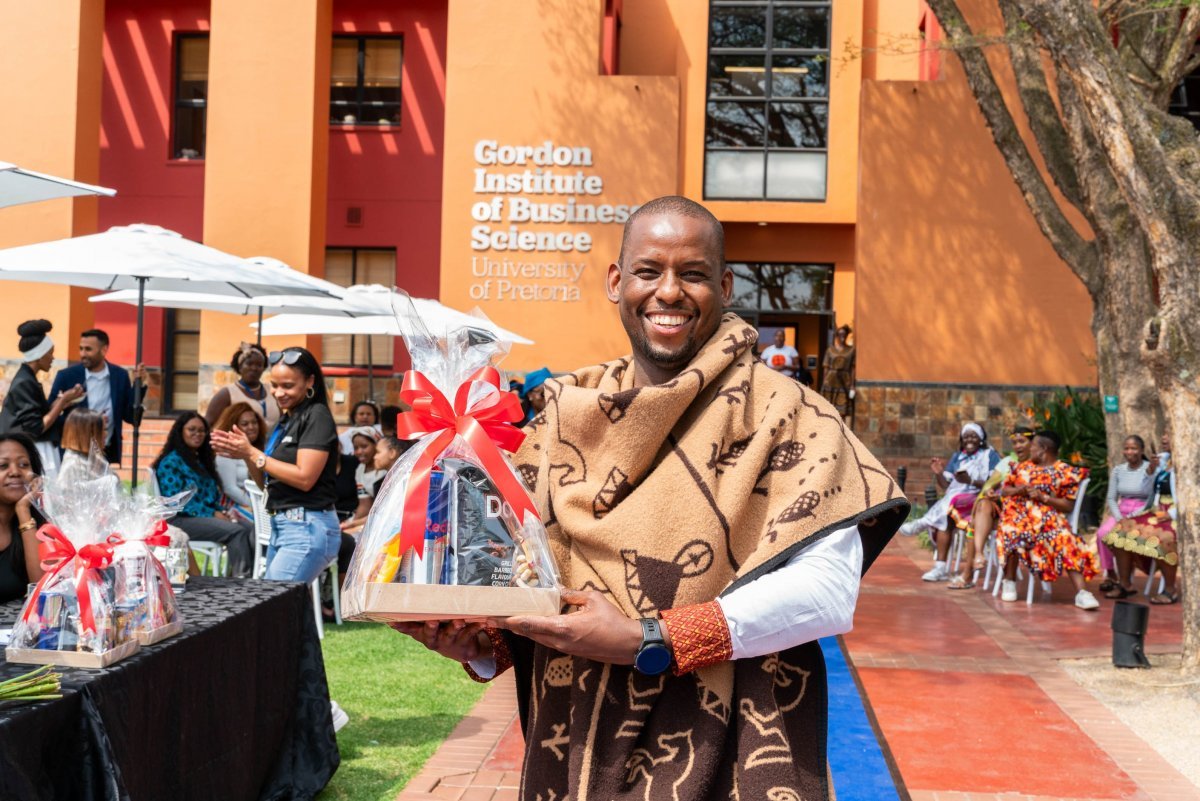
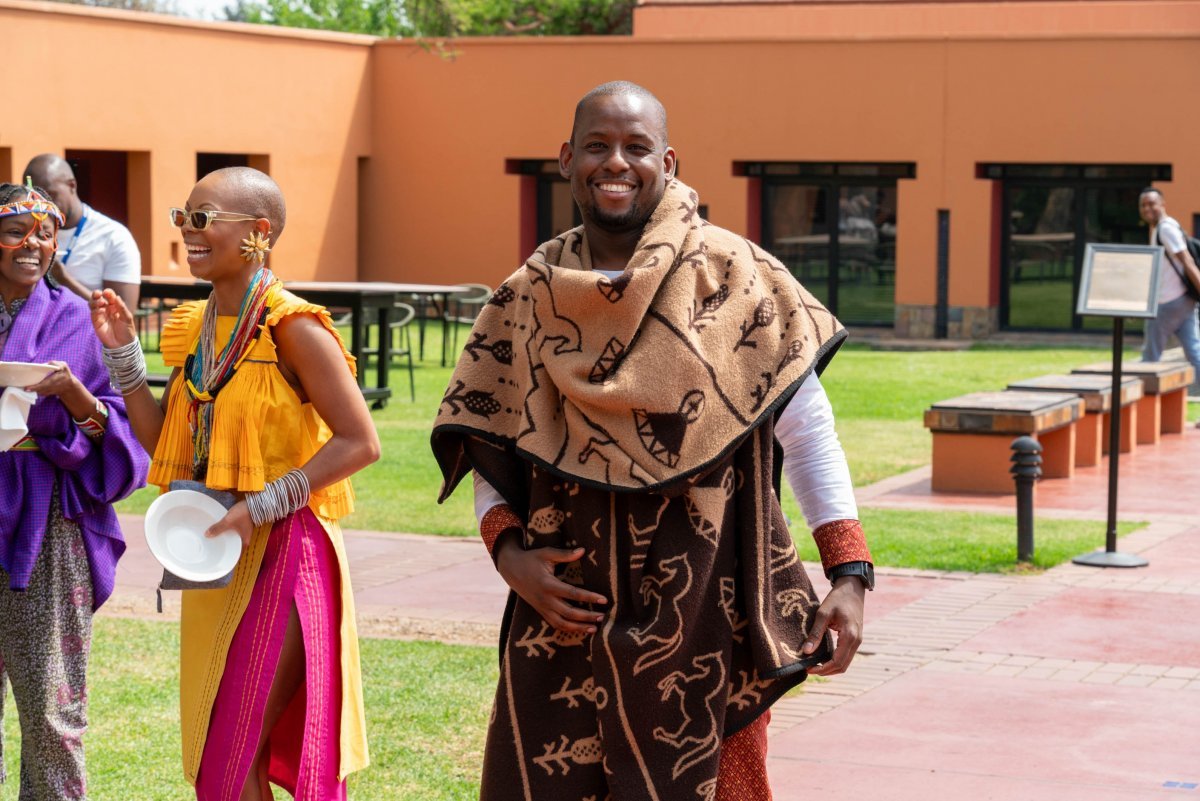
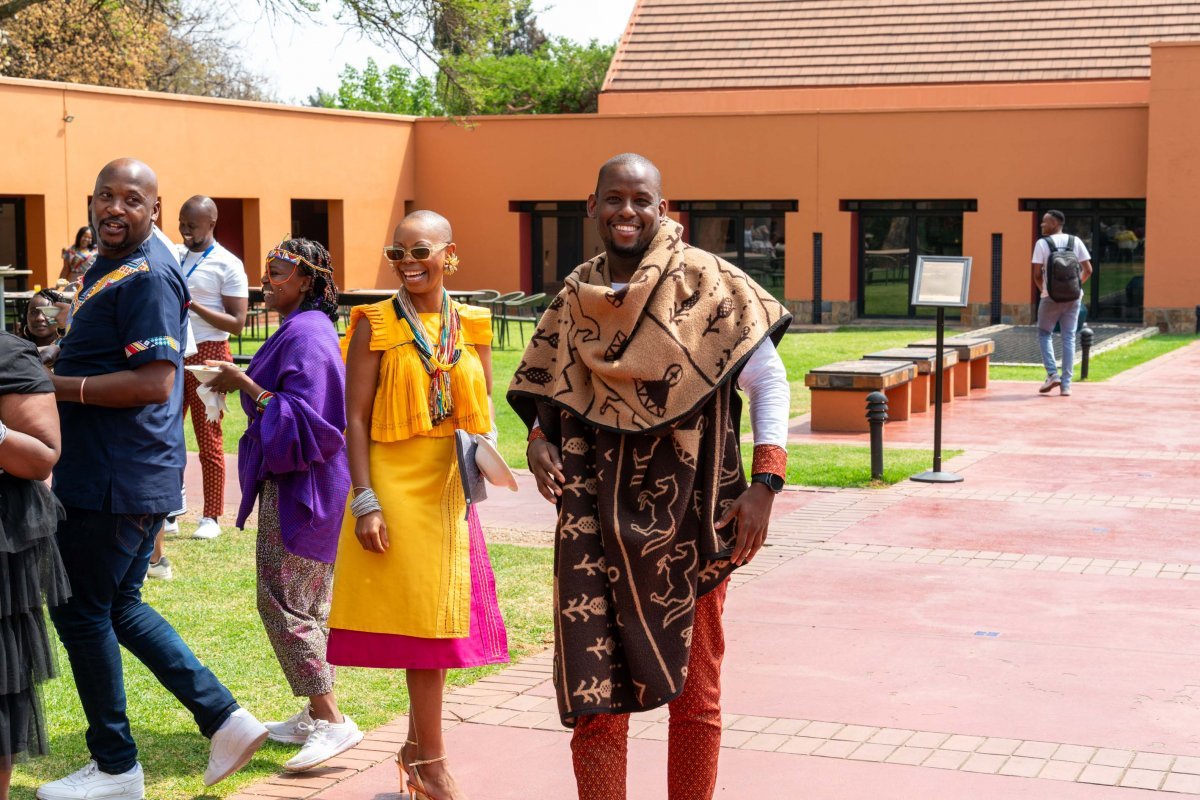
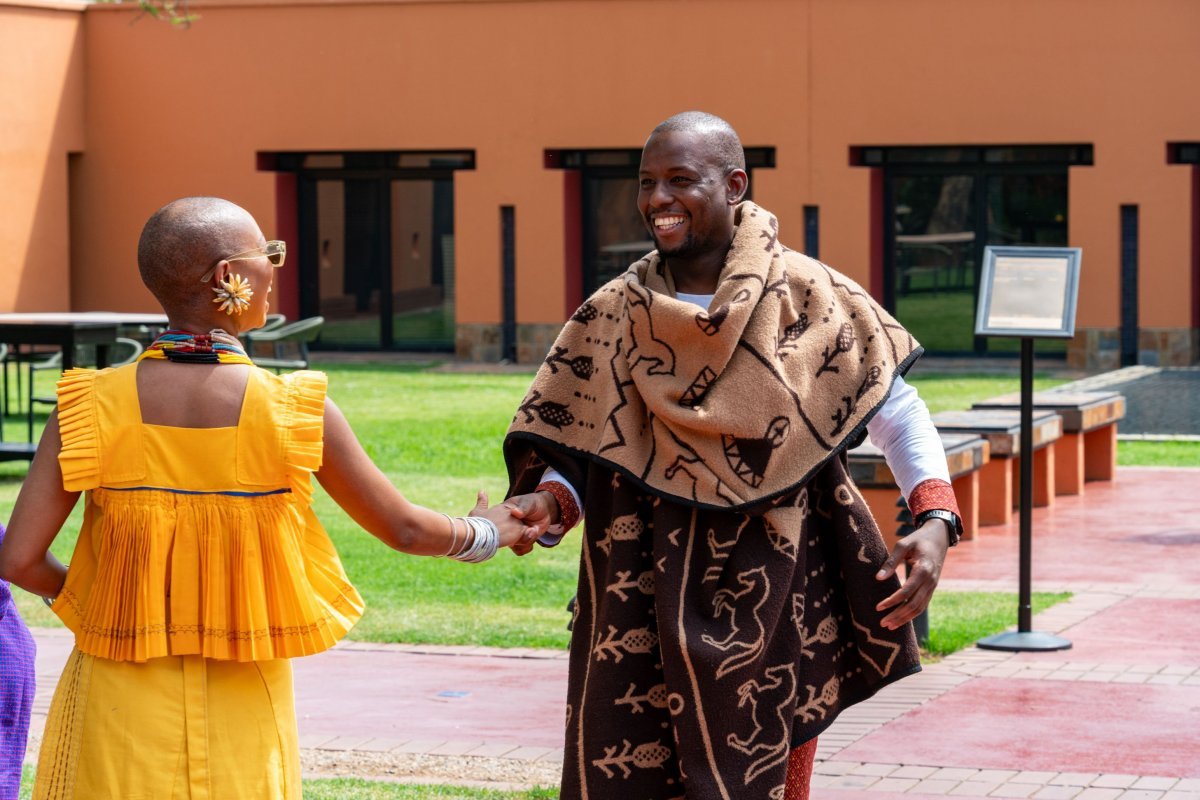
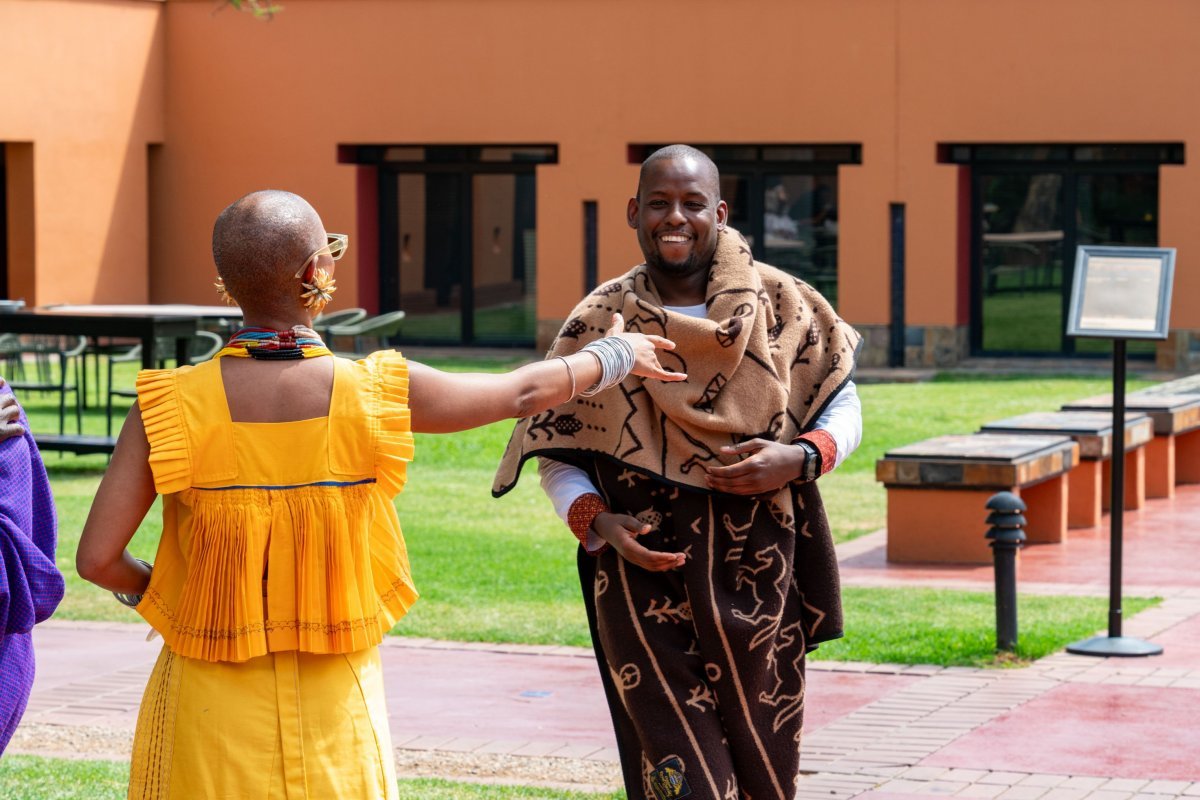
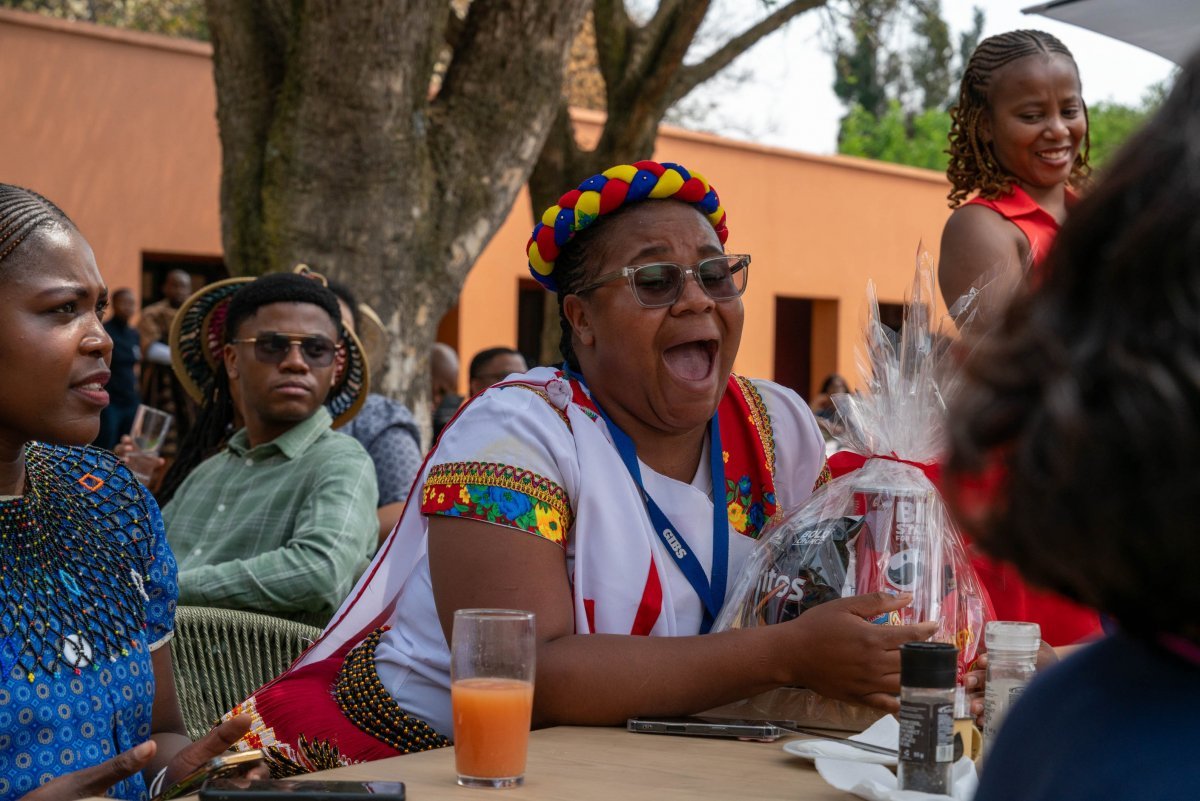
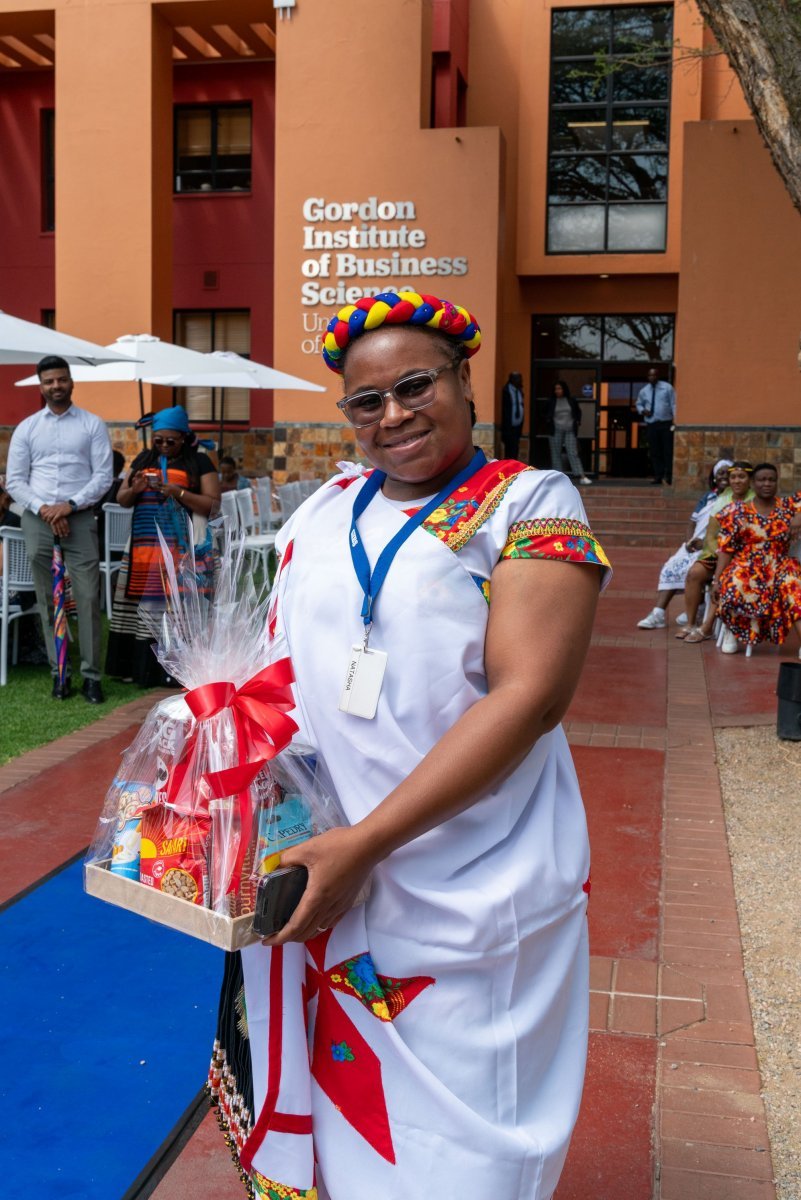
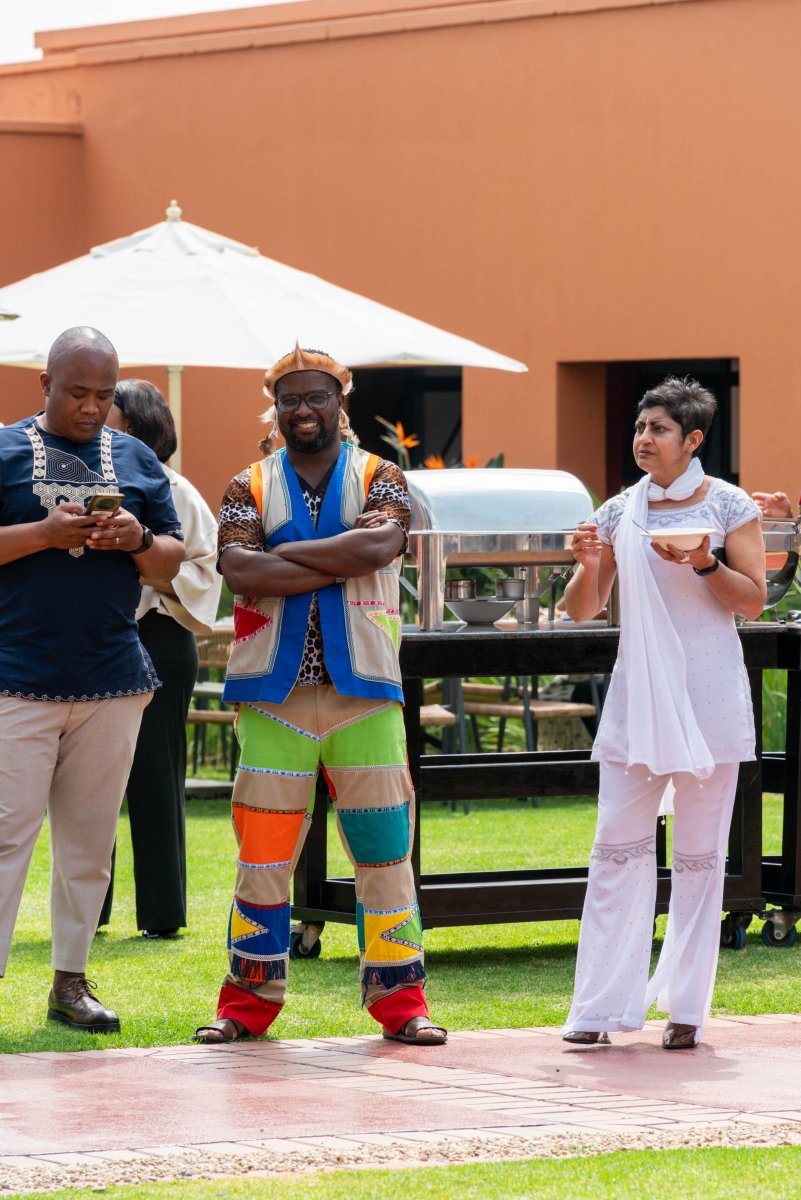
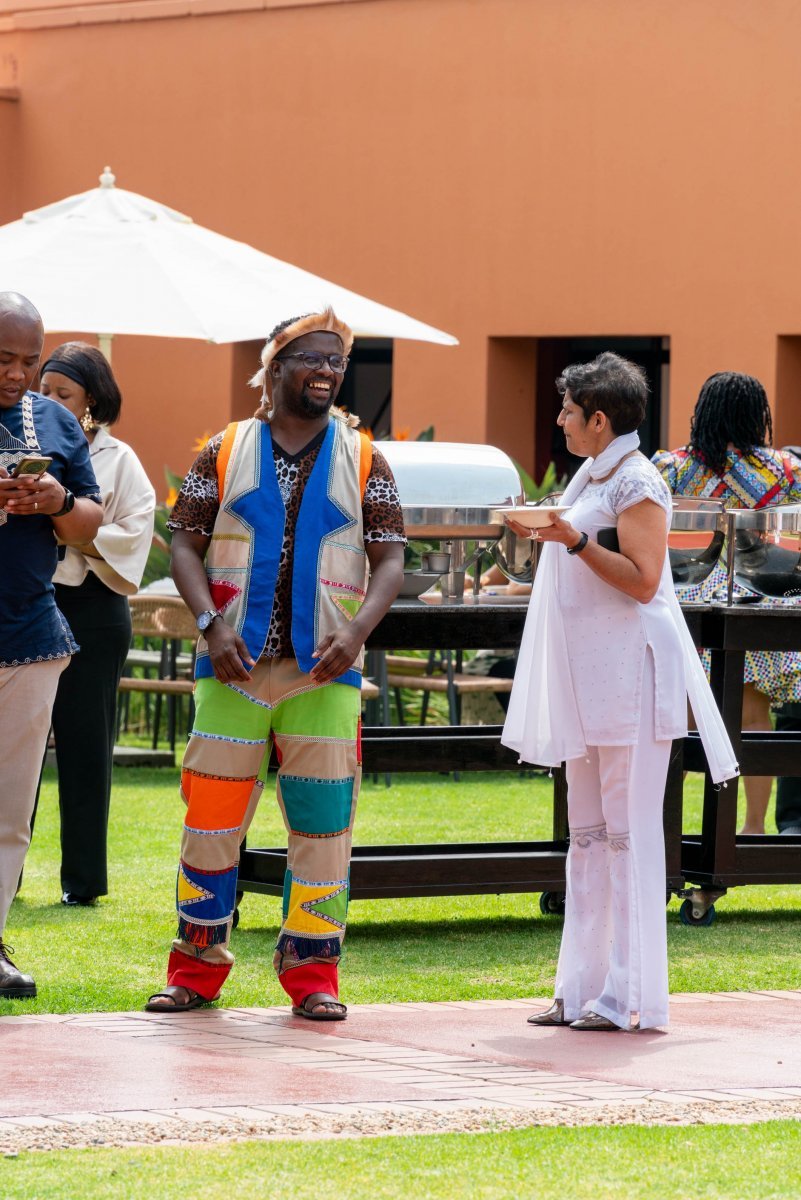
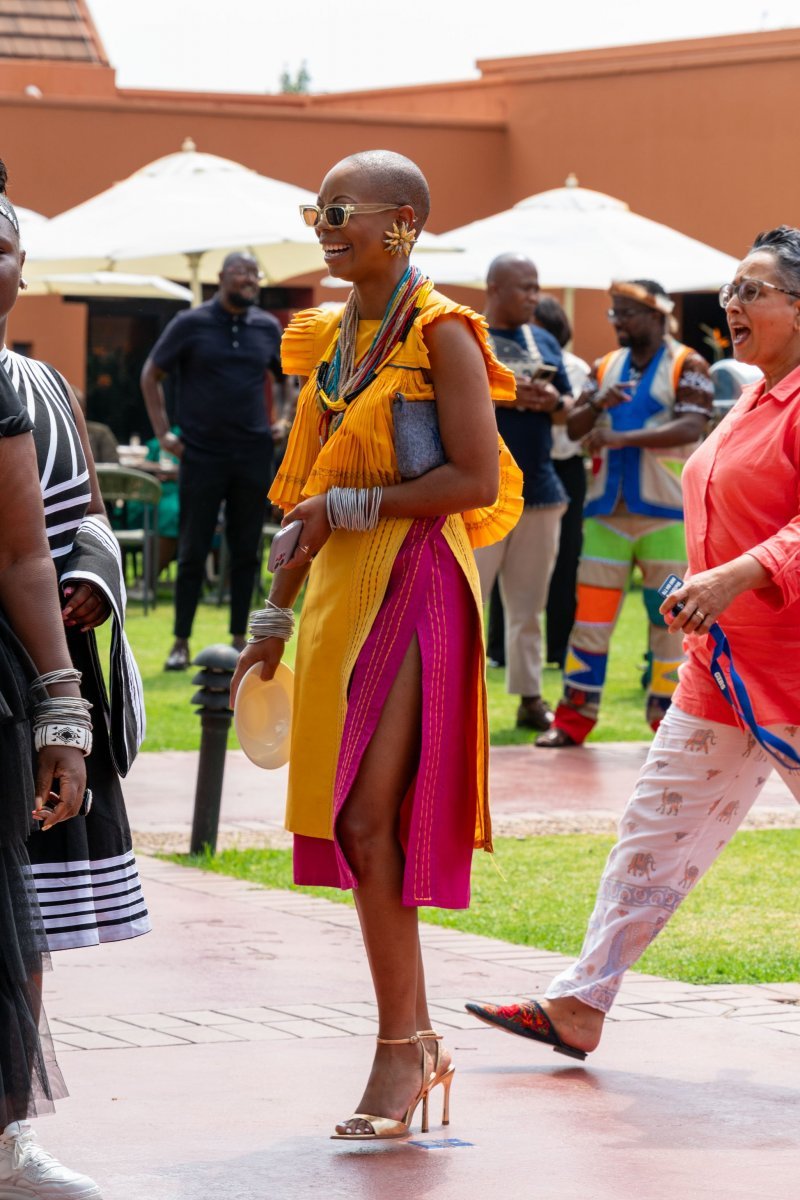
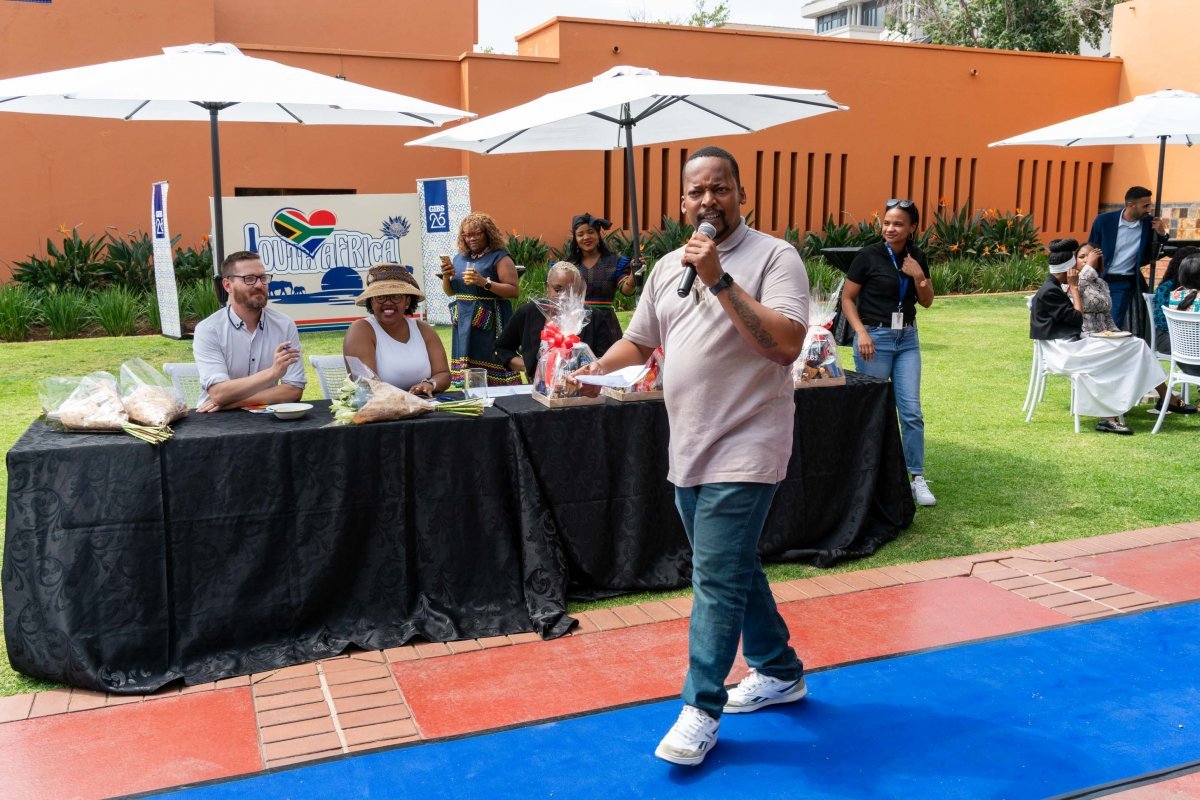
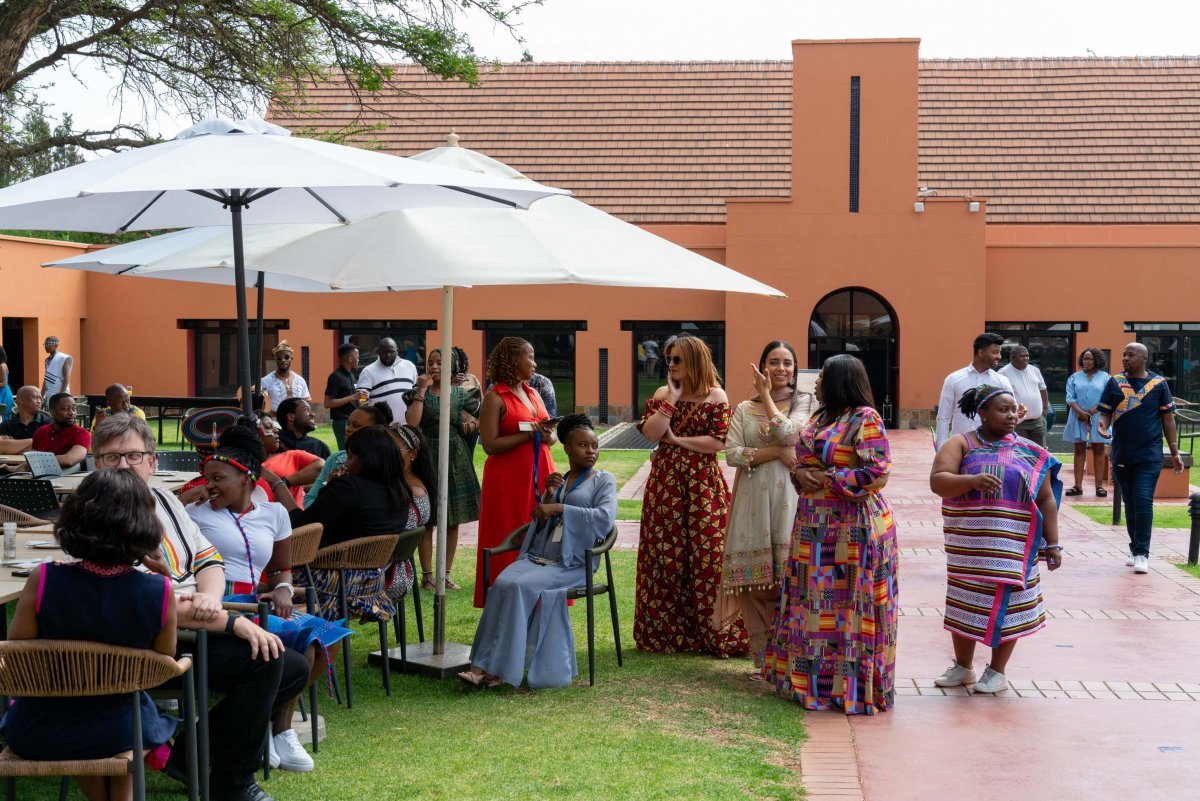
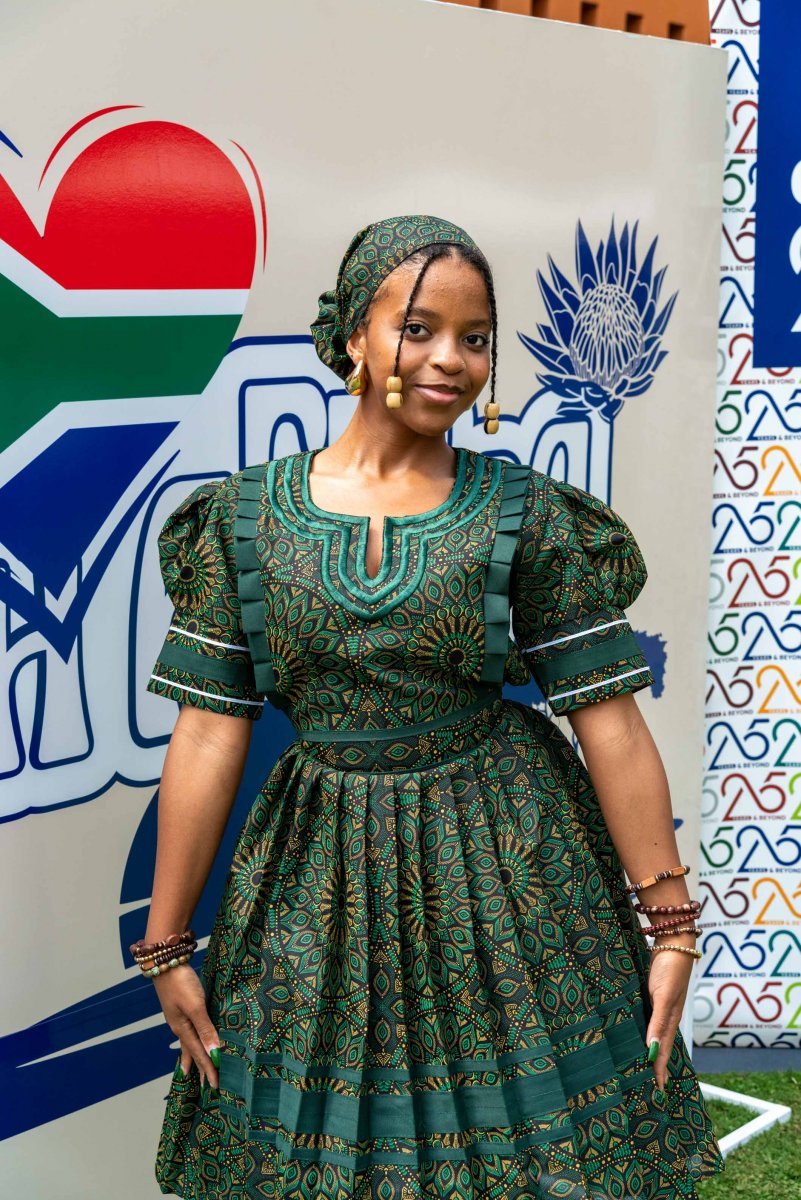
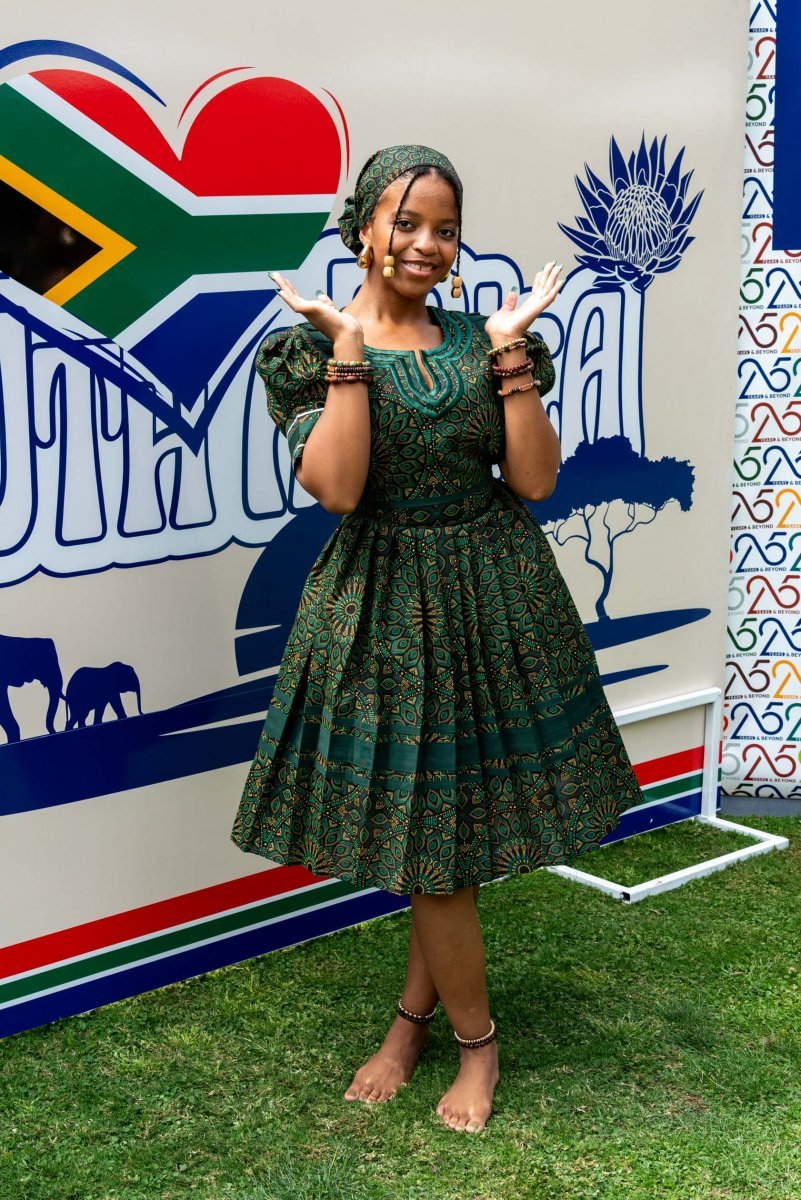
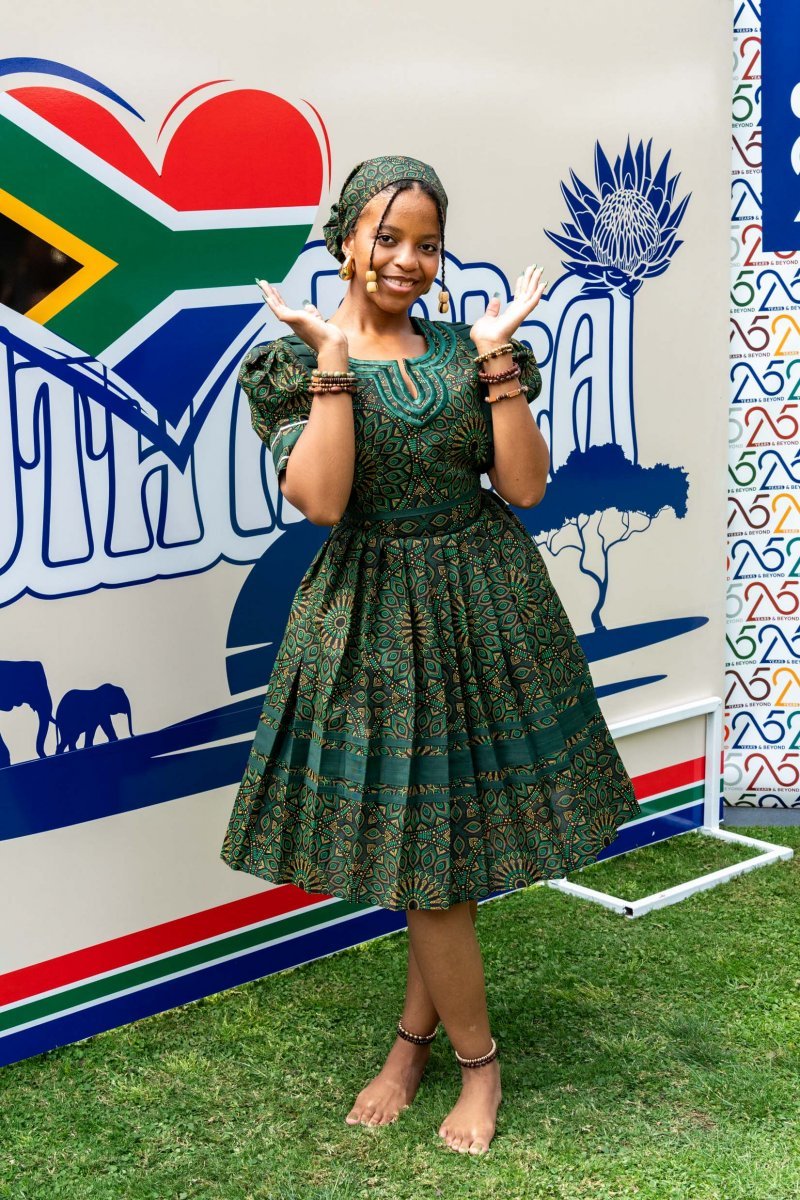
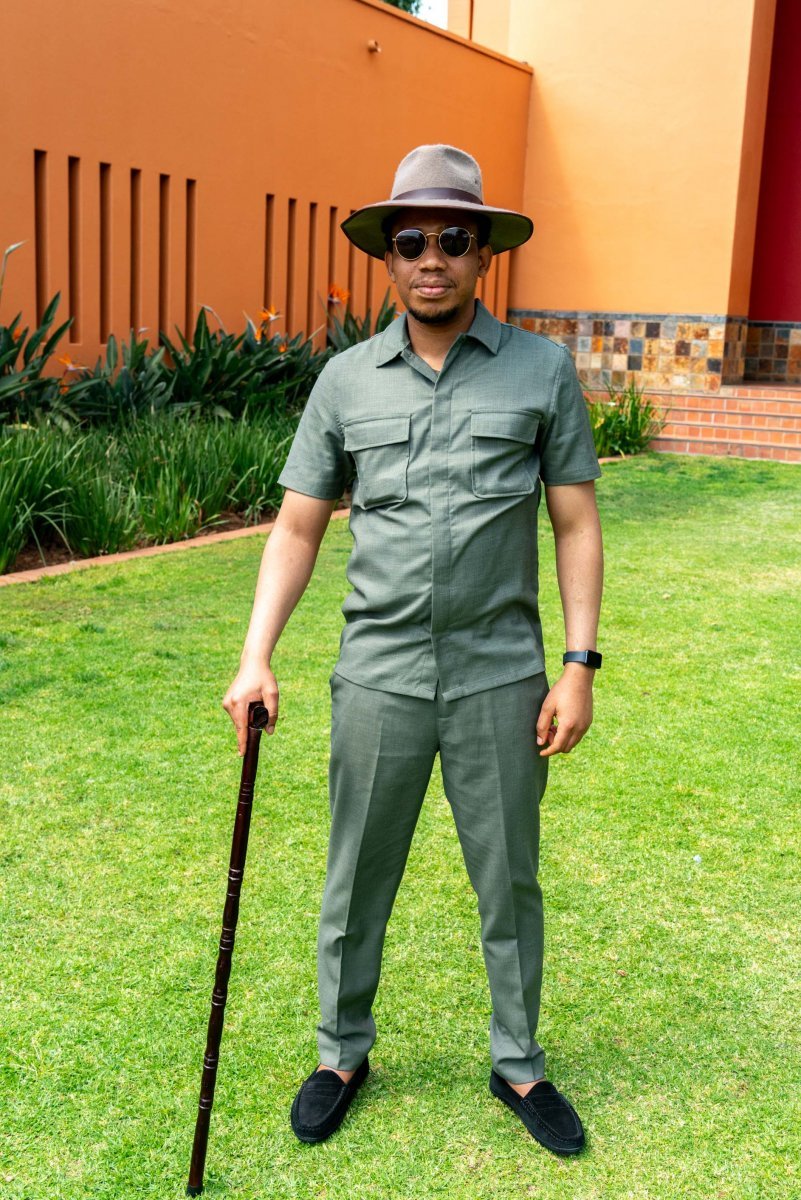
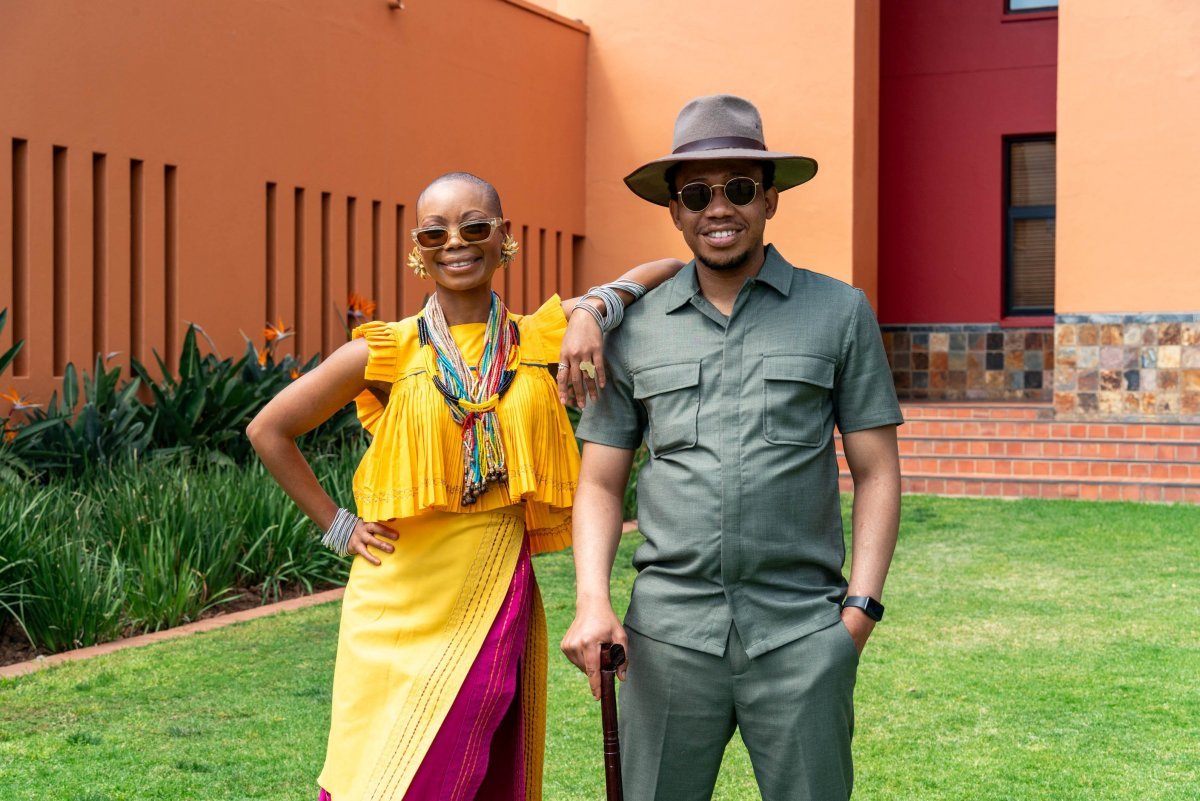
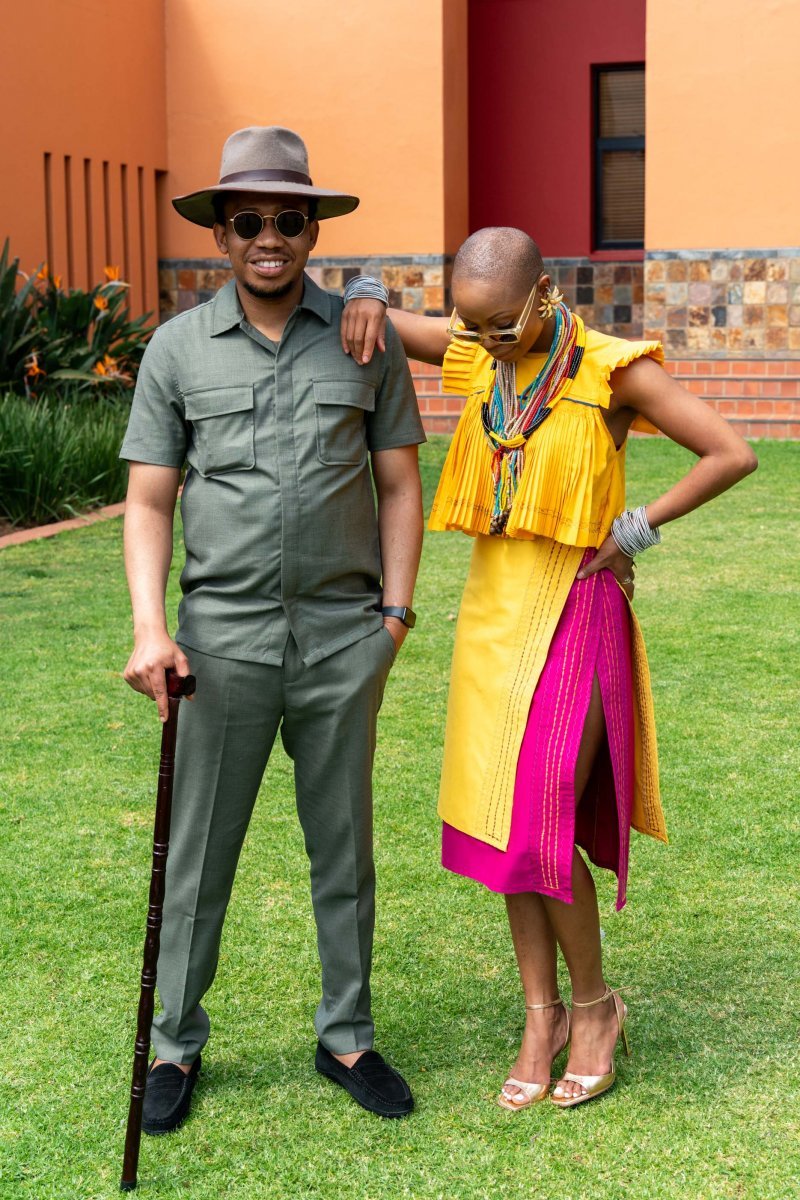
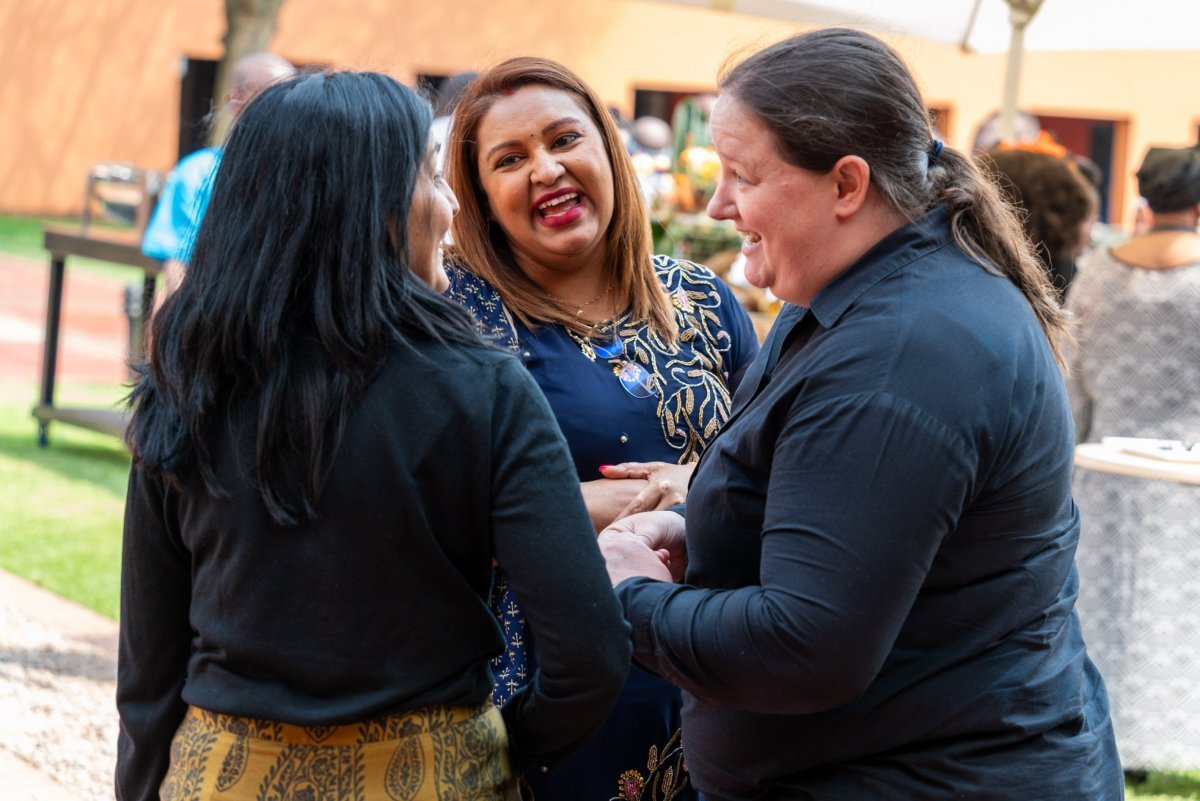
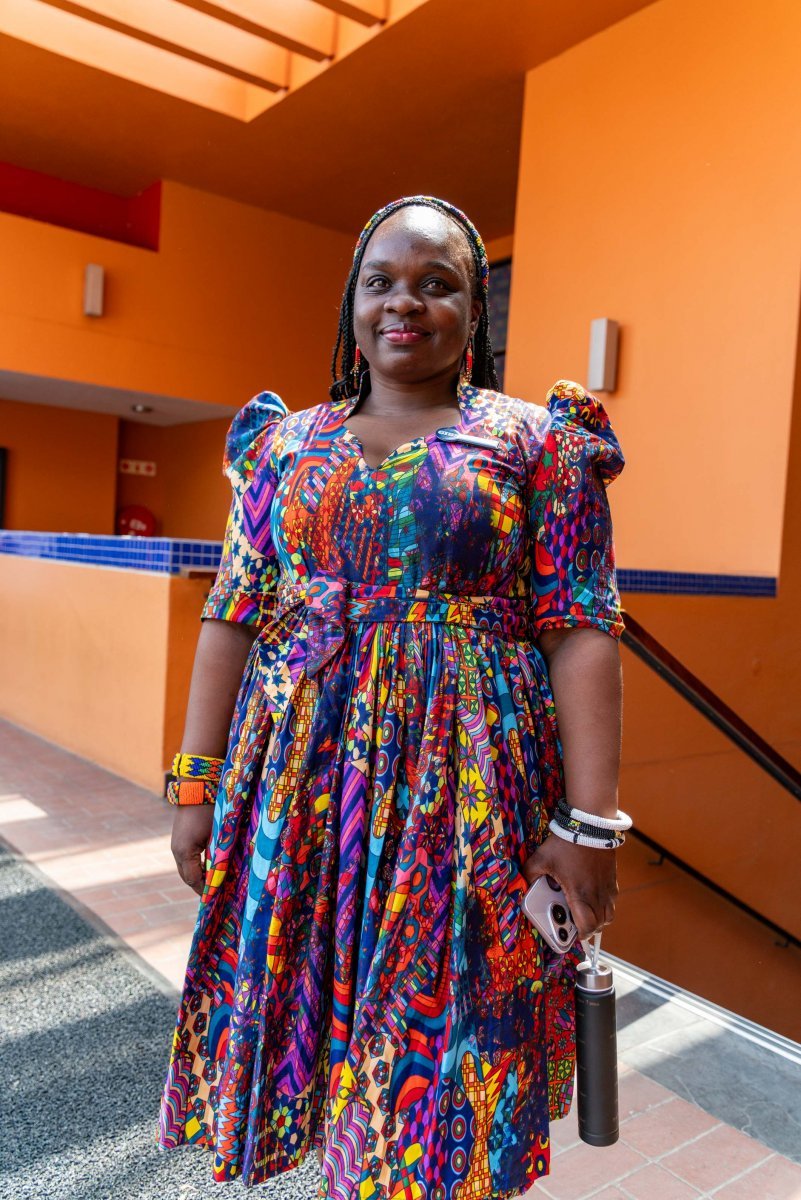
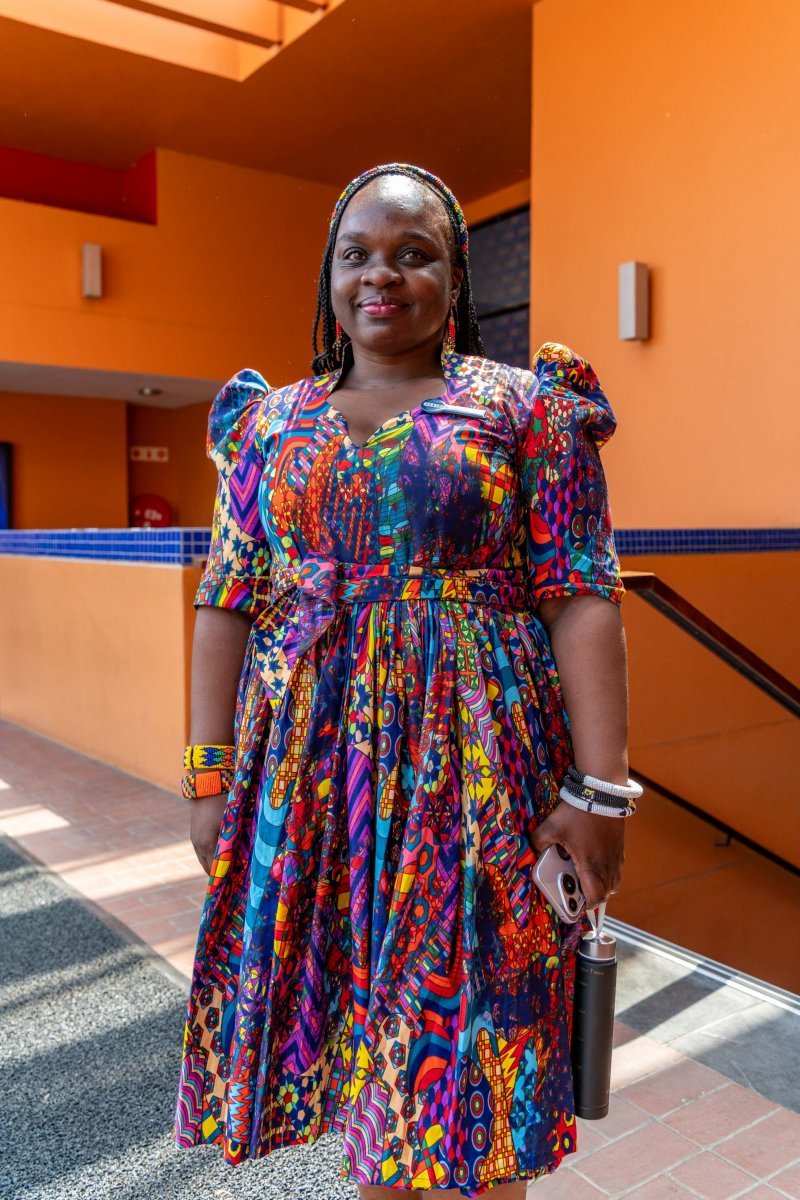
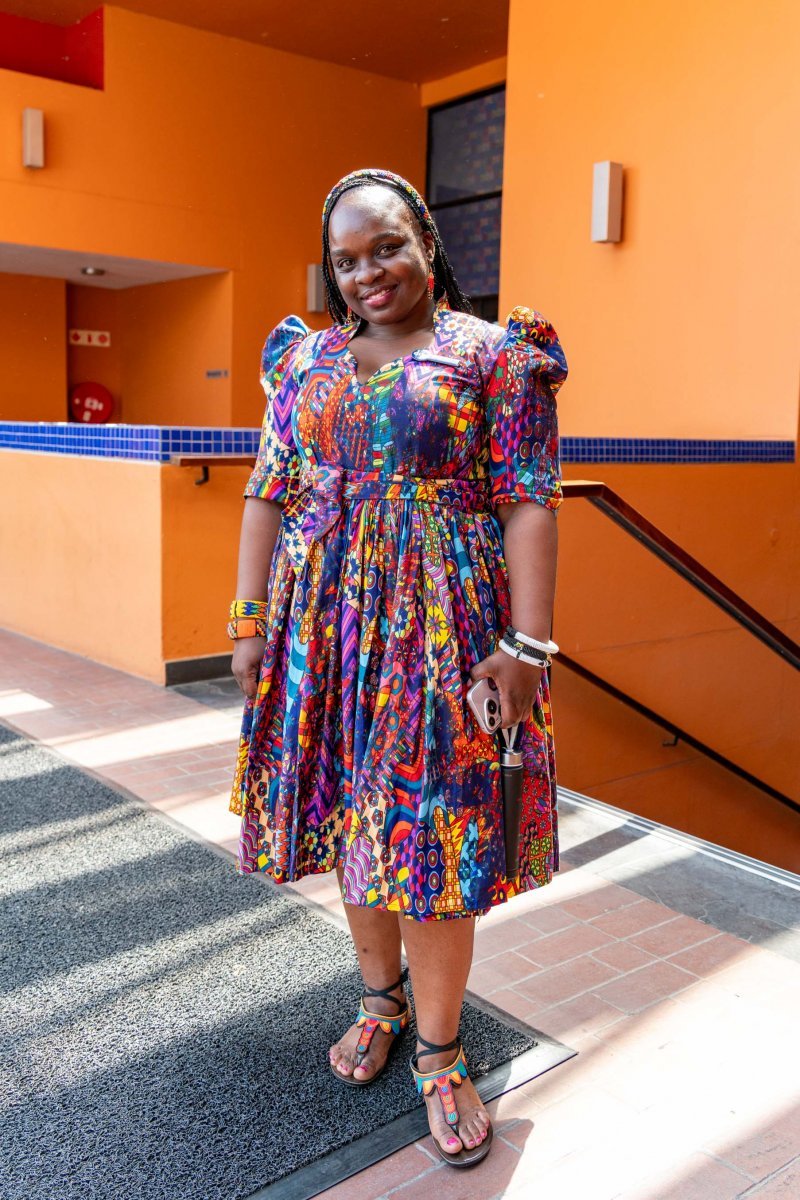
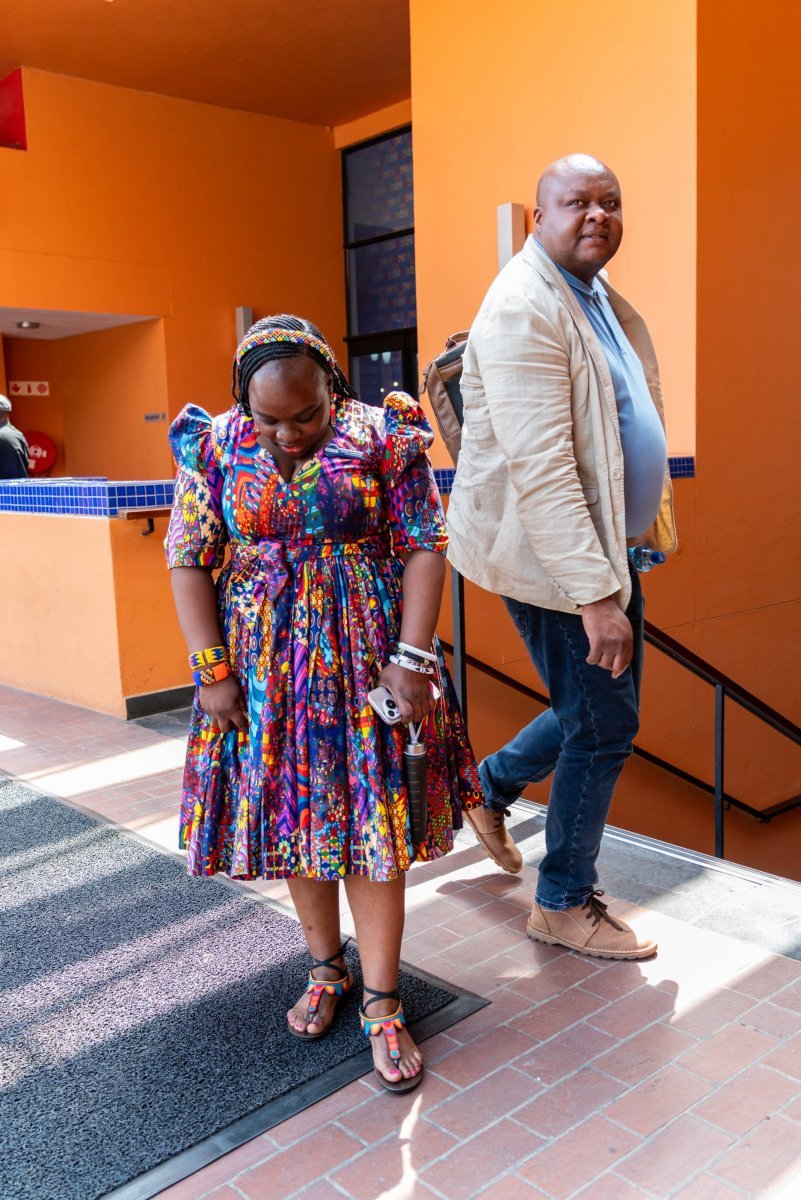
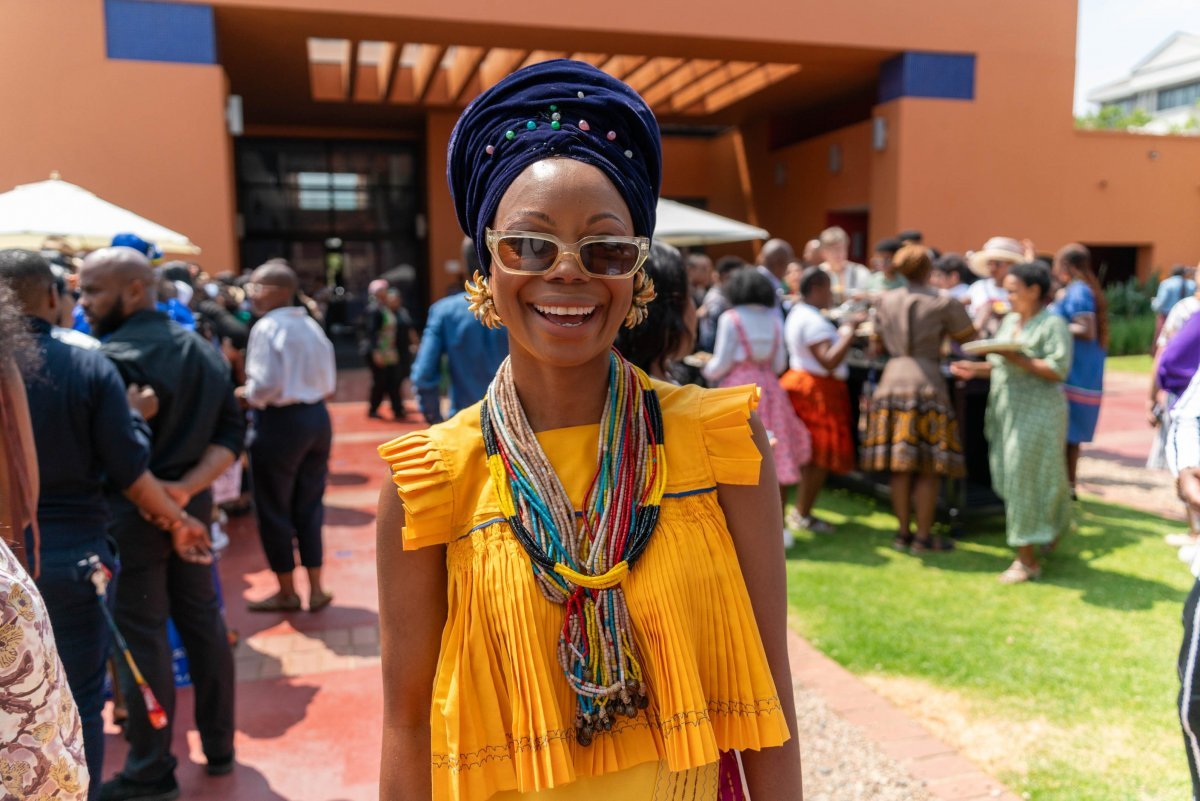
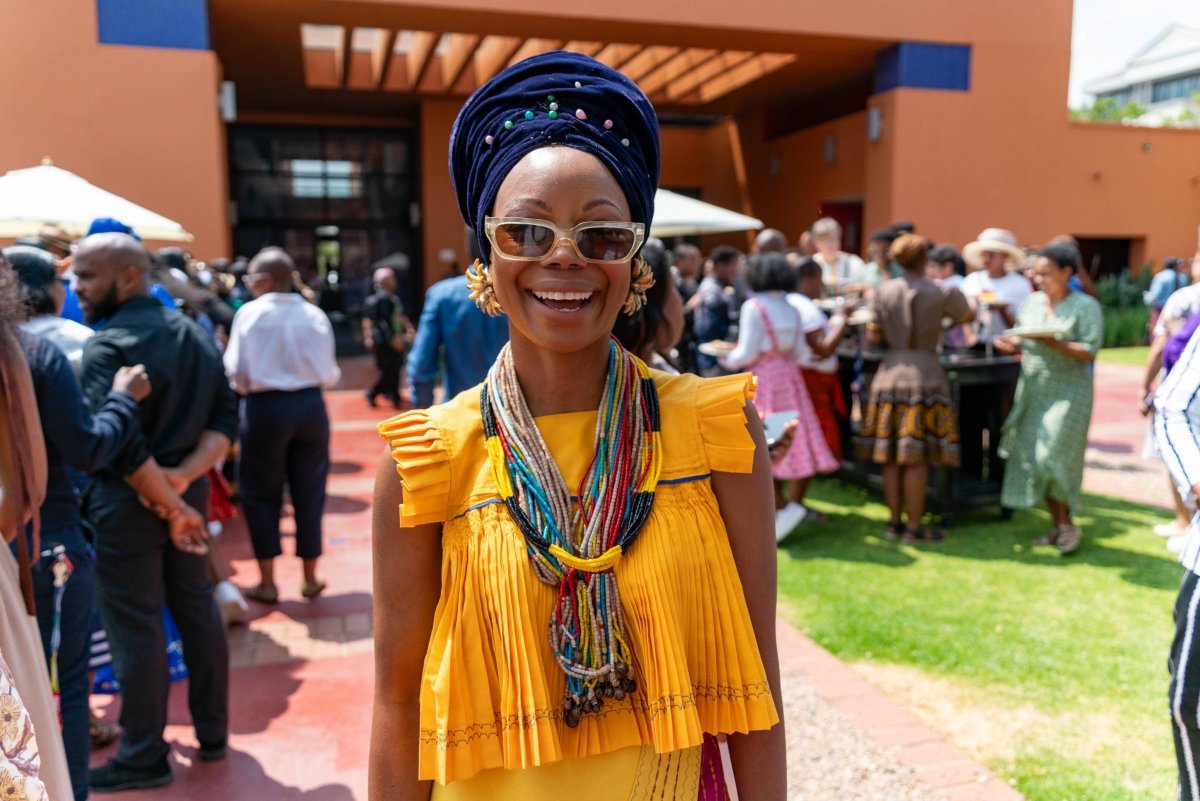
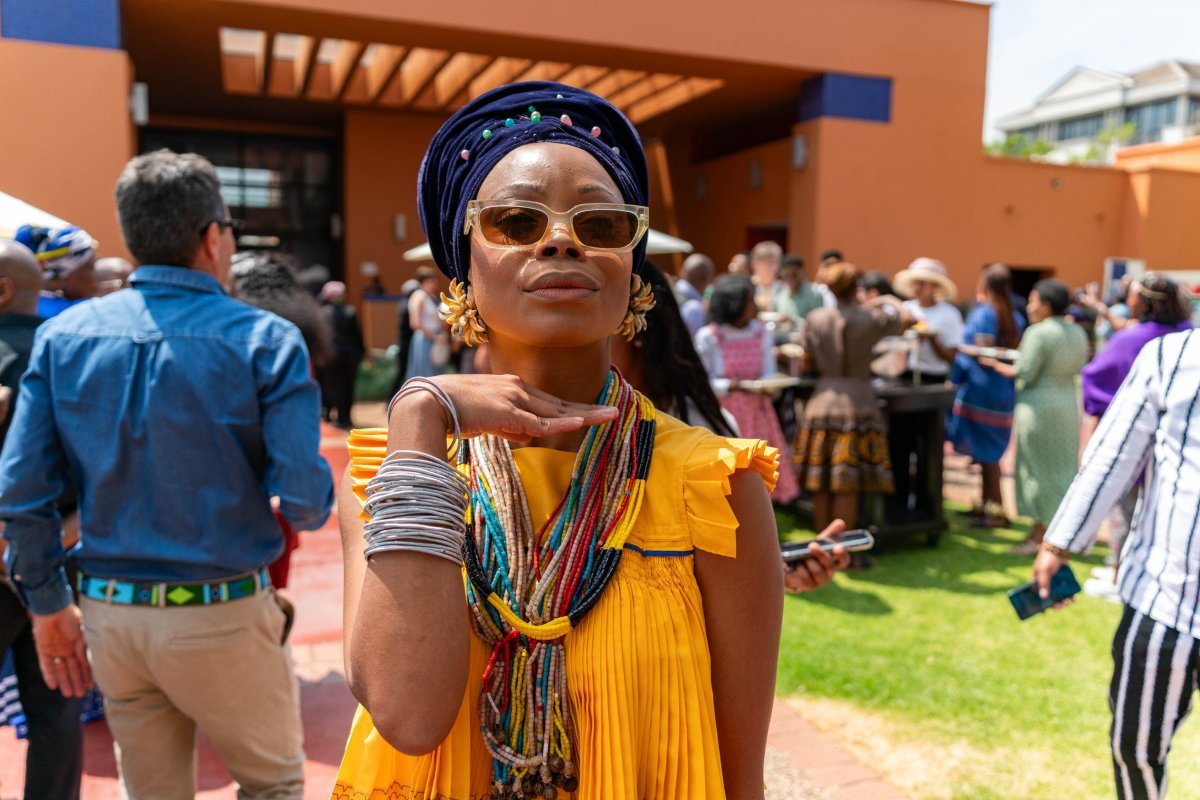
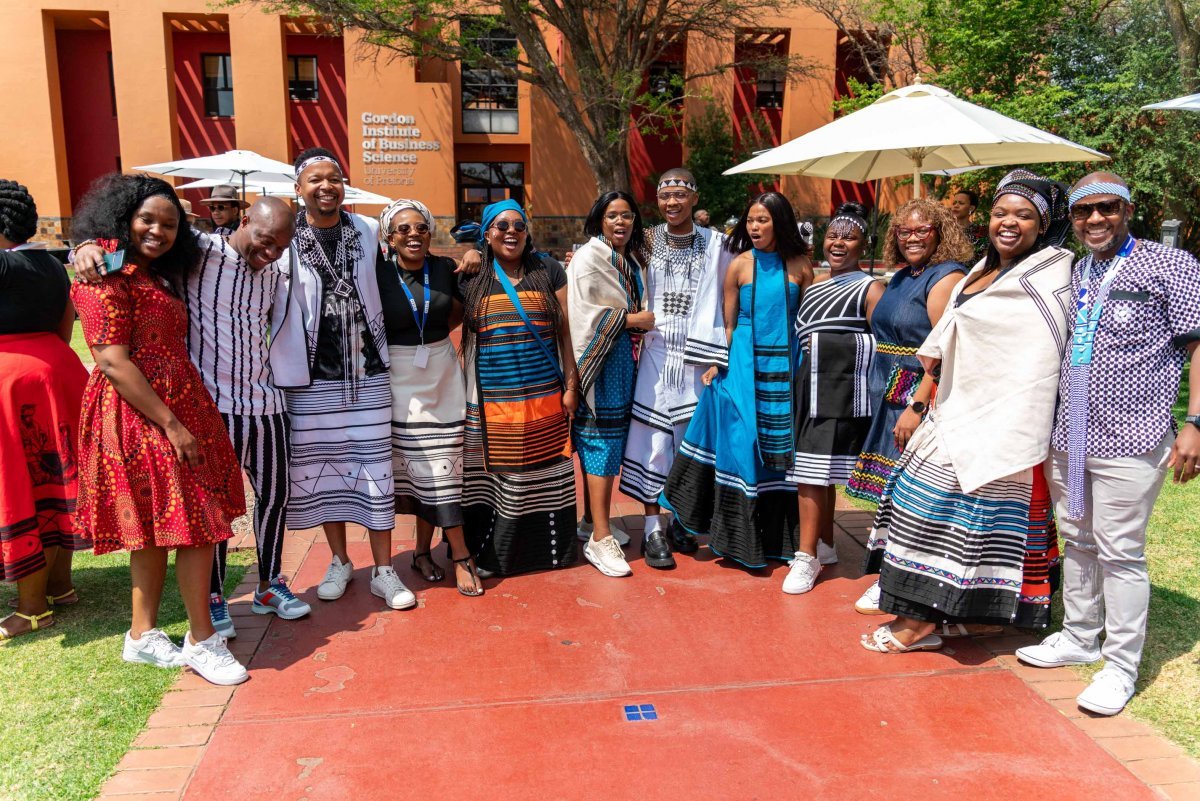
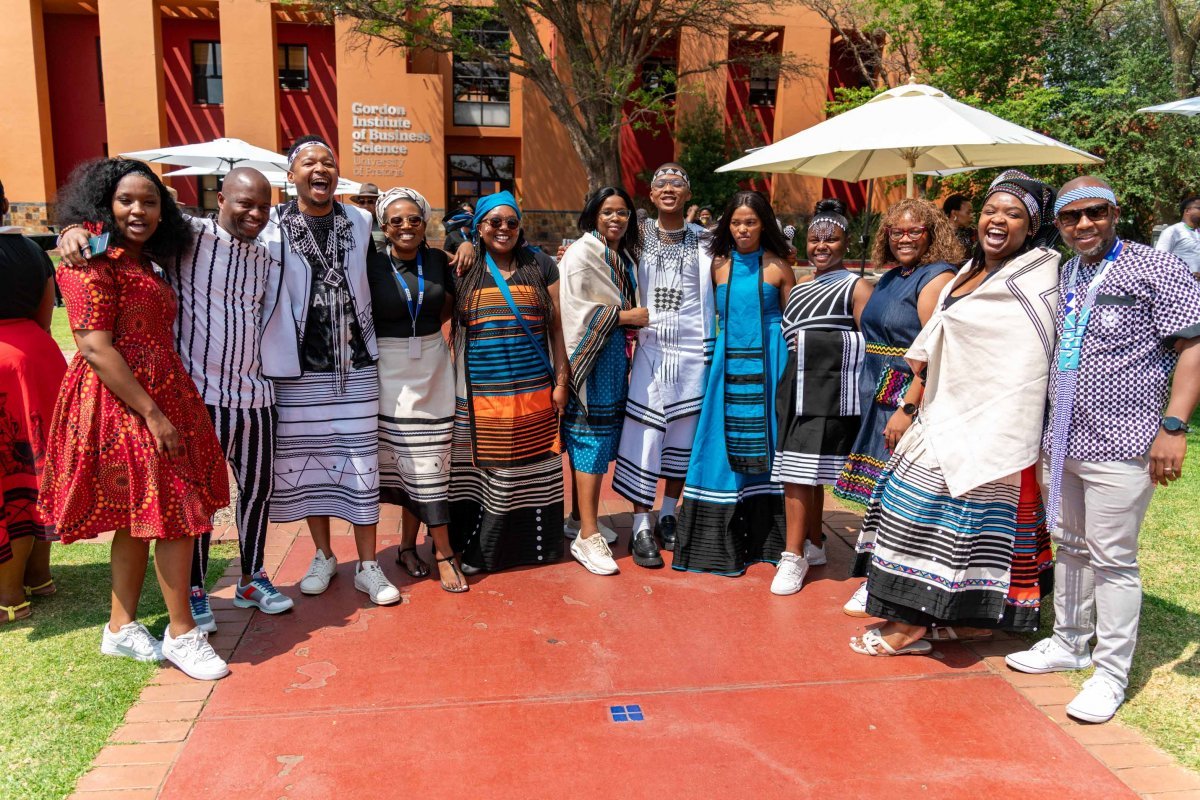
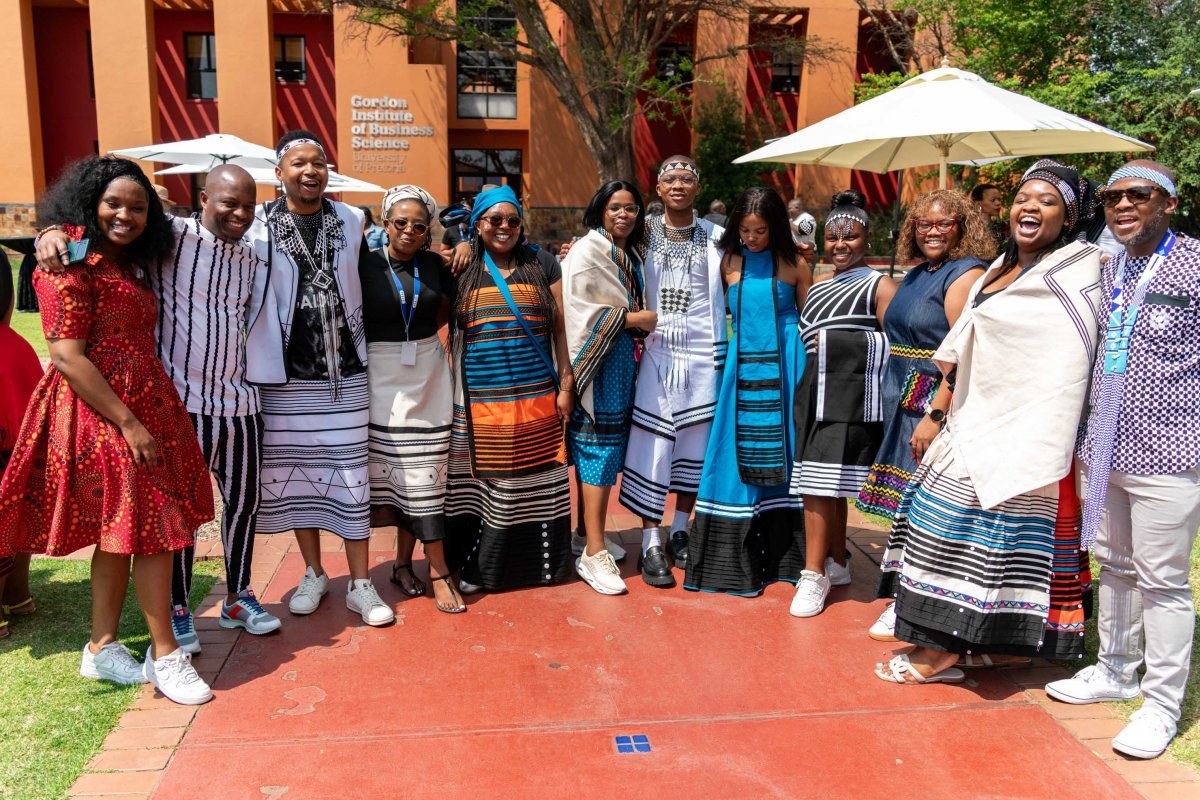
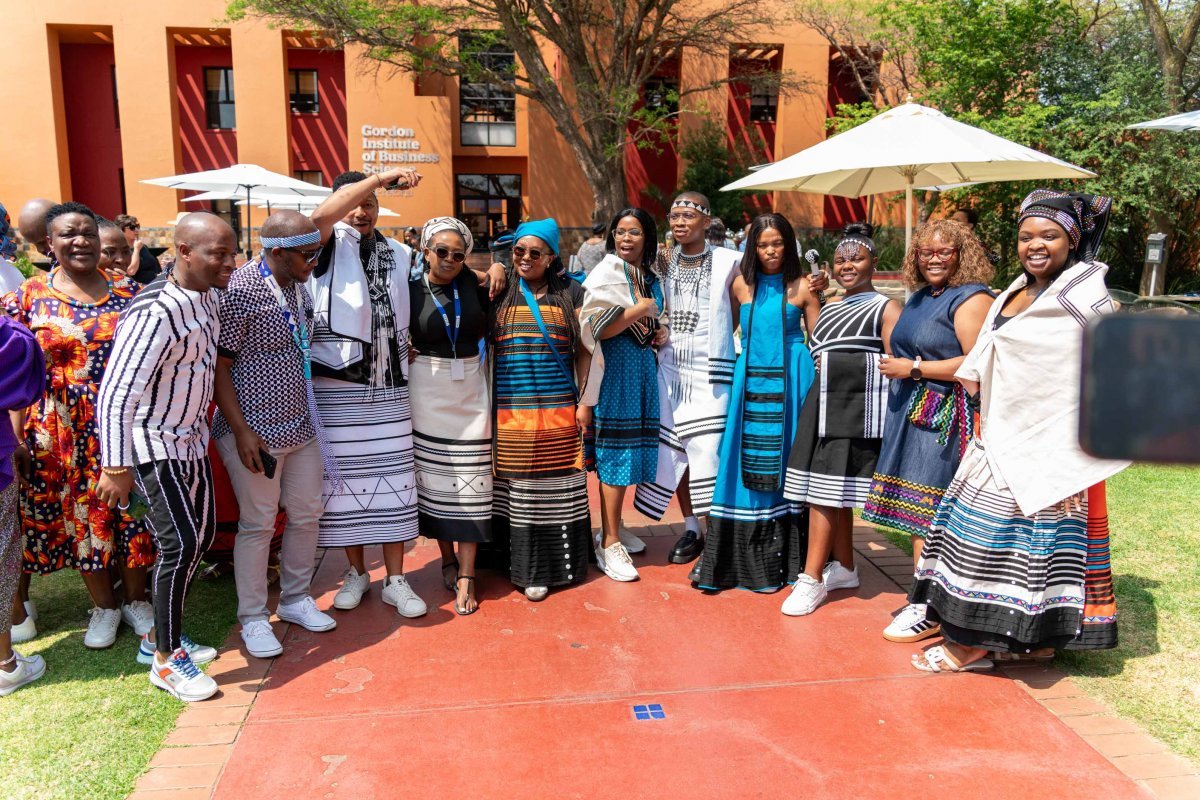
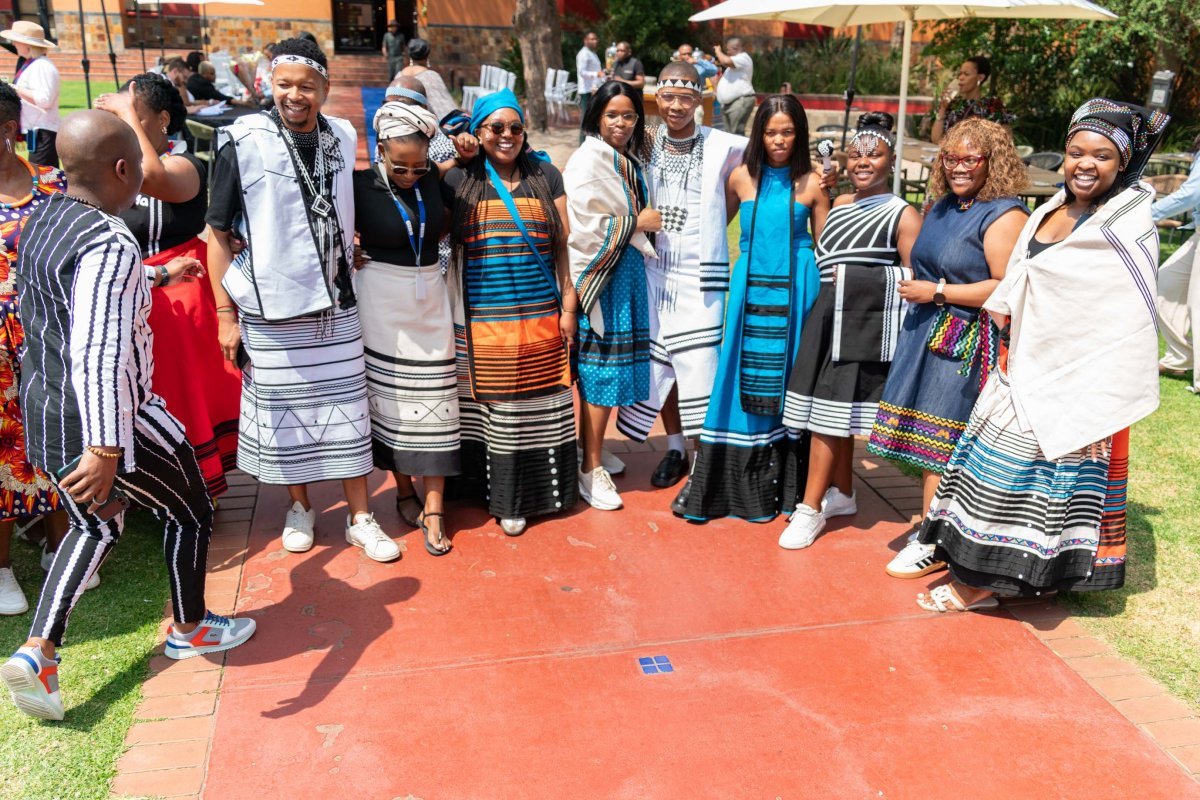
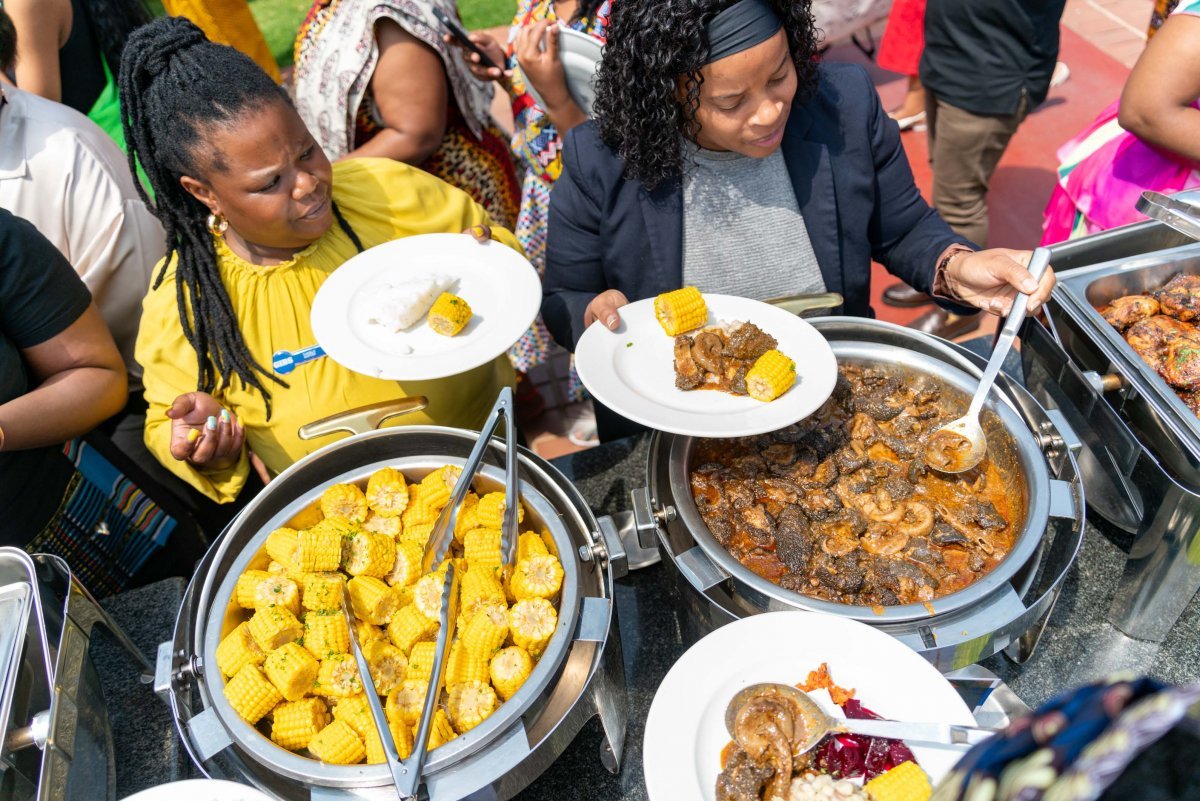
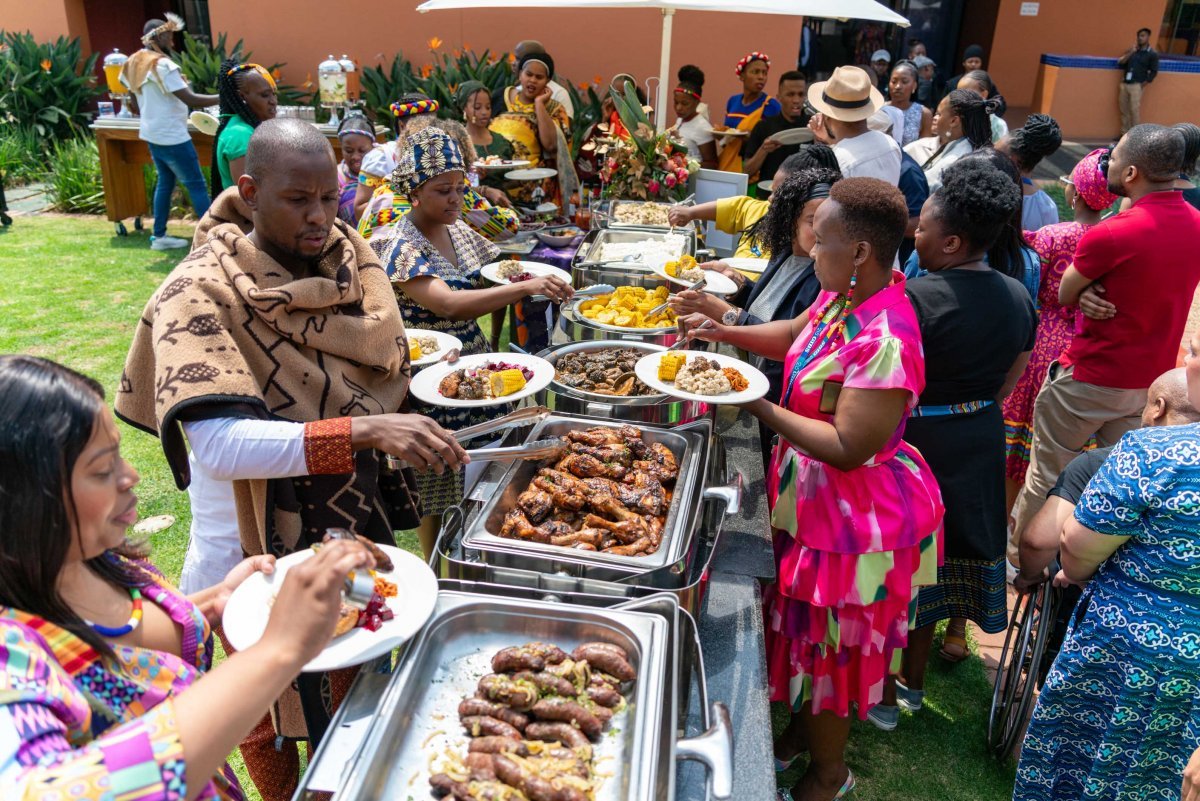
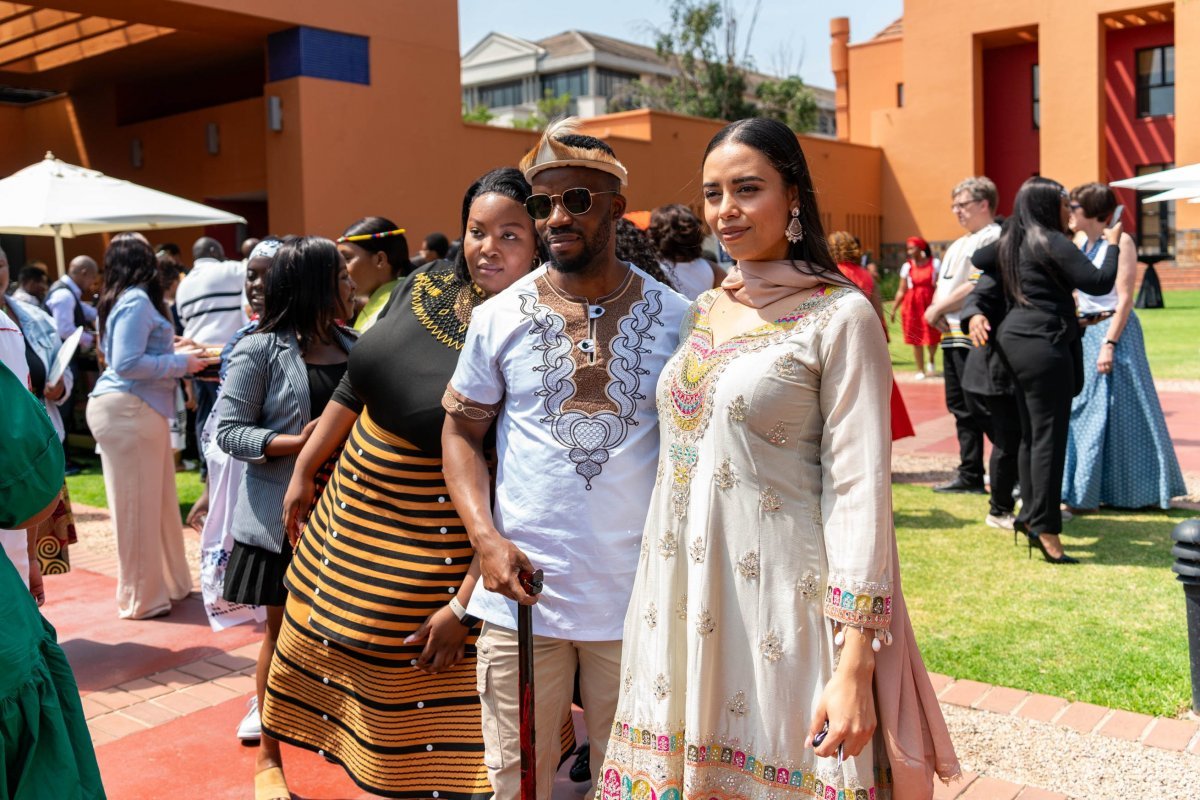
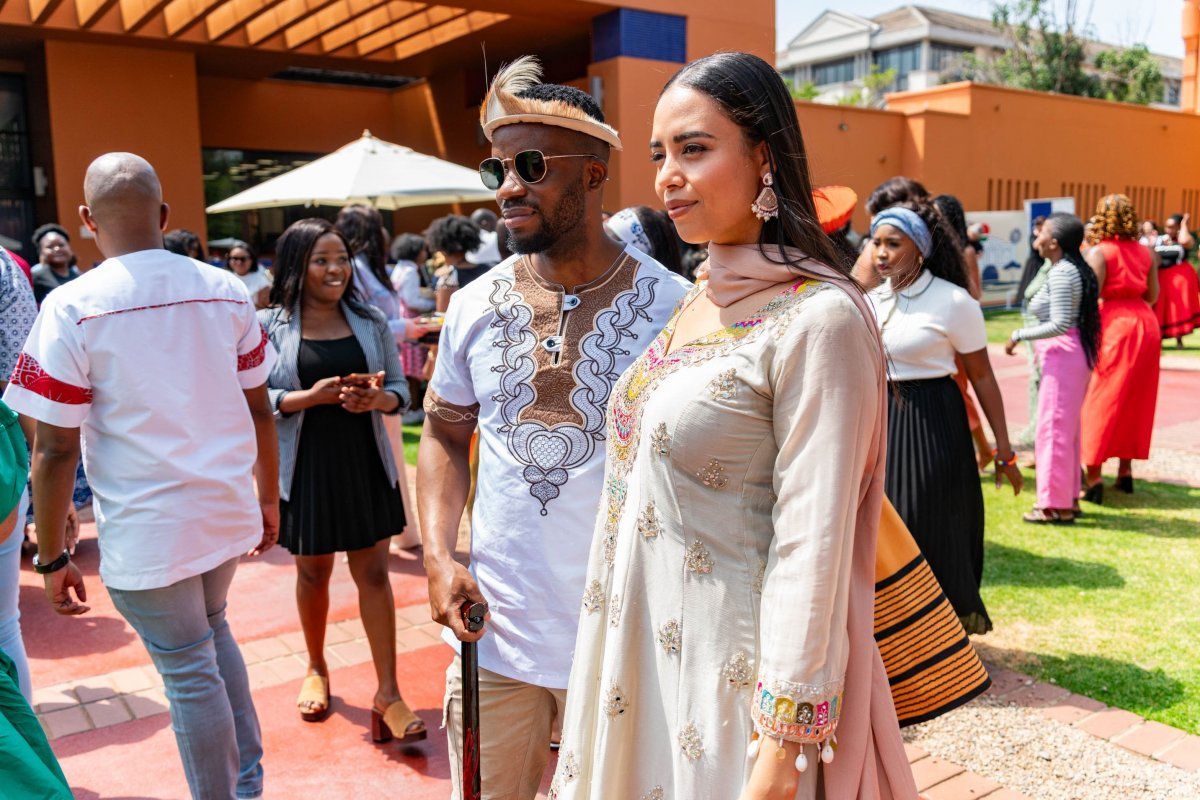
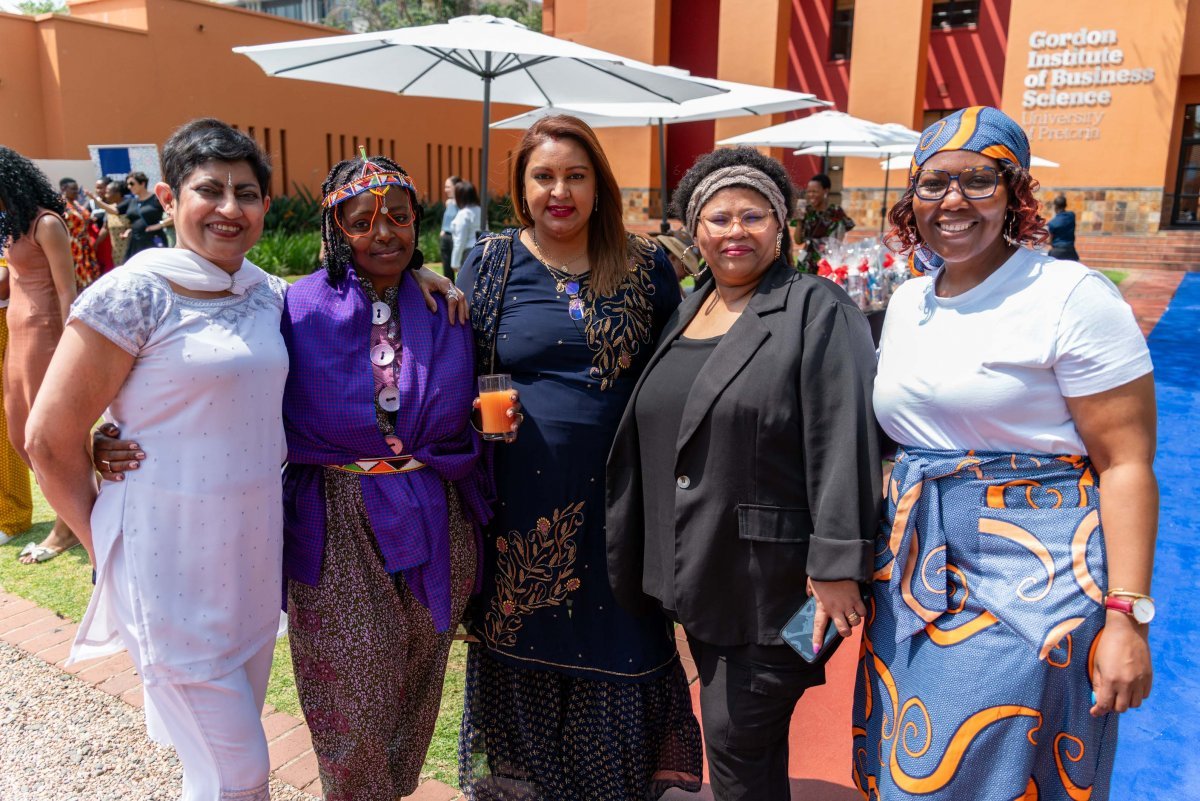
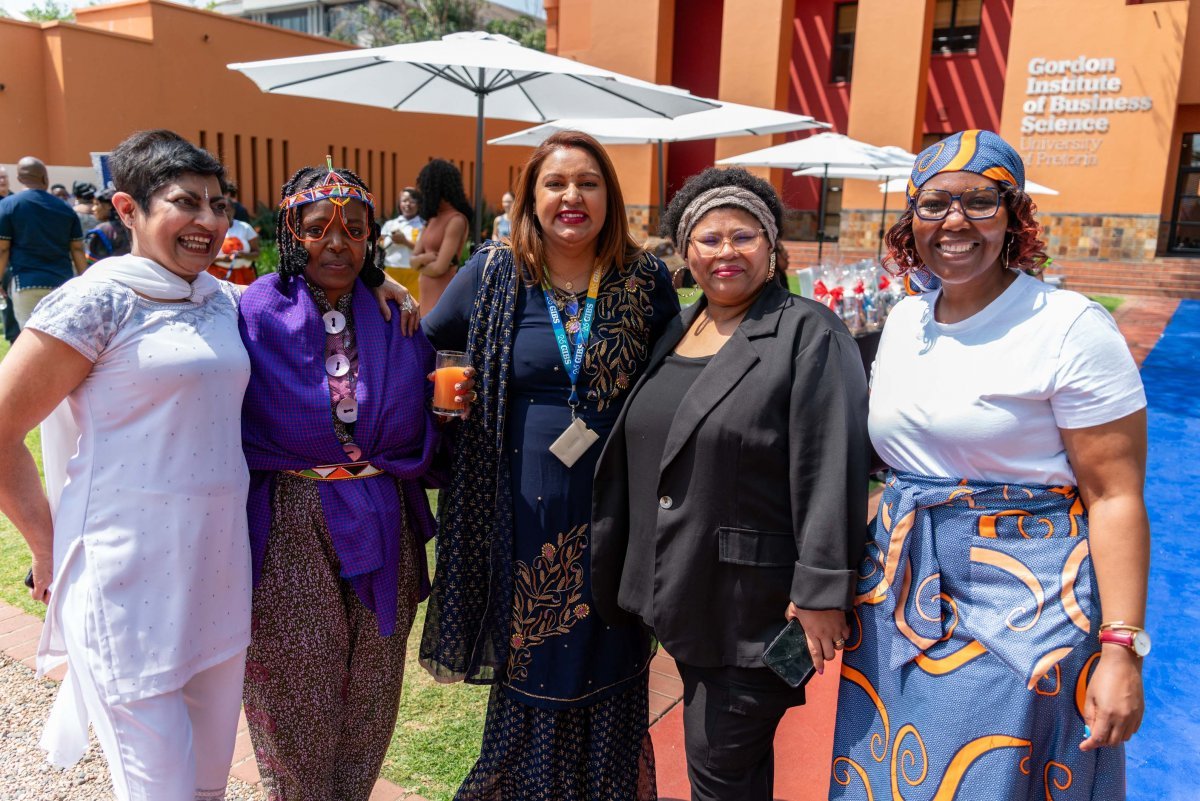
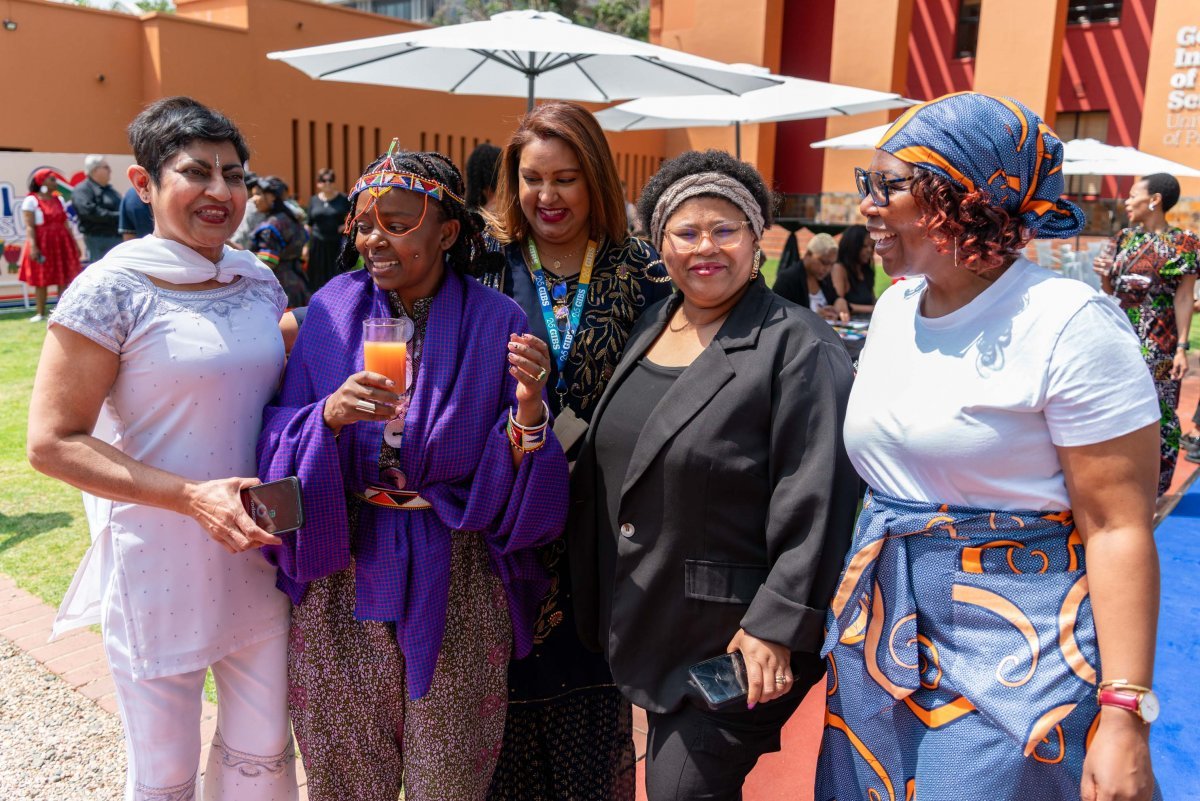
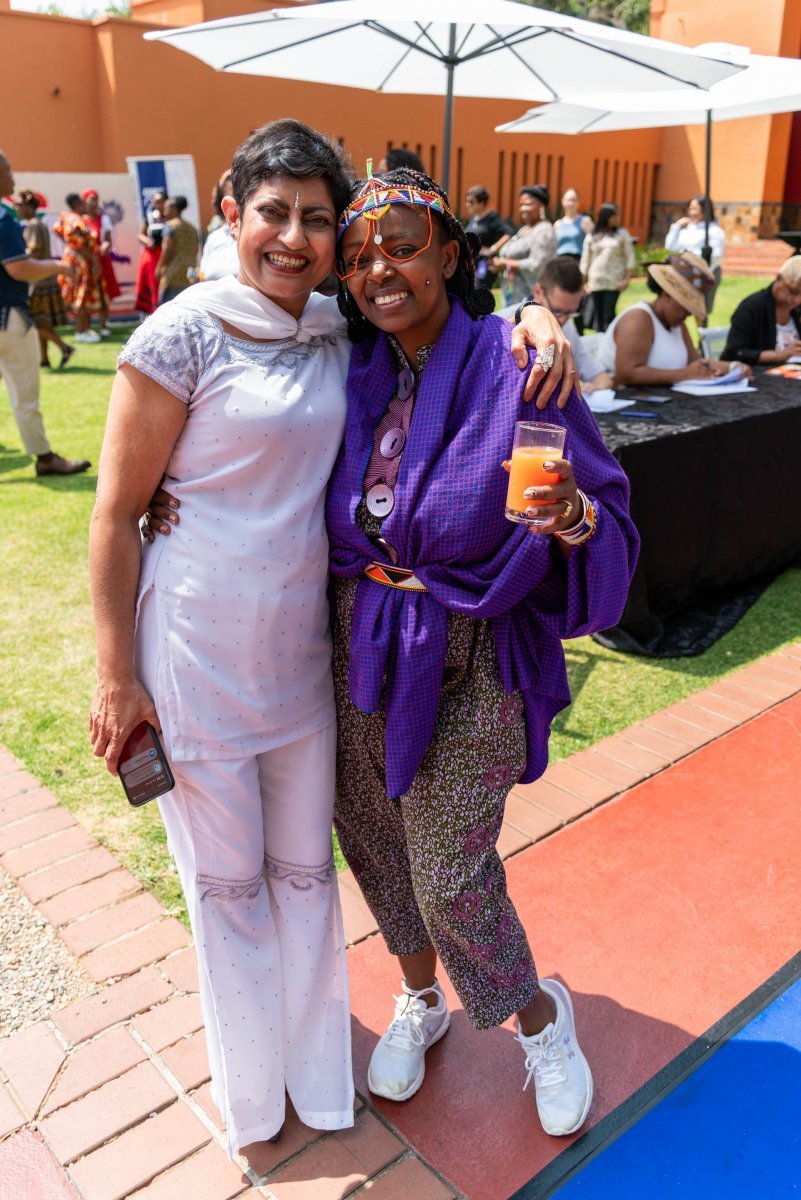
GIBS staff came together in a vibrant celebration of Heritage Day, embracing the theme “Diversity: Our Strength, Our Story”. The event brought staff, faculty, and students into a shared space of cultural pride, reflection, and connection.
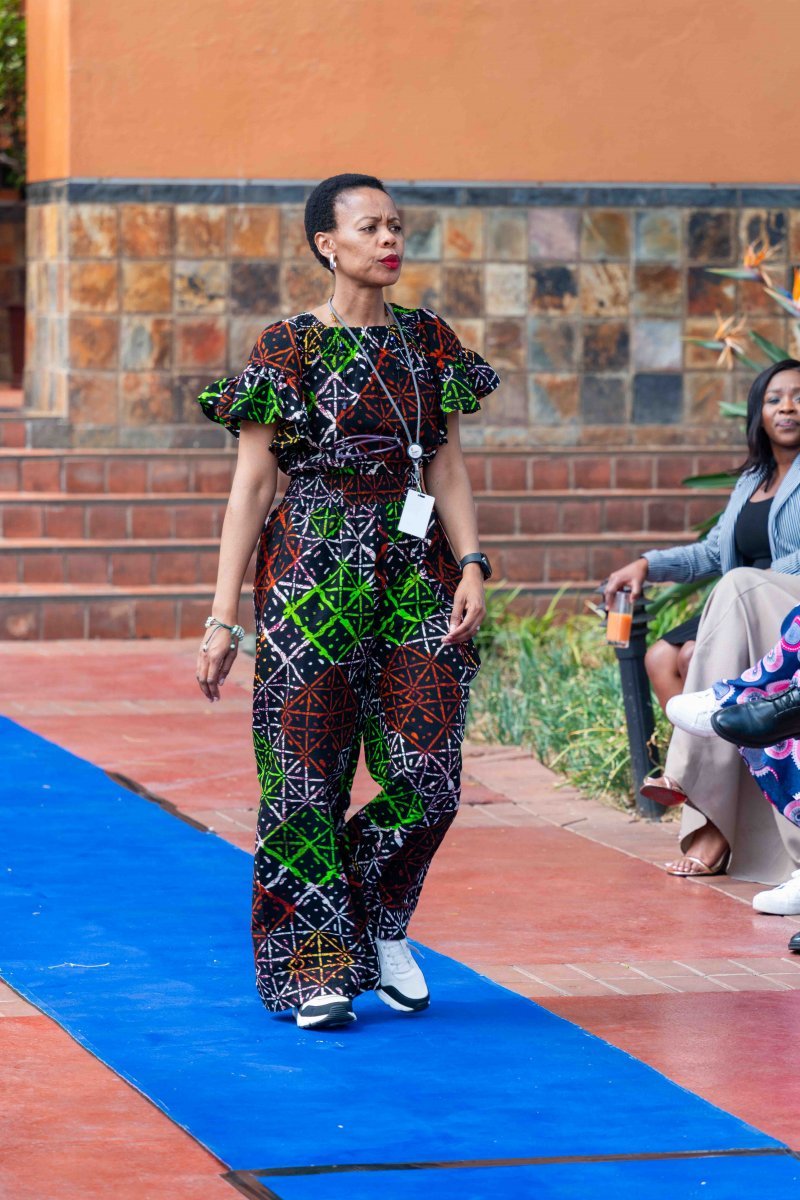
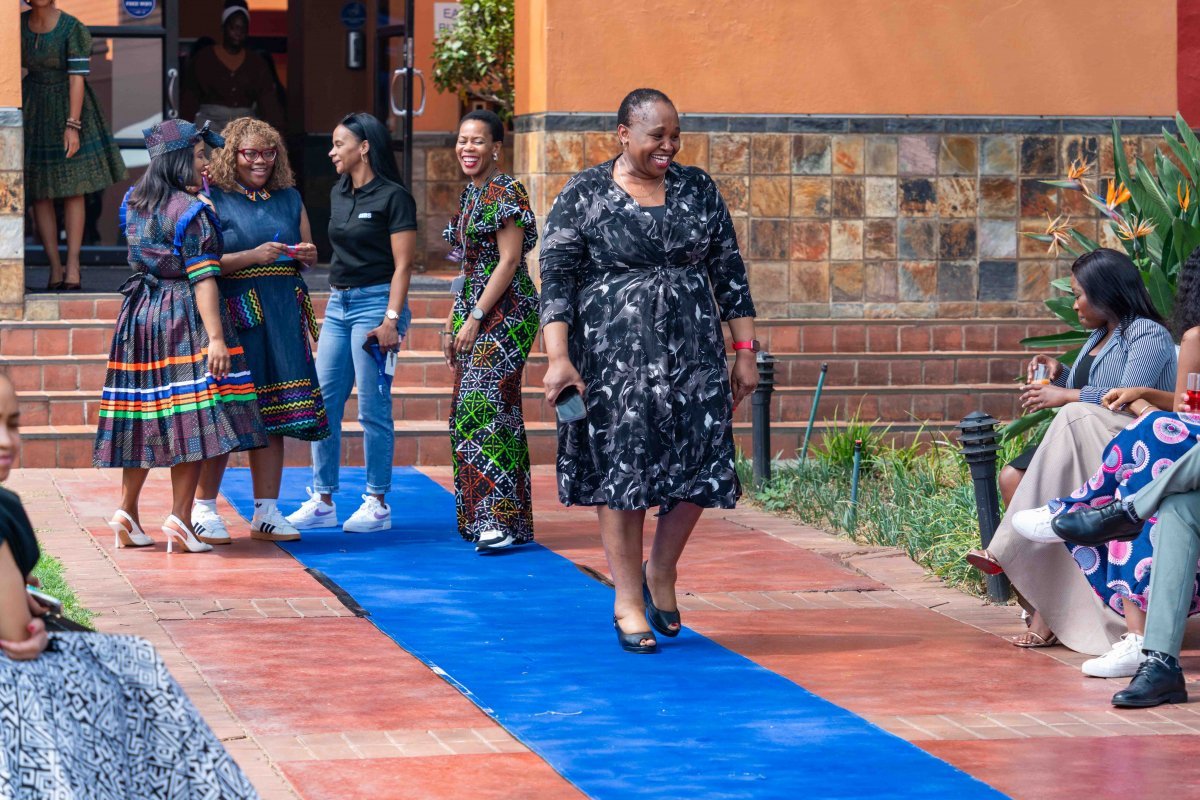
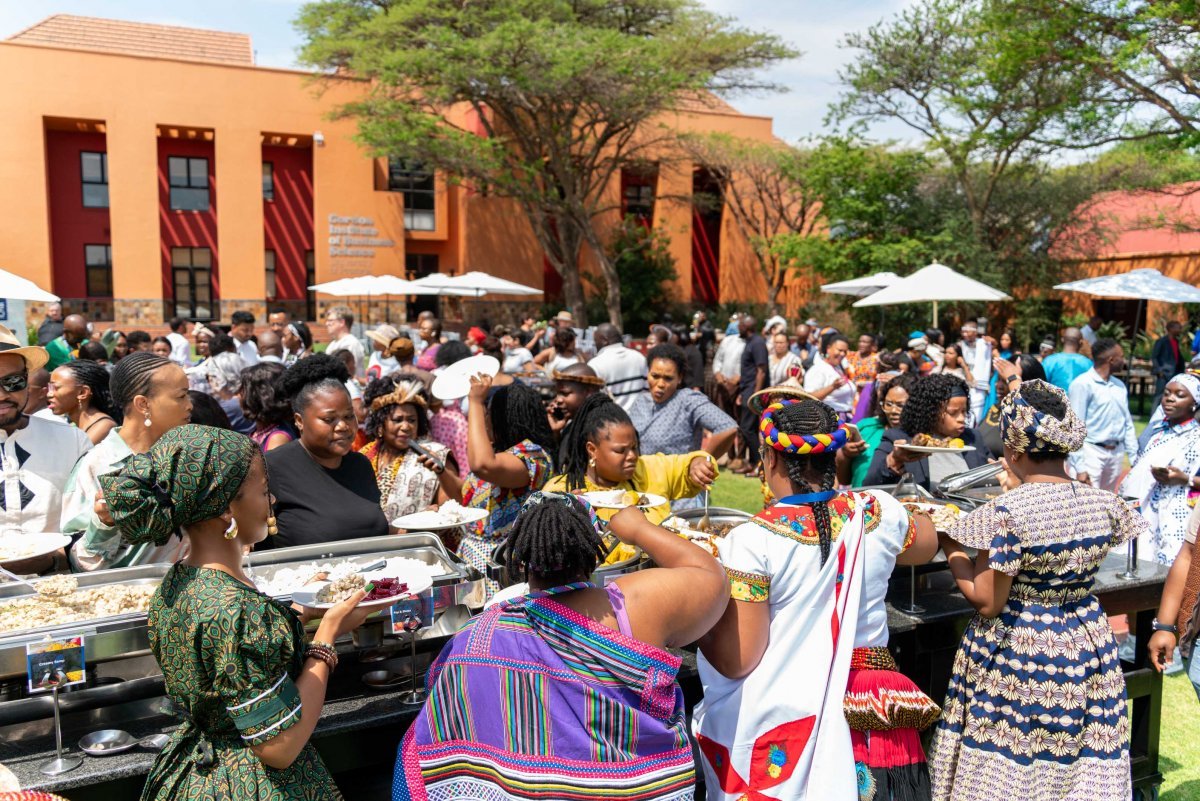
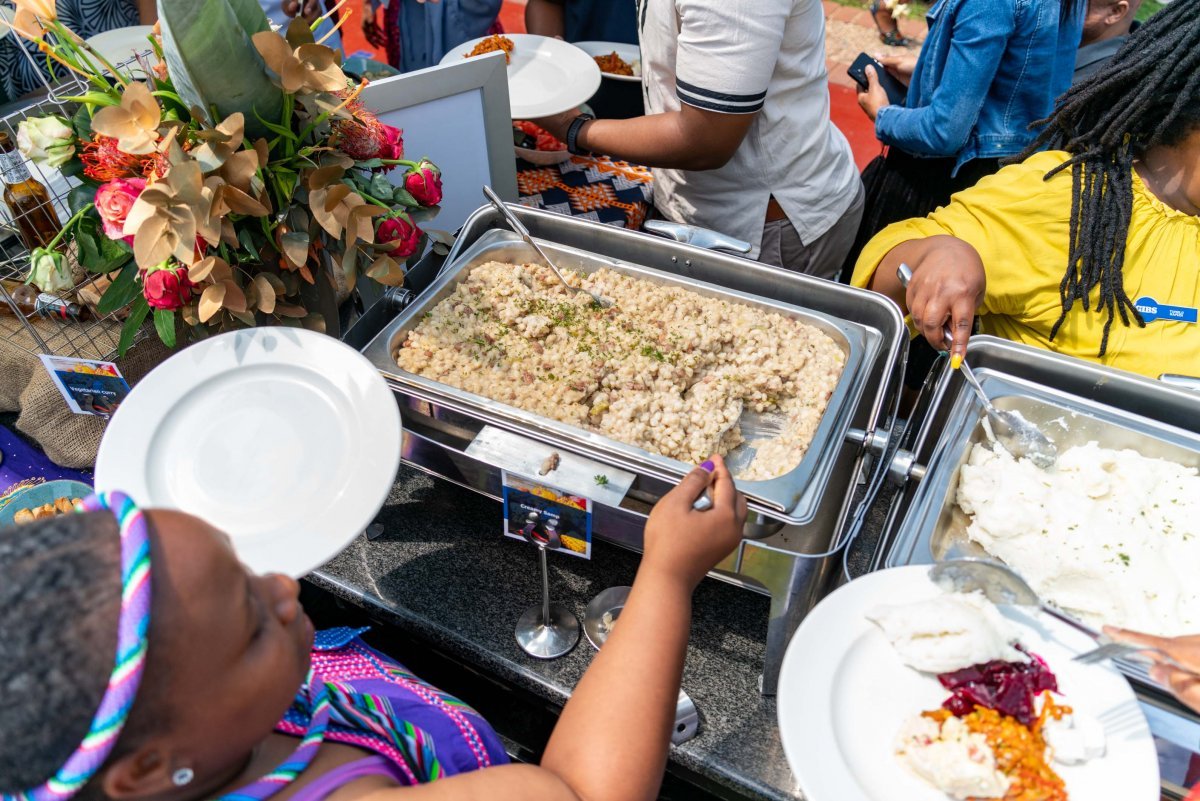
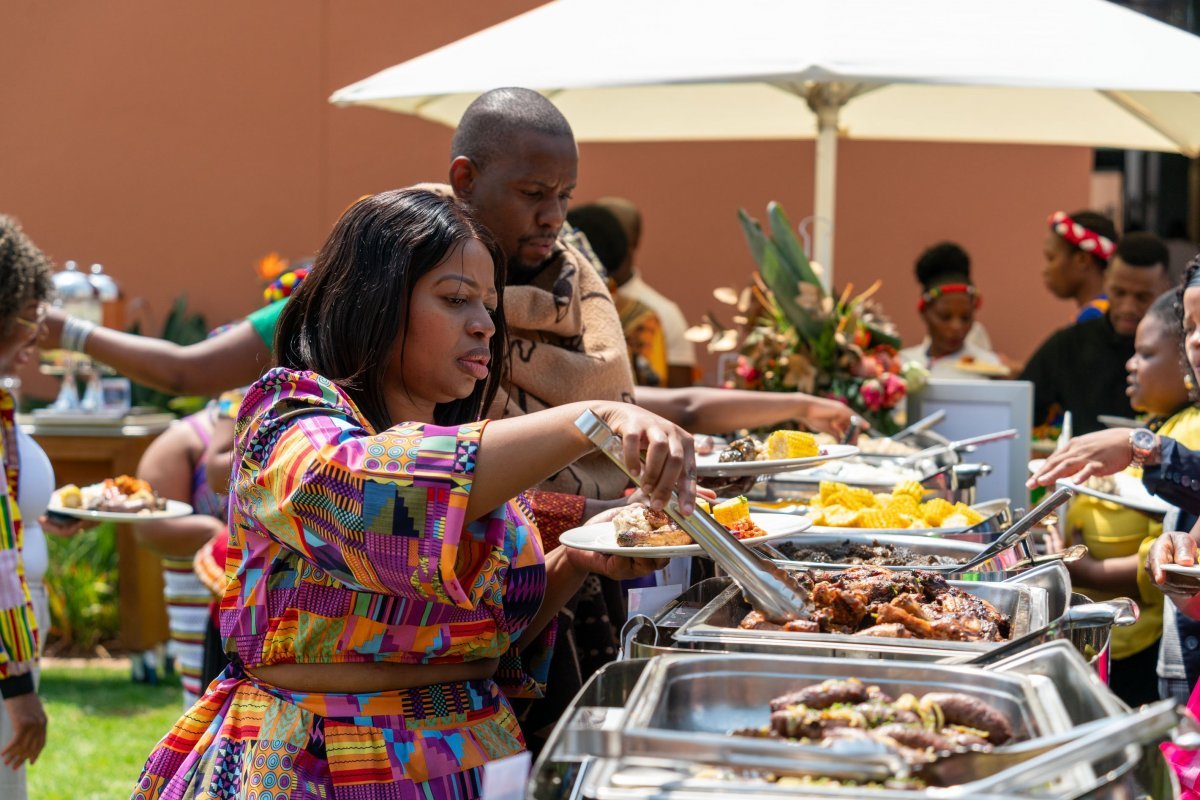
From traditional attire and music to cuisine, the day showcased the rich tapestry of South African heritage and the global cultures represented within the GIBS community. The celebration served as a powerful reminder that diversity is not just something we acknowledge, it’s something we live, a deep commitment to inclusion, belonging, and the value of every voice in shaping our collective future.
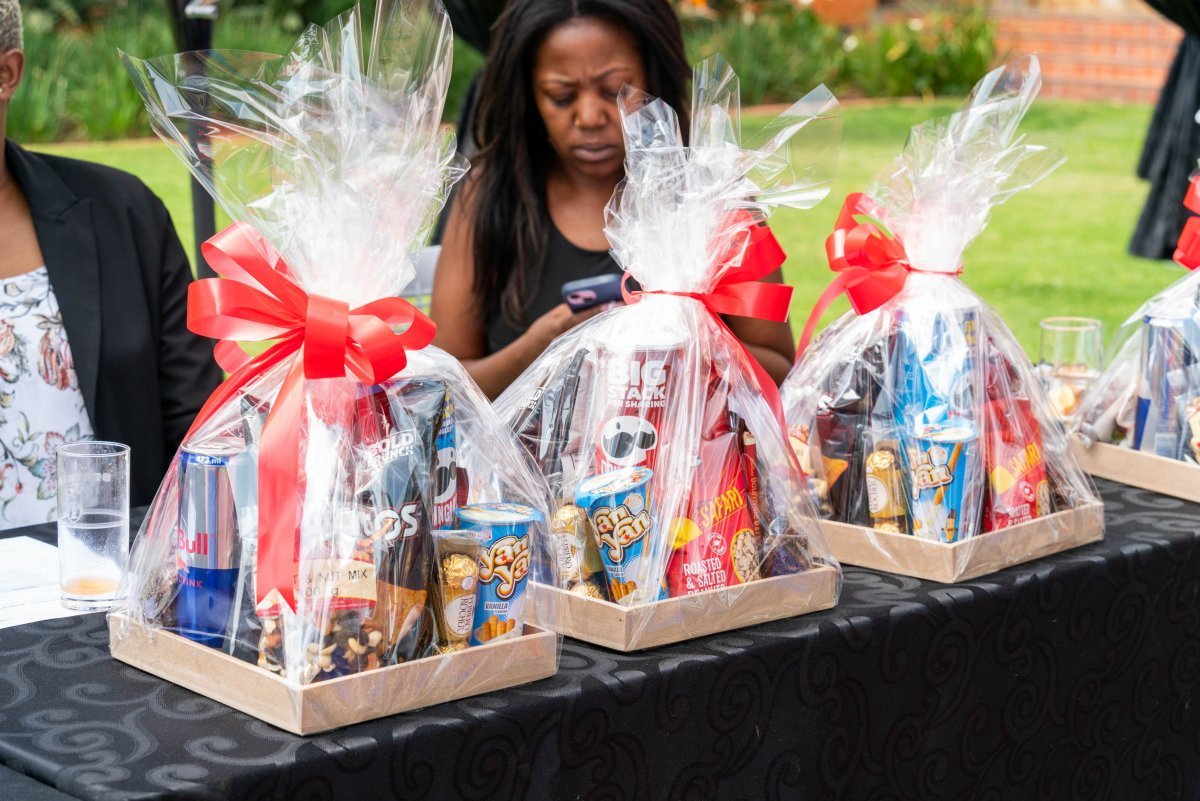
The festivities concluded with a communal lunch featuring dishes from across South Africa and beyond, symbolising unity through shared experience.
Heritage Day was more than a commemoration; it was a celebration of identity, a recognition of difference, and a reaffirmation of the values that make the institution a truly inclusive space for learning and leadership.
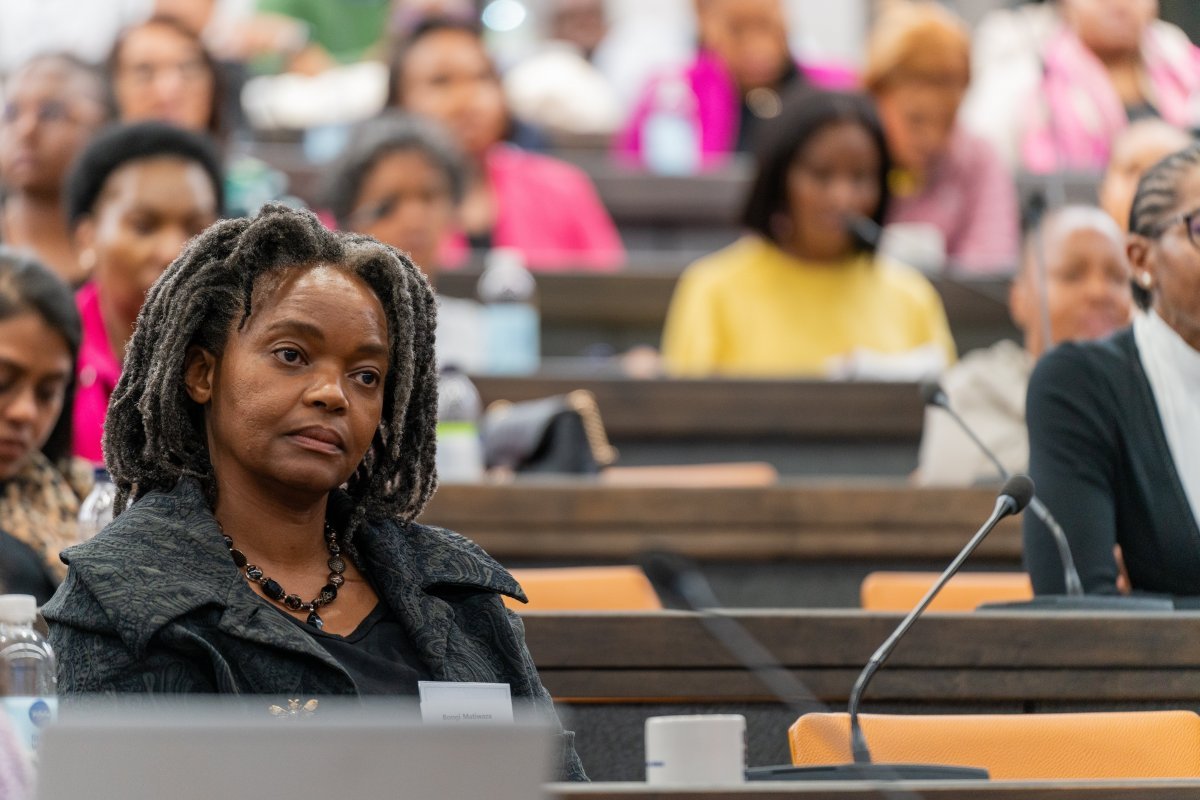
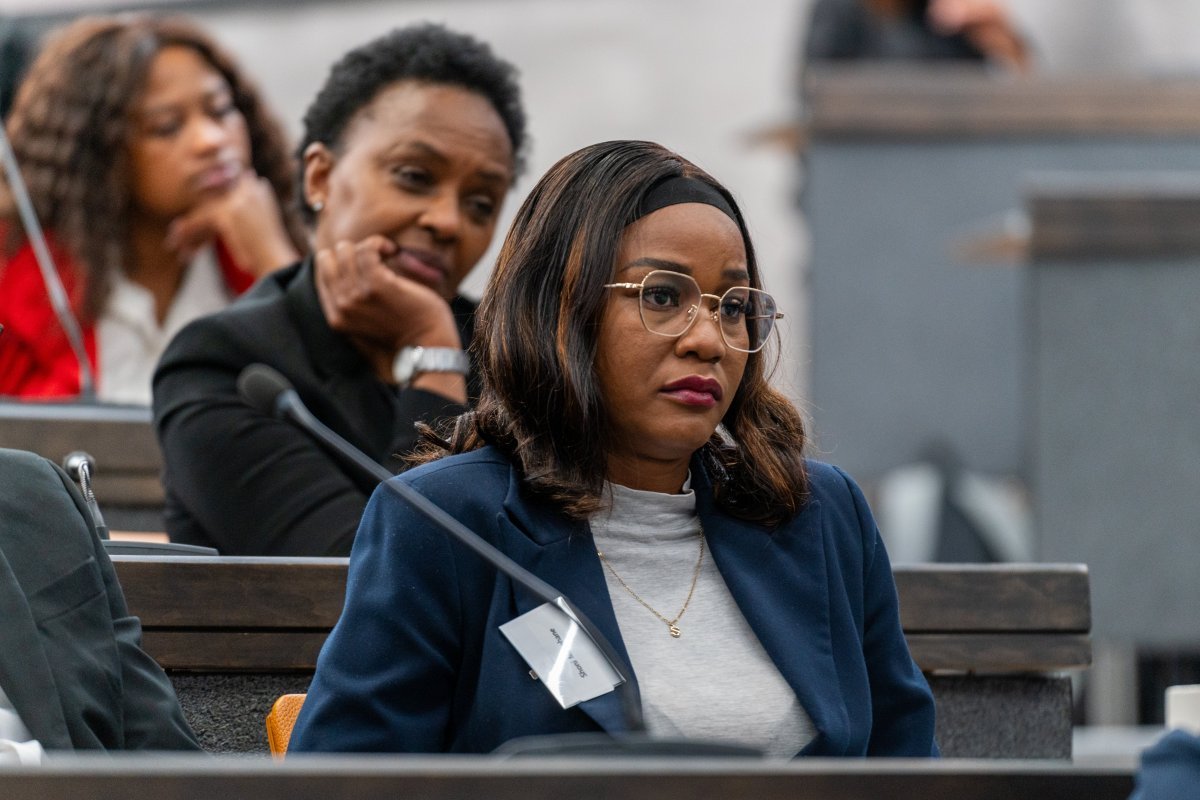
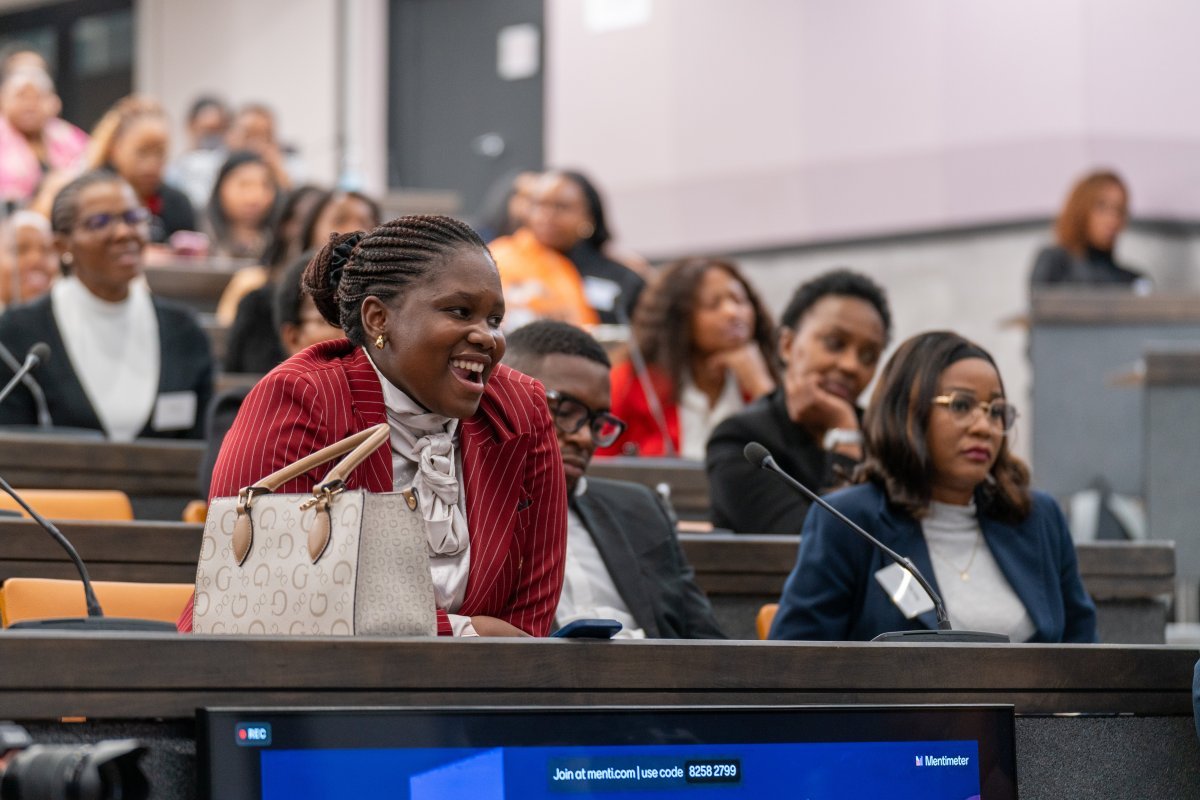
Women in Franchising: A Transformative Dialogue
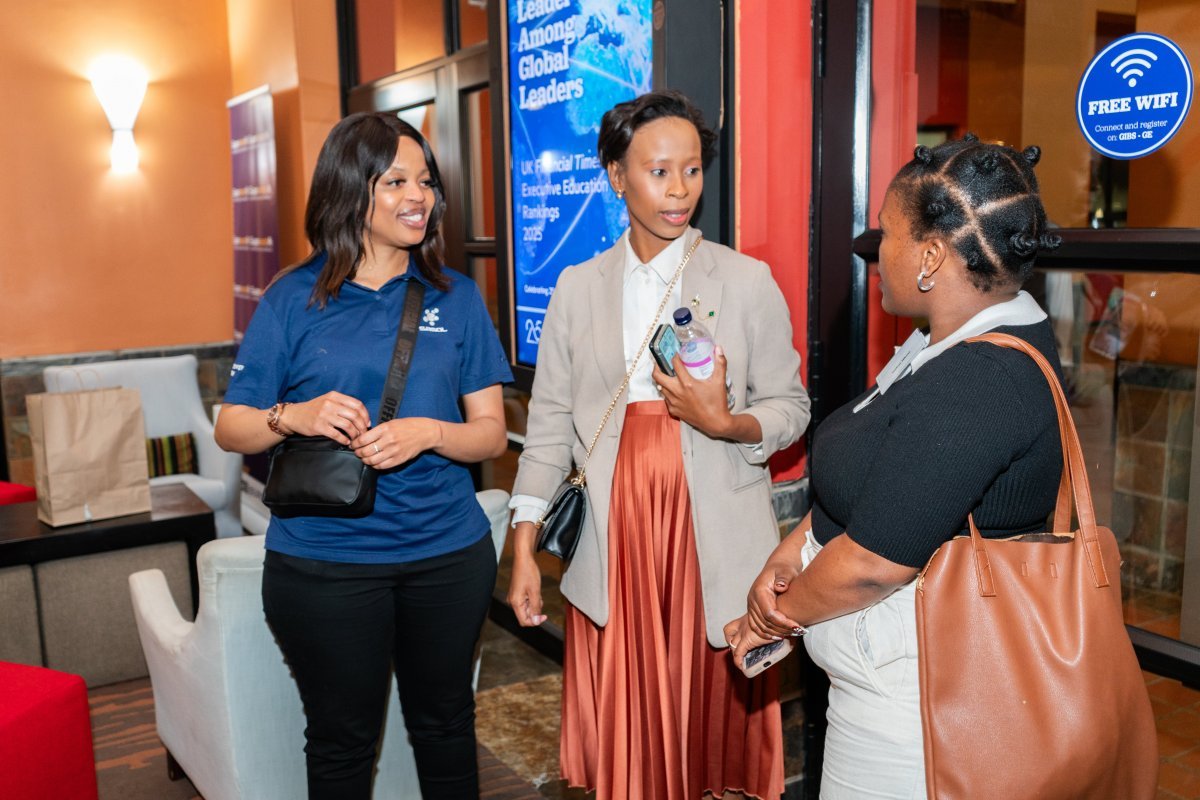
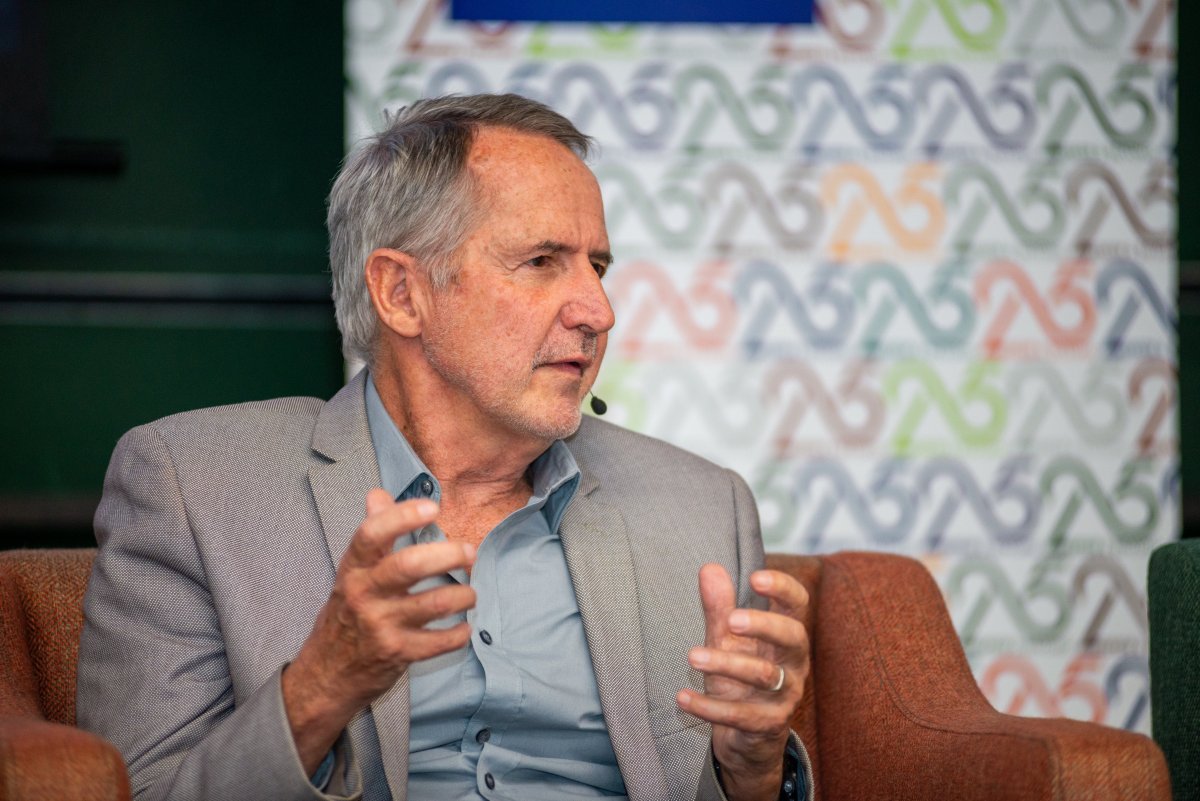
Franchising in South Africa is an industry that fuels economic growth and also embodies the spirit of entrepreneurship. But are women fairly represented and given sufficient opportunities in the sector?
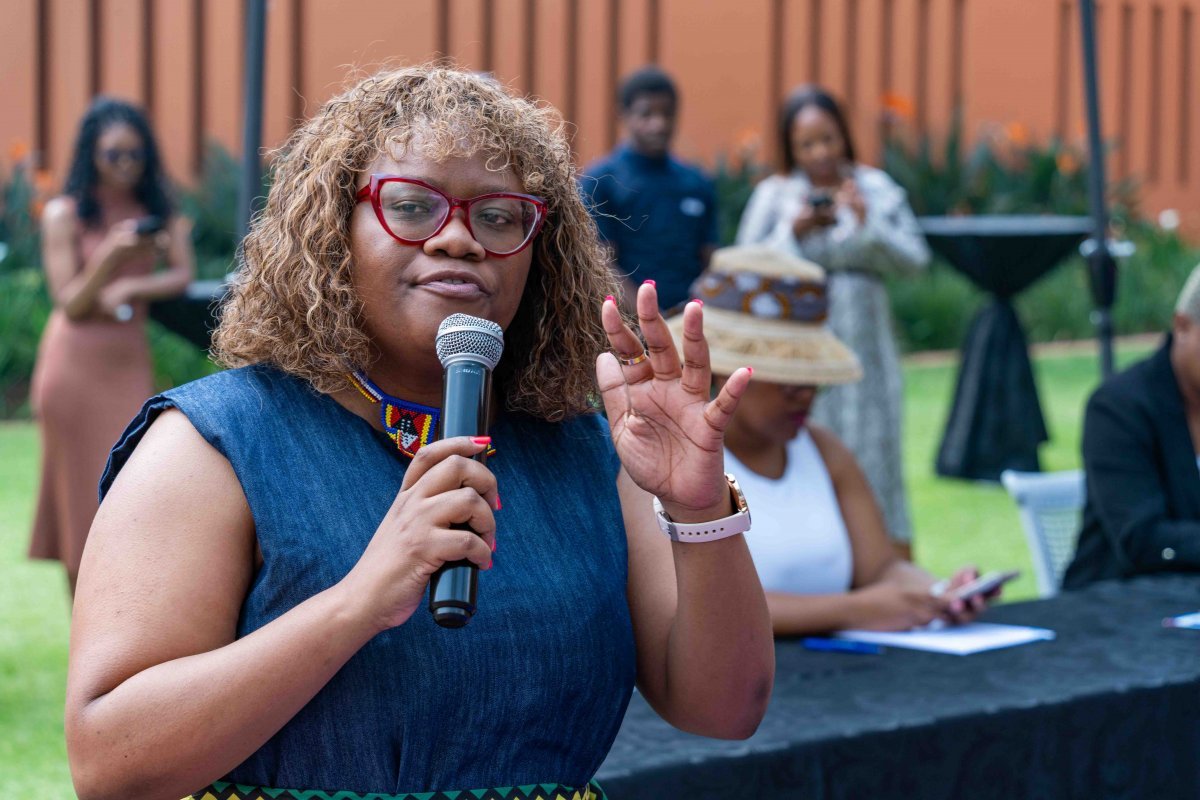
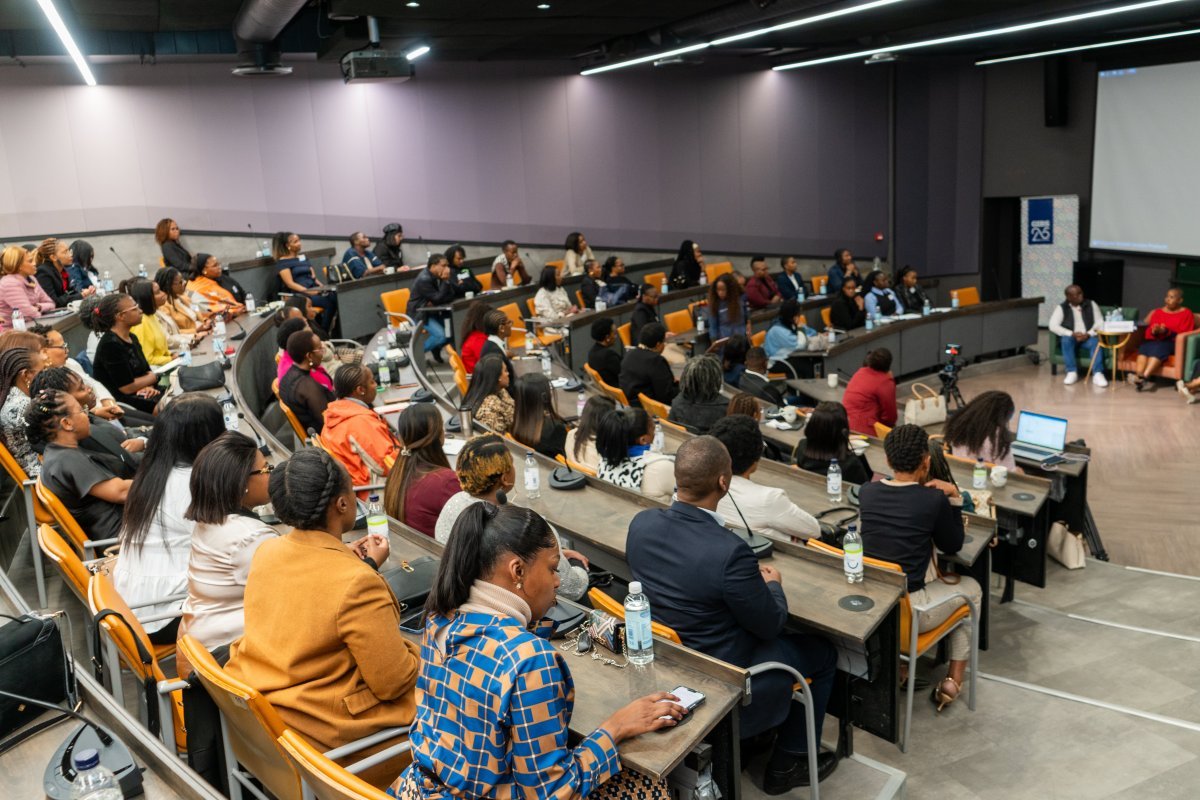
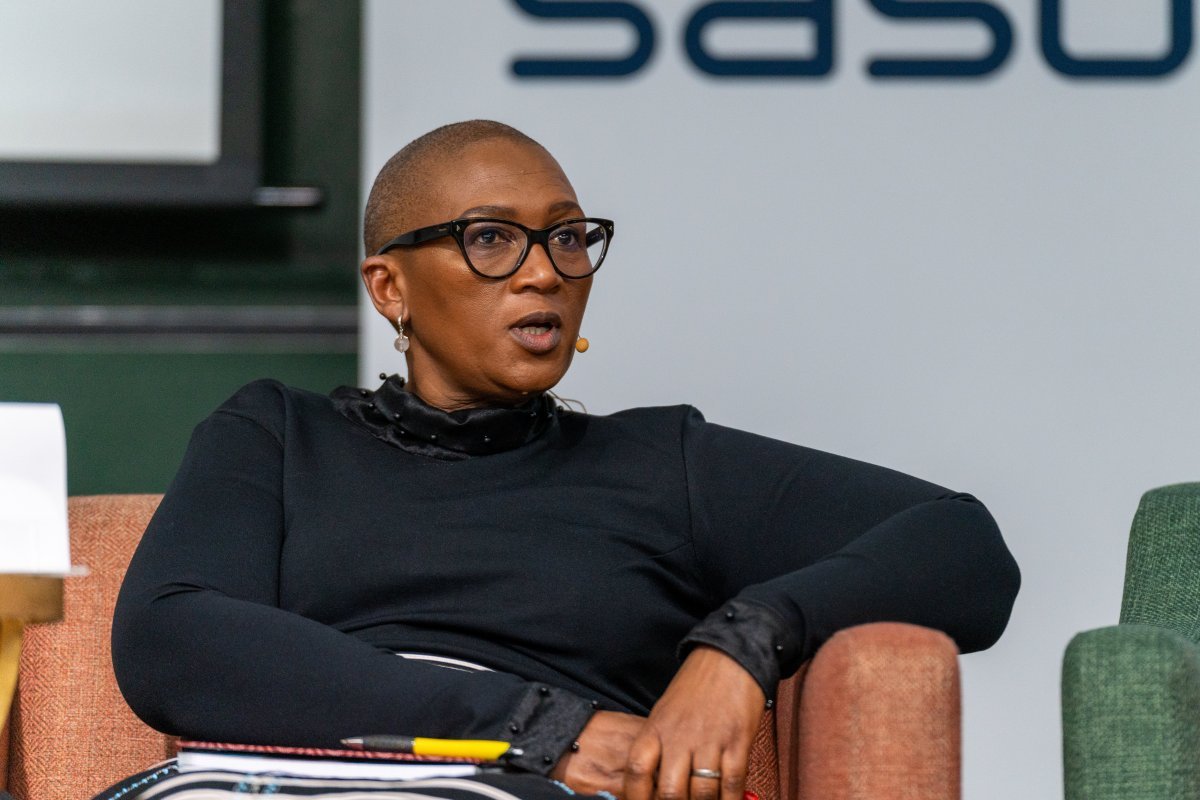
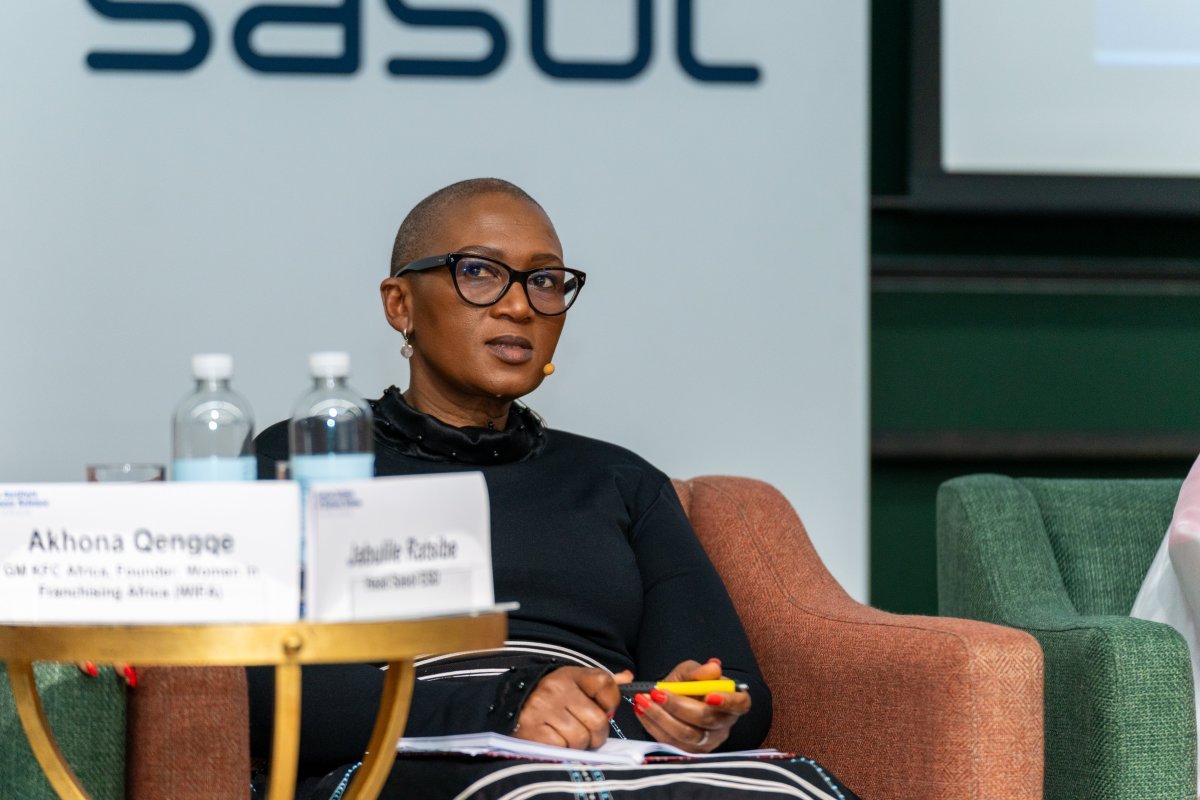
A dialogue hosted by Sasol and SuperLead Advisory at GIBS explored this topic while celebrating the achievements of women in franchising and exploring future opportunities with industry leaders.
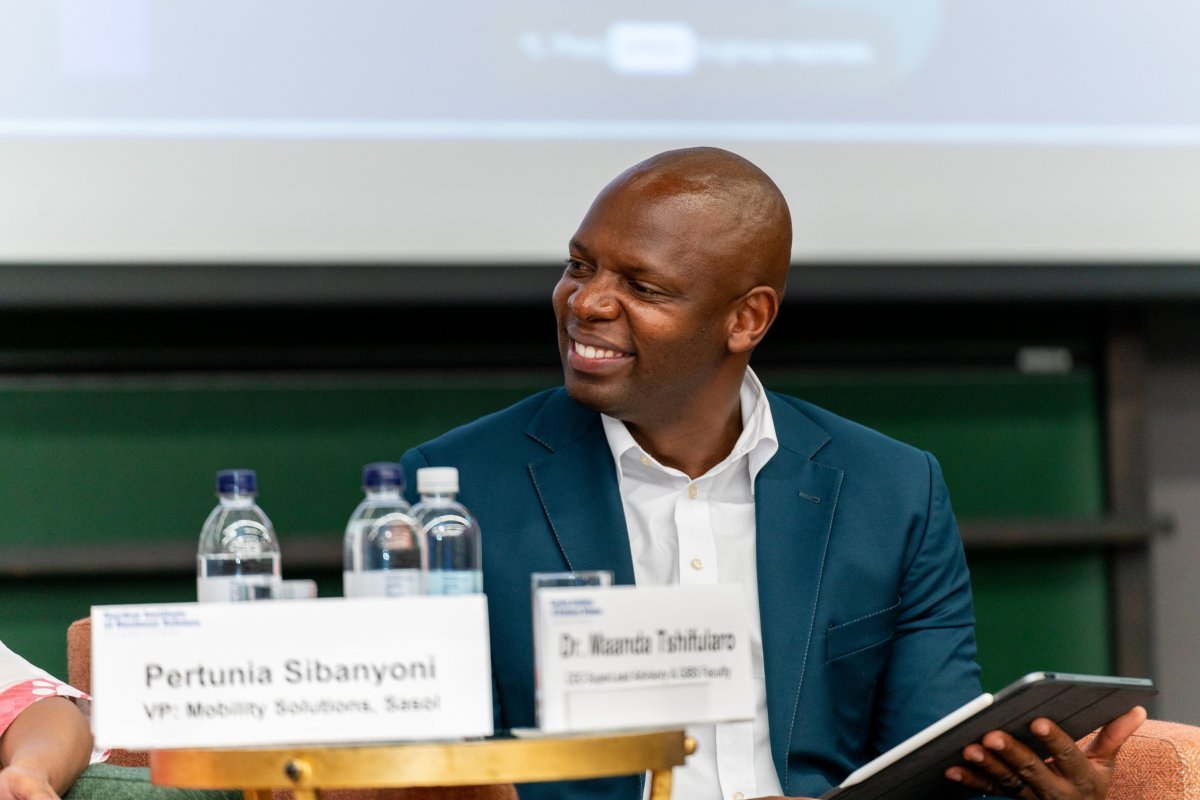
Pertunia Sibanyoni, vice-president of mobility solutions at Sasol and chair of the Franchise Association of South Africa (Fasa), argued that franchising is a stable and scalable business model. Franchising, she explained, is about finding a proven model and then replicating it. It offers a unique promise as a proven business model with established brand equity.
“But if we are truly serious about being inclusive in the franchise economy, then women cannot be side participants.”
According to the latest Fasa survey completed in 2023 and sponsored by Absa, the sector employs more than half a million people and contributed almost 14% to the GDP in 2023.
Franchising has demonstrated 36% growth since 2019, across small, medium, and large entities.
89% of new franchises break even within their first year, up from 50% in 2018, Sibanyoni explained. “This is a powerful indicator that the franchise model is resilient,” she added.
However, “when it comes to gender equity, we remain stagnant, which is disappointing”.
Woman-owned franchises ownership is only currently at 38%. “There is potential to grow women in franchising, and female entrepreneurs tend to employ more females as well,” Sibanyoni said.
A truly inclusive economy
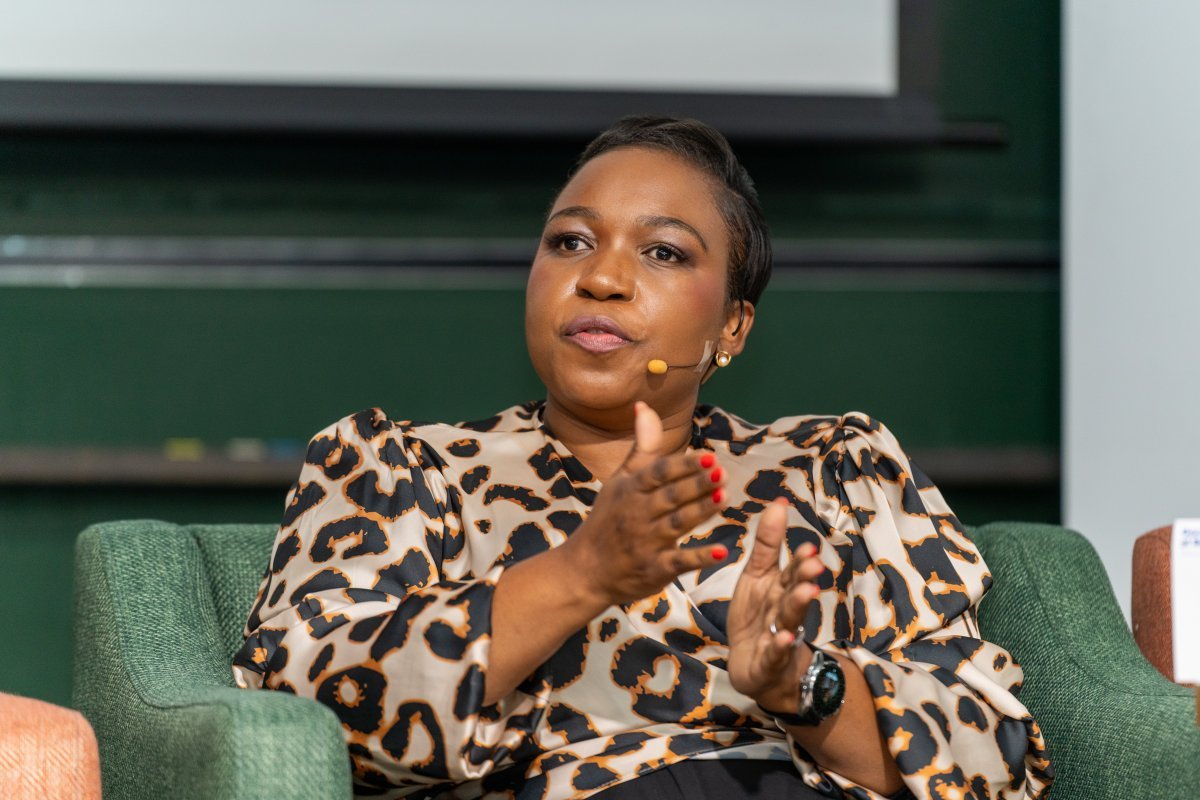
Akhona Qengqe, general manager of KFC Africa, is the first female African to hold her position and run the business, which spans 22 markets across sub-Saharan Africa. Qengqe is also the founder of Women in Franchising Africa (Wifa).
She explained her organisation helps women to franchise their own businesses as a way of scaling up and in accordance with its ethos around helping women become multigenerational wealth creators. “There is a myth that women can’t run successful businesses. We want to create an inclusive economy to integrate women,” she explained.
Inspirational Leadership with Motor Industry Veteran Brand Pretorius
“If you want to make your organisation future-proof, an ethical culture is a prerequisite,”
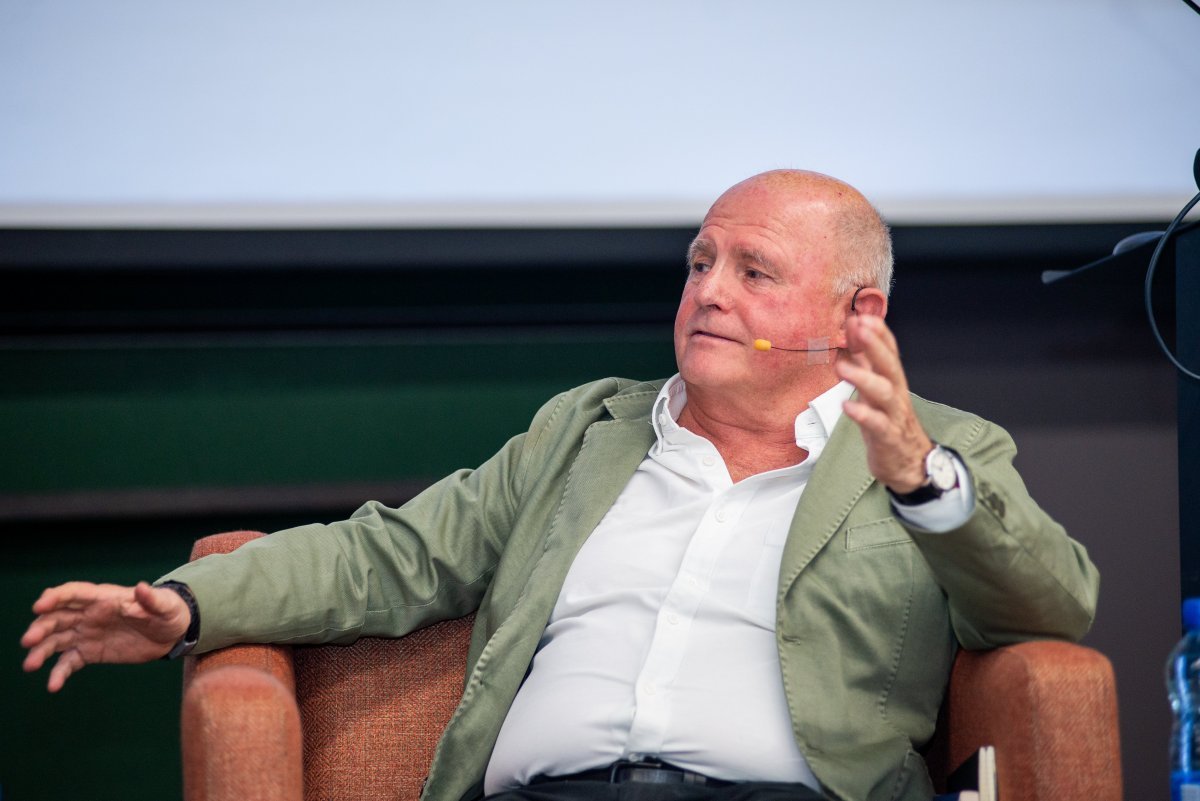
Brand Pretorius, former chief executive of the McCarthy Limited motor group, told a gathering at GIBS.
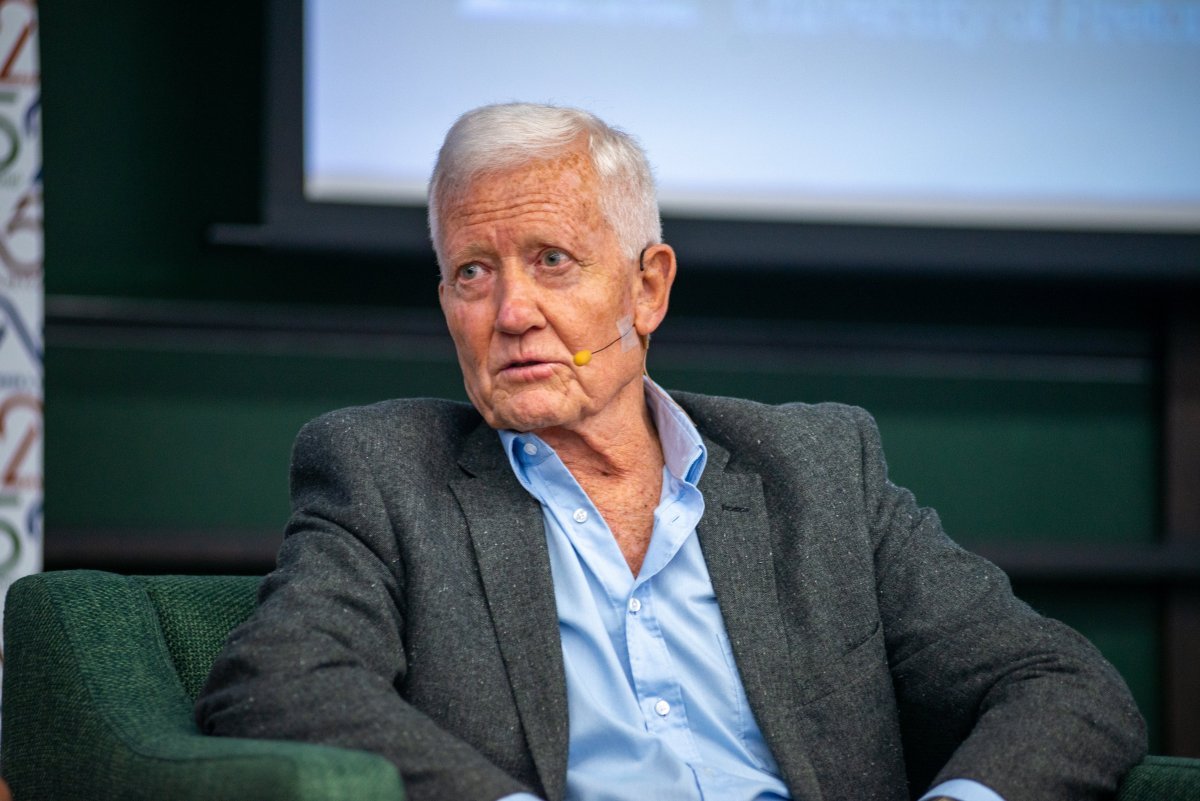
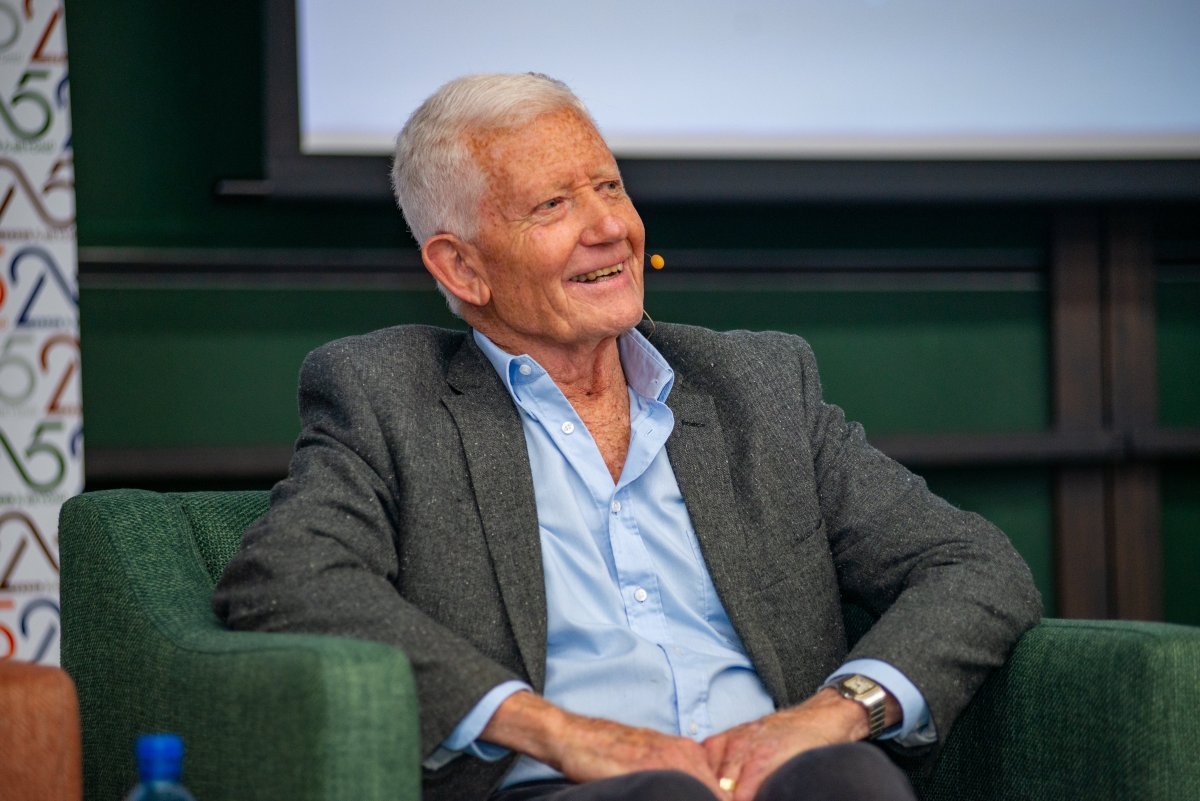
Pretorius spoke to Prof. Nick Binedell, founding director and Sasol chair of strategic management of GIBS, about his new book, Inspirational Leadership – Best Practice From the Business World and the Word, written with Pastor Jurie Schoeman.
The book shares wisdom gained during his career at Toyota and McCarthy and presents a compelling case for servant leadership, encouraging leaders across sectors to lead with impact, integrity, and a commitment to positive change.
The basis for Pretorius’s ethical leadership was formed during his childhood, growing up as one of four boys in Steynsrus in the Free State, where he was encouraged to behave with absolute integrity.
“I learned early on that if you deviate from the truth you tend to make things considerably worse. Should you not behave in an ethical manner, people stop trusting you, and trust trumps everything. If you aren’t trusted, you have no credibility. And if you have no credibility, you have no influence.”
Unlocking the Power of Letting Go
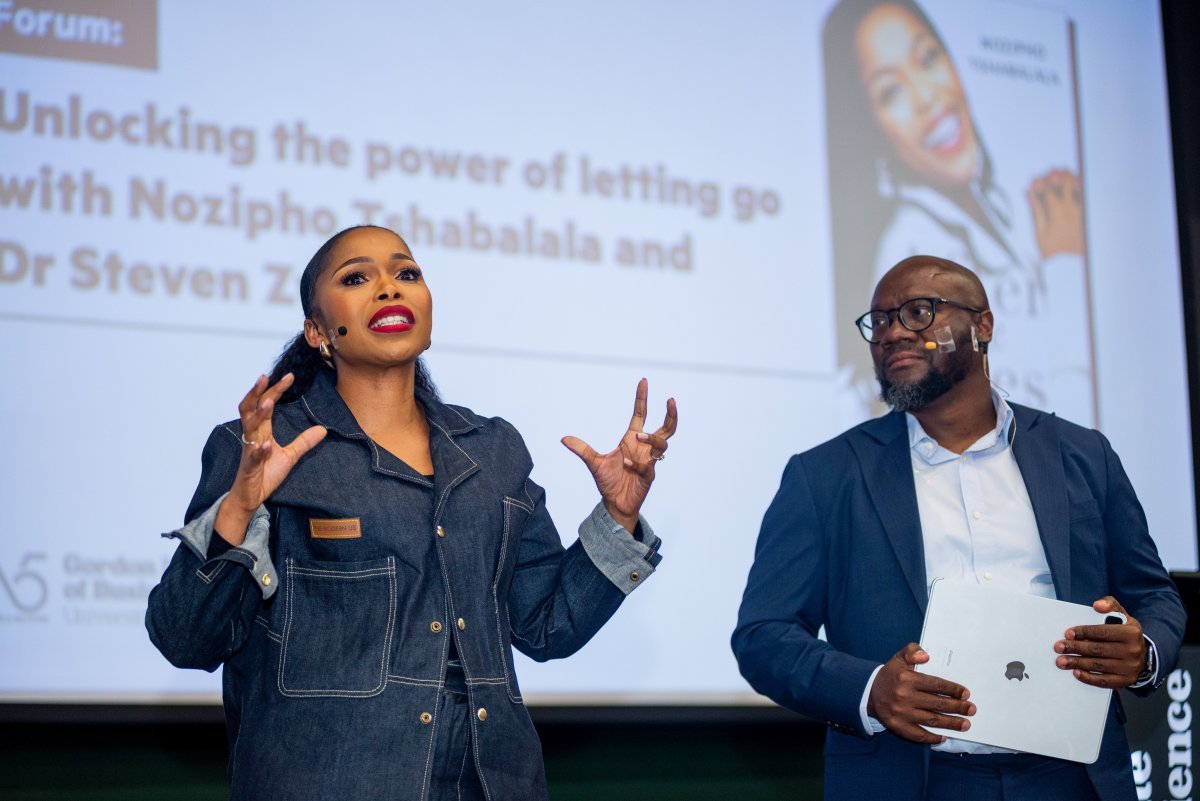
“True leadership is less about having all the answers and more about the courage to continually evolve,” Nozipho Tshabalala, whose life has been shaped by political unrest, global acclaim, and personal loss, told Dr Steven Zwane in a conversation at GIBS.
Tshabalala’s new memoir After the Fires is a powerful and introspective account of her life by the renowned conversation strategist, in which she challenges the myth of control.
Telling her own story
“Professionally my life has been about being a platform for people to have the conversations that they need to have with the world. It’s about being a conduit, and I have been very disciplined about being a story listener and not a storyteller,” Tshabalala explained.
Her memoir has provided the opportunity for her to share her own story: “It forces me to come out from the shadow and tell my own story and to own it, with its highs and its lows. It’s not a beautiful story. It’s a messy story, but I think it’s an important story.”
Survival
Tshabalala’s earliest childhood memory is of holding on to her father’s back as he and her mother fled together from their home, which was destroyed by a petrol bomb during political violence.
“My life got a second chance after the fires. When you’ve survived so many things, you normalise survival. But it is actually a unique experience.”
Revising the notion of control
The experience of her mother’s passing during a career high point forced Tshabalala to revise her relationship with the notion of control.
While she was moderating the Essence Festival in Durban, her mother experienced a stroke. “When I arrived at the hospital, she couldn’t speak, and it was visible that she was struggling.” Her immediate instinct was to take control of the medical team and organise her mother’s medical care. “I was so confident that I had it all under control.”
Despite this, her mother passed away shortly thereafter.
Tshabalala explained how this changed her outlook on life: “I wrote this book for everyone, because at the core of it is my personal confrontation with realising the thing that had saved my life was the thing that was also threatening to keep me from thriving.
“A lot of us carry certain behaviours as crutches because those behaviours have served us and gotten us to a particular point. It’s only at that moment when we show up differently and start to believe that other people can be safety nets that we realise we don’t have to be our own scaffolding at all times. This means we can build trust with others and can be fully embraced in a community.”


Gallery