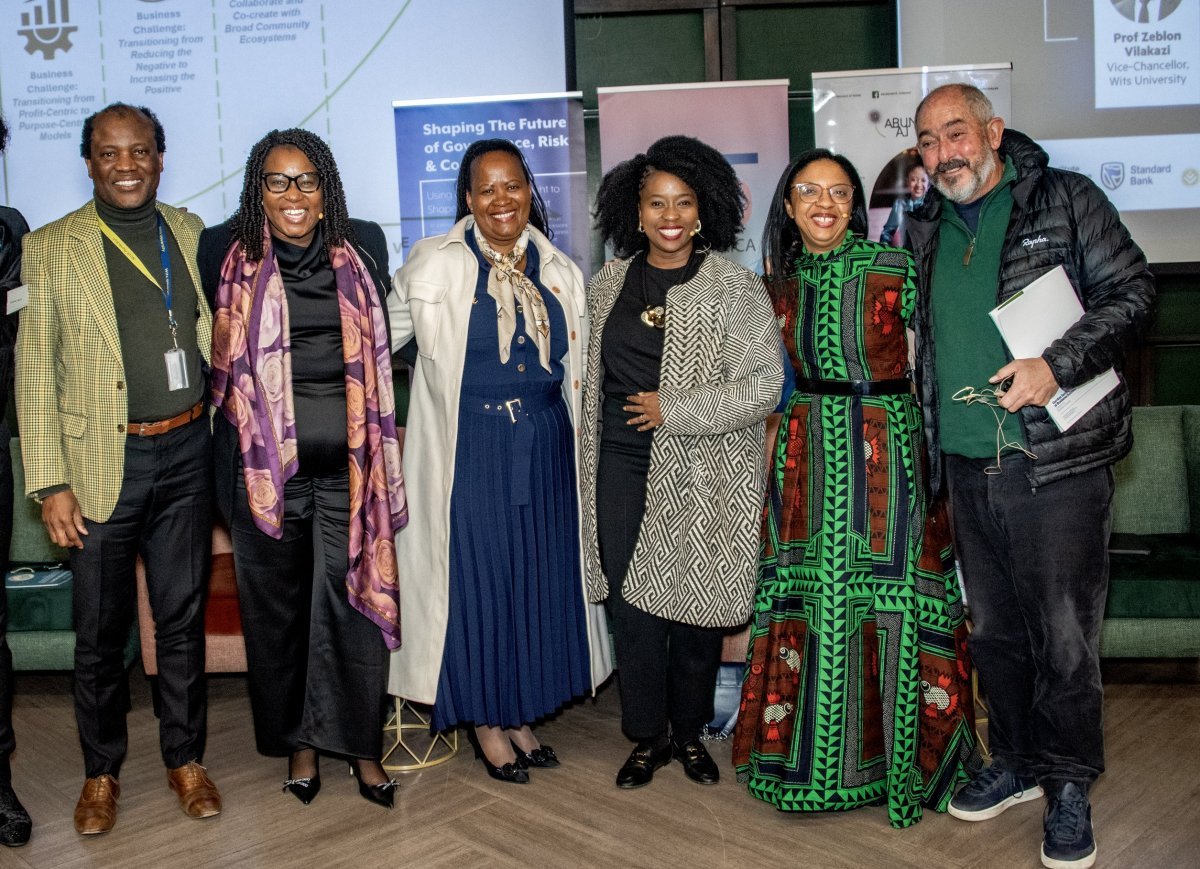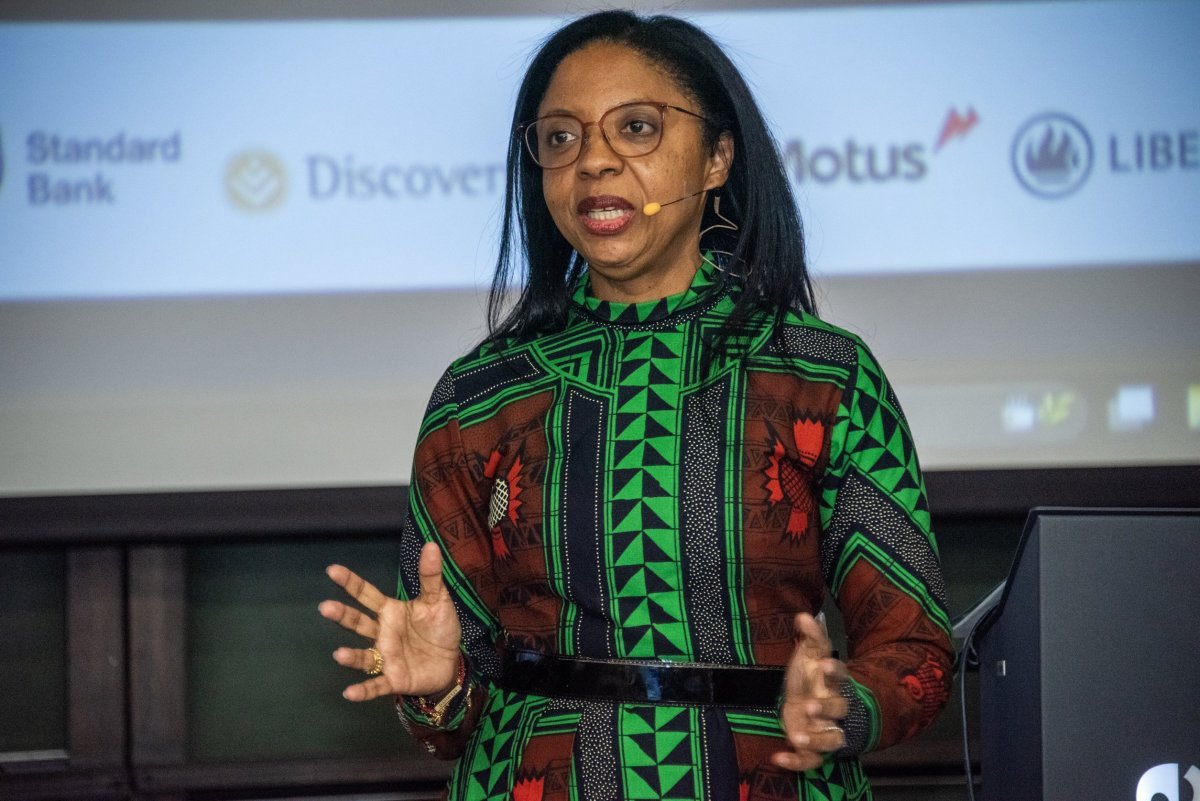

Dr. Roze Phillips, GIBS adjunct faculty and founder of Abundance at Work, argued in a recent white paper that African businesses and business schools are uniquely positioned to lead regenerative practices that foster dignity and abundance in communities.
The need for transformation
Today’s sustainability-conscious consumers and workers demand more than profit-driven approaches. In his foreword to the white paper, Rabbi Gideon Pogrund, founding director of GIBS Centre for Business Ethics, emphasised the urgent need to reimagine business roles amid environmental degradation, economic inequality, and institutional collapse. The shift from profit-centric to purpose-centric models represents an existential necessity.
Four-stage regenerative framework
Dr. Phillips outlined a transformative framework moving businesses beyond traditional corporate social responsibility (CSR):
- Stage 1: Maximise profit
Focus solely on financial gains, often neglecting societal impacts. - Stage 2: Do less harm
Recognise and mitigate negative impacts while balancing economic success with social responsibility. - Stage 3: Do more good
Actively pursue positive contributions through community collaboration. - Stage 4: Enable most good
Adopt stewardship mindset, co-creating regenerative models with communities.
Drawing on case studies from the public health sector; South African fast-casual chicken brand Nando’s investments in local communities; and the restoration of the Jukskei River that runs through Johannesburg and serves as an example of public-business-academic-civic collaboration; Dr. Phillips illustrated how businesses can move through the abovementioned phases.
The role of business schools in the shift towards regeneration
Similarly, Dr. Phillips believes business schools must liberate themselves from capitalist ideology’s influence and make regenerative education central, not optional. African institutions can lead this shift using local case studies to enhance understanding and shape leadership discourse.


Gallery