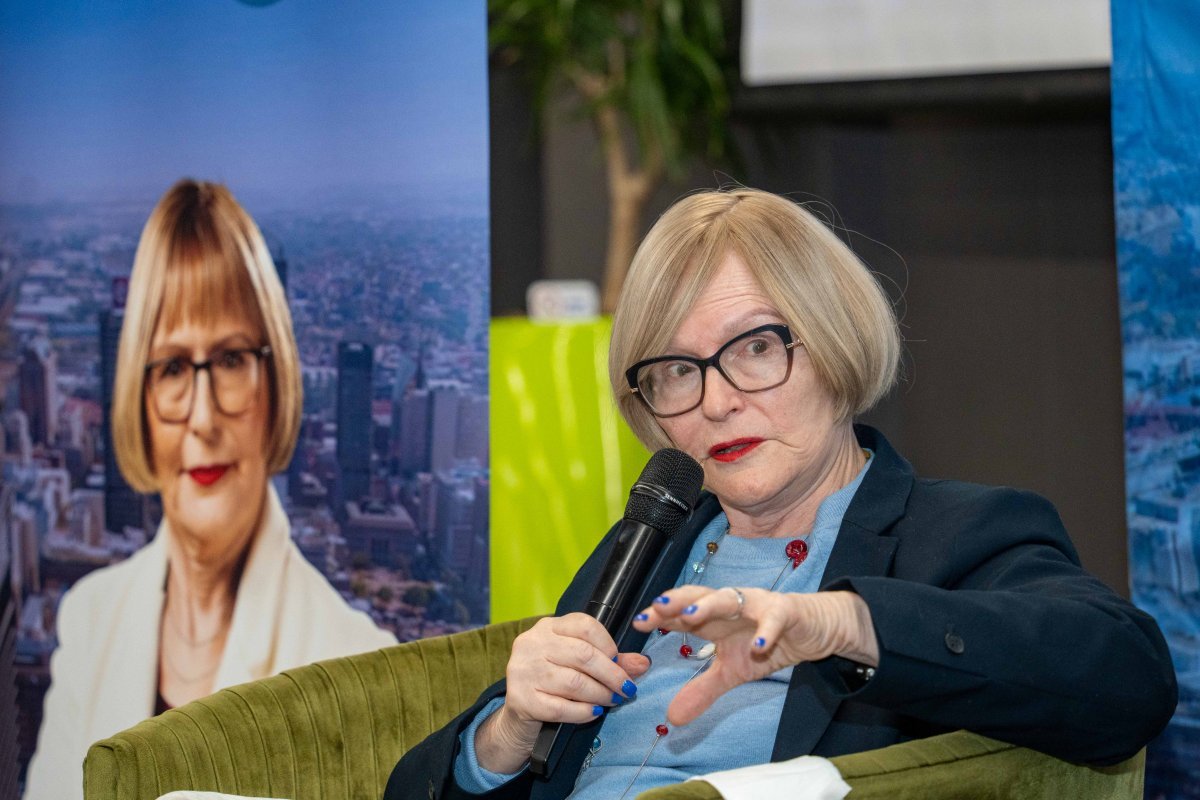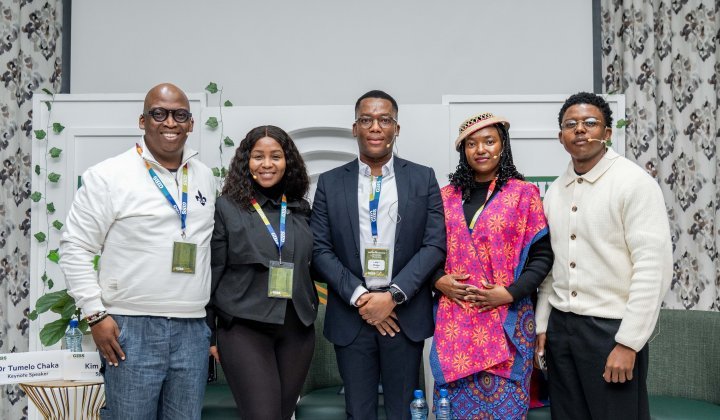

At a series of dialogues hosted by GIBS, the Democratic Alliance’s Helen Zille, Rise Mzansi’s Lukhona Mnguni, and ActionSA's Herman Mashaba presented their perspectives on the challenges facing Johannesburg and their proposals for addressing them.
Although they approached the issues from different perspectives, all three agreed that Johannesburg faces serious challenges relating to service delivery, infrastructure, governance, and public confidence in local government.
Mnguni characterised the city's problems primarily as a leadership crisis. He argued that poor governance has discouraged skilled professionals from entering public service and weakened the state's capacity to deliver essential services. As a result, failures in water, electricity, sanitation, and public facilities increasingly affect residents across the city. He also suggested that political contestation has often taken precedence over effective administration and called for greater civic participation between elections.
His proposals focus on improving water security, waste management, and electricity provision. Mnguni advocated for a comprehensive water master plan informed by technical and engineering assessments, with a particular emphasis on reducing losses caused by leaks and ageing infrastructure. He also framed waste management as both an environmental necessity and an economic opportunity, proposing that Johannesburg draw lessons from international cities that use recycling and waste-to-energy initiatives to create value.
Zille highlighted the financial and institutional pressures facing the city. She pointed to mounting municipal debt, infrastructure maintenance backlogs, and concerns about the sustainability of key public services. Referencing warnings from institutions such as the National Treasury and challenges within municipal entities, she argued that Johannesburg requires urgent intervention to restore financial stability and improve operational effectiveness. Corruption, she said, remains a significant contributor to governance failures.
For Zille, financial stabilisation is the foundation for broader reform. She argued that any incoming administration would need to work closely with the National Treasury, the Auditor-General, and national government departments to assess the extent of the city's difficulties before implementing corrective measures. Her proposals include prioritising infrastructure maintenance, modernising billing systems, strengthening whistleblower protections, and expanding channels for reporting corruption.
Drawing on his experience as Johannesburg mayor from 2016 to 2019, Mashaba reflected on his administration's efforts to improve accountability and combat corruption. He cited investigations conducted through a municipal anti-corruption unit and disciplinary action against officials implicated in misconduct.
Mashaba's programme combines lessons from his previous term with new infrastructure commitments. He highlighted interventions in hijacked buildings, the expansion of title deed ownership, and increases in metro police capacity as key achievements of his administration. Looking ahead, he proposed significant investment in water and sewer networks, road maintenance, and additional law enforcement resources. He also advocated restructuring municipal entities to improve accountability and streamline management.
Accountability
A recurring theme throughout the discussions was the need to strengthen accountability and rebuild public trust in local government.
Despite their differing diagnoses and policy approaches, all three candidates identified reliable basic services as central to Johannesburg's future. Water, electricity, infrastructure maintenance, public safety, and effective governance emerged as common priorities.


Gallery