
Imagine this: the next Siya Kolisi hosting a World Cup trophy. The next bestselling author signing books at the Franschhoek Literary Festival. A South African-produced film sweeping global awards and taking its rightful place on the world stage.
Now imagine all of that disappearing before it even begins, because of digital piracy.
These dreams, the stories we tell, and the icons we nurture do not materialise out of thin air. They are built on investment, intellectual property, and an ecosystem that rewards creativity. Piracy drains the lifeblood of that system, and without intervention, South Africa risks becoming a country where brilliance is created, copied, and then lost.
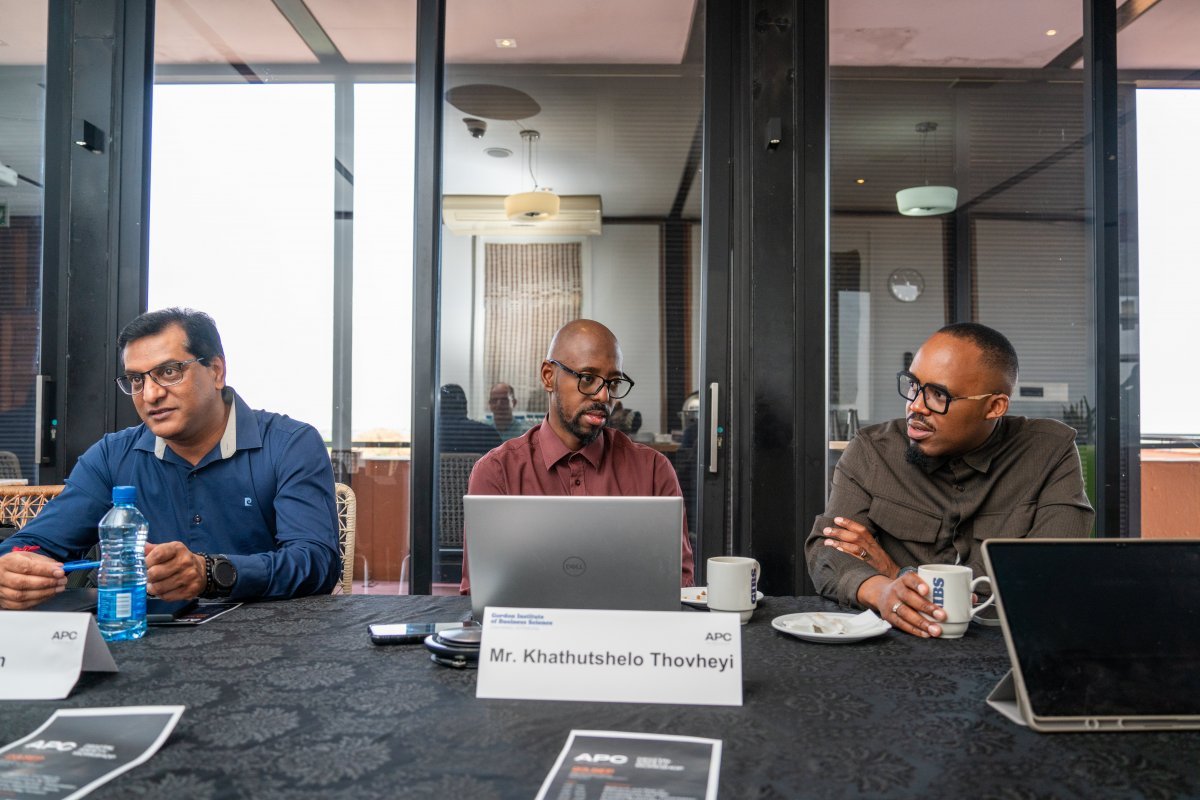
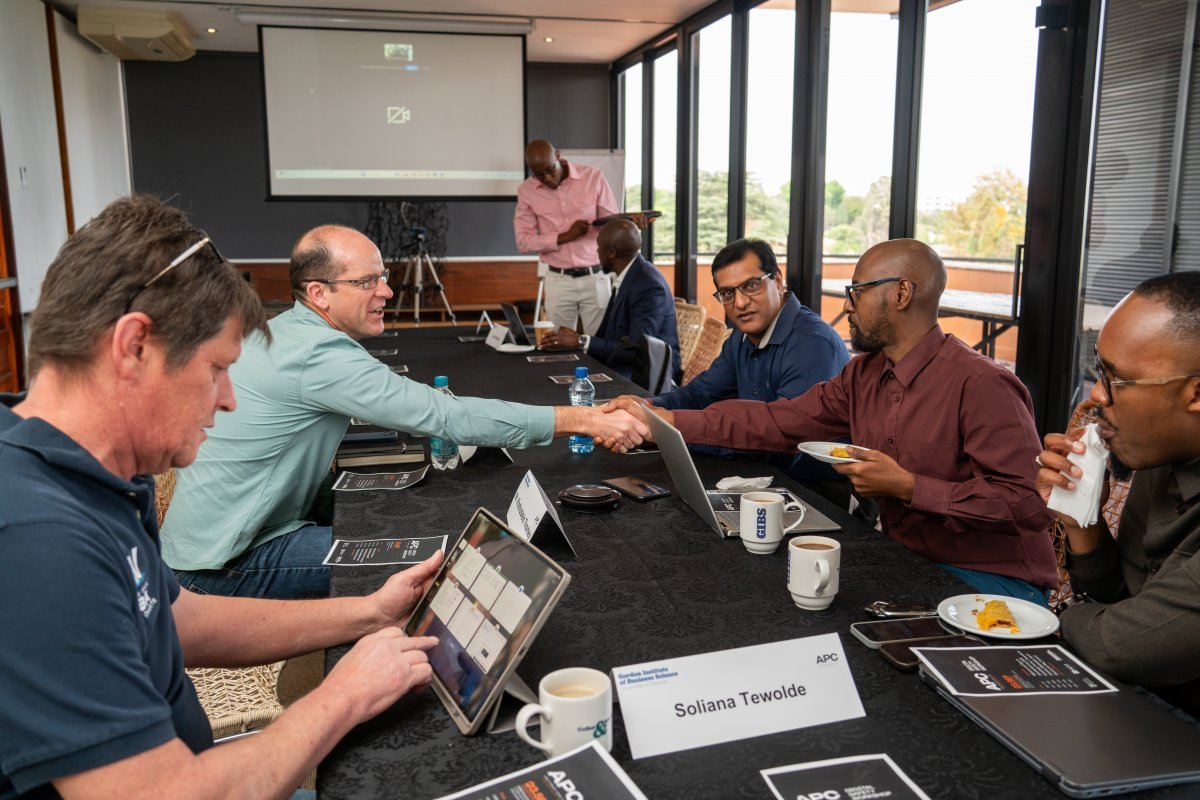
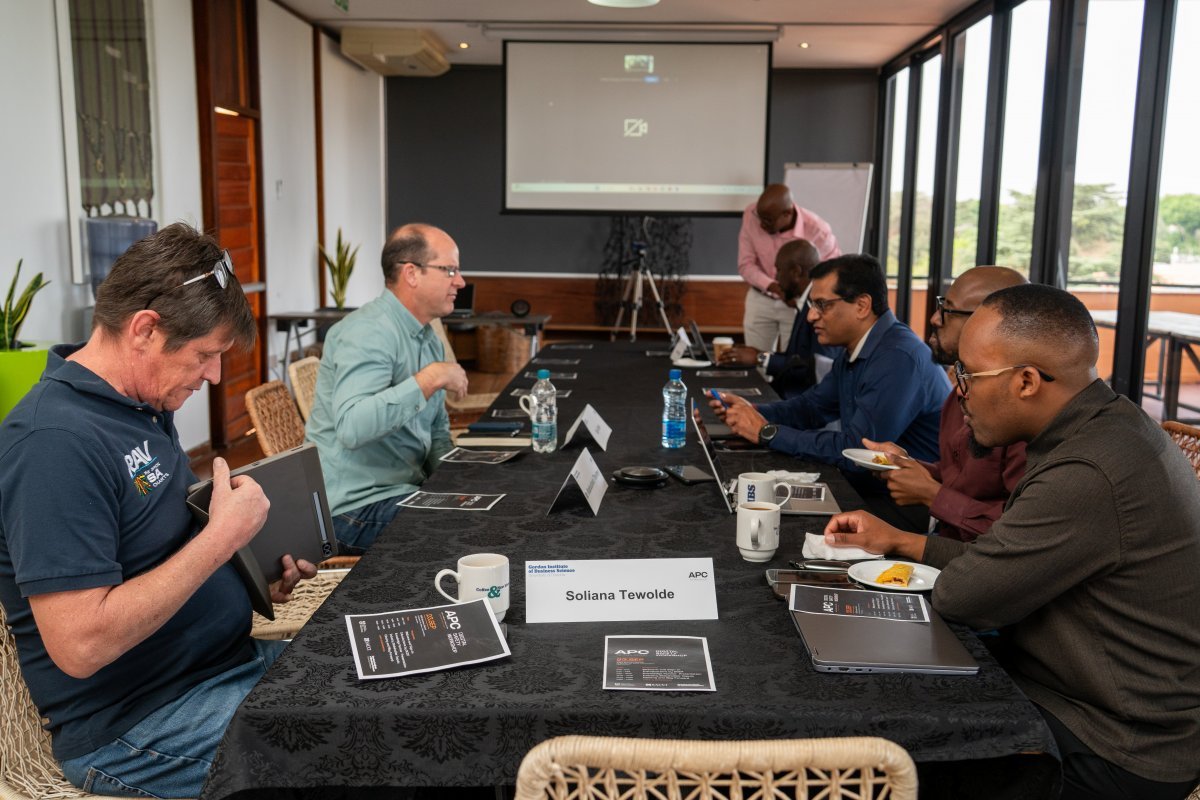
When GIBS opened its doors to a select group of industry leaders, policymakers, regulators, and rights advocates in September 2025, it did more than host a workshop, it catalysed the beginning of a structural shift in South Africa’s digital landscape. The consultative meeting, convened by the Anti-Piracy Coalition (APC) alongside the Department of Communications and Digital Technologies (DCDT), marked the first coordinated step toward building a formal coalition equipped to tackle the escalating threat of digital piracy.
What emerged over the course of the day was clear: piracy is no longer a nuisance at the fringes of the internet. It is a multi-billion-rand threat undermining South Africa’s creative industries, weakening the regulatory framework, and compromising consumer safety. The country can no longer afford fragmented responses.
The Anti-Piracy Coalition (APC) is a multi-stakeholder initiative formed to protect South Africa’s digital ecosystem by tackling the growing threat of online piracy. Recognising that piracy is not a “victimless crime,” the APC positions digital safety and cybersecurity at the forefront of its mission, highlighting how illegal streaming and download platforms expose users to malware, phishing schemes, and financial fraud.
Economically, the coalition seeks to safeguard the livelihoods of South African artists, filmmakers, musicians, authors, and other creators by ensuring they are fairly compensated for their work, an essential driver of job creation and cultural development.
To address systemic gaps, the APC champions legislative reform, including no-fault statutory site-blocking provisions that would empower rights holders to disrupt access to infringing websites.
Beyond policy, the coalition prioritises public awareness and consumer education, encouraging the use of legitimate content platforms and promoting a culture that values intellectual property.
An existential crisis in plain sight
“Digital piracy is not a victimless crime,” emphasised Collen Dlamini, managing director at VMCO Advisory, one of the architects behind the APC initiative. “It is both a direct threat to consumer safety and an existential threat to the survival of South Africa’s creative economy.”
The numbers underscore his point. Digital piracy costs the local economy an estimated R5.8 billion annually, draining revenue from the film, television, music, advertising, and publishing sectors and stalling job creation. Historically, rights-holders pursued these infringements through lengthy legal channels, while internet service providers (ISPs), custodians of the digital highway, were left to navigate the issue in isolation. The workshop made it clear: that era is over.
In today’s connected world, piracy syndicates operate with global reach, technical sophistication, and anonymity. No single party, no matter how well-resourced, can confront them alone.
Why GIBS? A leadership role beyond academia
GIBS’s involvement is more than symbolic. As a business school known for fostering cross-sector dialogue, it provided the neutral, strategic space necessary to bring together competing interests, rights-holders, regulators, policymakers, and telecom operators, all grappling with the same unresolved question.
By hosting the inaugural session, GIBS positioned itself as a facilitator of a new governance model for digital safety, one where business, policy, and innovation converge. It is precisely this multidisciplinary lens that the APC requires to move from consultation to implementation.
Shared responsibility and the move toward self-regulation is central to the APC’s emerging blueprint as a self-regulatory framework, not as a substitute for legislation, but as a catalyst for faster, coordinated action.
Dlamini explains: “Through collaboration between rights-holders and ISPs, we can take immediate measures, beginning with blocking access to known pirate sites.”
The shift is pragmatic. Litigation is slow; piracy is not. Self-regulation allows industry partners to develop and deploy rapid responses, from standardised takedown procedures to shared technologies, without waiting for legislative wheels to turn. The barriers are no longer technical; they are organisational.
The legislative lag, and why it matters now
South Africa’s policy environment has not kept pace with global digital norms. As Khusela Diko, chairperson of parliament’s portfolio committee on communications and digital technologies, noted during the workshop: “We are operating with archaic legislation and regulatory policies in areas related to digital technology. The lack of updated laws is causing real harm.”
Key among the APC’s priorities is the integration of no-fault site blocking into the Electronic Communications and Transactions Act (ECTA) and explicit recognition of digital content infringement within the forthcoming Audio and Audiovisual Media Services and Online Safety (AAVMS) White Paper. These changes would align South Africa with jurisdictions like the UK and Australia, where site-blocking provisions have become standard enforcement tools.
For the first time, the APC has a seat at the policy table; and the momentum to drive reform.
Closing the legal gap: the case for site-blocking in South Africa
Stephen Hollis, a partner at Adams & Adams, underscored one of the most pressing obstacles in South Africa’s fight against digital piracy: the absence of an effective legal mechanism to act against pirate operators based offshore. “The biggest issue in South Africa is that we don’t have an effective legal remedy to act against the operators of pirate sites who are based in other countries outside of SA,” he explained, noting that most piracy syndicates operate anonymously, hide behind proxies, and situate themselves in jurisdictions with weak intellectual property protections.
These operations are not harmless. They monetise illegal platforms through advertising, feeding organised crime networks while targeting South African consumers and ICT infrastructure.
The consequences ripple far beyond copyright infringement: piracy siphons money from the creative economy, undermining investments in film, music, publishing, and even sports development. “Finding the next Siya Kolisi, Gavin Hood, or Shubnum Khan,” Hollis noted, becomes harder when resources intended for talent pipelines, mentorship, and production are stolen by piracy syndicates. He stressed that site-blocking has proven internationally to be the most effective remedy to curb online piracy and drive consumers towards legitimate services.
However, South Africa’s current laws only allow for narrow and limited takedowns under the Electronic Communications and Transactions Act, leaving rights holders without the tools to meaningfully disrupt piracy at scale.
With more than 50 countries already implementing site-blocking provisions, South Africa has fallen behind in the fight against digital piracy. Hollis argues that updating legislation, particularly through amendments aligned with global standards such as the EU Copyright Directive, is critical if the country hopes to stem financial losses and safeguard its digital future.
Hollis identified the APC’s priorities as raising public awareness, educating consueu copyright directive,mers about the economic and safety risks of piracy, and fostering robust collaboration between the private sector, government, rights-holders, and ISPs.
“Pirates are sophisticated,” he cautioned. “We must be agile and we need to move fast; the digital space evolves all the time.”
Piracy: a hidden cybersecurity time bomb
Illicit streaming and download platforms do more than violate copyright, they weaponise consumer behaviour.
Dlamini warns: “Pirate sites are often loaded with malware, ransomware, and spyware, leaving users vulnerable to identity theft, financial fraud, and hacked devices.”
South Africans’ growing appetite for free content has inadvertently made them soft targets for cybercriminals. The workshop highlighted an urgent need for a national awareness campaign to educate citizens about these risks and promote safer digital habits. In this sense, piracy has evolved from an economic issue to a public safety threat.
What success looks like
Over the next 12 months, the APC has four immediate priorities:
- Formalise partnerships through a voluntary memorandum of understanding (MoU).
- Establish a self-regulatory framework with ISPs.
- Convene technical workshops to identify blocking and enforcement mechanisms.
- Expand coalition membership to include additional rights holders and industry voices.
Dlamini sets the timeline plainly: “We hope our submissions will find expression in the outcomes of the draft White Paper before the end of the first quarter of 2026. The APC will embark on a robust awareness campaign … and pursue a voluntary framework with ISPs to start blocking pirate sites.”
If executed, South Africans could see tangible results long before formal legislation is enacted — a significant shift in an industry where action has historically lagged behind risk.


Gallery