
Insatiable consumption, binge buying, and the barrage of disposable fashion available at our fingertips through the one-click, add-to-cart culture has resulted in piles of obsolete, discarded clothes. These are dumped in landfills or incinerated, pumping toxic fumes into the atmosphere.
Our addiction to never-ending novelty and endless choice is damaging the planet and having a devastating effect on local designers, manufacturers, and retailers.
Global textile fibre production has almost doubled in the decades between 2000 and 2020 to meet seemingly limitless consumer demand. Many clothing items are now only worn between an average of seven and 10 times before being discarded, according to the Ellen MacArthur Foundation.
The fashion and textile sector consumes more energy than the aviation and shipping industries combined and is responsible for up to 10% of global greenhouse gas emissions. Laundry loads of polyester-based clothes discharge microplastic fibres into our water systems, a European Parliament study shows.
This alarming reality contributes to the growing awareness that the compulsion for fast fashion cannot continue and the search for solutions, including regenerative textile manufacturing processes, is gaining momentum.
The push back against disposable fashion
Two of the worst culprits of ultra-fast fashion, online retailers Shein and Temu, entered the South African market in 2020 and 2023, respectively, ratcheting up combined sales of R7.3 billion in 2024. This equates to 3.6% of the total South African retail market and 37% of e-commerce sales. Shein is estimated to account for approximately 28% of all online women’s wear sales in the country, according to the Localisation Support Fund.
The websites use a “customer-driven, on-demand model with digital supply chain technology to respond to real-time purchasing trends rather than forecasting future demand,” Business Day reported.
About one million Shein packages are shipped worldwide every day. This increase in e-retail traffic has had a dramatic effect on employment in the textile and retail industries, with a Localisation Support Fund report warning that 8 000 local jobs in retail and manufacturing have effectively already been lost. This number could rise to a projected 34 000 jobs lost by 2030 due to the dominance of offshore e-commerce platforms, reflecting a cumulative loss of R6.2 billion in manufacturing sales in South Africa.
Shein and Temu’s rapid growth locally reflects strong consumer demand for both value and choice. In its 2025 integrated annual report, Woolworths said “intensifying competition from online discount retailers” continued to weigh on the performance of its fashion business.
South Africa’s once thriving textile manufacturing industry has been attempting to rebuild, with government and industry players working to implement the R-CTFL (Retail, Clothing, Textile, Footwear and Leather) Master Plan since 2019. This broad-based strategy aims to revive local manufacturing and boost employment through increased local sourcing.
But the entry of low-cost e-tail has all but scuppered the campaign.
Attempts to close loopholes that give offshore platforms an unfair advantage include the scrapping of low-value parcel exemptions in 2024, making imports under R500 liable to standard VAT and customs duty. Customs duty on these parcels was also raised from 20% to 45%.
Internationally, many countries have begun action, imposing penalties on ultra-fast fashion firms and those deemed to be responsible for disposable fashion.
- Climate regulations in France propose penalties on ultra-fast fashion products sold in the country, with fines that escalate for those whose business model relies on hyperproduction, according to Forbes.
- Both France and India have implemented regulations including advertising bans, platform restrictions, and joint ventures tied to local sourcing.
- Türkiye introduced advertising caps and e-commerce licencing fees.
- Indonesia blocked Temu from app stores in the country.
- In 2023, the EU introduced an extended producer responsibility mechanism that makes brands responsible for the disposal of each item they introduce to the market, transferring the responsibility for waste management to those who place products on the market.
Despite these initiatives, hyper-consumption remains as much a cultural problem as a business one. Real change will require a fundamental shift in mindset from consumers to end the continuous carousel of never-ending new fashion.
Trash and treasure
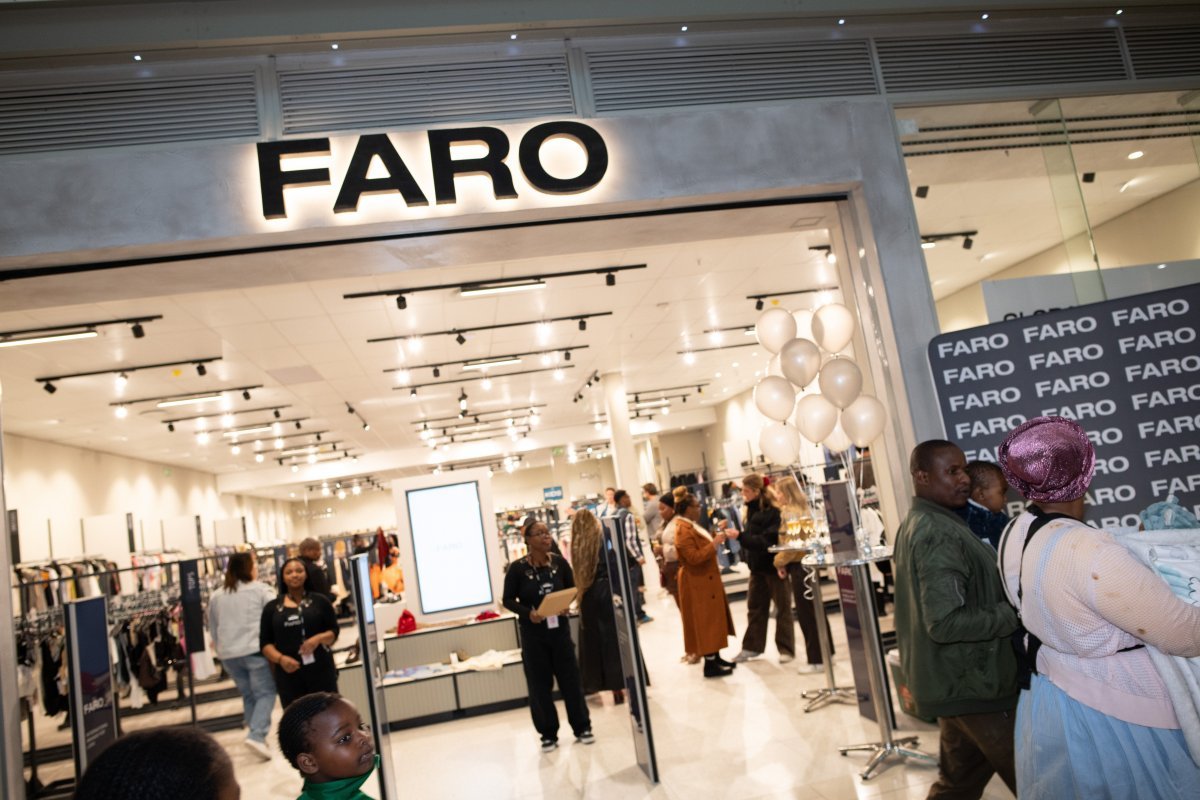
In response to the global overstock crisis, Faro, or Fashion Asset Reclamation Outlet, was launched 2023 as a means to bring global brands to South African consumers at affordable prices.
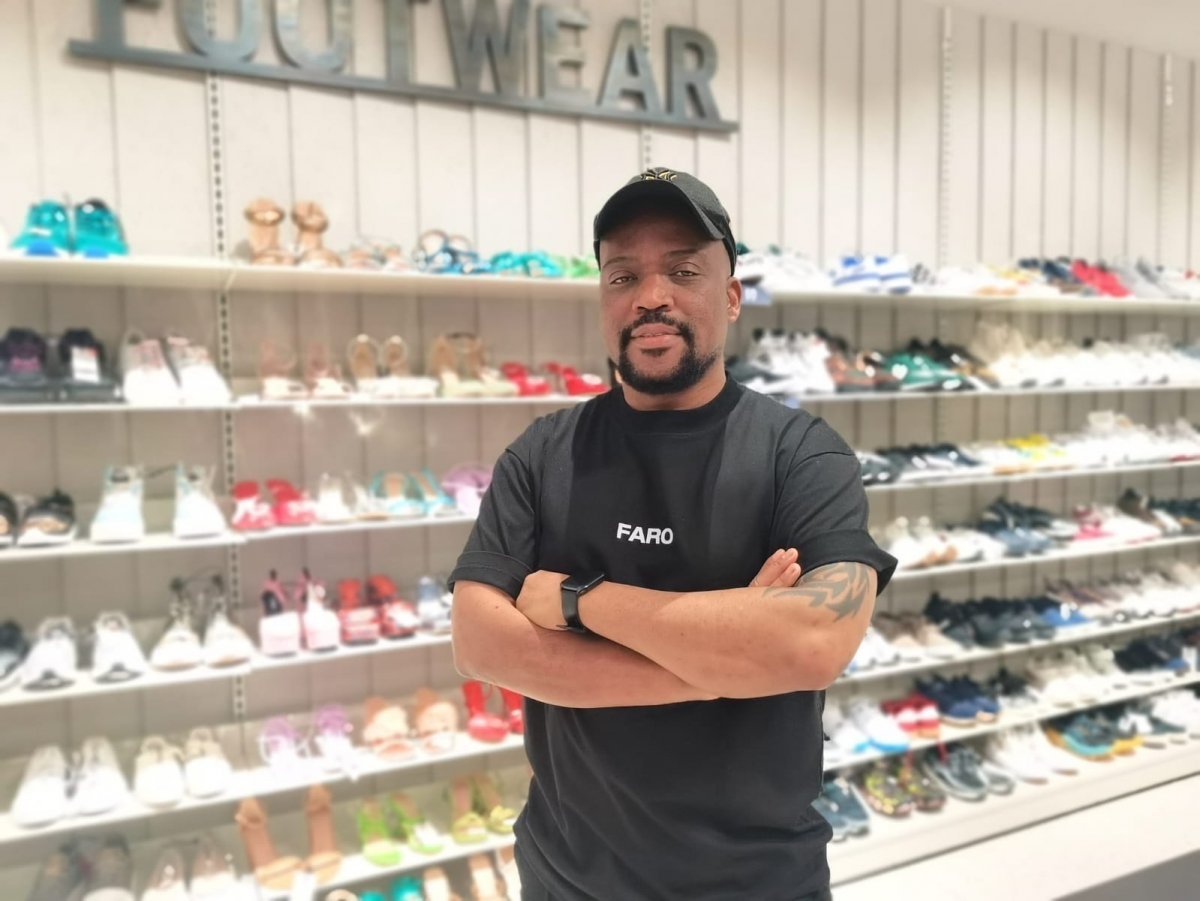
The team behind Faro includes David Torr, formerly of online meal kit company uCook, and his three co-founders: Will McCarren, with previous experience gained at Amazon and Jumia; Chris Makhanya, co-founder and chief commercial officer, who previously held key positions at Edcon and was lead of the commercial function at Superbalist; and entrepreneur Amber Penney-Young.
With a mission to be “the world’s most innovative fashion outlet,” Faro recycles and revives garments deemed excess stock, returned items, or those with minor defects from European brands. Using industrial laundries, steam tunnels, and affordable labour, Faro restores clothes, preventing waste while enabling the start-up to buy inventory at ultra-low prices.
This approach extends the life of every garment while maintaining quality standards.
Each year, roughly $425 billion worth of fashion products go unsold, with the European Environment Agency estimating a return rate for clothing bought online at 20%. The EU has passed legislation banning the destruction of unsold textiles and footwear, which is to become effective from 2026. Faro targets these consumer returns with minor defects, rescuing garments destined for dumping due to high labour costs.
“Faro imagines a world where unsold clothing has a second chance to be bought brand-new,” Makhanya says. Whereas traditional outlets focus on discounts and pushing as much volume as possible, Faro aims to focus on brand preservation and building a more sustainable relationship with brands.
The customer experience is key, with Faro investing heavily in creating modern, premium stores that offer an elevated shopping experience. “Bargain hunters deserve to shop in an upmarket environment. It’s good for the brands that we work with, and it’s good for the consumer as well,” Makhanya explains.
The company currently operates 18 stores across Gauteng, Western Cape, North West, and KwaZulu-Natal in multiple major shopping centres, including Fourways Mall, N1 City Mall, and The Glen Shopping Centre. All the stores stock brands such as Zara, Steve Madden, Pull & Bear, Levi’s and G-Star Raw.
Expansion plans include a goal to open 100 stores within the next three years, and a long-term vision of expanding to 1 000 stores across South Africa. Faro is also busy with feasibility studies of possible expansion into SADC as well as South America, where there is “a huge demand for affordable brands at a good price”.
To help make its expansion plans a reality, in January 2025 Faro secured $6 million in funding to scale its business from investors, including Bloomberg’s JP Zammitt, Presight Capital and Gharage Ventures.
Faro’s traditional approach with its brick-and-mortar stores hasn’t stopped it from implementing cutting-edge AI technology into its business model. AI assists with inventory management and customer personalisation, using historical sales data and predictive analytics to ensure that the right products arrive in front of the right customers in the right locations.
The system, called Faro IQ, supports everything from product tagging and demand forecasting to pricing and marketing.
“AI is at the heart of how we operate. It allows us to make smart stock allocations and drives dynamic pricing, adjusting prices in real time depending on sales velocity, stock levels, and seasonality,” Makhanya says.
Makhanya says Faro’s focus is on building a lifestyle brand. “We want to make sure that everyone has access to great brands. We appeal to all demographics; everyone wants a good deal.”
Who are Shein and Temu?
Shein and Temu are both Chinese-owned e-commerce companies specialising in cheap, ultra-fast fashion of questionable quality.
Temu is owned by Chinese giant PDD Holdings and sells everything from clothes to electronics and furniture. It was first launched in the US in 2022.
Shein, originally named ZZKKO and now listed in Singapore, was founded in China in 2008 by entrepreneur and search engine optimisation marketing specialist Chris Xu. The global e-commerce platform specialises in fast fashion, with a focus on women’s clothing.
The success of both retailers lies in their reliance on information technology, which is able to match consumer demand with distributed production by a collection of factories in China.
Known for their incredibly low prices and wide array of items, both have faced criticism for intellectual property theft, questionable labour practices and for the environmental impact of their business model.
Most recently, Shein has come under fire and its operations been suspended in France for selling illegal items through its marketplace, which offers products from third-party sellers. As a result, the company abandoned its plan to open a store in Paris.
Innovative solutions – Circ
Only 1% of used clothes are recycled to be made into new clothing items, according to the European Parliament. This is due to the cost and complexity of the mechanical recycling process.
EU legislation banning the destruction of unsold textiles and footwear and the implementation of digital product passports, effective from 2026, has ushered in an urgent search for solutions.
Most available recycling processes require “high purity” textile waste, making them unsuitable for the majority of clothes on the market, the Financial Times found. By 2030, 69% of global textile production will be based on polyester, nylon, and synthetic fibres, with only 25% of natural origin.
US textile recycling firm Circ has launched the world’s first polycotton recycling plant, working with blended fabrics. As the only textile-to-textile recycler able to reprocess polycotton blends to fully recover both the polyester and cellulose for reuse, Circ separates polyester from cotton fibres using a hydrothermal process to turn polyester fibres into a liquid polymer, enabling both cotton and polyester fibres to be reused in the production of new textiles.
Clothing retailers Inditex, the parent company of Zara, and Patagonia have both taken stakes in Circ, and its recycled materials are already being used in garments manufactured by Zara as well as the H&M Group.
“A seismic overhaul of the current linear, wasteful system will require participation from everyone: brands, manufacturers, public officials, investors, and consumers,” Circ’s website states.
Innovative solutions – Rethread
The global market in second-hand clothing is growing thanks to “economic convenience and the increasing environmental awareness of younger customers,” says private equity firm Ambienta, which focuses on environmentally sustainable business.
Thirty percent of clothes worn by European Gen Z consumers are pre-owned, the company’s research found, while in the US, 62% of consumers in the age group consider a second-hand item before buying a new one.
Globally, multi-brand second-hand platforms such as Vinted, Vestiaire Collective, and ThredUp, have demonstrated rapid growth.
South African upcycling brand Rethread, founded by designer Alexa Schempers, is helping to reimagine fashion excess.
Launched in Cape Town in 2020 using a combination of upcycled, new, and vintage pieces, the label combines alteration or re-tailoring and fabrication, cutting, and sewing to make garments from denim, suiting, and men’s shirts.
Reworking vintage garments found in thrift and charity stores can however be challenging, as post-consumer clothing waste requires extensive sorting and there is the inherent difficulty of scaling up the process to meet customer demand.


Gallery