
“And when vehicles eventually fly, well, you’d better believe we’ll be making those spaceships even better, with self-repairing materials and radiation-resistant ripstop in our tents!” – Warwick Leslie, Alu-Cab CEO
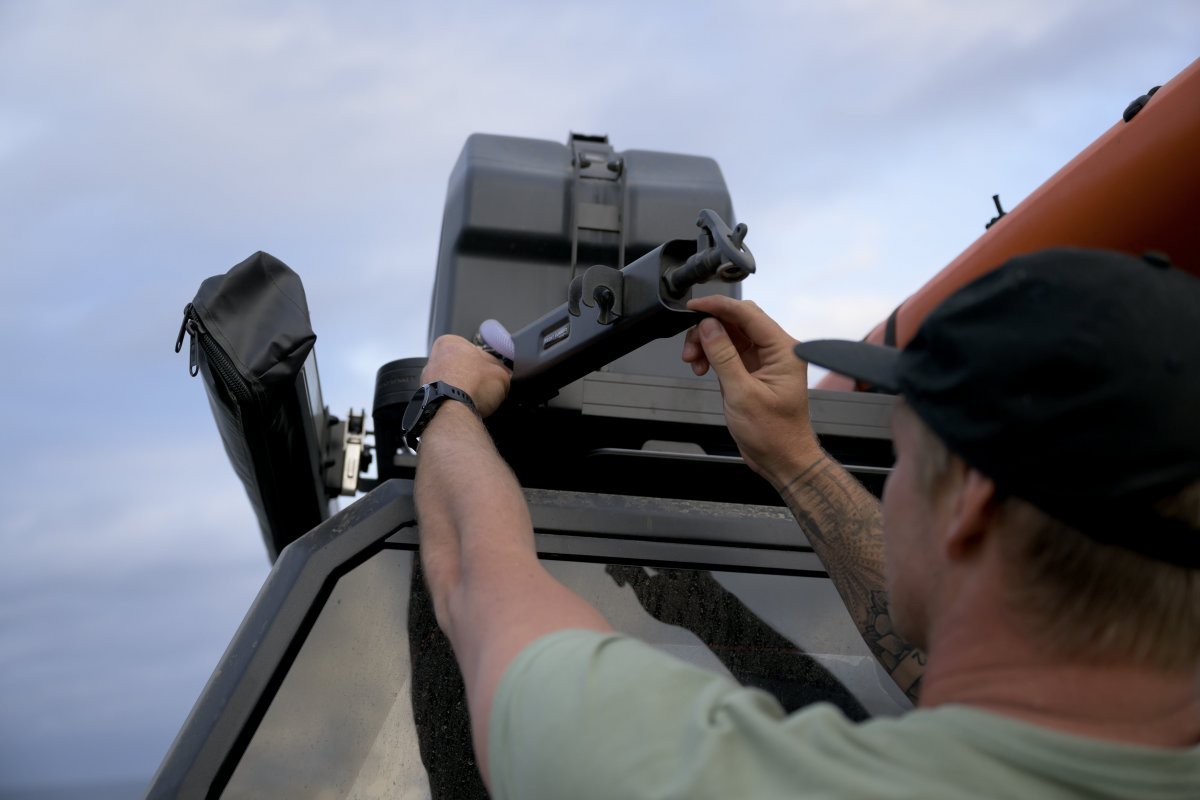
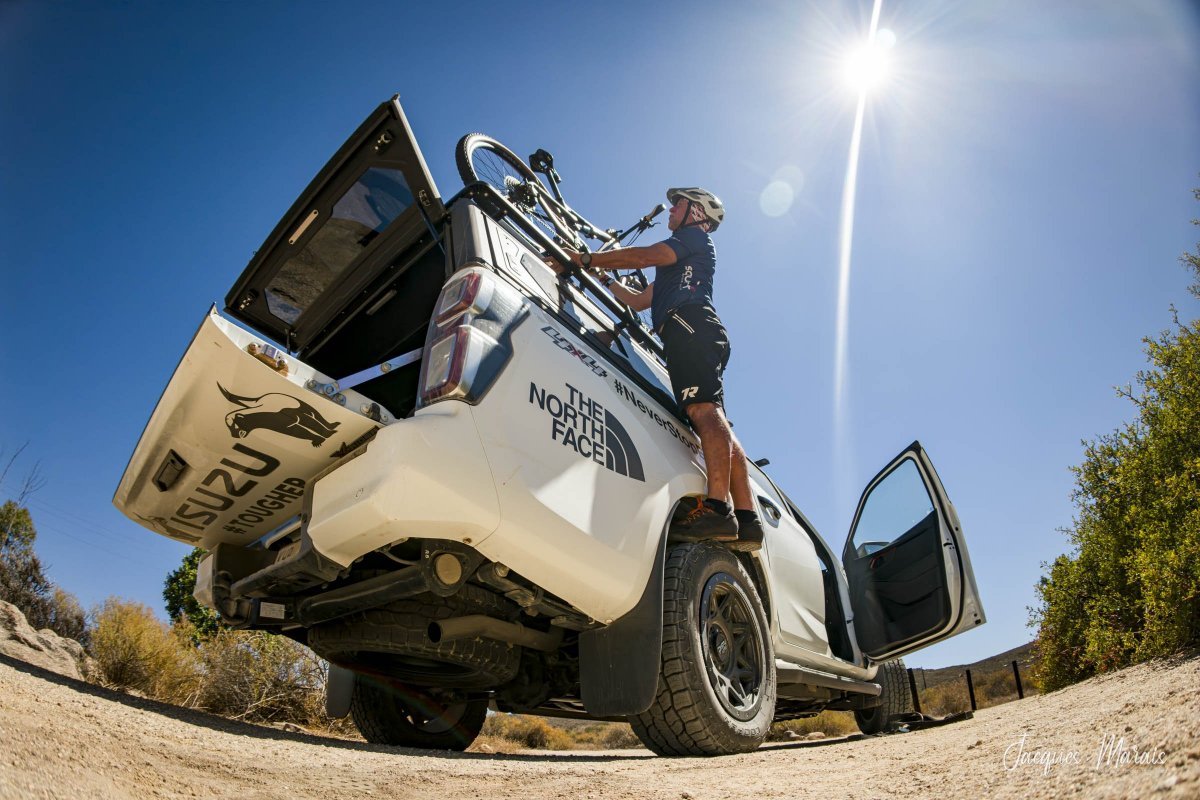
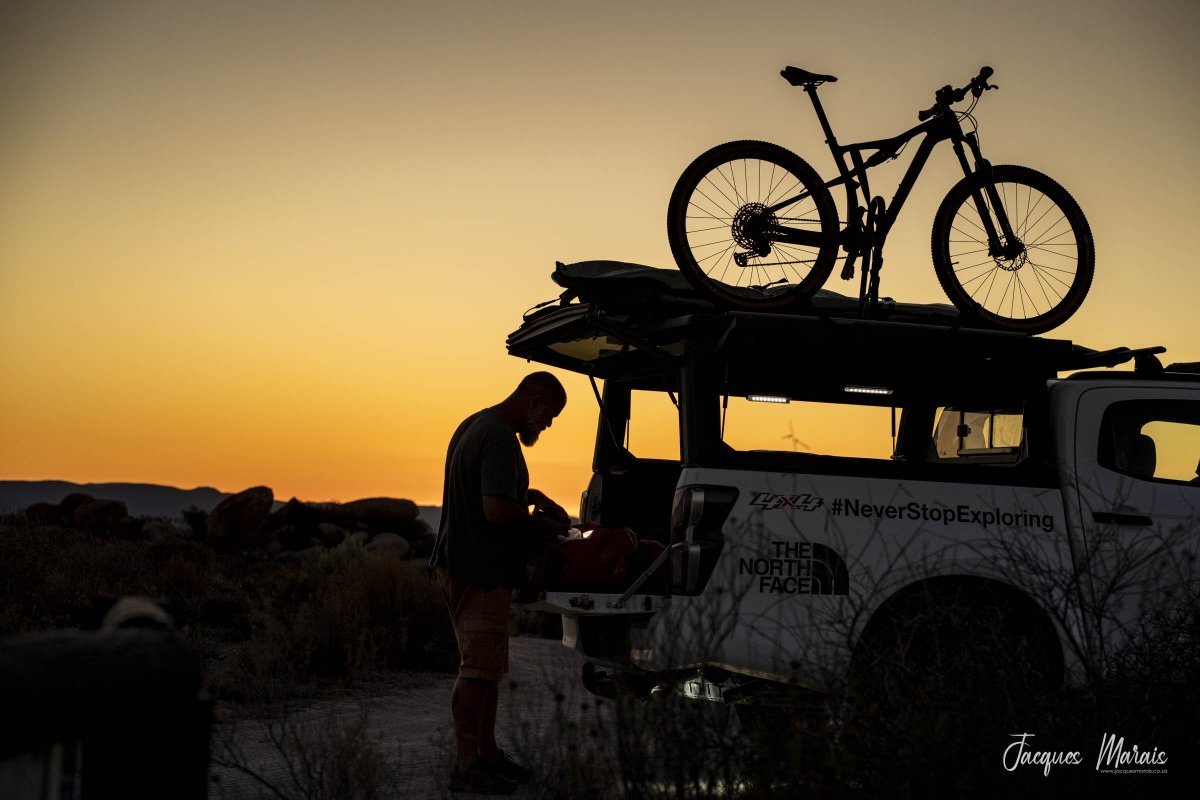
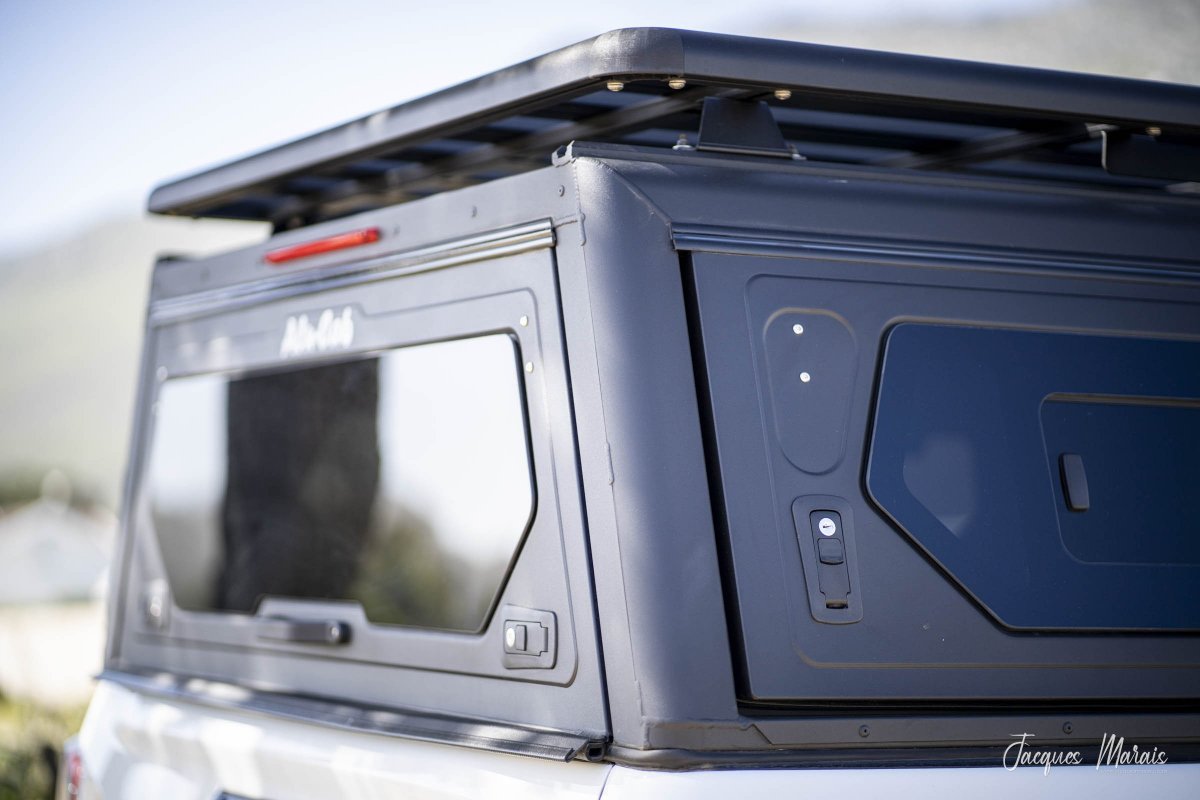
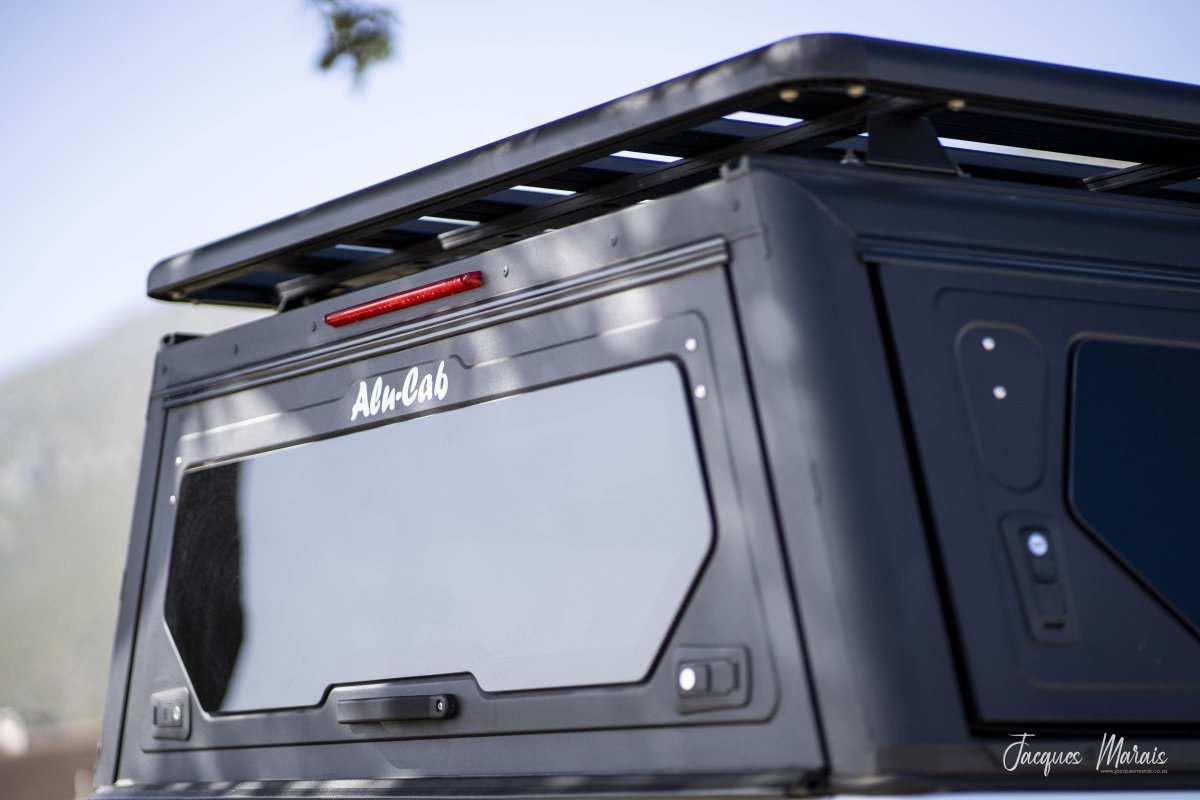
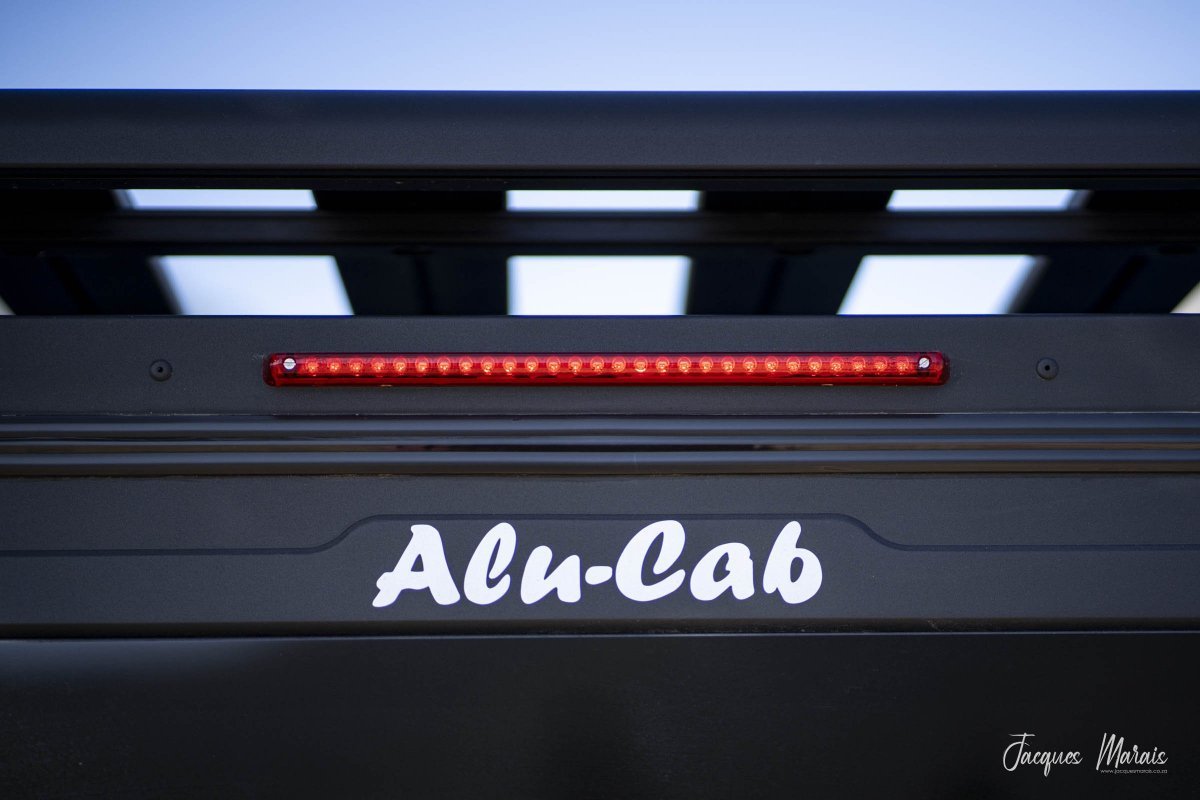
A bomb-proof canopy on the back of your bakkie is a bit like travelling 24/7 with a mobile office on hand. Believe me, that is a key USP for any outdoor photographer or filmmaker (I’m speaking from personal experience) who navigates Africa's back roads for months on end.
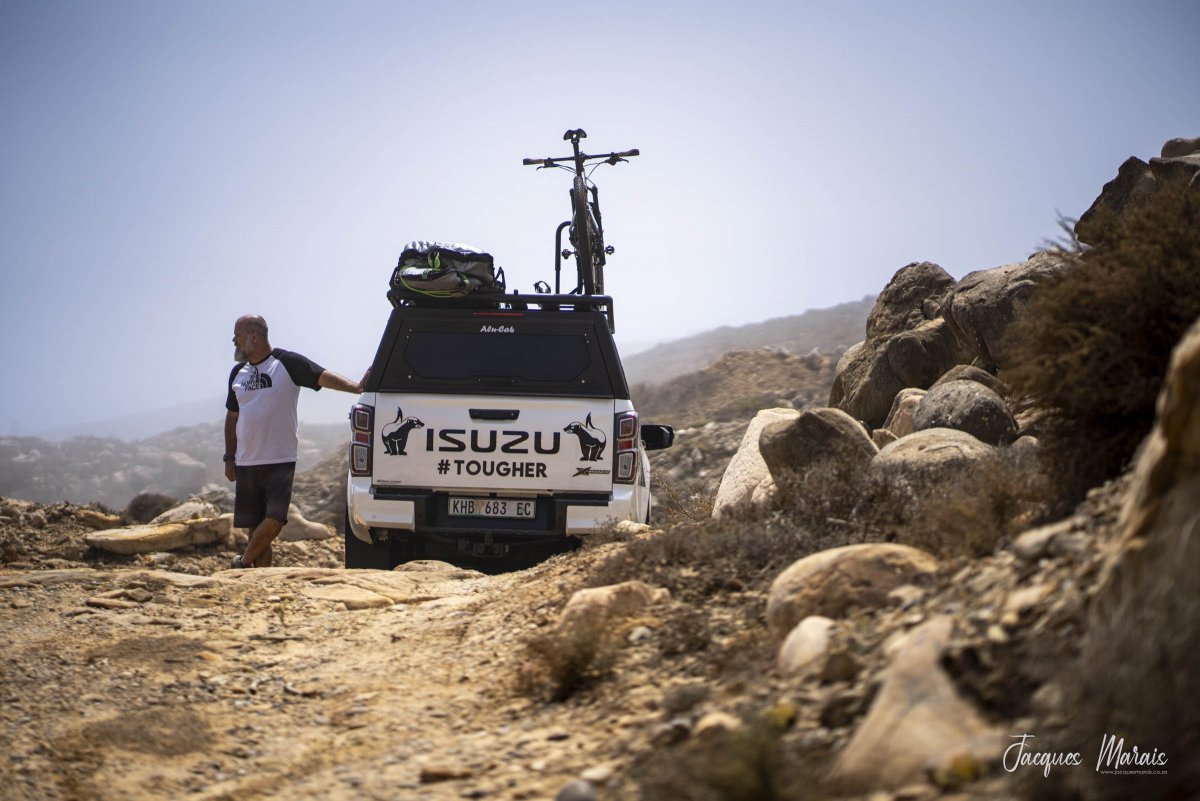
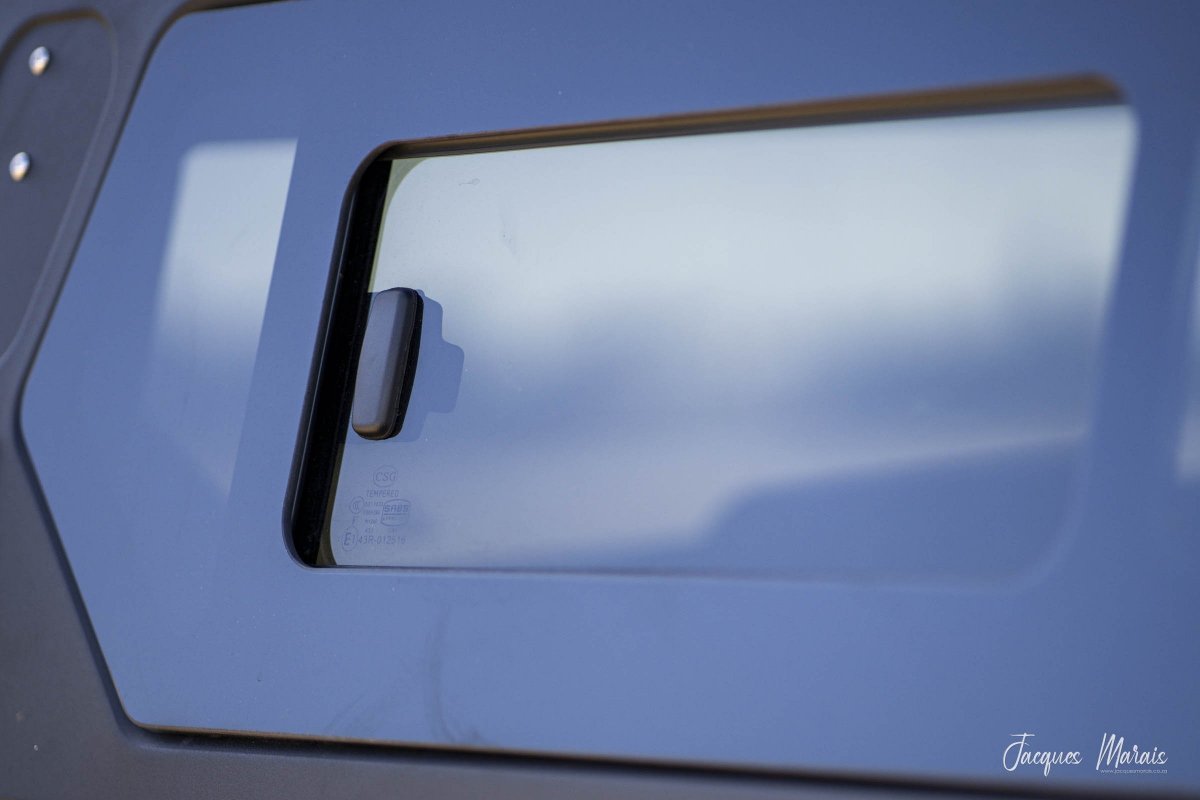
Yup, I own an Alu-Cab Contour, and it has changed the way I work and pack. First up, there’s ample secure loading space to protect your valuable equipment from the elements, and also from prying eyes, thanks to the dark-tinted windows.
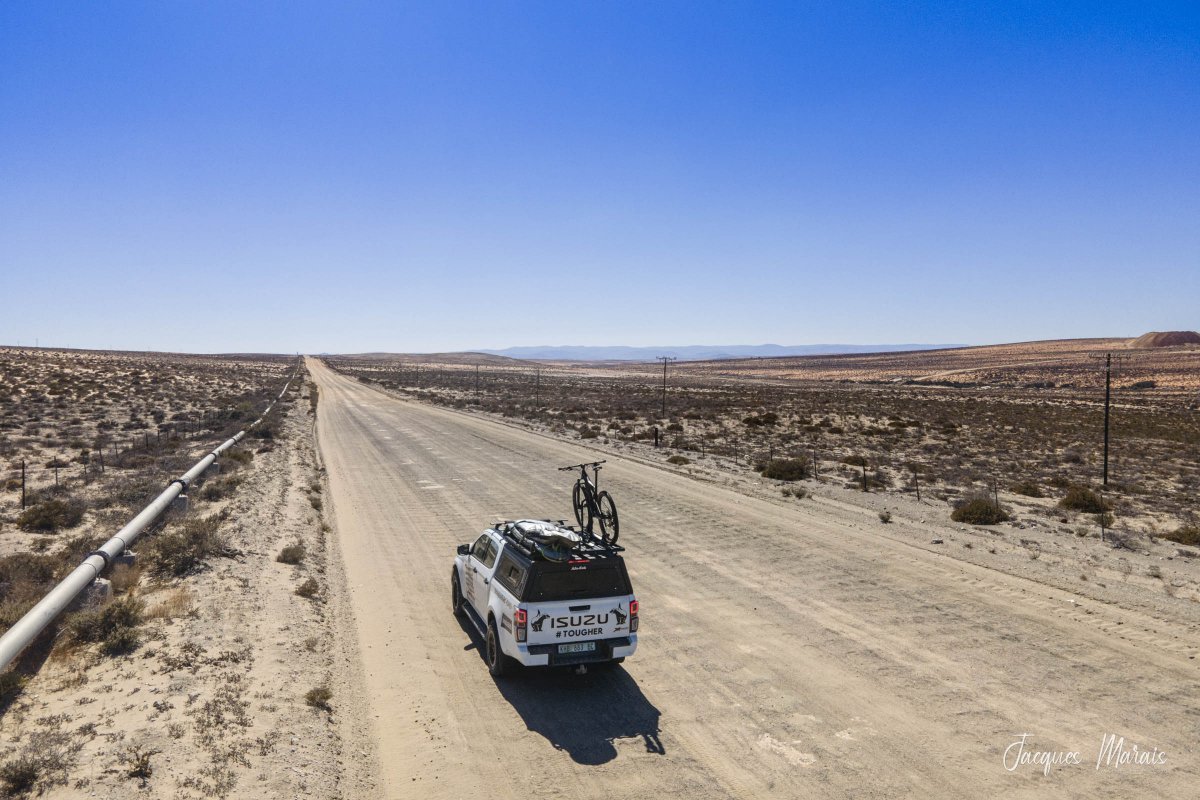
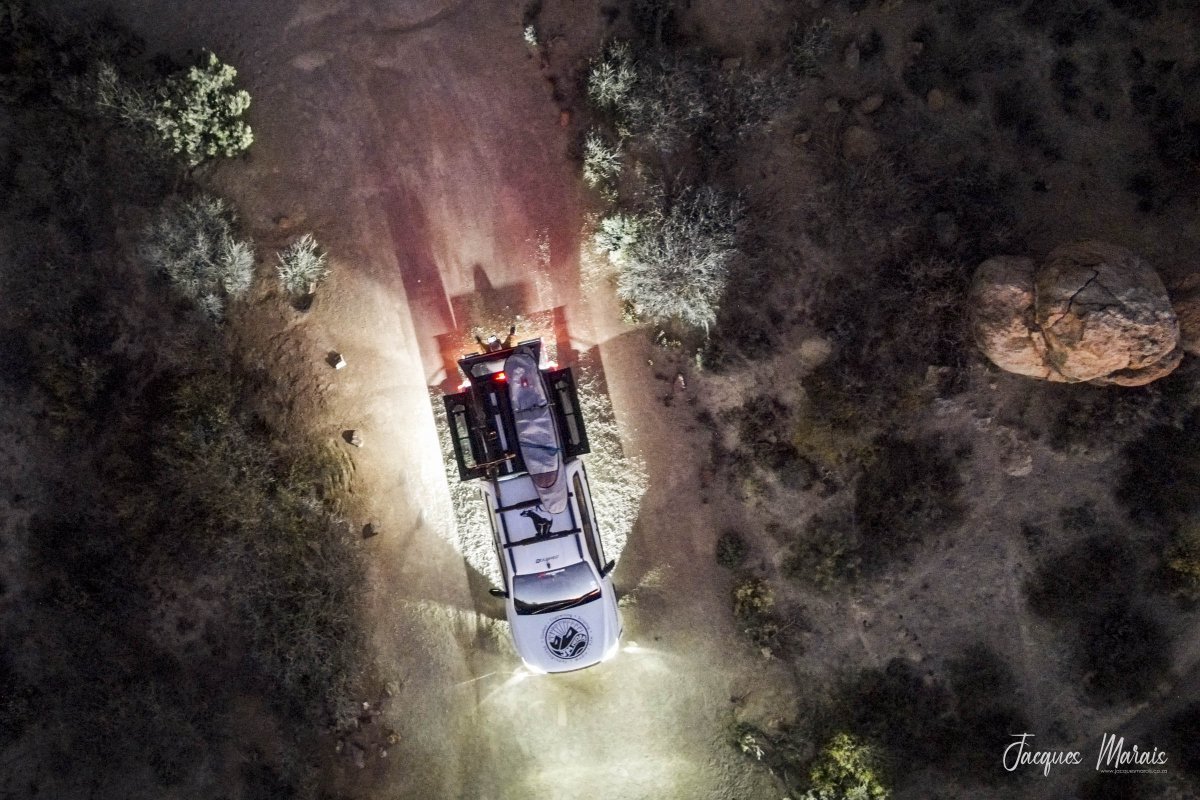
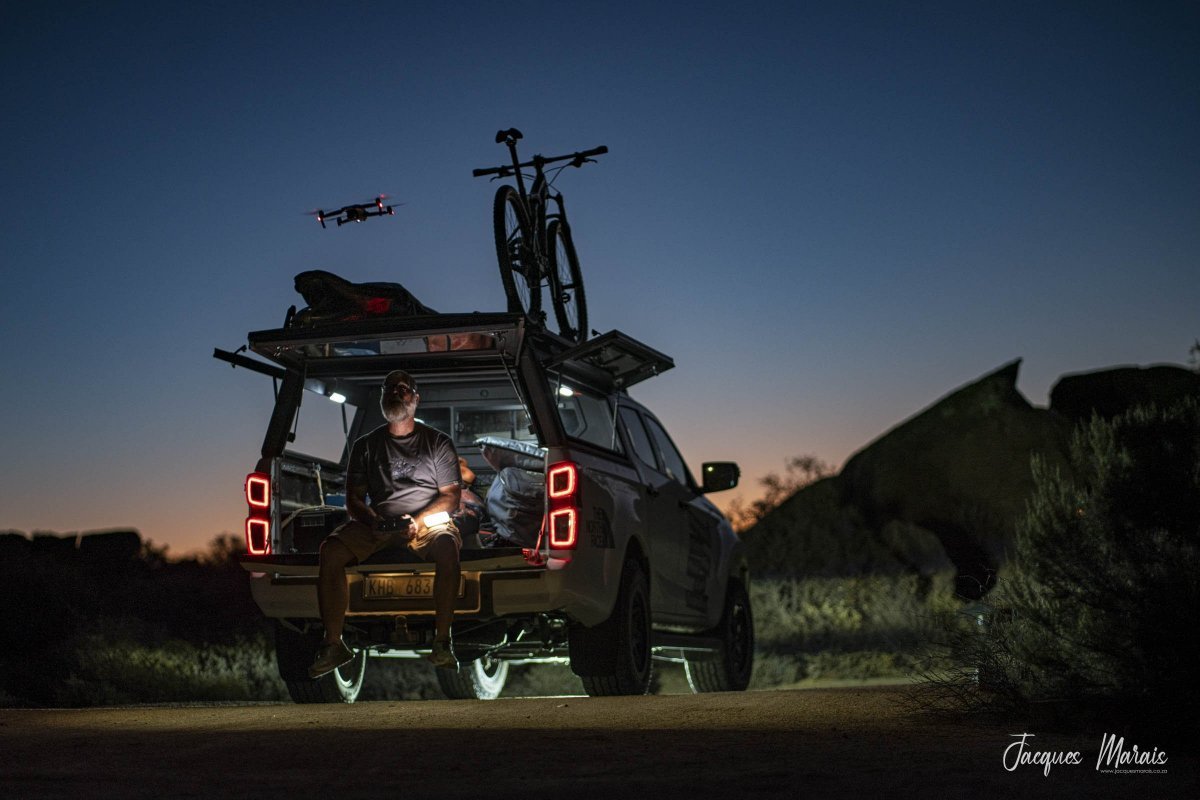
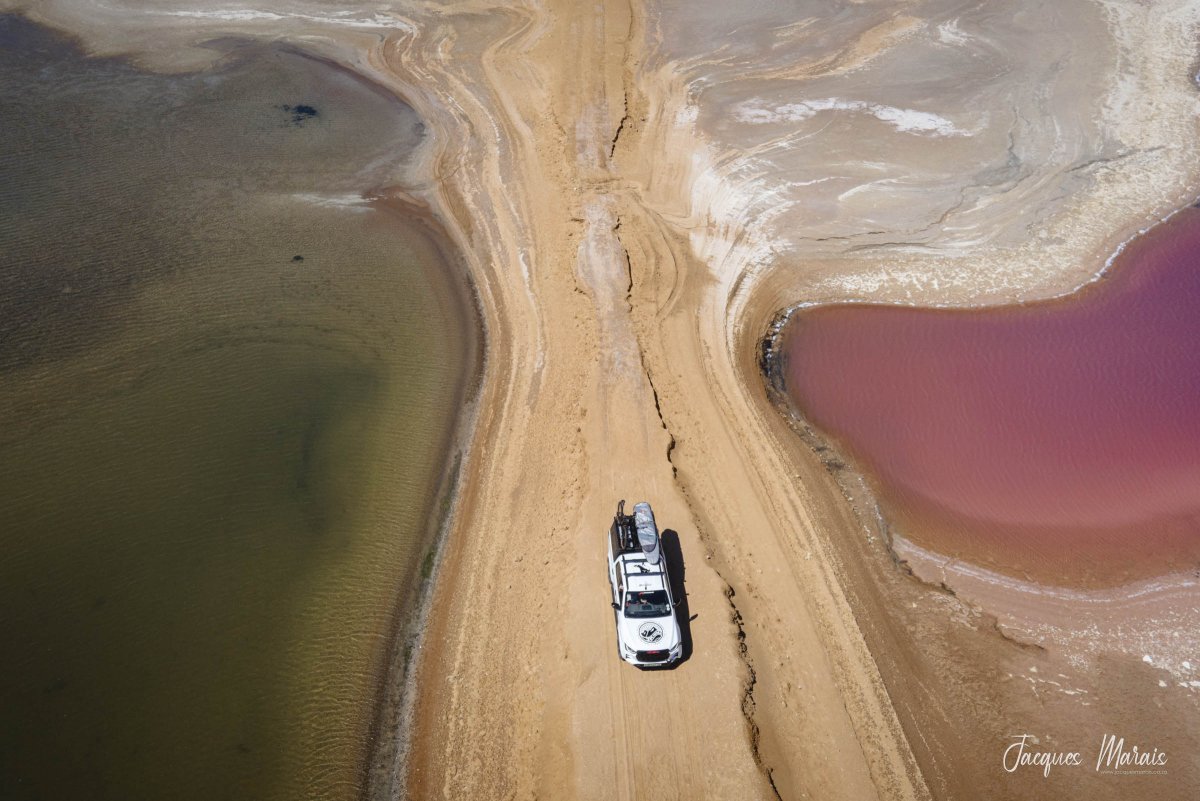
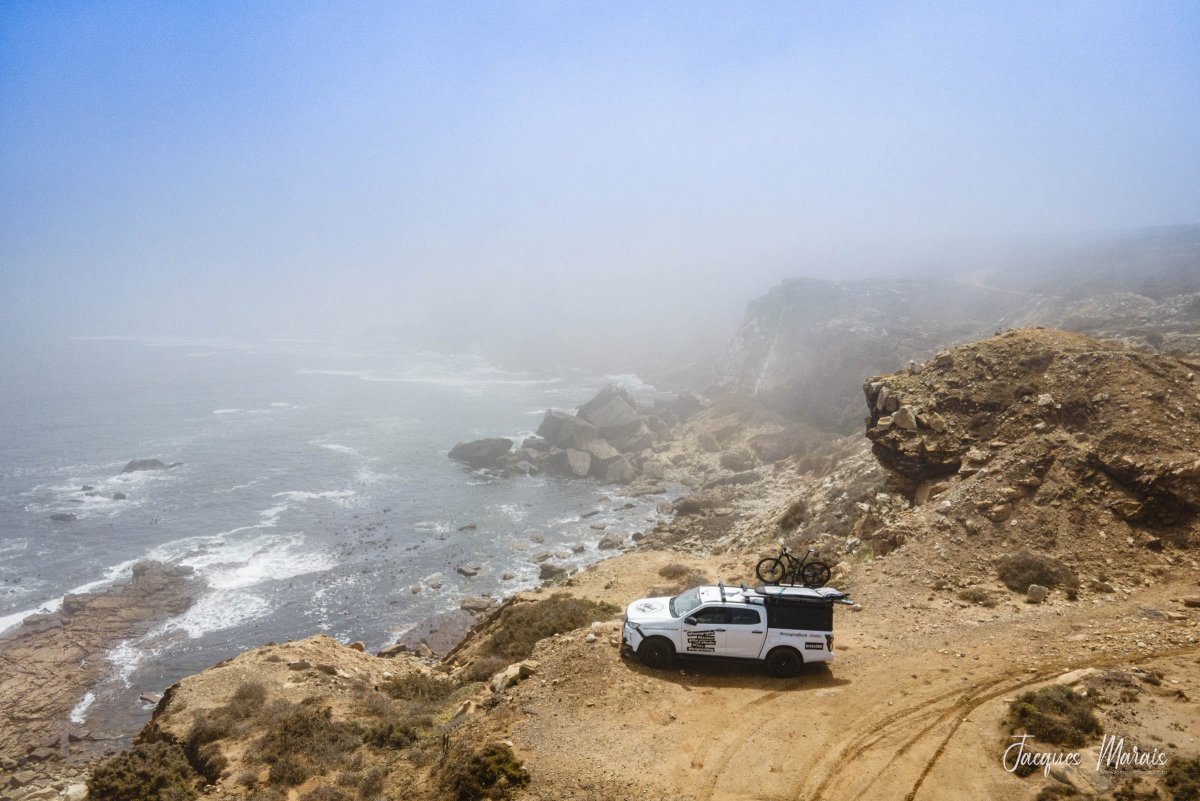
On a recent two-week media project for the Namaqua West Coast Tourism Region, we were strafed by constant sand storms and freezing weather, and having the canopy from which to launch our drones and shoot three-hour-long time lapses made all the difference.
Side-loading bays are arguably their greatest innovation, as it means you can easily access items right up against the cab. Plus, there's the added benefits of cushioned storage compartments, accessible lighting at the flick of a switch, and power outlets for no-fuss charging.
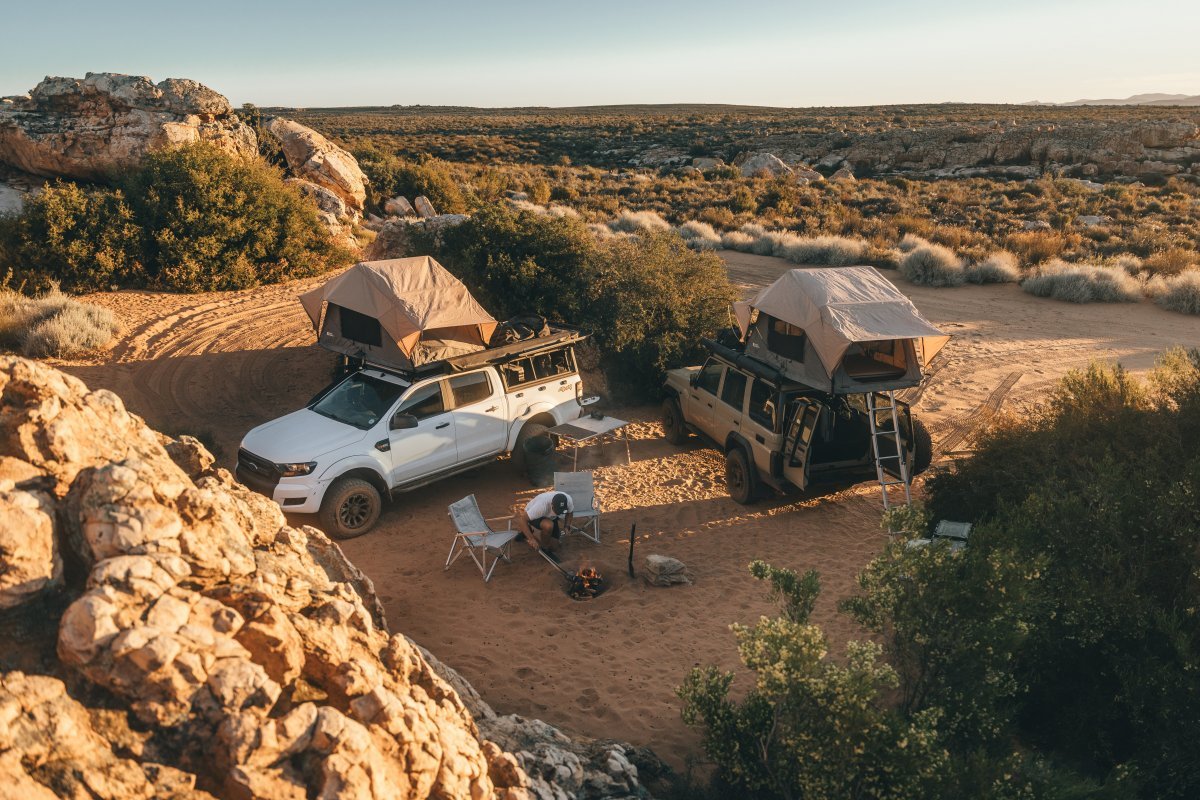
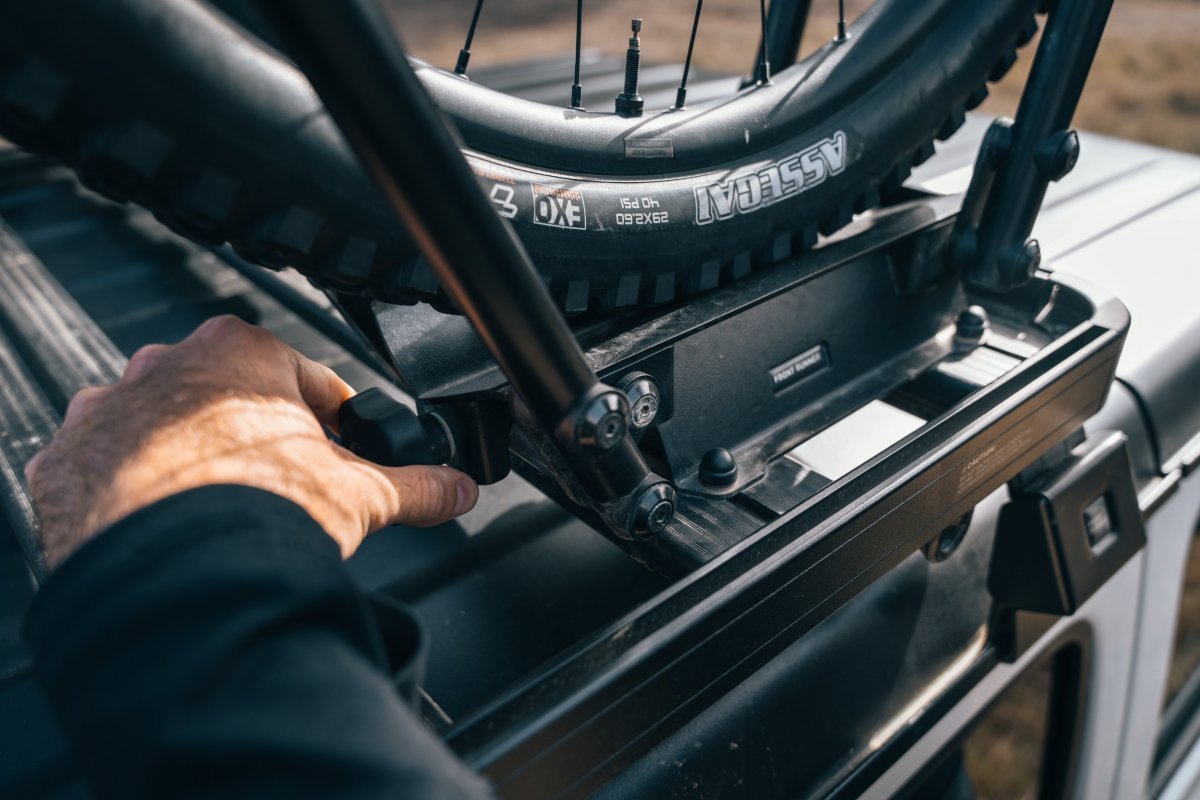
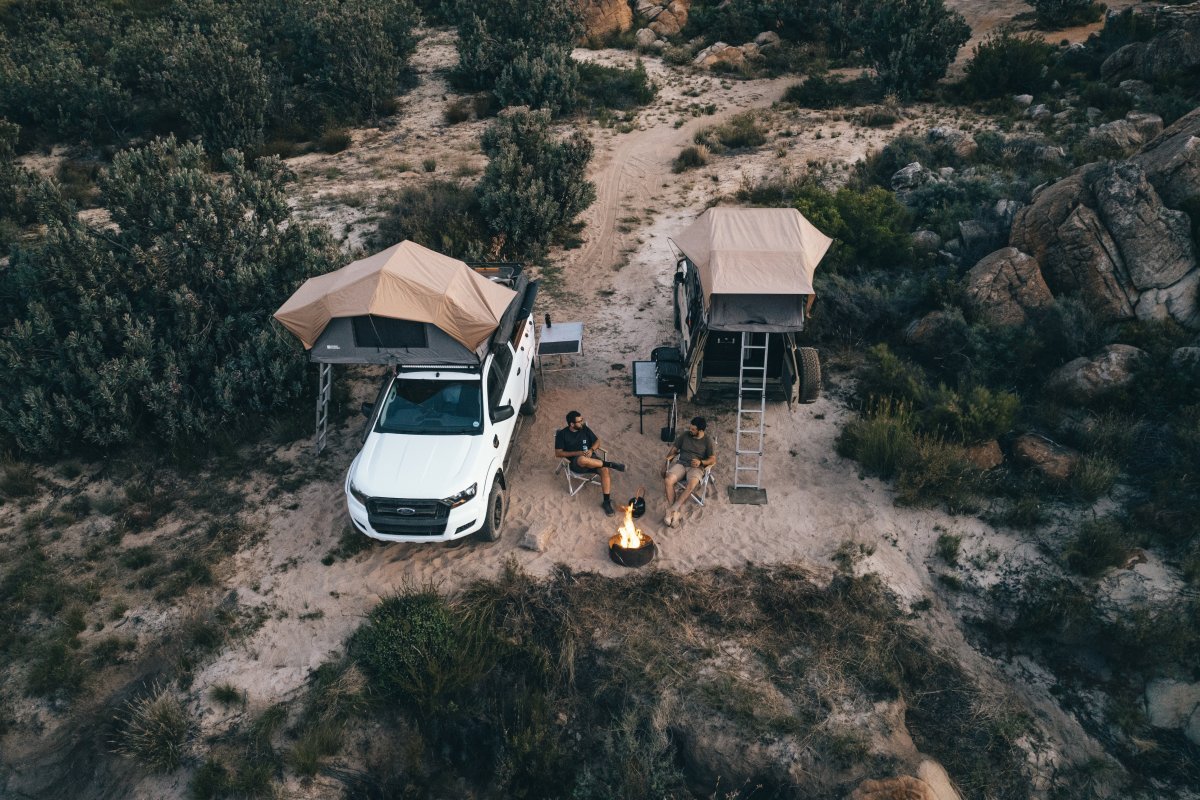
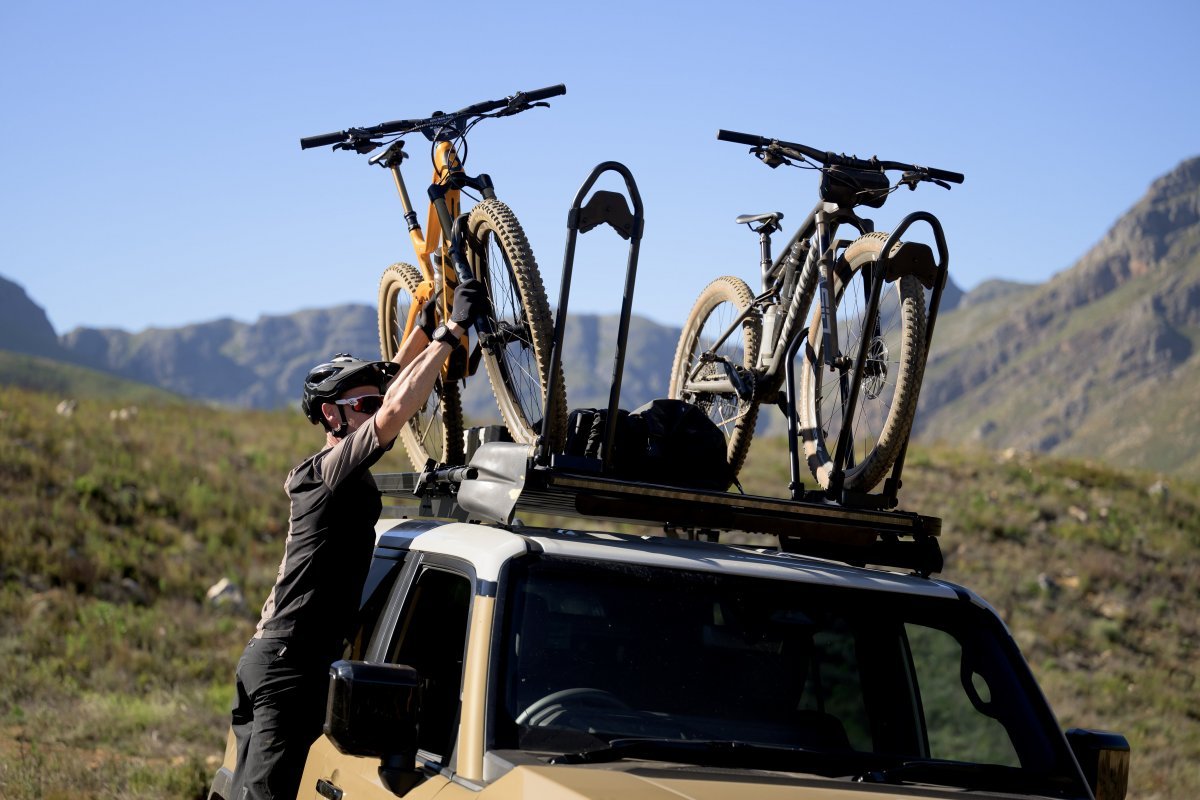
These robust canopies have become a de rigueur accessory in wider off-road circles, and they plug and play with anything from rooftop tents to top-loader bike racks and kayak carriers to enable your next road-trip adventure. This is, however, just one of the iconic SA vehicle accessory brands taking the world by storm…
Safari envy
It was the eastern African safari industry that arguably sparked the innate passion for exploration here on the Mother Continent. RSA Ltd was an early industry adopter, founded in 1996 with a clear mission: manufacture and supply robust 4x4 equipment solutions specifically tailored for the bush.
Its automotive accessories had to transcend mere componentry; instead, they had to empower adventure, ensure resilience, and enhance capability across the world's most challenging terrain. In the end, the industry’s growth was intrinsically linked to a burgeoning global appetite for vehicle-based exploration and overlanding.
A market gap became apparent, and every expedition wannabe craved a recreational vehicle capable of handling Africa’s demanding bush. Current industry players refer to it as “safari envy”, and soon Africa became established as an archetypal proving ground for future innovation.
These harsh and diverse landscapes – from the arid Botswana deserts to the tropical shores of Mozambique, and everything in between – served as unparalleled testing environments. This demanding crucible fostered both innovation and durability, and was the place where brands were made or broken.
South Africa at the time boasted a strong industrial sector and unique geographical advantages, with automotive assembly gaining traction from the mid-20th century. Sophisticated financial, legal, telecommunications, and transport networks, and the availability of a combination of skilled and affordable labour, added further value.
This unique developmental environment provided a competitive edge, and enabled companies such as Front Runner and Alu-Cab to set early quality benchmarks, allowing contemporary brands to follow in their footsteps.
From Cape Town to the world
This early South African entrepreneurial spirit began to focus on specialised premium quality components, and became a hallmark of the automotive accessories industry. And even though “world dominance” was not exactly on Jeremy Bergh’s mind, it did play a key part when he manufactured his first Alu-Cab canopy out of aluminium.
“I had a problem back then,” explains Bergh, “and no-one at the time could come up with a solution.” His “problem” was that he needed a lightweight, strong, and theft-resistant canopy for his plumbing business.
“When nothing met my standards, I decided to build my own,” he says. “That first aluminium canopy was a game-changer: tougher and lighter than anything else on the market, and word spread like wildfire.”
Tradespeople loved its durability, but adventurers soon saw its potential, too. The in-house team set about repurposing Bergh’s basic design for overland expeditions, and this innovation evolved to become the iconic Alu-Cab canopy of today.
“Starting a company is a long and hard road, and ironically, it was Covid that set Alu-Cab up for success. While the world pressed pause, we ramped up production, refining systems and stockpiling inventory,” adds brand manager Dylan Muhlenberg.
Then the borders reopened, and the so-called “revenge travel” boom hit. All market sectors related to overlanding and outdoor travel exploded, and Africa’s terrain continued to act as a catalyst for innovation and durability.
Soon, the international players in the market took note of the groundbreaking and lightweight designs emanating from the tip of Africa, and they were keen to do business. Alu-Cab had by then signed key partnership deals with Genesis Imports (Europe), OK4WD (USA) and expedition teams such as XOverland.
What goes round
The foundation of any vehicle-driven adventure is built your tyres and rims. Georg Schramm is another innovative South African, and he has based his business model on importing and distributing global brands – some manufactured under exclusive license – within this specific market segment.
Dirty Life is one of his TyreLife Solutions’ brands. “The manufacturing process is a collaborative effort involving world-class production facilities across Asia and Europe to meet stringent ISO standards,” explains Schramm. “Our partnership with NTAW (National Tyre & Wheel) Australia – which has a 50% stake in our business – uniquely positions us to market this brand under exclusive licencing in Africa.”
These rims are the culmination of decades of experience in wheel manufacturing, engineering, and product application, offering structural integrity, performance, style across diverse terrains, and a bold design philosophy. ”The only way to ensure your brand achieves iconic status globally is through researching user feedback, analysing field wear, and systematically aligning your offerings with real-world demands.”
“Our joint venture with NTAW ensures the Dirty Life brand adheres to international standards while remaining rooted in regional market needs”, says Schramm. This is a competitive but lucrative market segment, with an annual SA market value of alloy and steel wheels within the overlanding and 4x4 segment estimated at R1.2 billion.
Tyres in this segment contribute roughly R3.5 billion per annum, while Australia, the USA and Europe tally in the multibillion-rand range. Georg Schramm understands that the global market might be driving sales, but has an unshakeable belief in South Africa, and our drive to lead off-road innovation.
“We operate in a geography where unpredictability is a norm, not the exception, and companies like TyreLife Solutions have built their product development ethos around this truth,” says Schramm. “Our continent’s challenging infrastructure also taught us to value reliability over convenience.”
The fallacy of brand competition
Brands such as Alu-Cab and Front Runner don’t view each other as rivals. “Instead, we see each other as allies in helping to grow our combined market, thus empowering us to experience the outdoors together. They push us to improve, and vice versa,” says Warwick Leslie of Alu-Cab.
The synergy with Front Runner is termed a “friends of the brand” relationship and it creates not only a healthy rivalry, but unique opportunities, too. “Their camp chair is a world-class product, and we can see why our customers would invest in them,” he explains. “We saw this as a win-win situation, and reverse-engineered a carrying system for the chair, which boosts sales for both companies.”
Front Runner officially began operations in 2000, when a group of South African friends conceived the company around a camp fire in Botswana’s outback. They wanted to “dream up new, smart gear and build it stronger than … elephants”, and have been pioneering vehicle-based adventuring – in more than 50 countries – ever since.
Again, it was Africa that drove its forged-in-adventure philosophy, supplying the ultimate testing ground of unforgiving dust, torrential downpours, and bone-jarring roads. For the founders, it was never really about sales, but about quality gear they could trust on their wilderness expeditions.
From its humble beginnings in Johannesburg, Front Runner blossomed to become a global icon in the outdoor automotive industry. Its estimated revenue is pegged at $74.4 million per annum, and it is showing solid growth across all facets of the business.
Global off-road economy
The global off-road accessories market is a dynamic and expanding sector, propelled by measurable and growing demand for adventure and outdoor activity. Overlanding – both as solo and group-based adventure travel through remote wilderness areas – has grown substantially, reporting a 15% increase in overlanding vehicle sales and a 20% increase in overlanding activities in 2023 alone.
In our post-pandemic world, there is an undeniable search for moments of freedom, where individuals can truly reconnect with nature, away from the stress of daily life. It is not about vehicle or accessory sales, though, but rather about lifestyle choice.
A rise in disposable income, especially in first-world countries, allows consumers to invest not only in capable vehicles, but also in specialised accessories that enhance their outdoor experiences. Roof racks, tents, and adventure fittings allow you to style and customise your vehicle, making it – and you, by default – unique.
The economy of ‘experiential consumption’
Growth projections (2023-2033): The global market for 4x4 vehicle parts and accessories presents varying valuations across reputable sources, reflecting differences in market scope and methodology. Despite numerical variations, the consistent underlying trend across all relevant sources is one of robust growth.
Key market segments and regional contributions
The off-road accessories market is segmented and driven by a range of factors:
- Vehicle type: SUVs hold a dominant share, with approximately 55% of the 4x4 vehicles’ parts and accessories market in 2023. Pick-ups also represent a significant segment, driven by their inherent ruggedness and utility.
- Accessory type: Exterior accessories account for the major market share, increasing utility, safety, and aesthetic appeal. Suspension systems held on to top spot in 2023, indicating a strong focus on enhancing vehicle capability. Wheels and tyres are projected as the fastest-growing segment, driven by customisation trends and demand for specialised off-road tyres. Aftermarket products such as roof racks, bull bars, winches, and mud tyres are gaining popularity due to the growing trend of vehicle customisation and modification.
- Distribution channel: While the original equipment manufacturer (OEM) segment currently leads with a 47% share, the online retail segment is projected for strong growth, with a projected compound annual growth rate exceeding 7% from 2024 to 2032. This reflects evolving consumer purchasing habits, linked to the wider accessibility offered by e-commerce platforms.


Gallery