Business and academic leaders in South Africa entered 2026 under growing pressure, from economic uncertainty to political volatility and global competition for talent. Meanwhile, rising executive burnout and workforce disengagement threaten productivity and long-term growth. Wellness is no longer a nice-to-have, but a strategic priority, increasingly tied to performance, innovation, and environmental, social and governance (ESG) outcomes.
The October Health report, in partnership with GIBS, shows overall workplace well-being improved from 69 to 75 out of 100 in 2025.
Employees increasingly prioritise strong leadership, supportive cultures, and psychological safety over traditional wellness perks. Financial stress remains the greatest threat to morale and performance, while psychological safety is viewed as a key driver of productivity and innovation.
The findings suggest leaders must move beyond programmes and embed well-being into organisational culture, work design, and management practices if businesses want to remain competitive and sustainable.
Incorporating well-being into business strategy
Many workplace wellness programmes fail because they sit outside daily operations. Real impact comes when recovery, focus, and workload clarity are built into how work is structured, says Dr. Adrienne Leussa, leadership and performance strategist at Sanilux.
She says shorter meetings, protected deep-work time, and energy-aware scheduling reduce fatigue, sharpen focus, and strengthen decision-making, shifting well-being from an HR initiative to a performance driver and demanding a rethink of leadership.
“Organisations that embed wellness into everyday operations are more likely to build stable, high-performing teams and sustain long-term growth.”
Dots Ndletyana, a senior lecturer at GIBS, says wellness now spans mental, emotional, and financial health, plus flexible work to support balance. Inclusive, psychologically safe cultures link well-being to resilience and competitiveness.
“Organisations with strong health outperform peers in profits, productivity, engagement, creativity, and retention. Empirical research equips leaders to identify root causes and design tailored, holistic interventions that deliver real impact,” says Ndletyana.
Many companies have recognised that wellness needs to be incorporated into business strategy rather than within HR alone.
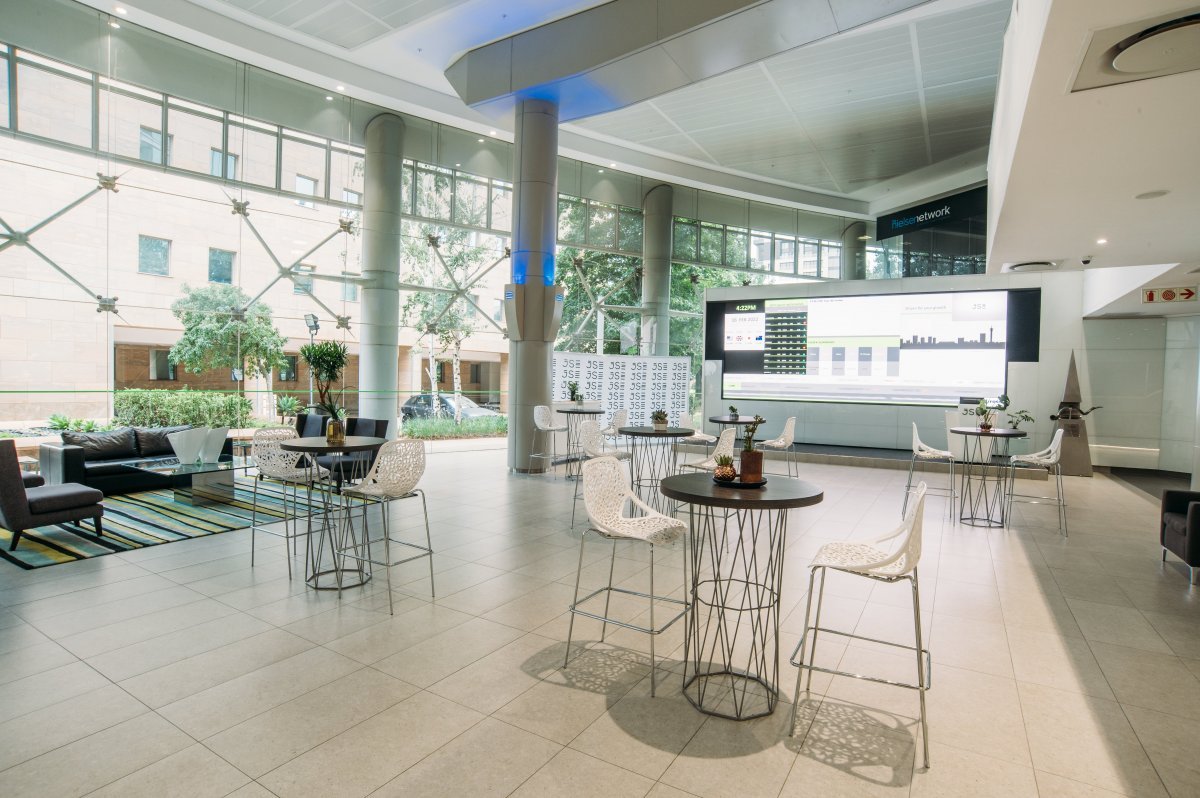
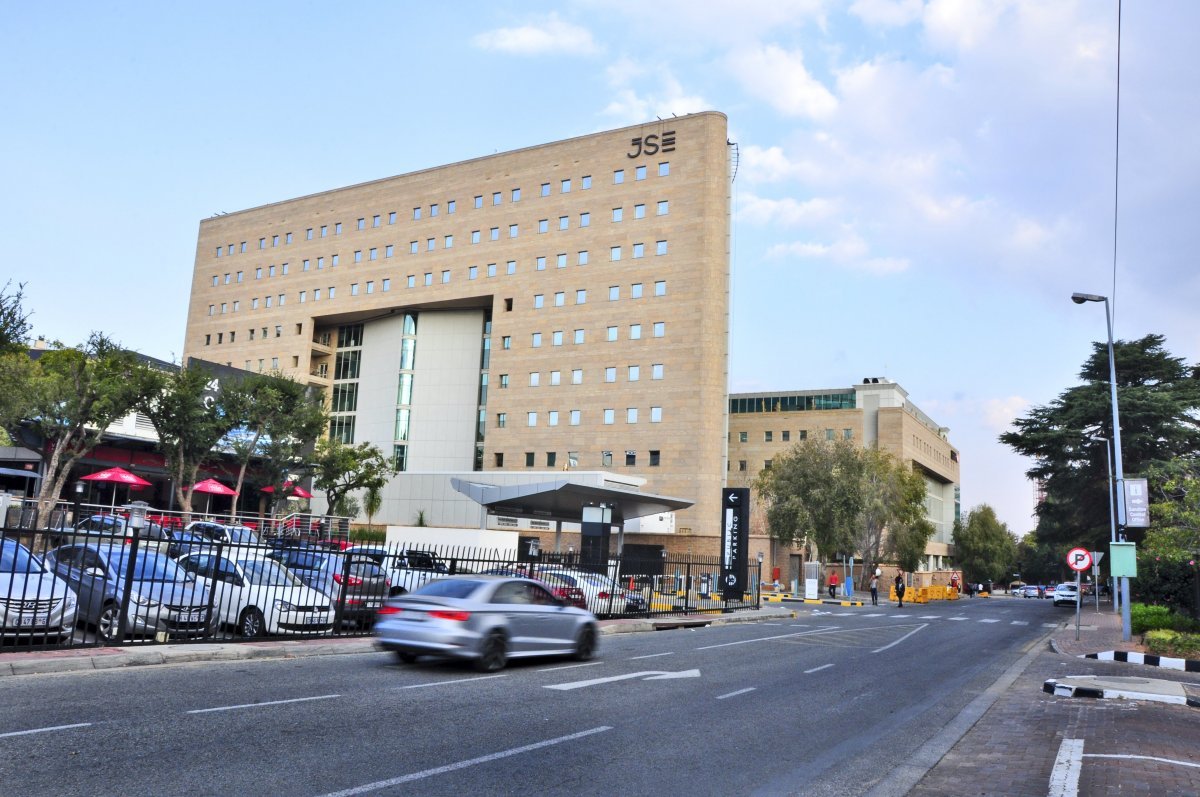
At the Johannesburg Stock Exchange (JSE), employee well-being forms part of its employee value proposition. Wellness is embedded in daily operations through employee assistance, financial well-being and skills development programmes, alongside engagement and leadership initiatives, says Navasha Chetty, HR executive at the JSE.
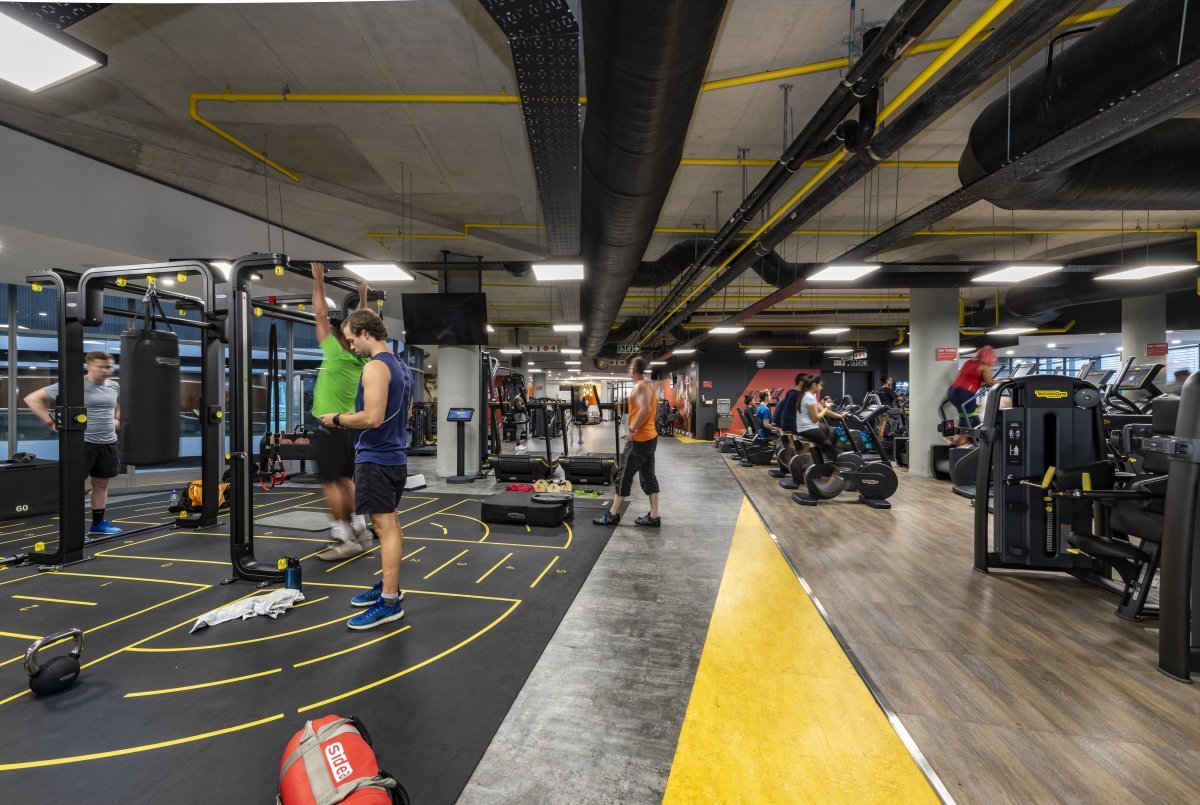
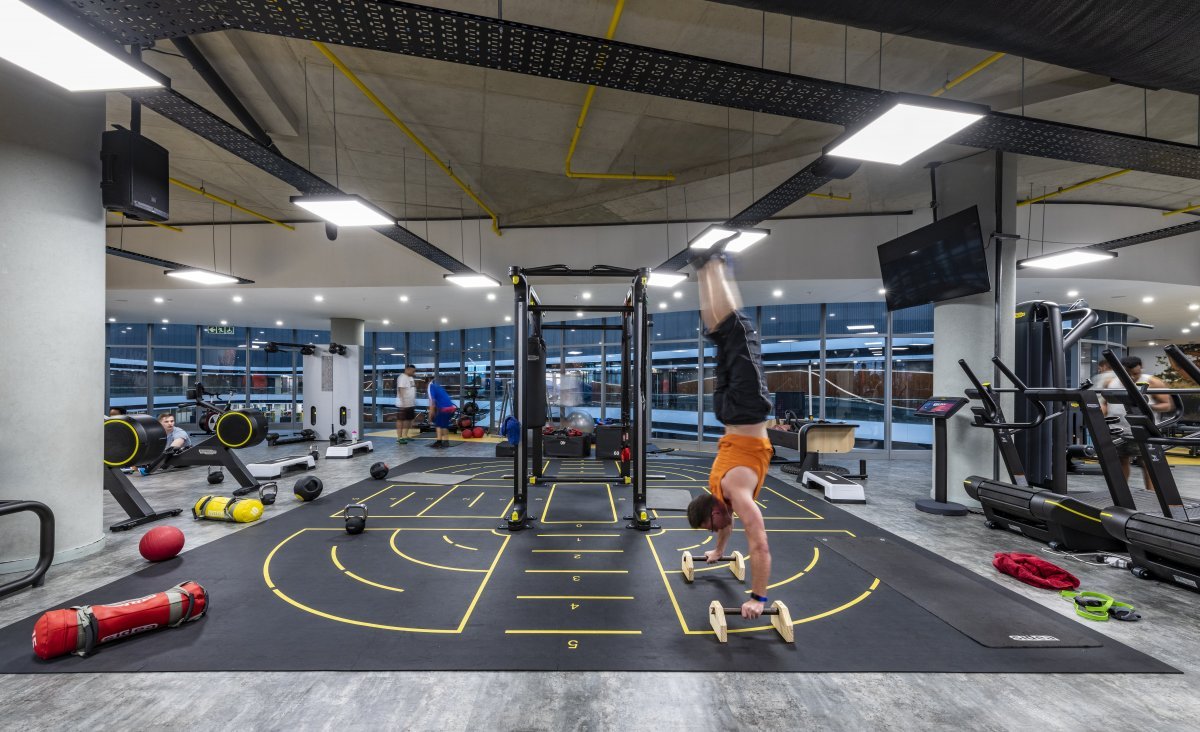
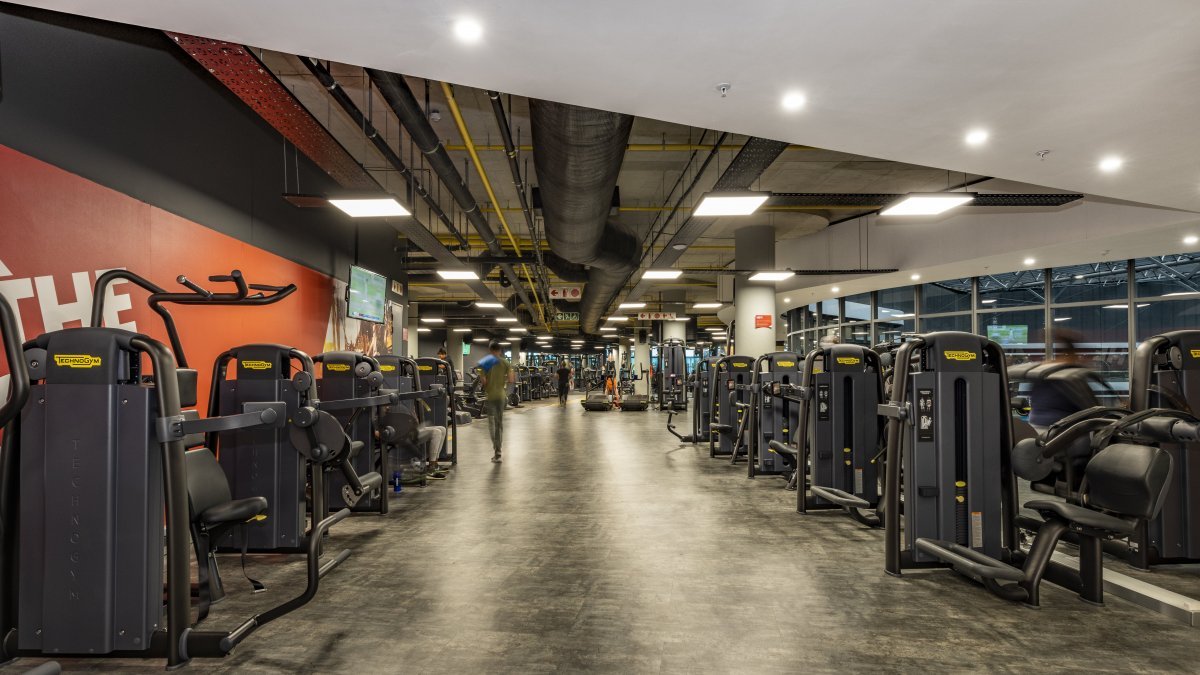
The organisation also provides hybrid working, gender-neutral leave, gender-based violence (GBV) support, onsite facilities, and a wellness allowance, aimed at strengthening performance, enhancing employee experience, and delivering long-term organisational value.
At Ocean Basket, well-being is embedded in the company culture. Through initiatives such as its so-called Happy Sandpit trips, the company recognises that a strong culture drives success and that sharing and learning with other organisations is essential. Happy Sandpit helps organisations shape culture through employee value propositions, leadership frameworks, and tools that embed core values, boost performance, and reduce bias.
Support also includes monthly leadership coaching, unlimited leave, and three-year succession plans per role. “Wellness is integrated into KPIs, planning, and bonus-linked performance metrics, keeping it central to how the company leads, measures success, and drives a strong, thriving culture,” says Stiaan Pienaar, head of people at Ocean Basket.
Gary Bateman, founder of Mechanics of Business, which represents the South African arm of A Better Place to Work, says that by using diagnostic tools and real-time data, well-being becomes a performance driver, shaping leadership, values and KPIs. “Co-created with employees, it builds shared accountability, trust, and inclusion, supporting productivity, innovation, retention, and a culture where people feel respected, supported, and engaged.”
Guy Chennells, chief commercial officer at Discovery Corporate and Employee Benefits, says mental resilience and leadership well-being are central to corporate health solutions.
Discovery’s Healthy Company Employee Assistance Programme began as an internal, proactive support for at-risk staff before expanding to other employers. Post-Covid resilience webinars evolved into wider wellness sessions, with targeted leader workshops embedding mental well-being into daily workplace culture.
Burnout and fatigue
In hospitality, work rarely stops. Ocean Basket’s Pienaar says restaurant teams operate almost round the clock, leaving little time to pause. Over time, constant pressure affects leaders, reducing adaptability, and fostering reactive rather than proactive behaviours. Acknowledging fatigue is key to supporting teams and sustaining effective leadership in high-pressure environments.
About a year ago, the JSE introduced a wellness strategy to tackle burnout and employee fatigue. By embedding wellness into leadership and operations, fostering psychologically safe environments, and promoting conscious leadership, employees feel supported and valued, helping them thrive, work with empathy, and contribute meaningfully to the organisation’s performance, says Chetty.
Chennells says Discovery Corporate and Employee Benefits supports employers through service consultants and corporate health managers to address rising stress and chronic illness. Regular reporting identifies emerging risks and shapes tailored action. He says Vitality data shows moderate-to-high depression risk has risen 63% in five years, while hypertension and type II diabetes diagnoses are up 9% and 12% since 2020.
These insights guide targeted support, from mental health to chronic disease management. Wellness Days offer onsite Vitality Health Checks measuring BMI, blood pressure, glucose, and cholesterol, linking staff to programmes such as Managed Care, Personal Health Pathways, and Healthy Company. Large employer participation has increased 4.7-fold during activations, highlighting strong engagement.
Measuring returns on wellness
Recent research from Gitnux shows every $1 invested in quality programmes delivers $3-$6 in return, through lower absenteeism and healthcare costs. Companies with structured health initiatives report up to 20% higher productivity and 25% lower absence costs.
Dr. Leussa says executive health programmes sharpen cognitive performance and resilience under pressure, helping leaders make faster, better decisions, cut turnover, and sustain long-term performance. Healthier organisations are simply more profitable.
Ocean Basket tracks success using traditional measures such as time off, delivery rates, staff turnover, engagement, and performance. Every individual and department is given an overall fitness score, showing their contribution to the company’s goals.
The JSE measures the impact of its wellness initiatives through structured feedback and clear performance indicators. Its annual employee engagement survey gathers insight into leadership, team dynamics, well-being, and culture, helping identify trends and assess how its employee value proposition, including wellness programmes, affects productivity, innovation, and retention. The company also tracks participation in activities, use of the October Health app and Lyra Health assistance programme, and feedback from leadership sessions, reviewing these alongside business results to support sustainable performance, says Chetty.
To demonstrate the return on well-being initiatives, Bateman says they link behavioural improvements to operational results and people-related costs. Indicators such as creative thinking, psychological safety, and emotional intelligence predict stronger team performance.
“When staff feel safe, supported, and connected, they work more effectively, reducing turnover, absence, and recruitment costs. The Even Better Place to Work framework tracks these behaviours over time, turning well-being from a ‘soft’ HR concept into measurable business impact.”
Wellness in ESG reporting
The BDO 2025 Sustainability Outlook shows 40% of companies see employee health and well-being as a top sustainability priority. PwC’s ESG Progress Tracker 2025 reports 36% list diversity, equality, and well-being among near-term social priorities, while a Willis Towers Watson survey found 43% view mental and physical health as a top board-level risk.
Ndletyana says embedding wellness in corporate governance requires board-level oversight, leaders who champion and are accountable for wellness, and policies with clear guidance and dedicated resources. Regular audits and reviews ensure compliance and cultivate a lasting organisational culture that genuinely supports employee well-being.
Chetty says employee wellness is not yet formalised in ESG frameworks, but its relevance is growing. As ESG reporting matures, insights from the JSE’s annual employee engagement survey could strengthen transparency and long-term value, adding that the JSE is open to integrating meaningful well-being metrics. Pienaar says sharing performance and wellness feedback builds trust and accountability.
Boards can now quantify well-being through real-time and qualitative data, aligning it with global reporting standards and linking it to retention, productivity, and healthcare trends, adds Dr. Leussa.
Trends in Discovery claims data
Discovery data shows employee health is increasingly affected by physical, mental, and lifestyle factors, emphasising the need for wellness support:
- Out-of-range BMI rose from 42% in 2020 to 49% in 2024 (Vitality Health Check data).
- Group life assurance claims for cancer increased 42% since 2020.
- Income disability claims for mental health conditions grew 28% since 2020, making mental health now among the top five causes of disability.
- Hospitalisation rates for lifestyle-related conditions, including cardiovascular and nervous system issues, rose 31% and 37%, respectively, since 2021.
- Chennells adds that these trends highlight the need for integrated, preventative wellness strategies. Discovery’s group risk and health programmes offer personalised care, supporting recovery, long-term well-being, and proactive intervention, helping organisations build healthier, more resilient workforces while sustaining performance.
10 key insights from the October Health 2025 report
- Overall workplace well-being has improved, with the national score rising from 69 to 75 out of 100, though progress remains uneven across domains.
- Financial well-being recorded the largest increase, up eight points, but at 64 out of 100 it is still the lowest-scoring area.
- Employees are placing greater value on supportive leadership, healthy cultures, and psychological safety rather than traditional wellness perks.
- Confidence in workplace health is declining, with fewer staff describing their organisation as “very healthy”.
- Psychological safety has emerged as the strongest driver of performance, with those feeling safe to speak up reporting higher engagement and results.
- Perceived support from managers and organisations plays a decisive role in shaping job satisfaction and intentions to stay.
- Demand for flexible hours, caregiver support, and stronger social connection continues to outpace employer provision.
- Clear expectations and sustainable workloads are closely linked to improved satisfaction and productivity.
- Job satisfaction has fallen from 82 to 74 (out of 100) despite higher well-being scores, indicating wider economic and cultural pressures.
- Employees working mostly remotely rate their performance lower than fully office-based colleagues, underlining the need for greater clarity and structure.


Gallery