
2026 will be a year of reckoning and test of resilience for the local sector, and global signals are creating a volatile environment that threatens the sustainability of local recycling.
On the current status of EPR globally, what was once a “producer pays” ideal has transformed into a strategic instrument for global competitive positioning. While South Africa is progressing steadily, the domestic sector must now navigate a complex web of international regulatory shifts and volatile macro-economic headwinds.
Significant developments in key markets are expected to spill over into African and Middle Eastern markets. Central to this is Europe’s Packaging and Packaging Waste Regulation (PPWR), which transitions to a directly applicable regulation on 12 August 2026.
Regulation will hard-wire strict recyclability performance grades, minimum recycled content, and harmonised labelling. This will impact how brands design packs everywhere they sell, not just inside the EU. The expansion of EPR laws in seven US states and the UAE’s pioneering regional pilot are further signals that producer-financed collection and recycling are now the global regulatory standard.
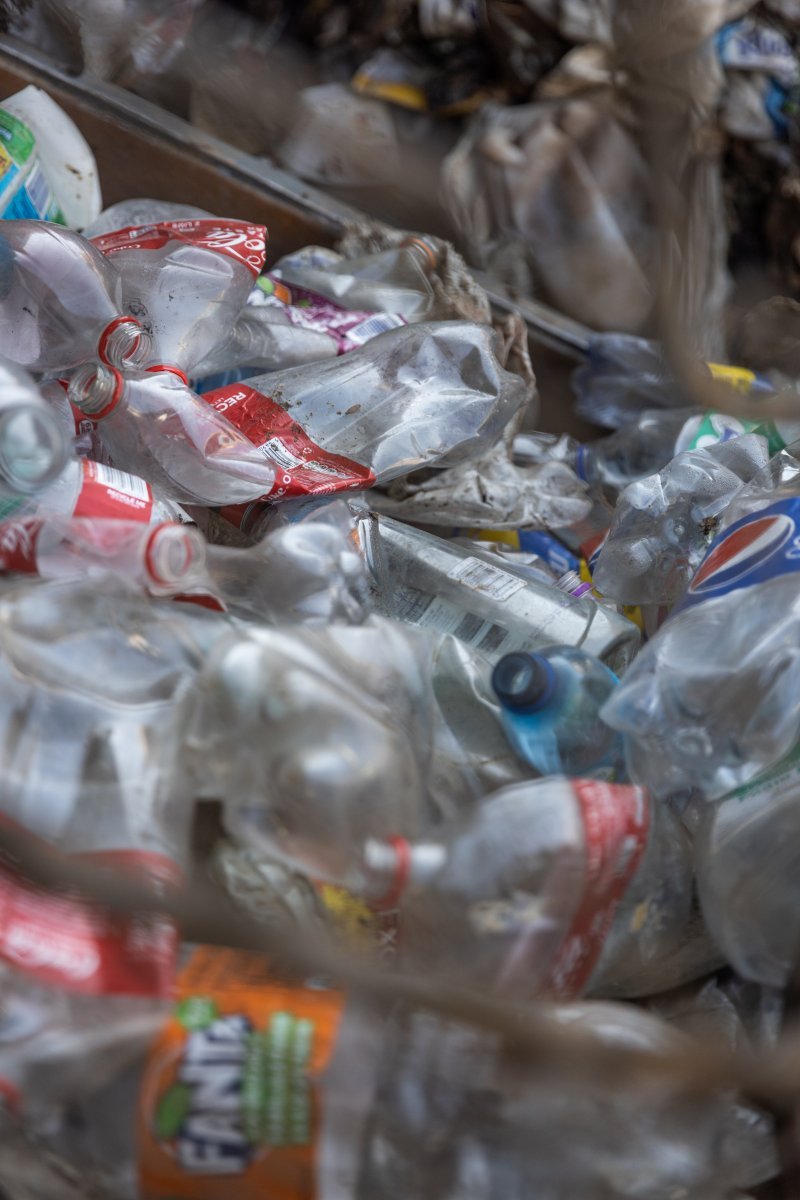
Despite the momentum in recycling infrastructure development in South Africa, including the 2025 launch of Extrupet’s Western Cape PET plastic bottle-to-bottle plant, the local industry remains under strain. Recycled PET (rPET) economics faced a difficult year in 2025 with bale prices hitting historic lows due to oversupply and competition from cheaper virgin PET, driven largely by China’s massive capacity expansion.
China’s strong virgin PET capacity growth in recent years and disciplined industrial policy continue to depress virgin prices, challenging rPET economics globally.
To counter these pressures, there is the need for visible compliance enforcement against free-riding producers under the Section 18 regulations of the National Environmental Management: Waste Act, which govern EPR.
The strategic answer to these constraints is to see more material getting to plants and stronger, enforced compliance to keep the playing field fair for members of producer responsibility organisations like Petco who pay.
Therefore, the goal for 2026 is resilience
If we succeed in building resilience through compliant members, well-supplied recyclers, and empowered waste pickers, we will position South Africa as a circular-economy leader in the Global South.
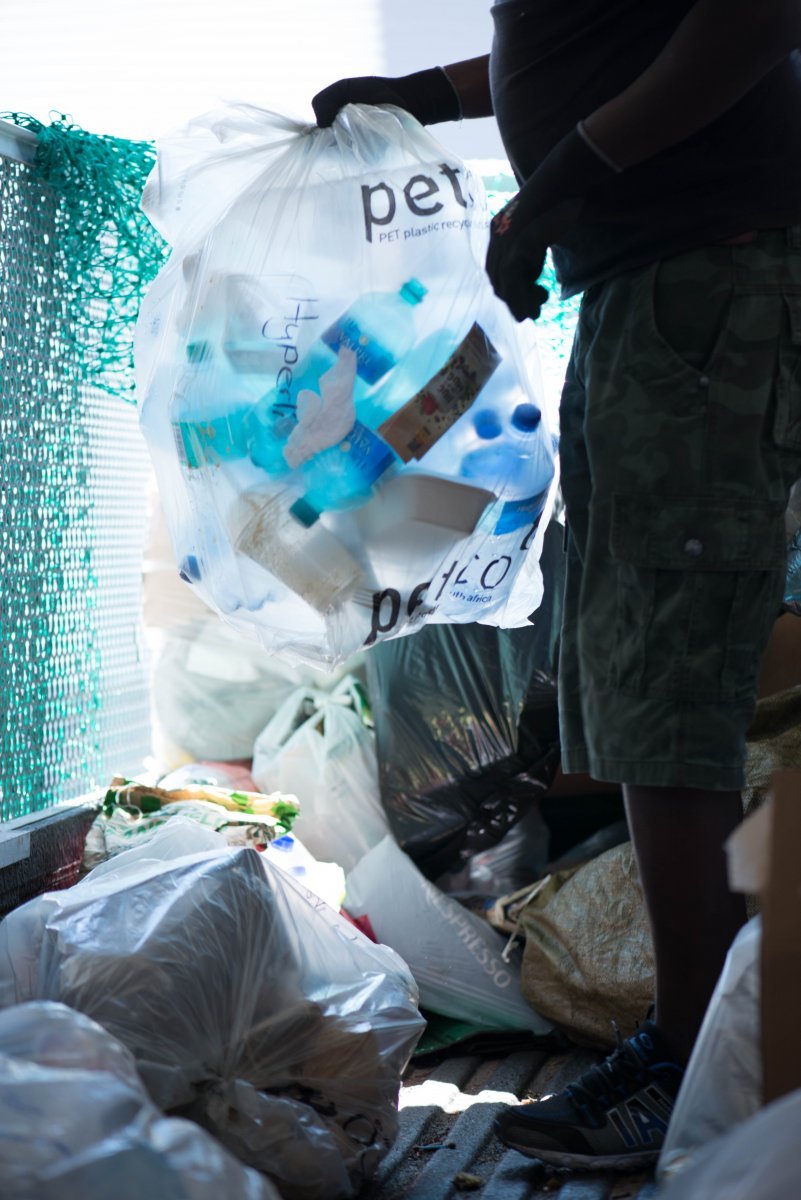
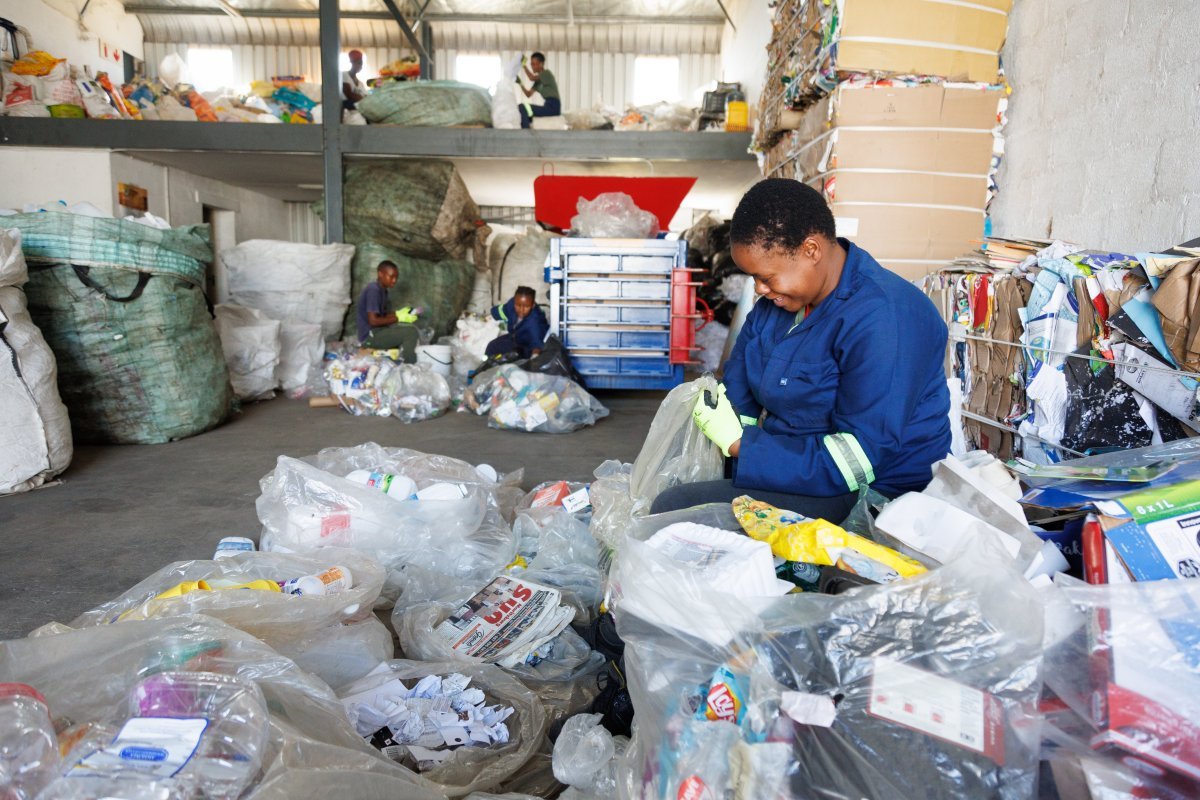
In the coming year, Petco will focus on strengthening the collections base through logistics grants and buy-back centre upgrades, as well as waste picker and SMME support, to enhance the quality and volumes flowing to domestic recyclers. We are also calling for targeted economic support for recyclers, such as electricity stability relief and green tax incentives, to provide a softer landing during price troughs.
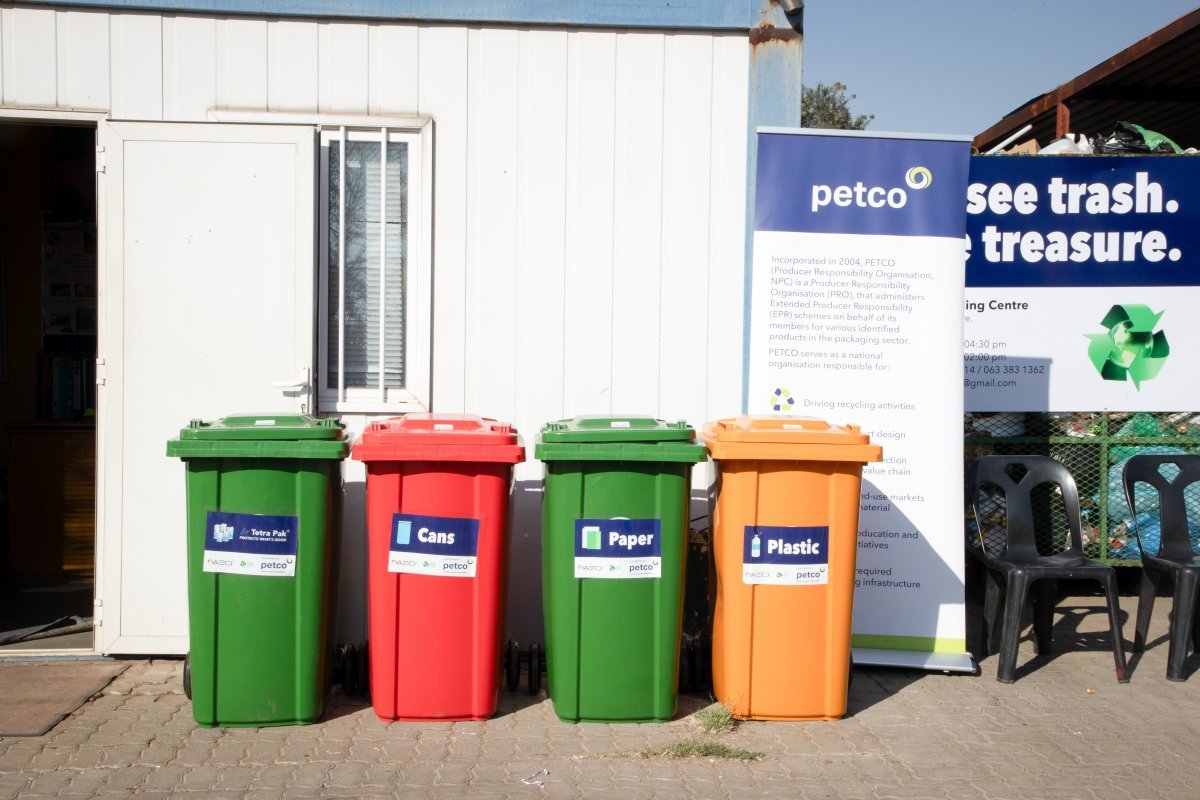
Petco is South Africa’s longest-standing producer responsibility organisation (PRO), having formed 20 years ago – long before extended producer responsibility (EPR) was mandatory. For more information, visit www.petco.co.za.


Gallery