
Growing up in KwaMashu, one of the oldest townships in KwaZulu-Natal, award-winning architect and Ubuntu Home founder Wandile Mthiyane watched the people in his community build homes from whatever they could find – old microwave doors, plywood and corrugated iron were often the materials of choice.
“The resourcefulness and determination to create shelter from so little was powerful. It taught me that dignity shouldn’t be a luxury, but a foundation,” he says.
That early exposure to ingenuity and resilience sparked Mthiyane’s ambition to become an architect and to create decent, affordable homes for the people of Durban and beyond.
Early years
Before he was a teenager, Mthiyane had already lived in 13 different townships, a childhood that showed him how fragile housing could strip families of stability. His late mother prayed constantly that they would one day have a dignified home of their own. But just a week before he left for the United States on a scholarship to study architecture, she passed away. His father, who had continued to fight for her dream, died shortly after Mthiyane completed his studies.
Mthiyane finished high school at Solusi Adventist High School in Zimbabwe before enrolling at the Durban University of Technology. In 2015, he was awarded a five-year scholarship to study in the US. Then a town and regional planning student, he went on to pursue a triple major in architecture, town planning and civil engineering at Andrews University in Michigan, earning both a bachelor’s and master’s degree in architecture.
Now, as CEO of Ubuntu Design Group and the Ubuntu Architecture Summer Abroad Design Justice School, Mthiyane is using architecture to do more than build structures, he is helping rebuild lives. His work empowers families in under-resourced communities to overcome the social and economic scars of apartheid through innovative, collaborative design rooted in justice and equity.
Because he is driven by his own life experience, diversity and inclusion are at the heart of his approach. For Mthiyane, architecture is not just about physical space, it is about creating a sense of belonging that honours the cultural roots of the communities he serves. His journey is living proof that no matter where you come from, greatness is within reach.
The power of technology
“At Ubuntu Home, we are levelling the playing field. Whether you earn R5 000 or R500 000 a month, you deserve a beautifully designed home built for your life, your dreams, and your future, and that’s where technology comes into play.”
Mthiyane believes innovation is transforming architecture, especially for people who do not know where to start when building a home. That’s where Ubuntu’s AI-powered and all-in-one platform comes in. Acting as a digital architect and project manager, it guides users through the entire process. With just a few clicks and basic details such as budget, location and style preferences, the system generates customised home designs and cost estimates, avoiding the usual delays and back-and-forth with professionals.
Step 1: Secure finance
The first step is obtaining funding. Whether paying cash or seeking finance, Ubuntu helps users explore funding options by working with seven banks. The platform also assists with transfer fees, home insurance, and legal processes by sourcing multiple quotes for the best deal.
“To empower first-time builders and those struggling to obtain financing, we work with partners such as Absa, enabling us to simplify access to credit and provide everything banks need to confidently approve a home loan,” Mthiyane says.
“From land assessment to building submission, our support helps everyday people, especially young professionals and township returnees, break into home ownership with dignity and confidence.”
For low-income earners, Ubuntu supports applications for First Home Finance (formerly FLISP), a government subsidy for households earning between R3 501 and R22 000 per month. Depending on income, this subsidy ranges from R38 878 to R169 264 and can significantly improve the chances of getting a home loan approved.
Step 2: Design your home
Once finance is approved, users can co-design their home through the Ubuntu AI platform. Whether they already own land, have a preferred site, or want to buy into an Ubuntu estate, the system creates tailored architectural styles, floor plans, kitchens, bathrooms, and finishes to suit their needs and tastes.
Step 3: Build
With the design finalised, construction begins at the click of a button. Ubuntu uses accredited builders registered with the National Home Builders Registration Council (NHBRC), which regulates the industry and protects consumers. Design and approval take about three-and-a-half months and building is completed in no more than seven months, delivering homes on time and within budget.
“At its heart, Ubuntu is not just about building houses. It is about restoring dignity and creating a sense of belonging. For too long, underserved communities have been left out of the housing conversations. We are changing the narrative by making decent, affordable homes accessible and letting families shape the spaces they call home.”
Buyers and portfolio
Mthiyane says their clients include teachers, nurses, entrepreneurs, civil servants, and young families earning between R10 000 and R50 000 a month. Many come from townships or rural areas but are seeking safety, style, and a sense of community in suburban settings. Ubuntu offers homes ranging from R700 000 to R20 million across KwaZulu-Natal, Cape Town and parts of Gauteng.
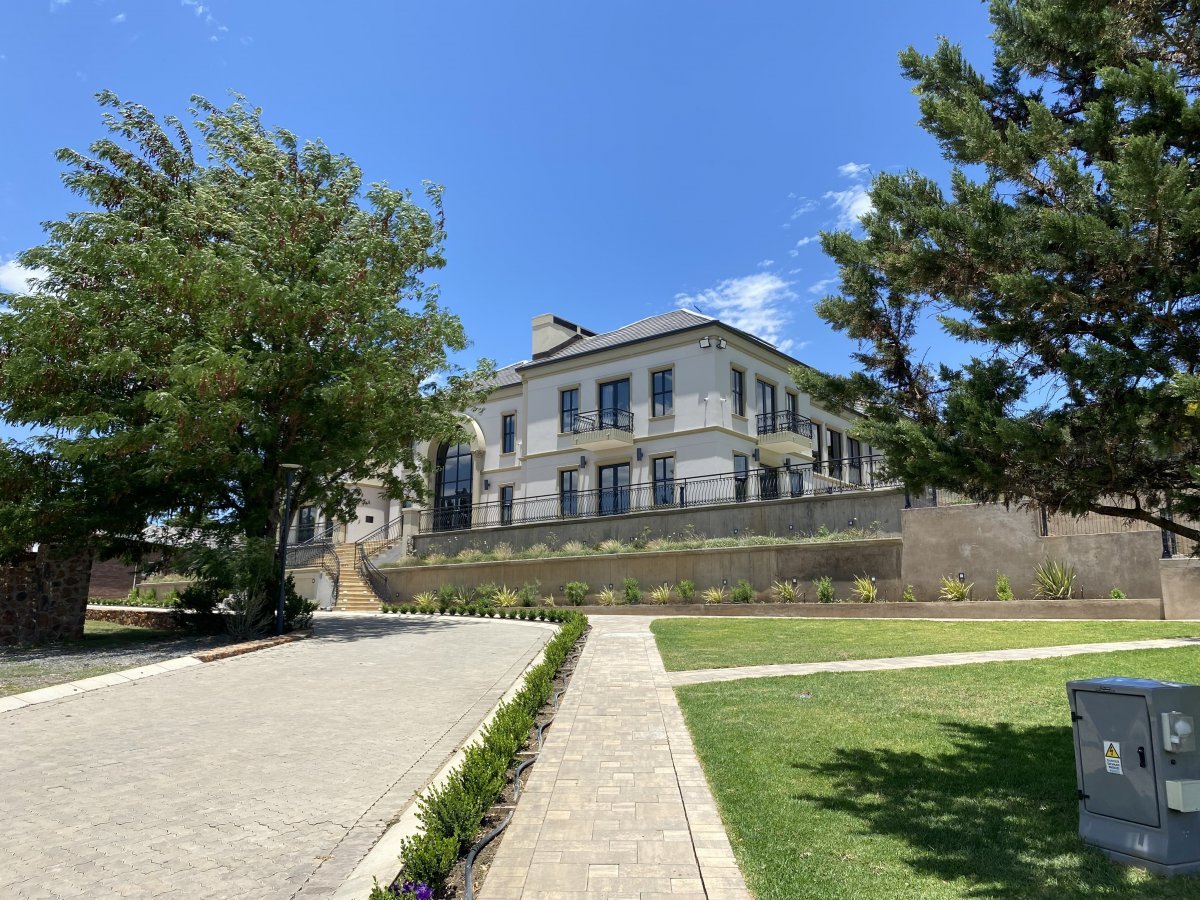
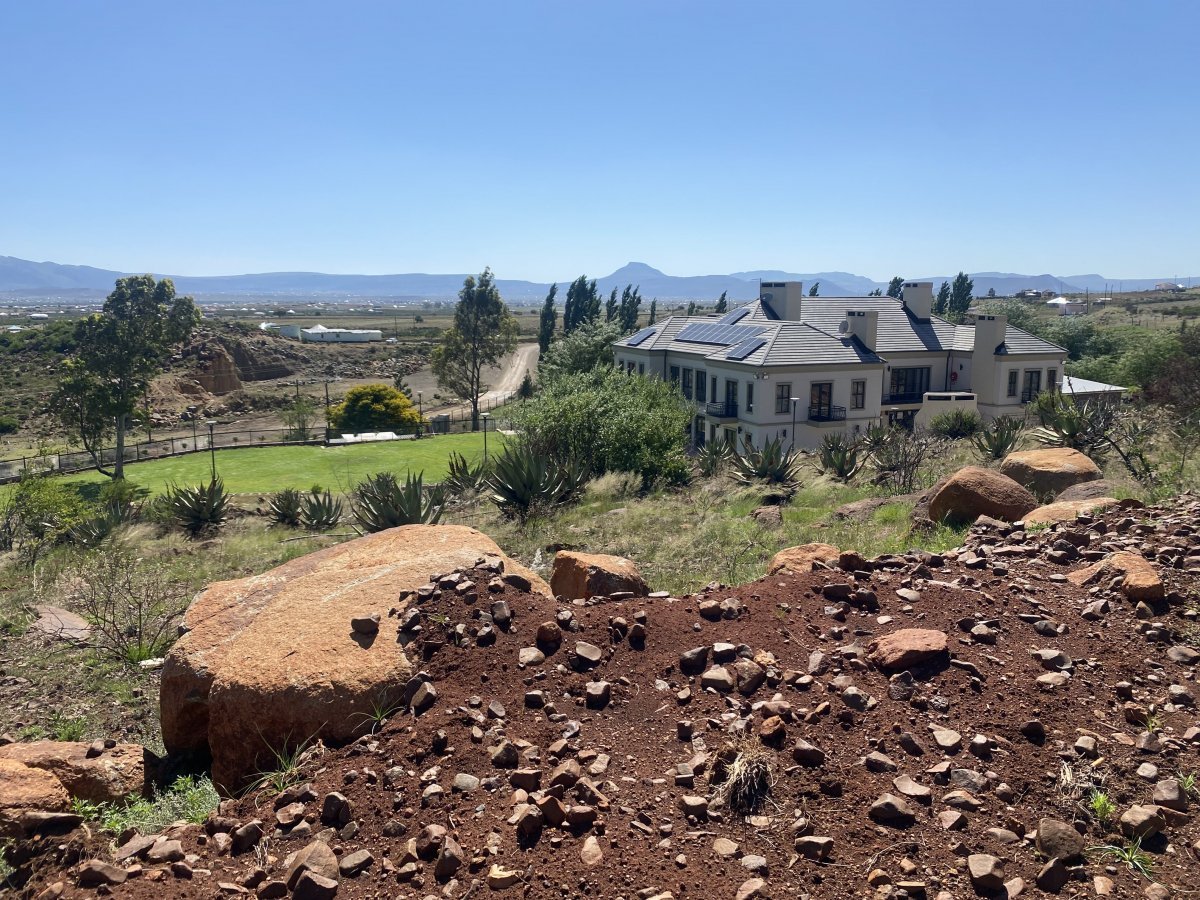
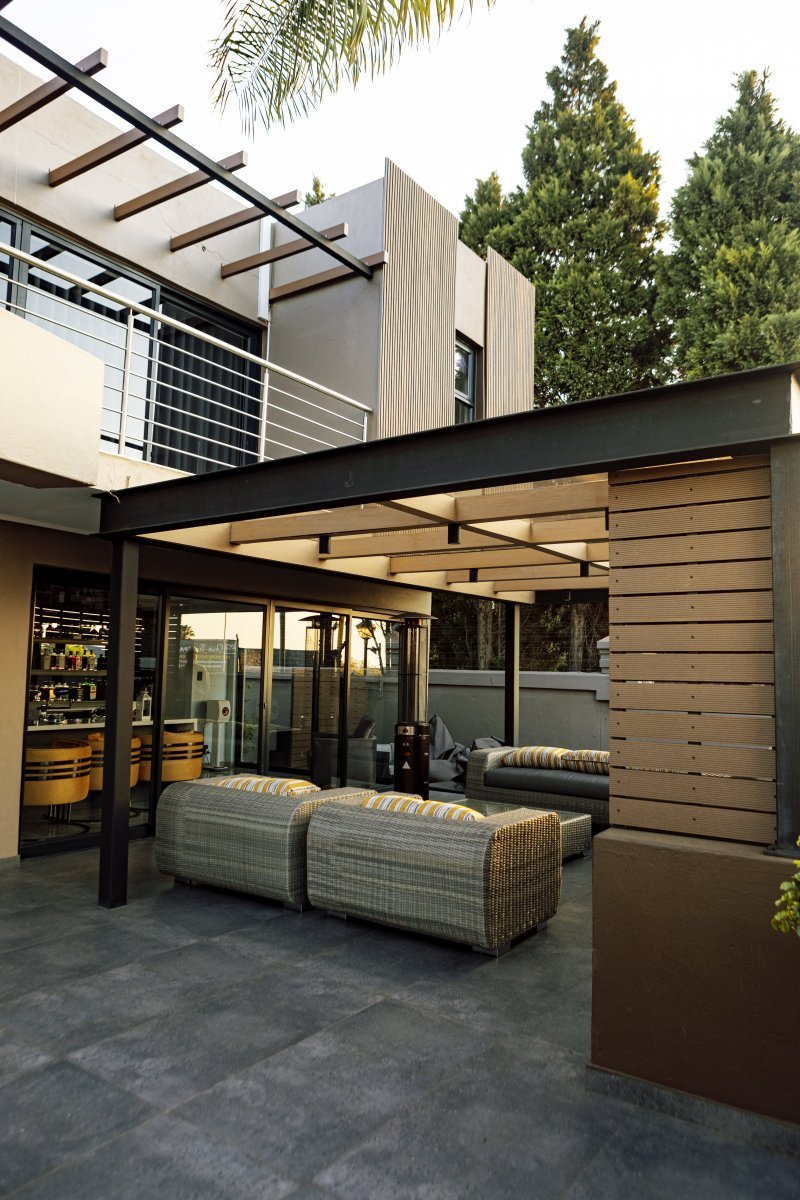
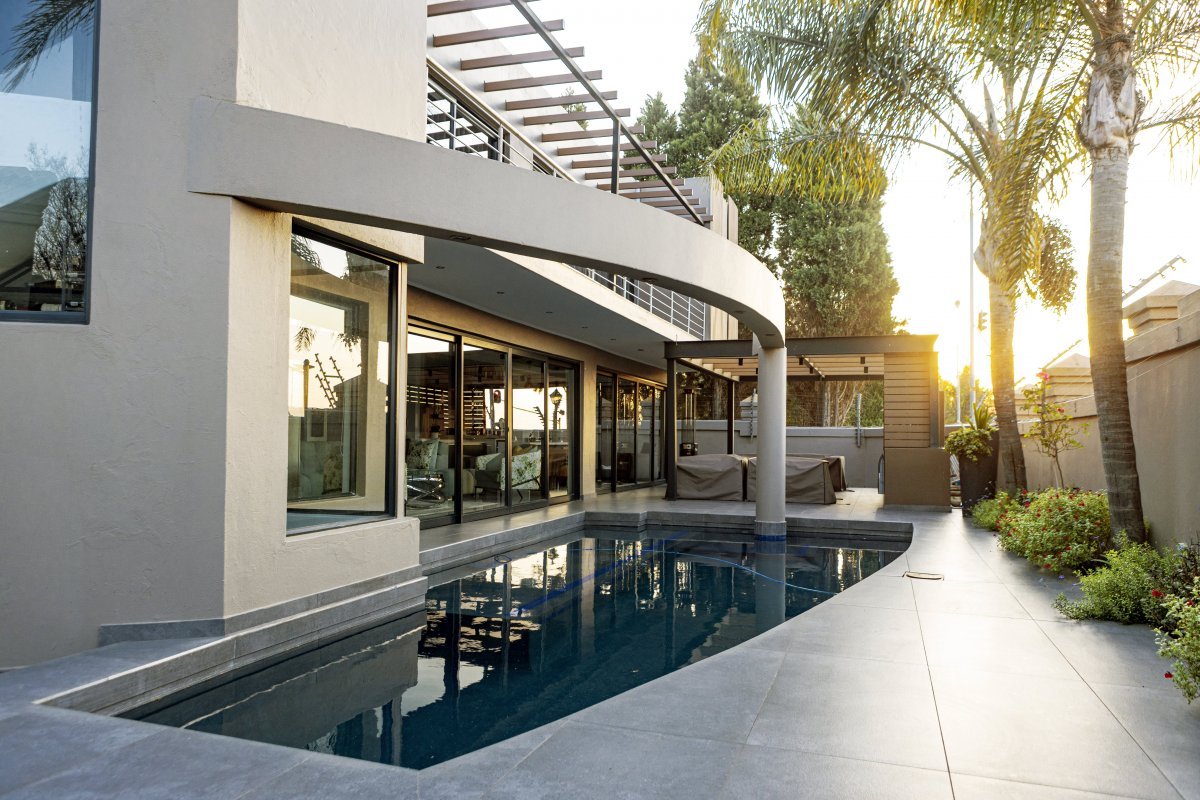
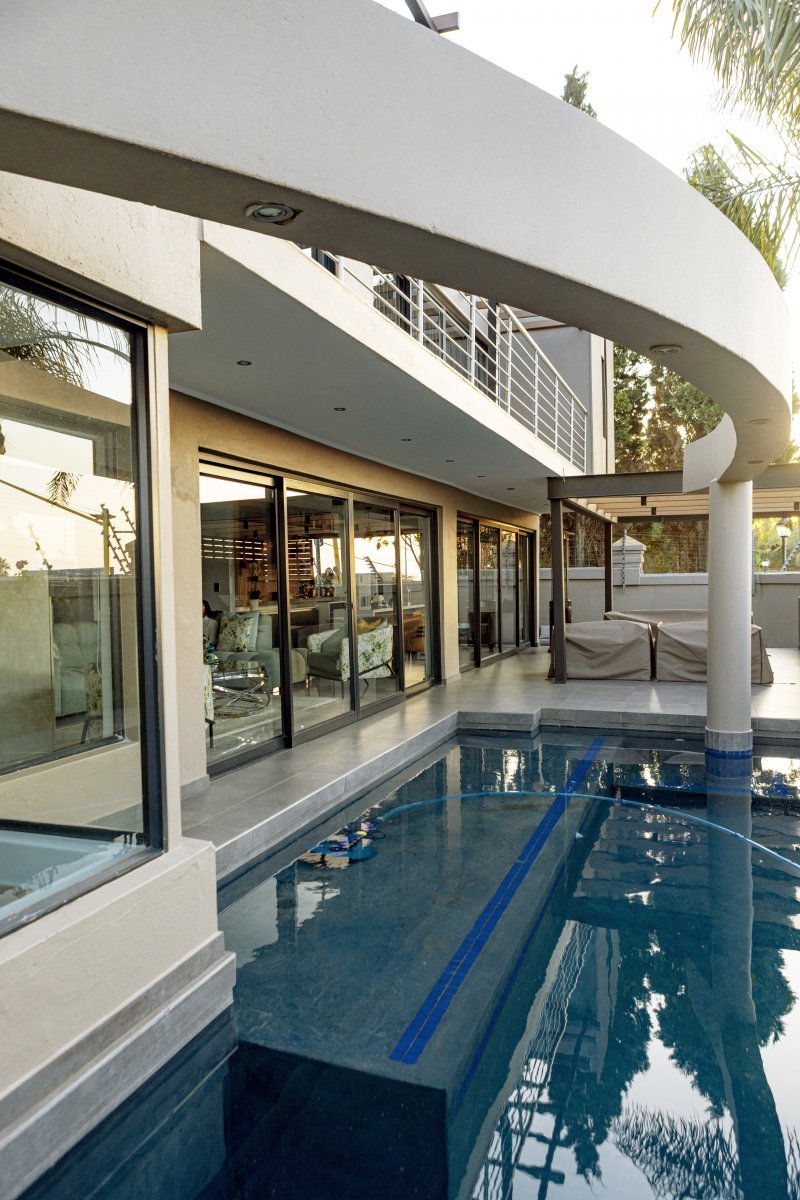
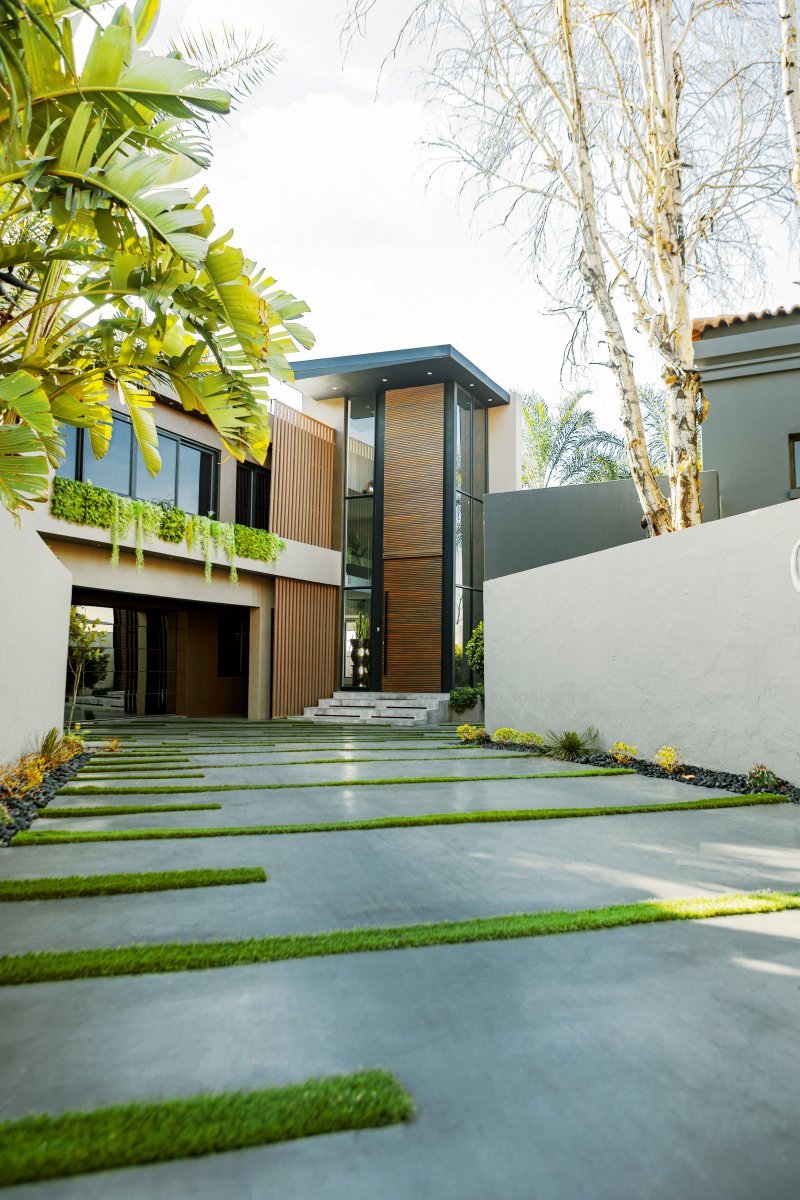
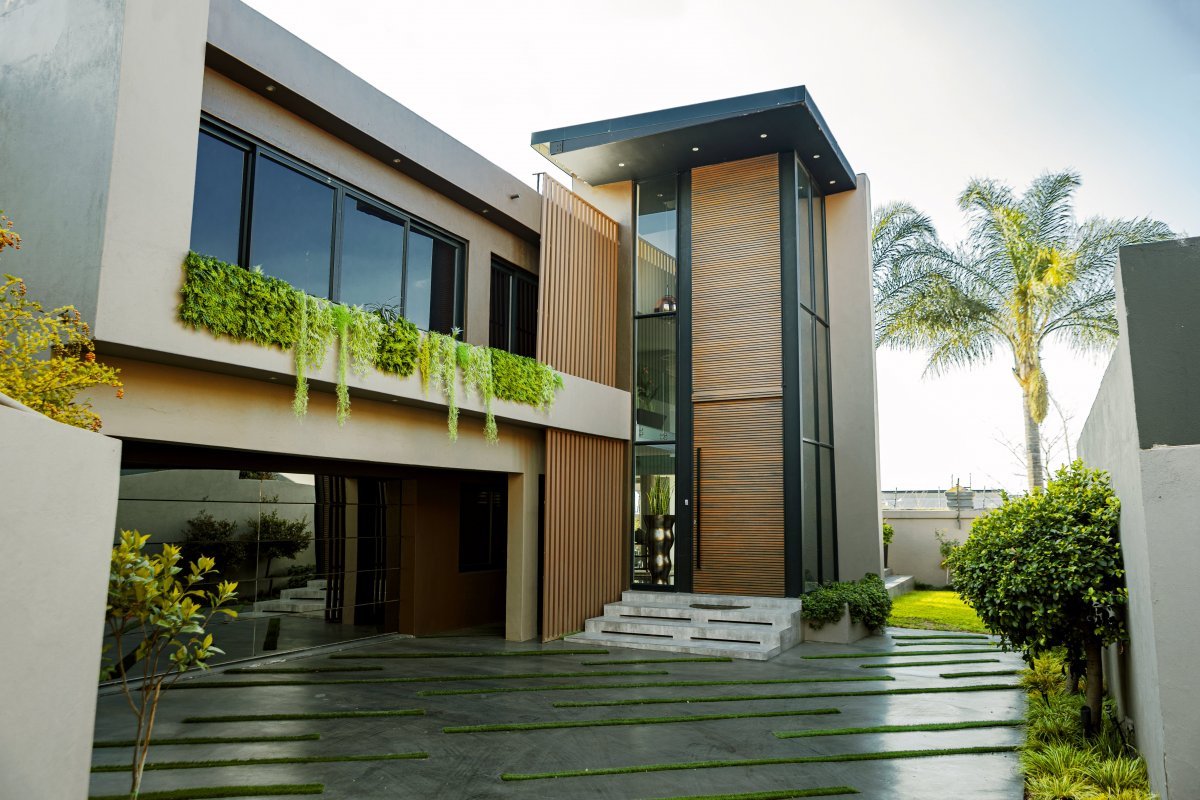
Projects include Palm View Estate in Shakaskraal, a gated community with more than 30 homes priced between R1.2 million and R2 million, featuring biometric access, walking trails and solar-ready design. Other developments include the Gantsho home, a R20 million family residence in Komani, Eastern Cape; the Shazi home in Fourways, Johannesburg, a R10 million custom smart-tech home with passive design; and the Mtshali home in Umbumbulu, KwaZulu-Natal — a wheelchair-accessible property that doubles as an income-generating crèche.
How technology is solving SA’s housing challenges
Mthiyane says the housing market faces three major challenges, particularly for underserved communities.
Firstly, the process of town planning and building a home is often confusing, with no clear starting point or guidance for those unfamiliar with the system.
Secondly, access remains a significant barrier, as the costs of home design and bank approval fees are often unaffordable for ordinary citizens.
Lastly, exploitation is widespread. Poor workmanship, hidden costs, and outright scams are far too common, leaving many families who have saved for years to build their dream homes devastated and out of pocket.
But “Ubuntu Home is a one-stop platform which enables people to get funding, design, and build their homes,” says Mthiyane.
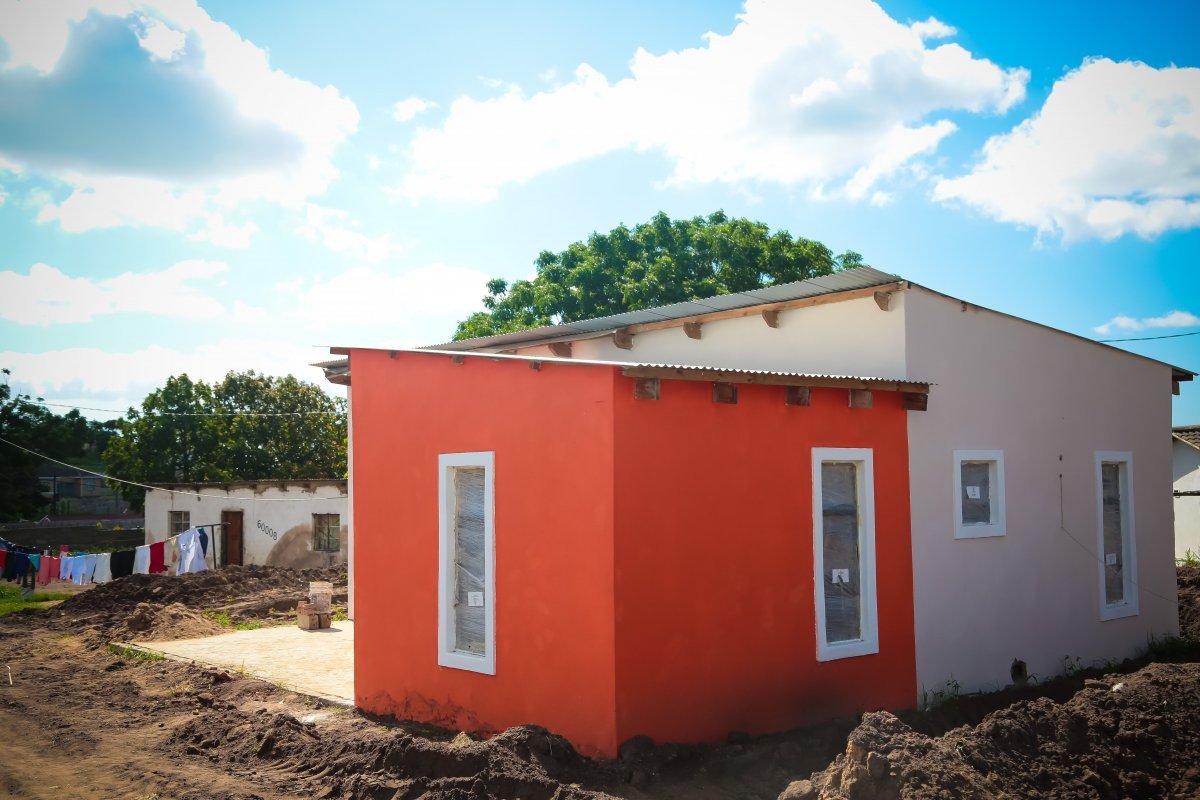
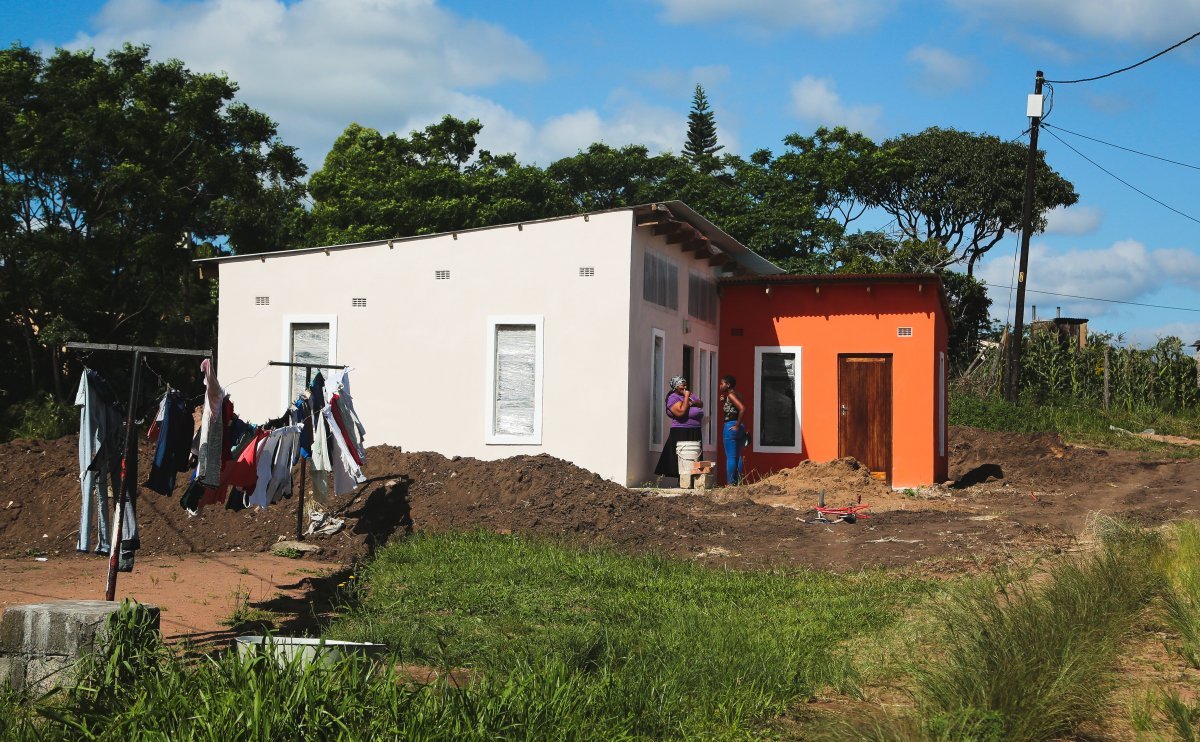
At Palm View Estate, Ubuntu’s latest affordable housing development just 10 kilometres from Ballito on KwaZulu-Natal’s North Coast, homeowners have access to architect-designed homes featuring smart technology, transparent pricing, vetted builders, and bank-ready plans.
The first phase of the development will offer homes priced from R750 000 to R2 million, with future phases focusing on options in the R500 000 to R900 000 range. The initiative targets those who do not qualify for government-subsidised housing and struggle to access traditional bank funding, opening doors to architectural and financial inclusion.
Mthiyane says they are also piloting a new feature that allows users to upload their Pinterest vision boards, with AI generating a design that closely matches their style. “This tech saves time and money and puts control back in the client’s hands,” he says.
He is quick to point out that while AI is a game changer in architecture, it does not remove the human element. Humans remain central to the process. “Our AI does not replace architects — it speeds up inspiration, reduces costs, and empowers clients to visualise their dream homes early in the process. We think of AI as creativity with a fast-forward button.”
At Ubuntu, sustainability is central with a strong focus on keeping everything local. Homes are designed to regulate indoor temperatures without air conditioning, cutting both emissions and energy costs. From design and construction to long-term use, every stage considers the environmental impact. Local labour, especially unemployed youth, is prioritised and upskilled through various training initiatives.
At Palm View Estate, these practices come together to create homes that are good for the planet, affordable for homeowners, and empowering for the community.
“Palm View is more than a development – it is a proof of concept. It proves that dignity and design belong together.”
Mthiyane believes South Africa urgently needs this model and for good reason. “People want to own homes, but most have no idea where to start. The middle market is overlooked by banks and developers. AI can cut design costs and time, making ownership more accessible.
“Legacy cannot be built through renting and dignity should not be deferred. It should be designed.”
Innovations planned for the future include a homeowner dashboard so clients can track their journey from dream to key and a virtual reality (VR) experience to enable clients to tour their home before the first brick is laid. “At Ubuntu, we are not building more houses but more access. We build hope, wealth and belonging.”
Key takeaway:
How Ubuntu is blending global innovation with local heart
Mthiyane’s advice to young architects and entrepreneurs is simple: design with people, not for them. “Start by listening, not sketching. Build systems that scale empathy. Don’t chase cool tech but chase real impact,” he says.
His time in cities such as New York and London showed him how design and data can transform communities, but only when rooted in empathy and local context. “We have brought those tools home, shaped by an Ubuntu mindset: community-led, culturally relevant, and equity-driven. From Palm View Estate to custom villas, our homes reflect a blend of global innovation and local soul.”
For Mthiyane, a home is more than shelter — it’s a foundation for generational wealth. Many Ubuntu clients are first-time homeowners who are now building equity instead of paying rent. “At Palm View, buyers have already seen returns of 20% to 24% in just over a year. That’s the power of designing for dignity and for financial futures,” he adds.


Gallery