Companies often invest significant resources into corporate social responsibility (CSR) projects – a strong signal of goodwill and investment in social good, community upliftment and contributing to the improvement of many social ills that lead to adverse health, social, educational, and other outcomes for so many South Africans. It is important that companies take on this responsibility because organisations can contribute significantly to achieving positive change on these issues. However, many companies invest in CSR without knowing the full impact of that investment. Feel-good stories are often shared to provide anecdotal evidence of positive change, but to understand the real impact, change initiatives should be appropriately measured.
KFC South Africa faced this challenge. The company supported two programmes: KFC Add Hope and KFC Mini-Cricket. It strongly suspected that each programme was having a positive impact on the lives of the thousands of beneficiaries it served, based on the reach of the programmes and the impact reports they received from the partners they supported. However, the company did not have conclusive evidence to demonstrate the impact of either programme.
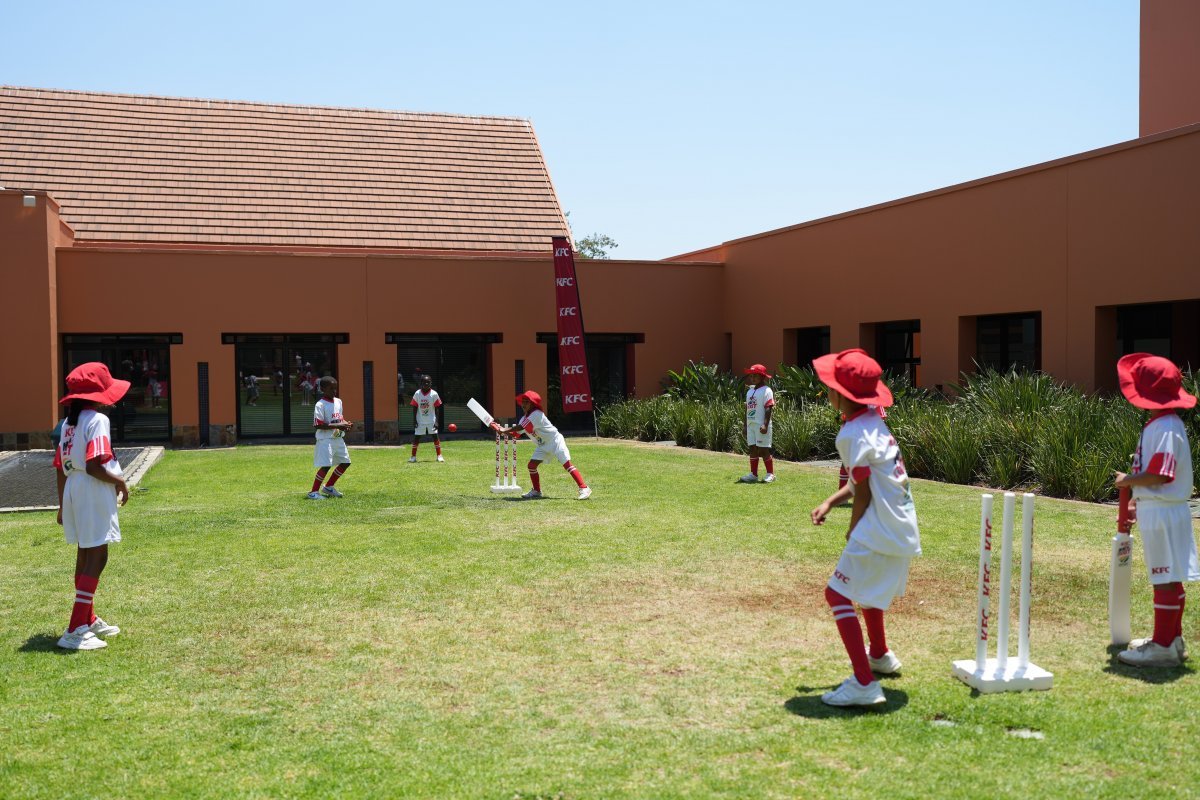
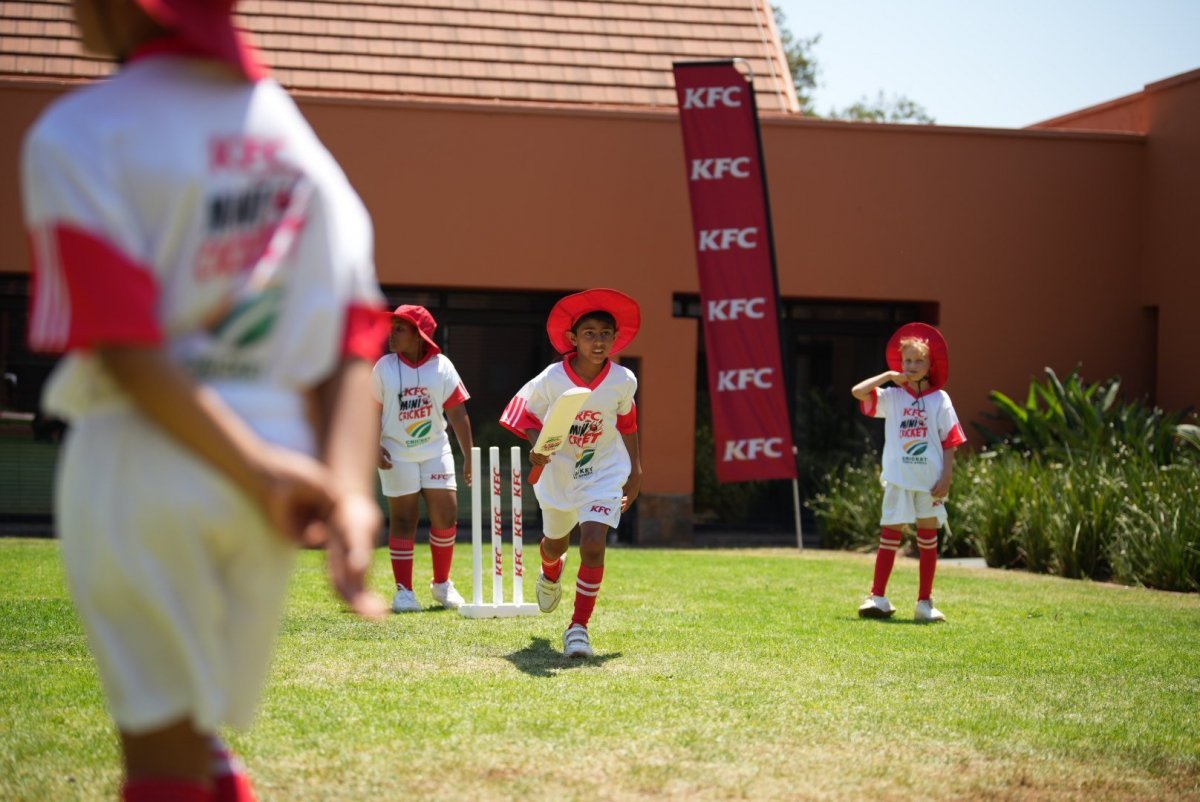
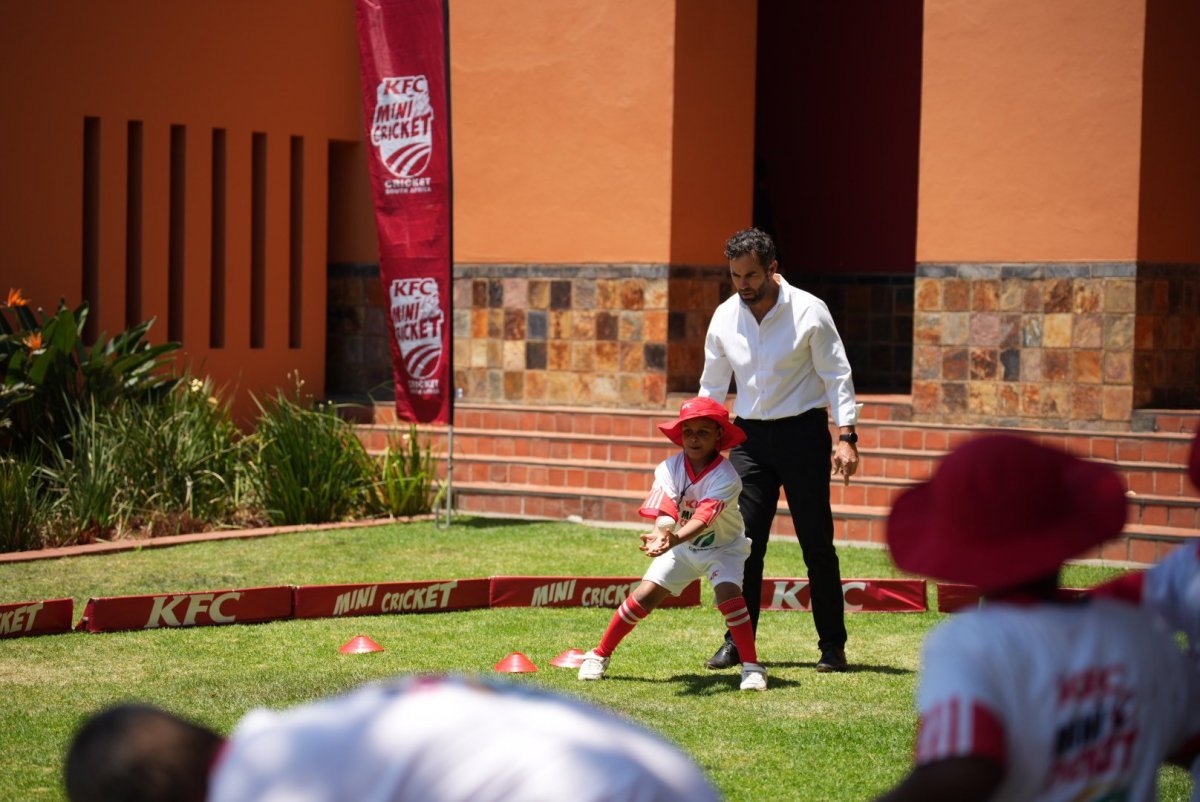
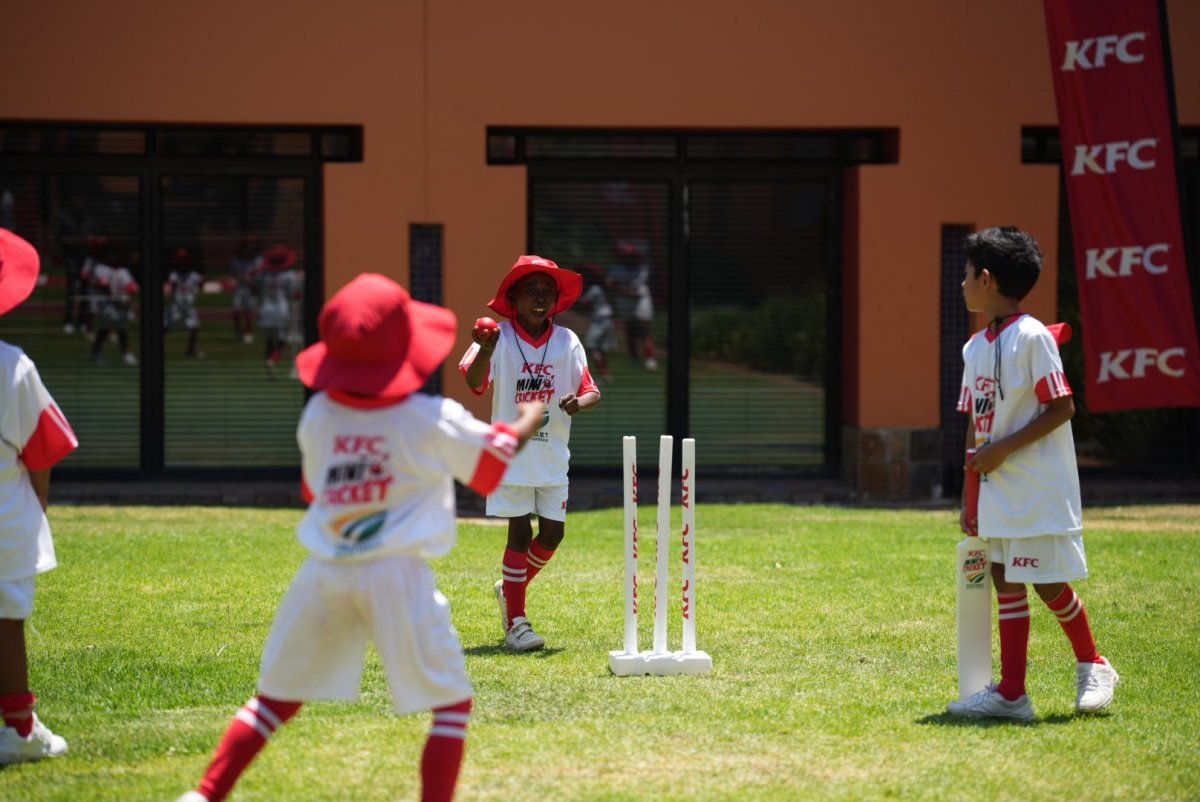
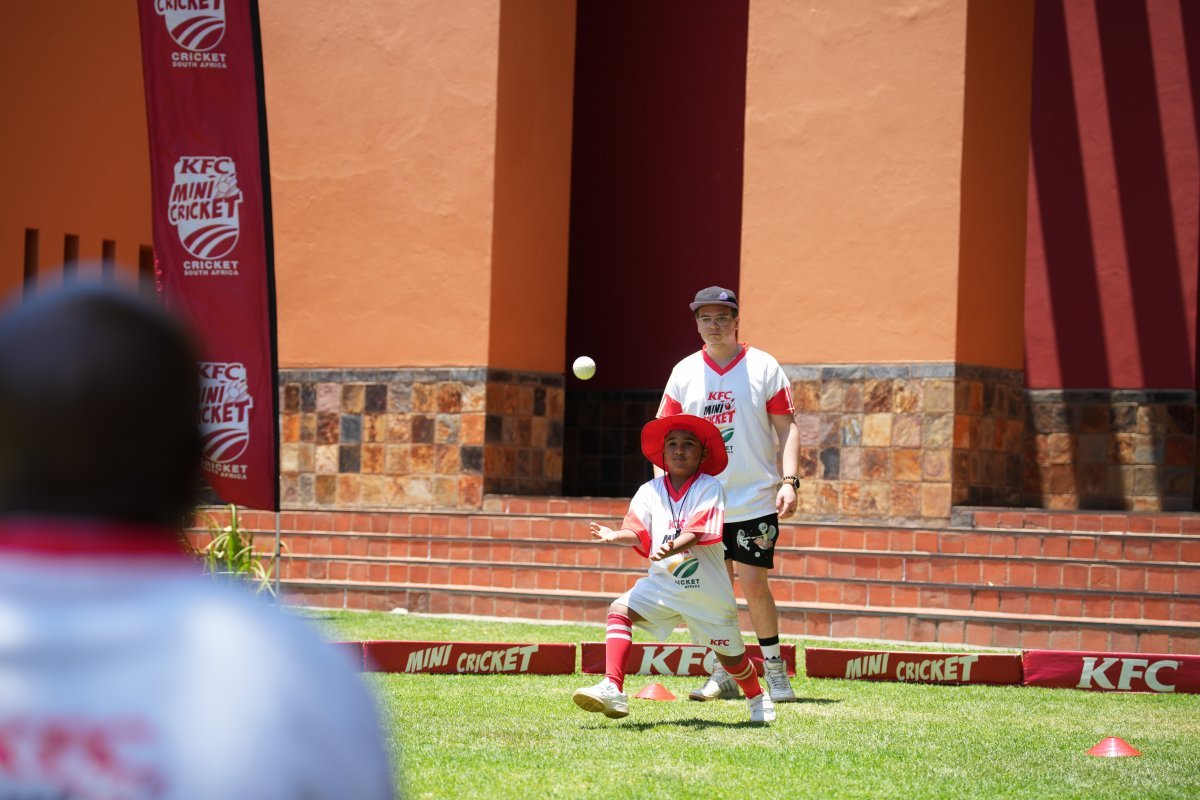
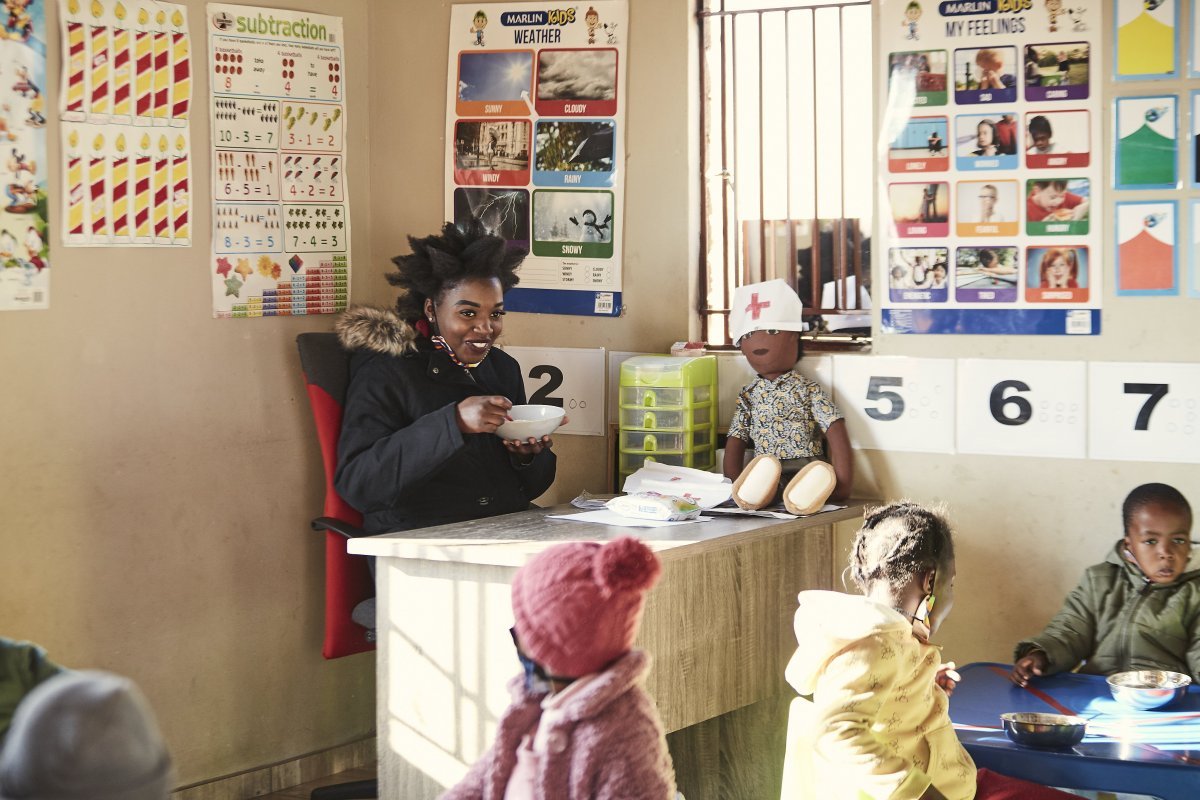
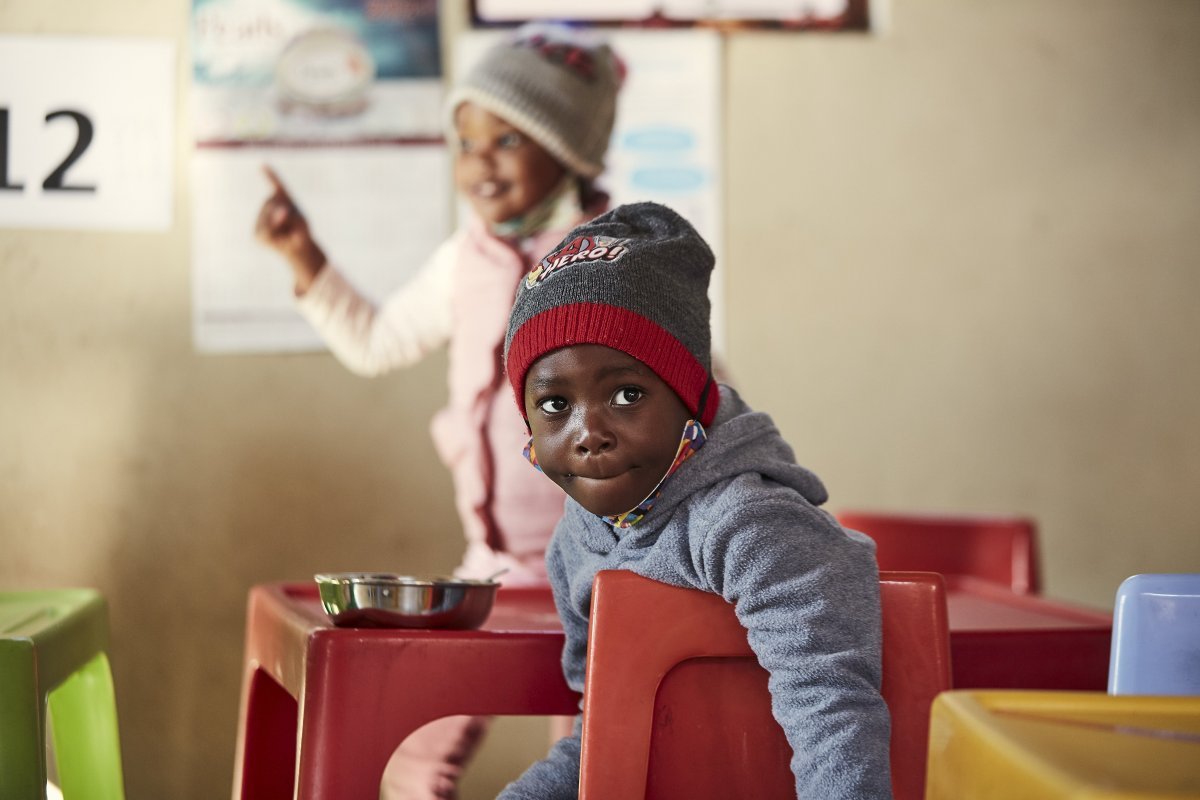
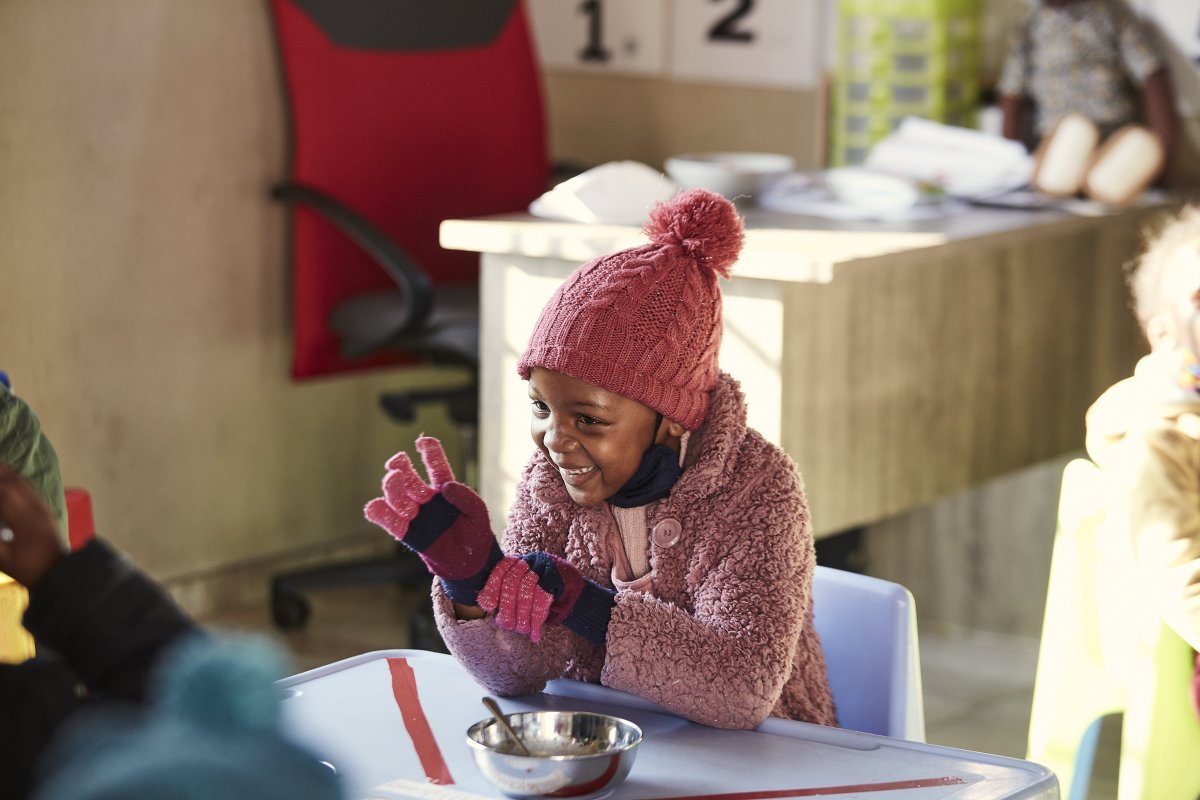
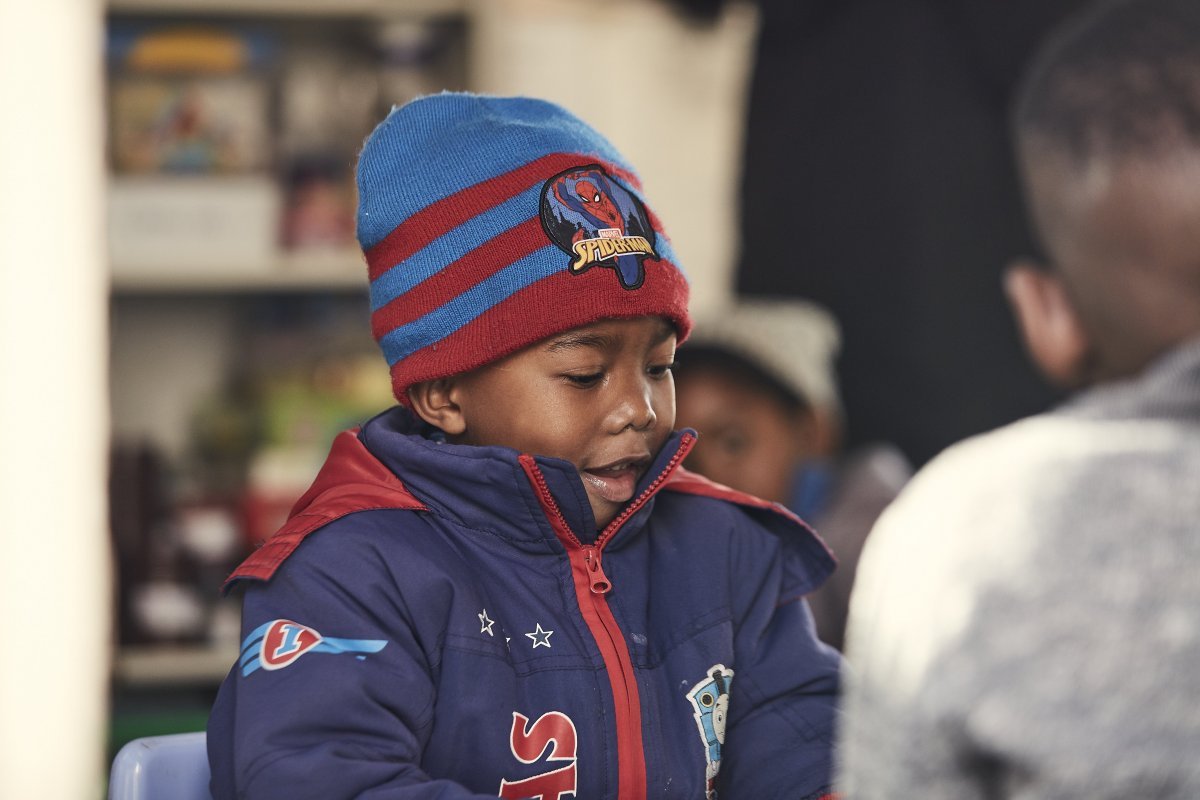
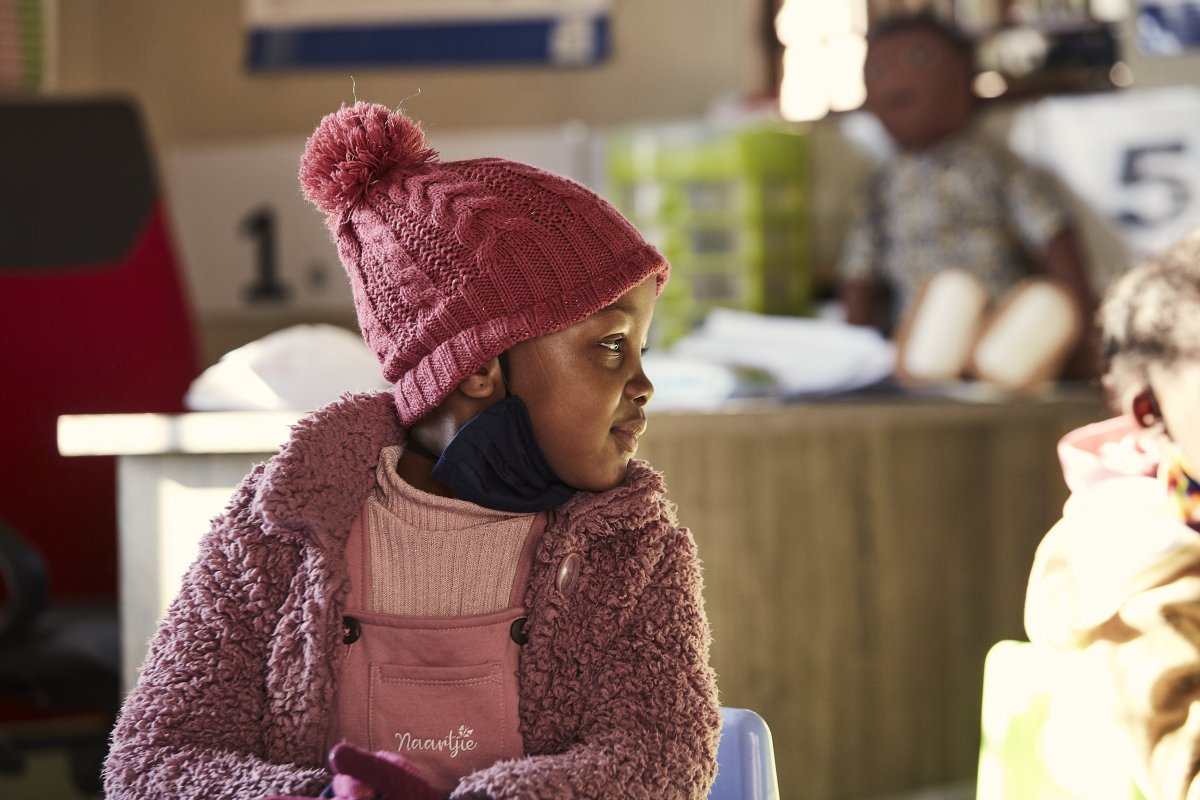
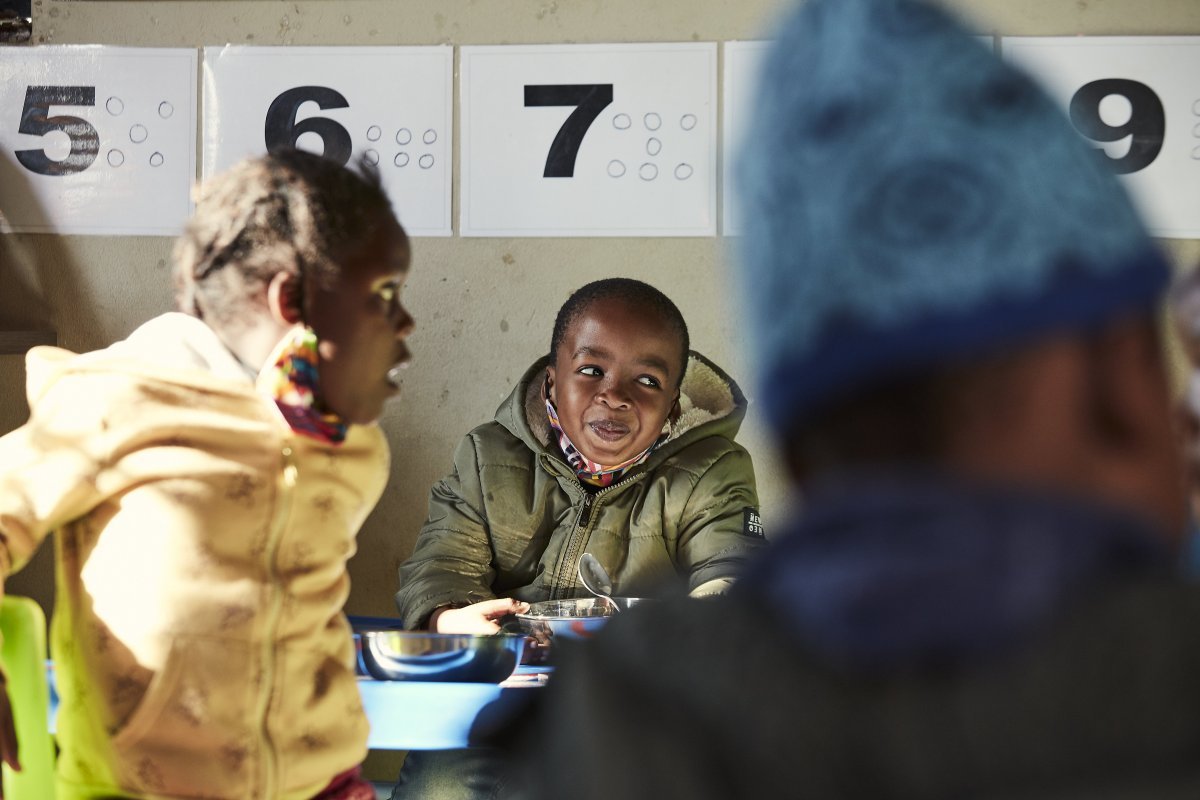
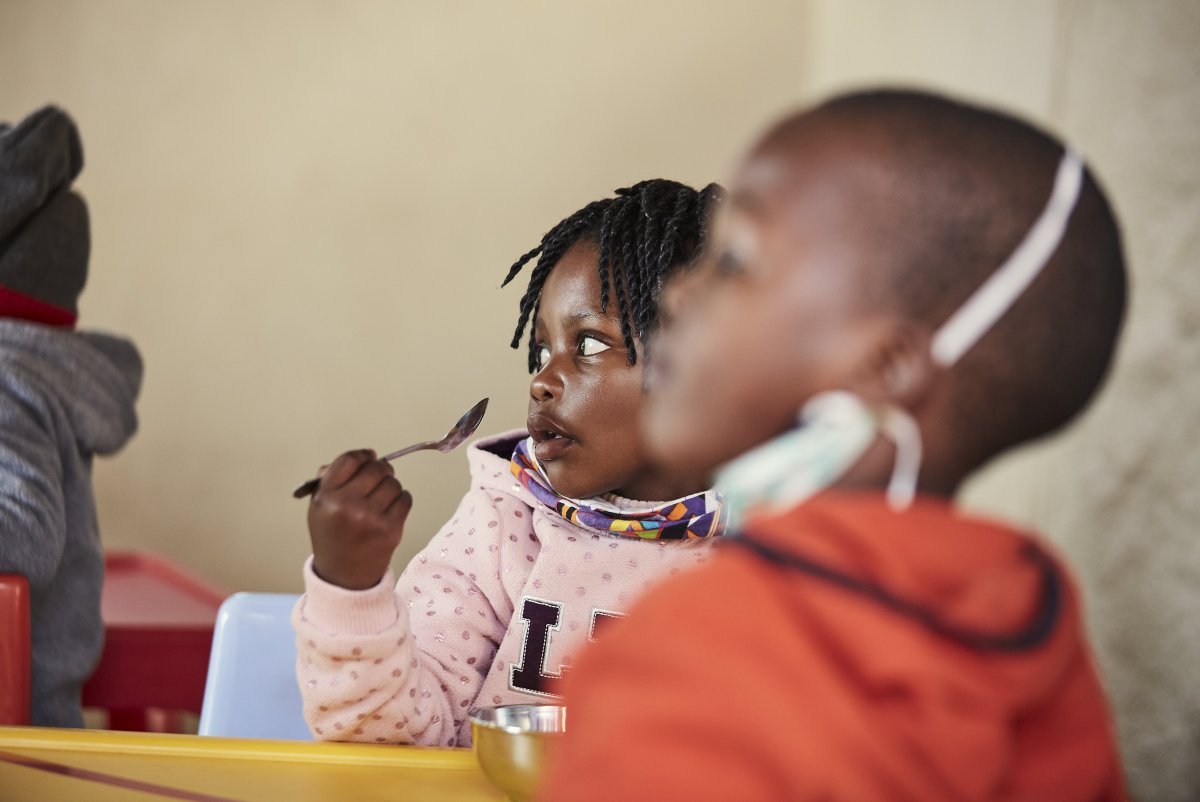
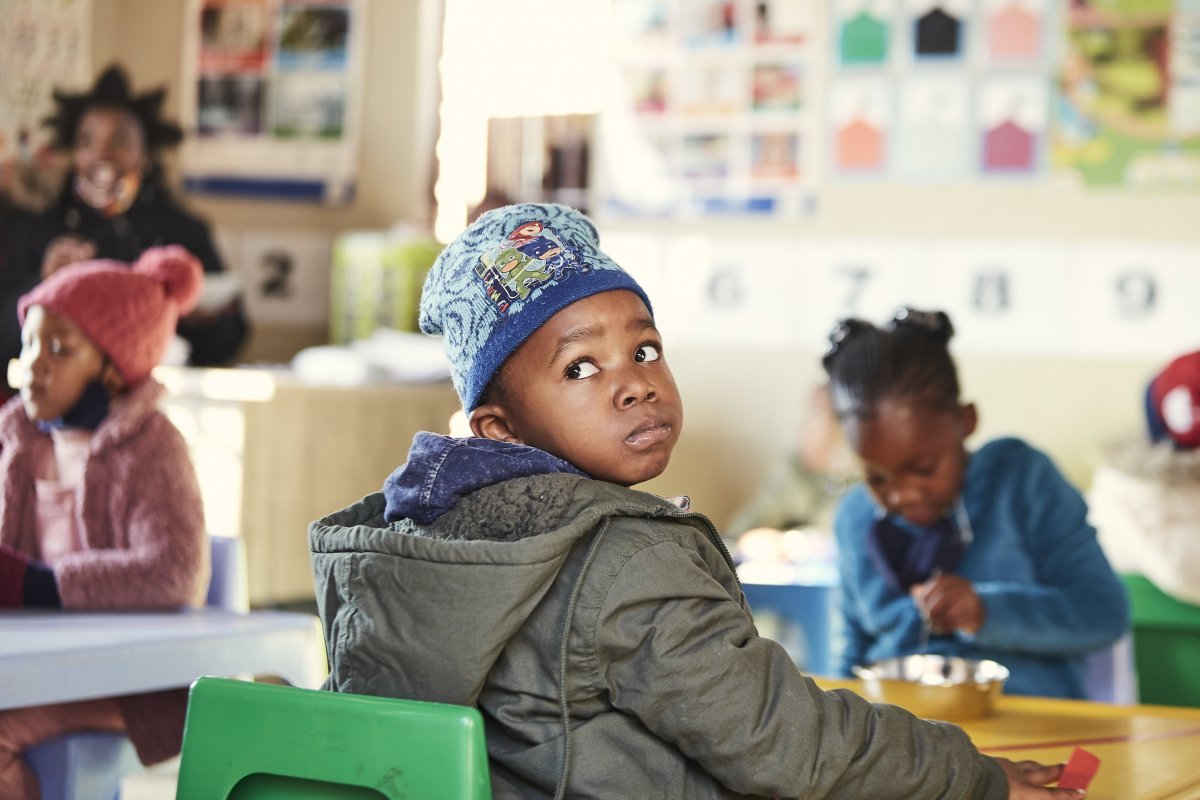
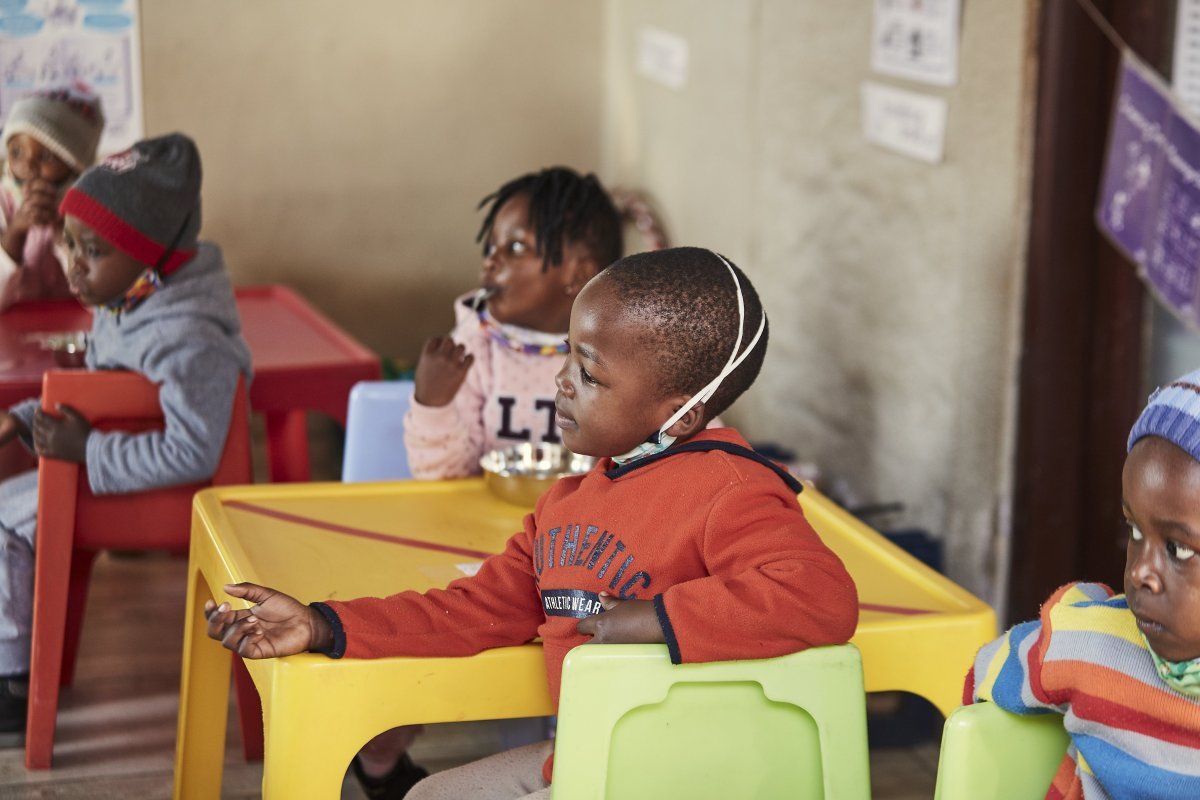
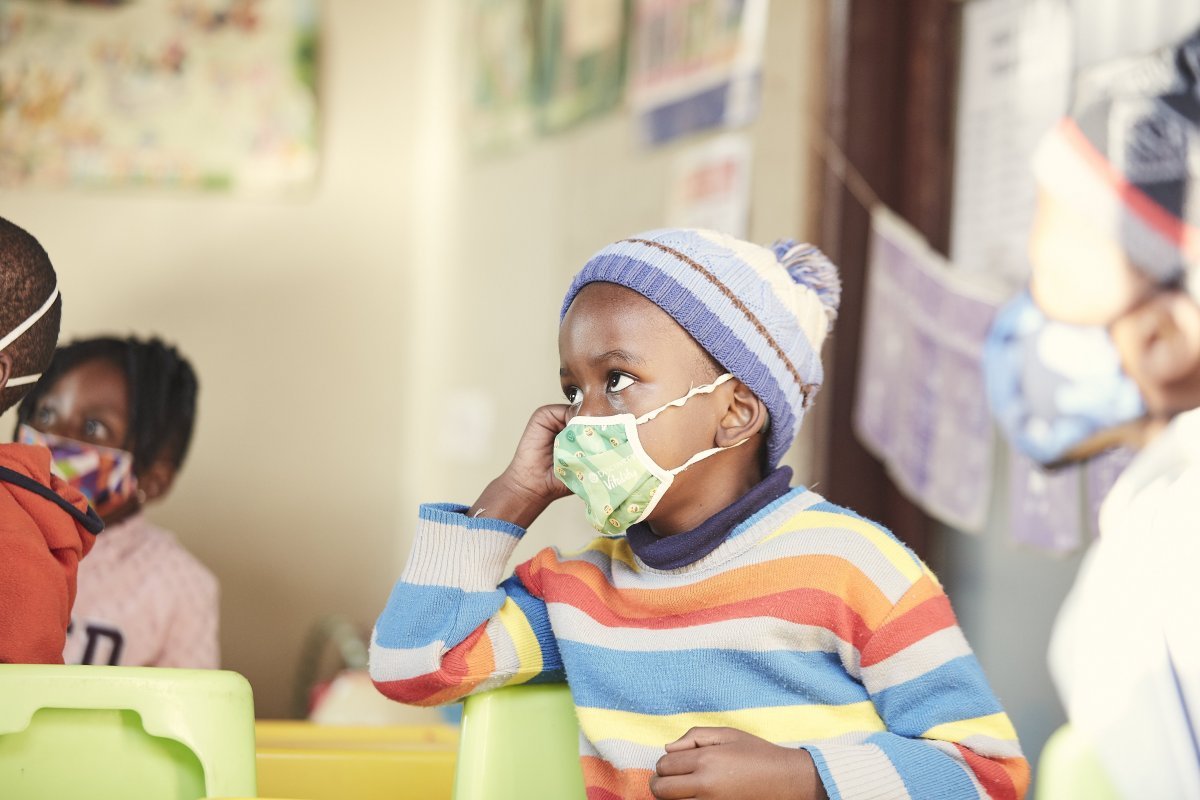
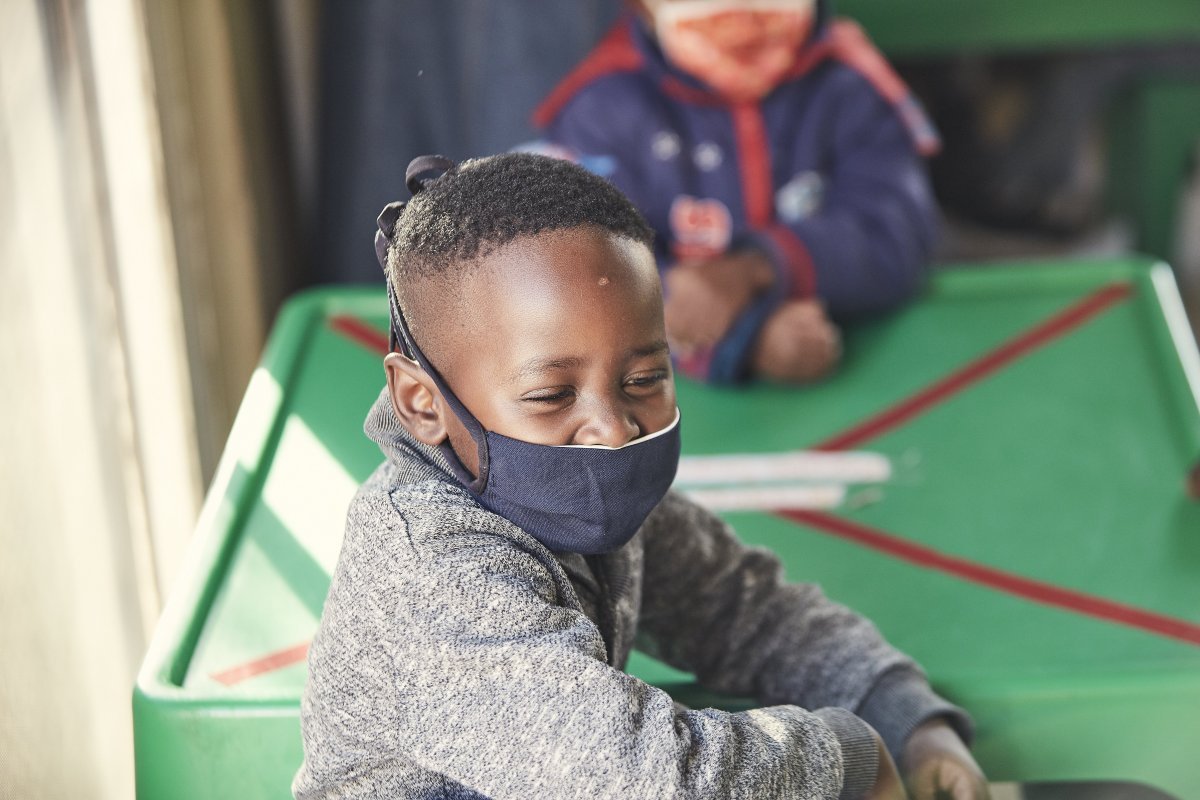
For more than 15 years, KFC Add Hope has partnered with around 150 non-profit organisations to provide nutritional support for those who would otherwise face severe food insecurity. The Add Hope programme is funded by voluntary donations of R2 from customers, supplemented by contributions from KFC. This has provided more than 325 000 000 nutritious meals to children throughout South Africa. The company’s other flagship programme, KFC Mini-Cricket, is a collaboration with Cricket South Africa (CSA) to deliver the largest national grassroots sports programme in the country for children aged 6-13 years. Mini-Cricket coordinates 16 different cricket unions across South Africa, attracts 13 000 volunteer coaches and has more than 120 000 children taking part.
The scale of the projects suggest that KFC’s CSR initiatives have a great impact on the communities they serve. This is supported by stories that show how the programmes impacts lives of individuals, such as one we’ll call Harry, a child born into severe poverty. At four years old, Harry was placed at SOS Children’s Village, a children’s home and one of Add Hope’s partner organisations. Nutritious meals were provided every day, including wholesome breakfasts and healthy packed lunches, thanks to the funding received from Add Hope. This, as well as the structure, routine, and security of living at the children’s home, and appropriate stimulation at school, meant Harry was able to thrive as his body and mind were fed, and his physical and emotional needs were taken care of.
The anecdotes from these programmes provided welcome encouragement. KFC, however, wanted to make claims about the real impact of both programmes. It wanted to ensure that these CSR initiatives were part of a long-term strategy for positive impact, with evidence to support the claims about the impact the programmes were having.
Collecting the right data
Two 2024 studies I conducted in association with Davina Zibi of DEZ Advisory Services applied the Theory of Change to help KFC to explain how the programmes impacted the intended beneficiaries. For Add Hope, our research approach encompassed a comprehensive review of secondary data from KFC’s Add Hope annual reports, impact stories, and other data from partner organisations. Additionally, primary data was collected through interviews with stakeholders involved in the Add Hope initiative.
For KFC Mini-Cricket, the analysis blended insights from desktop analysis and secondary data from KFC and CSA, some interviews, and a survey that yielded about 4 000 usable responses from coaches, parents, and former participants in the programme.
The Mini-Cricket teams were recording information such as how many games children play and how many children participate in each session, but given that the intention of the programme is to encourage the development of technical and social skills, it was important that the study assessed the extent to which various stakeholders felt that the programme helped to develop such skills. Building teamwork, trust, and resilience in the mini-cricketers is at least as important as helping to develop a pipeline of professional cricketers. Incorporating the grassroots values that ultimately build South Africa mean these young people can grow into responsible citizens who contribute positively to their communities and more widely.
The Theory of Change uses a logic model that offers a structured and systematic foundation for evaluating the programme’s outcomes and impacts. We applied the logic model to map out how the inputs, activities, outputs, and outcomes of each programme led us to infer conclusions about the impact it was having on beneficiaries.
Evidence of impact
The studies concluded that both of KFC’s CSR programmes have far-reaching impact for all stakeholders. The KFC Add Hope programme exemplifies the power of collective action, where the nominal R2 contributions from customers, added to KFC’s donation, have mushroomed into a major initiative in which more than R1.03 billion has been contributed to date. This underscores the profound impact that can be achieved through small, individual acts of generosity that are amplified on a grand scale. By addressing hunger, promoting health and well-being, and fostering inclusive partnerships, Add Hope contributes to several of the United Nations’ Sustainable Development Goals (SDGs), such as zero hunger (SDG 2) and good health and well-being (SDG 3), and aligns with the objectives outlined in South Africa’s National Development Plan (NDP).
Similarly, the KFC Mini-Cricket programme is about more than just the game of cricket. It’s a force for positive change, empowerment, and inclusivity. Its reach, values, and commitment to youth development led it to inspire generations of cricketers, and to shape responsible citizenship among its participants. The programme also aligns with several SDGs, including health and well-being (SDG3), quality education (SDG 4), gender equality (SDG 5), reduced inequalities (SDG 10), sustainable cities and communities, (SDG11), and peace, justice and strong institutions (SDG16). The programme forms a foundation for fostering social cohesion, bridging divides, and contributing to building a more inclusive and equitable society.
The logic model, based on the Theory of Change, has enabled KFC to support the many heartwarming anecdotes from beneficiaries with evidence-based research to support the claims about widespread impact. Using appropriate models and frameworks can lead to better evaluation of initiatives. By assessing aspects such as the inputs, activities, outputs, and outcomes of a project, appropriate tools can provide clarity on whether the intended impact is being achieved. Such tools can also reveal where there are delays and inefficiencies, where adjustments need to be made and if there are new indicators of success that need to be set.
Doing good with good initiatives
Business and society are interdependent. When it’s done right, CSR is about organisations responding to societal needs and recognising a responsibility to contribute positively towards creating healthier societies. CSR need not simply be a cost or considered to be a form of organisational charity. Instead, if organisations approach CSR projects strategically, it could become a source of competitive advantage.
At KFC, the CSR activities encourage holistic development of children in communities. Add Hope supports children’s physical development by feeding them regular, healthy, and nutritious meals and Mini-Cricket encourages physical activity through sport. Both programmes encourage cognitive development because children learn better if they are not hungry, and when they are active. This in turn means educational outcomes are improved. Physical activity also supports cognitive development, and boosts social development as children learn trust, resilience, and teamwork.
In terms of even wider impact, the KFC Add Hope programme contributes to the several Sustainable Development Goals (SDGs) mentioned above and aligns with the objectives outlined in South Africa’s NDP. By addressing hunger, promoting health and well-being, and fostering inclusive partnerships, Add Hope supports SDGs and resonates with the NDP’s goals of eliminating hunger in South Africa, and improving health outcomes and reducing the burden of disease. KFC Africa managing director Akhona Qengqe holds the strategic view that through support of these communities, the company is supporting the growth of a future consumer base who would enjoy their products as part of a balanced overall diet.
When considered strategically, CSR can benefit multiple stakeholders, not only the beneficiaries of the initiatives that companies sponsor. Not least, the organisation itself.
Dr. Tracey Toefy teaches at GIBS in the areas of Strategy and Research across academic programmes.


Gallery