“But the sea, which no one tends, is also a garden.” — William Carlos Williams
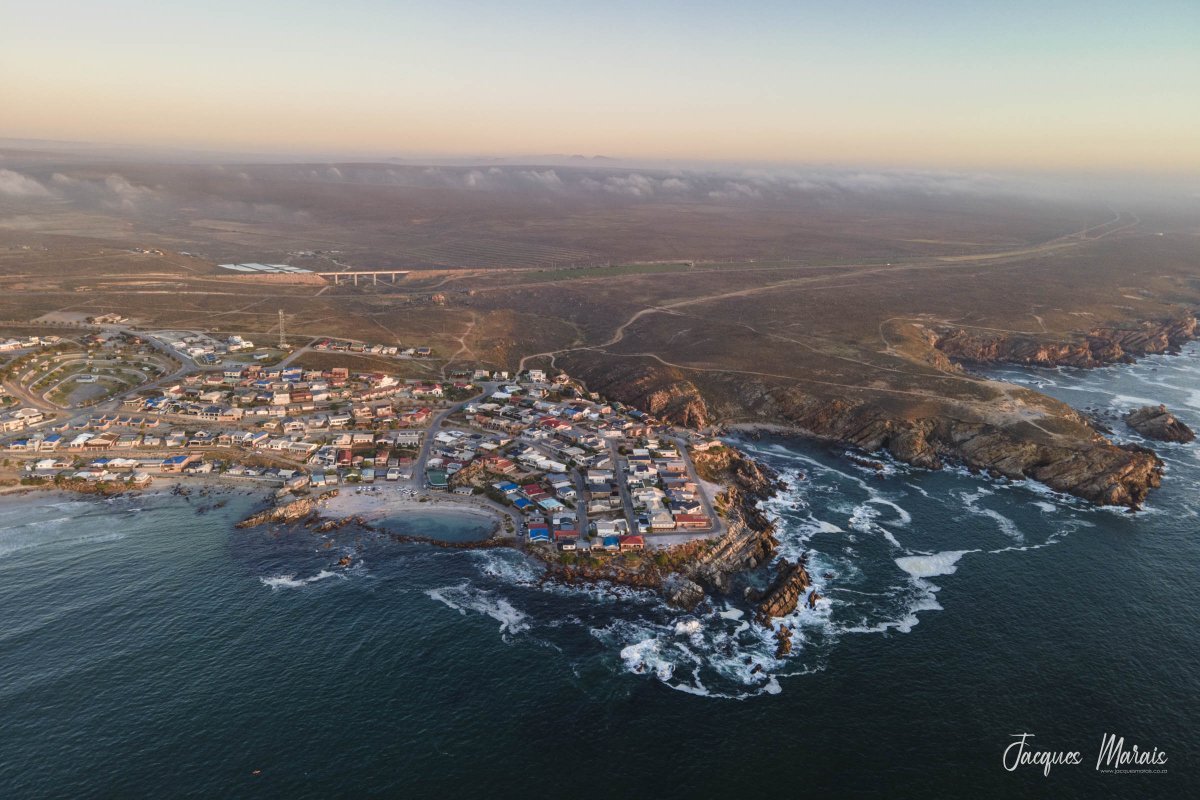
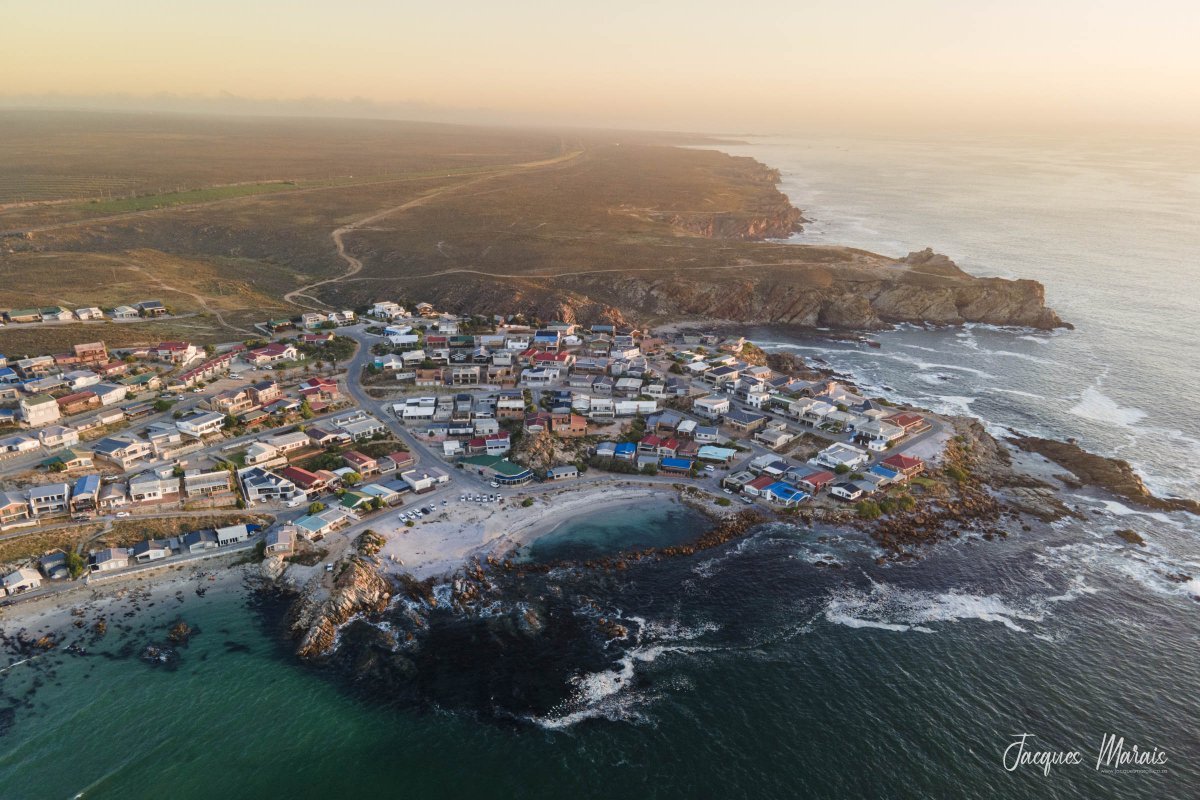
Doornbaai undoubtedly rates as one of my favourite West Coast dorps. It is one of those tiny oceanside towns you find at the end of a nondescript tar road, a leisurely four-hour drive along the N7 highway tripping north from Cape Town.
Doornbaai is Doring Bay’s West Coast moniker; locals joke that they “only speak English in extreme cases of self-defence”.
Near Vanrhynsdorp, you dogleg left through the bossieveld scrubland, setting course for the mist-shrouded Atlantic Ocean shore. The sea here is icy and unpredictable, with giant waves charging in to batter against dramatic coastal cliffs.
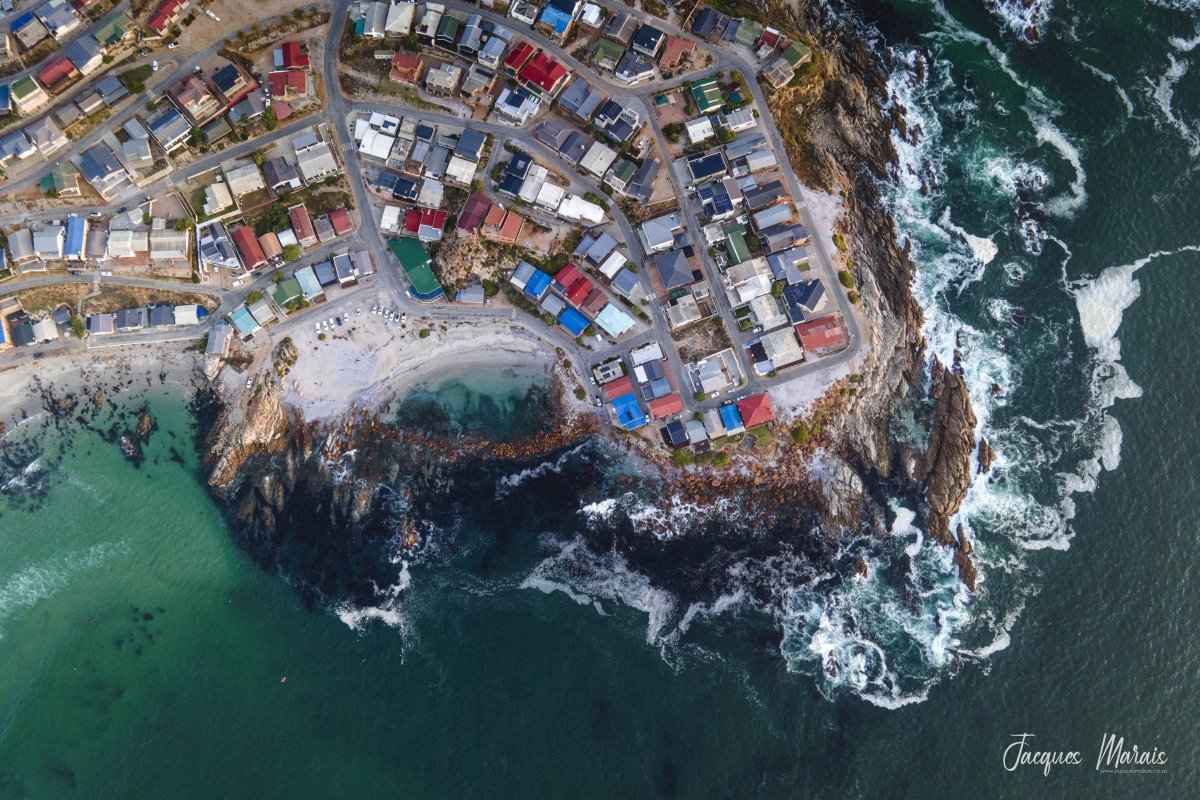
Cruise past Papendorp and Strandfontein, and let the West Coast tranquillity soak in as the narrow road finally winds into Doring Bay. The tarmac morphs into the main road and then peters out into gravel just beyond the town limits.
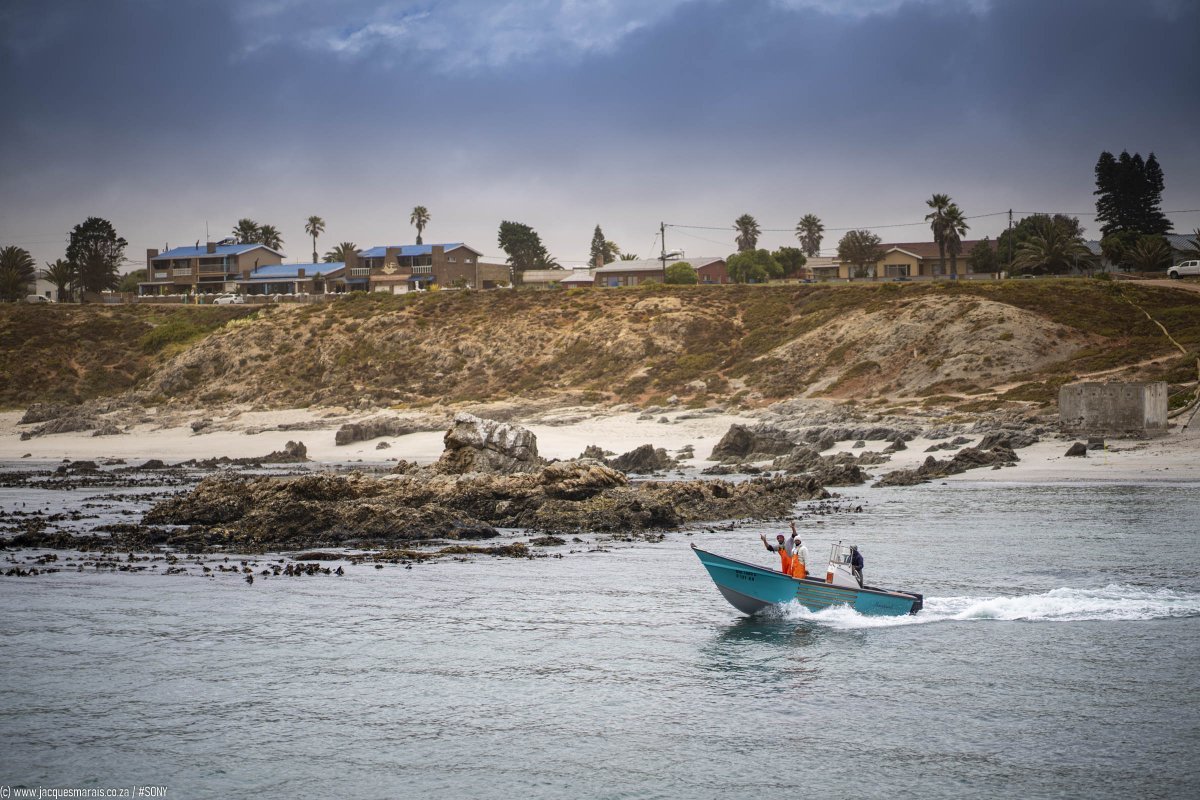
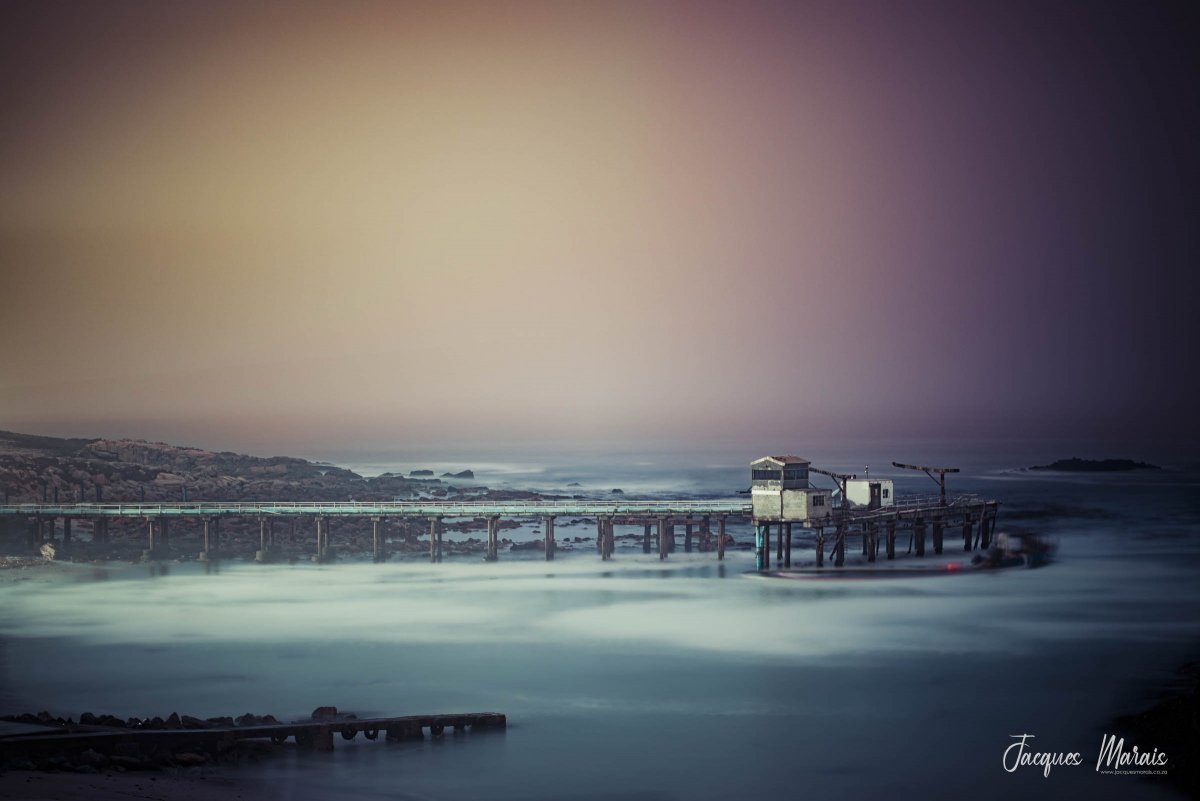
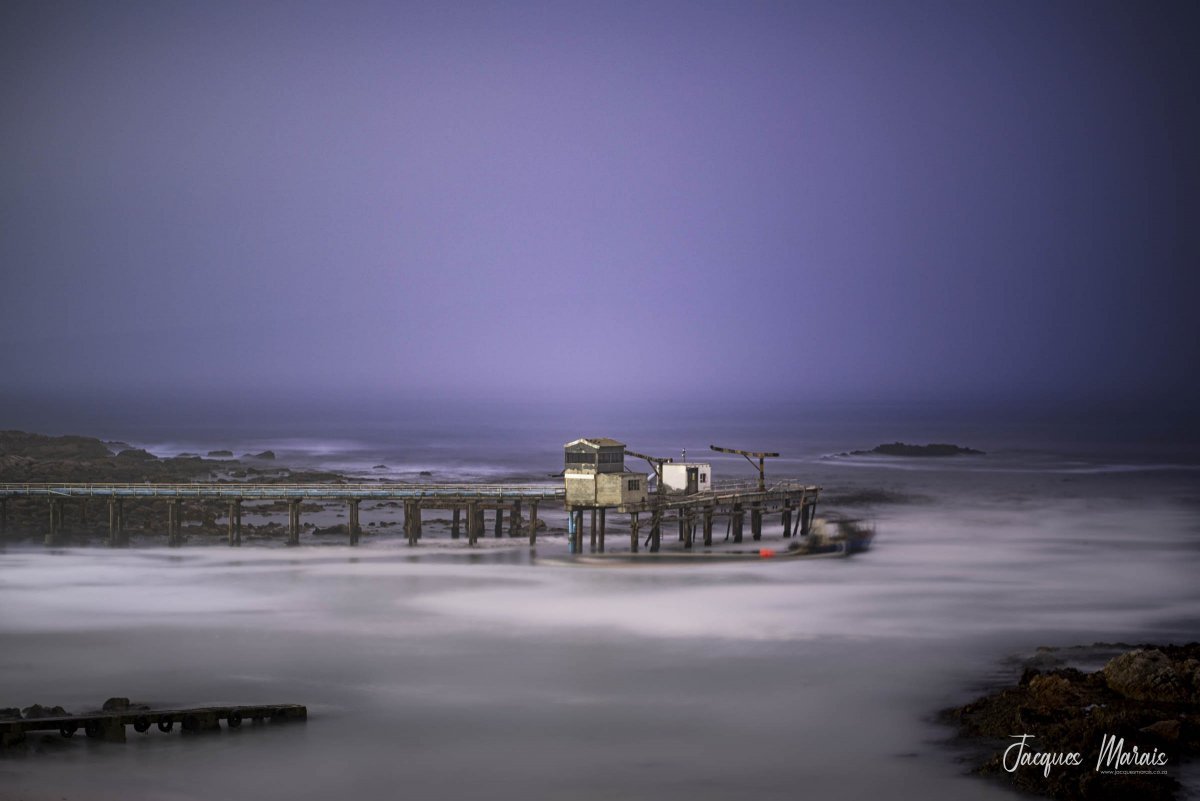
On the surface, there seems to be very little happening in Doring Bay. To the west and at the heart of the village, you will find the tiny fishing harbour, most likely with a few diamond-dredging boats bobbing around on the ocean swell.
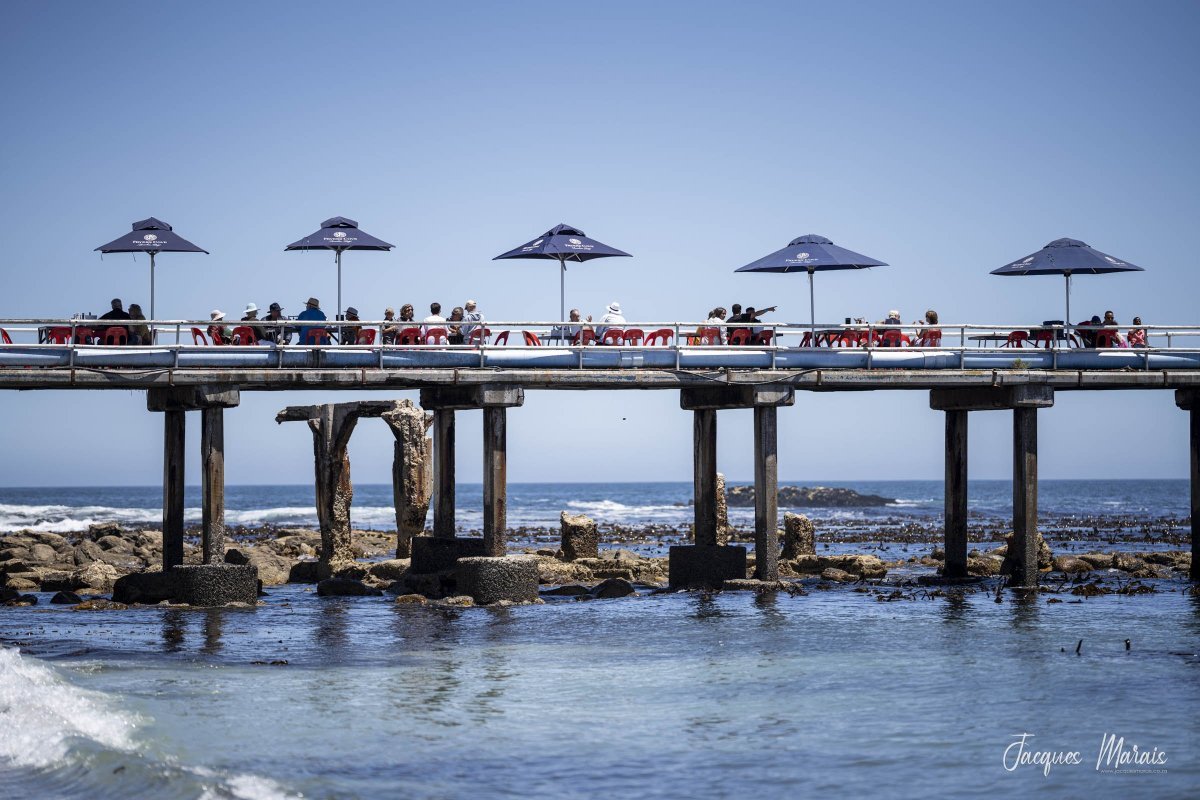
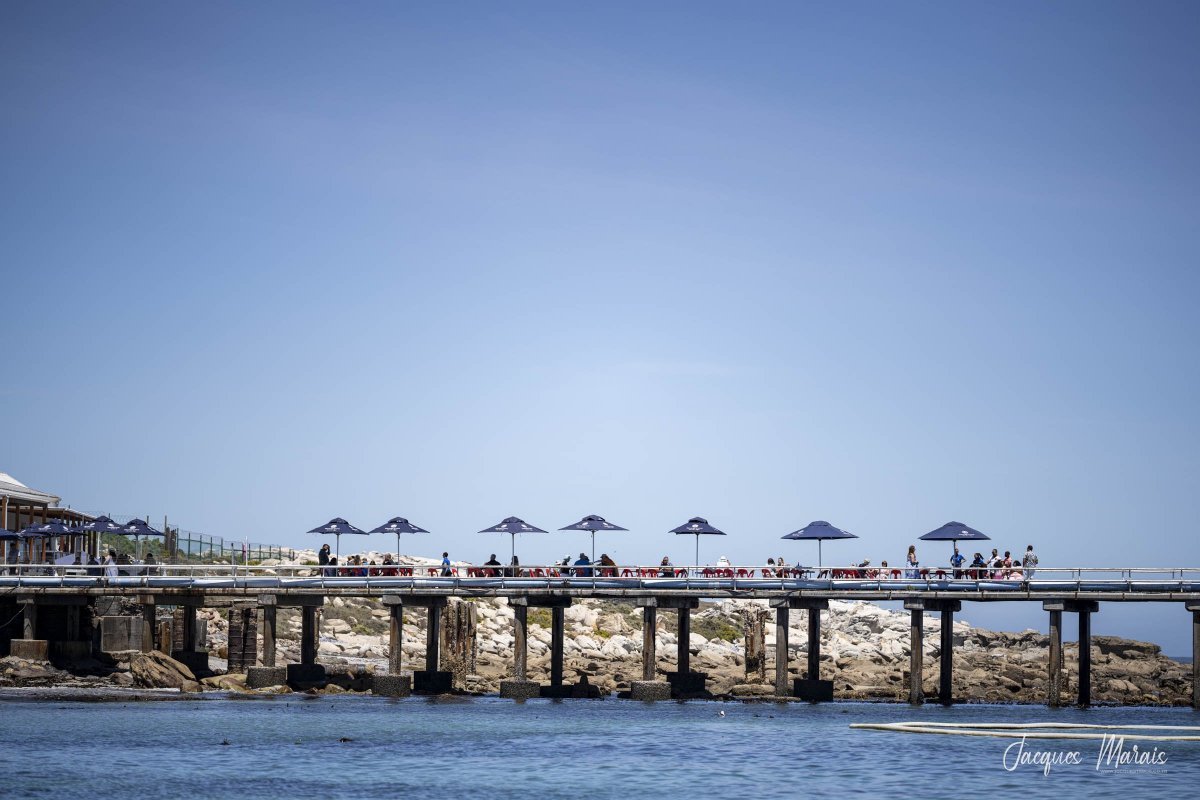
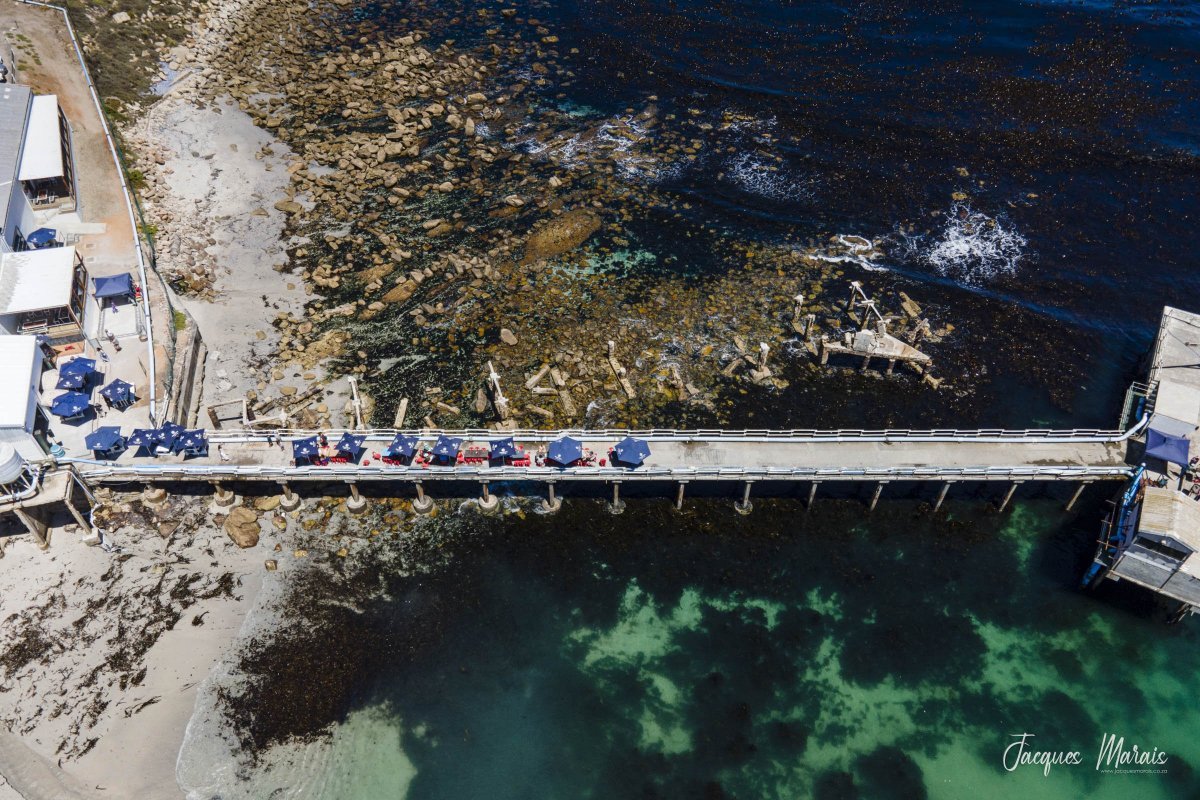
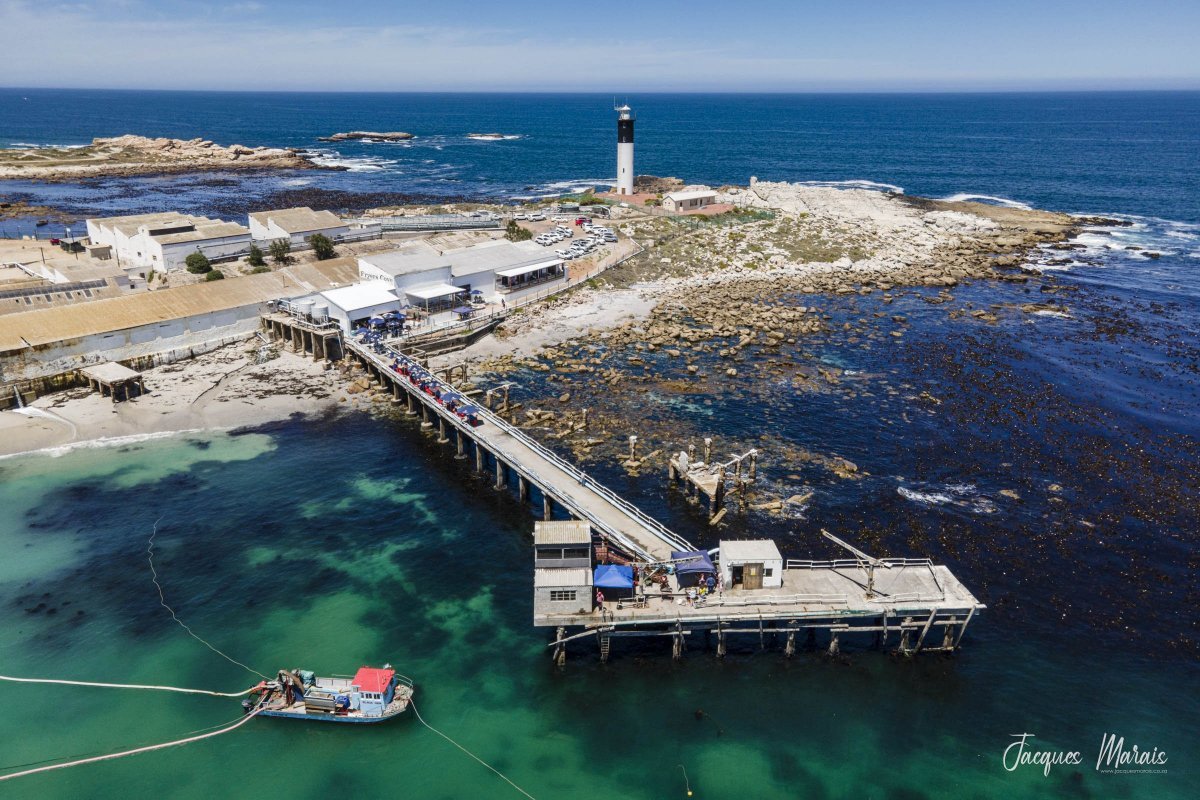
The space is – like much of the West Coast – more utilitarian than quaint. Meander through the industrial buildings, with peeling paint and gritty concrete, and maybe explore onto the century-year old pier.
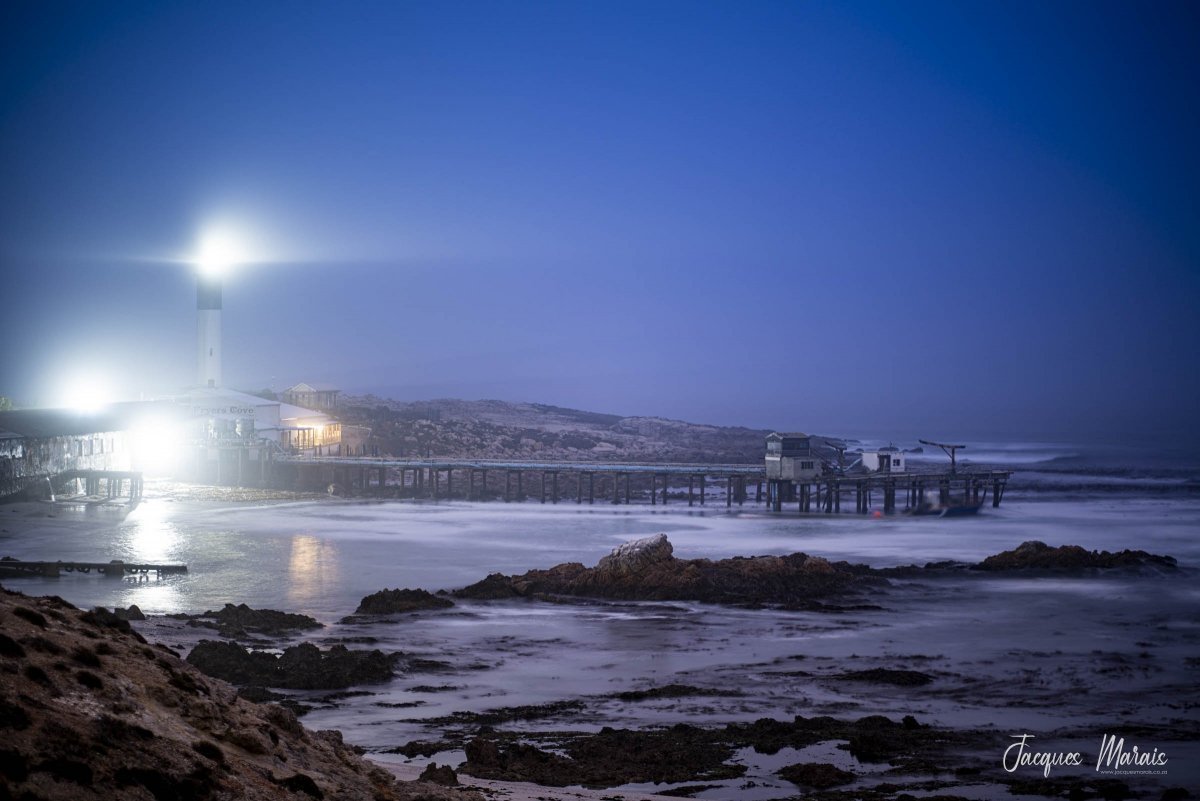
Chances are the Atlantic will be in one of her moods, with slabs and rollers barging in from the open ocean, whipped up by a stiff breeze, and with sea foam spuming over the exposed jetty structure.
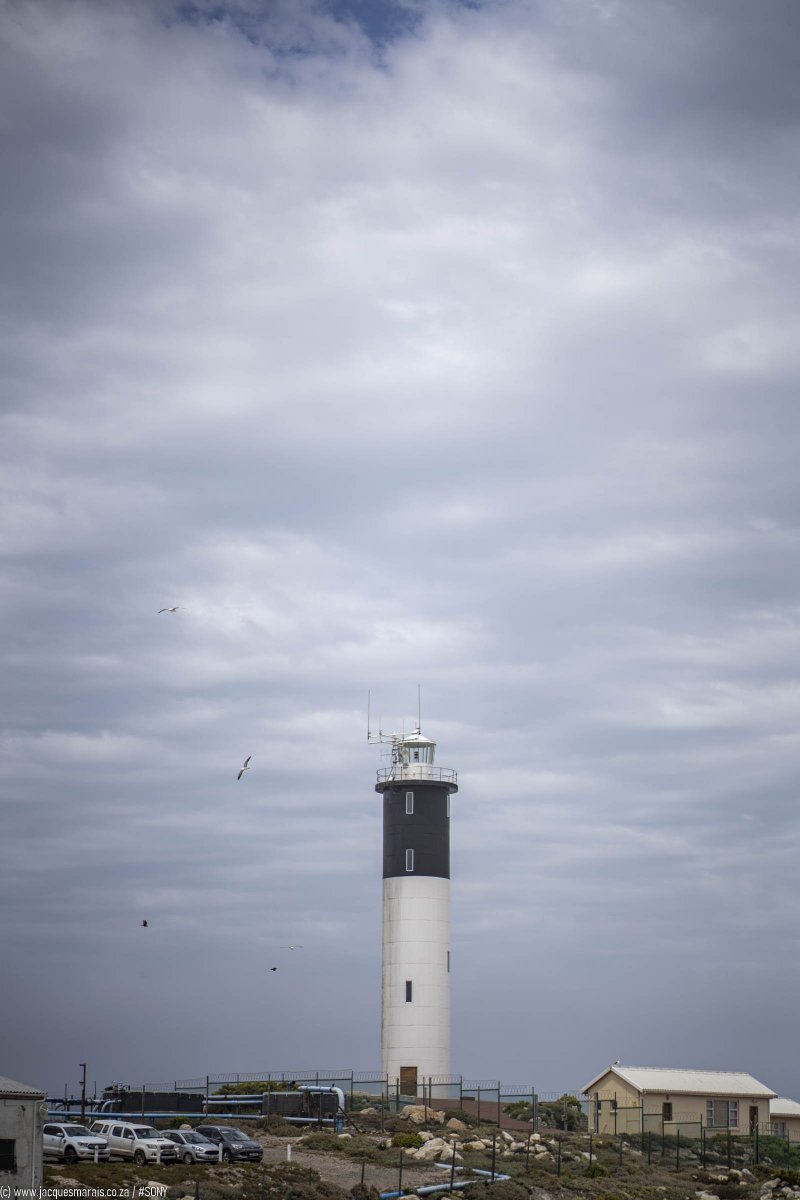
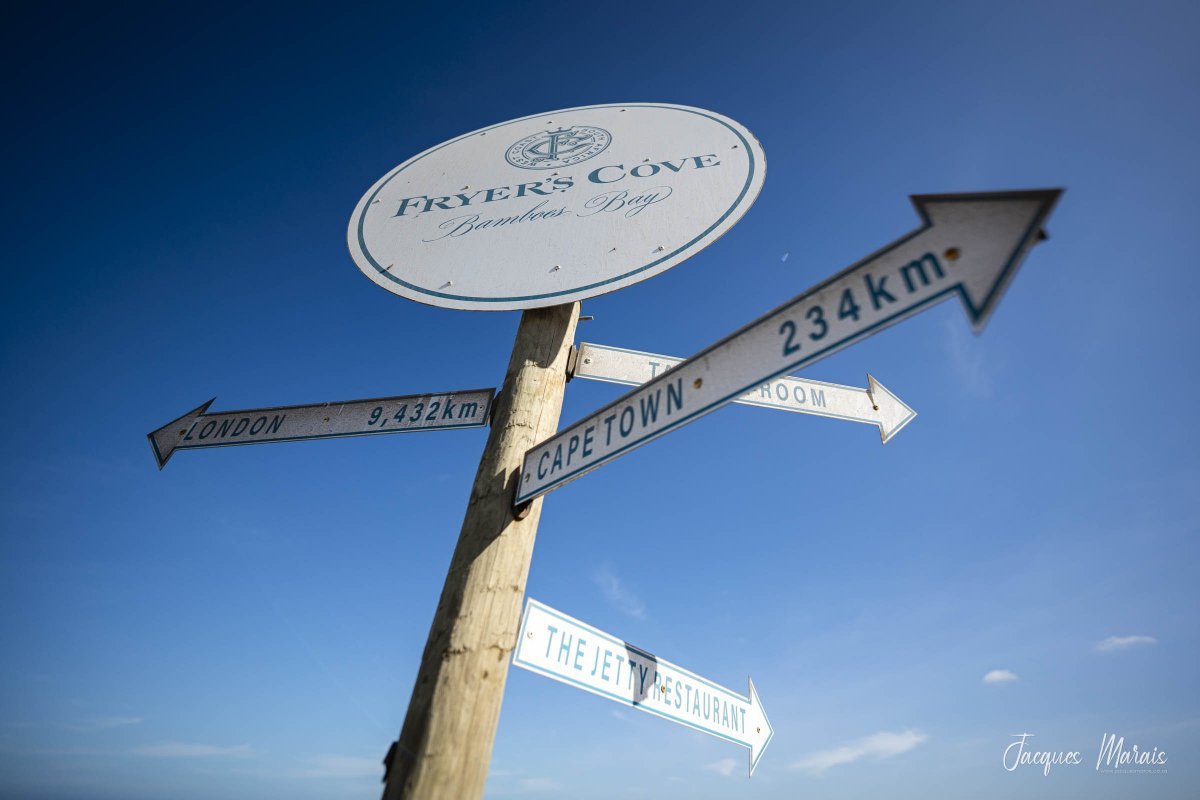
An inviting door – on the leeward side of the looming, black-and-white lighthouse – leads into a parallel universe. Enter the welcoming space of Fryer’s Cove Winery’s The Jetty Restaurant, arguably one of the Western Cape’s most authentic wine-tasting experiences.
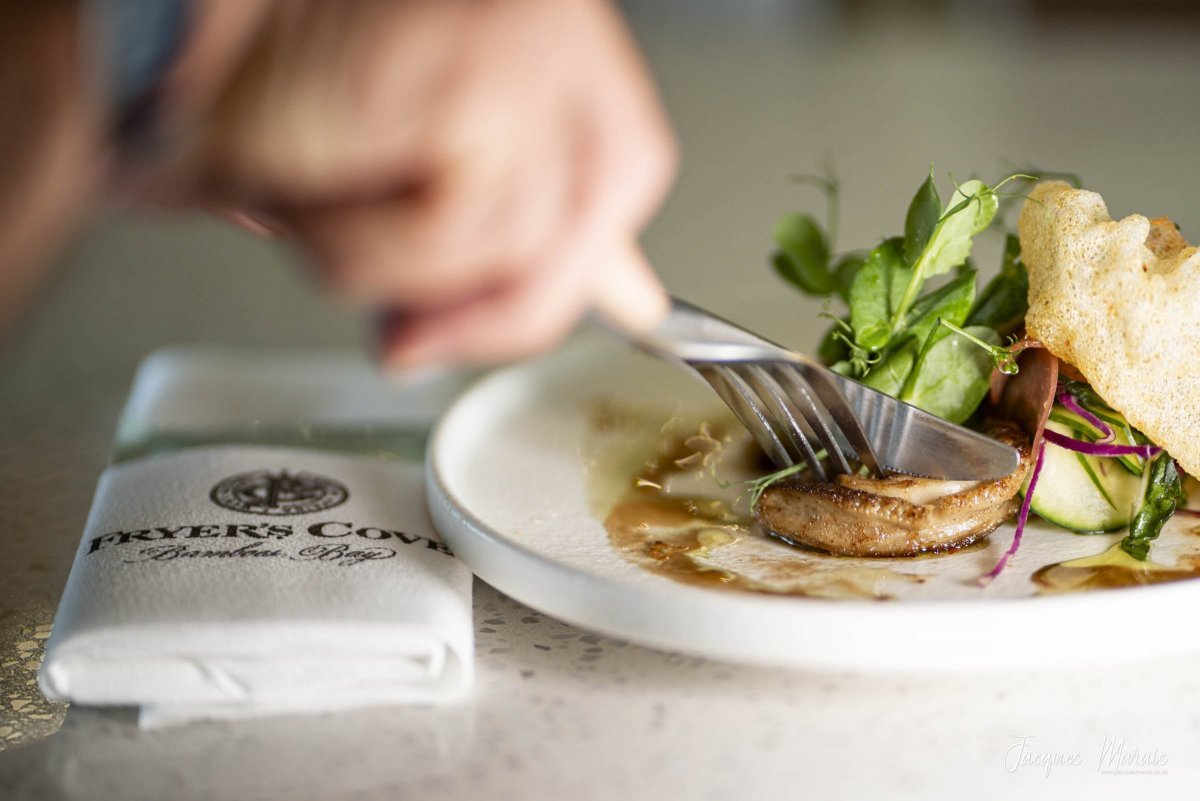
I'm not here for the wine (which is world-class, I might add), but rather to sample one of the culinary delights of the region. Abalone features in a starring role on the menu here, making for a hedonistic pairing with the legendary sauvignon blanc wine vintages produced in the Namaqua West Coast wine region.
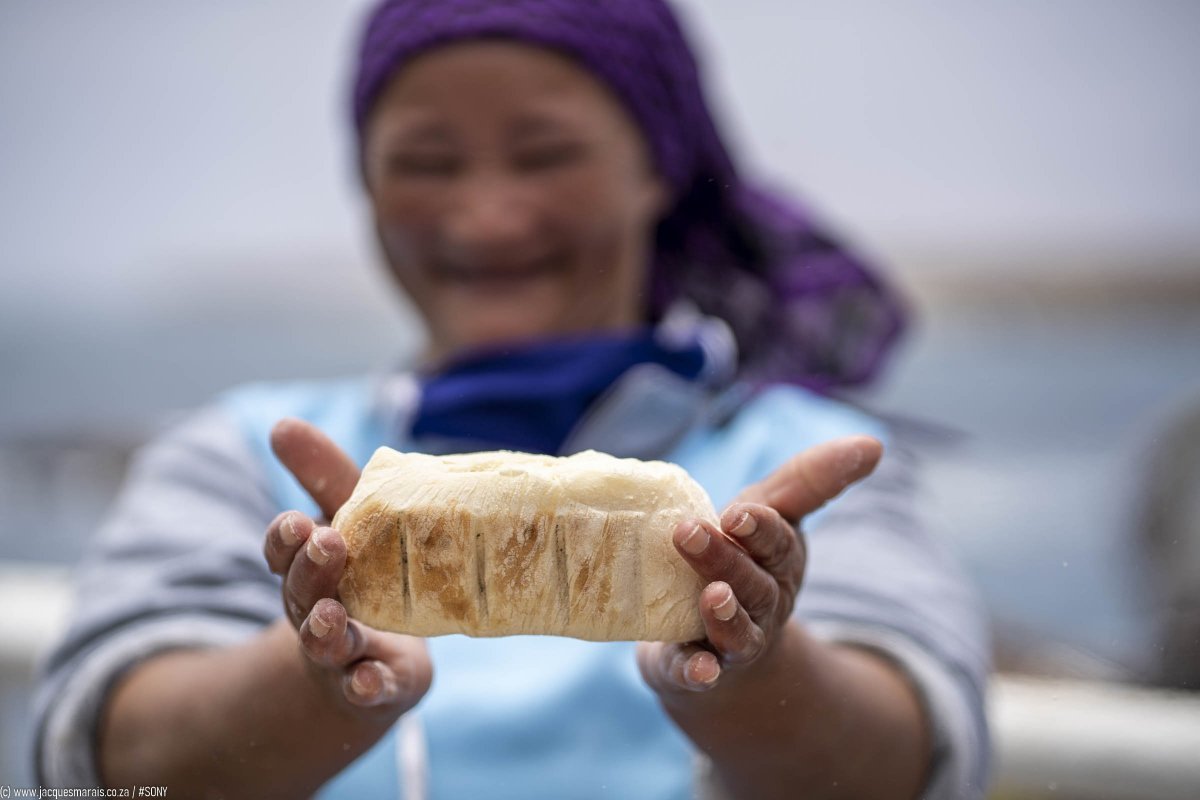
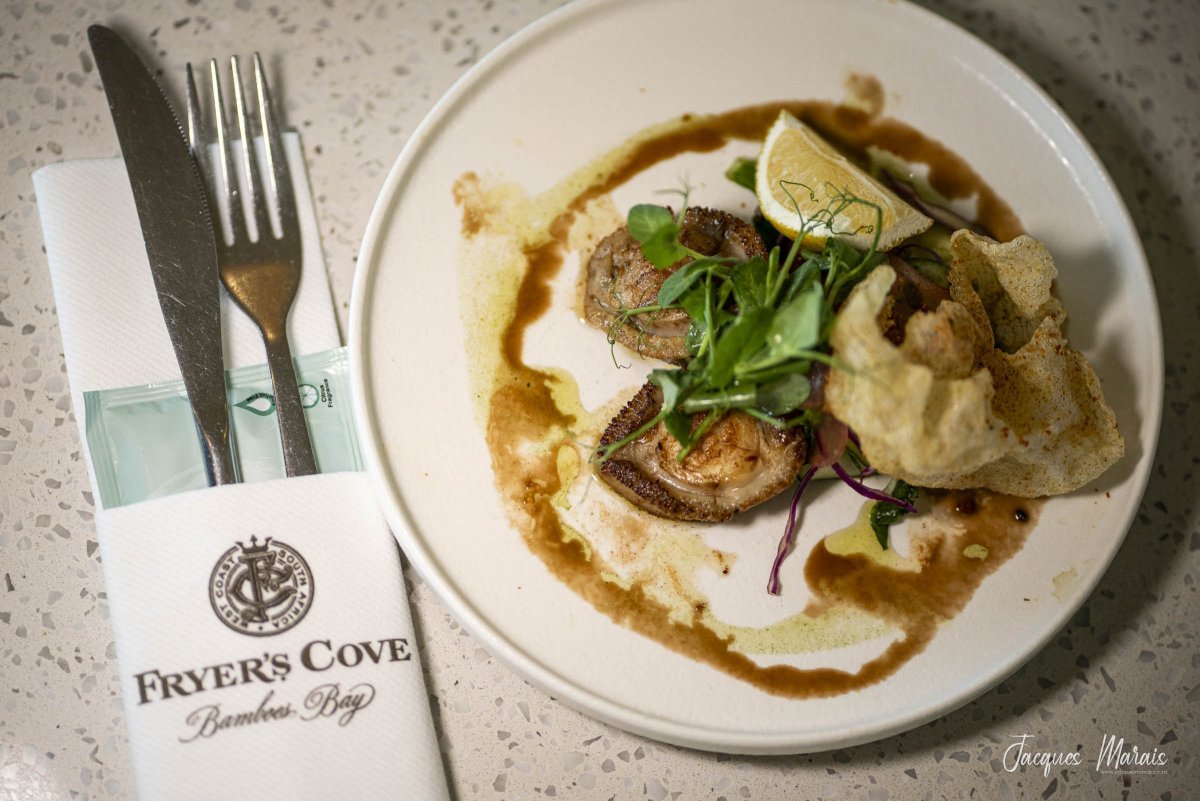
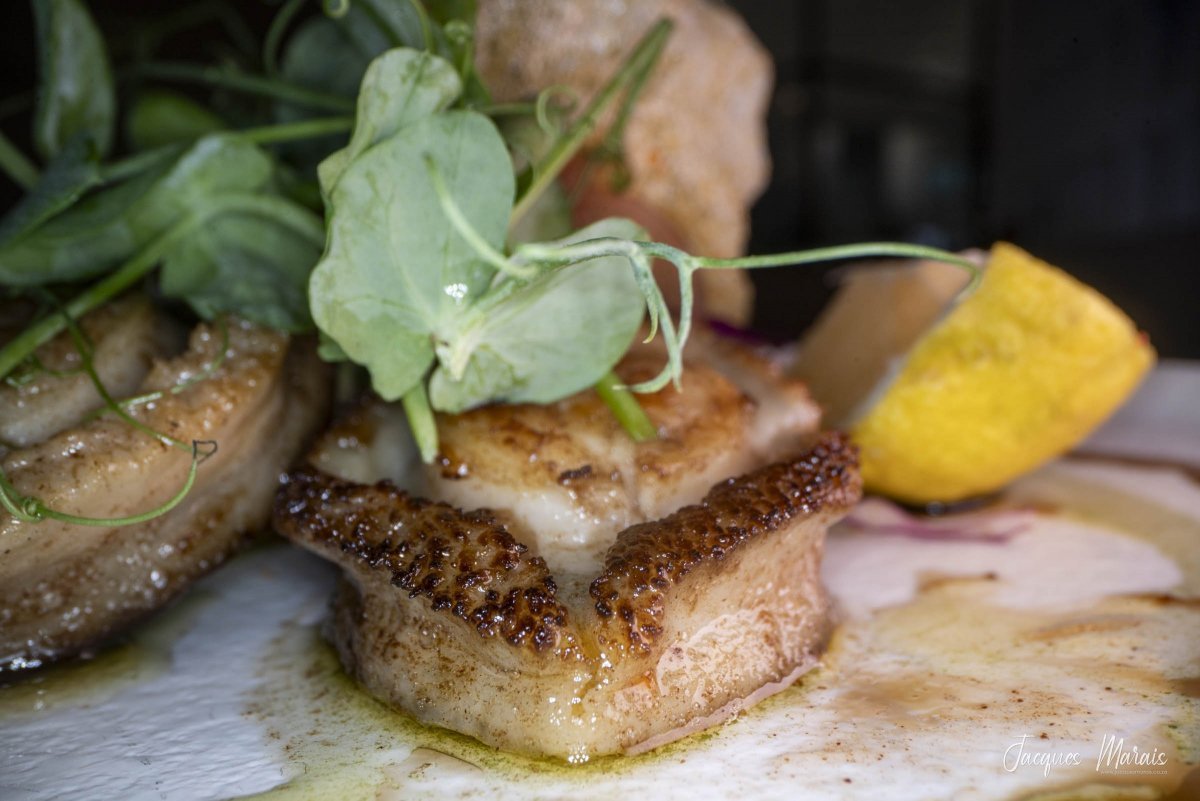
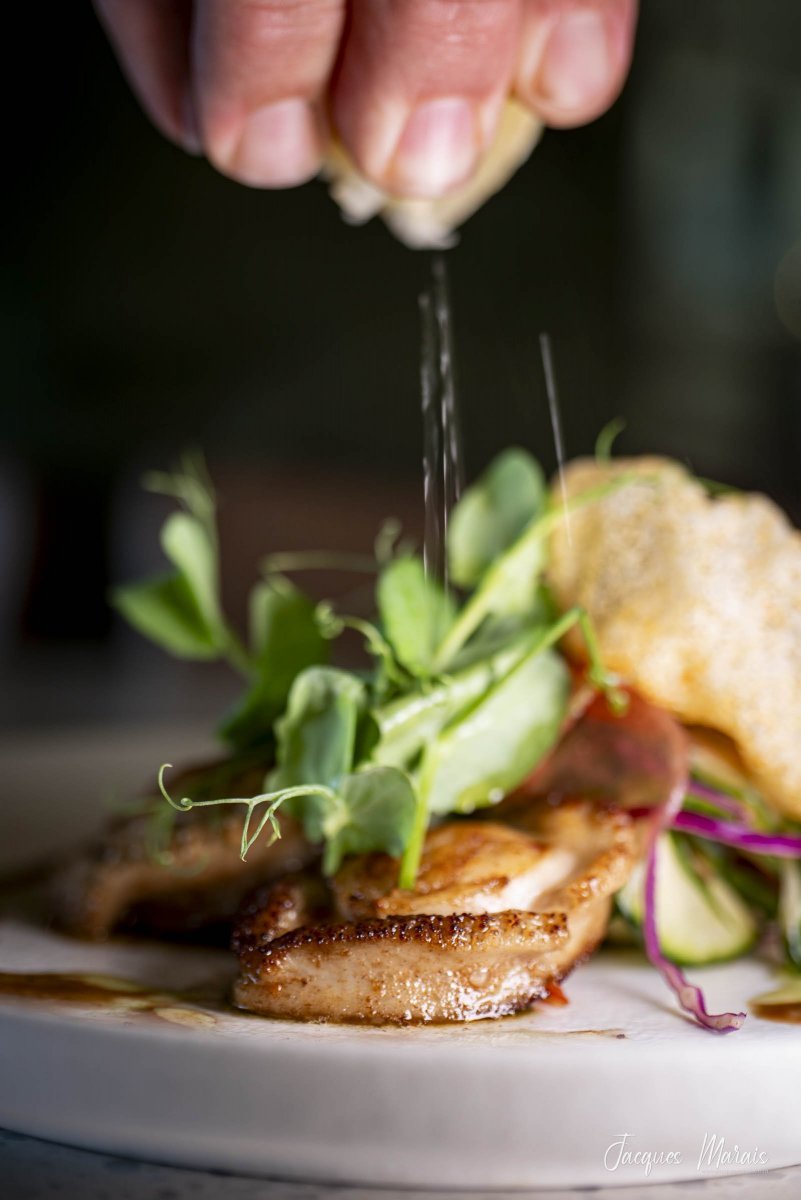
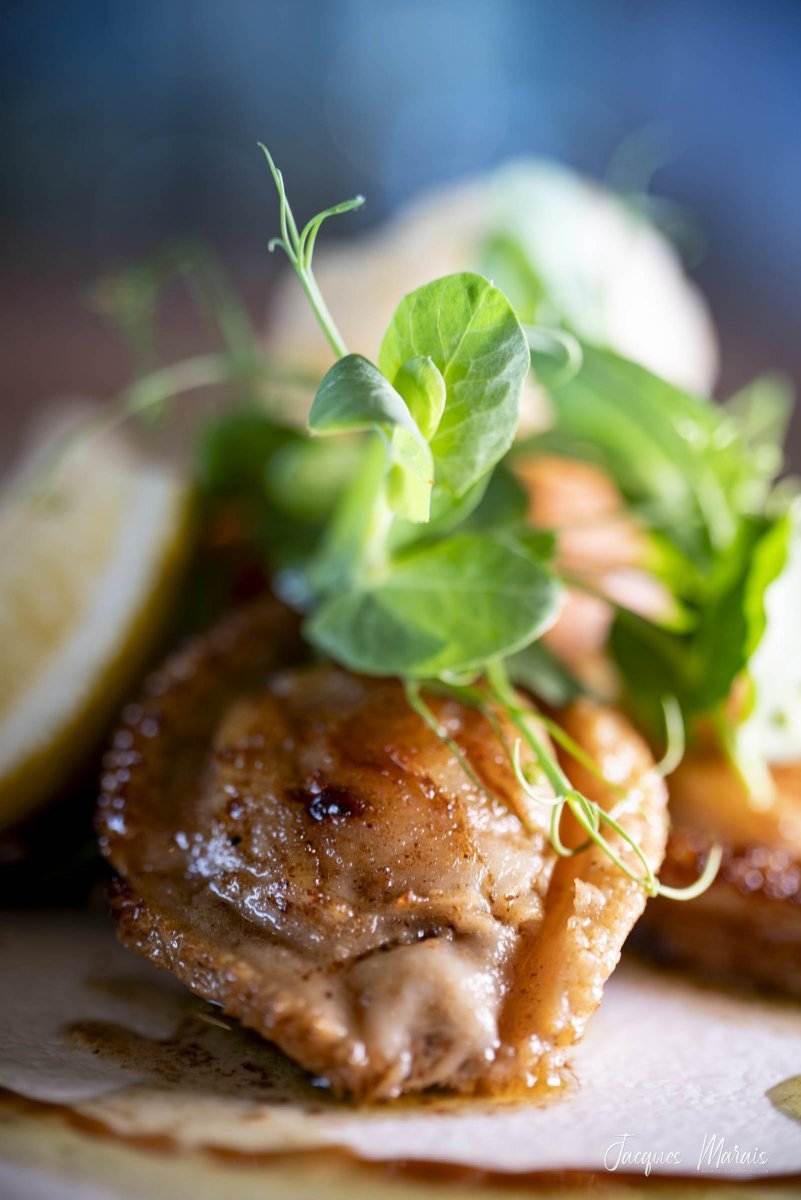
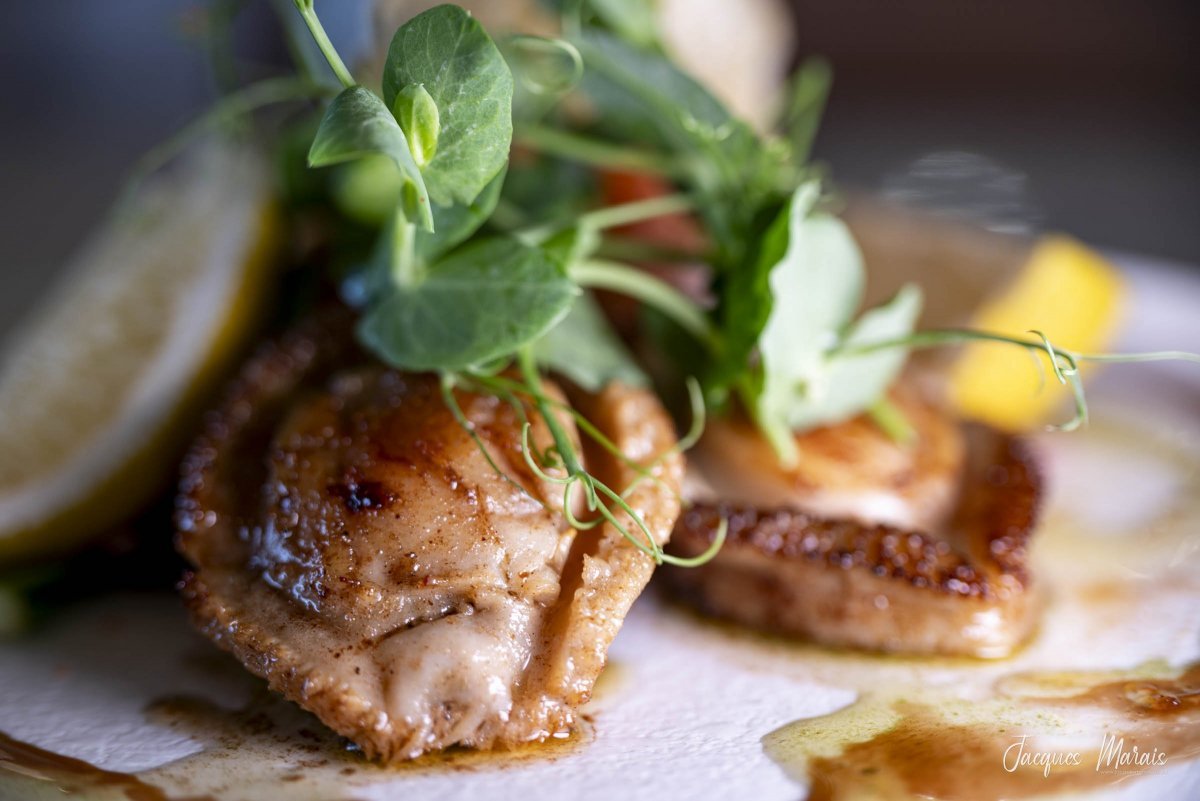
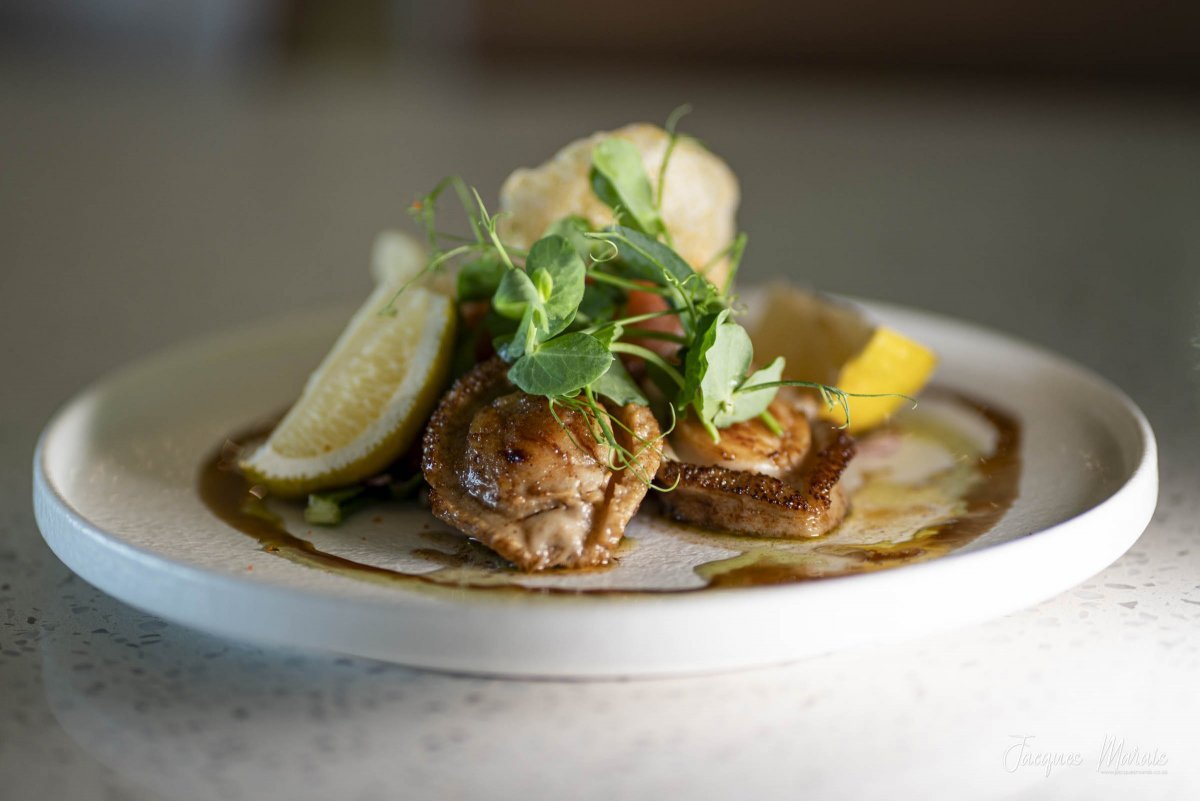
Lightly fried and perched on a bed of balsamic cucumber slices, the baby abalone is accompanied by fresh sugar snap stalks and light-as-air crisps. “This symbolises the ocean spume and underwater kelp beds”, explains chef Edna Visser.
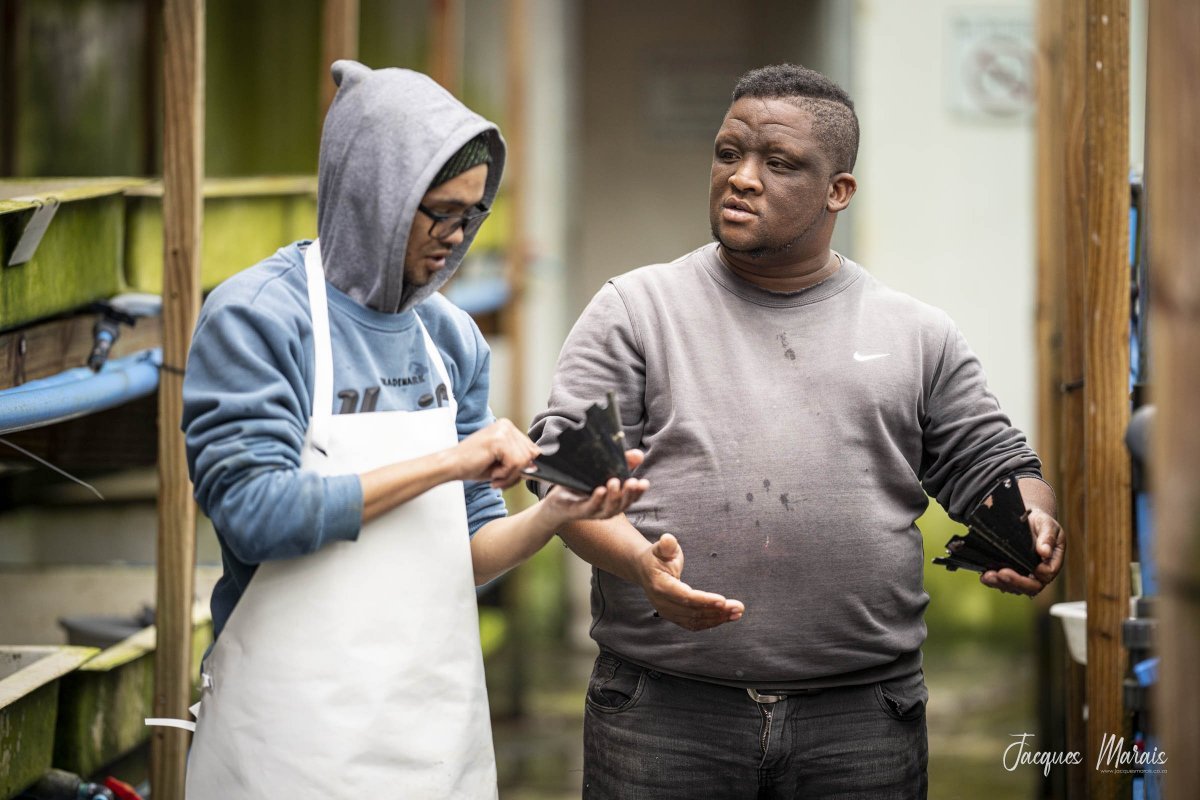
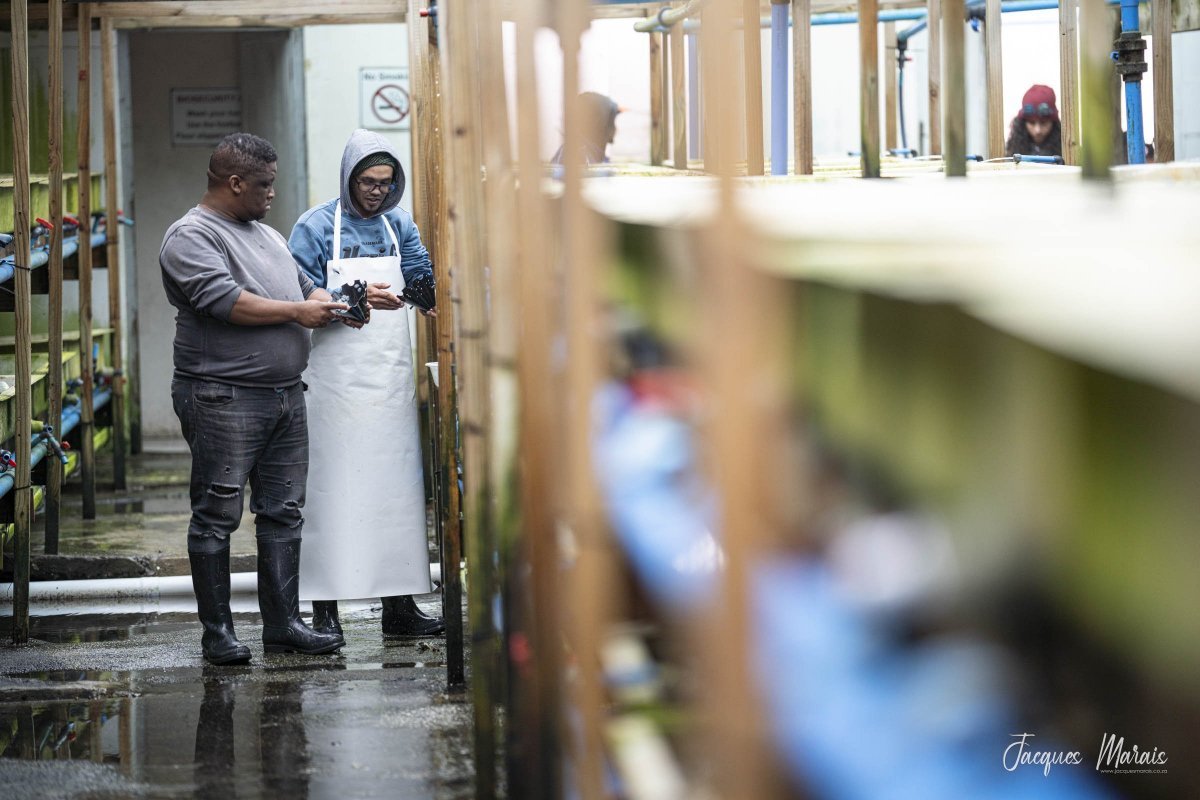
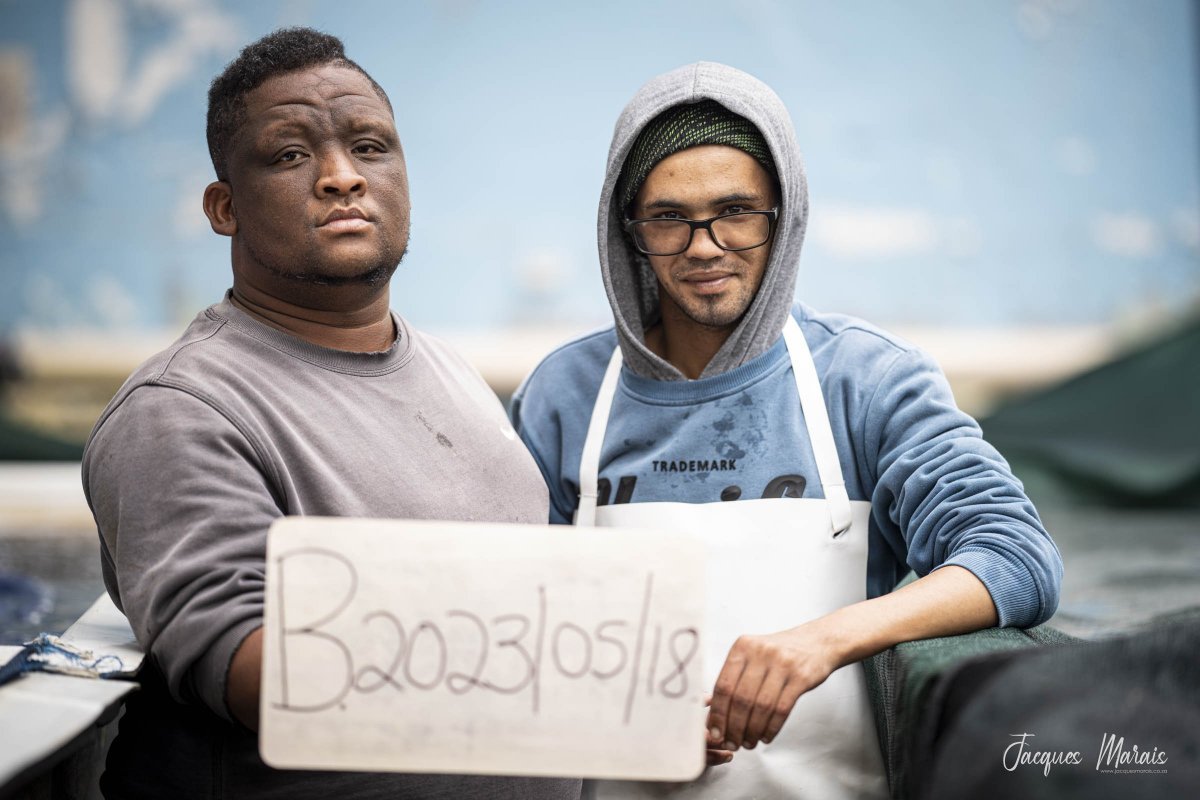
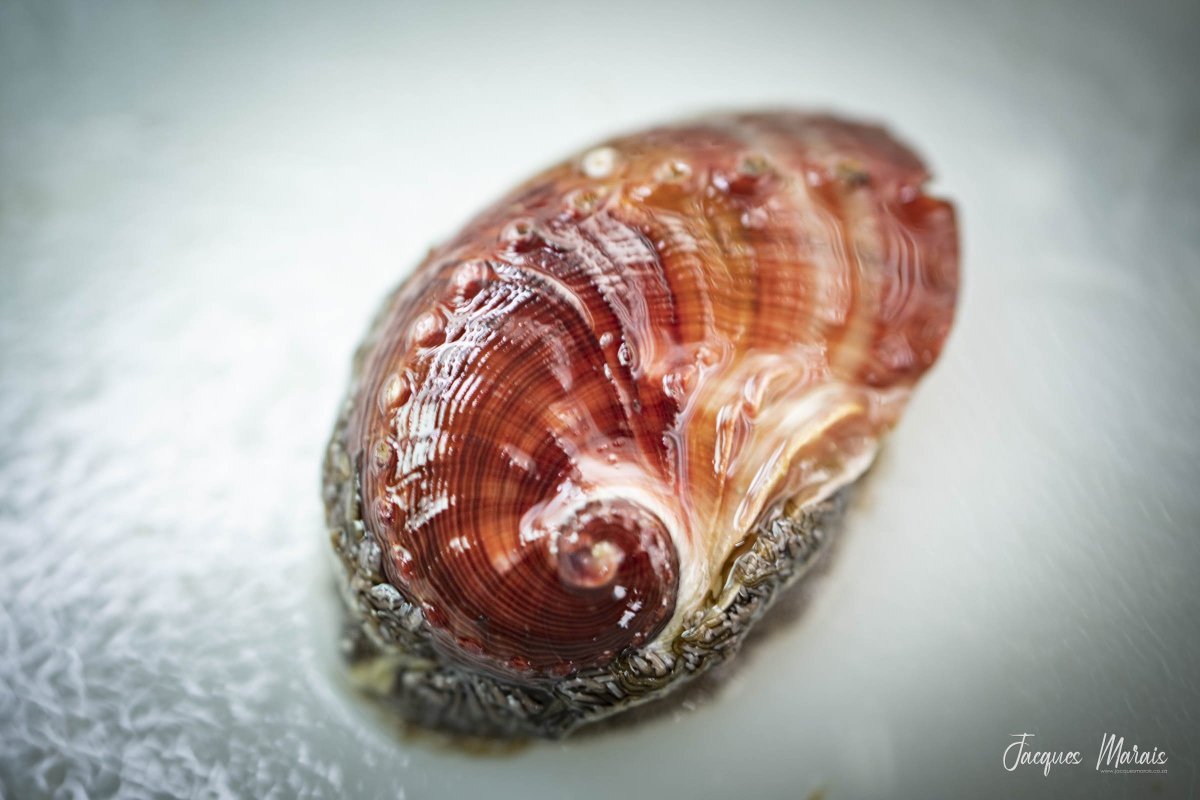
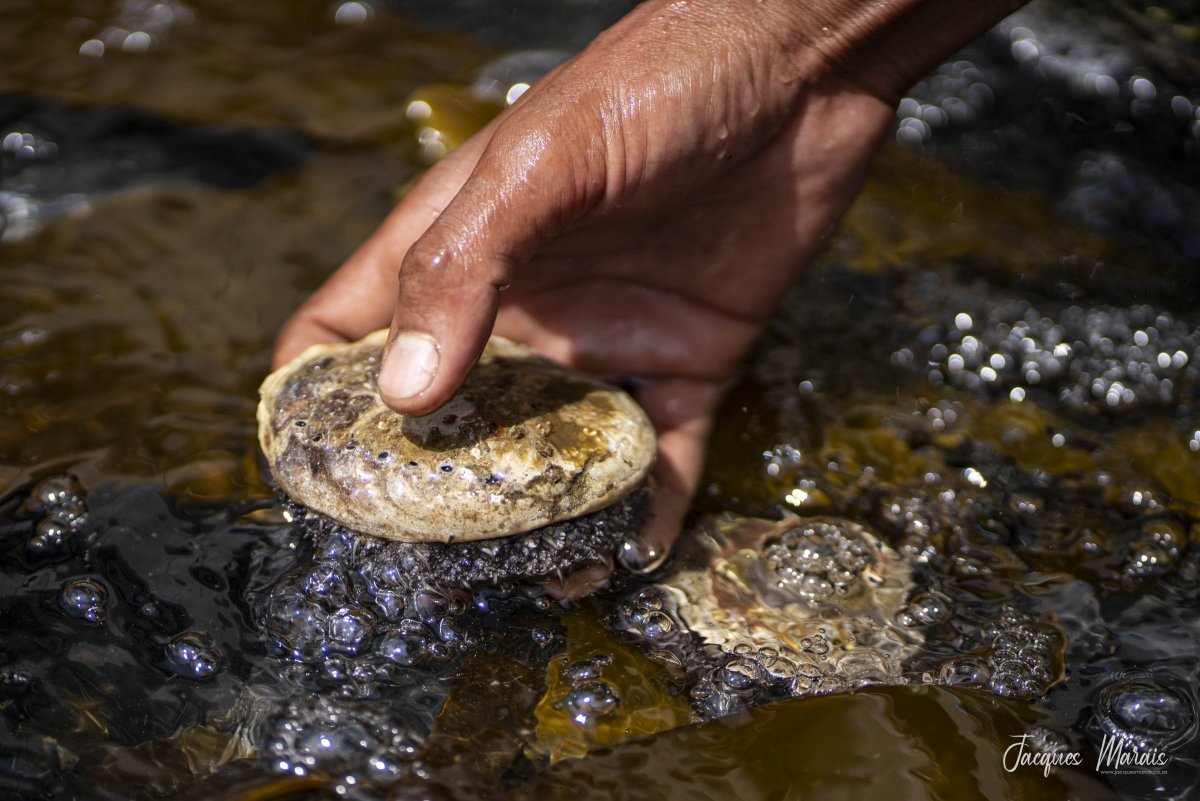
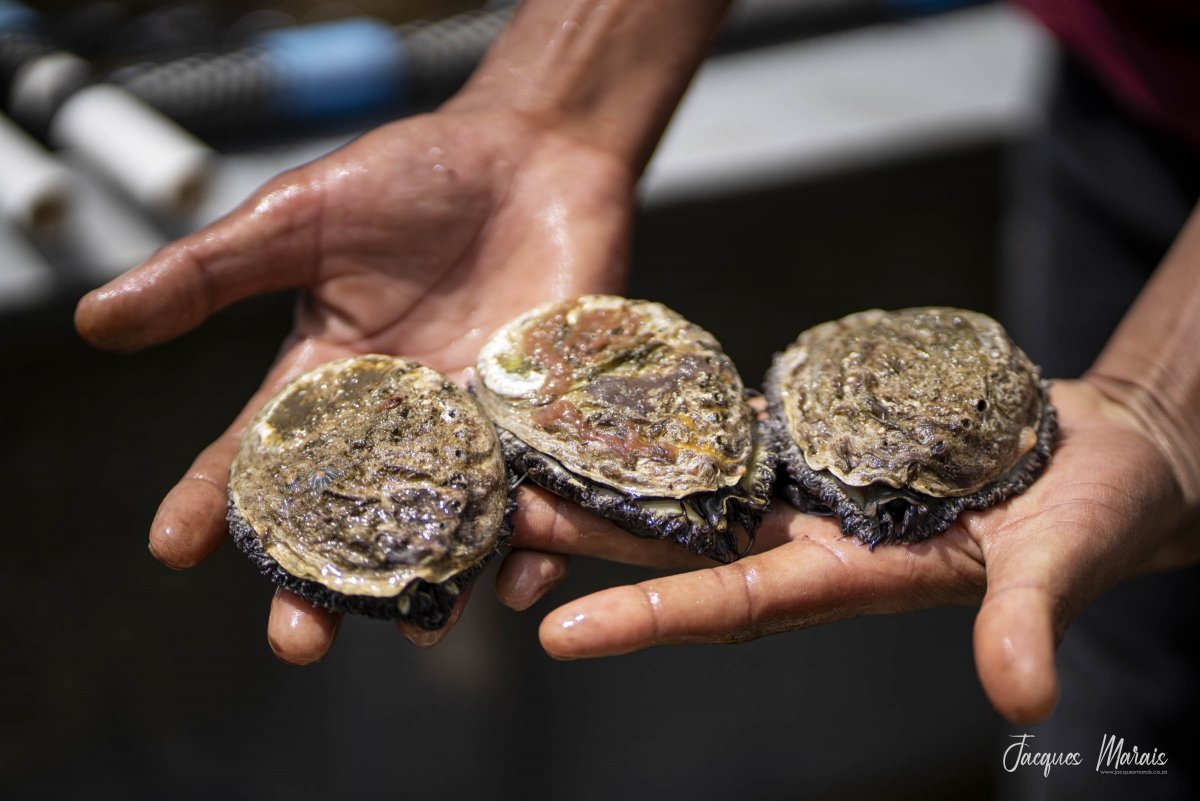
The real story here is that these succulent haliotis midae are hatched, spawned and reared right next door to the restaurant. This is where you will find the Doring Bay Abalone farm and factory, home to one of the Western Cape’s most successful and enduing community development projects.
Let’s timeline back a few decades to when these industrial buildings were originally occupied by the Oceania Fishing Company. It originally started a fishing and food packaging business here more than 75 years ago, but some of the current buildings date back to 1915.
Various factors contributed to Oceania closing its doors in 2006, with devastating effect on the local community. More than 100 people lost their jobs and livelihood, and immediate action had to be taken.
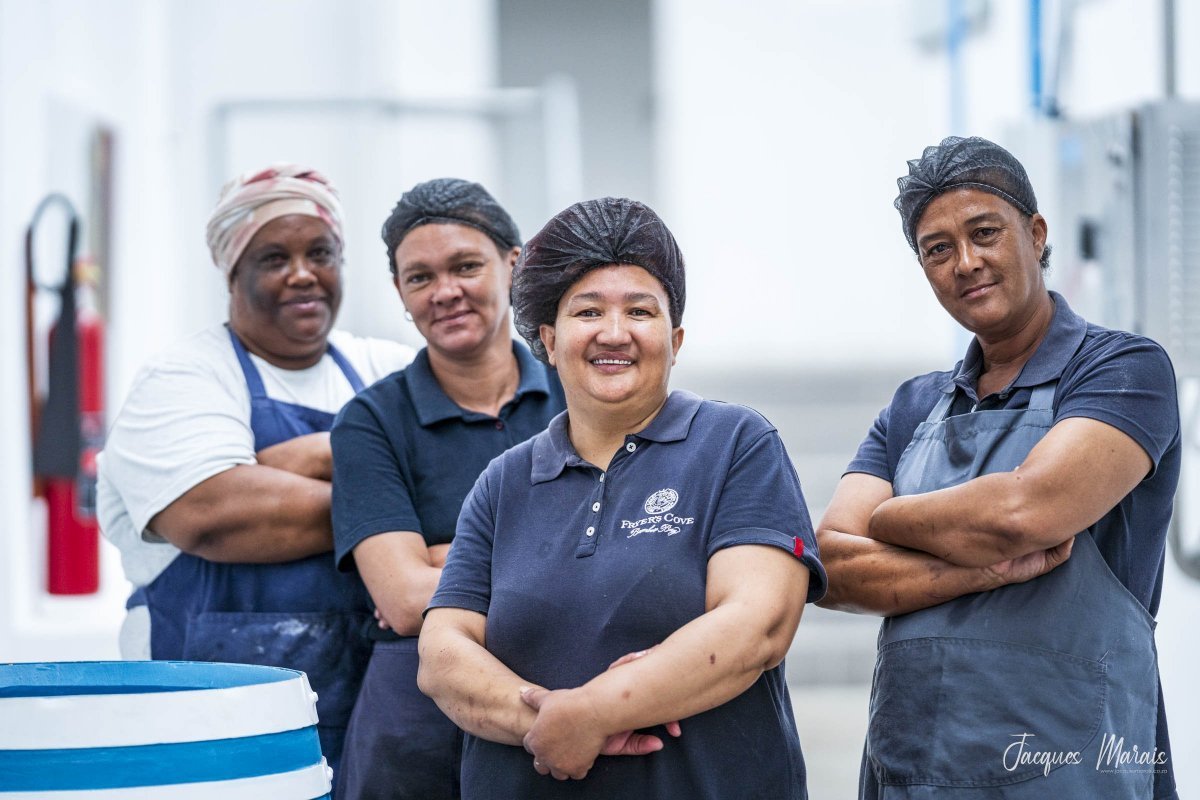
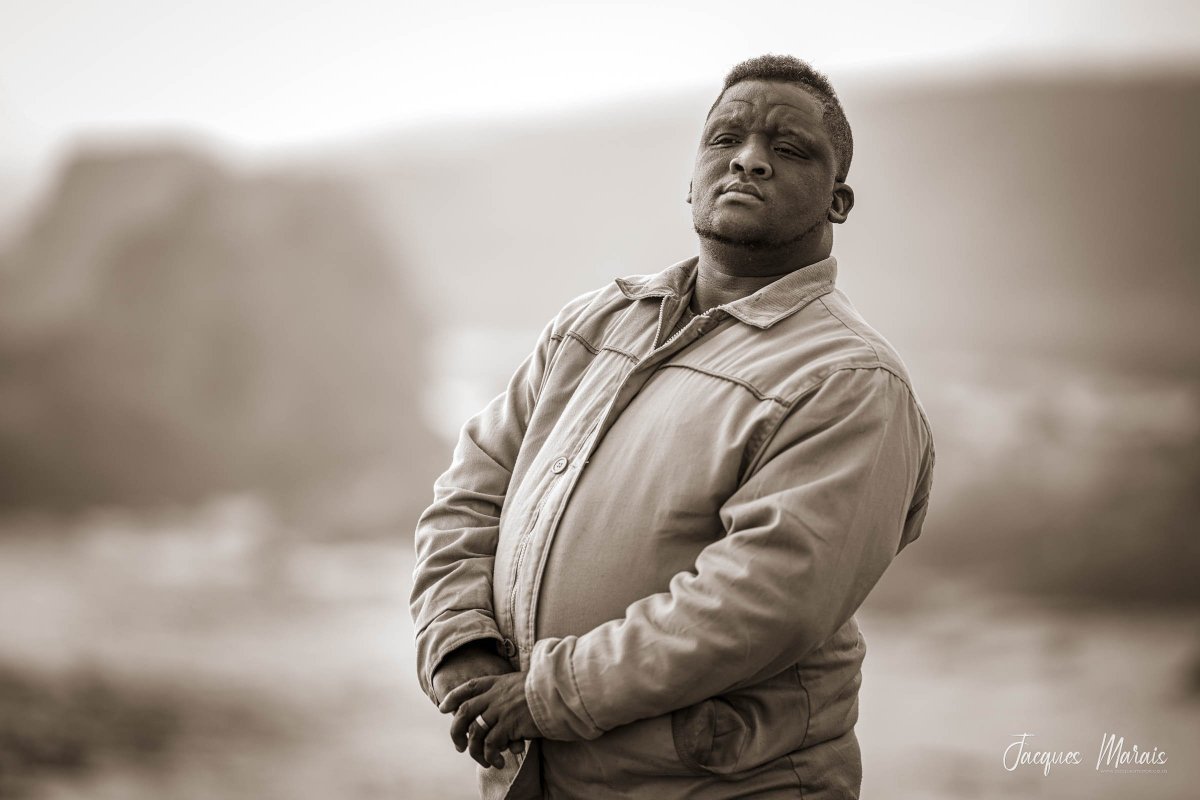
“You don’t build a new company overnight,” says Ruben Saul, who was instrumental in establishing the Doring Bay Abalone Company. “We had a plan and started with eight employees in 2013, but kept nurturing the project; now we have 52 individuals directly employed by DBA,” he explains.
Saul says the need for employment in Doring Bay was critical, and that the idea for an abalone processing factory was therefore born very much out of “dire straits”. As board chairperson and HR director, he represents the community and was instrumental in eventually registering the company in 2011.
Doring Bay Abalone was established 12 years ago as an equity project owned by both the emerging farmers and local community representatives. A buy-out by an international shareholder in Hong Kong has seen DBA become a global player in abalone production, with South Africa now the largest producer outside Asia.
“Our aquaculture project has been one of SA’s empowerment success stories,” says Saul proudly. “Samuel van Rooyen started here as a factory worker in 2014, but we helped him to study further, and are proud to say he is now the company’s CEO!”
There are numerous other examples highlighting achievements such as his, so it’s no wonder DBA received the Premier’s Award for Best Job Creation SMME Project in the Western Cape in 2016. The road, however, has not always been an easy one…
“Fixed costs are high – up to R1.5 million per annum – and load-shedding adds to our woes. Diesel costs are extortionate, as we can never stop the pumps that keeps water flowing through our holding tanks to aerate this simulated ocean environment for the growing molluscs.
“Abalone also takes a good eight years to reach maturity, and tends to grow slower under artificial conditions,” explains Saul. “This means that the launch of an abalone farm takes at least a decade before you can expect to show any real profit.”
In order to accelerate its tonnage yield, DBA has started to invest in larger breed stock, and has also started its own hatchery in order to add an additional revenue stream. Hatching includes four stages: broodstock, larvae, settlement, and weaning.
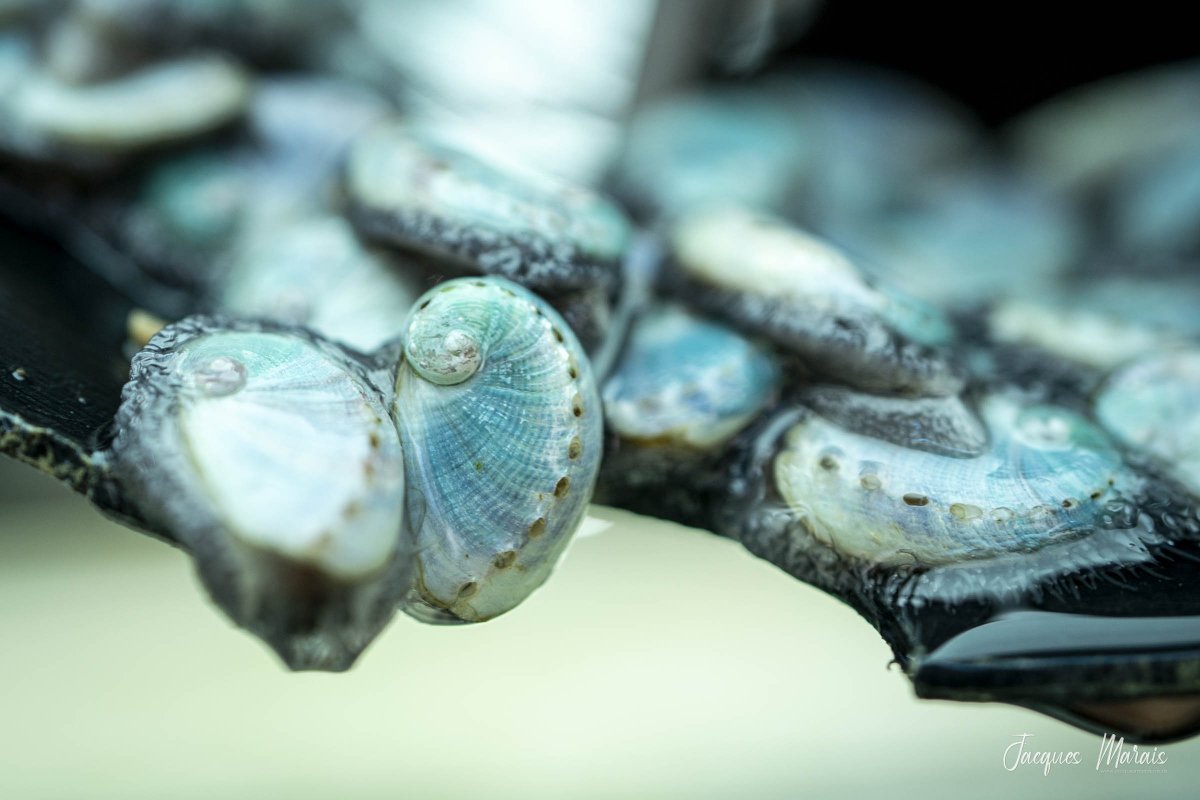
Fertilisation delivers free-swimming larvae within hours, which then settle to develop into spat, or baby abalone. It takes six months for the larvae to transform into tiny 10mm abalones, and only premium specimens are then selected for spawning.
Spat is fed on a natural diet of micro-algae, but formulated pellets are introduced once they are strong enough to be transferred to the growing tanks, usually when they reach 20mm in size. Growth is generally quicker under natural conditions, and many aquaculture farms are experimenting with perlemoen ranching.
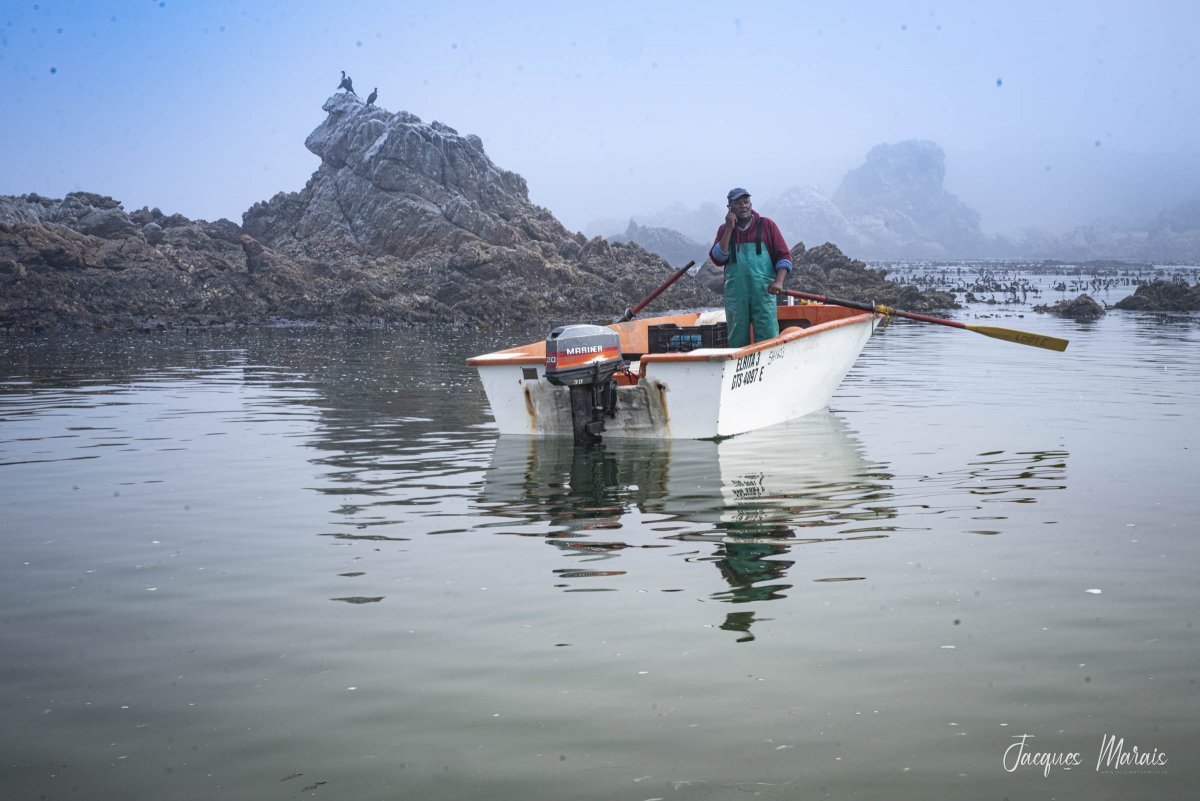
“We have been granted a licence to farm a 7.2km stretch of coastline,” continues Saul. Divers seed spat in their millions in secret ocean locations, with benefits such as a major drop in overheads and an accelerated growth rate and yield. The obvious downside, however, is a strong potential of illegal harvesting.
Poaching is rife in SA, with the perlemoen mafia – often connected to international drug-smuggling networks – destroying extensive abalone populations. “Increased diamond and mineral mining are also ravaging the West Coast's shore, impacting on ocean resources on which communities have depended for generations,” explains Mike Schlebach, founder of the non-profit Protect the West Coast.
Add to this increasingly frequent and severe marine heatwaves, which not only kill abalone but also the algae they depend on for food, and you have an environmental time bomb ticking away. Industrial and agricultural pollution – as well as toxins from antifouling boat paint – further contribute to this bleak outlook.
According to Dr. Howard Peters of the IUCN SSC Mollusc Specialist Group, the most tangible action we can take “is to eat only farmed or sustainably sourced abalone”. He adds: “Enforcing fishery quotas and anti-poaching measures are also critical, as is halting any changes to ocean chemistry and temperature.”
Contrary to popular belief, perlemoen – or “mother of pearl” in Dutch – hasn’t always played a major part in West Coast culture. “I never ate abalone as a kid, and really only acquired a taste for it since we started the project,” Saul laughs, “but now it is a delicacy I would hate to miss out on.”
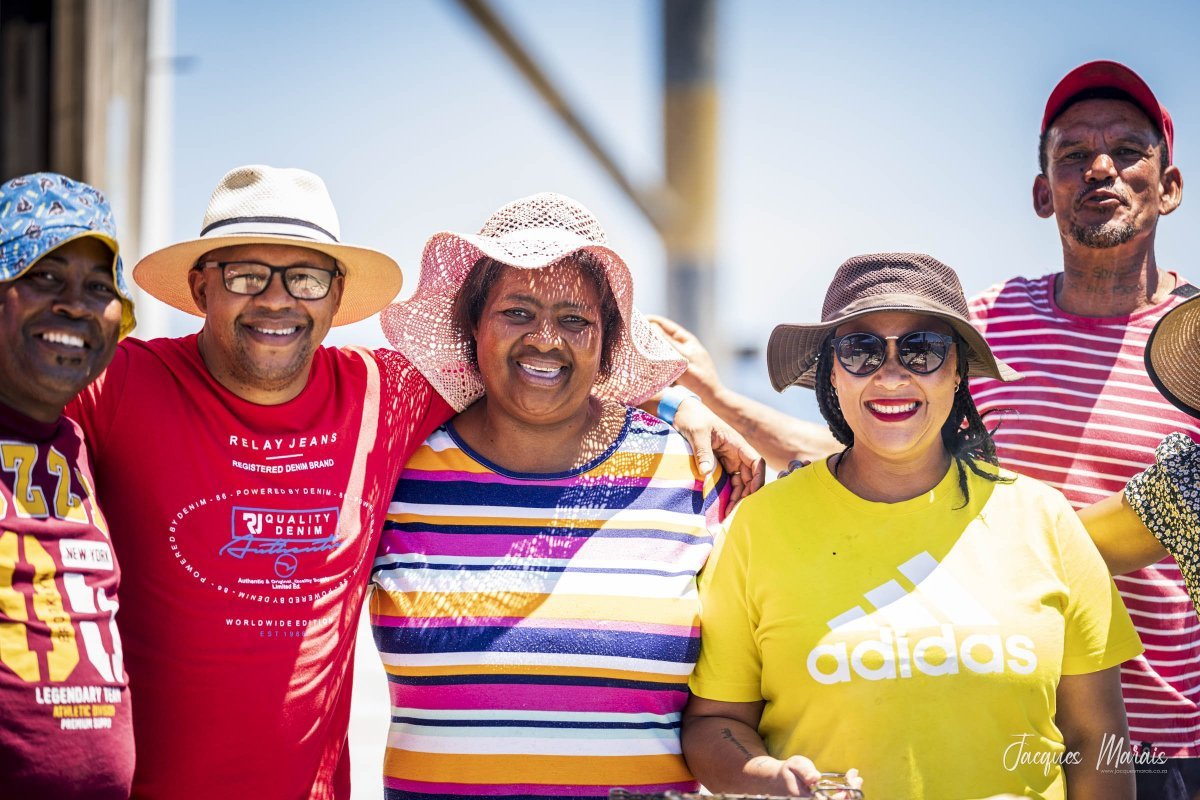
I am sure thousands of ethical recreational sport divers agree, as would the entire population of Doring Bay. There may only be 52 people working at the DBA factory, but each one supports a household, and the positive knock-on effect through tourism, small business, and entrepreneurship is incalculable.
The ABC of abalone
South Africa’s West Coast pulses with the rhythm of the ocean, and humans have depended upon the icy, yet bountiful, waters of the Atlantic since time immemorial. Thousands of shell middens line the coast, telling a tale of our early Khoi ancestors who lived here in harmony with the ocean.
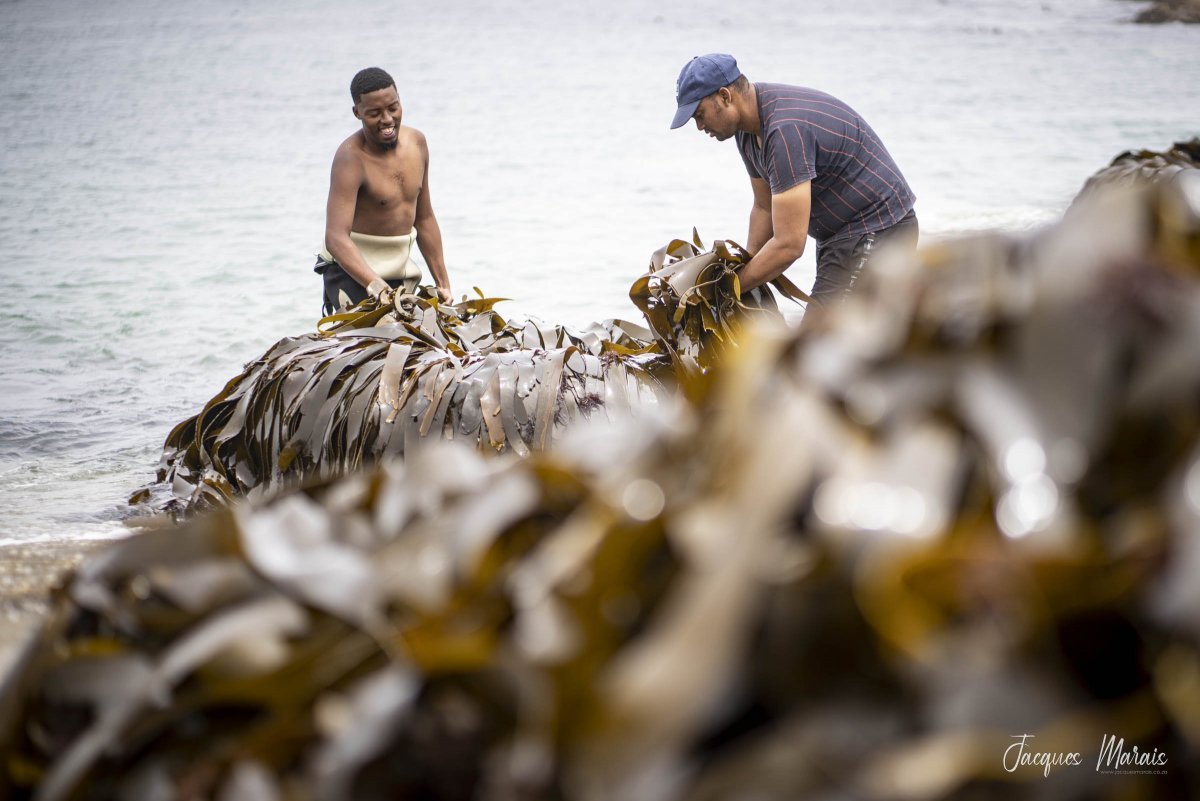
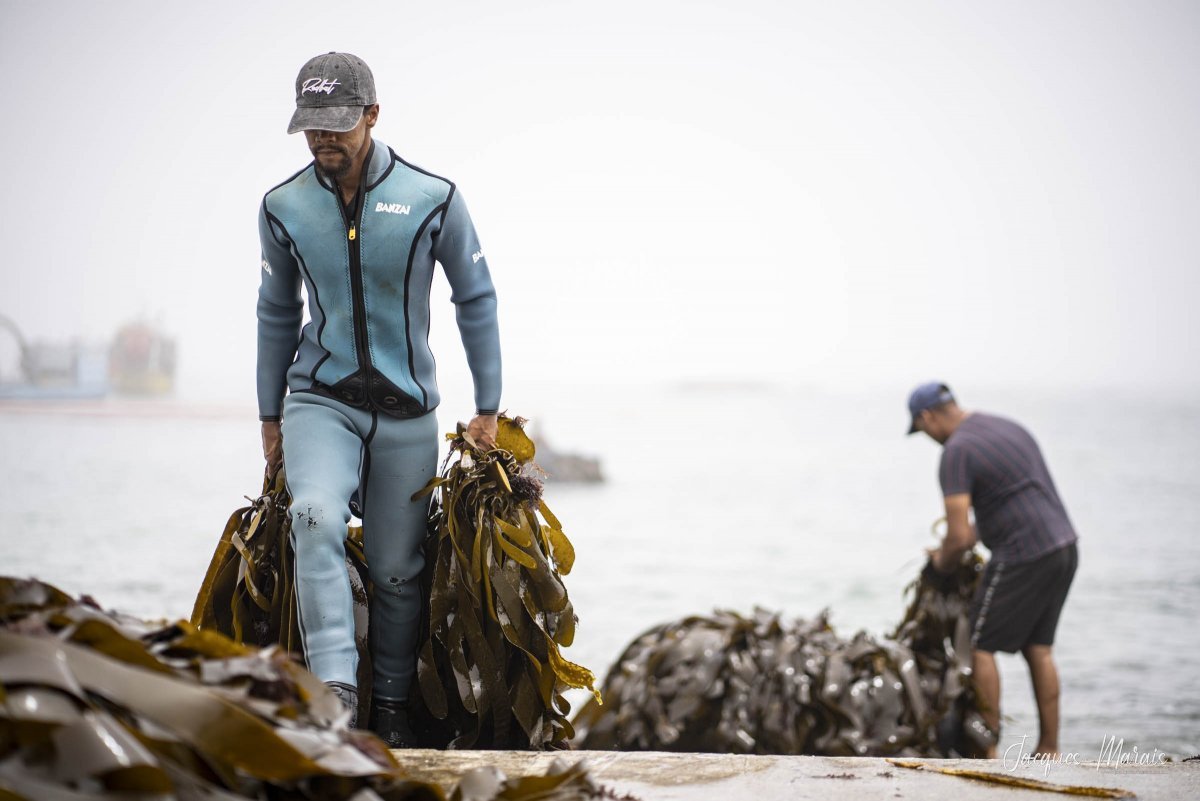
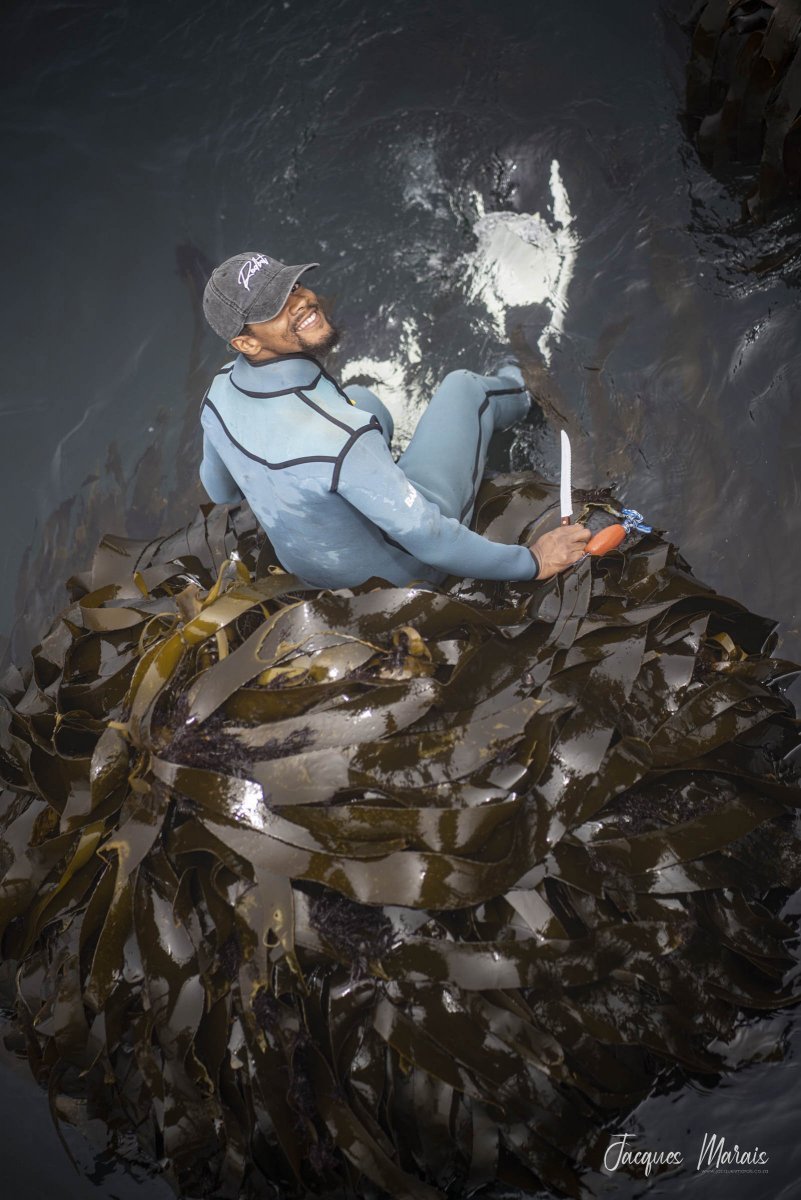
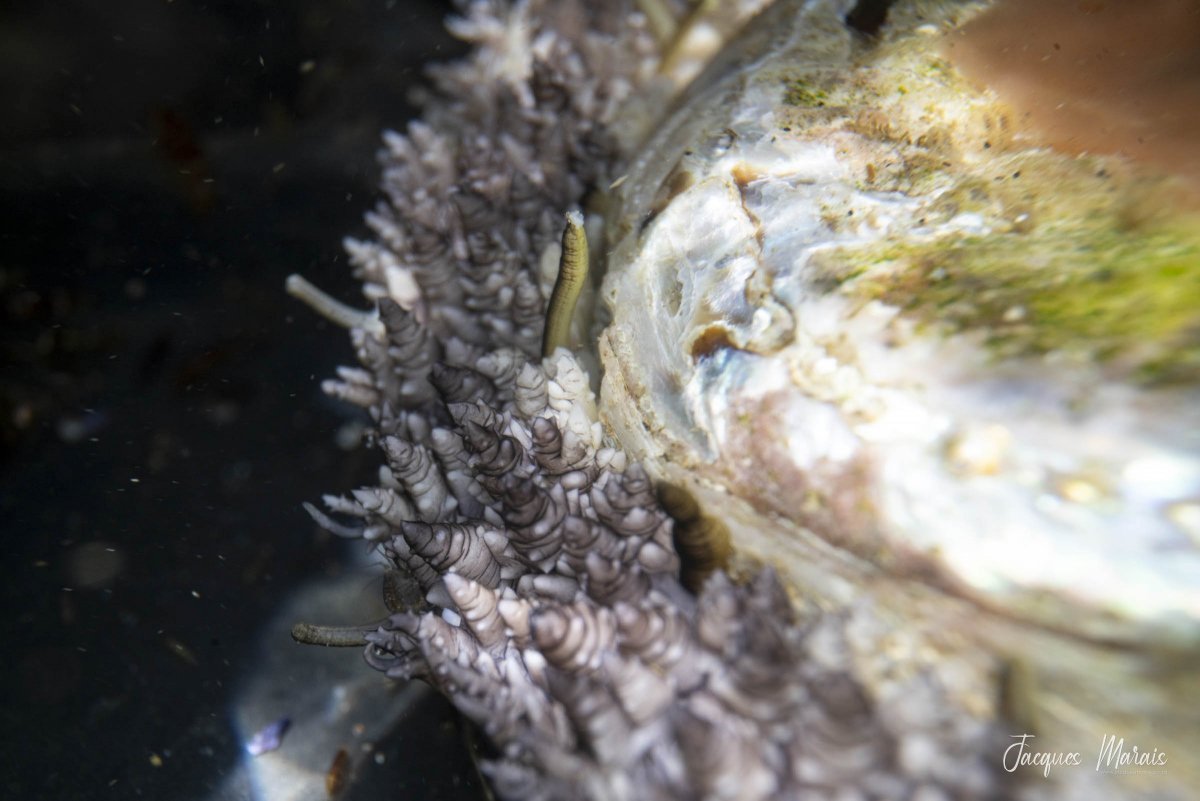
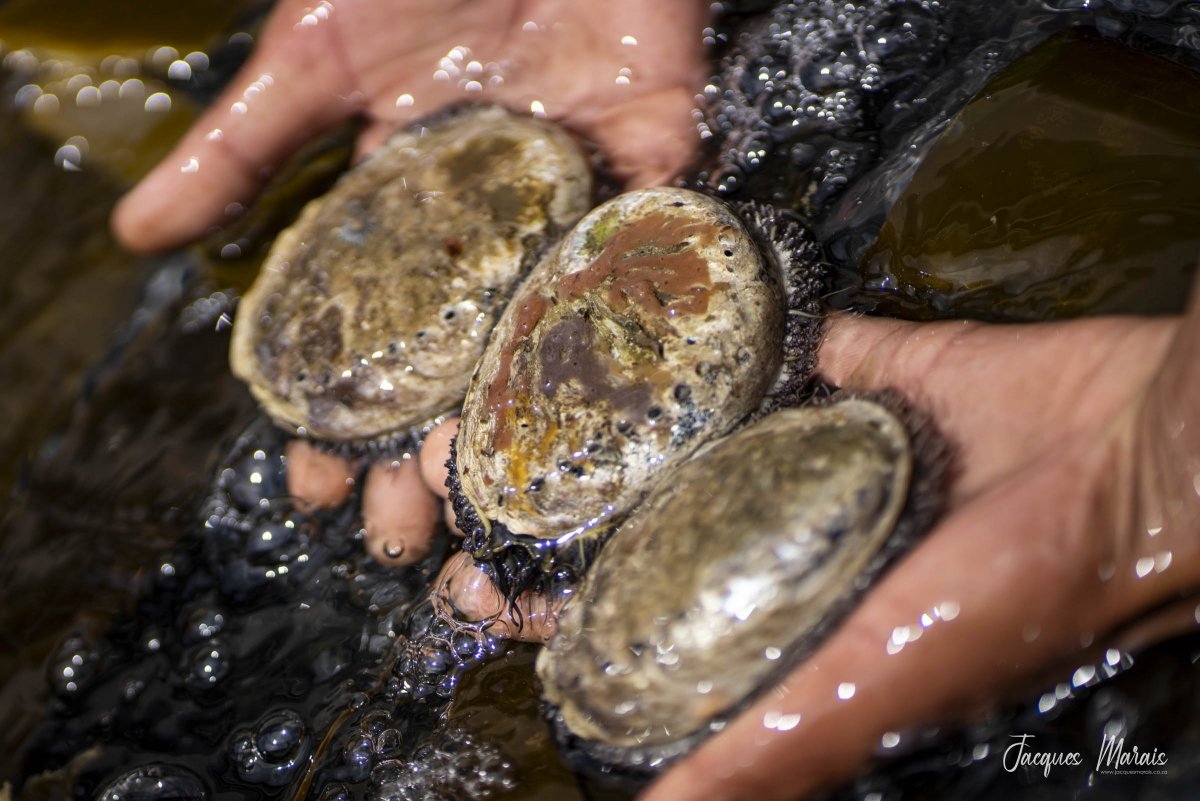
One of the marine species which helped sustain them was abalone, a mollusc known as haliotis midae. This simple herbivore subsists on bits of kelp and other seaweeds, not only filtering the ocean water, but also “vacuuming” the ocean floor.
The name perlemoen originates from the old Dutch term paarlemoer, and means mother of pearl. This elusive sea creature is deeply intertwined with the lives of the people of the West Coast, but unfortunately unsustainable fishing practices have put the species under immense pressure.
Twenty of the world’s 54 known abalone species are under threat of extinction, with the IUCN Red List including haliotis midae as “endangered”. Perlemoen is one of the world’s most expensive ocean delicacies, and with rampant poaching, an increase in ocean mining, and global warming, sustainable farming is its only hope for survival.
The DBA project by numbers
52: The current number of full-time employees working at Doring Bay Abalone.
1 200: The population of Doring Bay.
60: Tonnage of abalone produced annually by the DBA factory.
1 350: The price in rand (per kilogramme) of abalone sold on the open market. When dried, the price can rise to R1 550/kg.
10 000 000: The estimated number of abalone illegally harvested from South Africa’s oceans between 2000 to 2016 (according to the UK-based organisation Traffic).
3 000: The current tonnage of abalone poached in South African waters (as per a 2022 report by Global Initiative, a Swiss civil society organisation).
37: The percentage of Doring Bay Abalone owned by the local community.
8-9: Years it takes an abalone to reach sexual maturity.
350: In grams, the preferred weight of an individual abalone exported to the international market.
3: The number of abalone species found in SA waters.


Gallery