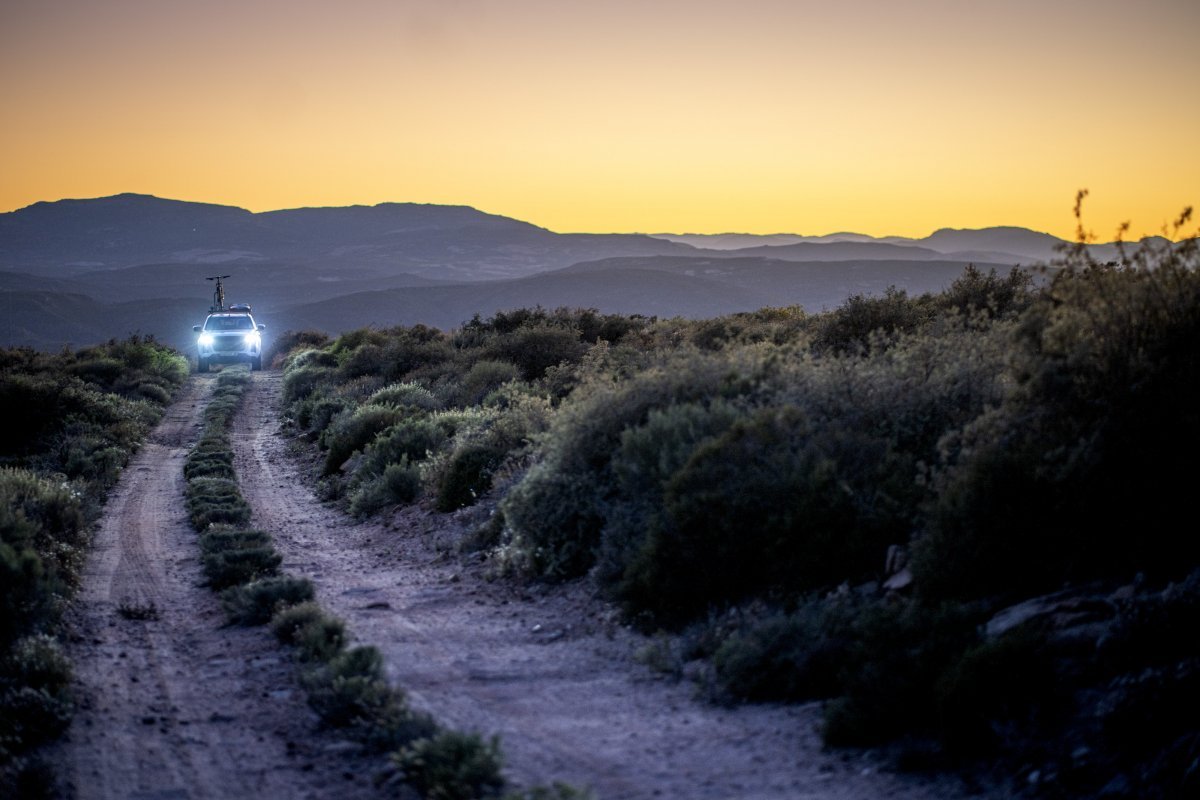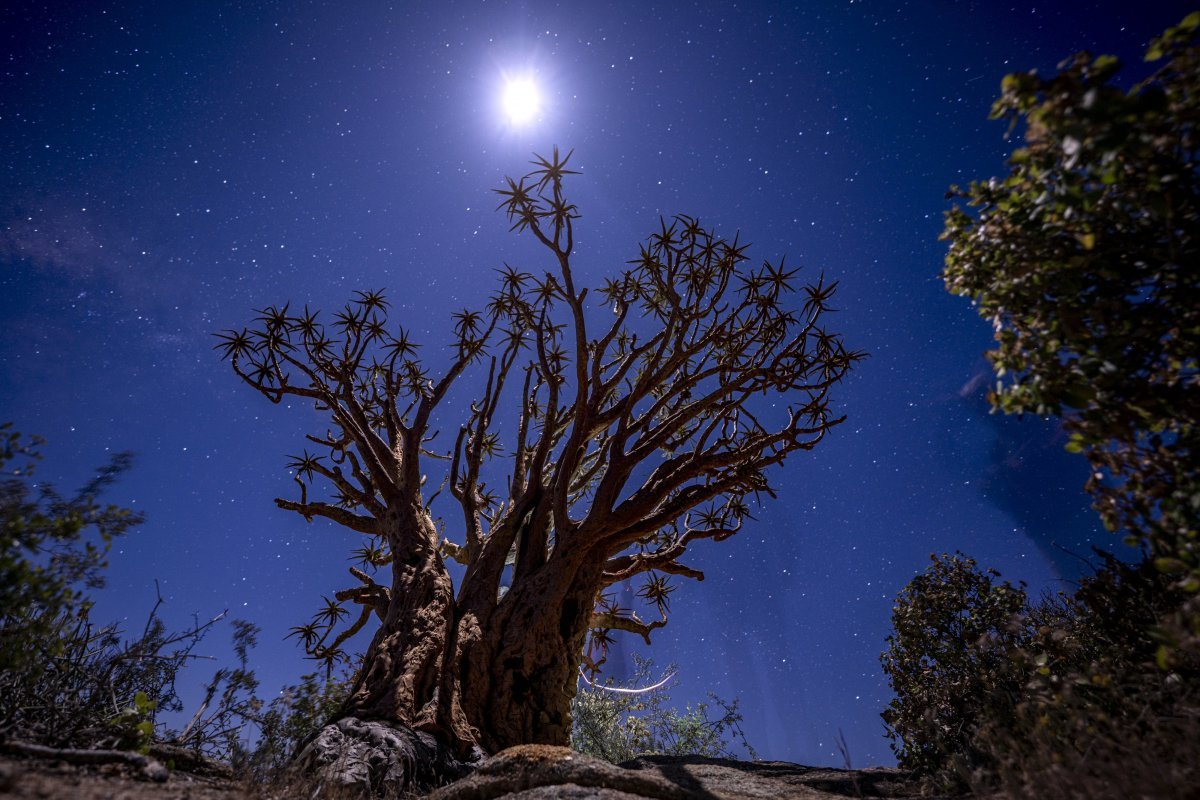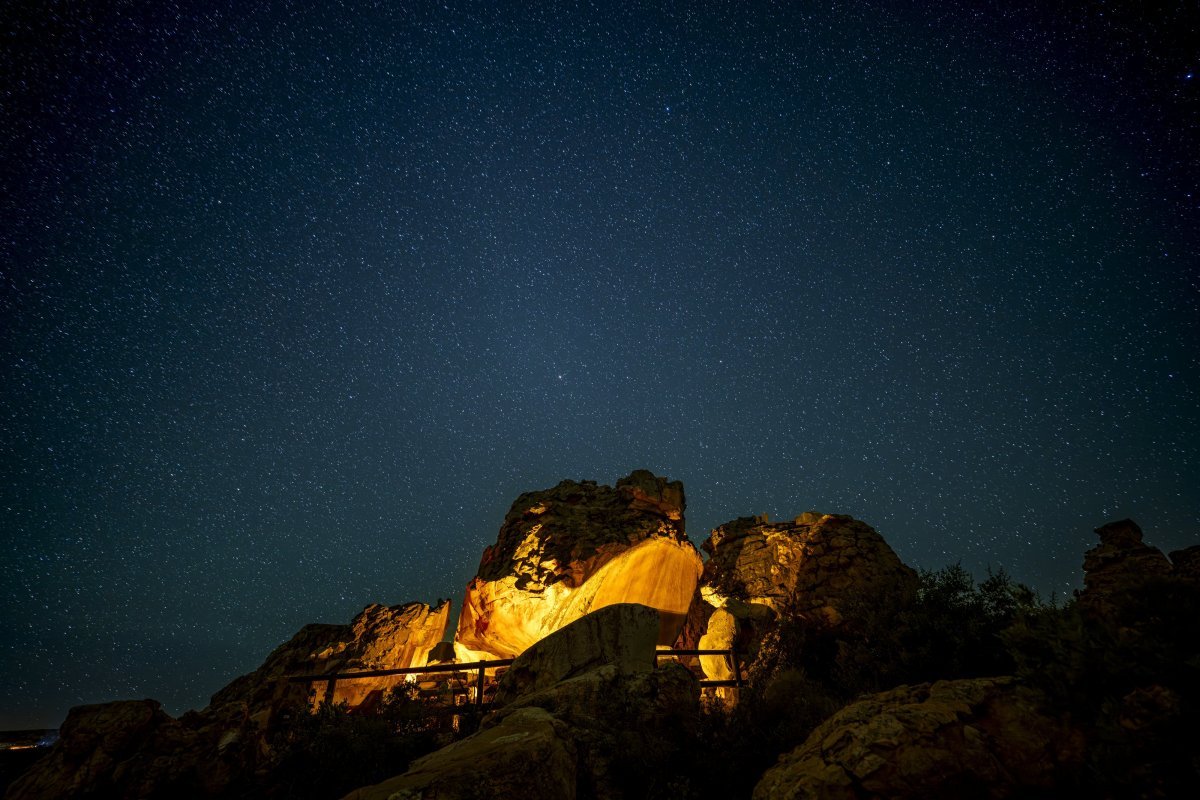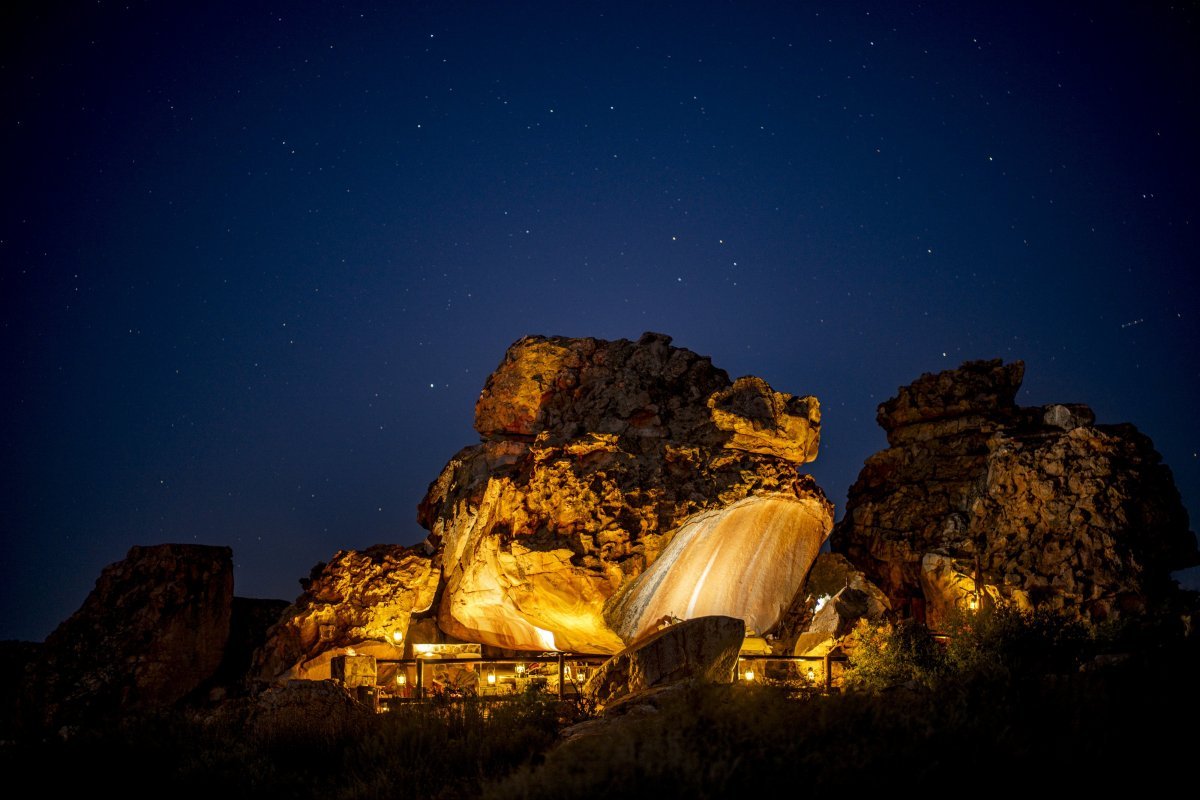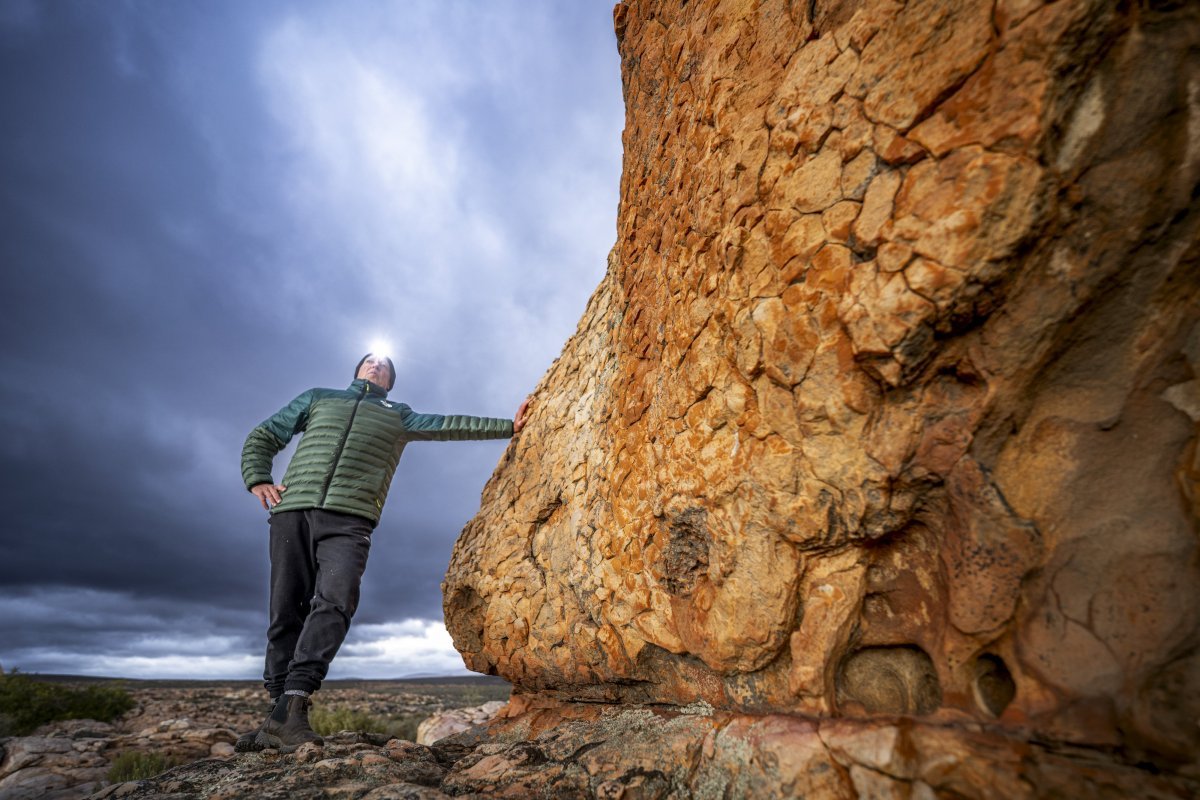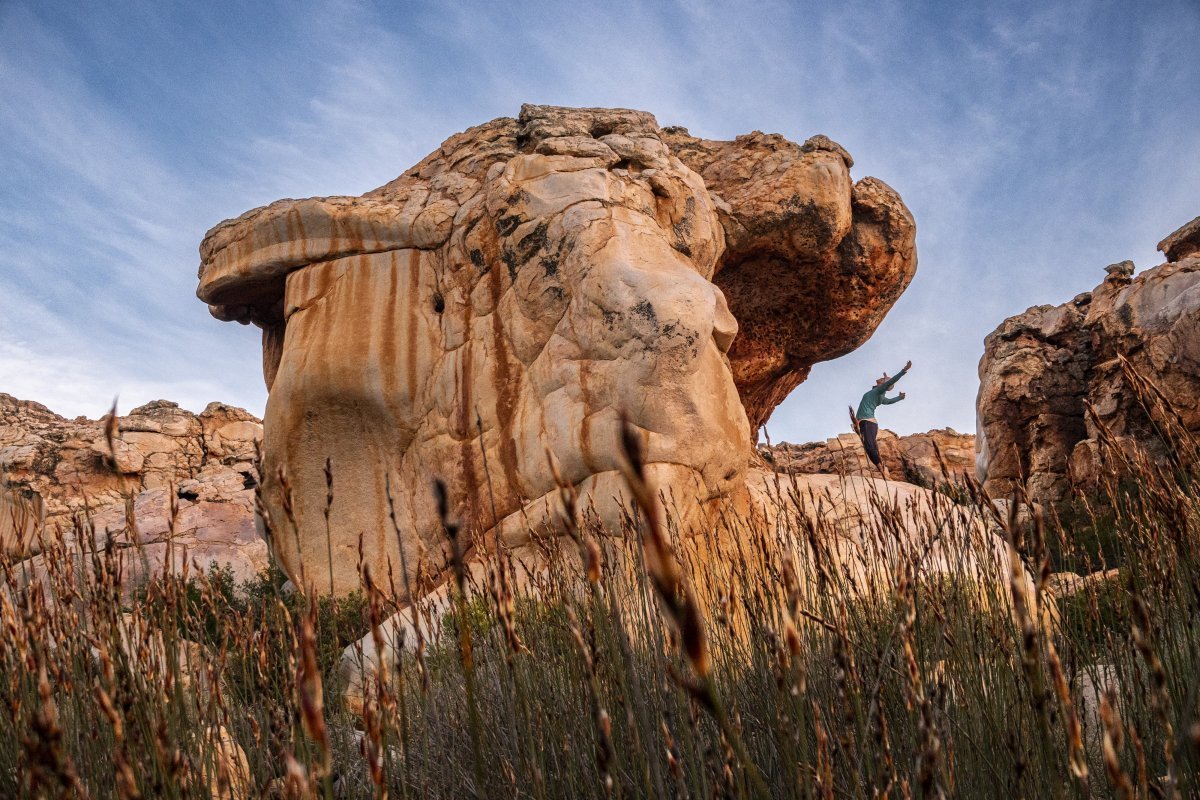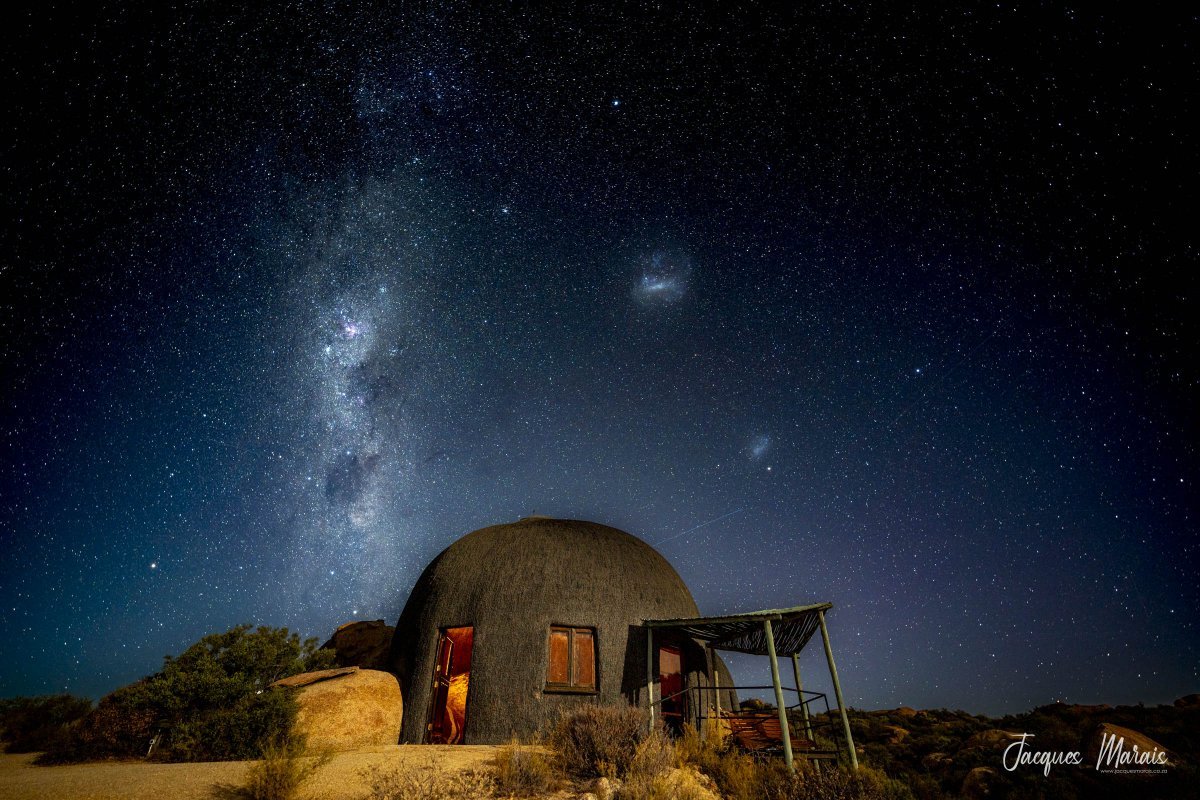

Midway between the Cederberg and Ceres-Karoo, at the end of a meandering gravel road, a place of absolute tranquillity awaits. This space of convoluted sandstone and restios fields is Kagga Kamma Nature Reserve, named aeons ago by hunter-gatherer tribes as the “place of water”.
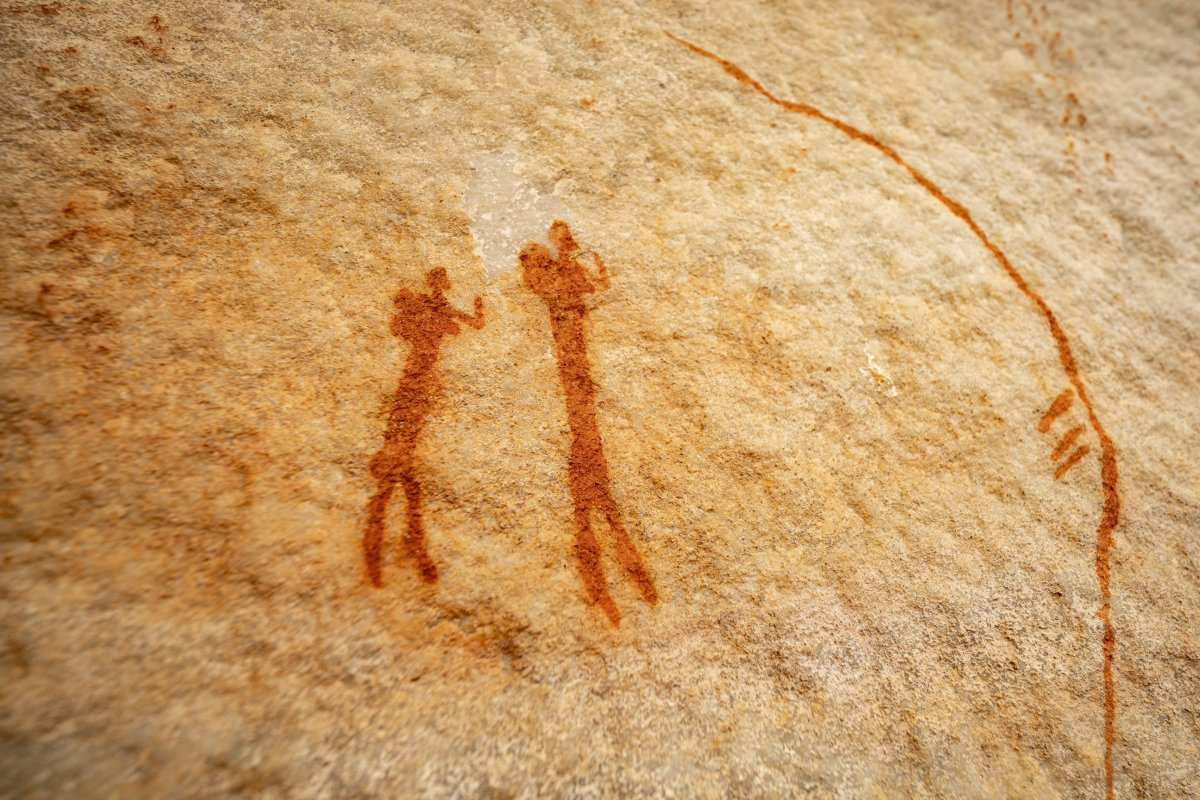
During the late Stone Age, San Bushmen people would have roamed these fynbos plains abutting the southern tip of the Cederberg ranges, with Khoekhoe pastoralists arriving around 2 000 years ago. Today, you can still sense the spirituality of these early wanderers infused within the dramatic Kagga Kamma landscape.
The ecosystem here is shaped by an enthralling mix of biomes, blending karroid and arid fynbos vegetation. An arid and treeless landscape equated to harsh conditions, but the near-endless views across the minimalist plains would surely have enthralled the early inhabitants of this land.
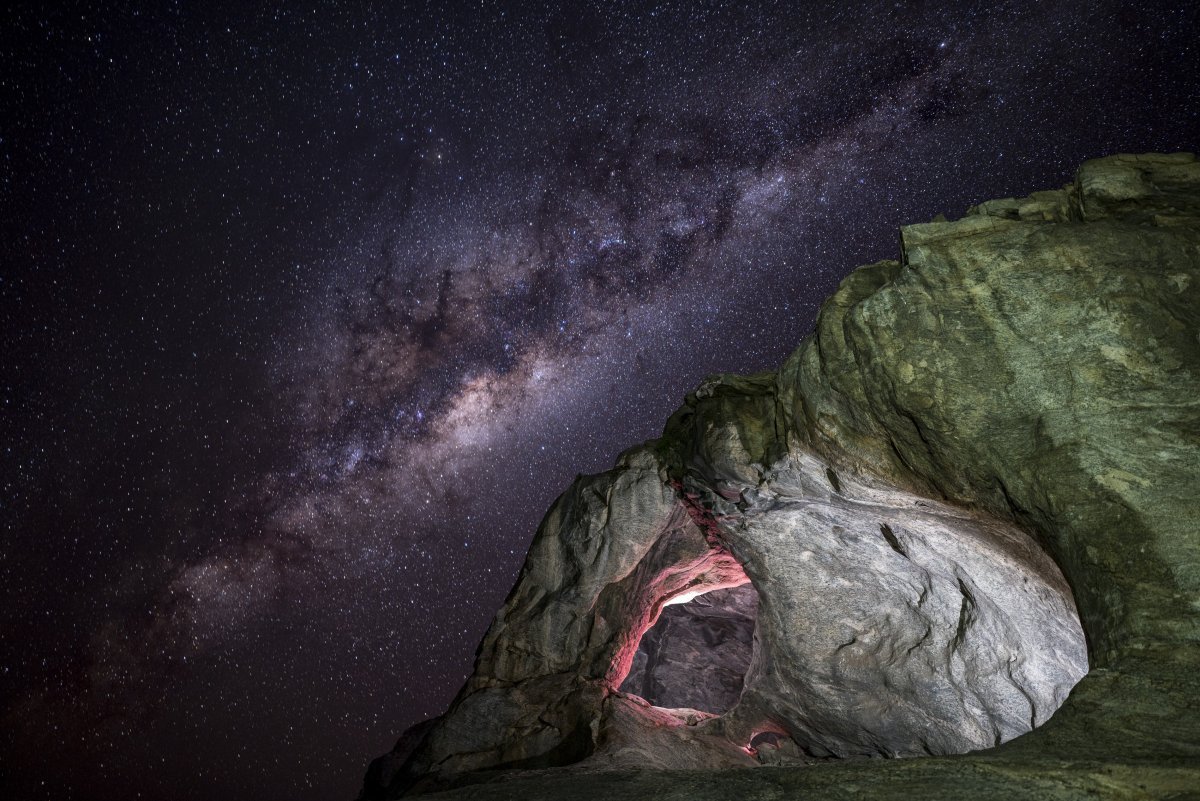
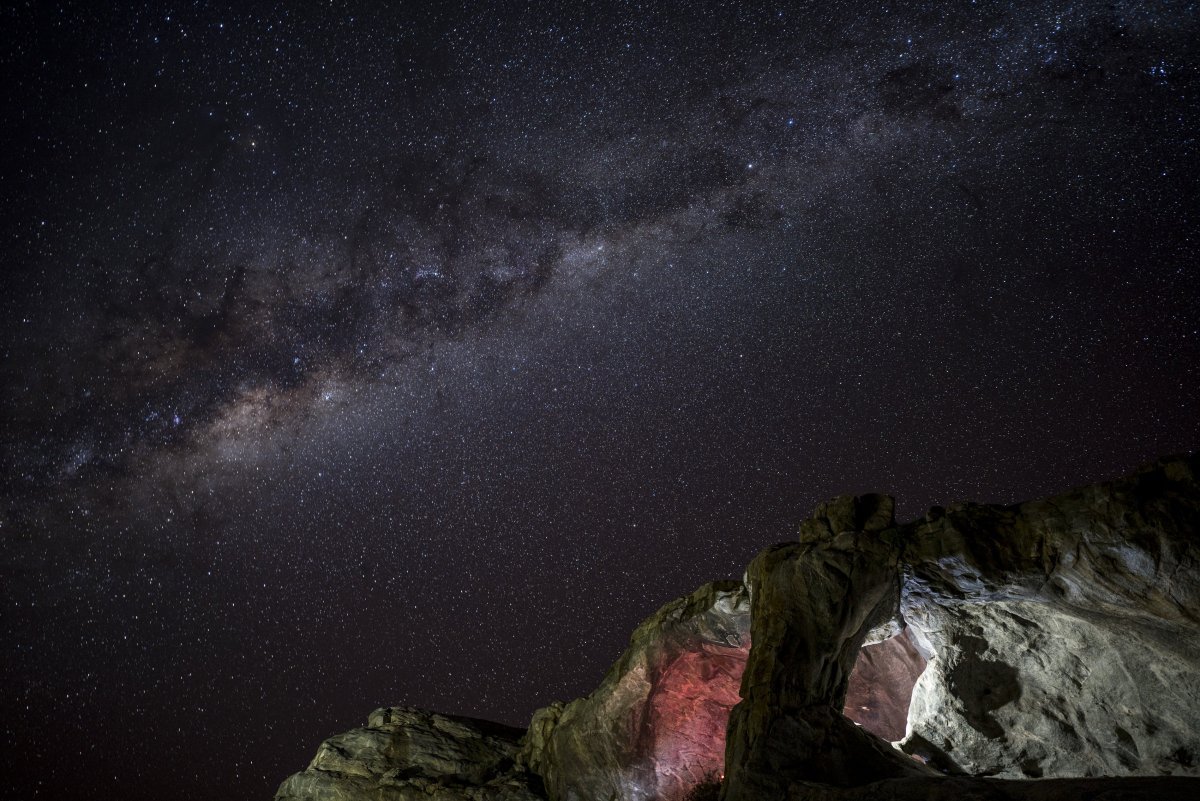
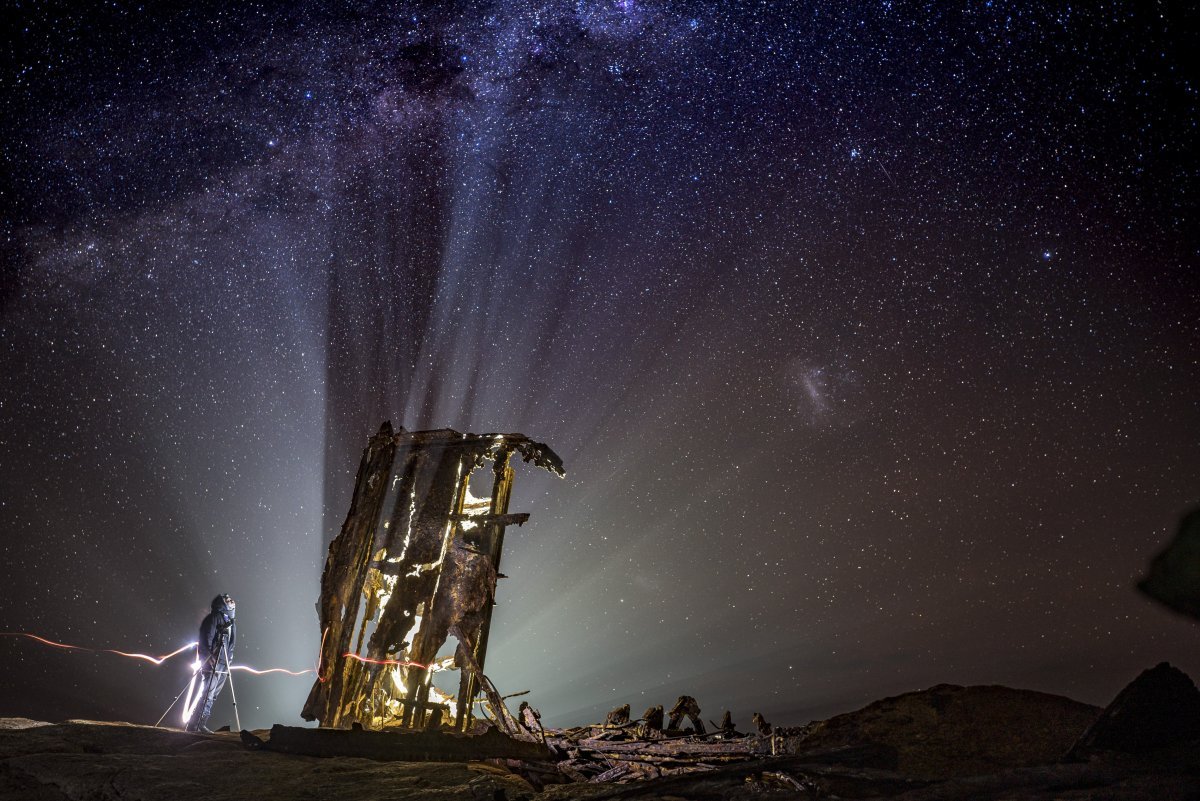
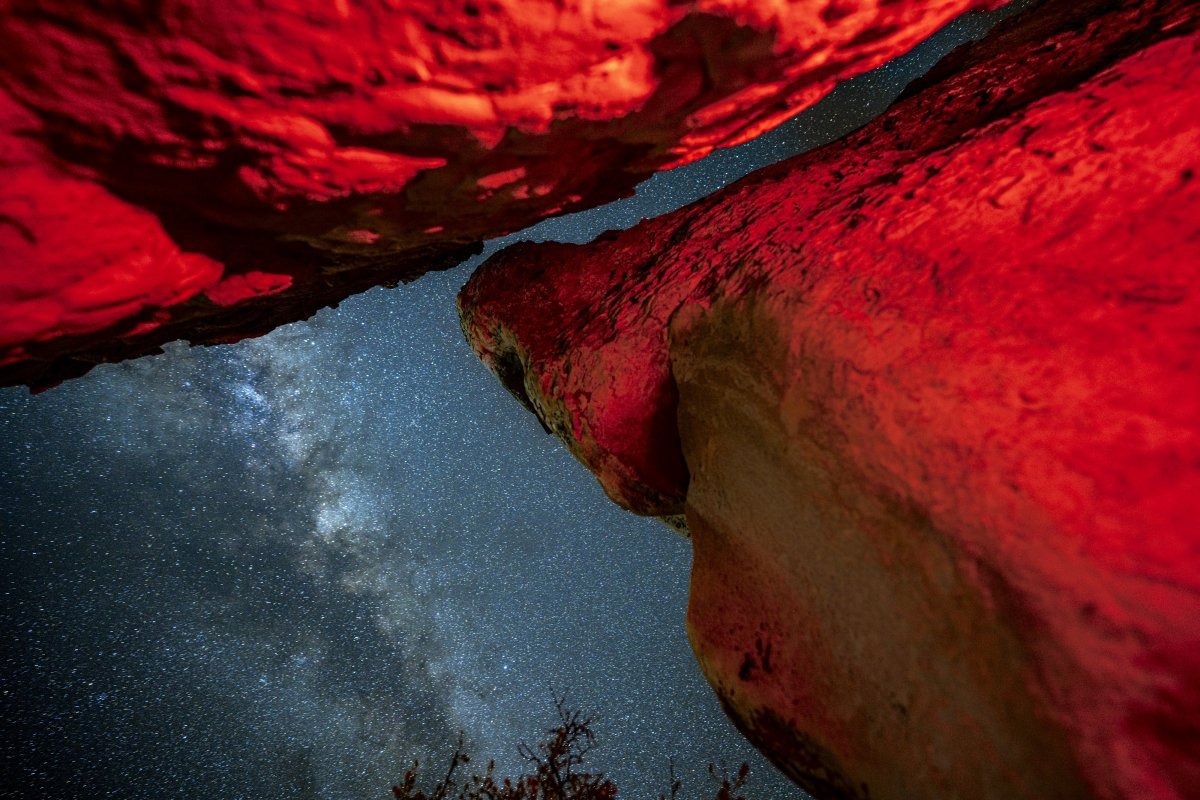
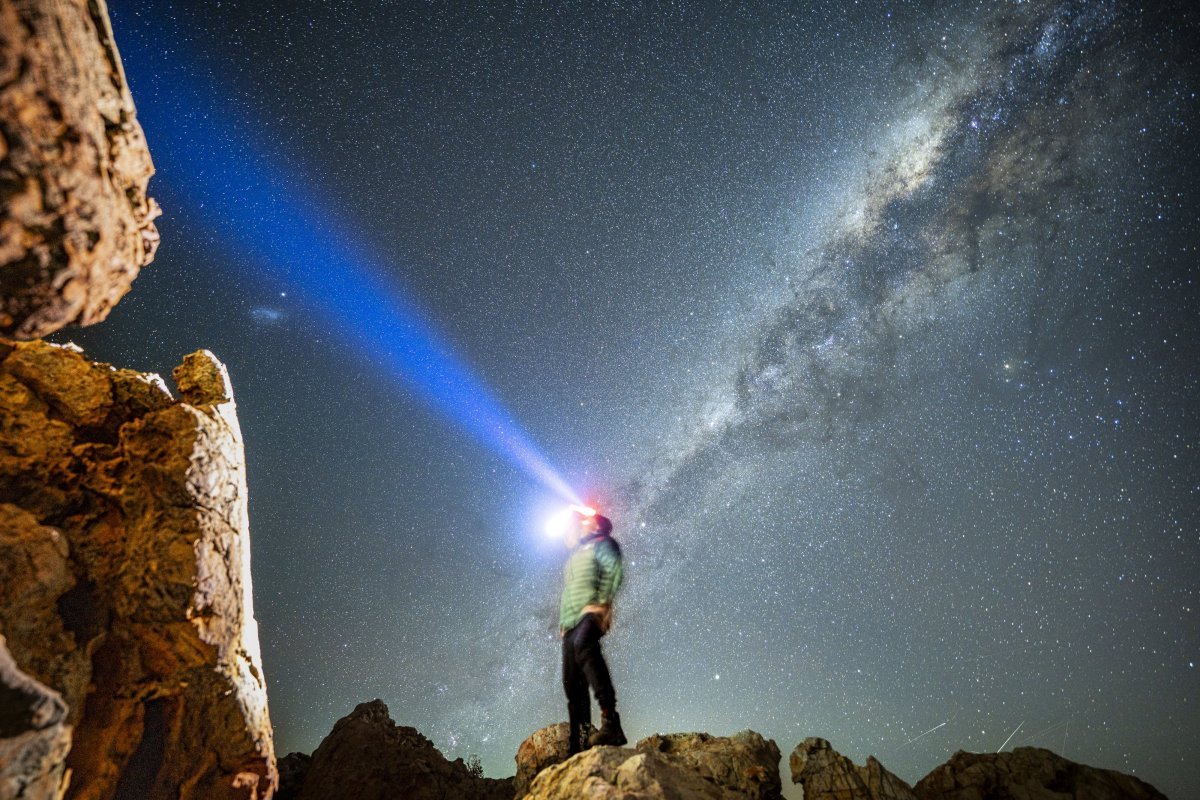
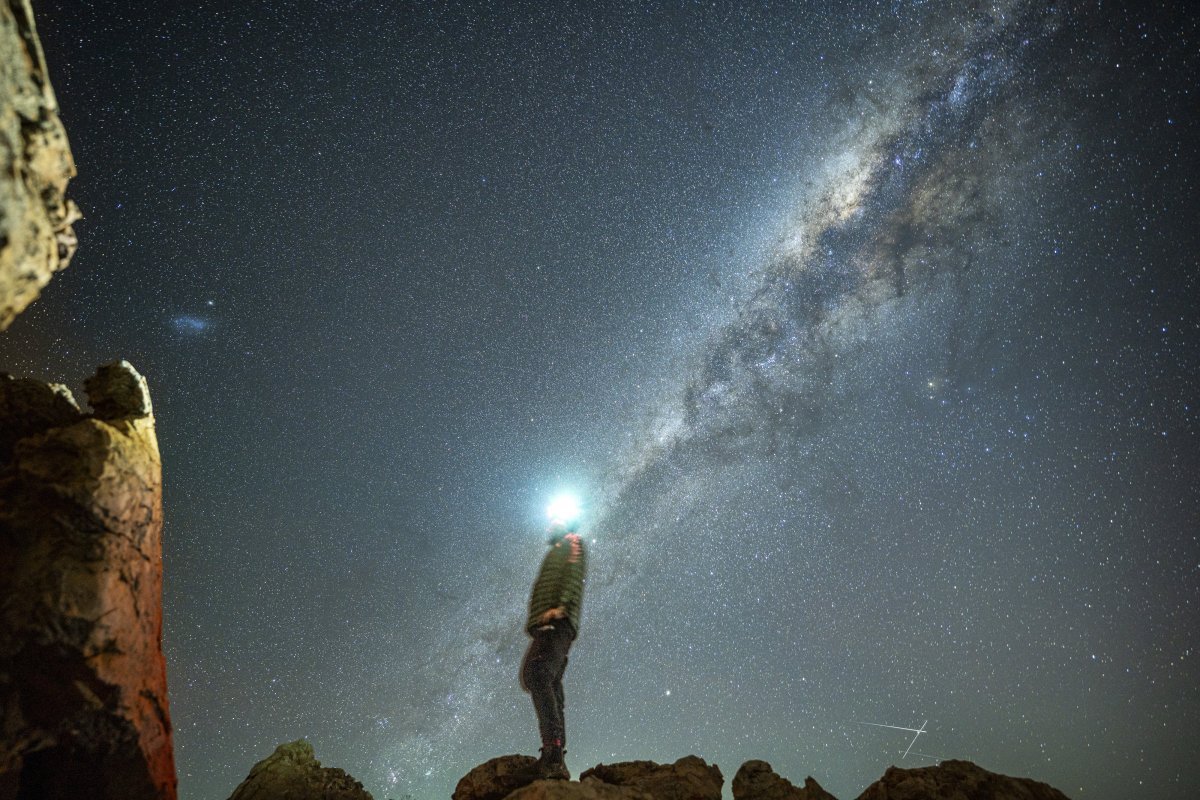
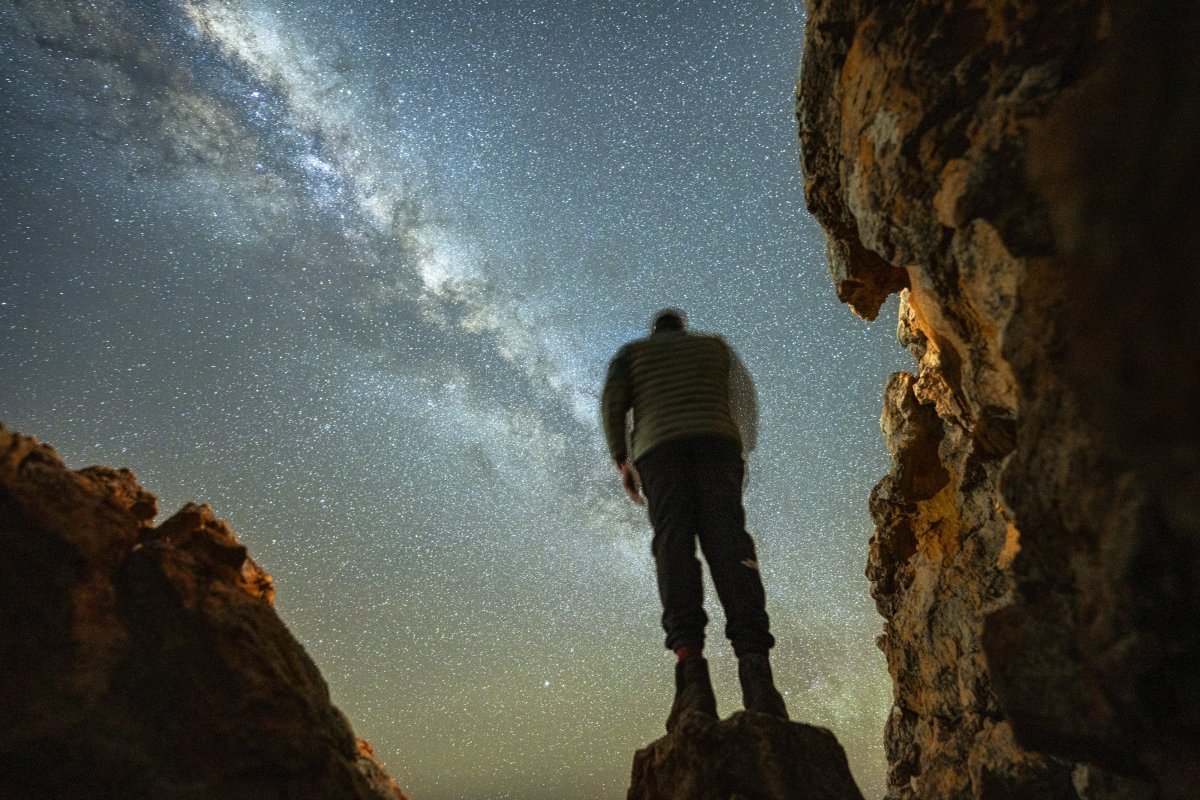
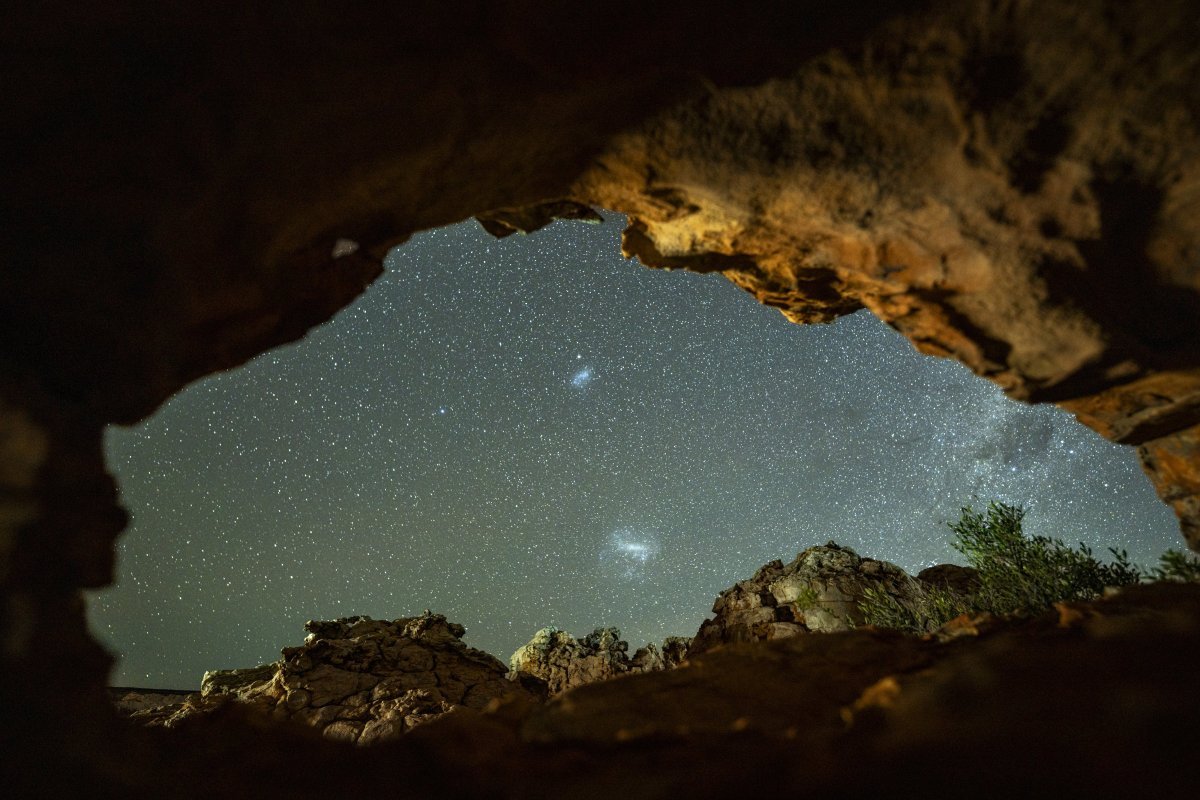
The glittering night skies would have piqued their interest, too, and this fascination with the celestial heavens is captured in paintings at many rock art sites across the reserve. These “billion-star” heavens have always been at the heart of Kagga Kamma’s guest experiences, but their contemporary “noctourism” offerings have now gone stellar.
Nocturnal affairs
Curated nocturnal experiences have become a booming travel sector market, with astrophotography, stargazing, and cosmology capturing the imagination of tens of thousands of local and international visitors. “Kagga Kamma is blessed with superb night skies,” explains Kagga Kamma board member Louis Loubser, “and, as such, stargazing sessions and fireside storytelling have always been a firm favourite activity with our guests.”mil
Technological advances in digital imaging equipment, optics, and global connectivity have changed how we interact with the night skies. This new generation of telescopes and improved global positioning systems (GPS) tools enable destinations to progress beyond a laser pointer and standalone telescope, and Kagga Kamma has gone all-in in its “race for the stars”.
Its remote observatory came online in October 2025, and was set up to be fully operational by year-end (at the time of writing). “The remote observatory is currently equipped with fifteen piers, each accommodating a digital camera-telescope,” explains Loubser.
The pier is an electronically connected mount on a slider mechanism, controlled remotely. These units are then linked by high-speed internet to astrophotographers and astronomers around the world, allowing them to remotely experience the Northern Cape’s unpolluted skies, no matter what the local observation conditions may be where they live. The piers are rented on a monthly basis and the majority have already been snapped up by eager cosmologists and astronomy enthusiasts.
Sites such as Kagga Kamma offer a range of piers with optical connections from around $99 to over $1 000, depending on the size and quality of the camera, speed of connection, and rental duration. Basic maintenance, equipment upgrades, and a host of other services are also available.
The remote observatory at Kagga Kamma was pioneered by Professor Peter Dunsby, a leading cosmologist at the University of Cape Town. “This partnership places innovative technology on-site and will aim to preserve the pristine night skies, in the process making world-class astrophotography and astronomy accessible to a host of enthusiasts around the world,” he says.
The true catalyst behind the local boom in remote observatories and dark-sky reserves lies in the unmatched quality of South Africa’s magnificent night skies. The arid and relatively unpopulated interior boasts exceptionally low light pollution, on par with or better than anywhere else in the Southern Hemisphere.
Night skies are rated according to the Bortle scale, a nine-level numeric method devised to measure night-sky brightness in a particular geographical location. Named after the amateur astronomer who created the scale in 2001, it takes into account both the observability of prime celestial objects, as well as interference potentially caused by light pollution.
Class 1 describes the darkest skies on planet Earth, while class 9 refers to inner-city skies, based on the visibility of notable celestial objects (such as the Milky Way), taking into account NELM (naked-eye limiting magnitude) and SQM (sky quality meter), a measurement of “sky-glow” projected against the horizon by distant towns.
Remote observatory clients can view on-site camera feeds, real-time logs, weather data, and the likes at any time, and have full control over their system status at any given moment. Obviously, state-of-the-art remote observatories require substantial capital investment, which means smaller concerns may need to revert to a Plan B.
Naries Namaqua Retreat is one such destination, and its approach currently blends solo celestial activities with immersing guests in nature, under a glittering, star-filled sky. Mobile glamping units and wild camping sites are being developed in suitably low light pollution areas, allowing guests to bring and set up their own telescopes and photography equipment for an undisturbed evening of stargazing.
Naries is located in the remote reaches of Namaqualand with an elevation well above sea level, and far from city lights and coastal humidity. The stable, arid climate and minimal light pollution at its wilderness sites guarantee 200-plus clear nights per year, making it a fabulous destination for astrophotographers.
These destinations may have differing approaches to “noctourism”, but both benefit immeasurably from one basic benchmark: exceptional night skies. This, then, is where we need to explore the importance of dark-sky reserves, and who the entities would be that will act to protect this transient resource.
The inherent value for SA’s tourism sector is undeniable, as the global nocturnal tourism market reached $1.45 billion in 2024. This expands to a compound annual growth rate of 11.7% from 2025 to 2033, reaching an estimated $4.09 billion by 2033.
Nocturnal tourism has shown consistent growth over the past two decades, with the expansion stemming from various factors. Key trends include a travel market sector in search of authentic small-group experiences, and a rising demand for meaningful entertainment activities at night.
Whichever way you look at it, “night fever” has arrived in South Africa, where ironically, instead of pushing for a bright future, we’re hoping there will be dark times ahead.
The benefits of dark arts
The current upswing in the popularity of dark-sky reserves extends beyond scientific or astronomical research. These “sanctuaries of light” will help support educational outreach initiatives and inspire both curiosity and learning across all demographics.
Alarming research shows that light pollution increases globally at a rate of 7-10% per annum, with genuinely dark locations becoming ever scarcer and more valuable. This is especially true for densely populated first-world countries throughout Asia, Western Europe, and the United States.
The groundbreaking work of Kagga Kamma and Professor Dunsby envisions the creation of a dark-sky sanctuary that will not only honour the cultural legacy of the Khoi and San peoples, but also stand proudly as an unmatched celestial experience for future generations to come.
These are some of the benefits of dark-sky reserves:
- Environmental conservation: Restoring and conserving nocturnal environments through limiting the impact of light pollution on wildlife, on plant life, and importantly, on human health.
- Cultural heritage: Safeguarding the night skies for societies throughout history, thus preserving indigenous traditions.
- Scientific research and education: Allowing astronomers and researchers to observe celestial phenomena with minimal light interference equates to more accurate astronomical data.
- Human well-being: Reducing the disruptions to our circadian rhythms will improve our sleep quality, and our physical and mental well-being.
Business after dark: who are the main players?
Currently, the clarity of our skies – together with our stable climate and cloudless weather patterns – place southern Africa at the cutting edge of global astronomical research. Various entities on the sub-continent – including the South African Large Telescope (Salt), SKA (Square Kilometre Array), South African Astronomical Observatory (SAAO) and Dara (Development in Africa with Radio Astronomy) – could in theory cement this leadership in astronomy and related technologies.
Salt is in Sutherland, about 400km from Cape Town. Perched upon the edge of a 1 800m plateau, in a semi-arid and light-free setting, the observatory has an 11m segmented mirror to make it the largest single optical telescope in the southern hemisphere. Established in 1972, Salt has been at the forefront of optical astronomy in Africa for decades.
SAAO oversees all research linked to the facilities at Sutherland.
Separate to this regulatory body, SKA stands centrally to the massive advancement in radio astronomy throughout South Africa. Phase 1 deploys 197 dishes in the Karoo (SKA-Mid) alongside 131 072 low-frequency antennas in Australia (SKA-Low), creating the world’s largest radio telescope array. Managed by SARAO (the SA Radio Astronomy Observatory), SKA-Mid scans the universe in unprecedented resolution, driving breakthroughs in both cosmology and astrophysics, thanks to its exabyte-scale data streams capabilities.
Finally, Dara equips specialists from eight African countries to support SKA and smaller observatories. It partners with Kenya’s Turkana Basin Institute to build skills in astrophysics and radio astronomy through online lectures, HartRAO radio labs and a two-week optical field school.
Together, these entities underpin public outreach initiatives and help attract tourists and students eager to explore the cosmos. Their operations foster high-performance computing, big data analytics and engineering skills that benefit broader science and industry across Africa.
All in all, this positions South Africa as a prime player, both in Africa and the world. Each new discovery and each trained specialist enables us to further secure our place in the global astronomical community, hopefully allowing future generations to continue to gaze upon the universe in its full, all-star glory.
Astrophotography 101: shooting for the stars
There is something decidedly primal in being outside under a star-studded firmament with the whole of the Big Bang premiering around us. This cuts to the very bone of our finite human existence, juxtaposing us as Carl Sagan’s “mote of dust” within the largeness of the cosmos.
Visually capturing those celestial fireworks is a dream for many a photographer (and a nightmare to get right). Astrophotography can be as simple or as complex as you want it to be, though.
At its most simplistic, you set up your camera on a tripod, open the lens aperture as wide as possible, set it on self-timer, and you’re good to go. There are a few ground rules to keep in mind, though…
Night photography is by its very nature low on light, so boost your ISO (this is a reference to the sensitivity of your camera sensor). Also, the faster your lens (read: the wider the aperture can open), the easier it is to capture that perfect shot.
If you want the stars to be pin-sharp, keep your exposure to a maximum of 20 seconds, otherwise the rotation of the earth will start deforming and blurring the stars. Some shooters enjoy this “rice kernel” effect and amplify it by capturing multiple images and overlaying (or stacking) them.
GETTING THE SHOT
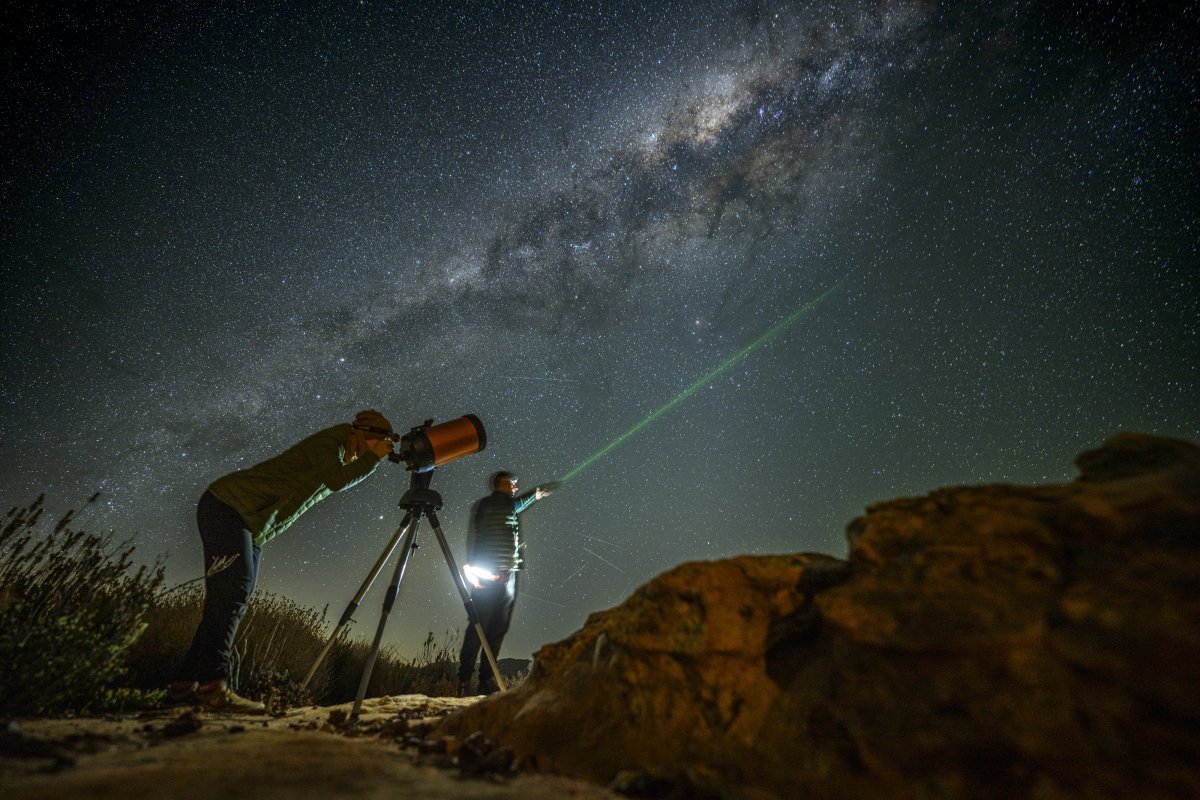
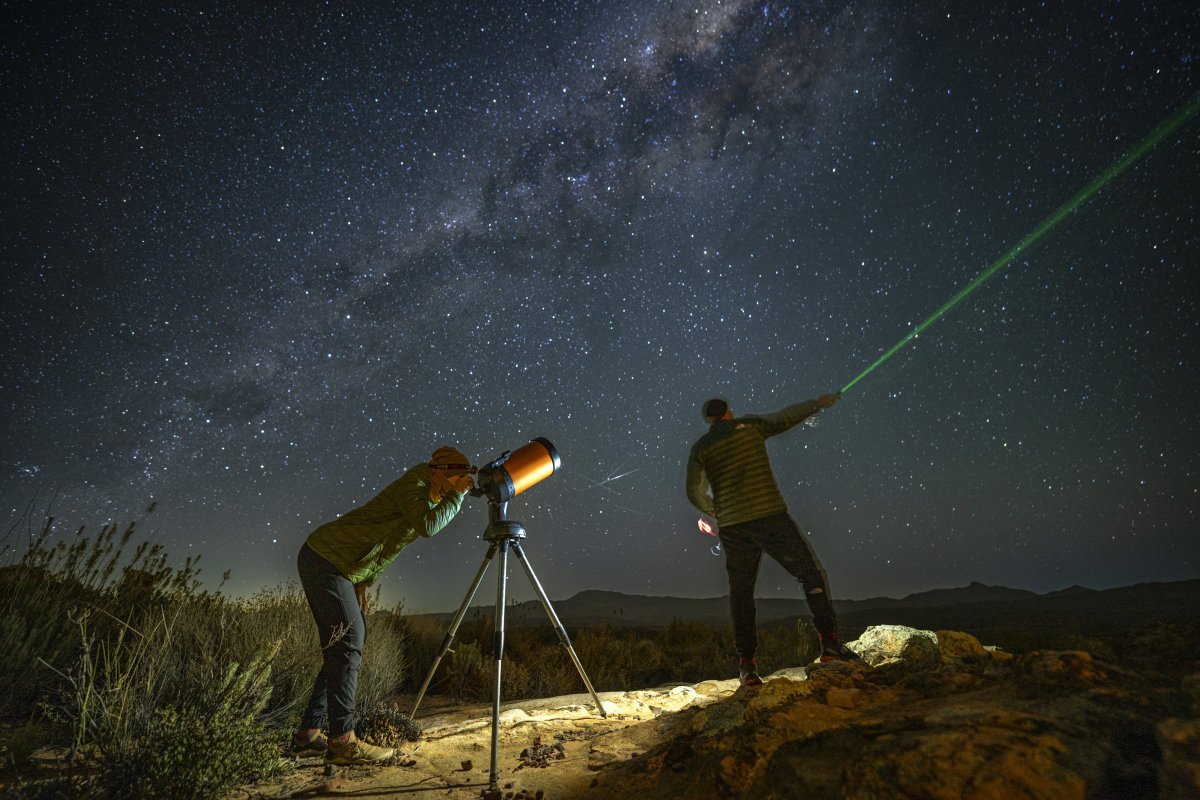
Wandering on the arid and ancient Northern Cape plains at night nearly guarantees impressive astrophotography imagery. I set this image up at Kagga Kamma Nature Reserve, shooting from a low angle to silhouette the telescope and subjects against the vast expanse of the sky.
I shot on a 30-second exposure to capture some movement in the stars, and everyone had to freeze for the duration to avoid foreground blurring. A small laser torch was used to add a dash of fill-in light on the subjects and telescope.
TECH SPECS:
Camera: Sony Alpha A7r3 Mirrorless
Lens: Zeiss 20mm
Shutter speed: 30 sec
Aperture: f1.8
More information at www.jacquesmarais.co.za.


Gallery