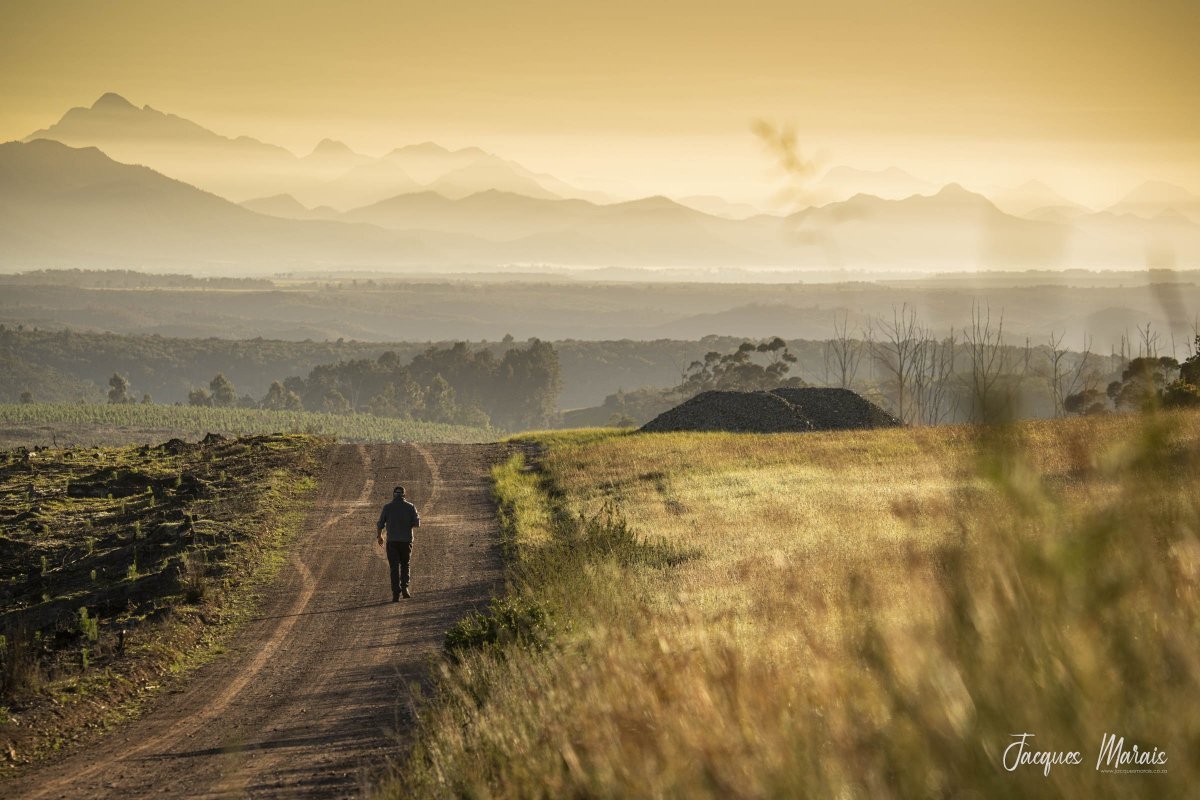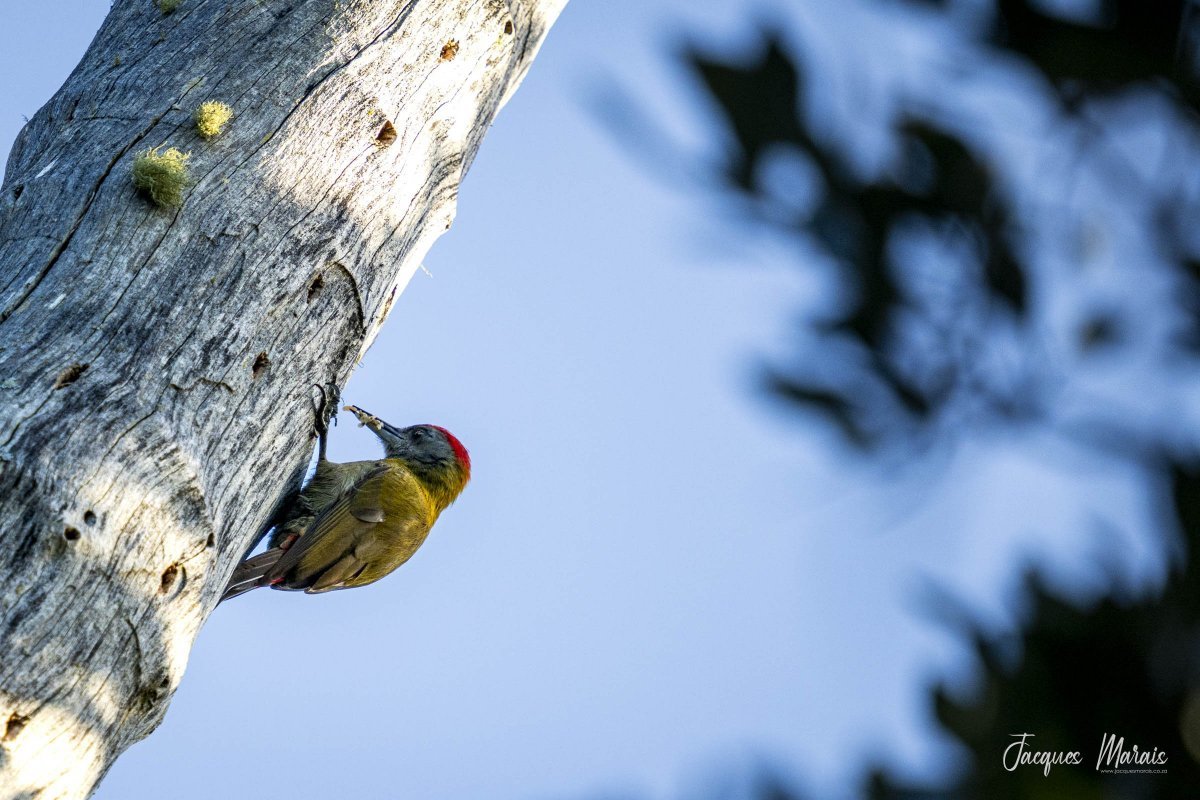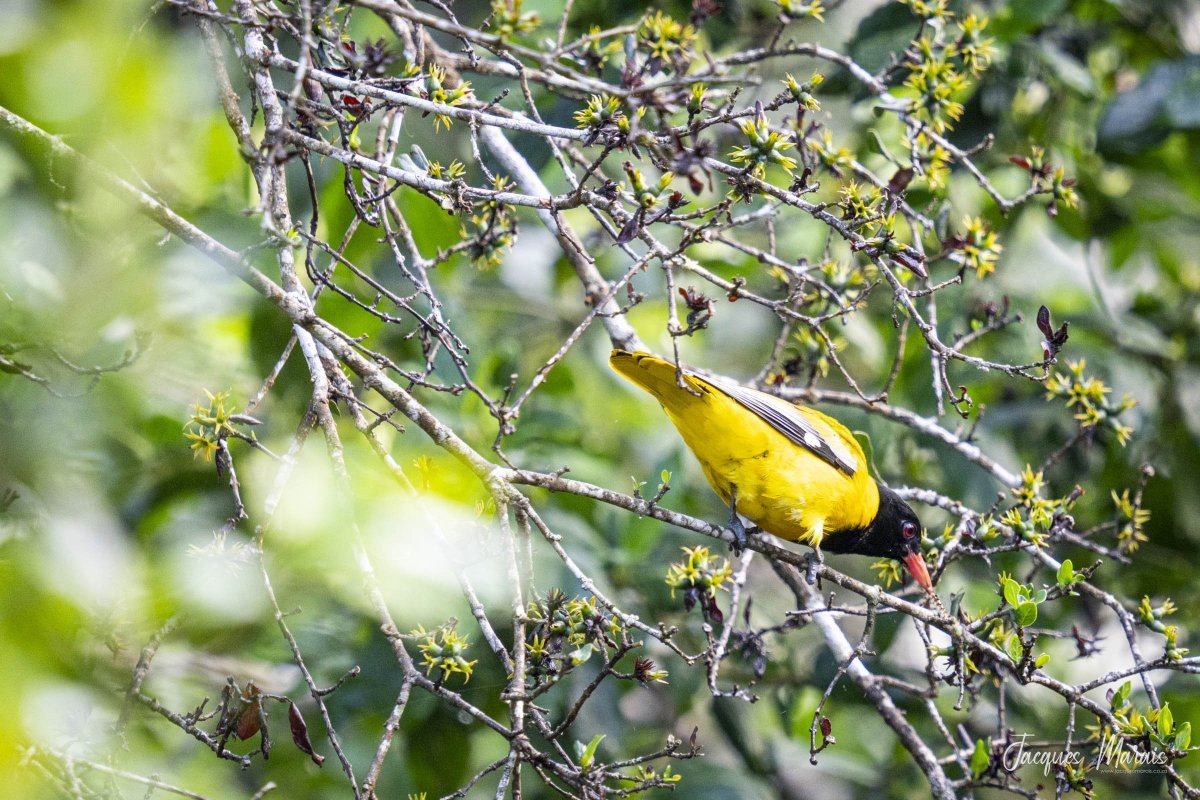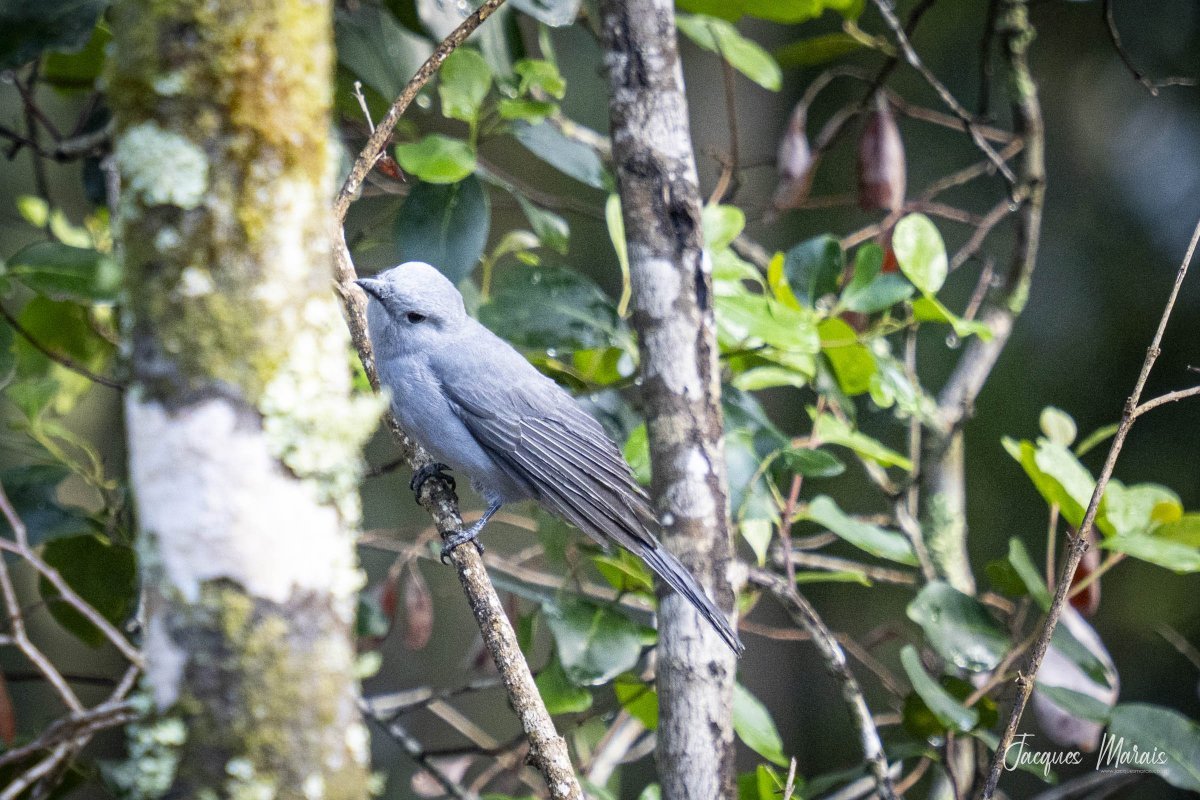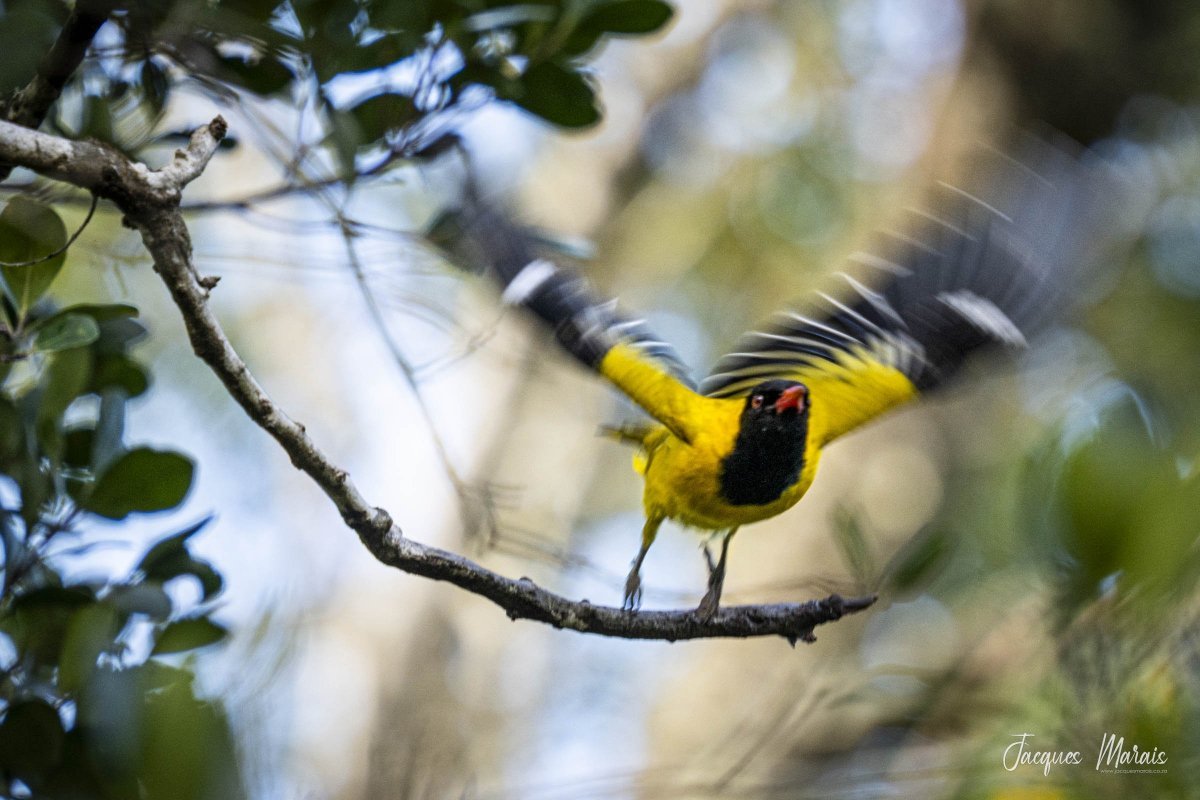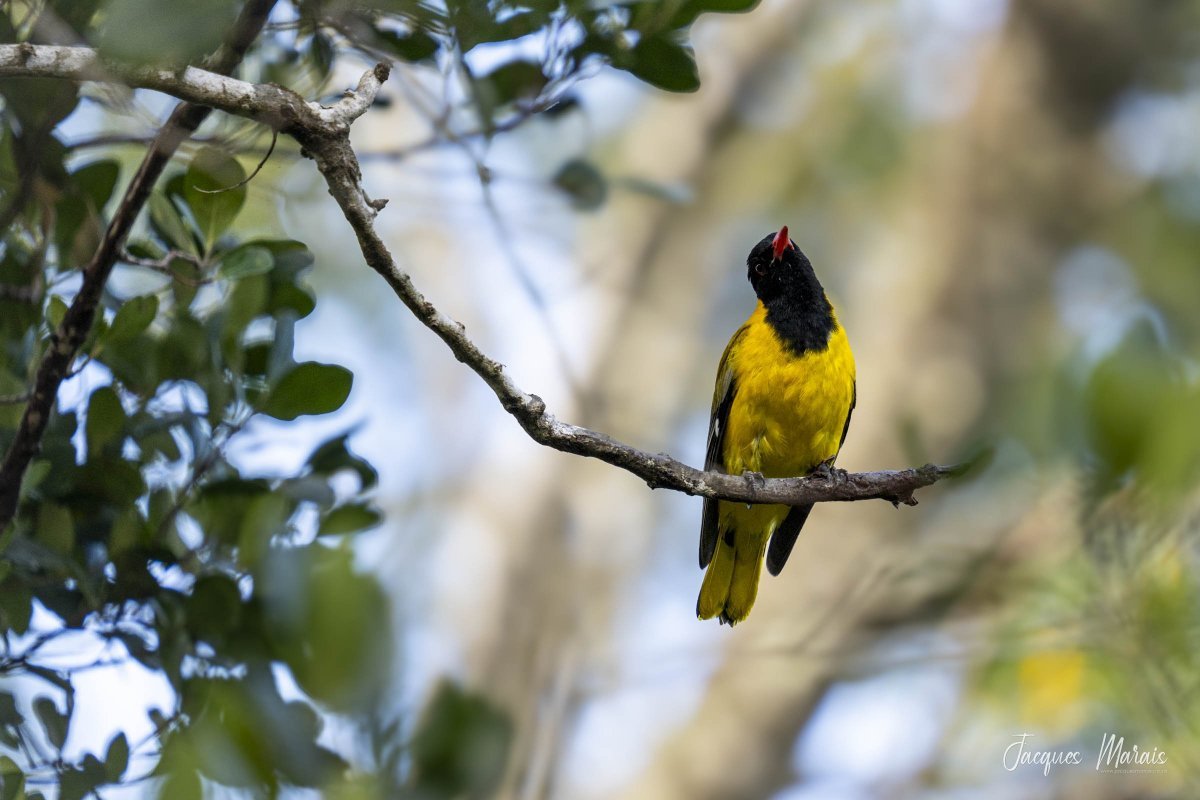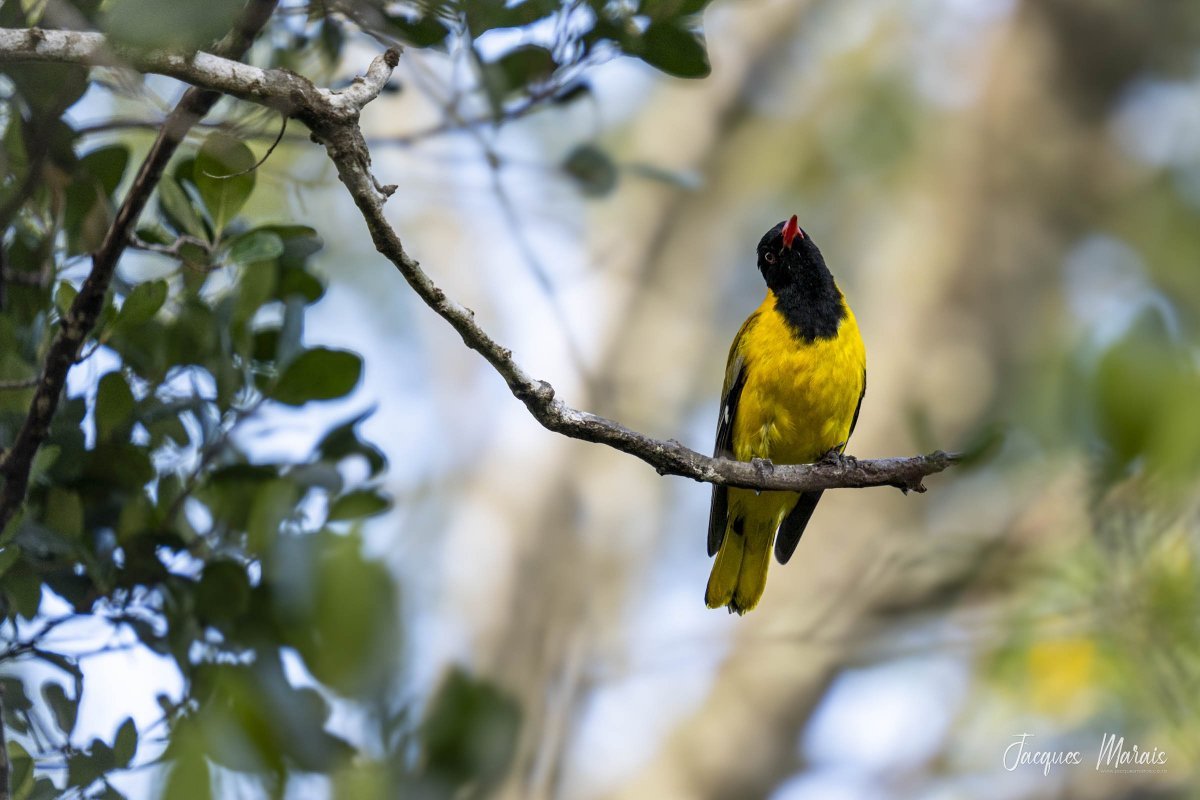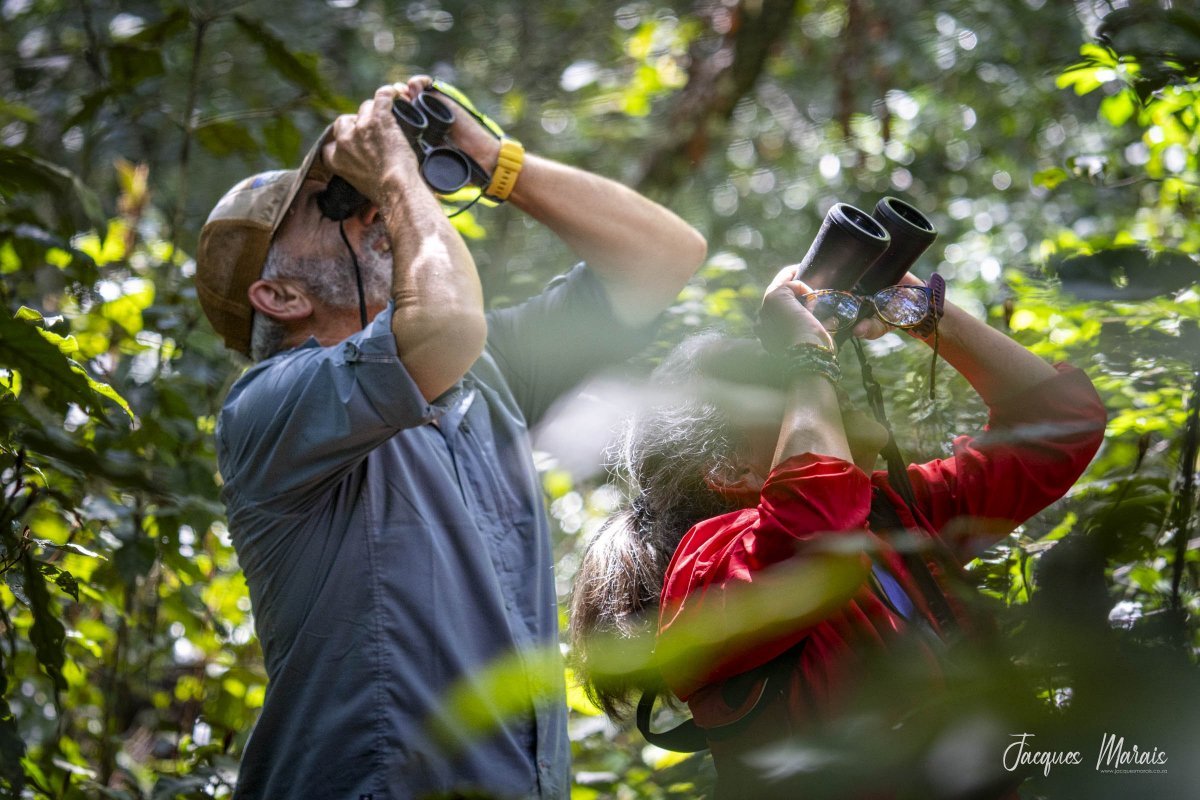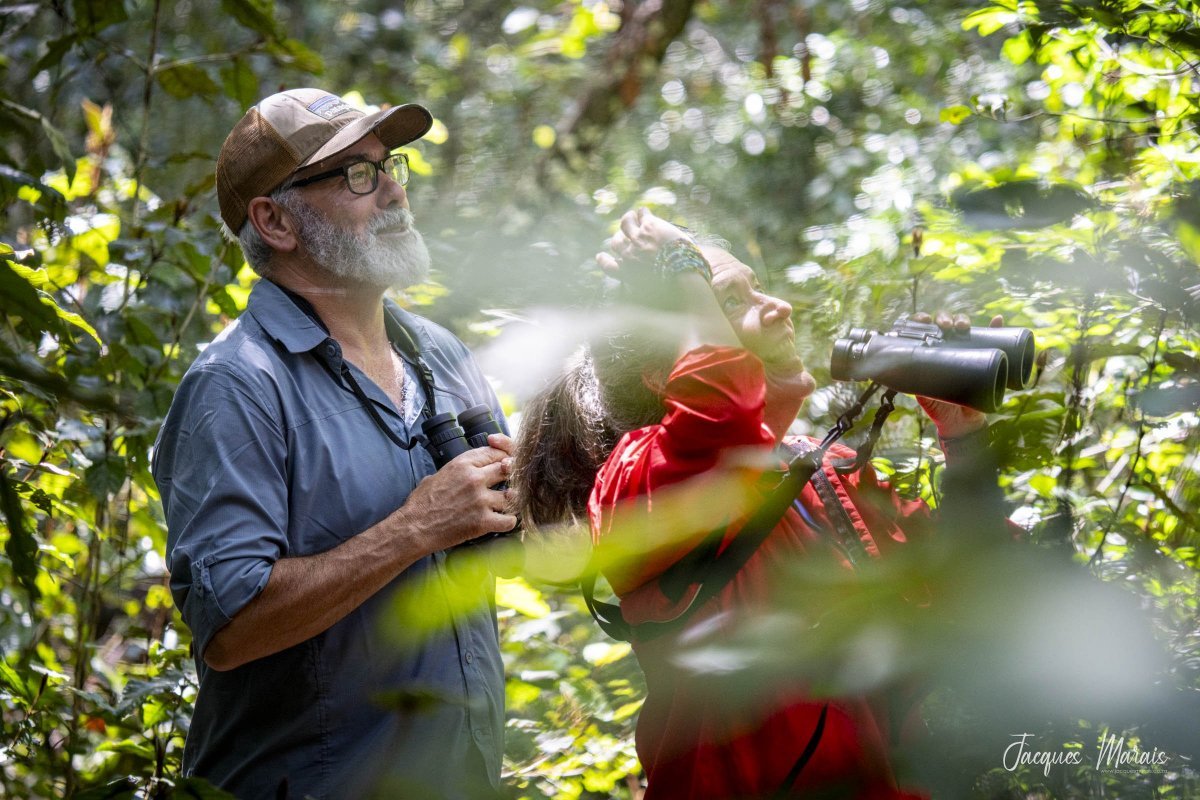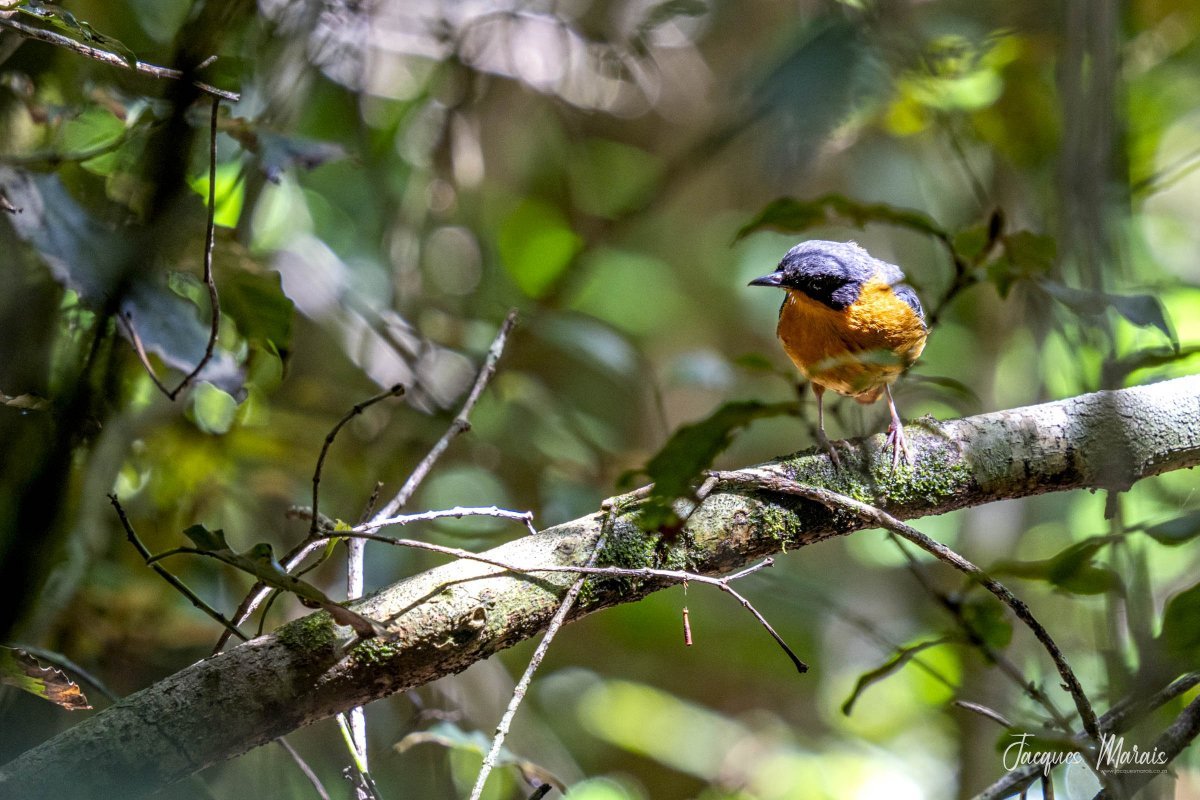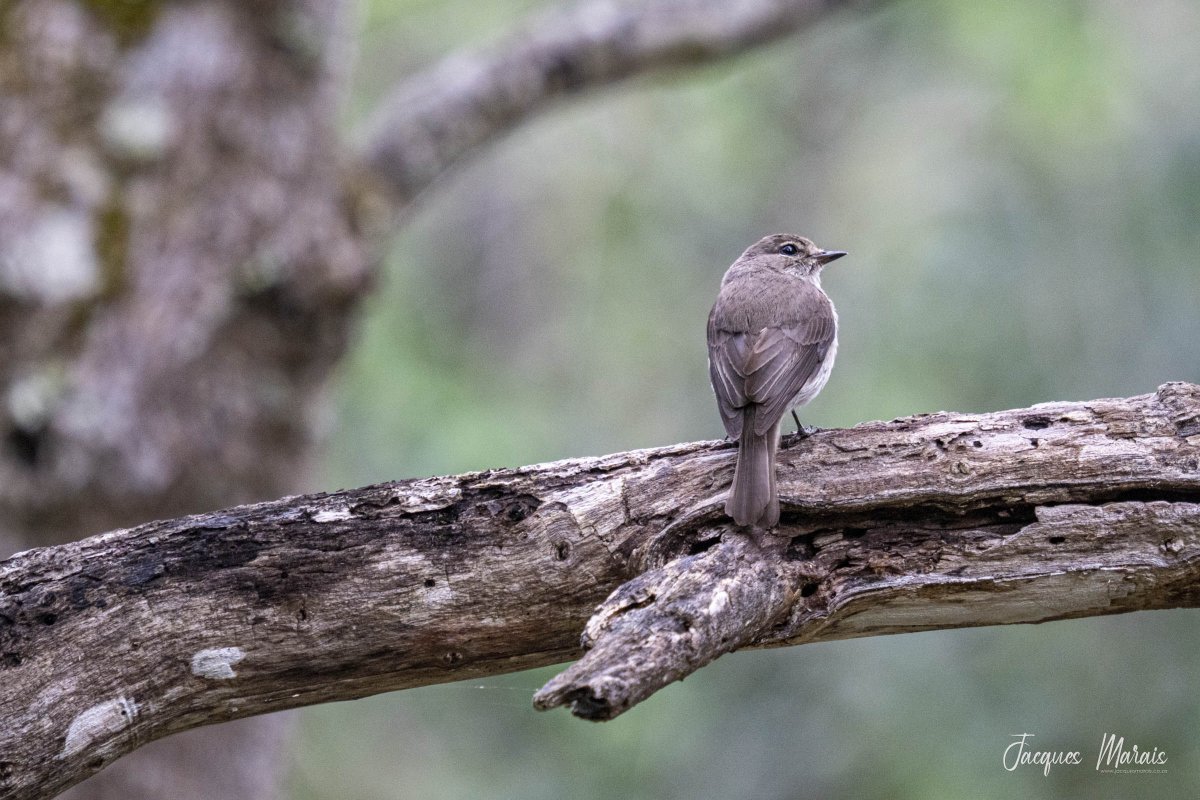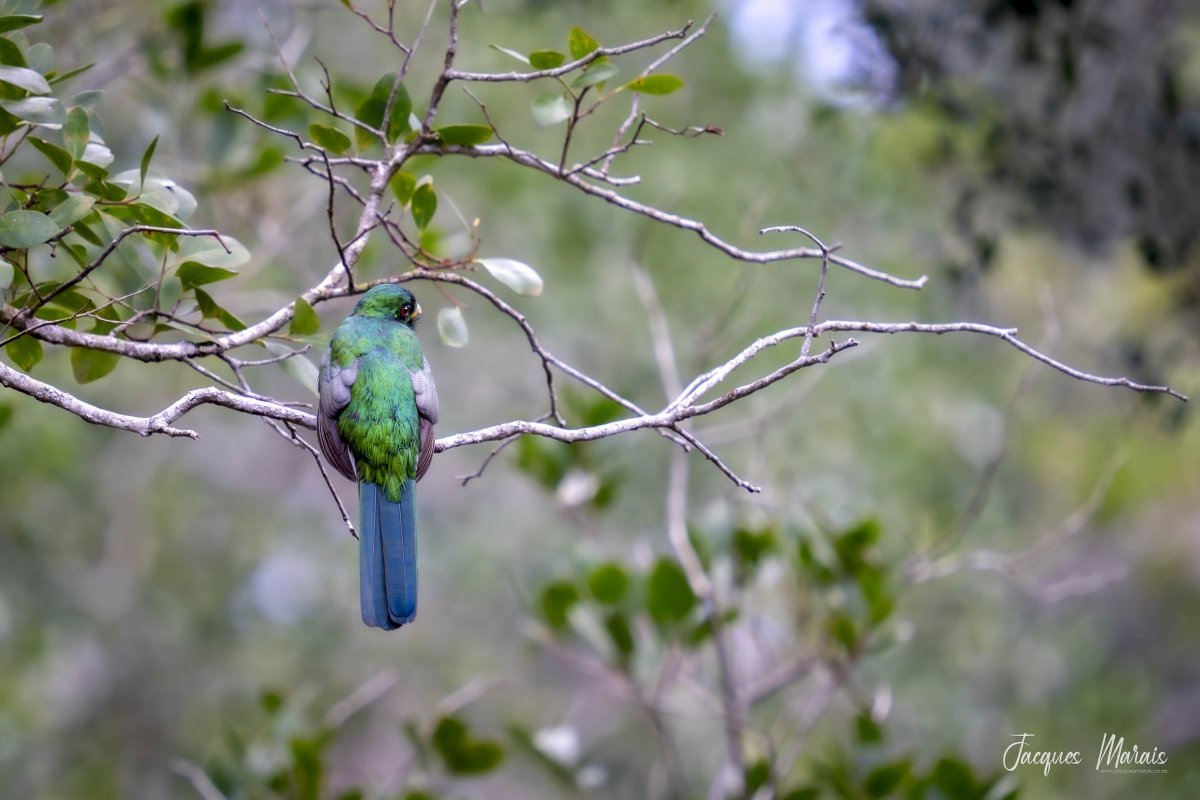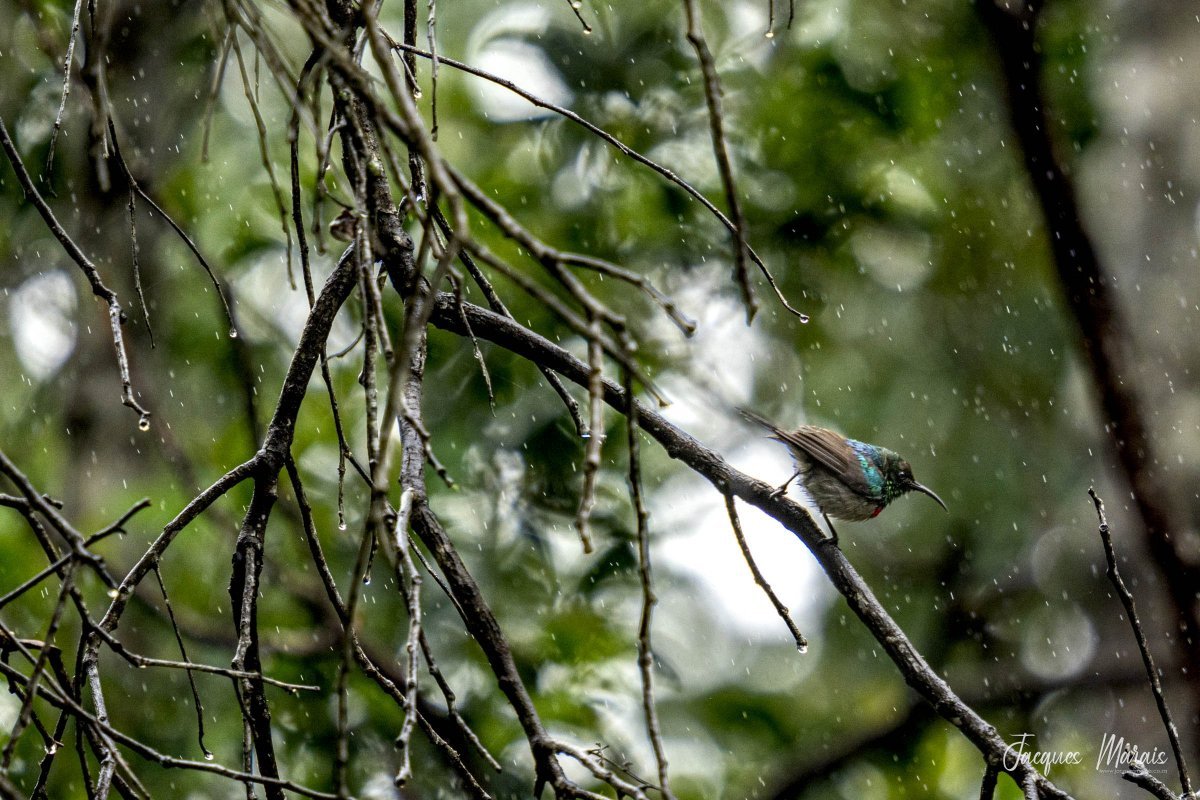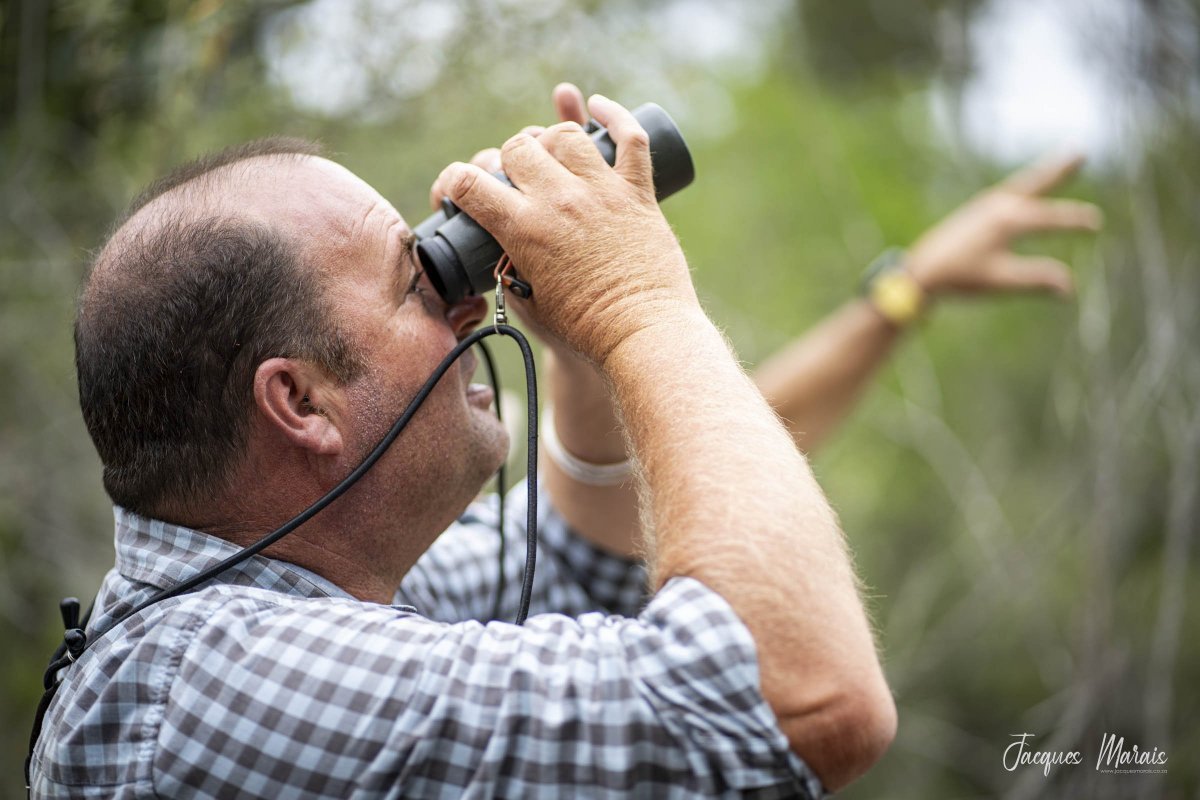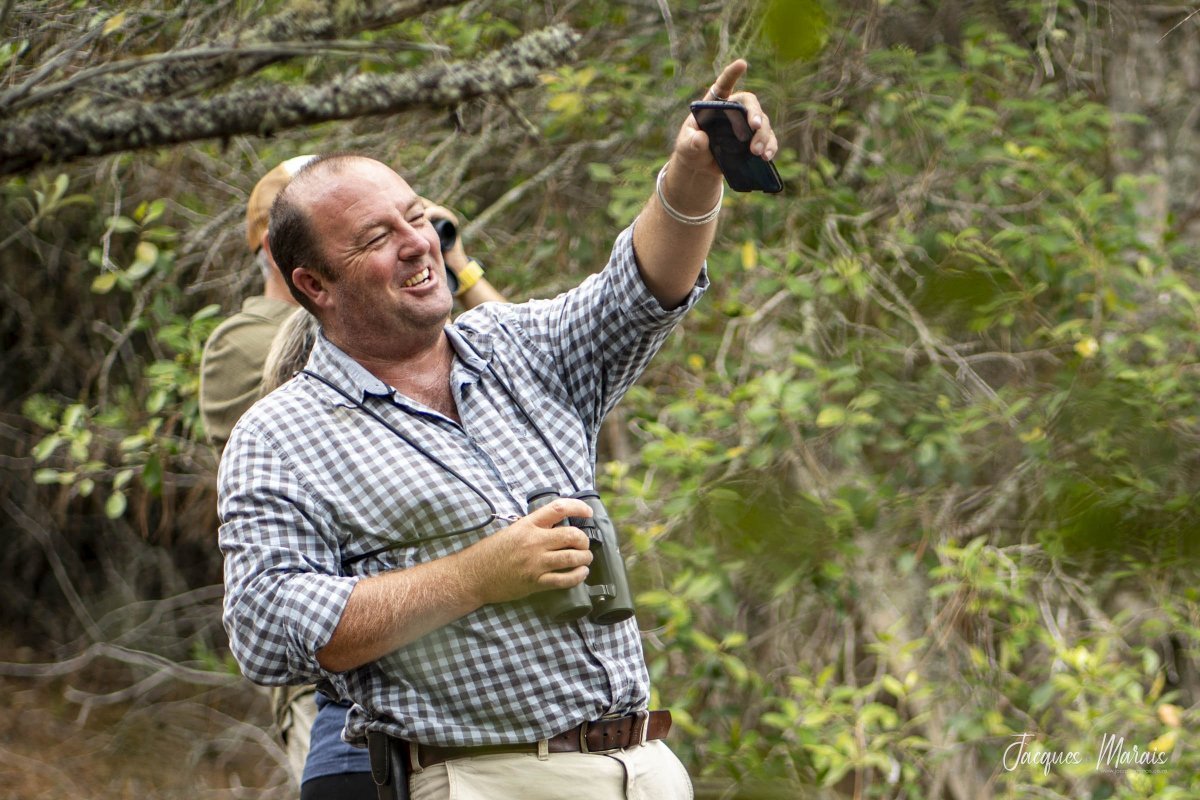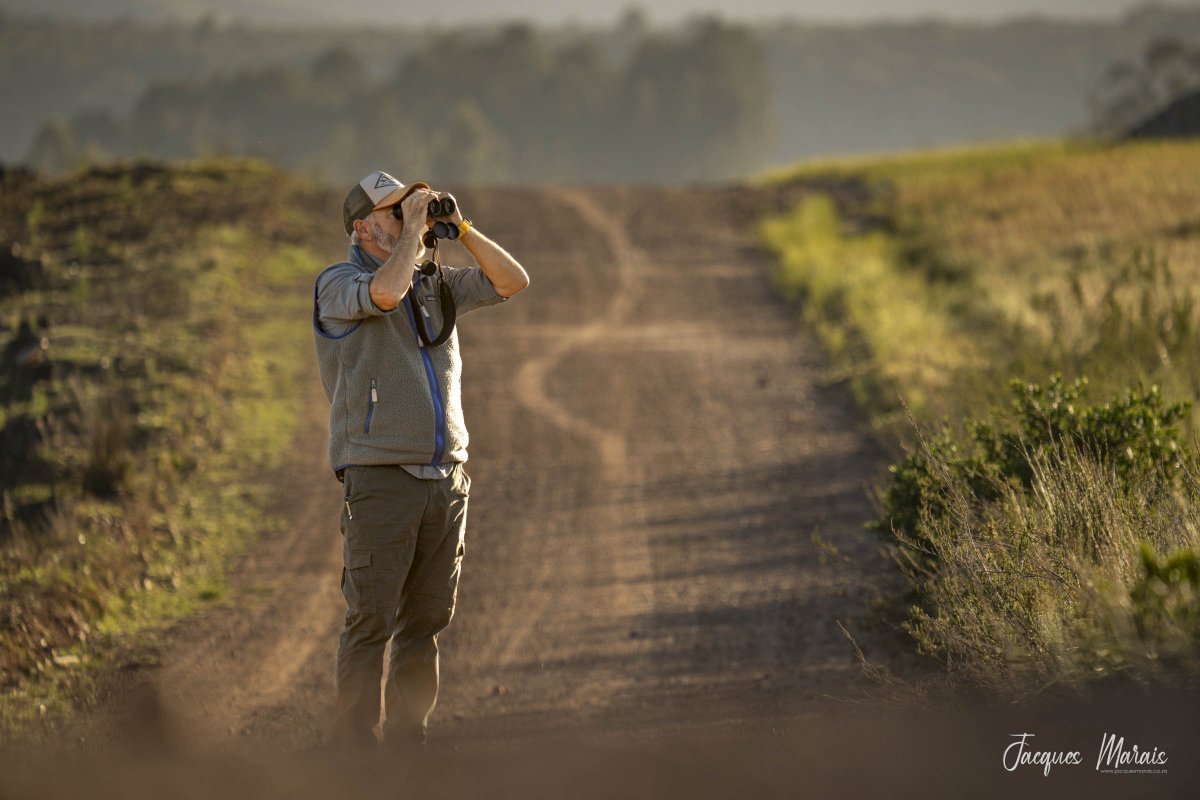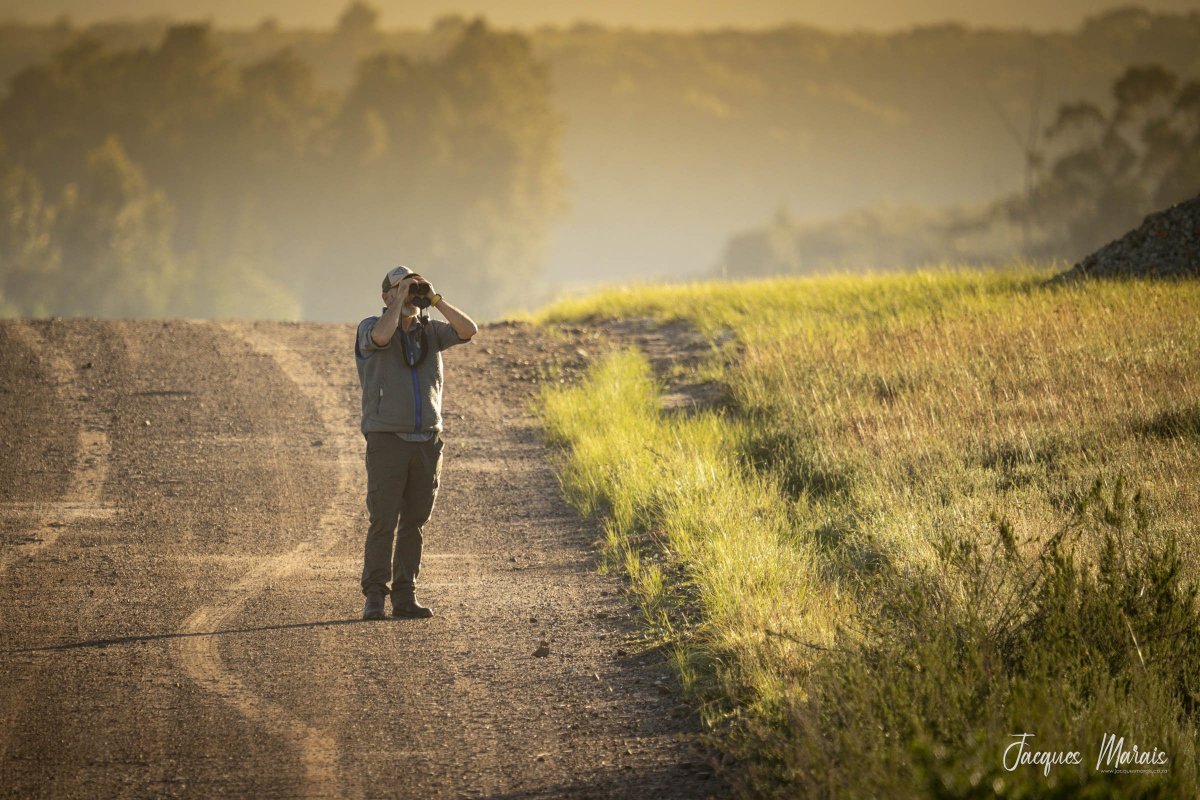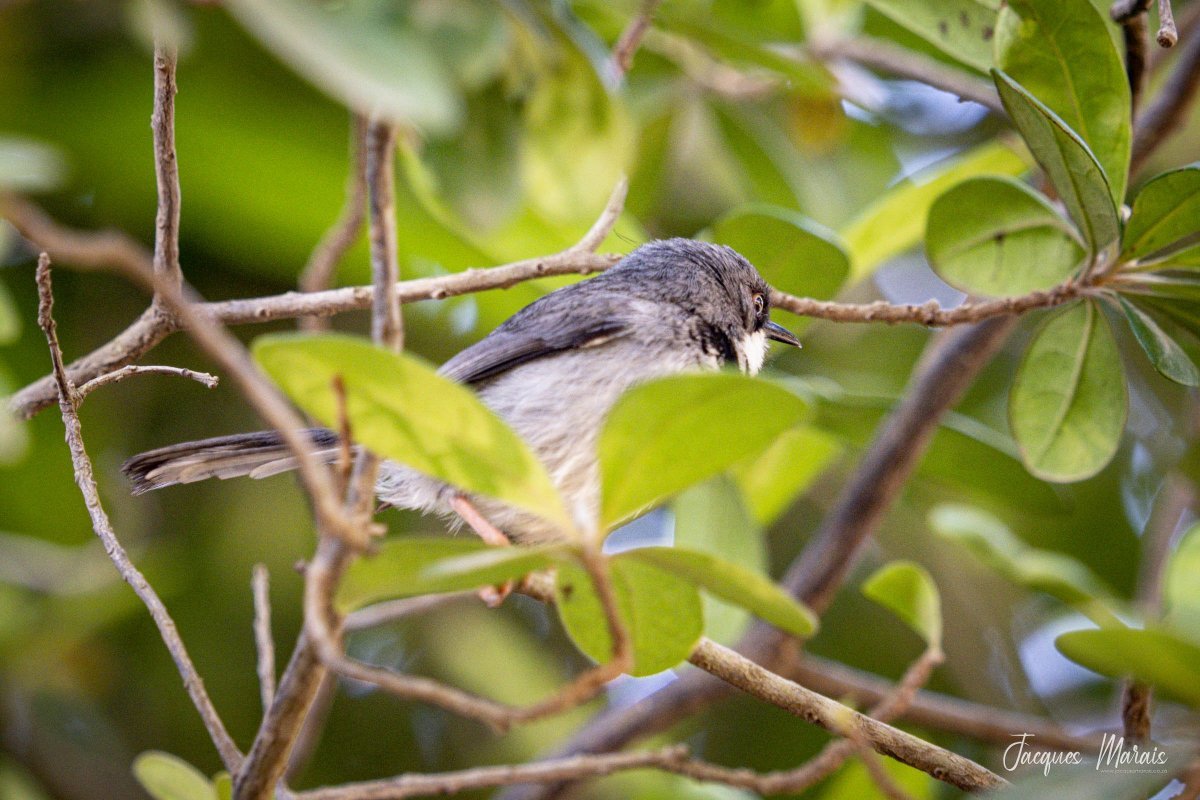

Imagine you are in the Garden Route’s primal forest, with dawn beaming in from the east. The morning air is redolent with the fecund aroma of damp earth and the ripe fruit of podocarpus yellowwoods. This is as far removed as can be from a corporate head office, but the business of birding inextricably links this “green room” to your boardroom.
Fact: healthy and happy employees shape a more focused workforce, and birding is accessible to all ages and cultures. It also makes for a deeply connective experience, allowing individuals to immerse themselves in the natural world, with scientifically proven health benefits.
These physical, physiological, and mental takeaways are not the only reason to connect to the wood-wide web, though. Avitourism as an activity is no longer a niche affair, and has blossomed to become a multibillion-dollar global industry.
From forest to fortune
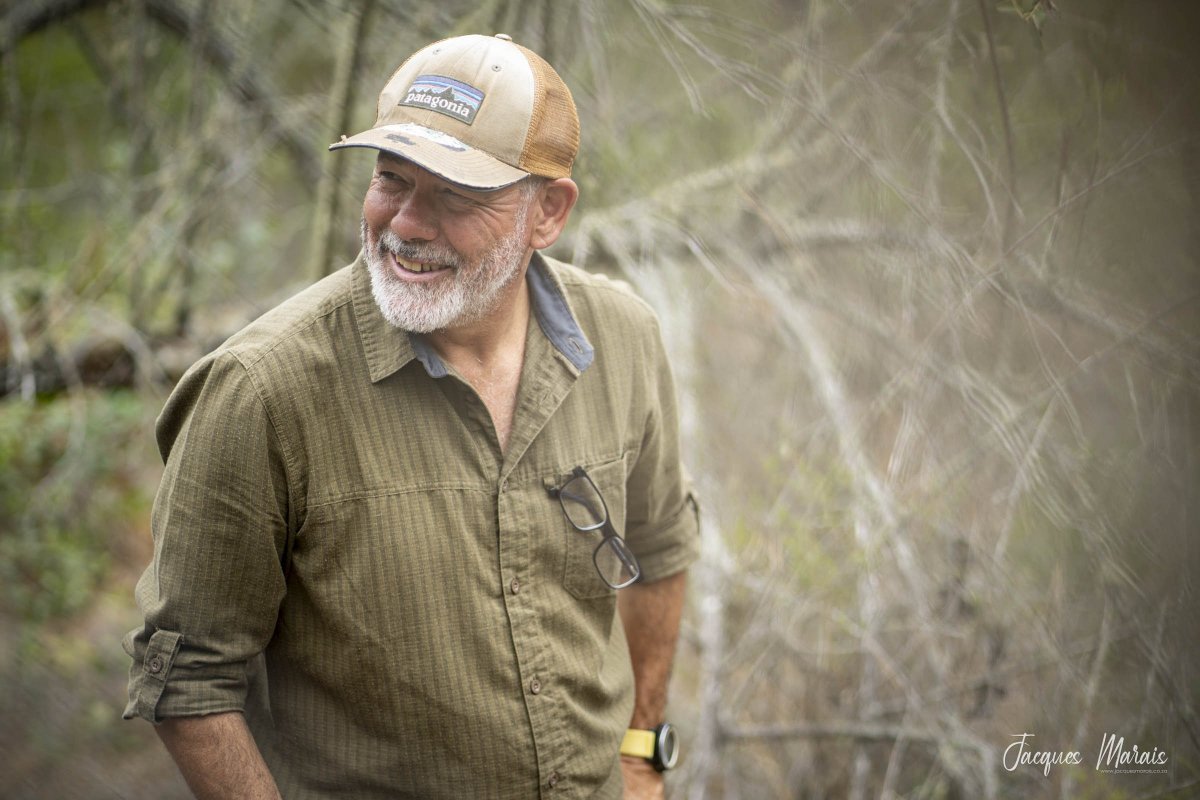
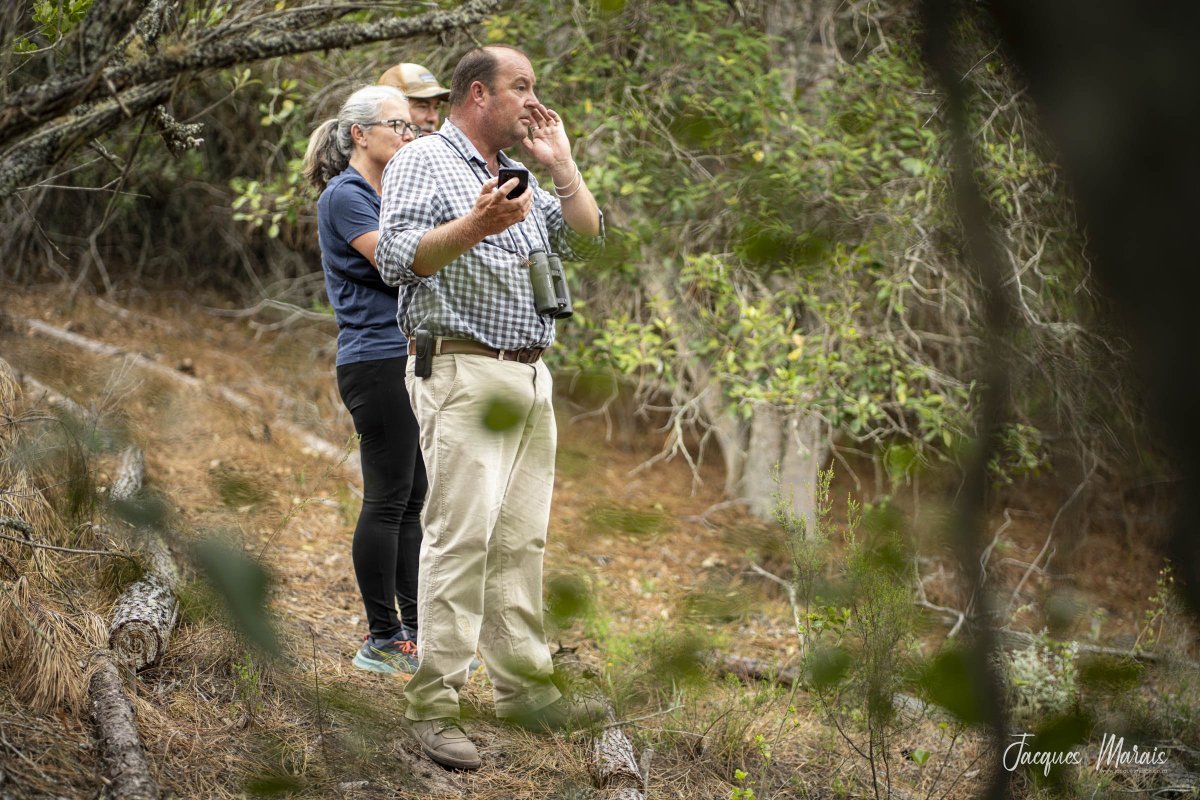
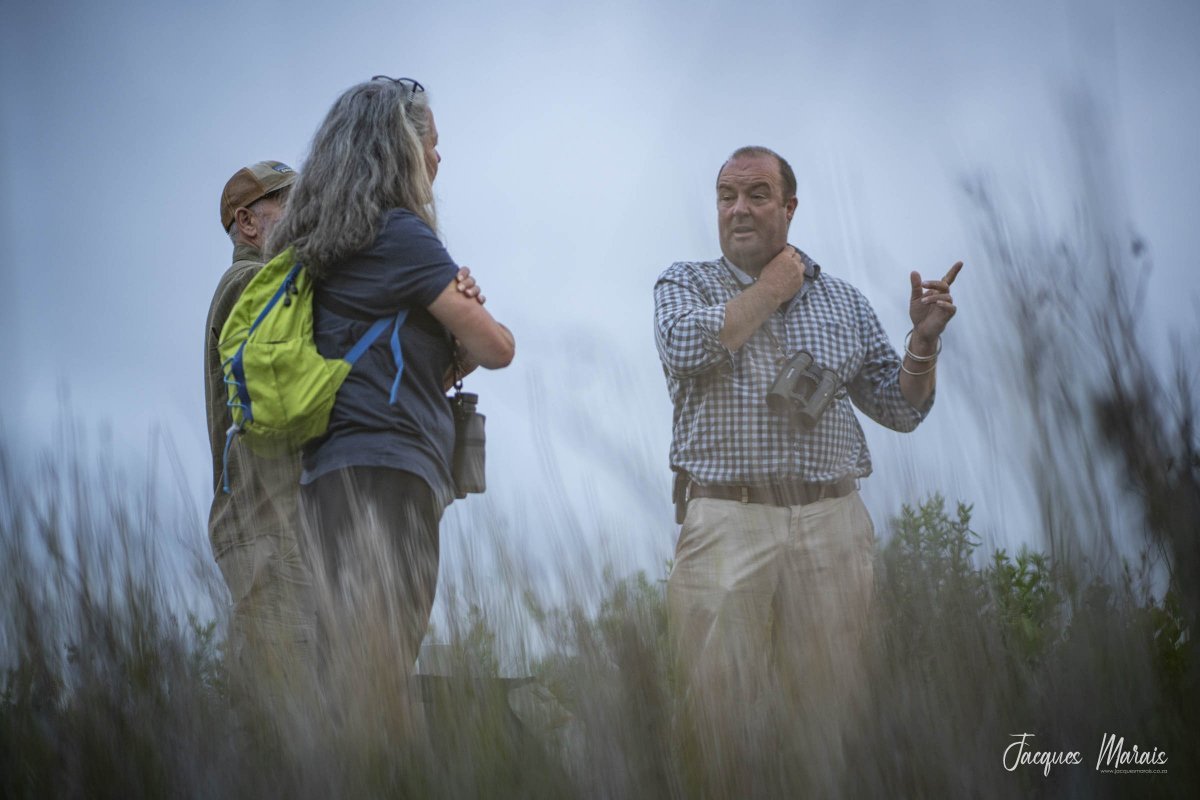
“Once considered a niche hobby for retirees in tweed, birding has shed its dusty image to evolve into one of the fastest-growing outdoor activities on the planet,” explains Tim Carr, a top South African bird guide. Tim owns Reflections Eco-Reserve, just outside Sedgefield, on South Africa’s iconic Garden Route, and the business of avitourism is his passion.
“The collective power of millions of birders worldwide has created an economic juggernaut,” he explains. “Market research figures from 2024 estimate the value of global birdwatching at a staggering $66 billion-plus annually.”
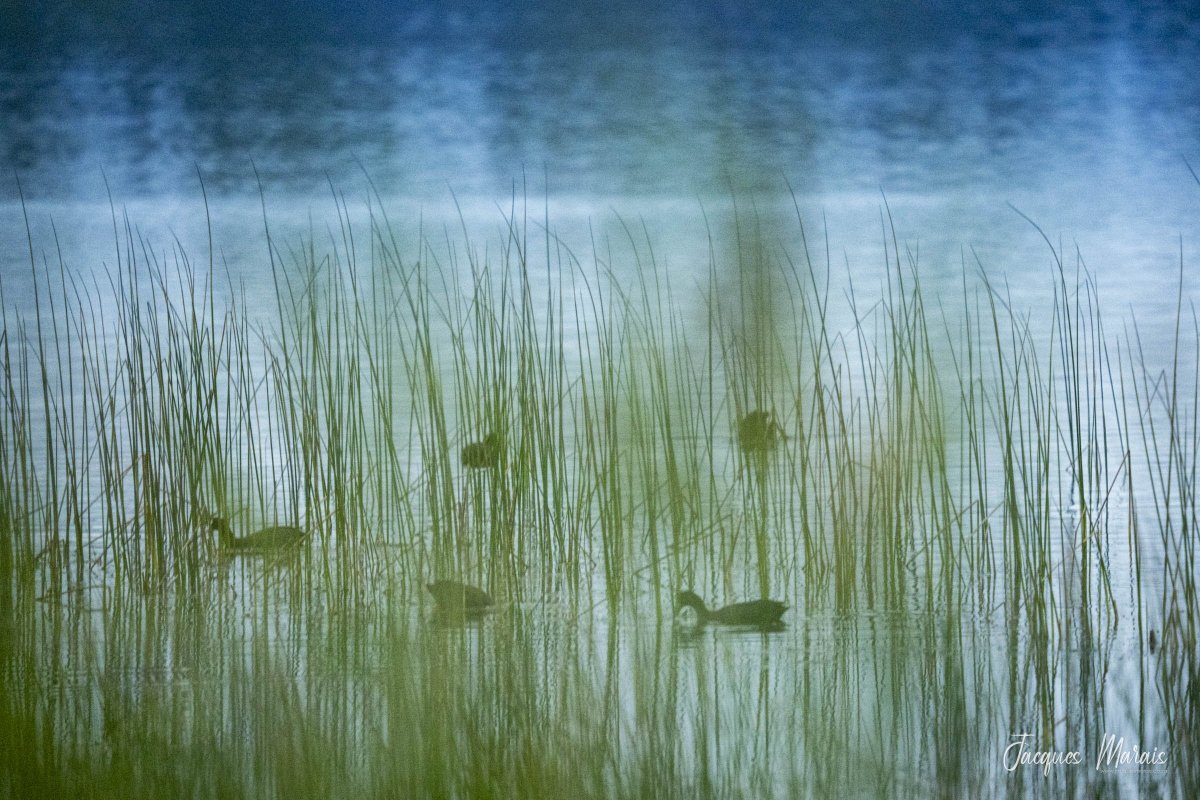
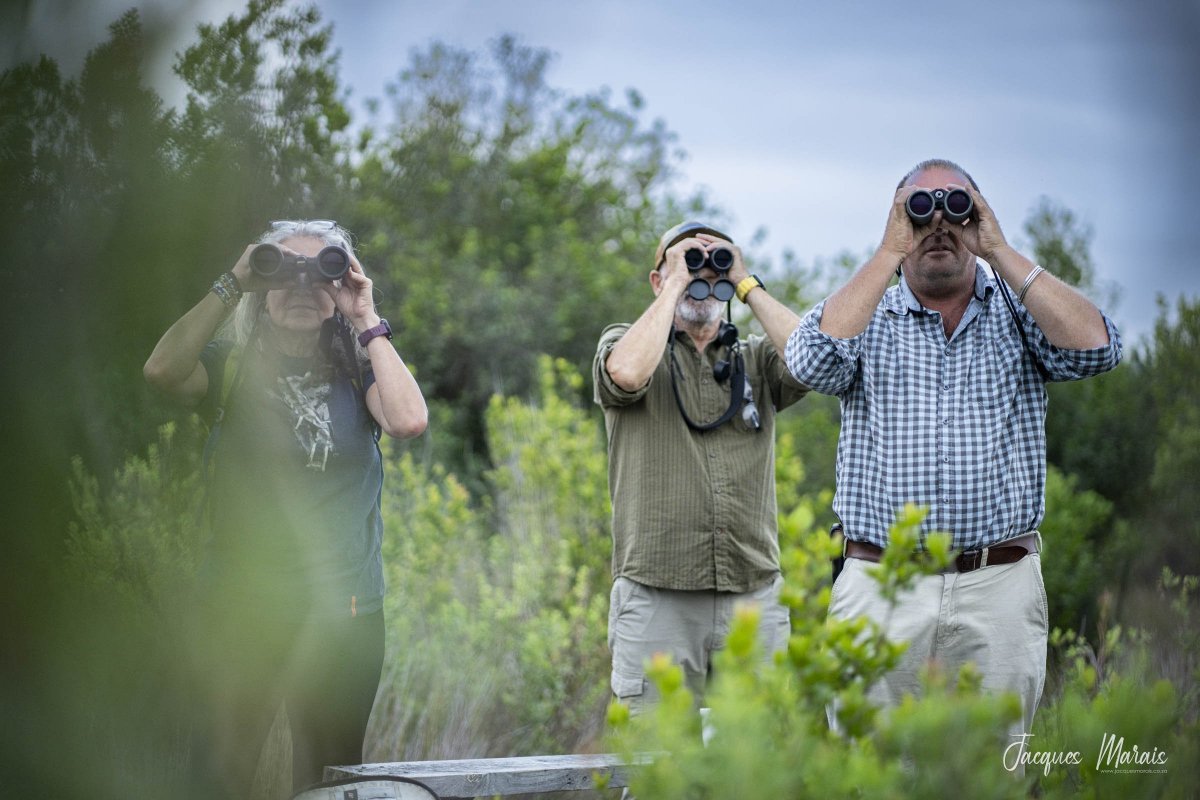
We’re standing at one of Reflections Eco-Reserve’s birding viewpoints, overlooking the tranquillity of Rondevlei, a hotspot for twitchers from around the globe. By 2030, the global spend on avitourism is projected to reach close on $100 billion, but Carr feels concerned that South Africa’s travel sector is not geared towards maximising this opportunity.
“Private reserves such as ours will never thrive without government support for biodiversity infrastructure projects,” says Carr. “Globally, sustainable travel experiences are booming, specifically linked to the post-pandemic urge to reconnect with nature, and this makes birding a no-brainer… yet the sector receives minimal official support.”
Reserve owners and conservancies throughout southern Africa drive the creation of diversity corridors, linking varied ecosystems to increase species multiplicity. This in turn enhances the overall birding experience through providing specialised guided tours and raising awareness of a region’s avitourism potential.
“We’re proposing a multi-day ‘Birding Route’ linking like-minded landowners along a corridor from the Outeniqua ranges to the Robberg coast,” says Carr. The economic footprint of birding extends well beyond just binocular sales or bed nights, and encompasses a vast ecosystem of services and products catering for the travelling birder.
The primary income stream is, of course, tourism itself. Specialised birding tour operators plan intricate itineraries to remote corners of the globe, from the cloud forests of the Andes or ice sheets of Antarctica to the rainforests of Southeast Asia. Carr emphasises that Africa should be top of the list when it comes to global birding destinations.
“To get our bite of the global cookie we need to package tours commanding premium prices, combined with accommodation in eco-lodges, hiring expert local guides and using quality domestic transport and hospitality services,” he explains.
The guiding economy
Tourism has undeniably become South Africa’s “new gold”, and the guiding industry is central to this sector. The post-Covid boom in nature tourism powers an influential economic engine, with birding specifically carving out a high-value niche punching far above its weight when it comes to per-capita spending.
Guiding is sometimes lost within broader tourism statistics, but we do know that South Africa’s wildlife tourism sector was valued at approximately R28 billion in 2023-24. Professional guides are the sector’s backbone, and it is estimated that safari, walking trail, and tour operator guides – and those who train them – contribute up to R5 billion to the nation’s GDP.
Wildlife tourists spend an average of R31 200 per person per trip, nearly three times that of the average leisure tourist, and specialised birding guides earn up to R540 000 a year. Freelance guides up the ante even further, charging day rates of R5 500 or more. Factor in gratuities, and you could bolster your take-home pay by 30-50%.
Avitourism has become the second-most popular biodiversity-based activity in the country, and recent industry figures released by BirdLife South Africa peg the total birding market value at a hefty R20.4 billion. This includes international travel, high-end specialised accommodation, and equipment sales.
Beyond tourism, the business of birding supports an extensive array of ancillary businesses. The demand for high-quality optics – binoculars, cameras, and spotting scopes – is immense, with top-tier brands commanding thousands of dollars per unit.
Serious birders see binoculars as a lifetime investment, and are prepared to pay a premium price for gold-standard brands such as Leica or Swarovski. Flagship models from either brand currently stand at R70 000-plus, which gives an indication of birder spending power.
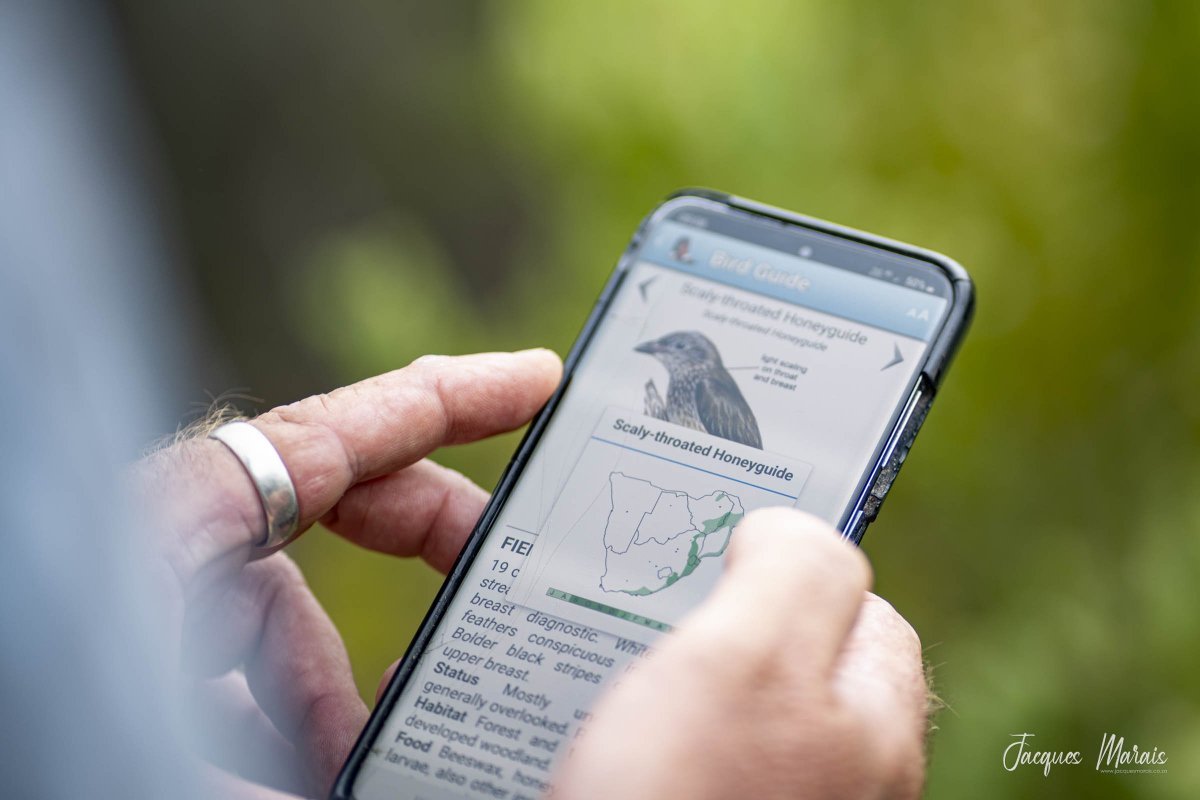
Field guides, both in print and as digital apps, are essential tools, creating a consistent market for both publishers and software developers. Add specialised clothing, tablets, bird feeders, and seed to the equation, and you increase the extent of potential income creation even further.
Costa plenty
Countries such as Costa Rica have set the trend in transforming their birding economy through strategic niche marketing. The majority of nations promote themselves as “general nature or wildlife” destinations, but Costa Rica specifically targets birders along its Ruta Nacional de las Aves, a well-established national birding route.
This “Birding Way” links a dozen distinct avitourism nodes across the country, and ensures that even remote, non-traditional tourism areas benefit from visitor spend. Costa Rica also protects more than 25% of its total land, and has mandated rigorous national certification for guides, thus harnessing its biodiversity as a high-yield economic asset.
Nothing stops us from replicating this successful model on South African soil. Internationally, birding festivals have become major economic events, and this is a great way of empowering people in rural areas. Towns along migratory fly-ways can host annual gatherings to benefit hotels and restaurants, all while showcasing local culture.
South Africa is following suit, albeit slowly, and mainly thanks to organisations such as BirdLife SA. It has developed a superb network of birding routes and assist in the training of community guides, directly linking conservation to job creation and local economic development.
Yes, birding has transcended its humble origins. The primal thrill of sighting a lifer has become a global tourism opportunity, all while delivering undeniably powerful nature-based therapy. It is no longer just a hobby; it is a movement, and in watching birds, we’re not just observing the natural world, but rediscovering a vital part of who we are.
Five top birding destinations
South Africa is an undeniable global birding hotspot, boasting 850+ species and high levels of endemism. Arid desert dunescapes, high-altitude mist-belt forests, diverse grasslands, not to mention our unique fynbos botanical kingdom … pack your bins and come see for yourself!
1. The Pafuri Triangle (Kruger National Park)
Keystone species/lifers: The elusive Pel’s fishing owl is the ultimate prize, alongside the racket-tailed roller, Böhm’s spinetail, and the three-banded courser.
Top guides: Frank Mabasa and David Letsoalo are the legends of Limpopo, known for their uncanny ability to locate lifers from KNP to Magoebaskloof.
Ecosystem: Varied, from mist-belt forests to subtropical riverine vegetation and fever tree woodland.
Suggested stays: The Outpost Lodge (from R11 400 pppn sharing) or Punda Maria Rest Camp for a rustic, frontline experience of the Mahonie Loop (from R1 220 per unit per night).
2. iSimangaliso Wetland Park (St Lucia & Mkuze)
Keystone species/lifers: The pink-backed pelican, African broadbill (with its unique circular display flight), gorgeous bushshrike, and Livingstone’s turaco.
Top guides: Themba Mthembu is highly sought-after for his deep knowledge of the Mkuze fig forests and St Lucia estuary.
Ecosystem: Unesco World Heritage site boasting a mosaic of coastal dunes, estuarine mudflats, and rare sand forests.
Suggested stay: Lidiko Lodge in St Lucia or Ghost Mountain Inn for easy access to Mkuze Game Reserve (from R2 400 per unit per night).
3. Wakkerstroom (Highland grasslands)
Keystone species/lifers: The “Big Three” of the grasslands: Rudd’s lark, Botha’s lark, and the yellow-breasted pipit. You’ll also find blue korhaan and southern bald ibis.
Top guides: Lucky Ngwenya and David Nkosi are internationally recognised experts on the cryptic “LBJs” (little brown jobs) of the high-altitude grasslands.
Ecosystem: High-altitude montane grasslands and wetlands. It is one of the few places left where these critically endangered, habitat-specific endemics can still be found.
Suggested stay: Wetland Country House – a birding-centric lodge walking distance from main vlei hides (accommodation starts from R2 500 per room per night).
4. De Hoop Nature Reserve (Overberg)
Keystone species/lifers: The only remaining breeding colony of Cape vultures in the Western Cape. Also look for the black harrier, Cape sugarbird, and southern tchagra.
Top guides: The specialised field guides of the De Hoop Collection, who lead walks into the Potberg Mountains.
Ecosystem: Coastal fynbos, limestone hills, and a 19km salt-water vlei. It’s part of the Cape Floral Kingdom, providing a unique floral backdrop for sunbirds and raptors.
Suggested stay: The Melkkamer Manor House within De Hoop for a quiet, immersive experience away from it all (from R4 250 pppn).
5. Garden Route Forest (Southern Cape)
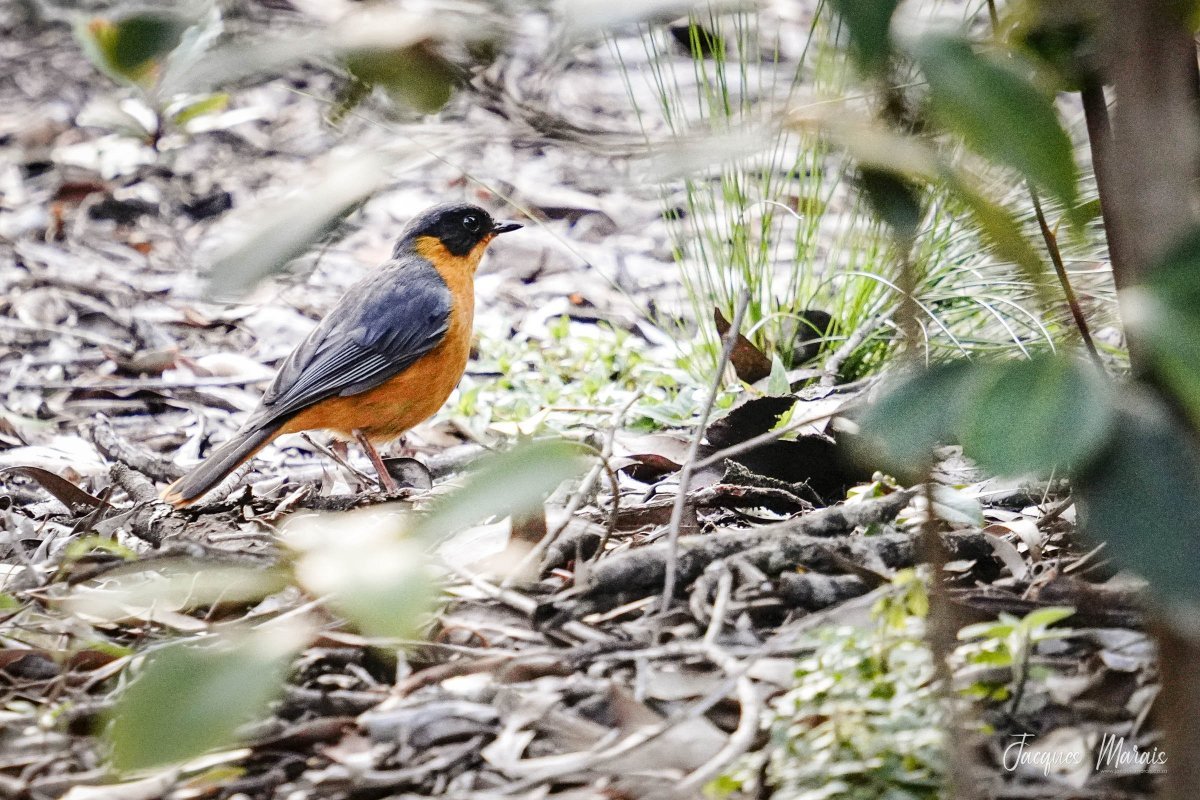
Keystone species/lifers: The magnificently colourful Knysna turaco or Narina trogon are true birding jewels. There are more than 290 other species to tick off in these temperate forest surrounds.
Top guides: Hit your twitcher jackpot with top local experts Tim Carr or Colin Wyllie, who know the forests and vleis like the backs of their hands.
Ecosystem: Everything from temperate indigenous forests and islands of fynbos, to wetland estuaries and exhilarating marine outcrops.
Suggested stay: Reflections Eco-Reserve on Rondevlei birding hub (from R2 000 per unit per night).


Gallery