As such, consideration around how businesses attract, retain, and include people – especially those who are neurodiverse – becomes paramount, because an engaged, happy, and productive workforce will be the key differentiator of future business success.
The future-fit business
Future-fit firms consider both the strengths that people bring to the organisation, as well as how to develop a culture of inclusion to increase employee well-being, innovation, and productivity. This approach also facilitates the inclusion of neurodiverse employees.
Future-fit firms and the trends around human capital practices are seeing businesses increasingly move towards hyper-personalisation and individualisation. The way Millennials and Generation Z operate, along with the notion of flexible work environments brought on through nascent technologies, means that firms are able to treat all their employees as individuals in terms of how they work within the firm. This includes their job titles, how they are paid, and how recognition and reward systems are structured. Such a move towards individualised and flexible work practices also allows teams to be configured based on the skills and capacity of their people.
Personalised work environments also give team leaders the ability to recognise unique differences and strengths that people bring to their individual roles, and they can then tailor the work environment to suit each person.
As part of an organisation’s drive to adopt and drive acceptance of strengths-based and skills-based recruitment practices and provide reasonable accommodations for individuals, they need to ensure they include the development of a culture of inclusion into their strategy.
If every individual starts to feel valued for their strengths, they are given the ability to thrive. The shift here is that businesses are not only encouraging the recognition of people’s strengths, but are using this as a foundation to restructure the work environment.
In a culture of inclusion, neurodiversity is seen as a variation of brain functioning and behavioural traits. It will therefore automatically be incorporated into the future-fit way of structuring a business. This allows for the strengths of the neurodivergent profile to shine through.
And those strengths are becoming increasingly valuable to modern businesses. People with attention-deficit/hyperactivity disorder (ADHD), for example, bring an entrepreneurial mindset to their role because of their big-picture thinking, creative problem solving, perseverance, greater propensity for risk-taking, and their increased ability to empathise. People on the autism spectrum have the ability to hyperfocus, to generate and deal with huge amounts of data, and to navigate complex problem-solving. Accommodating these skills will increasingly become a strategic objective for any business, especially in a tech-driven and volatile environment.
The business case for neuro-inclusion
While there is little resistance to the notion of neuro-inclusion, the idea needs to be taken further. What starts off as a noble ideal in the boardroom often becomes diluted as it filters down the rungs of organisations. It risks being watered down to a simple statement of “we need to make accommodations for neurodiversity,” without a meaningful plan in place.
With research suggesting that one in five people is neurodiverse, there are strong economic drivers for companies to pay meaningful attention to neuro-inclusion, and to not simply let it filter through the system.
Companies can no longer ignore it. The number of diagnoses is rapidly rising in the younger generation and among mid-life women, in fact doubling as diagnosis instruments and research become less gender-biased, and as awareness is raised.
Employment equity reporting
A compelling driver of neuro-inclusion is that following South Africa’s Employment Equity Amendment Act, neurodivergence (which is categorised as a disability) can now be included in the employment equity plan. The new Act includes a requirement that increases the requirement for employees with disabilities to 3% of the workforce. This provides a strong incentive for companies to push for diagnosis and disclosure within the organisation.
But the extent to which companies are lagging in this regard is reflected in a conversation I had with a human capital director. She acknowledged that only 2% of their employees had come forward as neurodiverse. She pondered why 18% had not, and considered whether they had not been diagnosed, been misdiagnosed, or whether the company was not offering a safe enough work culture to encourage disclosure. Recognising the benefits of inclusion, she said she needed to investigate why the company had such a low disclosure rate.
Better employee engagement
All companies that have actively embarked on a neuro-inclusive strategy have reported benefits. EY, for example, reported that its staff retention rate has increased to 92% via their neurodiversity centres of excellence.
Such a rate of talent retention, especially coupled with scarce or in-demand skills such as analytical and creative problem-solving, a propensity for financial analysis, cybersecurity, IT, and engineering, is huge. This is especially noteworthy when we consider Gallup’s State of the Global Workforce 2025 report that found only 18% of people at work are engaged and that employee wellness has seen its largest decrease over the last year.
Research has shown that disengaged people often have a greater propensity to experience ill health, anxiety, and depression. So by accommodating all people using an individualised strengths-based, future-fit approach, businesses will not only retain talent, they will also increase productivity and the overall well-being of their staff.
Building an inclusive culture through awareness
As the human capital director noted, there are multiple reasons why people may not disclose their neurodiversity diagnosis to their employers. Even if employees don’t disclose, simply because 20% of the population is neurodiverse, a culture of inclusion will mean that neurodiverse employees will automatically be included.
To foster a neuro-inclusive culture, businesses need to actively adopt sensitisation awareness training, so that neurodivergence can be an important contributor of talent across all departments of the business. Managers across the organisation must be trained to look holistically at their talent and at how their individuals work best. All leaders need to be willing to question how they are bringing in alternative thinking that allows employees to feel safe to think or behave differently, to challenge the status quo and ask questions, and to innovate. This requires psychologically safe spaces.
At an organisational level, companies should encourage communities of support, which can include employee resource groups that go beyond individual accommodations. The shift requires coaching for key individuals not only to adopt a culture of neuro-inclusion, but also to help neurodivergent people to self-advocate.
This is important, because we are starting to witness a trend whereby older people, especially women, many of whom are managers and leaders, are finding out that they are on the neurodiversity spectrum later in life. This is encouraging because it means that they are able to be role models in the business, and act as ambassadors where individuals can share their experiences openly, normalising the conversations around neurodivergence. These people, as senior leaders in the business, can also benefit from neurodiversity coaching as they grapple with personal transitions, allowing them to become advocates and voices to create change within the business.
Inclusivity goes beyond the individual
The future-fit approach to inclusivity is about accommodating the individualised needs of the business’s human capital with the aim of ensuring productive, engaged people. And, while this article is written with neuro-inclusion in mind, Lawrence Fung, founder of the Stanford Neurodiversity Project, notes that a culture of inclusivity doesn’t only benefit those it targets. For example, a wheelchair ramp is as useful for delivery personnel or mothers with babies in prams as it is for people in wheelchairs. An inclusive approach to business is about making allowances which will ultimately benefit all people, as well as the company’s long-term bottom line, as productivity, engagement and skills retention are enhanced.
How to craft a neuro-inclusive business
Creating a future-fit and/or neuro-inclusive workplace does not have to be complicated. It does, however, need commitment. Here is a neuro-inclusive framework that will assist businesses achieve this goal.
- Build an integrated neurodiversity vision, business case, and roadmap.
- Outline clear policies, processes, and practices to overcome barriers to inclusion and guidance on disclosure and reasonable accommodations.
- Provide awareness and sensitisation training to human capital, executives, managers, and teams.
- Integrate into employee assistance programmes (EAPs) and wellness programmes and offer neurodiversity coaching and support for individuals.
- Align recruitment and talent management to be inclusive of neurodiversity.
- Measure neurodiversity initiatives.
A major shift to neuro-inclusion
Neuro-inclusion is becoming a mainstream strategy for many of the world’s top businesses, especially those that require creative problem-solving and data crunching. The following companies have embraced neurodiversity in their organisations:
- SAP has adopted a programme called Autism at Work. The programme aims to recognise the innovation and creative problem-solving skills that neurodiverse employees can bring to the workplace.
- Microsoft is a leader in hiring neurodiverse employees for their innovation and problem-solving abilities.
- EY is adopting numerous neurodiversity initiatives and has reported an increase in employee engagement and staff retention as a result.
- Webber Wentzel, the law firm, has been campaigning for neuro-inclusion in the workplace.
- Westpac has embraced neurodiversity hiring practices.
- Other firms that are on this journey include: Ford, Google Cloud, IBM, Oracle, Hewlett Packard Enterprise, First National Bank, Nedbank, and accounting firms Crow, Plant Moran, Grant Thornton, and HLB.
KEY TAKEAWAYS:
- Future-fit businesses have a competitive advantage.
- When it comes to employees, the trend is moving towards hyper-personalised and individualised human capital practices.
- This individualised approach will benefit the inclusion of neurodiverse personnel, who make up around 20% of the total human capital component.
- Neuro-inclusion results in greater engagement from employees, which means companies are able to retain their scarce skills.
- Creating a culture of inclusivity in a business is about creating awareness.
- Creatiing inclusive workplaces requires a company-wide commitment to build and foster neuro-inclusivity in the business.
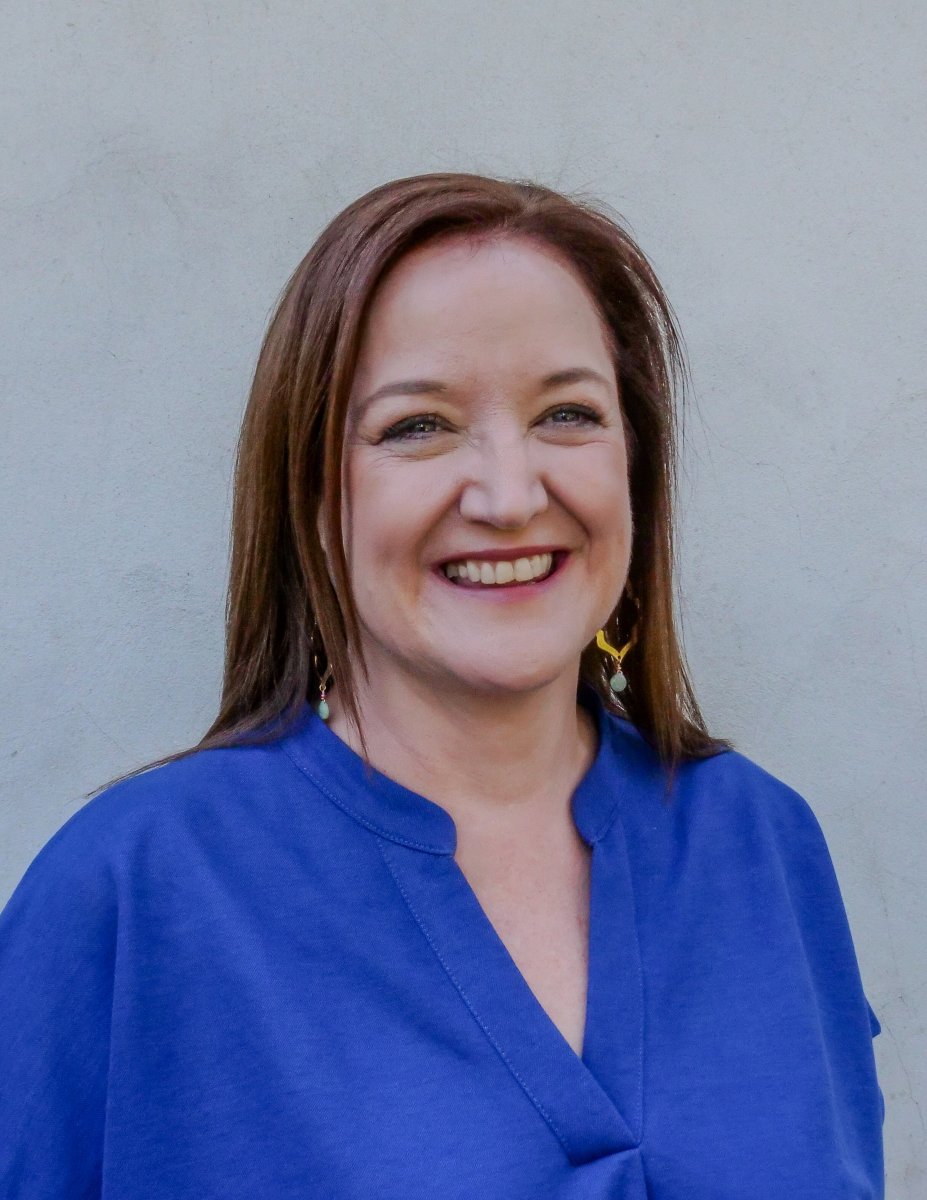
Dr. Sarah Babb is passionate about building future-fit inclusive businesses. She has 30 years’ experience in leadership and team development, culture change management, and purpose-driven impact initiatives. She is co-founder and MD of Stimm, founded to stimulate neuroinclusive communities and cultures across workplaces for neurodivergent adults. Sarah is an adjunct faculty member at GIBS. She holds a PhD in Leadership Development, MBA cum laude (GIBS), PDM (HR), and BA (Industrial Psychology).


Gallery