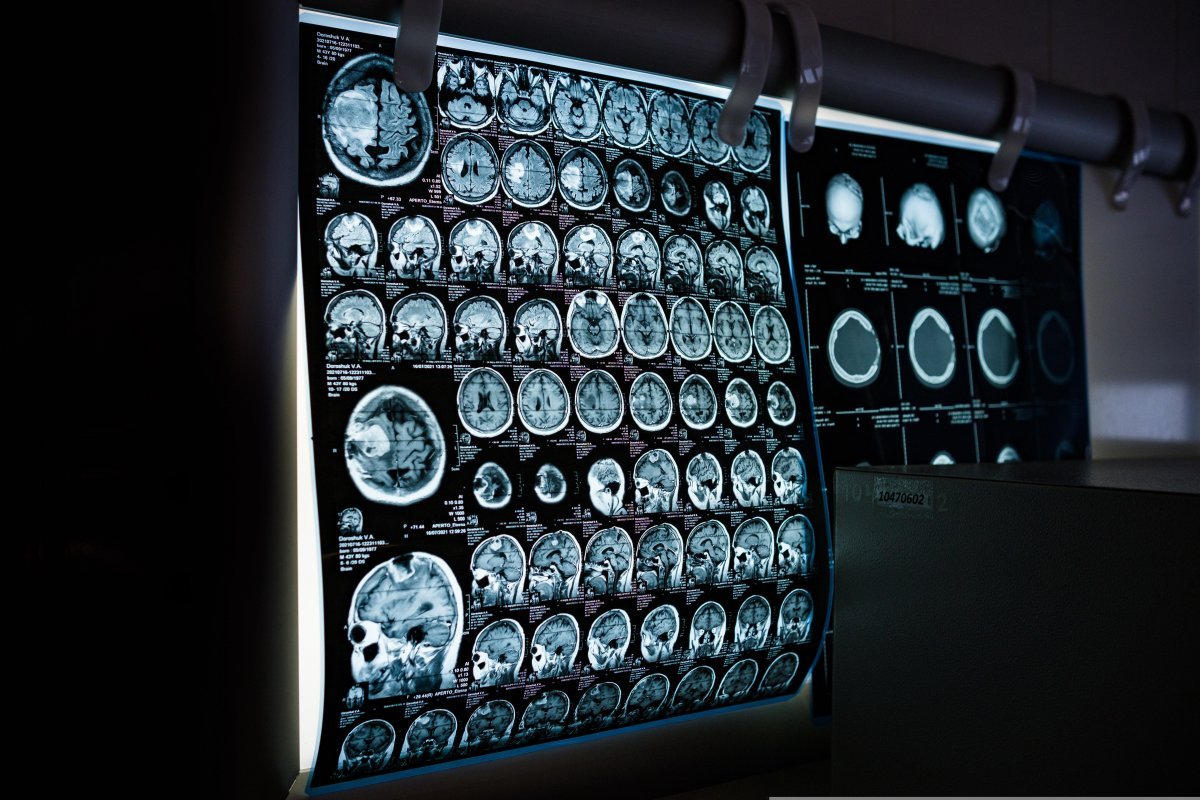
Nuno wakes on a Greek island unable to move his arm. One side of his face has lost all sensation. The 43-year-old fisherman recognises something wrong is happening to his body. He suffers a stroke in a place with no healthcare facility and no medical expert within reach. An air ambulance could take hours to arrive, then hours more to transport him to Athens for treatment. For stroke patients, time determines everything.
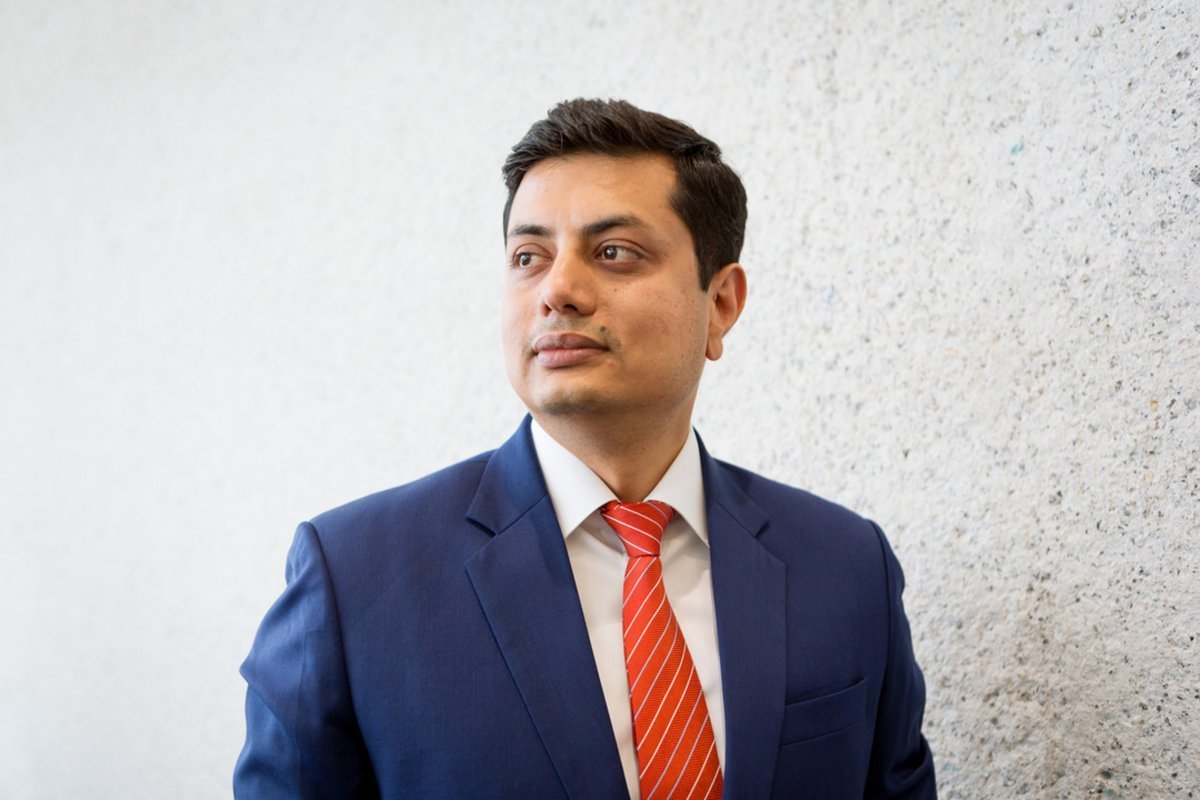
“In a stroke we say that time is life because every single minute that you miss you have millions of neurons dying,” says Sourabh Pagaria, president of Siemens Healthineers Ultrasound Business, who is transforming healthcare through AI, purpose-driven innovation, and leadership with heart.
Indeed, it’s technology that transforms Nuno’s crisis. Through remote consultation, doctors in Athens provide immediate diagnosis. Local healthcare workers administer medicines that slow brain cell damage. In this way, technology makes quality healthcare accessible even in isolated regions where traditional medical infrastructure doesn’t reach.
Healthcare faces interconnected challenges that demand urgent solutions
Of course, the global healthcare crisis extends far beyond individual emergencies. At least half the world’s population cannot obtain essential health services, according to data from the World Health Organisation and the World Bank. More than half of humanity lives in rural or remote areas where advanced medical technology never arrives. For Pagaria, this is “challenge number one”.
Even where technology exists, there aren’t enough professionals to operate it. The World Health Organisation estimates that by 2030 the healthcare industry will lack between 10 and 11 million professionals, mosao paolo,stly in low- and lower-middle income countries. This is a shortage equivalent to the entire population of Botswana, Lesotho, Namibia, Mauritius, and Eswatini combined. “We have to figure it out,” Pagaria says. “Not only how to get the technology there but how to get the skillset there.”
The third challenge surprises many: healthcare’s environmental footprint. In Europe, 10% of energy consumption occurs in healthcare facilities. This means that extending current healthcare standards to the entire global population would create unsustainable environmental demands.
The fourth crisis stems from demographic shifts. People live longer but not necessarily healthier. Extended lifespans without corresponding health improvements mean more people require more healthcare for longer periods.
These four challenges create what Pagaria calls a situation not for the faint of heart. Yet practical solutions exist, demonstrated through real-world implementations that prove technology can expand access, improve outcomes, and reduce environmental impact simultaneously.
São Paulo’s digital backbone prevents strokes and reduces emergency bottlenecks
São Paulo presents a compelling case study. The Brazilian megacity, the most populous in South America with 23 million people across its metropolitan area, implemented a comprehensive digital health system that connects the entire healthcare infrastructure through a unified backbone. An analytics layer examines electronic health records to identify patients at risk for cancer diagnoses or stroke development.
After just six months of operation, measurable results demonstrated the system’s effectiveness. Predictive analytics prevented 28 stroke episodes by identifying at-risk patients before crises occurred. At the same time, the platform enabled 600 000 telemedicine consultations, meaning approximately 10% of São Paulo’s population accessed remote healthcare annually.
“Now you don’t have to drive to your general practitioner,” Pagaria says. “You can just get on the phone. It’s good for you, good for the environment, and good for the doctor. They are able to be productive and help you without being stressed about it.”
The system also reduces emergency visits, which is one of healthcare’s biggest bottlenecks. In systems such as the UK’s National Health Service, emergency waiting times extend from hours to even days. By reducing emergency visits, the healthcare system can free capacity for critical cases while routing less urgent matters through appropriate channels.
European stroke centres slash treatment times through coordinated protocols
Stroke treatment exemplifies how technology creates life-changing outcomes when implemented strategically. The Umbrella research project, co-funded by the European Union’s Innovative Health Initiative (IHI) and co-led by Barcelona’s Vall d’Hebron Research Institute (VHIR) and Siemens Healthineers, is on a mission to transform stroke care by “addressing key challenges in diagnosis, treatment, rehabilitation and prevention”.
The goal seems impossibly ambitious: providing intervention within 30 minutes of a patient’s hospital arrival. To do this, the hospital focuses on reducing “door-to-needle time”, which is the interval between patient arrival and beginning the procedure to remove blood clots causing strokes.
“They have been able to reduce it from 72 minutes to now almost less than 28 minutes,” Pagaria explains. “This is an amazing advance because that means less disability after a stroke and better quality of life.”
Artificial intelligence improves breast cancer diagnosis while reducing false positives
Another big step forward is in artificial intelligence. AI tools for cancer detection are already improving both accuracy and speed. Breast cancer screening has seen the biggest gains so far, with new systems spotting tumours more reliably and cutting reporting times without sacrificing accuracy.
“In terms of making sure that we have positive detection rates and not false positive, AI can do a better job,” Pagaria says.
The technology catches more real cancers while cutting down on false alarms that lead to stress and extra tests. Instead of replacing radiologists, AI supports them. This means they can deliver more reliable results while also freeing doctors to focus on the cases where human judgement matters most.
Remote scanning multiplies expertise across geographic distances
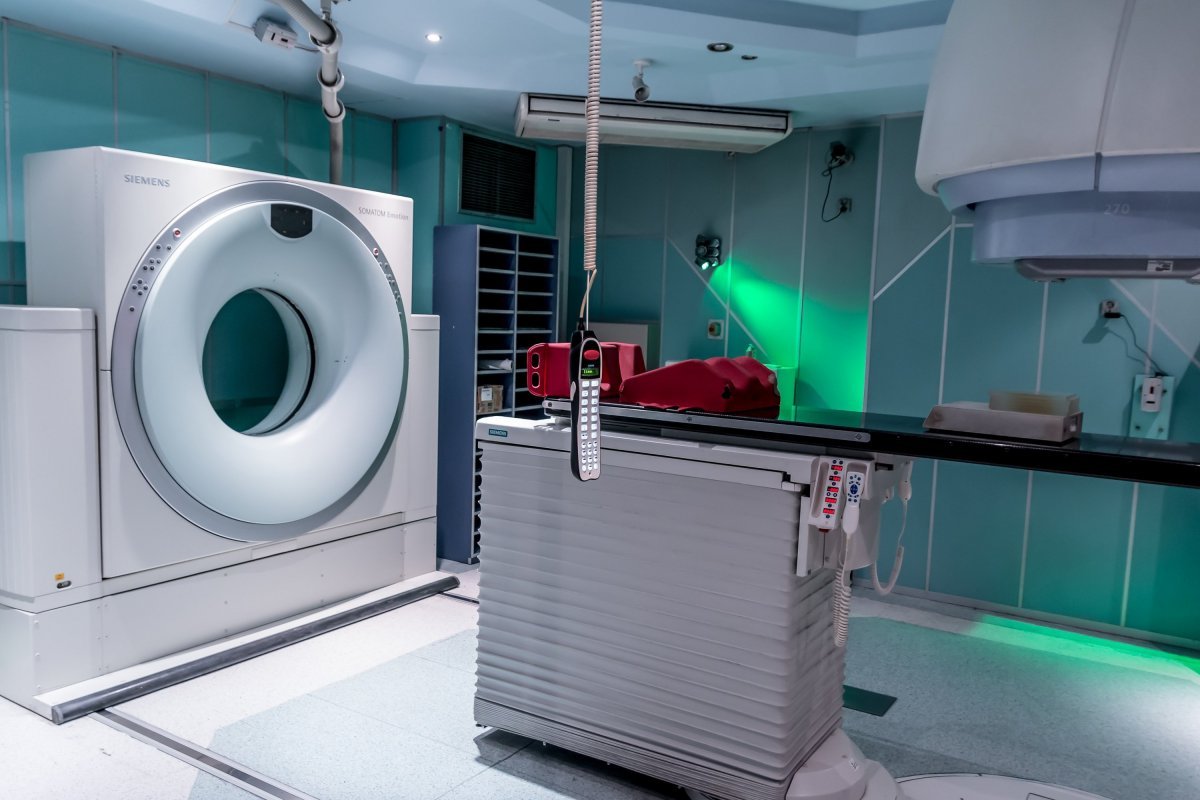
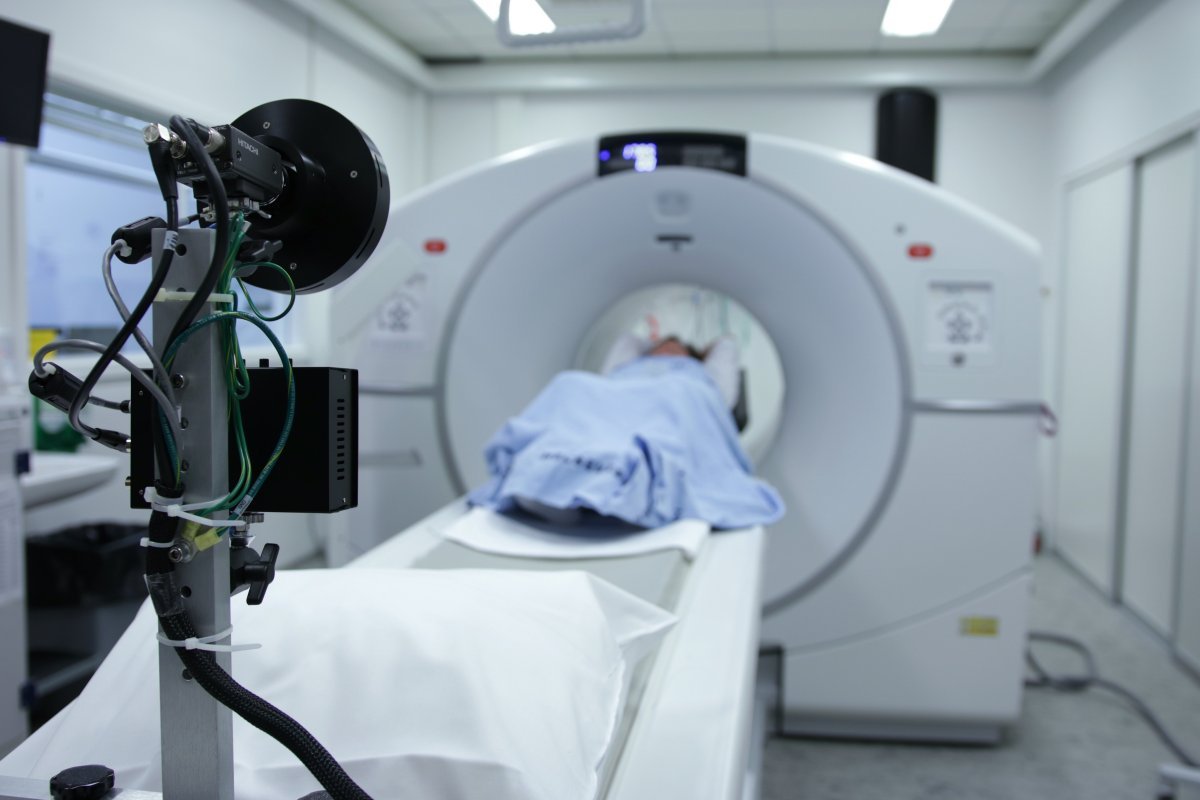
Building on these advances, remote scanning is transforming how medical imaging is delivered. Using “virtual cockpits” specialists can now control MRI machines from anywhere in the world. A radiologist in Singapore, for instance, can guide a scan in Nairobi in real time.
“This technology allows someone sitting thousands of kilometres away to perform a highly complex MRI scan on a patient,” says Pagaria.
By decoupling expertise from location, remote scanning amplifies the reach of skilled professionals. One specialist can support hospitals across multiple regions and time zones. This means that rural facilities have access to the same quality of care as major urban centres. It’s how the technology addresses both the shortage of specialists and the challenge of unequal access at the same time.
Sustainable MRI technology slashes helium consumption by 99.975%
Of course, all these advances come at a cost, both financial and environmental. Cutting-edge imaging systems demand vast resources, from rare materials to complex manufacturing. That’s why the next wave of innovation focuses on sustainability as much as performance.
MRI machines, for example, depend on superconducting magnets cooled by helium, which is one of the planet’s scarcest elements. A standard unit can use 1 500 to 2 000 litres of helium over its lifetime. “What did we do? We put in technology so that with just 0.5 litres you can run an MRI machine for life,” Pagaria explains.
Reducing helium use from 2 000 litres to half a litre marks a genuine sustainability breakthrough. This approach keeps diagnostic precision intact while sharply reducing the environmental footprint and sets a new benchmark for eco-conscious medical technology.
Innovation exists but adoption lags behind technological capability
Despite these advances, Pagaria identifies a troubling gap between innovation and implementation. The healthcare industry has been discussing AI, sustainability, and digital transformation for over a decade. In 2015, these topics dominated healthcare conferences. A decade later, the same conversations continue without proportional progress in adoption.
“Why are we still talking?” Pagaria asks. “Why are we not moving forward?”
It seems to be that progress occurs in fragments rather than at the momentum required for genuine transformation. That’s why Pagaria believes that moving forward demands different approaches focused on three critical factors that determine whether innovations succeed or remain nothing but interesting demonstrations.
Clinical value, integration, and scalability determine implementation success
The first requirement seems obvious but proves difficult: innovations must create real clinical value. Technologies need to benefit patients and physicians, not just represent novel capabilities.
“It is important that we don’t create innovations which are cool but neither have value for patient nor for physicians,” Pagaria emphasises.
Integration forms the second critical factor. Healthcare IT systems already complicate physicians’ lives. When different systems fail to communicate with each other, doctors are forced to work across multiple incompatible platforms.
“If you are a doctor, you know how complicated life is,” Pagaria says. “The biggest enemy is their own IT system because nothing is integrated with anything else. You don’t want to have another tool sitting there and making them work. You have to integrate it into their workflows.”
Seamless integration into existing workflows determines whether busy healthcare professionals adopt new technologies. Tools that require learning new systems or switching between platforms face resistance regardless of their potential benefits.
Scalability represents the third essential factor. Eight billion people deserve quality healthcare. This reality means solutions must work at scale rather than only in well-resourced pilot programmes.
“We can’t have eight billion different solutions,” Pagaria says. “We need few good, scalable solutions. That’s what we need to focus on.”
The time to act is now
As this feature has shown, the technologies exist. The question facing healthcare innovators, critical thinkers, and potential adopters becomes whether the industry possesses the readiness to transform.
“Are we ready for that transformation?” Pagaria asks. “For me, answering that question is what will make the big difference between whether we will have it or not.”
The gene therapy revolution finally arrives
When KJ Muldoon was born in August 2024, doctors gave his parents a grim prognosis. Their son had severe CPS1 deficiency, a rare metabolic disorder that kills about half the infants diagnosed with it. His body couldn’t break down protein properly, meaning that toxic ammonia would build up in his blood. The standard treatment was a restrictive diet, constant monitoring, and hope that he’d survive long enough for a liver transplant.
Six months later, in February 2025, KJ received three infusions at Children’s Hospital of Philadelphia. The treatment contained billions of microscopic gene editors designed specifically for him. These were programmed to find and fix a single mutated gene out of 20 000 in his body.
Now KJ is thriving. He tolerates more protein in his diet, needs less medication, and shrugged off a childhood virus that would have previously sent his ammonia levels dangerously high. He became the world’s first patient to receive personalised CRISPR (clustered regularly interspaced short palindromic repeats) gene-editing therapy.
“While KJ will need to be monitored carefully for the rest of his life, our initial findings are quite promising,” says Dr Rebecca Ahrens-Nicklas, who led the treatment.
KJ’s case represents both the promise and paradox of modern gene therapy: a field that can now create bespoke cures in six months but struggles to make them accessible beyond individual patients.
Early setbacks forced the field to pause and rebuild trust
Early gene-therapy clinical trials in the 1990s proved that the science was possible but delivered little therapeutic benefit. The first clear success came in 2000, when researchers in Paris used gene therapy to treat children with a rare immune disorder. Then tragedy struck. A teenager in a Philadelphia trial died three days after receiving treatment. Three years later, two children from the successful Paris trial developed leukaemia caused by the therapy itself. Funding evaporated and industry interest faded.
“These two instances of adverse events caused the whole field to pause and to ask if it was really ready for human application,” says Katherine High, a gene therapy pioneer and CEO of RhyGaze, a company at the forefront of developing a novel first-in-class gene therapy aimed at improving vision in patients suffering from retinal diseases. “Only academic groups kept the research alive and carefully rebuilt credibility through incremental success.”
The promise that can’t scale
KJ’s treatment worked but it cost $800 000 and took a team of researchers six months to design for his specific mutation. The therapy will probably never be used again because his exact genetic error is so rare that he may be the only child in the world who has it.
This is gene therapy’s central paradox. The science has arrived but pharmaceutical companies have no economic incentive to develop therapies for conditions affecting one child, or ten, or even a hundred.
Some researchers propose developing treatment templates for groups of similar conditions, which would make each case less expensive to adapt. Others argue that society must simply accept that some treatments will never be profitable and fund them differently. For example, European healthcare systems, where education, social support, and medical costs share the same budget, can more easily justify spending $800 000 now to prevent a lifetime of disability costs.
Approved treatments expand beyond ultra-rare diseases but gaps remain
Fortunately, the scope is expanding. Clinical trials for inherited deafness and blindness, which affect larger populations, show promising results. Approved treatments now also exist for sickle cell disease and haemophilia. But for families whose children have conditions as rare as KJ’s, the question remains: will they reach a hospital with researchers willing to take the risk, or will they simply wait for a transplant that may never come?
“When gene therapy works, the clinical effects are dramatic,” High says. “A very small number of patients are usually adequate to demonstrate a clear clinical effect.”


Gallery