
Pristine beaches, spectacular nature reserves, unique cultural heritage and vibrant cities, South Africa has it all. Figures released in March this year by Statistics South Africa (Stats SA) for 2025 show the country welcomed 17.7% more visitors last year than the 8.9 million visitors recorded in 2024.
But growth has come with challenges to infrastructure and increased competition for accommodation, especially in cities such as Cape Town, where sky-high Airbnb rates have pushed many local residents out of the city centre.
Can a sustainable strategy for the country promote robust tourism, capturing potential revenue and employment gains, while ensuring local residents are not marginalised and popular tourist towns retain their charm and remain liveable?
Far flung adventure
South Africa’s tourism industry continued to be driven largely by regional travel in 2025. Three-quarters (75.2%) of all arrivals came from neighbouring Southern African Development Community (SADC) countries, while overseas tourists made up 22.8% of total arrivals, “reflecting South Africa’s continued appeal to long-haul markets”, according to Stats SA.
Overseas tourists stayed the longest, with most remaining in the country for eight to fourteen days. An overwhelming 97.3% of arrivals were visiting the country for holiday, while business travel made up the remainder of all arrivals.
SA Tourism strategy – longer stays and higher spend
The efforts of SA Tourism and the Department of Tourism are undoubtedly reaping rewards, but can tourists be encouraged to stay longer, spend more while on holiday, and return to the country for repeated trips?
The Department of Tourism’s 2025-2030 Strategic Plan aims to:
- Grow international tourist arrivals to 15 million by 2030, including intra-African arrivals
- Increase tourism’s economic contribution through geographic, year-round spread of visitor volumes and revenue · Increase international tourist spend to R115.2 billion per year from the current R104 billion
- Broaden geographic spread by promoting less-visited destinations such as Clarens in the Free State and Cape Agulhas in the Western Cape
- Grow direct employment to one million jobs
The Tourism Partnership Growth Plan, a joint effort between the private sector and the Department of Tourism, is a five-year strategy to position tourism as a key driver of inclusive
economic growth and job creation in South Africa.
According to the plan, South Africa is “underweight in tourism, and the sector’s contribution to GDP and employment is lower than many peer markets.”
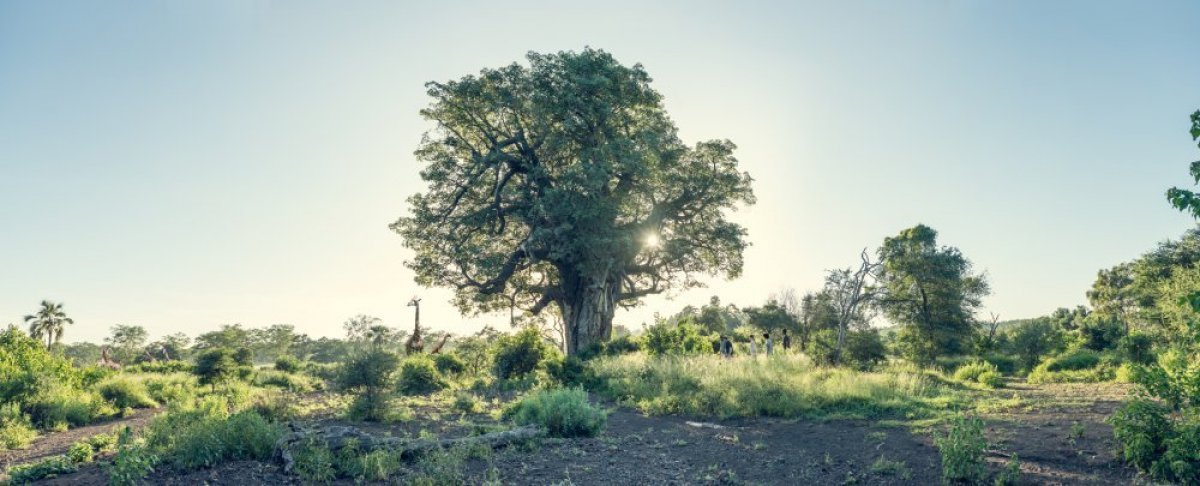
South Africa’s vast network of national parks and nature reserves continue to be a major drawcard for tourists, both local and international. South African National Parks’ revenue hit a record R4 billion in 2025, and its performance report stated the organisation is “optimistic that the upward trajectory in visitor numbers will continue at least for the next three years”, anticipating an 11% year-on-year increase in visitor numbers.
However, infrastructure in many high-potential areas remains woefully inadequate, leading to some less frequently visited destinations lacking the roads, accommodation, or facilities to absorb visitors, and limiting the ability of these often rural areas to share in the economic benefits of tourism.
Tourism’s contribution to the economy is intrinsically linked to small business development and is an important job creator, absorbing high numbers of youth, women, and rural community members.
Business tourism remains a potential area for development, with business travellers often staying longer, spending more during their visits, and often returning for leisure. The most significant increase in SA Tourism’s budget is in its business tourism programme, which was allocated a 32% increase of over R300 million for the 2024-25 period.
The rise of Instagram-worthy tourist destinations
The Bo-Kaap
A lack of cultural awareness from travellers and a constant influx of crowds, which make it difficult for residents to go about their daily lives, can easily result in anti-tourism sentiment.
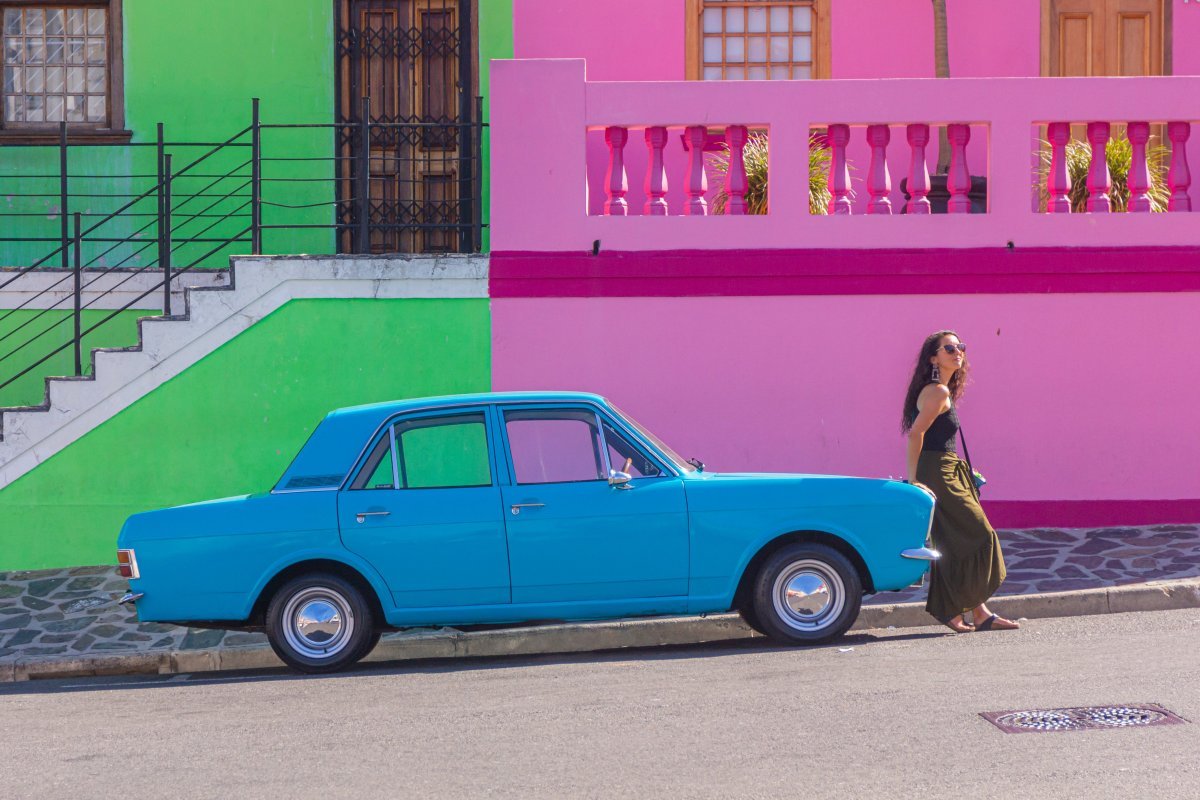
The Bo-Kaap’s famous rainbow facades are a national heritage site and often feature in the Instagram posts of visitors to Cape Town. Residents of the area have reported tourists entering homes under the impression they are museums, and of being more interested in photographing the colourful houses than in the history of the area.
The Bo-Kaap has its origins in Cape Town’s Cape Malay and Muslim heritage, and dates back to the 1760s when freed slaves and Southeast Asian labourers established the community. The Auwal Mosque, founded in 1794, is South Africa’s first.
The Dorp Hotel, perched high above the city against the slopes of Signal Hill on the Bo-Kaap’s Schotsche Kloof, was opened by hotelier and creative personality Gail Behr in 2019.
The hotel’s guide to the area encourages visitors to remember the Bo-Kaap is a living community. For a responsible visit it suggests tourists “stay on sidewalks, dress modestly, ask before taking photos, support local businesses and guides, and appreciate that this is their home first”.
Stellenbosch
With its mountain trails, white-washed historic buildings, wine farms, and award-winning restaurant scene, the Cape Winelands town of Stellenbosch is no stranger to the tourist rush.
Forty percent of all international tourists to the province head inland to see what all the fuss is about, supporting more than 48 000 jobs and contributing R13.1 billion to Stellenbosch’s economy in 2024.
While international visitors still dominate, domestic tourism to the town remains relatively untapped, and there is an opportunity to convince more of the 1.6 million local day visitors to turn their trips into overnight stays, according to Annemie Liebenberg, CEO of VisitStellenbosch.
As South Africa’s second-oldest town, Stellenbosch aims to be a model for sustainable, high-value tourism, and the efforts centre on “attracting local and international visitors who are looking for meaningful immersion over surface-level sightseeing”. The destination offers a diversity of experiences, all available within a relatively compact geographic area.
“Sustainable tourism growth is not about volume alone. It is about value, depth, and distribution of benefit,” Liebenberg says.
As global interest in the Western Cape continues to grow, destinations such as Stellenbosch must embrace the opportunity this offers, while protecting the authenticity, character, and community connection that make destinations truly meaningful in the first place.
Liebenberg points out that Stellenbosch is experiencing a growing demand for slower, more intentional travel. “The focus is not simply on attracting more visitors. Sustainable tourism is about creating long-term value through deeper experiences, meaningful economic contribution, environmental stewardship, and preserving the local soul of the destination.”
The property problems – Cape Town accommodation: Airbnb vs residents
More than 3.3 million international passengers made their way through the Cape Town International Airport in 2025, an increase of 7% on the previous year. The Western Cape Government plans to double this by 2035 as part of its Jobs for Growth strategy.
But, as tourist numbers to the Western Cape have ballooned, so has competition for accommodation. Short-term rentals, which command impressive yields for their owners, have also priced many locals out of the market in the city centre.
Since 2019, the number of Airbnb listings in Cape Town has increased by 92% to nearly 27 000, according to data from Inside Airbnb. Around 70% of residential units in Cape Town’s city centre are either hotel-managed or listed on Airbnb.
While the average nightly rate for a short term rental in central Cape Town is around R2 600, apartments in Camps Bay and Clifton can command R12 000 a night or more, according to Cape Town Data.
The New York Times explored the issue in a recent article, highlighting that the “shortage of affordable housing has forced many residents to live far outside the city centre, while tourists occupy prime real estate”.
Are parts of the city at risk of becoming like Florence, Barcelona, and other European destinations that have experienced an exodus of locals, becoming tourist-only zones?
While there are currently no specific laws regulating short-term letting in South Africa, the Department of Tourism has gazetted a Draft Code of Good Practice for Short-Term Rentals. If adopted, the code will standardise regulations and require properties used primarily for commercial short-term letting to pay municipal rates at a commercial tariff, rather than the lower residential rate. This could see some owners’ rates bills double.
The Department of Tourism is also exploring policies that could cap the number of days a property may be rented out each year to balance tourism demand with local housing needs.
Global overtourism – case studies and responses
Some countries have taken extreme measures to prevent overtourism, a phenomenon that can alter the local landscape for tourist consumption to such an extent that daily life for residents becomes unpleasant, if not impossible.
The Spanish city of Barcelona receives 30 million tourists annually, as does Venice. Paris welcomes 47 million tourists every year, with 6.4 million visits during the peak summer months of July and August alone.
- Venice Most visitors to Venice stay for just a few hours, seeing little beyond the city’s famous landmarks. Tourism numbers have led to a depopulation of the city: In 1951, Venice’s centre had 174 000 residents; by 2025 this had declined by 72% to just 49 000. In an effort to stem the influx of day visitors, the city banned large cruise ships from the Venice Lagoon and the historic centre in 2021.
- Japan Travel to Japan has boomed since the Covid-19 pandemic, with international visits surging to a record 42 million in 2025. Tourism has become Japan’s second-largest export after cars.This overwhelming tourism pressure is concentrated in a small number of high-profile destinations, including Tokyo, Kyoto, Osaka and the areas around Mount Fuji. Residents at famous attractions have continued to complain of overtourism, which led to the cancellation of Japan’s cherry blossom festival in Fujiyoshida earlier this year.
- Austria Instead of promoting its famous tourist attractions, Austria Tourism recently asked visitors to sign a playful non-disclosure agreement, promising not to post their experiences online to protect hidden gems and reduce overcrowding, prompting a rethink of how travel experiences are shared.


Gallery