
“We are the first generation to feel the impact of climate change and the last generation that can do something about it.” – Barack Obama, former US President
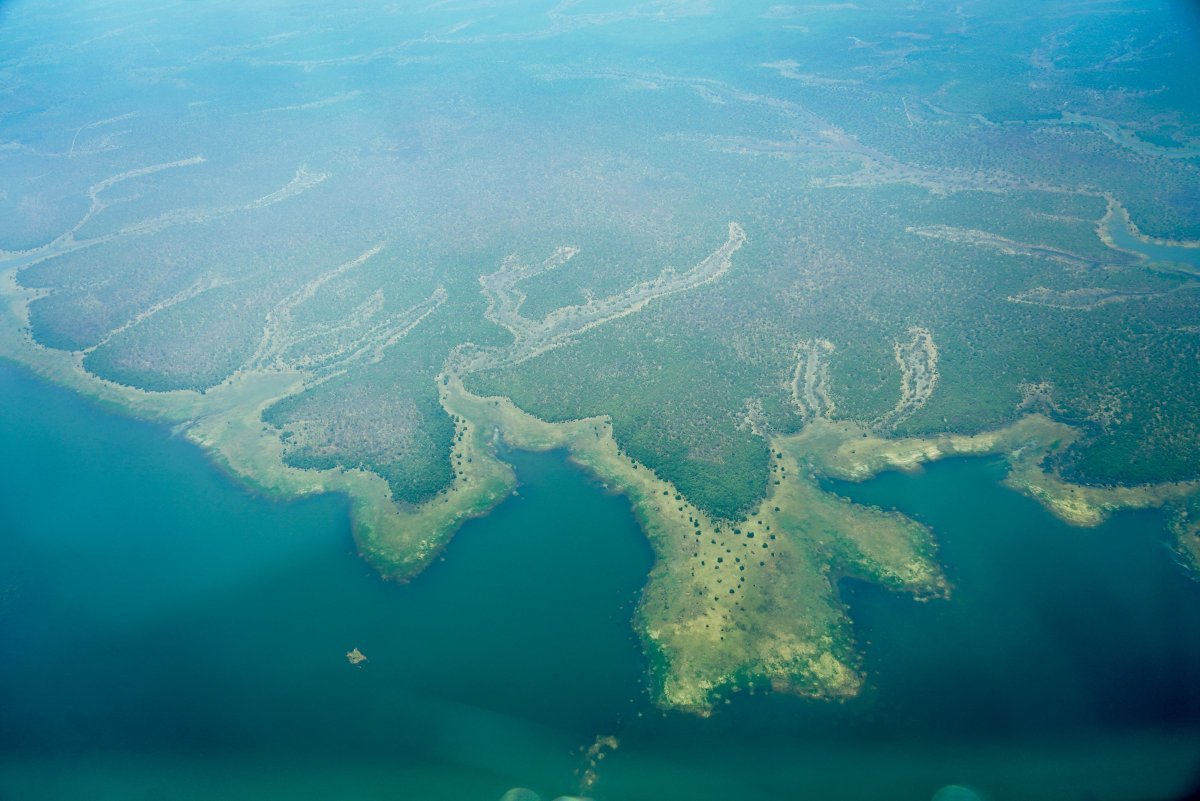
Here’s the thing. A dry year in Botswana may have minimal impact on the Okavango Delta’s flood levels. This is a classic case of macro-climate trumping micro-climate, and scientists tend to look towards the rainfall data in Angola and Namibia when they predict annual flood levels in the Delta.
How does it work? The Okavango Delta’s hydrological rhythm is dictated by a dual water supply, with the local summer rains, from November to March, contributing in the region of six billion cubic metres (m3) of water every year.
A defining (and more substantial) nine billion m3 of water arrive via the Okavango River, originating in the Angolan highlands. This annual flood triggers a dramatic increase in discharge at the Delta’s inlet, usually during late summer or autumn and with almost 60% of the flood surge directly impacted by this upriver rainfall.
The Okavango River is further swelled by Namibian rains, so when scientists monitor or predict a particular flood season, data is often gathered from Rundu and Divundu water stations in Namibia. Vast distances to Angola’s headwaters and the flat terrain of the delta mean that the flood typically only peaks in August or September.
In a nutshell, that is how the Okavango’s water rhythm plays out in any given year. There are of course flooding peaks and troughs within this cycle – driven by El Niño and other macro-weather phenomena – but most current data suggests a gradual aridification of the southern African sub-continent.
This process is sure to have a massive impact on this Unesco World Heritage Site. “It is no longer possible to study any species, habitat, or ecosystem without considering climate change”, says Dr Jennifer Lalley, director of conservation at Natural Selection, a key conservation and tourism player in the Delta. “This now competes with habitat loss as a main driver of species extinction.”
Ecological repercussions
The proverbial spanner in the works is that we may be able to combat habitat loss at a local scale, but there is little conservationists on the ground can do to control the climate change phenomenon. “That’s up to our global community at large; all we can do is to try and mitigate the impact as best we can,” explains Lalley.
One of the significant concerns is the anticipated increase in evapotranspiration.
Yup, explainer required: the Delta naturally loses up to an extraordinary 97-98% of its water through evaporation from soil and water bodies, and transpiration from plants (the process where water evaporates from a plant’s leaves, stems, and flowers, moving from the roots up through the plant’s vascular system and out as water vapour through tiny pores called stomata).
Scientific data points to a significant decrease in rainfall trends over wider catchment areas, as well as rising maximum and minimum temperatures, and an increase in net radiation. This will increase evapotranspiration, with water resources likely unable to supply the needs of fauna, flora, and humans depending on this unique ecosystem.
All things great and small
The Okavango Delta’s unique biota has evolved remarkable adaptations, with growth and reproductive behaviours intricately synchronised to the annual flood cycle. This is particularly true for the flooded grasslands, with life stages linked to the arrival of the flood waters during Botswana’s dry, late-winter season.
The ecosystem is globally renowned for its spectacular wildlife, attracting vast herds of African elephant (Loxodonta africana), Cape buffalo (Syncerus caffer), and red lechwe (Kobus leche) during the annual floods. The Delta is also a critical stronghold for robust populations of endangered mammals, such as cheetah (Acinonyx jubatus) and African wild dog (Lycaon pictus), all uniquely adapted to this wetland.
A key issue in the Okavango Delta is human-animal conflict, and with climate change affecting flood levels, surface water and grazing will become sparser, exacerbating this conflict. One way to reduce these mega-mammal skirmishes is to track elephant migration patterns.
To this end, Natural Selection partnered with Elephants for Africa (EFA) in a collaring project to gather insight into elephant movement across protected areas and human landscapes. The EFA collars were fitted with accelerometers, allowing researchers to identify key feeding and drinking areas, and highlight hotspots that needed monitoring (more at www.naturalselection.travel).
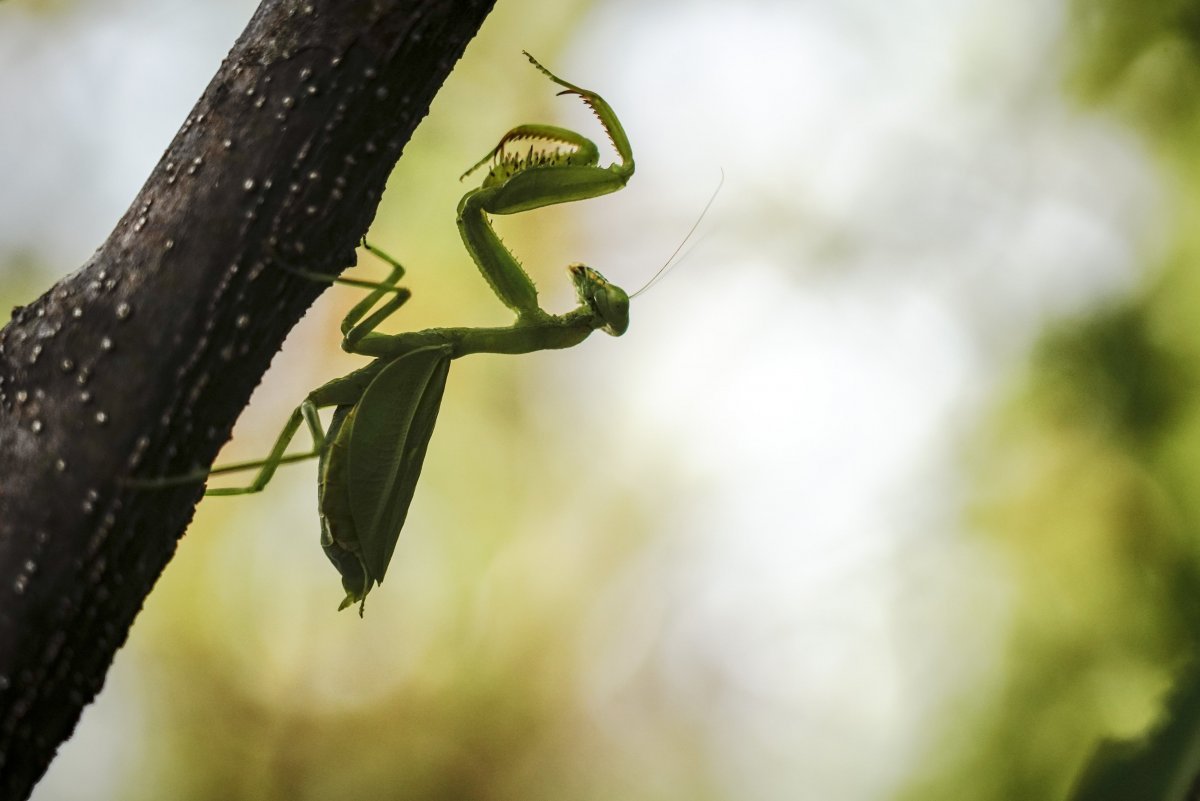
It is not just about mega-fauna, though: threats to the tiniest of animals can impact the environmental health of an ecosystem. Fish species depend heavily on seasonal flooding for food and successful breeding, and the “flood pulse” is imperative to their nutrient delivery and the creation of breeding areas.
Bird populations are directly affected by this, too. The Delta is home to 450 species, of which 24 are globally threatened. A recent study predicts that by 2050, 87% of all critical waterbird sites in Africa, including the Okavango, will become less suitable due to rising temperatures, reduced rainfall, and increased evapotranspiration.
This could decimate the largest single group of globally threatened wattled cranes (Grus carunculatus) in the Delta, as well as the slaty egret (Egretta vinaceigula), a near-endemic species, with 75-85% of its global population found only here.
These vulnerable species – and hundreds of threatened plants – seem already to be losing the battle due to aridification, habitat destruction by fire, and the increase in human disturbance. To save the Delta, radical changes need to be implemented.
A water-wise Delta economy
Protecting the Okavango Delta requires us to box clever, with an all-in-one approach to managing its resources. Any strategy will need to be future-proof and also depend on strong teamwork between the three countries that share the river.
Angola, Namibia, and Botswana all belong to Okacom, or the Permanent Okavango River Basin Water Commission. Cooperation is vital for managing this shared water resource feeding the Delta and must consider natural factors such as climate change, as well as human pressures from developments upstream.
Okavango’s economy and the lives of its human inhabitants are intricately linked to its unique flood cycle, with tourism rated Botswana's second-biggest income generator after diamond mining. Any environmental changes may directly affect this revenue stream, and by default the livelihoods of local communities.
Economic impact affects local farmers and fishers, not only the thriving tourism industry operating from the central town of Maun. Both parties rely heavily on the unique flood cycle and will face major disruption from the effects of climate change.
Subsistence farming in the Delta is colloquially known as “molapo farming”, with fields right on the river banks. Ploughing and planting is usually done from August through to November and harvested by February before water floods the fields again.
Farming communities are severely impacted when flood cycles change, with recent droughts leading to ghost villages and non-economic knock-ons such as the loss of cultural heritage and biodiversity. Tourism growth in the Delta adds to competition for resources, strained community relationships, and increased food shortages.
Former Vice-President Slumber Tsogwane shared Botswana’s position at the Africa Tourism Leadership Forum (ATLF) last year, emphasising the importance of tourism to their economy. In 2019, tourism contributed 13.1% to the gross domestic product and accounted for 8.9% of jobs in the country.
International visitor spending injected a substantial 16.2 billion pula into the economy in 2023, a figure projected to rise to P20.2 billion in 2024 and P31.3 billion by 2034.
Although domestic visitor spending was slightly lower at P8.08 billion in 2023, it is also expected to increase, reaching P11.3 billion by 2034. (www.statsbots.org.bw)
It is therefore abundantly clear that Okavango’s natural wealth is inextricably linked to its economic prosperity, and that any effects of climate change on the burgeoning tourism industry will undoubtedly have deep social and economic repercussions.
Damage one facet and you upset the whole, making a strong case for climate action to go beyond just conservation. In short: “climate-proofing” will need to focus on the entire human ecology dependent on the Delta, building a stronger, more resilient society and economy in the process.
Climate-proof your Delta business
Botswana is an undisputed leader in sustainable tourism, applying a low-volume, high-yield model, especially in the Okavango Delta. Operators can contribute to this war against climate change by implementing the following best-practice solutions.
Save energy and use renewables
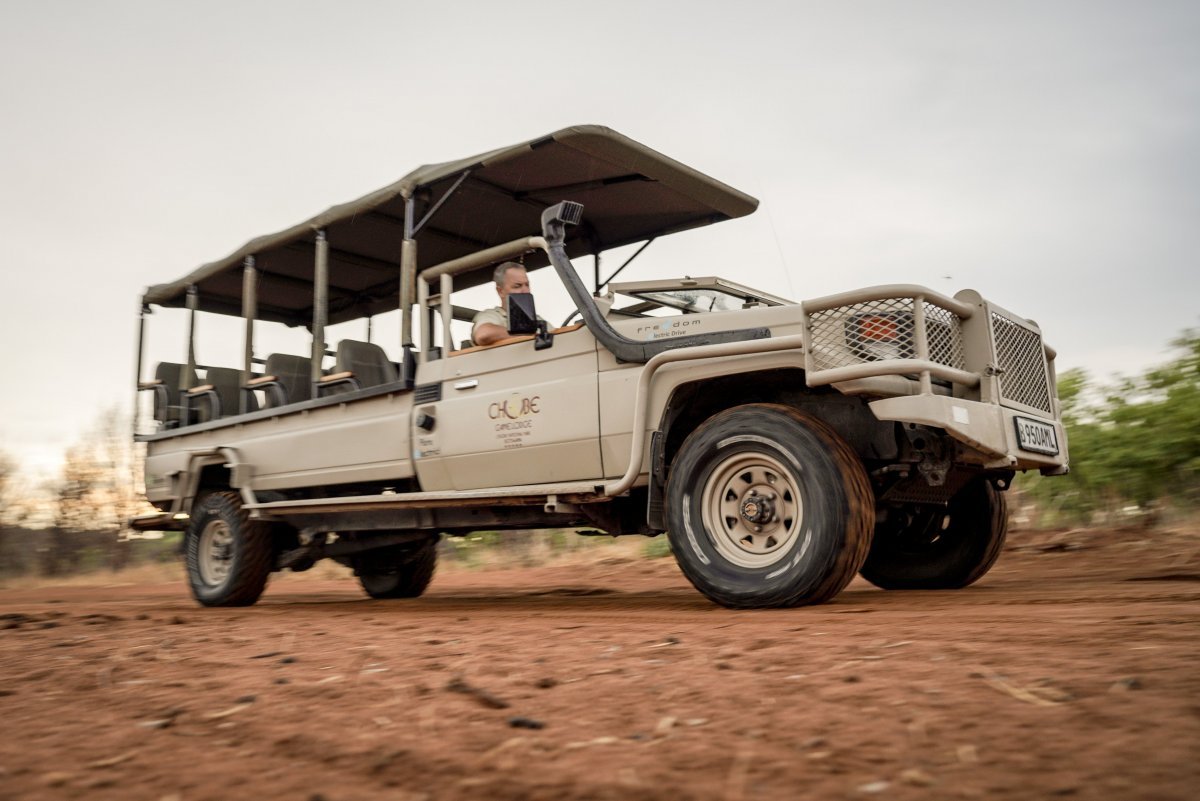
Safari operators and lodges should actively move away from fossil fuels. Solar power and smart hybrid systems in lodges (and electric safari vehicles) will drastically cut down on the use of fossil fuel. This reduces greenhouse gases and noise pollution, benefitting both wildlife and guests.
Be water-wise
Water is a precious resource, and establishments should switch to advanced on-site wastewater treatment systems. These sewerage systems clean water thoroughly before safely returning it to the ecosystem. Reverse osmosis technology creates safe water for drinking, and replaces single-use plastics with eco-friendly glass bottles. This stops pollution and preserves aquatic life.
Managing waste and recycling
Waste management is crucial to keep the delta healthy. Composting organic waste on-site creates compost for community gardens, improving overall soil health. Coordinated waste collection, recycling, and innovative ways to reuse recycled materials reduce the amount of rubbish going into landfills, thus preventing environmental contamination, and supports local food growing.
Protecting habitats through low-impact operations
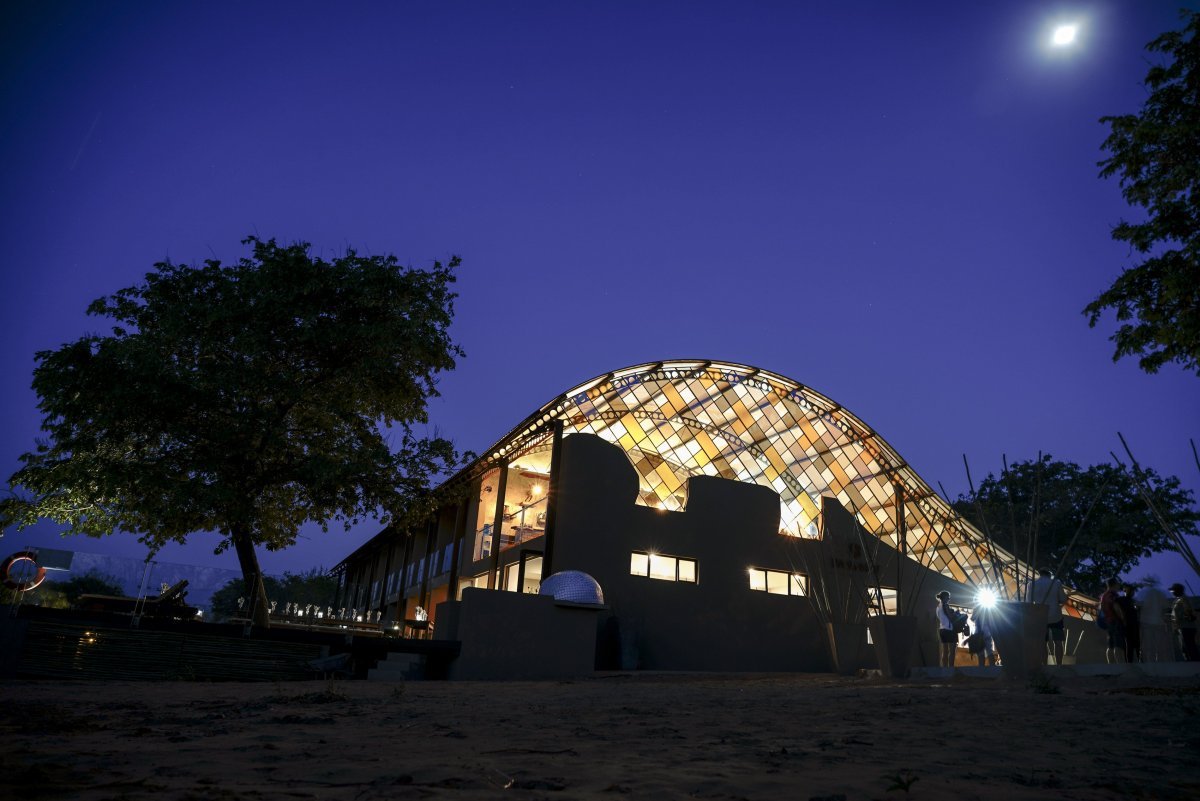
Preserving the Delta’s natural beauty is imperative, and camps must be designed to have minimal impact on their natural surroundings. Strict regulations already limit the number of vehicles in specific areas, and close off sensitive sections seasonally to protect wildlife there. This means sensitive habitats are protected to reduce wildlife disturbances during prime breeding or germination periods, thus preserving the natural balance.
Communities and conservation funding
The success of Botswana’s ecotourism model rests in part on directing tourism income directly into local development and conservation efforts. This includes supporting community-based natural resource management (CBNRM) programmes, empowering local communities to manage and benefit from their immediate natural resources. Investing in scientific conservation – such as the Elephants for Africa collaring project – helps reduce human-wildlife conflict to improve community lives, and directly helps protect endangered species.
There are also other human conflict mitigation projects, including Elephant Express busses, Ecoexist Safety Around Elephants workshops, and Communities Living Alongside Wildlife Sustainably (CLAWS). The latter is an effective communal herding programme for both livestock and wildlife protection that Natural Selection has been funding for more than eight years.
Community education
Supporting conservation education programmes is one way of “investing in the next generation”, says Murray McCallum of Natural Selection. “We believe that these children will play a crucial part in conserving Africa’s wildlife and natural resources for years to come.” Conservation education is a cornerstone for positive impact initiatives, alongside co-existence as well as habitat and wildlife management. Botswana-based programmes such as Coaching Conservation, Wild Shots, Elephants for Africa Environmental Club, and Lessons in Conservation empower young minds to become future custodians safeguarding Africa’s incredible wildlife.


Gallery