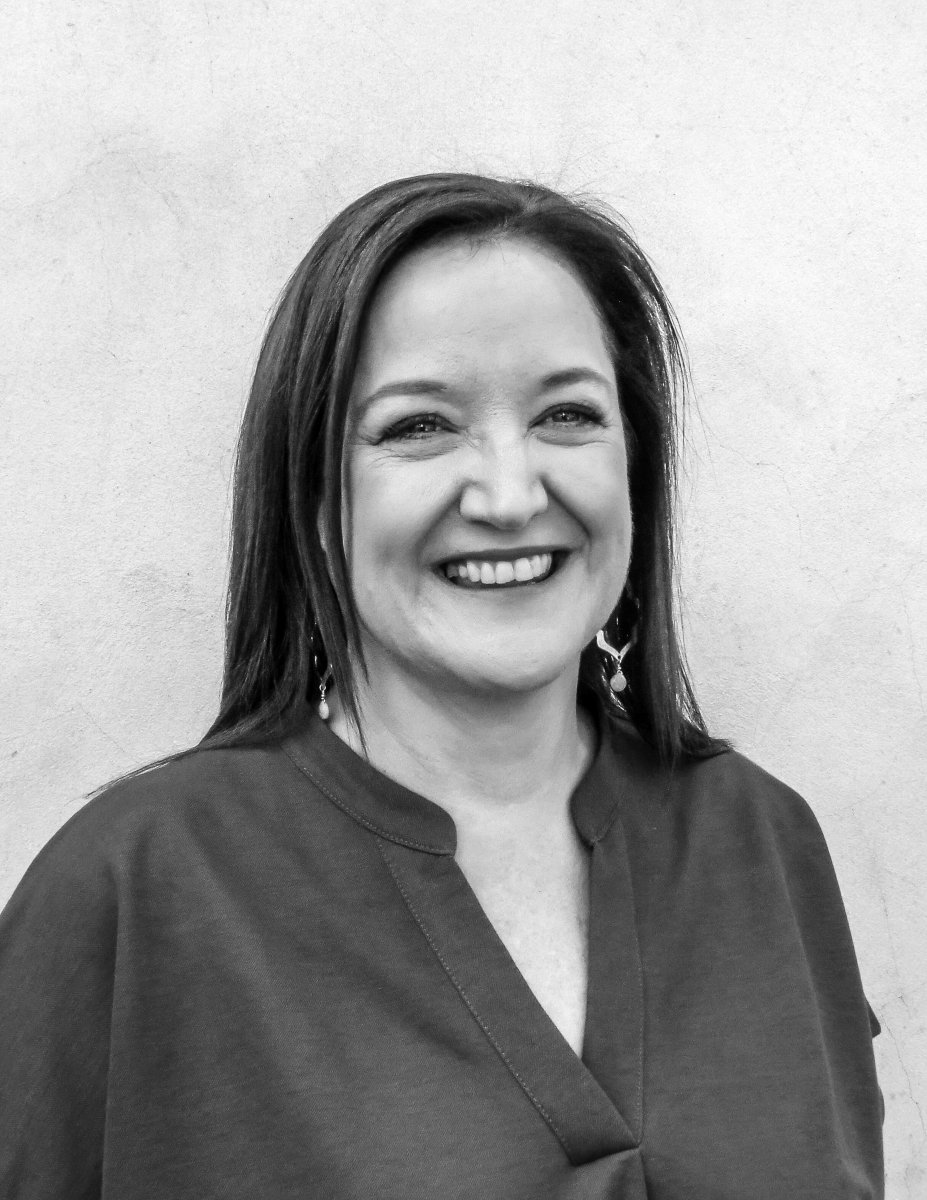
Dr. Sarah Babb, an adjunct faculty member at GIBS and a leadership development coach, says, “We require a greater understanding of the challenges women in the workplace are facing, and women themselves need to develop an awareness of this phenomenon.”
The point of burnout
Everyone in the workplace is at risk of burnout. Briony Liber, an executive coach to STEM professionals, believes that the problem is a systemic one. “I think everybody is bombarded with this pressure to succeed.” She explains that many experience pressure to be the best, the most visible, the most successful, and the most productive. She urges people to stop buying into this narrative in order to be seen as good enough.
Vezinhlahla Mncwango, a GIBS professional associate and leadership coach, says, “We can’t be the best at everything.” He advises choosing what your “differentiator” is going to be. What do you want to be best at: business leader, community leader, athlete, spouse or parent? “Find the best expression of yourself, and then at work, be happy to be good enough to add value,” he says.
The feminine disadvantage
Babb, however, argues, “Stress from these challenges is exacerbated for women because they are forced to ‘mask’ as they try to protect their ability to impact organisational strategy, protect their reputation, and ensure they are not ostracised or excluded.”
Depending on which report you look at, the incidence of burnout for women in the workplace ranges from 40% to 70%. A 2023 Future Forum survey found 46% of women, compared to 37% of men, suffered from burnout. A 2024 Personnel Today report quoted that number to be 69% versus 56% for men, while a 2025 Facilities Management Journal (FMJ) Jobs article found the number to be as high as 71%, noting this was 18% higher than it is for men. Locally, a 2022 Deloitte report noted that 40% of South African women experience burnout in the workplace.
Mncwango agrees that women experience the workplace differently to men, exacerbating their levels of stress. “The reason for that is called cultural heuristics, which is how people behave or how they show up.” He explains, “Women leaders navigate myriad guardrails because of the propensity to being stereotyped.” This is extremely stressful because they can never be upfront in their communication. For example, women are often accused of being bullies, because where men are seen as assertive, women are seen as aggressive.
Babb says that women also often pressure themselves to work harder than their male peers as many report experiencing imposter syndrome. As such, they push themselves to be overly prepared before they take on a new challenge or seize a new opportunity.
Women’s stress is then compounded because they typically also hold the societal and cultural burdens of managing the home, and caring for children and elderly parents. These are not only emotional and time constraints, says Babb; they are often financial restraints too.
The extent of this issue is highlighted by a recent United States Bureau of Labor Statistics jobs report, which noted that in December 2025, nearly all of the job losses experienced in the US affected women. A primary reason cited was that the cost of childcare in the US is exorbitant and mothers cannot afford to work.
Notably, women working at companies that are considered “gender-equality leaders” – 5% of the 2022 Deloitte sample – reported far higher levels of engagement, trust, and career satisfaction.
The broken system
Mncwango believes that this is because the “system” is failing women. He explains that men and women are socialised differently, where men are driven by the desire to “pursue, subdue and conquer”, women want to bring nurturing and collaboration into their roles. “The system has been shaped to incentivise that testosterone-fuelled masculinity,” says Mncwango.
He says, “We must ask what this means for a woman leader’s stress levels, when they come into the system with a preference towards collaboration and nurturing, which is seemingly a foreign language in the system.” He explains that workplaces need to adopt a culture of respect for diversity and collaboration.
Liber also thinks there needs to be a shift in the system, but for a different reason. She says, “During Covid, people had their first opportunity of being seen as responsible adults who could deliver and didn’t need to be watched while working.” She explains that the back-to-the office narrative has stripped them of this newfound autonomy and responsibility that came with working from home. “This is a slap in the face to women in their mid-careers who have achieved a lot of things, are used to juggling a lot of roles and need more flexibility in their lives.”
Mncwango adds to the discussion, “I think a big part of what we want to transform in the system is the humaneness of that system. We want to recognise people as whole, and to acknowledge that people are here for different reasons. It is important for people to recognise that work and being a leader in the corporate space is just one part of their lives.”
Part of that humaneness, however, needs to come from us. Liber notes that burnout is often a result of individual choices. “Burnout is both systemic and personal, with systems and behaviours reinforcing each other. Change isn’t only individual, but self-leadership – beliefs, reactions, choices, boundaries – remains the most controllable starting point.”
Effective communication
To help them navigate the system, Mncwango says that women need to be very conscious about how they communicate. Mncwango feels so passionately about this that he has written a book – Confidence Trap – about how leaders, women in particular, can manage their narratives to transcend stereotypes and the biases within the system.
He says, “Before you communicate your objective, you invoke the slow mind by stating what your goal is and then what the shared objective is. You must also state that you have experience in this area, so your intentions are based on your experience and your knowledge.”
He explains that this type of communication style shields women from noise and misconceptions arising from stereotypes applied to them, and will ultimately reduce the stress they feel from resistance to their leadership styles.
Women’s health issues
Babb notes that women assigned female at birth (AFAB) are also facing unique health challenges. A major driver of stress levels in women in the workplace are the natural hormonal fluctuations experienced by women. In addition, AFAB women anywhere between the ages of 35 and 60 may be impacted by the effects of perimenopause and post-menopause – which include sleep disruption; mood changes, including irritability, depression, and anxiety; and cognitive changes such as issues with memory and concentration.
Babb explains that all of these factors play a role in how women are able to manage in their positions at work and in turn their stress levels. As such, conversations around menopause and its impact need to be normalised and included in all businesses’ human capital policies.
In the United Kingdom, for example, a 2022 Fawcett Society report, Menopause in the Workplace, found that one in 10 women left the workforce because of unmanaged menopause symptoms, with eight in 10 saying their employer had no menopause policy. Menopause, however, is a fact of life for all AFAB women, and Babb urges these women to visit their healthcare professionals to get support to manage its debilitating symptoms.
Mental health also shapes how people cope with work demands. Liber invites people to slow down, invest time in self-reflection, and listen inwardly, amid constant external noise that ties worth to productivity, improvement, achievement, and accumulation. She encourages self-compassion and valuing one’s own needs alongside, even ahead of, external expectations.
According to the United Kingdom’s (UK’s) Health and Safety Executive’s (HSE) Labour Force Survey, women are twice as likely to take time off work for stress-related concerns, including anxiety and depression. Babb says that getting help from a healthcare professional or working with a personal or executive coach can help women understand these challenges.
Babb also urges women to consider late-life neurodivergence assessments, especially those with children who are neurodiverse. She says, “The diagnosis is an opportunity for better understanding of how one functions best and crafting a work cadence and environment that works better for them.”
In it together
Mncwango stresses that women and men need to start talking about evolving the system, “not as the enemy but as the terrain that we are all navigating together”.
Babb agrees and says that this journey is not for women to undertake alone. “I have always believed in inclusive education,” says Babb. “Men need to be aware of what women are going through, but women also need to be aware of the challenges men face. All of these conversations need to be normalised and not weaponised.”
Ultimately, Babb believes this conversation is not negative. She says, “This is a time for women to reclaim their needs and to reinvent and reposition themselves in ways that facilitate greater flow, greater authenticity, and the right to thrive at work and in life. Even burnout presents women with a chance to revisit how they live their lives, how they claim what is true and meaningful to them.”
KEY TAKEAWAYS
- Burnout is driving a silent exodus of women from corporations at the peak of their careers.
- A “system” that incentivises masculine traits is fuelling the stress that women feel at the workplace.
- Women’s work pressures are exacerbated by societal expectations of women as primary caregivers.
- Women can take charge through proactive interventions prioritising health, adapting communication styles, and changing their internal narrative of always being productive.
- Normalising conversations and promoting inclusive education in the workplace is essential. They must, however, not be weaponised to marginalise anyone.
- This discussion is not negative. It presents an opportunity for women to re-evaluate what is important so that they can add meaning to their lives.


Gallery