I was surprised by how much I missed having an occasional drink when I was pregnant. Sometimes you just want a sophisticated “adult” option – not Fanta Orange or a sugar-packed mocktail. But every de-alcoholised wine I tried tasted like regret with lingering notes of sadness (and did nothing to improve morning sickness). Thank goodness for brilliant alcohol-free gin alternatives, some even better than “the real deal”!
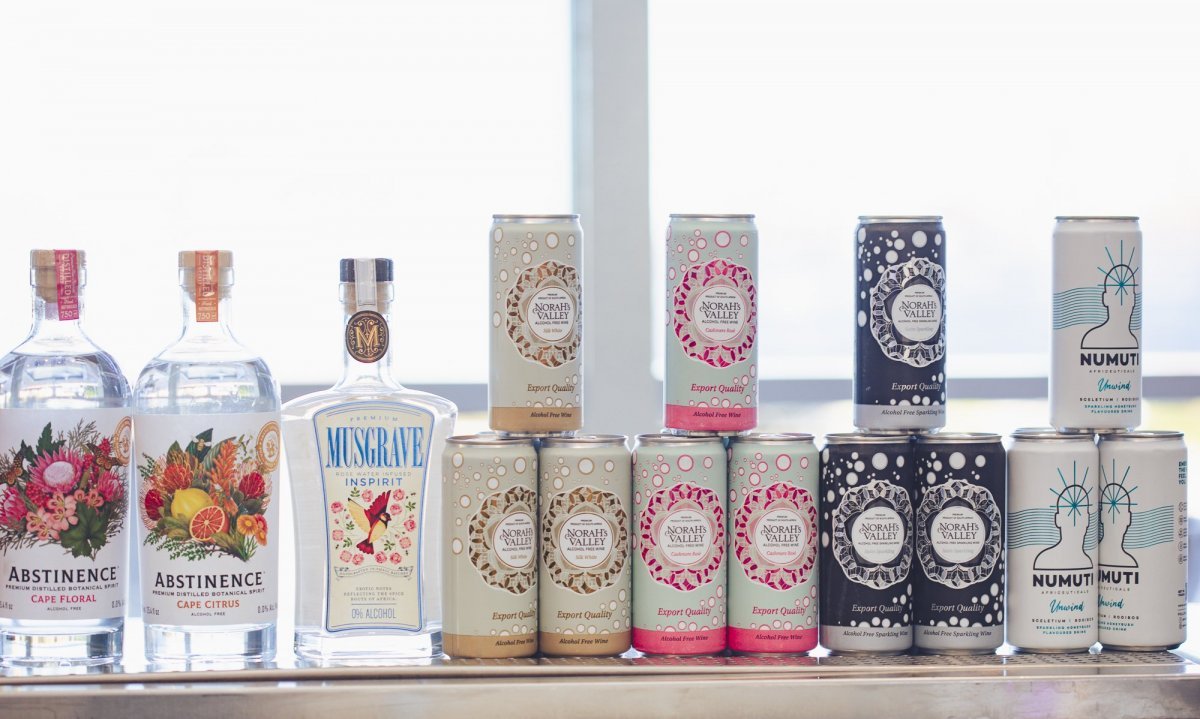
My search for booze-free alternatives led me to discover that the non-alcoholic beverages (NAB) market is booming – globally and in South Africa, along with a thriving “sober curious” culture. There are sober-orientated Contiki tours now available and even Ministry of Sound has announced alcohol-free day raves to create a more inclusive club experience.
According to research by the International Wine and Spirits Record (IWSR), a global drinks data and analytics provider, the no- and low-alcohol drinks market is experiencing strong global growth, with no-alcohol beverages driving expansion. By 2028, the no-alcohol category alone is expected to generate an additional $4 billion in sales, growing at a 7% annual rate.
Terminology
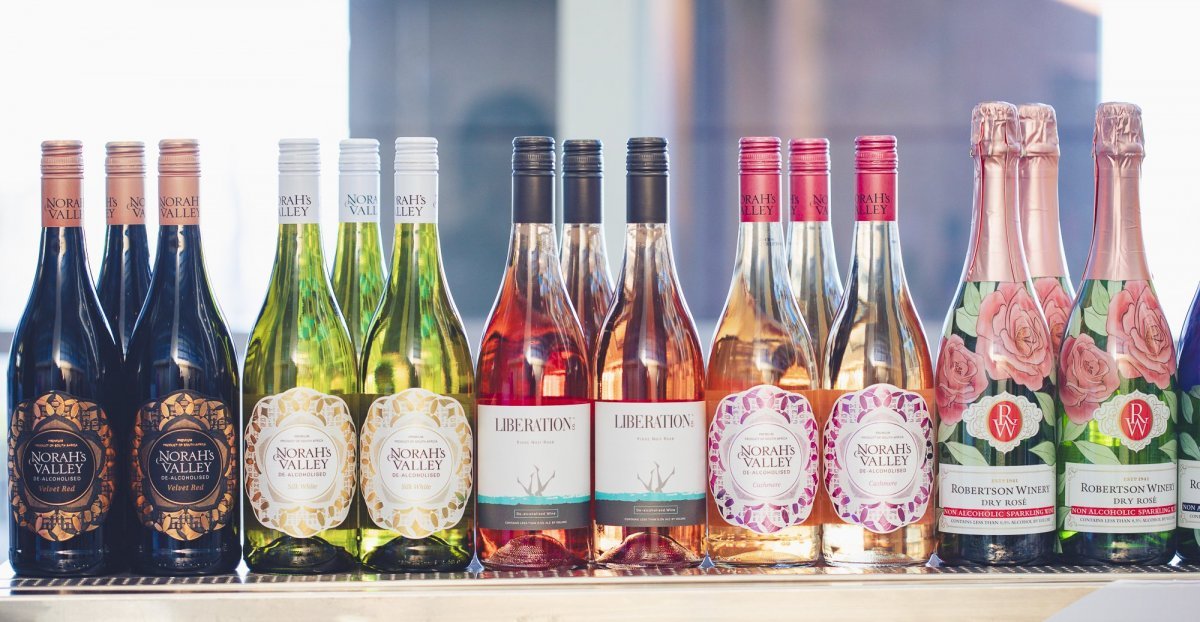
Non-alcoholic: Drinks with less than 0.5% alcohol by volume (ABV), often made by halting fermentation early or diluting with unfermented beverages.
De-alcoholised: Drinks that start as alcoholic beverages but have the alcohol removed via processes like reverse osmosis or vacuum distillation (also <0.5% ABV).
Alcohol-free: Drinks with less than 0.05% ABV that have never contained alcohol.
Growth drivers
IWSR research shows the low- and no-alcohol category is attracting younger consumers, who drink no-alcohol options more frequently than older demographics.
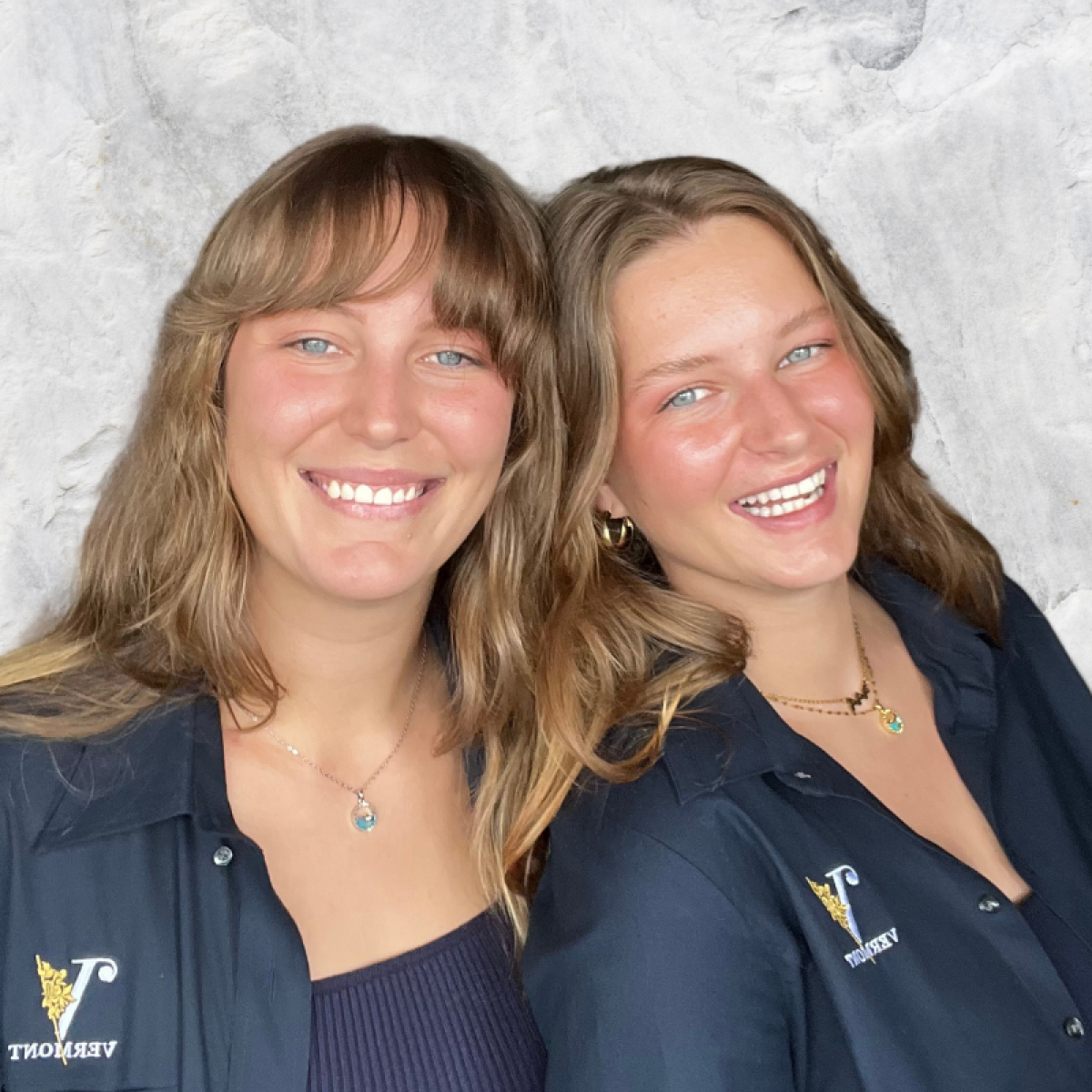
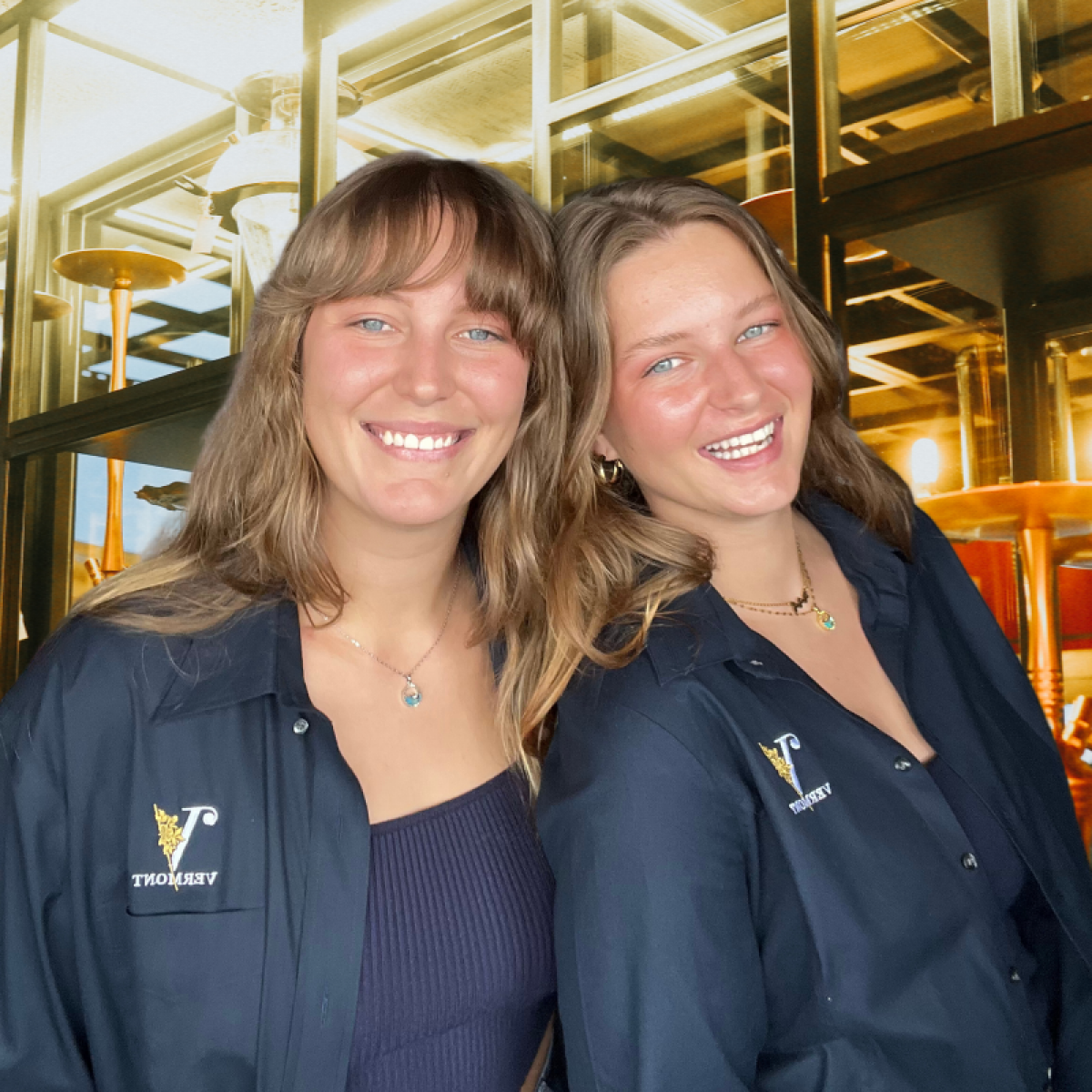
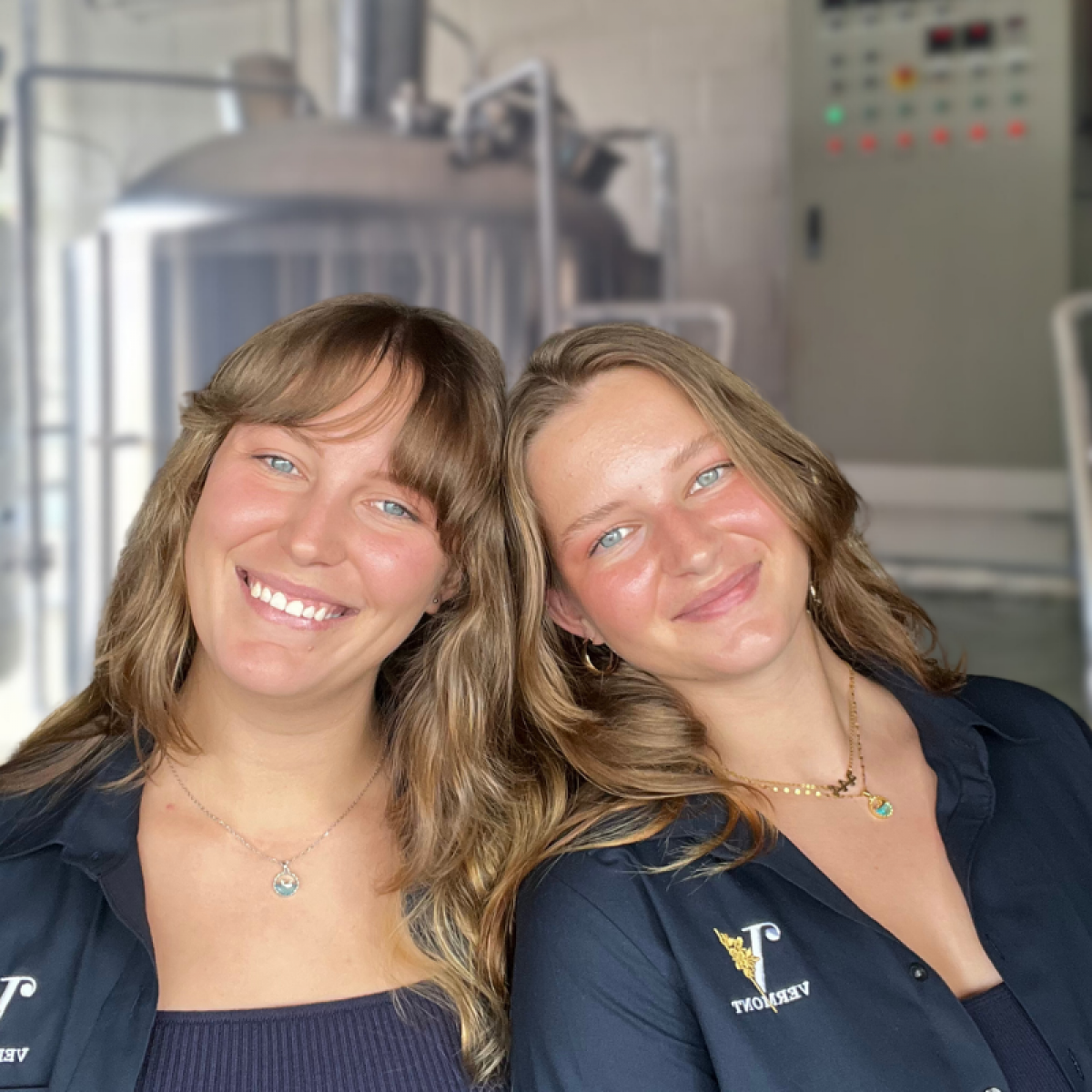
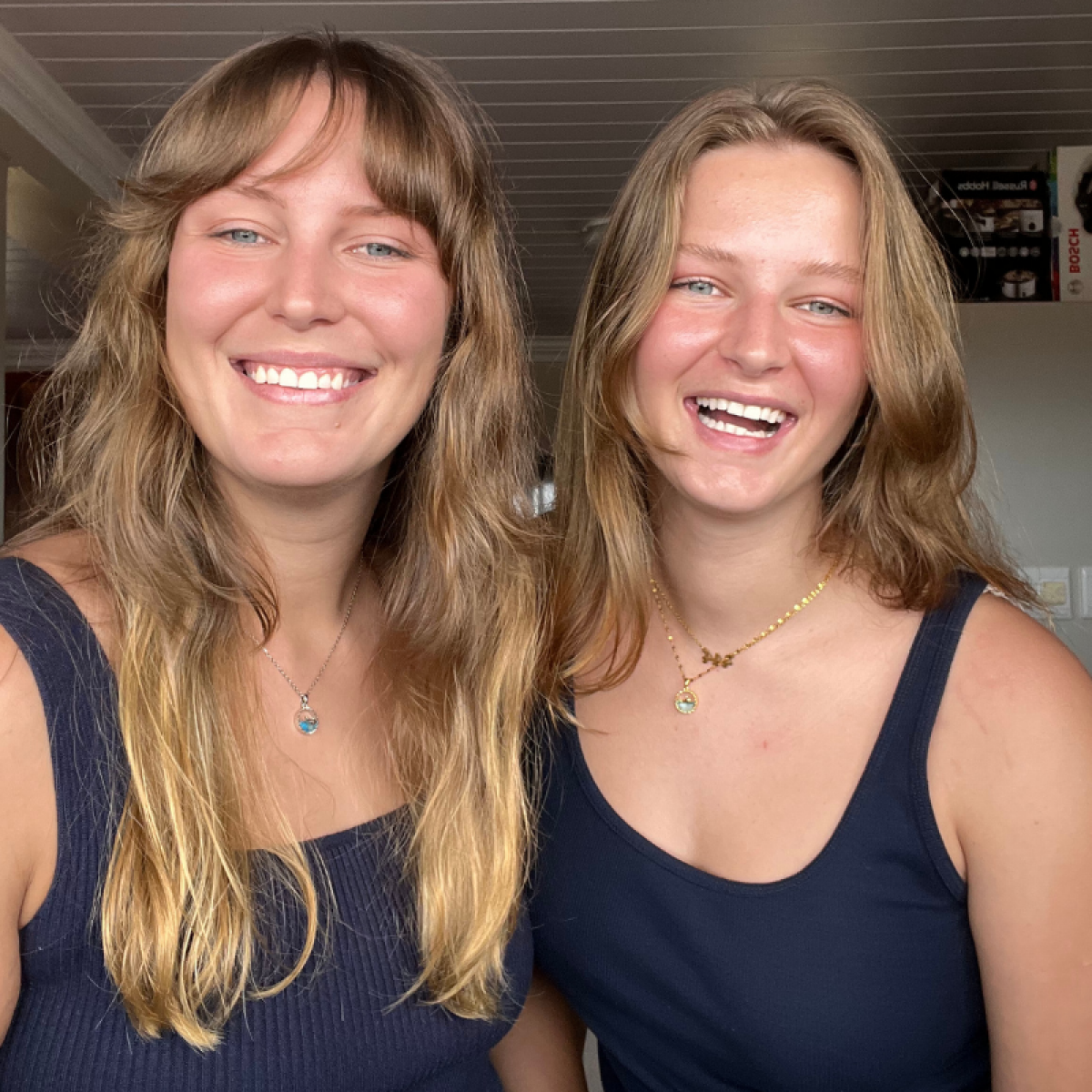
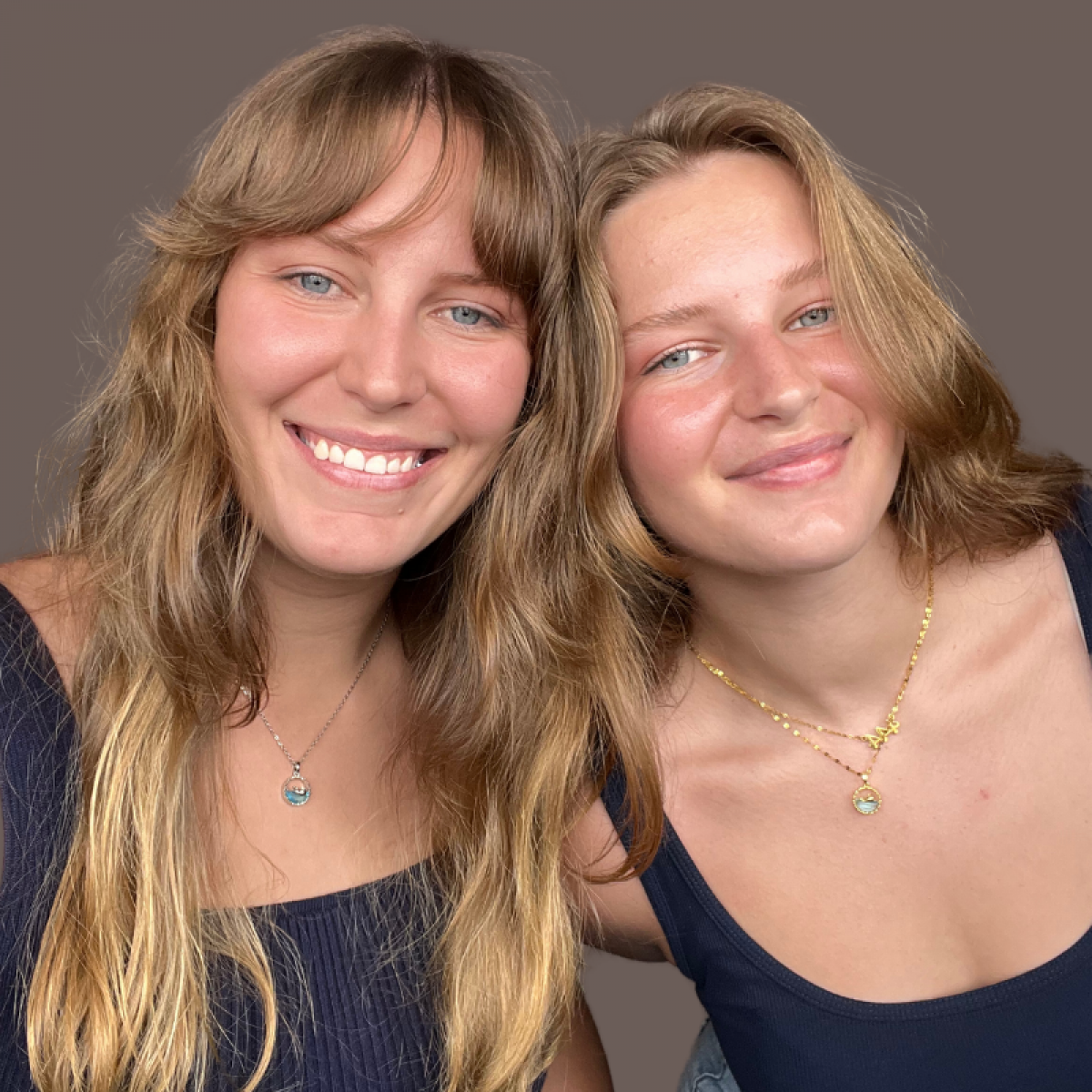
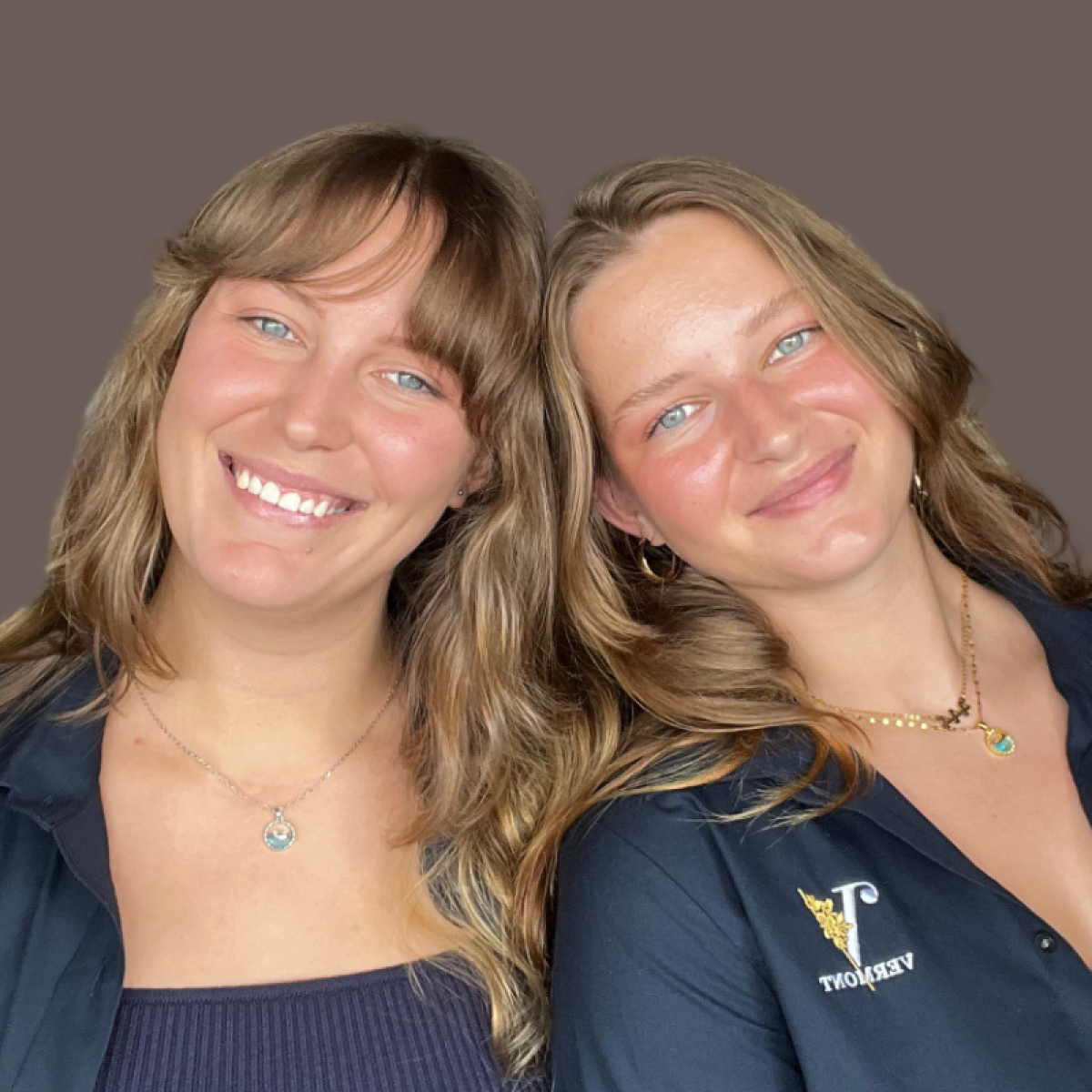
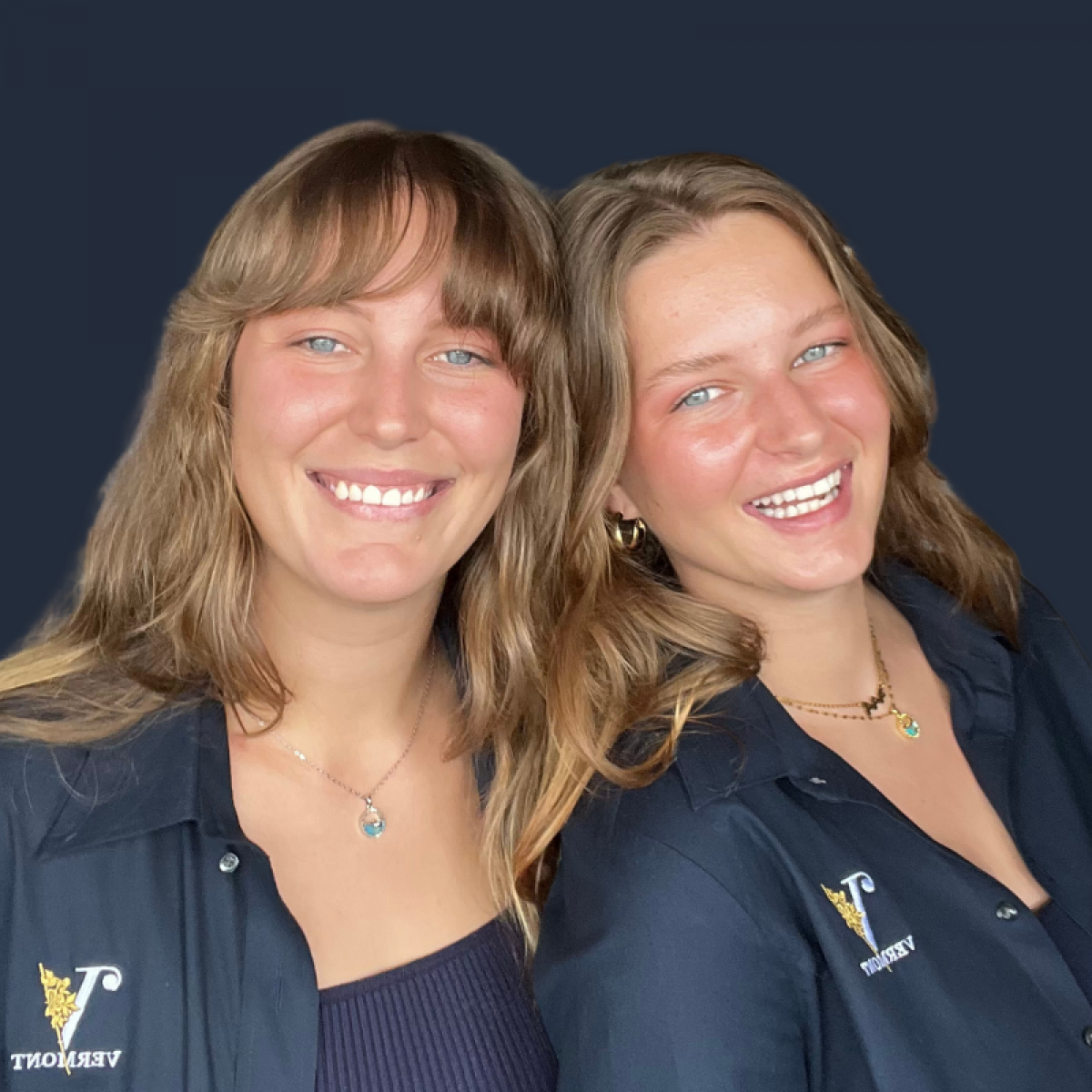
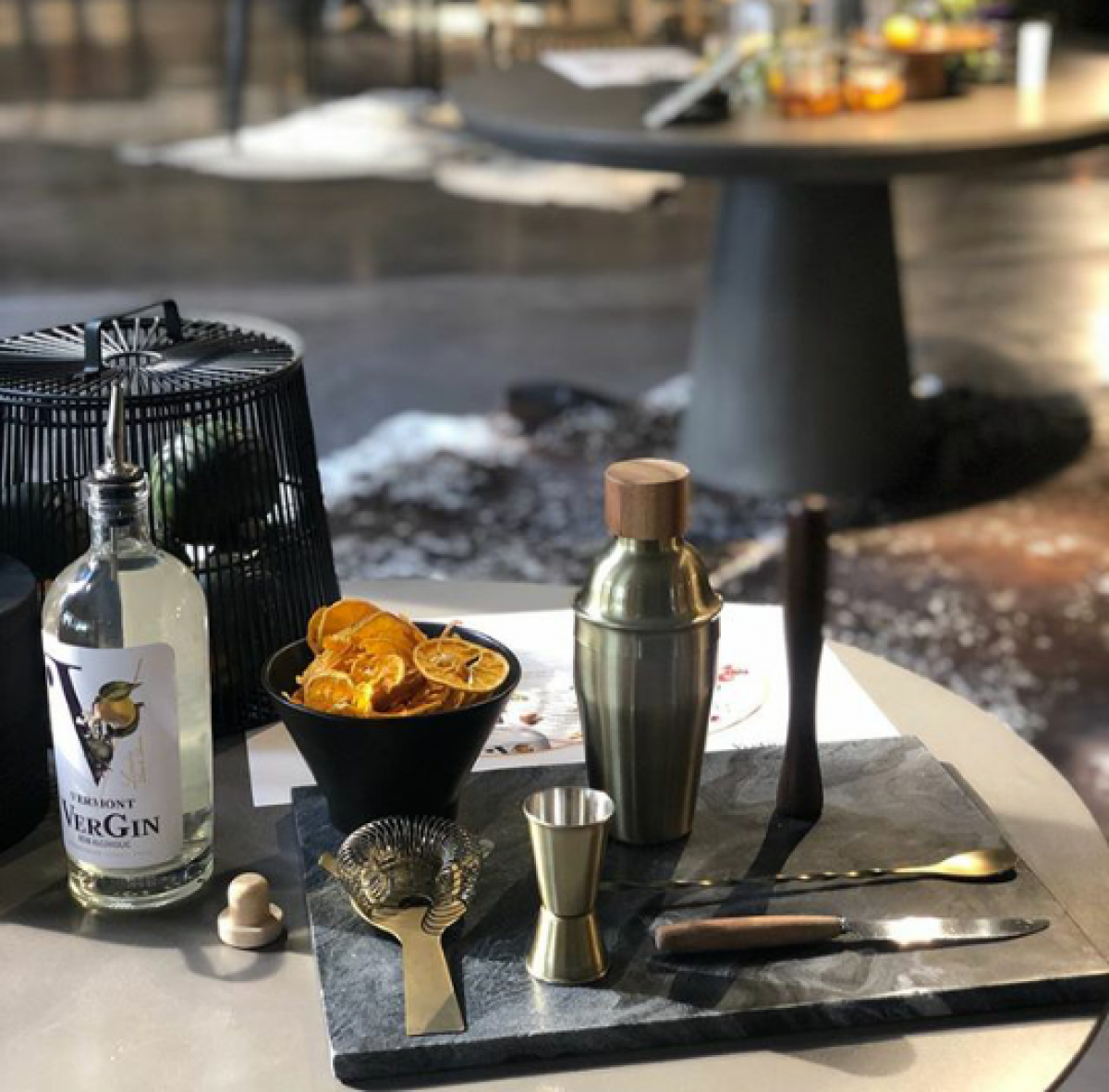
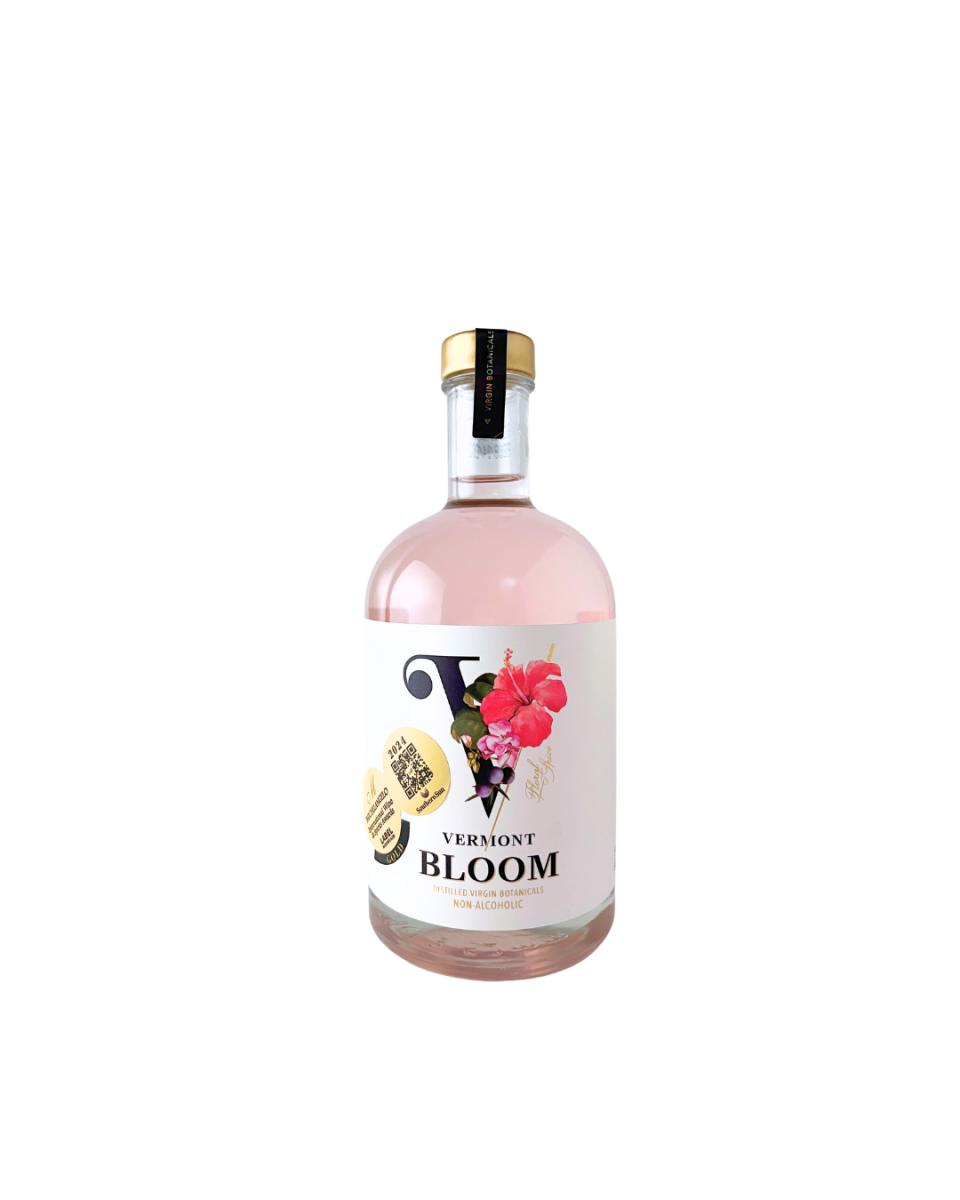
Cailin and Tarmin Jacobs, Gen-Z co-CEOs of local distilled 0% alcohol organic botanical spirits brand Vermont VerGin SA, agree.
“Our generation is focused on balance,” says Cailin, who doesn’t drink. “We’re conscious of our health and what we’re putting into our bodies. We want to feel good about ourselves mentally and physically.”
Her sister, Tarmin, enjoys an occasional alcoholic drink but says she also enjoys going for a weekend hike without being hungover. “Maybe I’ll have a glass of wine on a Saturday, but then I’ll switch to something non-alcoholic,” she says. “I like to stay sharp and be mindful of what I consume — not just alcohol but also sugar and preservatives. That’s why I make my own yoghurt and bake my own bread. Our generation has a different mindset.”
The sisters have recently taken over the family business they’ve been helping in since high school. Founded by their mom, Theresa Mouton, and her husband, Stoff, Vermont VerGin SA was born out of a frustration of not being able to find decent NABs when Stoff was unexpectedly diagnosed with health problems while they were honeymooning in Thailand. There’s a lot more to the VerGin SA origin story, involving a cross-continental romance resumed after two decades, a failed partnership with a wine producer, and a rollercoaster of success during Covid lockdowns followed by pausing the business on the back of supply chain issues. But you’ll have to read about that on the website.
Mouton says there’s a misconception that all NABs are healthy, which isn’t always true. Many are high in sugar or contain additives like artificial sweeteners or caffeine.
Ultimately, the couple set out to create an alcohol-free gin alternative that would also be healthy and tasty. Cailin and Tarmin plan to take this even further, including adaptogens in future products, as well as relaunching a VerGin SA ready-to-drink range.
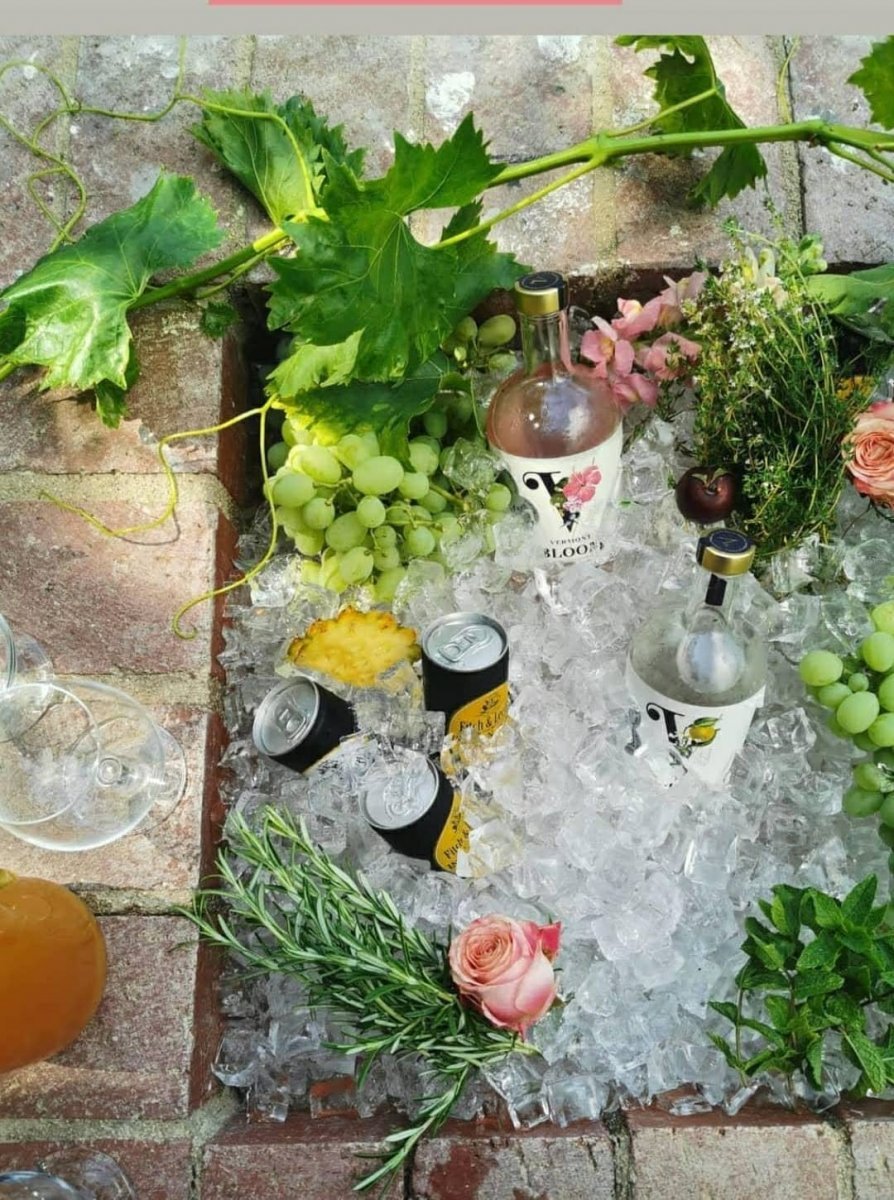
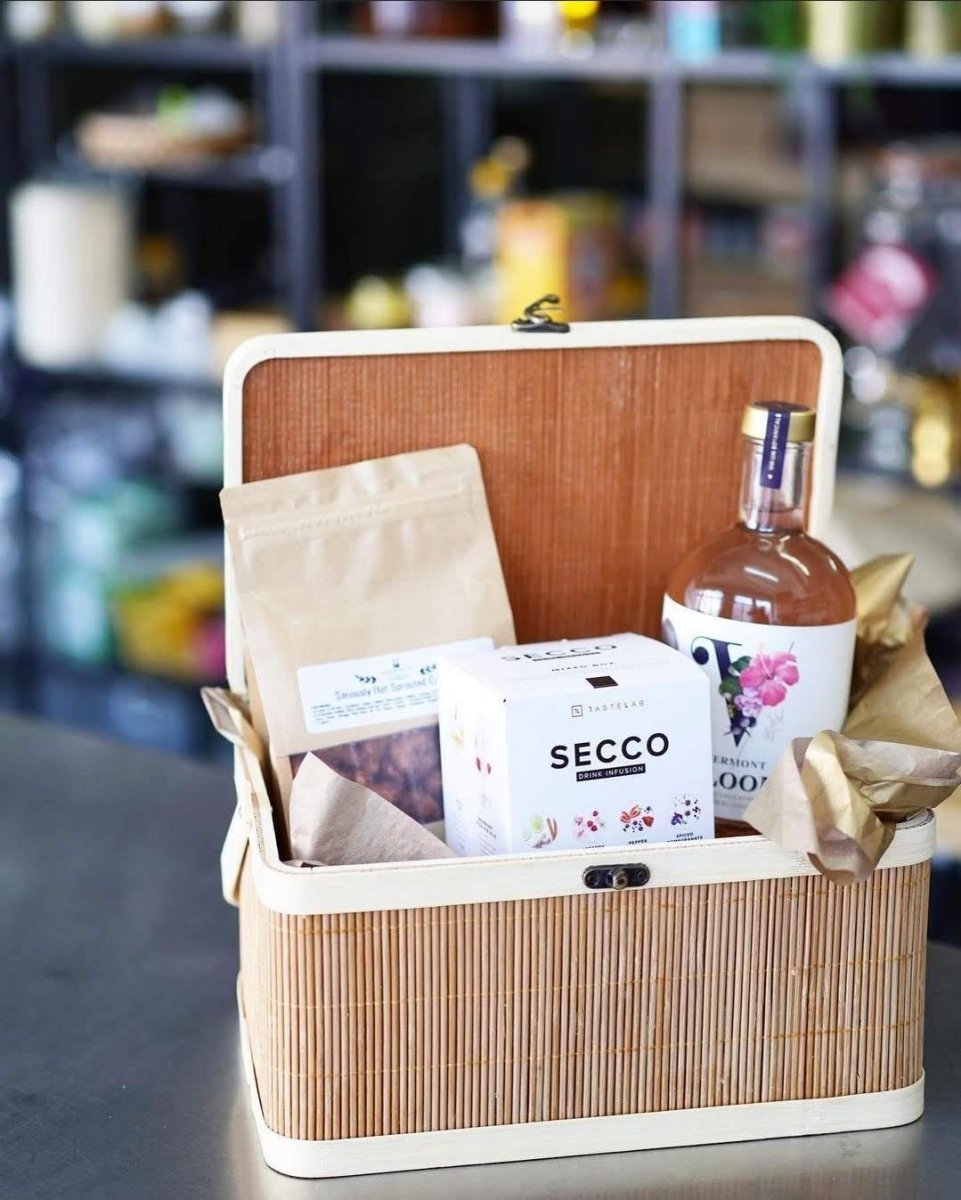
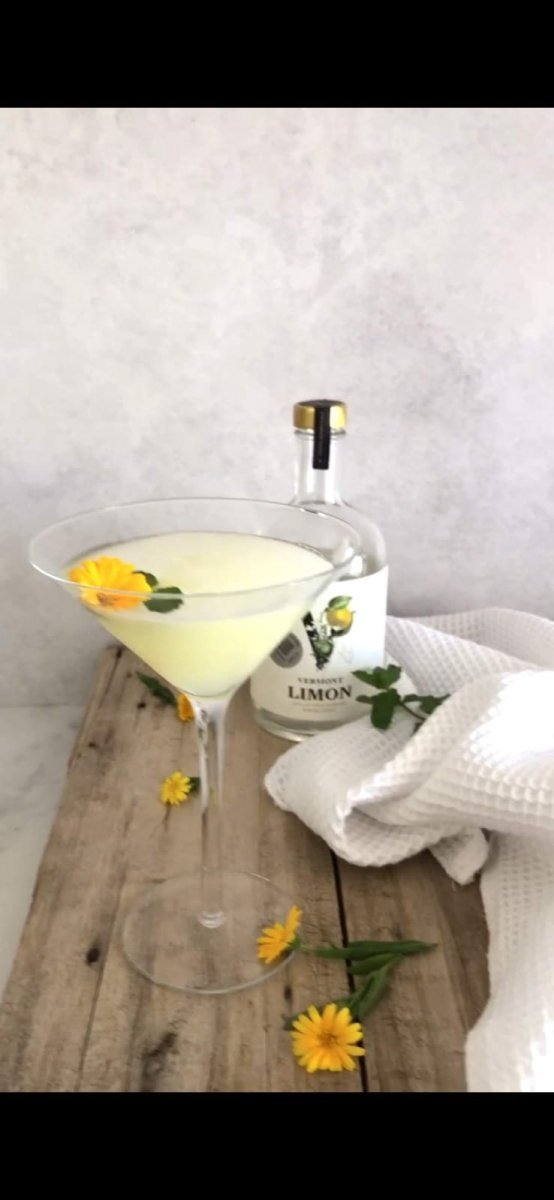
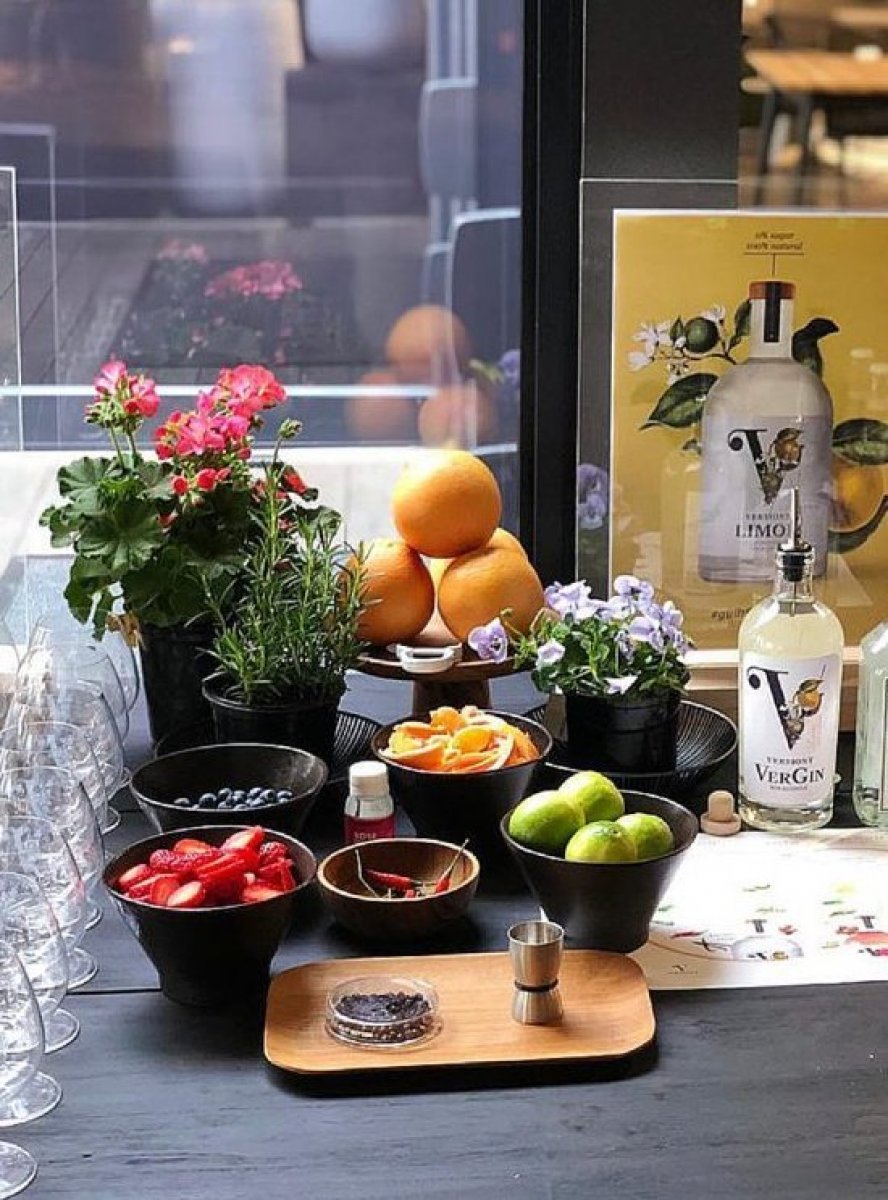
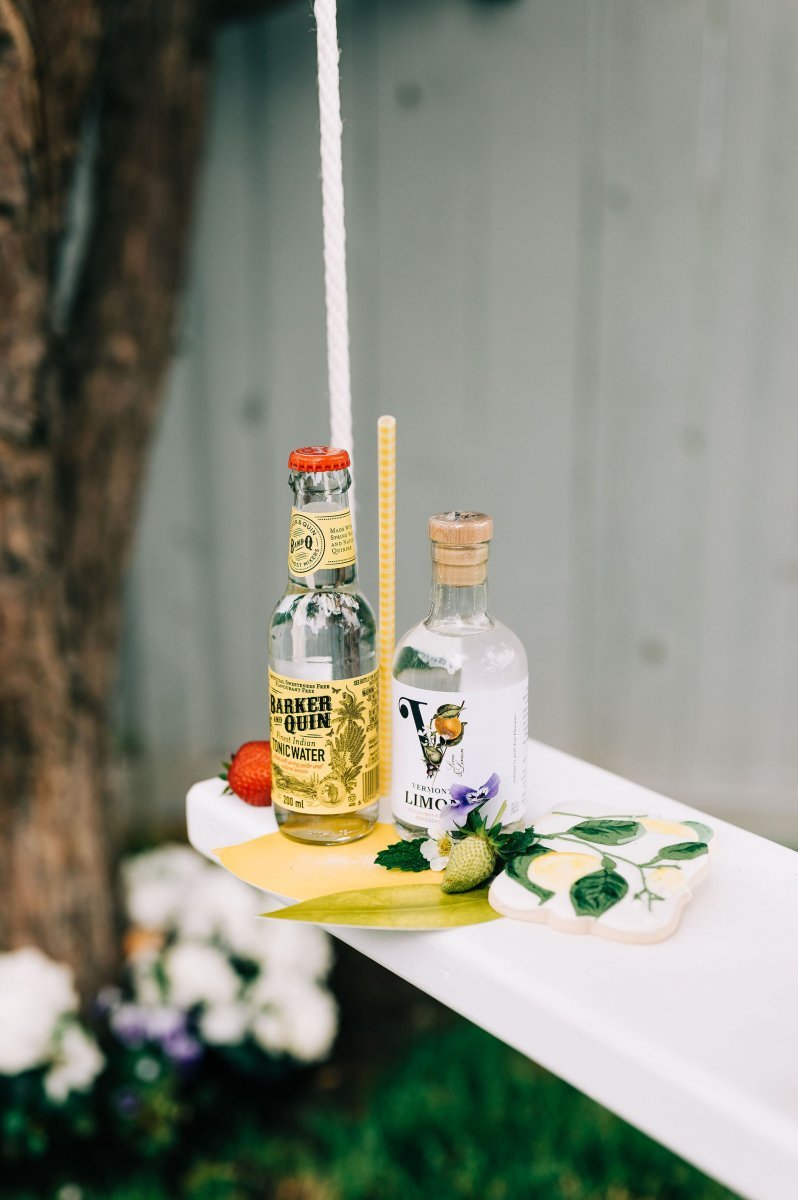
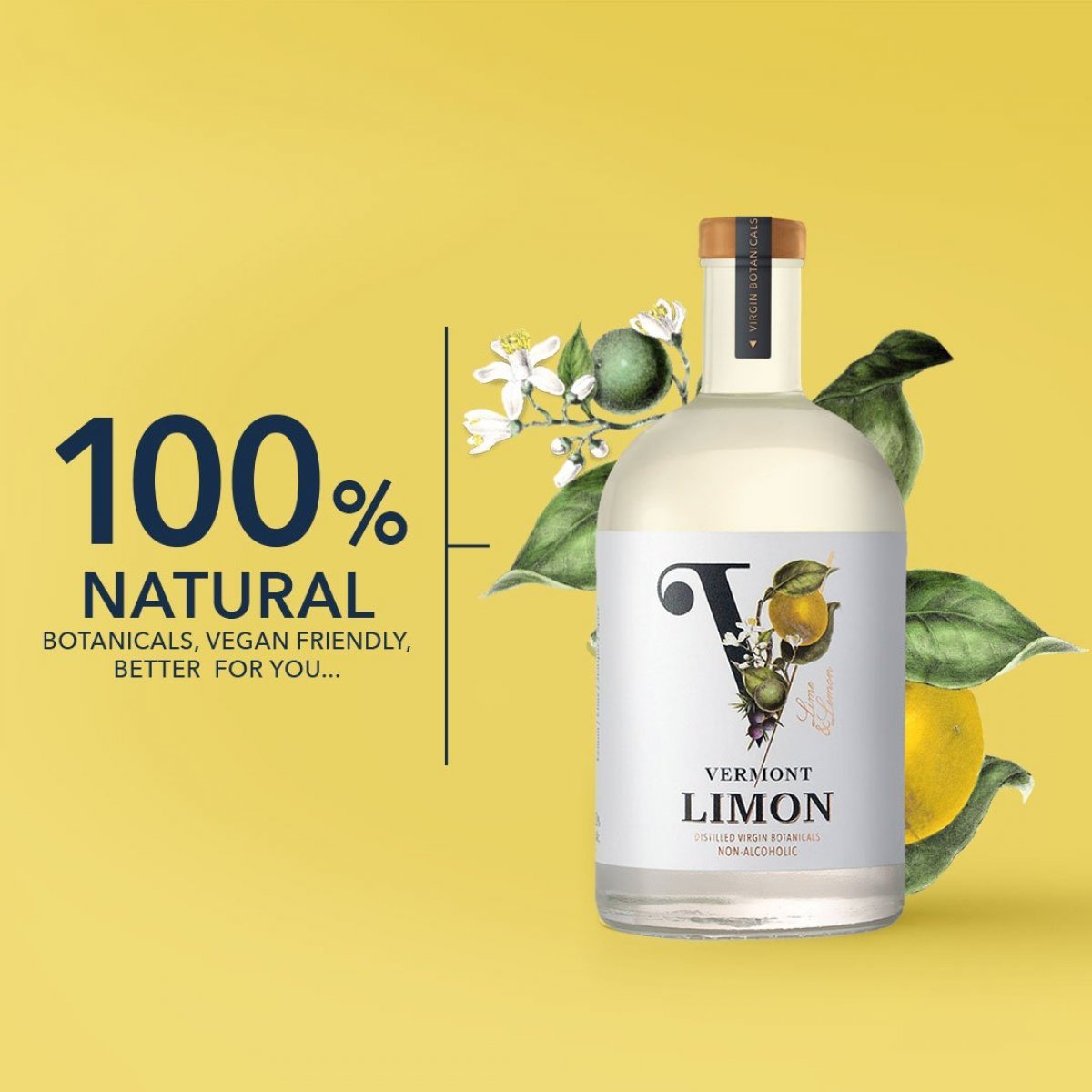
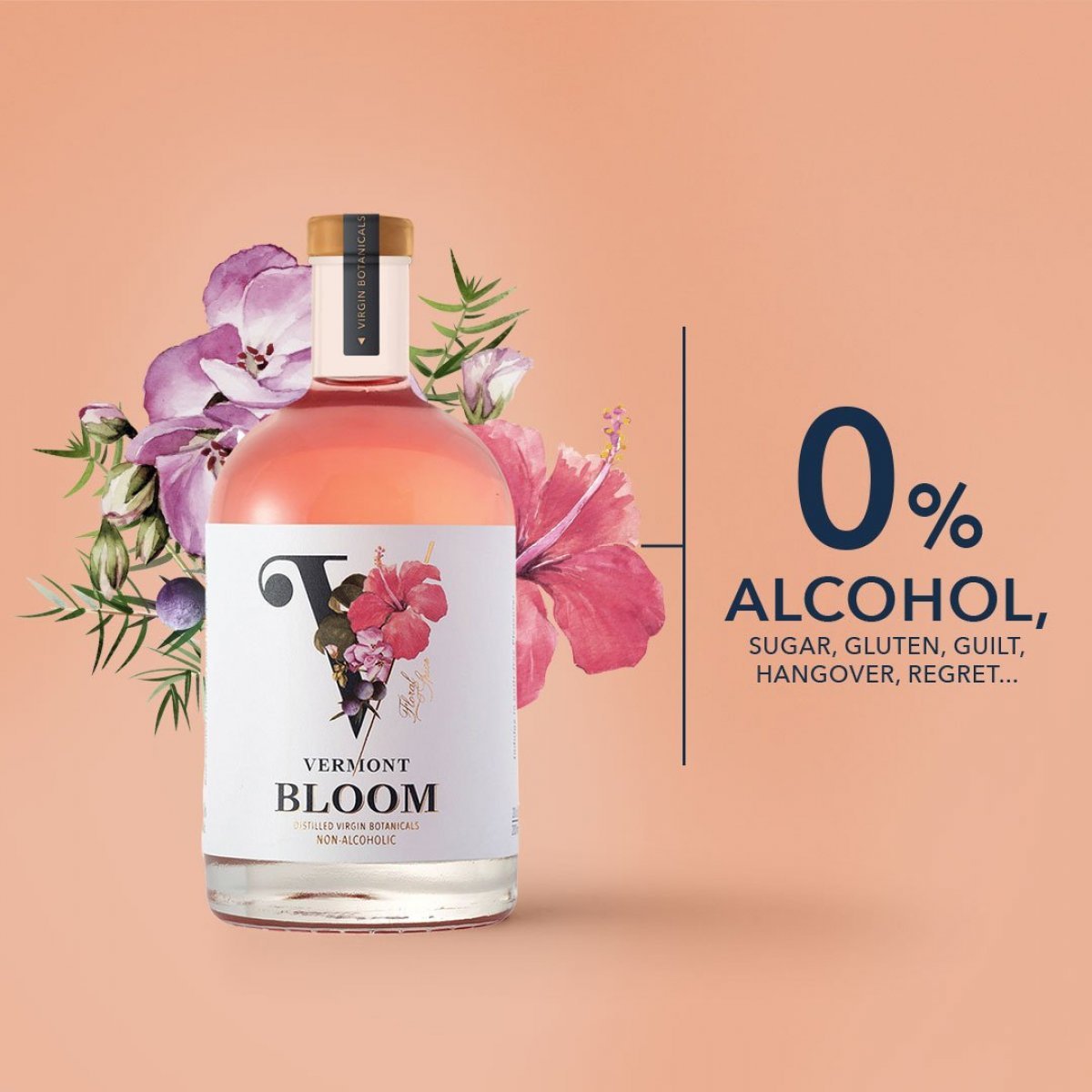
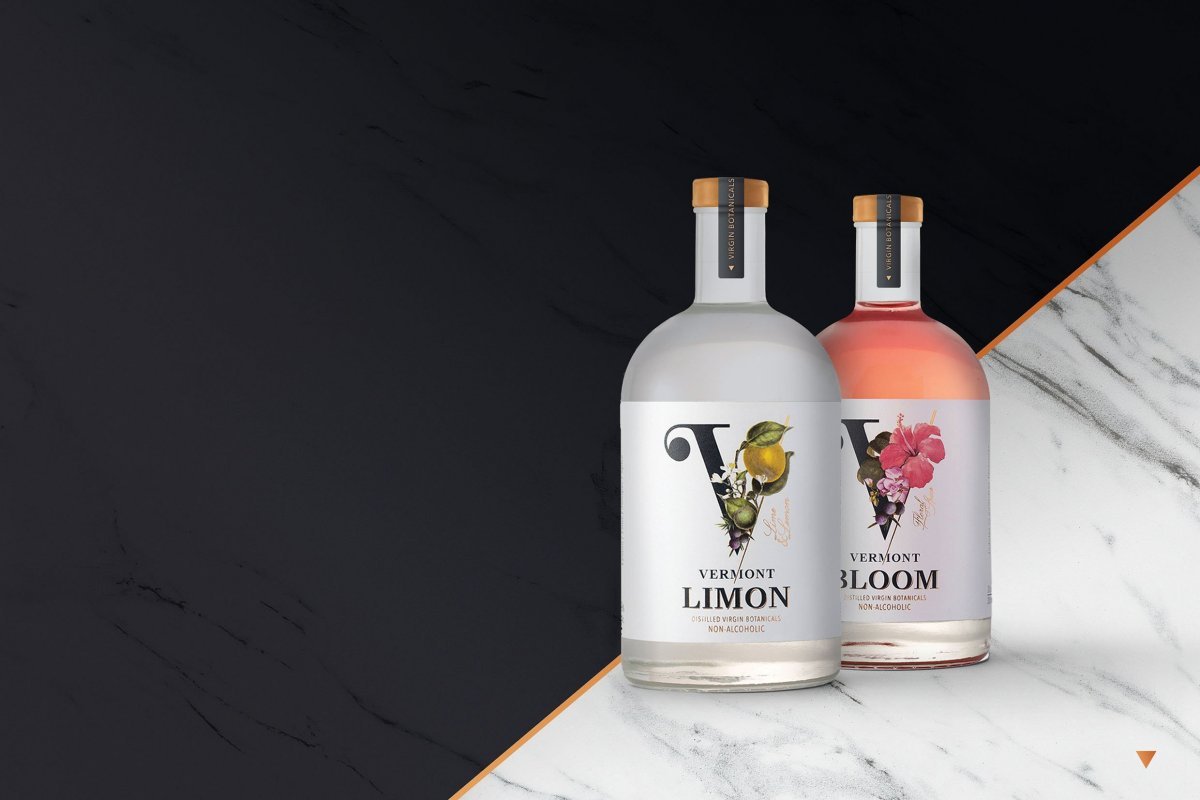
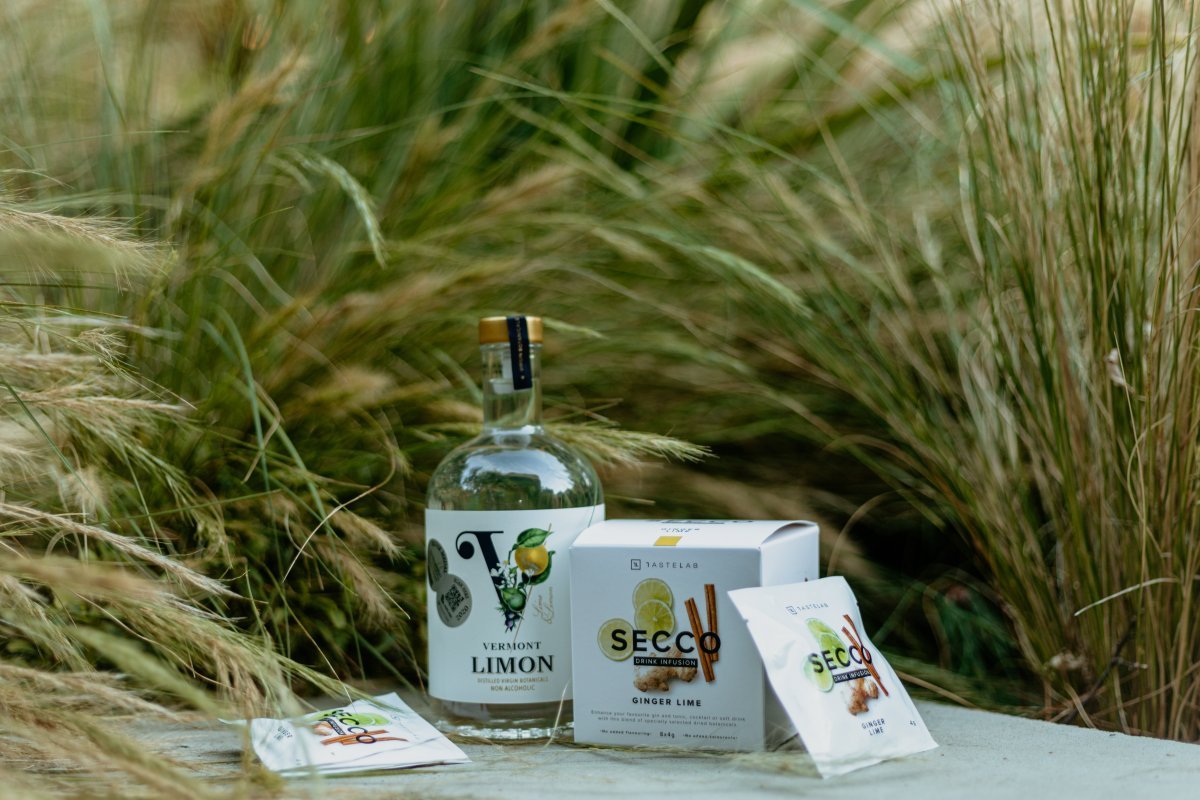
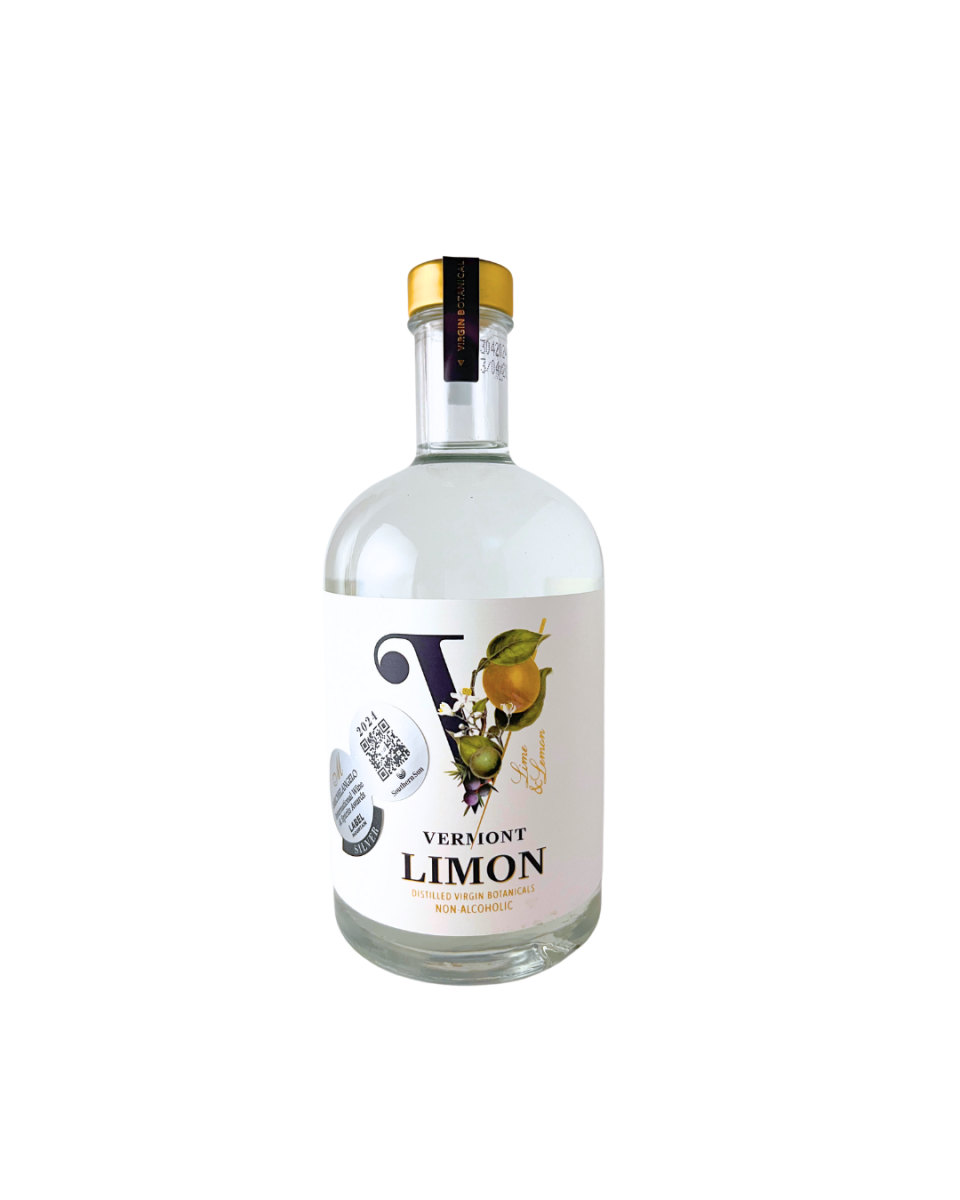
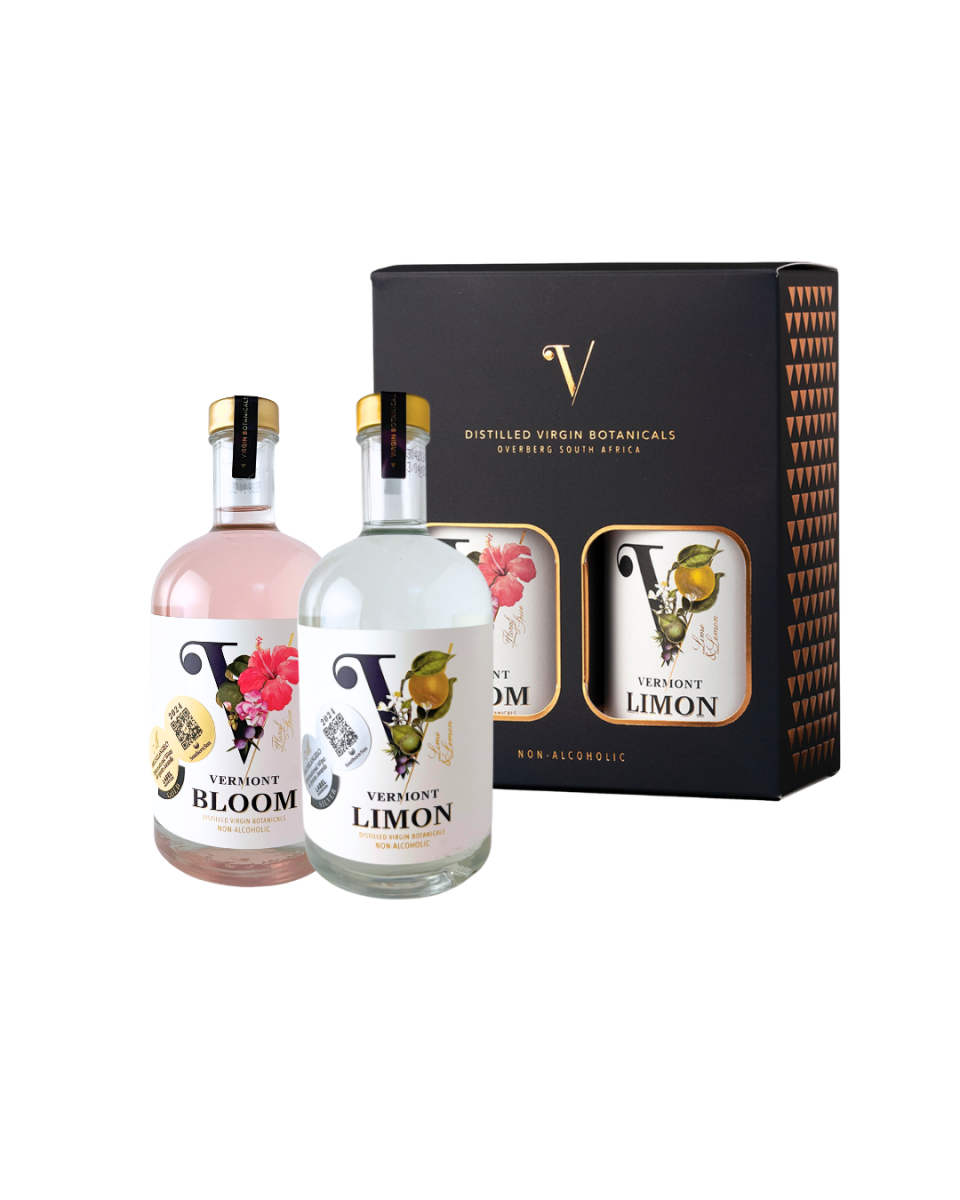
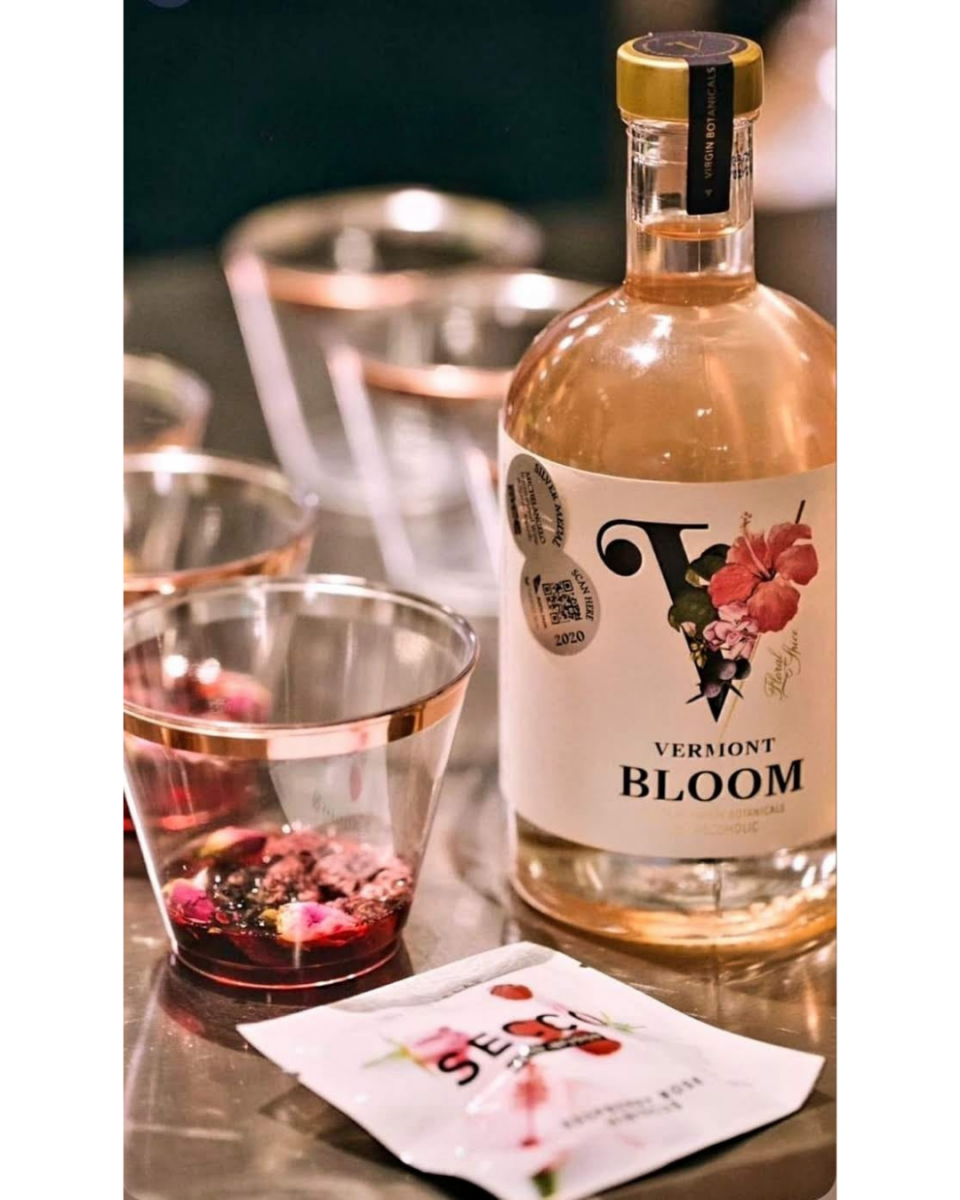
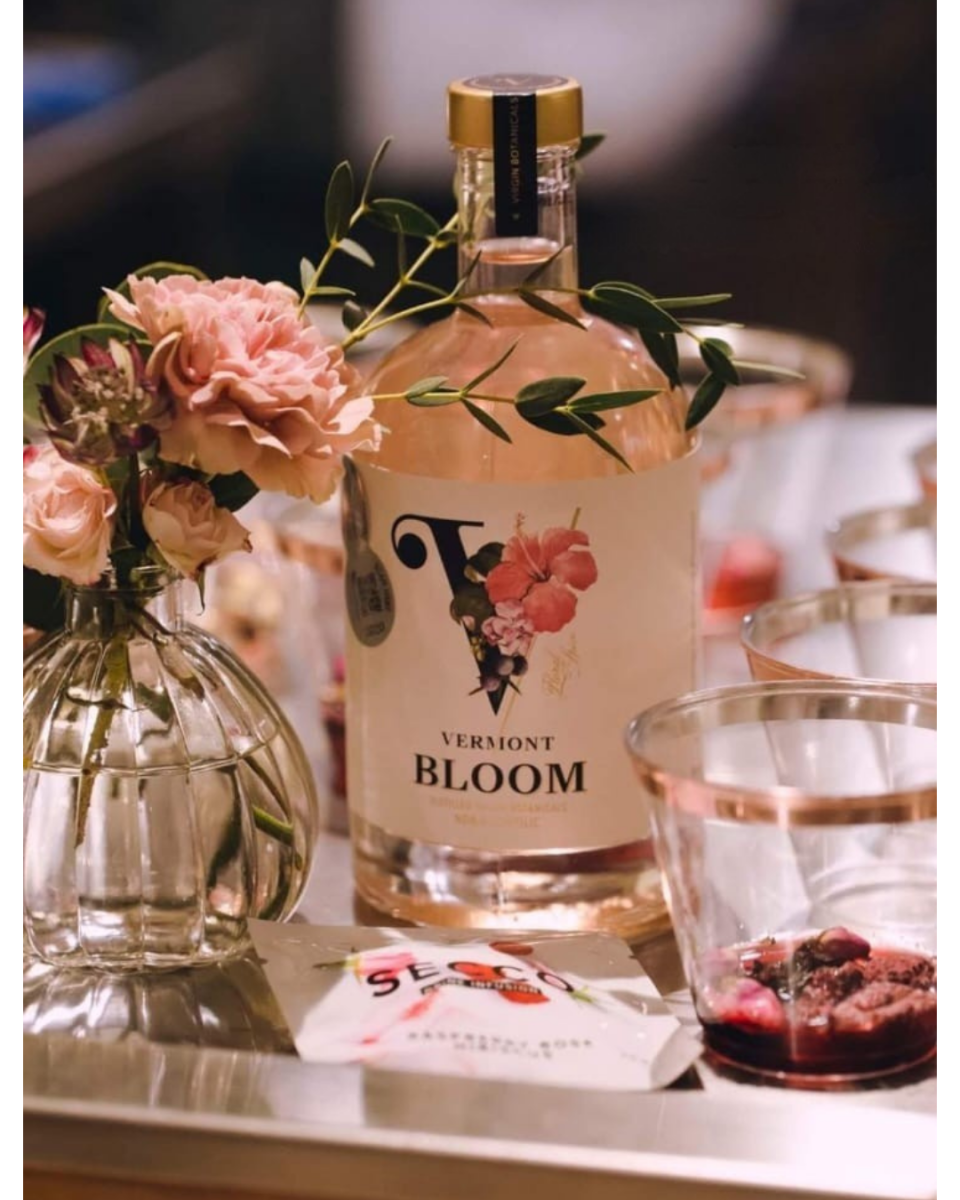
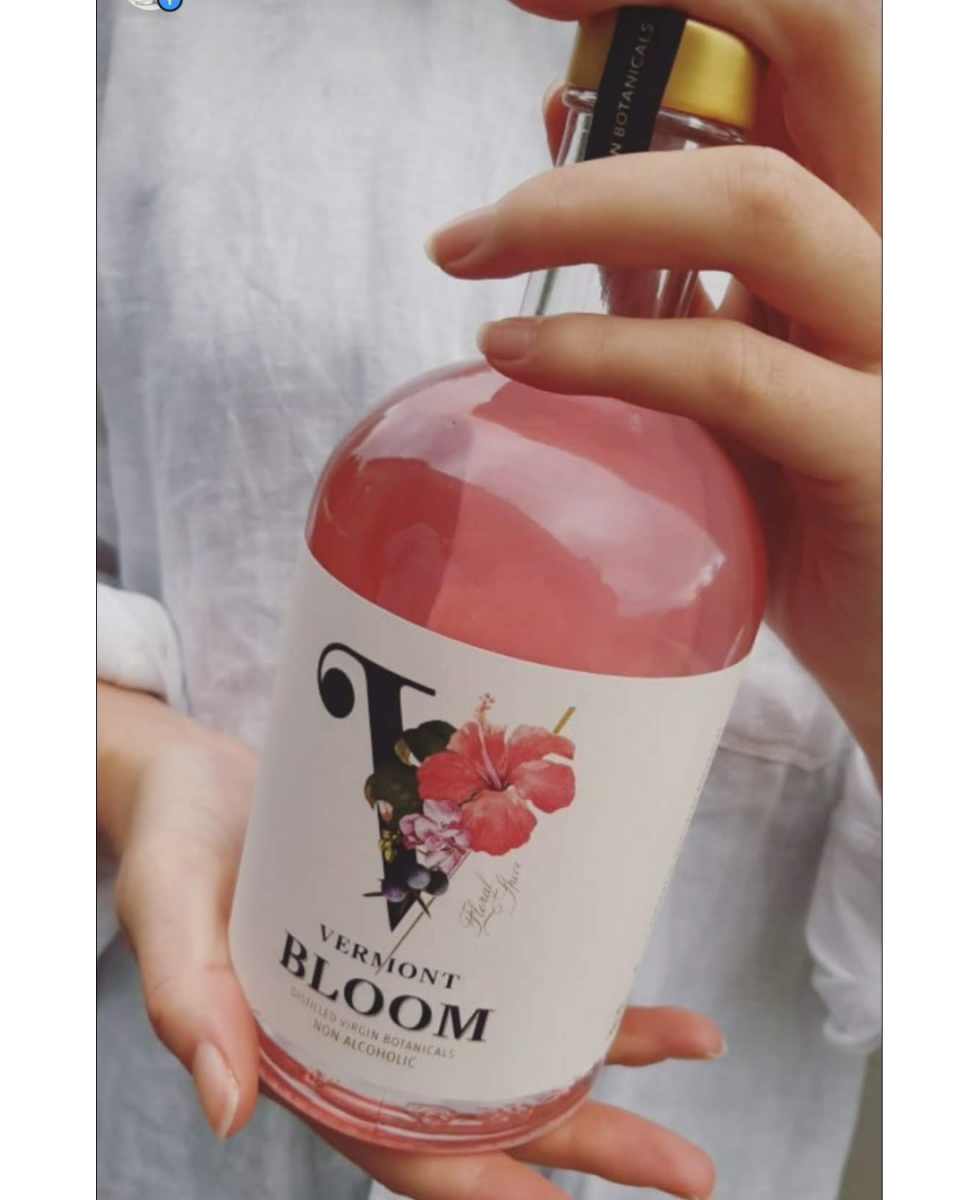
The current VerGin SA range comprises two all-natural, vegan, 0% alcohol, 0% sugar, organic botanical spirits, Bloom and Limón, which scooped gold and silver medals, respectively, in the 2024 Michelangelo International Wine and Spirits Awards.
Healthy growth
Health consciousness is a key factor in NAB category growth. Zoleka Lisa, vice president of corporate affairs at South African Breweries (SAB), says the demand from consumers in South Africa for low- and non-alcoholic beverages mirrors worldwide patterns.
"These drinks are clearly preferred by Gen Z and Millennials, which reflects preference toward moderation and healthier options. Like consumers throughout the world, South Africans are enjoying the variety and flexibility these products provide, which is helping to fuel the market's expansion. The IWSR reports that new consumers made up nearly 20% of no-alcohol consumers in 2023.”
With the introduction of Corona Cero, an alcohol-free beer with Vitamin D (one 330ml bottle contains 30% of recommended daily intake), Lisa says SAB is confident its meeting evolving consumer preferences and providing a product that resonates with the market.
Inclusive experiences
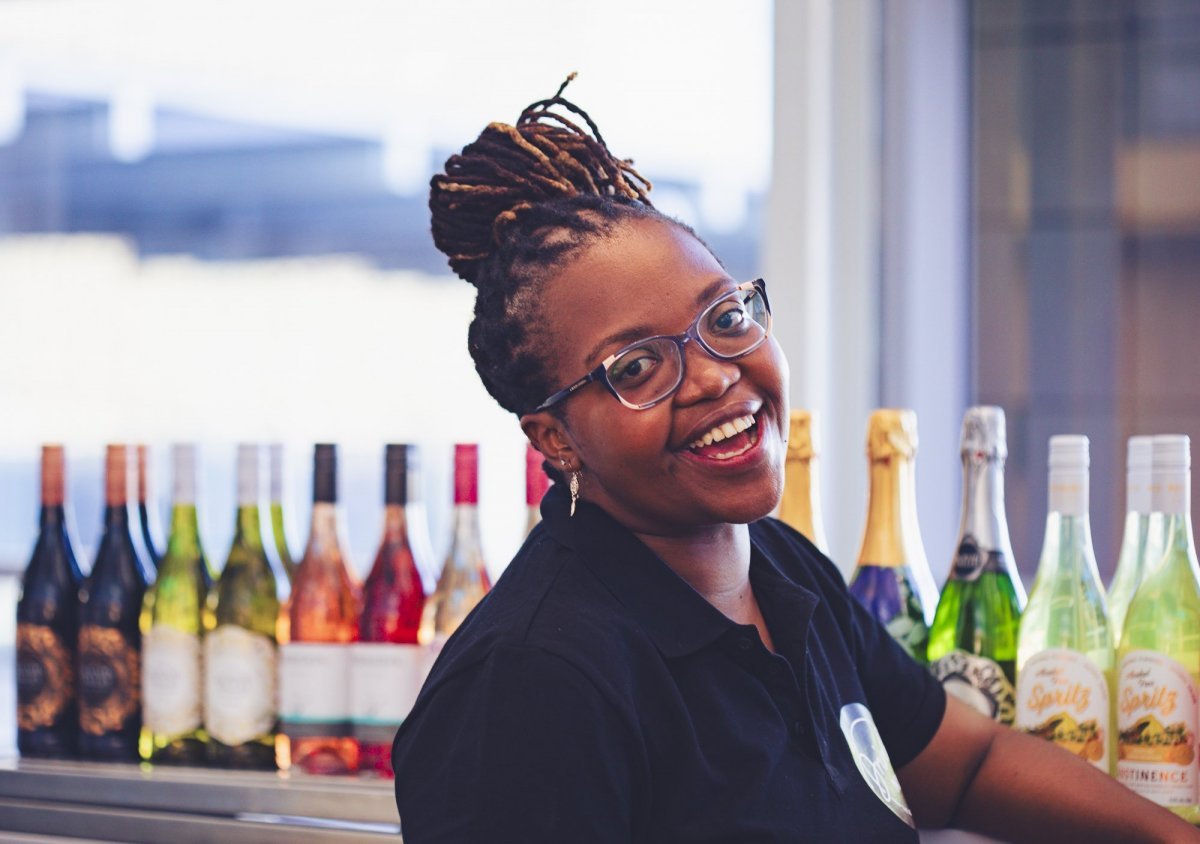
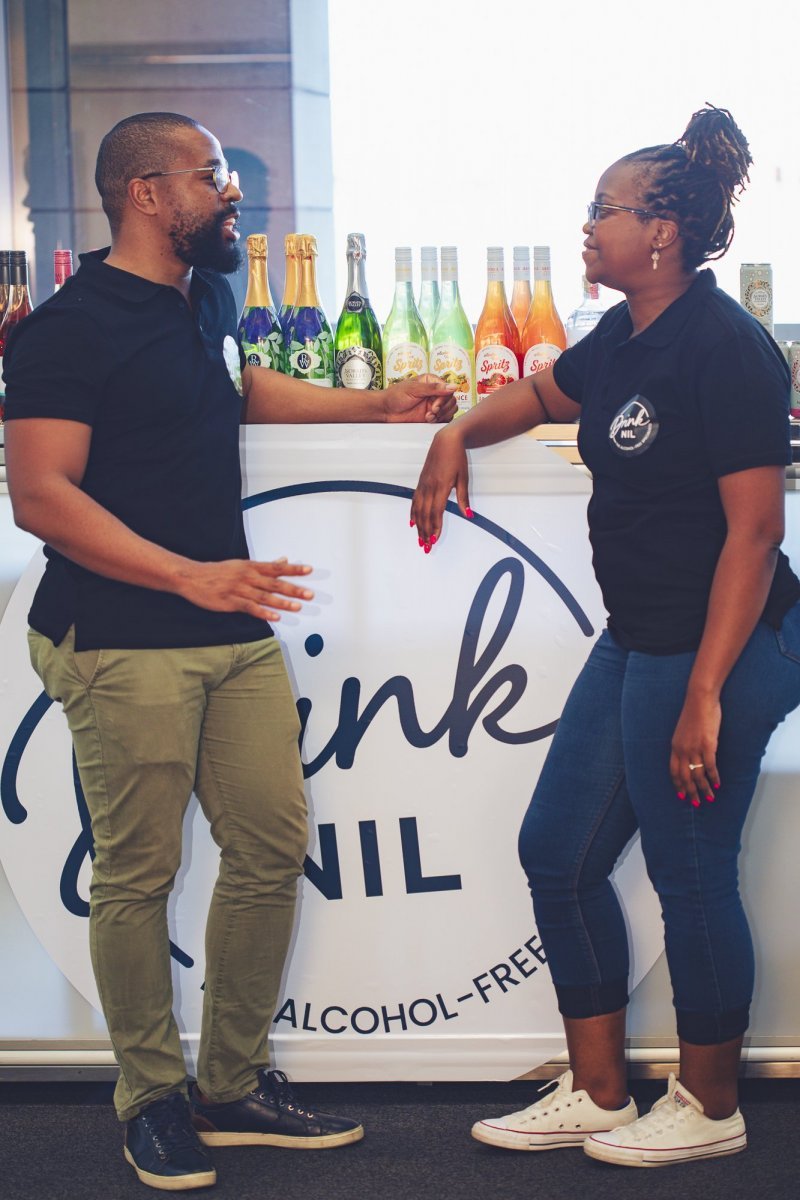
The CEO of online specialists Drink Nil, Ayanda Vabaza-Mvandaba, says NAB growth is also driven by people realising that catering for non-drinkers improves inclusivity. “We tend to think of inclusivity as relating to gender or race, but we forget about people who don’t drink for whatever reason,” she says.
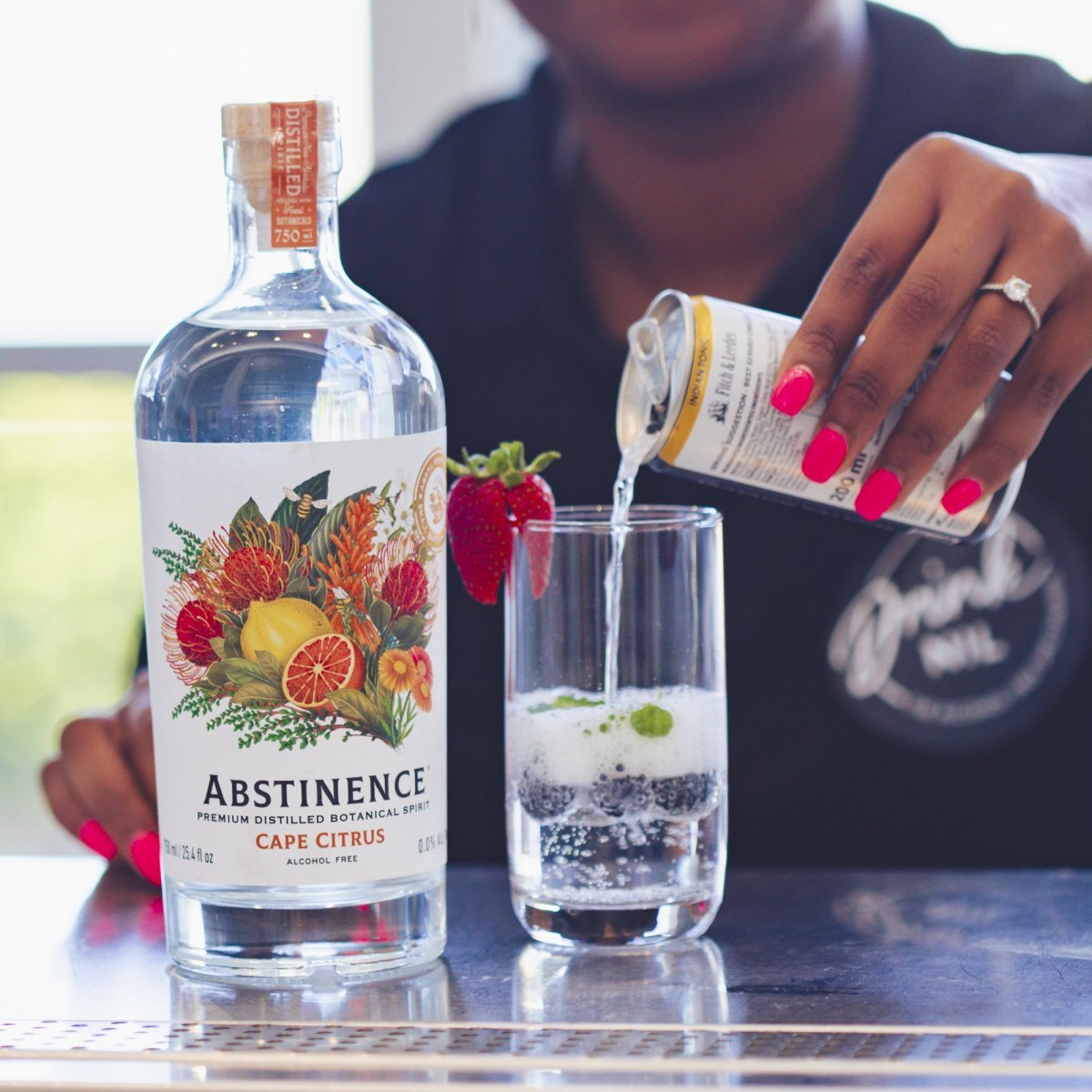
A qualified chartered accountant-turned-entrepreneur, Vabaza-Mvandaba acquired Drink Nil at the end of 2023. Like I did, she stumbled upon the online store while pregnant, searching the internet for NABs. She immediately saw the business potential and rather than simply placing an order, engaged the founders, Fiona Hilton and Caroline van Schalkwyk, ultimately purchasing the business.
Since then, she’s expanded from purely business-to-consumer, launching a business-to-business arm, where the biggest growth opportunities lie – particularly with hotels and restaurants.
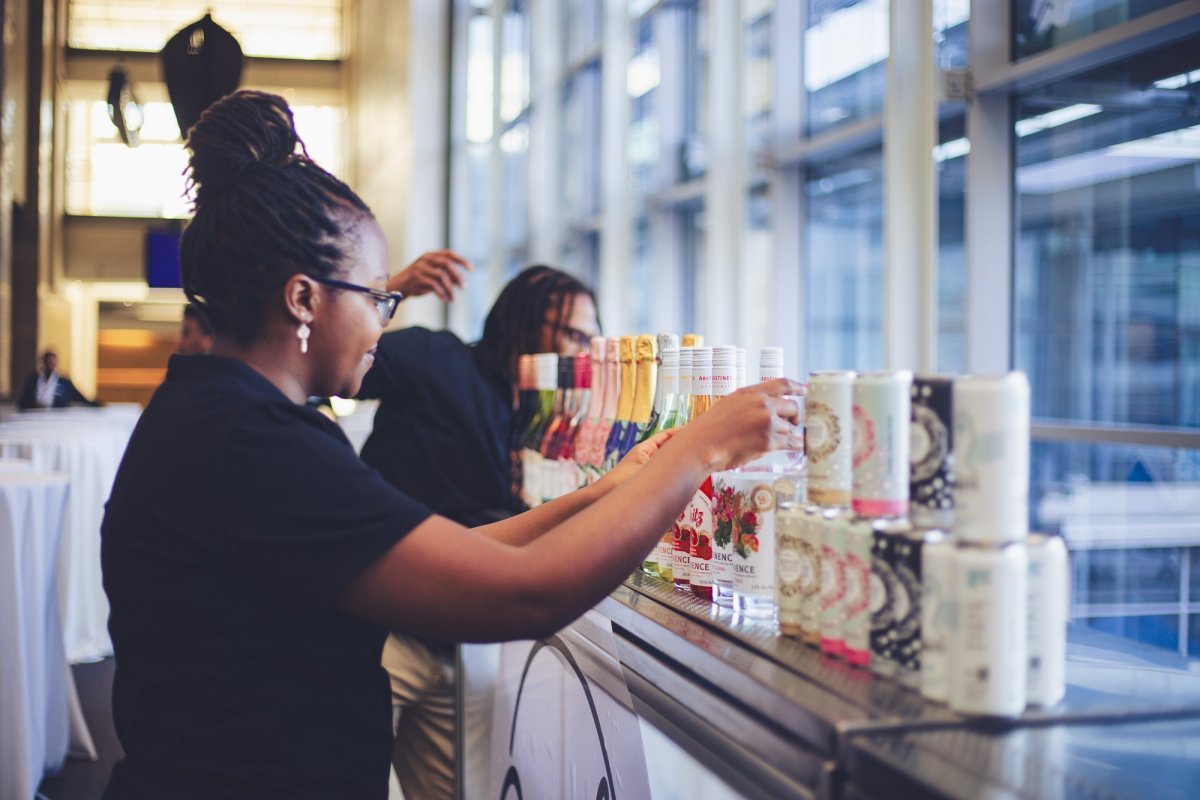
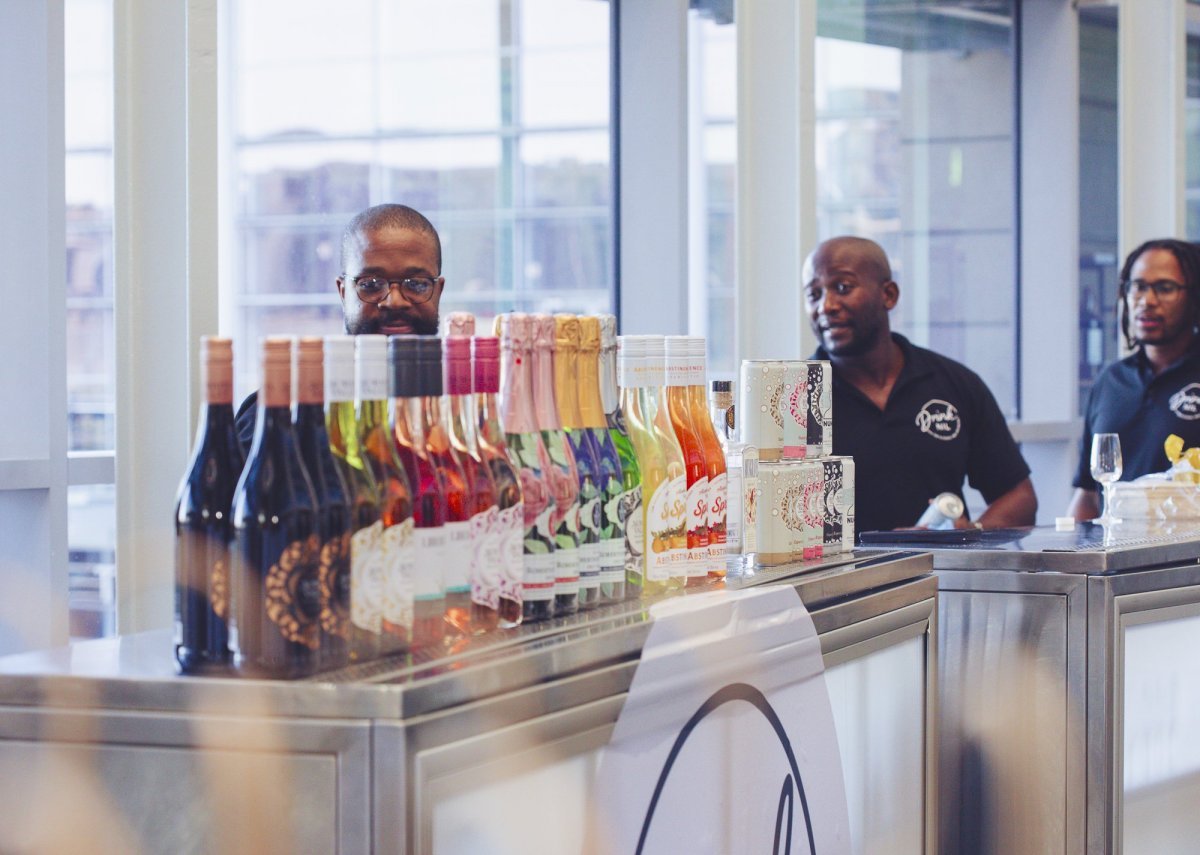
“I’ve also started marketing the business to events and festivals, and we’ve got a mixologist so we can focus on a healthier and tastier cocktail offering,” she says. “Our first event was the Raging Bull Awards (for the investment industry). That was well received. People were surprised they were being included. Just because they don’t drink alcohol didn’t mean they couldn’t have a glass of bubbly or a cocktail. It’s been heartwarming to hear from people how much they appreciate that.”
Drink Nil has since been at the Cape Town Jazz Festival and various corporate and private events, from milestone birthday celebrations to weddings. Recently, a luxury game lodge contacted Vabaza-Mvandaba because international guests keep requesting alcohol-free options for sundowner game drives.
More than moderation
According to IWSR, per capita alcohol consumption has dropped to 80% of its 2000 levels across the 10 key markets it covers. However, while alcohol reduction is contributing to NAB category growth, consumers are also now prioritising taste, availability, and branding. As no-alcohol options mature, consumers expect better taste, complexity, and overall drinking experience, pushing brands to improve quality and variety.
“Consumers want products that are full of flavour, sophisticated, and enjoyable. This is encouraging the development of more complex and craft-style alcohol-free beverages, with a focus on ingredients, aromas, and natural flavours,” says Lisa, adding that there are still concerns about taste and quality when it comes to NABs.
Of course, there are some terrible non-alcoholic options (I have a list!). But taste is subjective, and the category is now growing to accommodate a diversity of preferences.
In her first 15 months running the company, Vabaza-Mvandaba onboarded five new suppliers and says there are more on the cards. Her bestsellers are the virgin bloody Mary cocktails, followed by non-alcoholic bubbly.
Although NABs represent a tiny slice of revenue for traditional alcohol brands, there is recognition of the value investing in the category yields. It shows commitment to responsible consumption and also allows brands access to opportunities deemed inappropriate for their alcoholic counterparts. For example, the Heineken 0.0 "When You Drive Never Drink" campaign with former F1 champions Keke and Nico Rosberg links the Heineken brand with motorsports without raising too many eyebrows.
Going global
While South Africa may be late to the sober curious trend, local businesses already see opportunities abroad.
Mouton says that before Covid-19, VerGin SA products were sold in over 200 retail outlets, and exported to Australia, Hong Kong, and the Seychelles, with Canada, the Middle East, Belgium, Netherlands, France, and the rest of Europe in the pipeline. Cailin and Tarmin are relaunching the brand, injecting their own personality (“adding a bit of fun, but keeping it classy”), rebuilding local retail relationships, and resurrecting the export strategy, starting with Australia.
Vabaza-Mvandaba says the next step for Drink Nil is also exports, tapping into the global demand for NABs. “People love buying alcohol from South Africa, so now they’re asking what we can offer in the non-alcoholic space,” she says. “It’s not something that happens overnight, but that’s where we’re headed.”
Lessons learned
In the year-and-a-half since she took the helm at Drink Nil, Vabaza-Mvandaba says she’s learned three key lessons:
- Customer service is everything:
Even with great products, your business won’t thrive without exceptional customer service. In online retail, it’s important to keep customers informed at each step of the process (from logging purchases to orders being packed and deliveries being shipped) and to pay attention to small details (from packaging to handwritten thank you notes). - Marketing and PR is expensive, but important:
As an accountant, Vabaza-Mvandaba was used to simply checking that a business’ marketing budget wasn’t more than 5% of revenue, but says this equation no longer makes sense. “Marketing and branding are an investment into the business’s growth.” - Find the right suppliers:
Dealing with craft manufacturers comes with challenges (for example, they are more prone to supply chain disruptions than mammoth entities with established value chains and industry clout). Vabaza-Mvandaba has developed a network of trusted suppliers and build relationships based on quick and transparent communications, which allows her to problem-solve as needed.
Regulating NABs
According to many of the people I spoke to, the NAB category remains misunderstood by regulators and consumers, which can cause headaches for brands, particularly around marketing activations. But manufacturers hope category growth will facilitate change.
Misconceptions and resistance often centre around age restrictions for non-alcoholic beverages. Alcohol-free or non-alcoholic variants of alcohol brands fall under the umbrella of the Association for Alcohol Responsibility and Education (Aware.org) commercial communications code, meaning members have agreed they should only be marketed to persons above legal drinking age. Members include the likes of Diageo, which bought the majority shareholding in Seedlip, the world's first distilled non-alcoholic spirits brand, in 2019, as well as Heineken, and Pernod Ricard, with a rapidly growing portfolio of non-alcoholic brands including Beefeater 0% and Cinzano Spritz 0%.
As the NAB category grows, regulators are likely to introduce tighter controls on labelling, marketing, and sales to ensure transparency and avoid consumer confusion.


Gallery