
This is CES, with more than 4 000 exhibitors, 1 200 start-ups and 148 000 attendees, all intent on finding the next and greatest gadget for 2026.
And it didn’t disappoint, with AI at the forefront.
Gadgets that were unthinkable just a year or two ago are crossing the line from smart to intuitive. They are becoming contextually aware, interactive, and seamlessly integrating into our everyday life. This year, apart from the advances in wearables and displays, there continues to be a massive focus on healthcare, wearables, and mobility with EVs and smart vehicles. We also saw a massive surge into robotics. These robots will start playing an increasing part in our lives, especially in countries with ageing populations and not enough people to help look after the elderly. Robots are no longer the domain of an industrial environment. They are becoming collaborative assistants and are being integrated into homes, doing menial tasks such as laundry and giving a hand to those that need mobility assistance.
There were a few gadgets that stood out above the rest, and here are my favourites from CES 2026.
LG Cloid Robot
A robot integrated into connected homes
https://www.lg.com/global/ces2026/
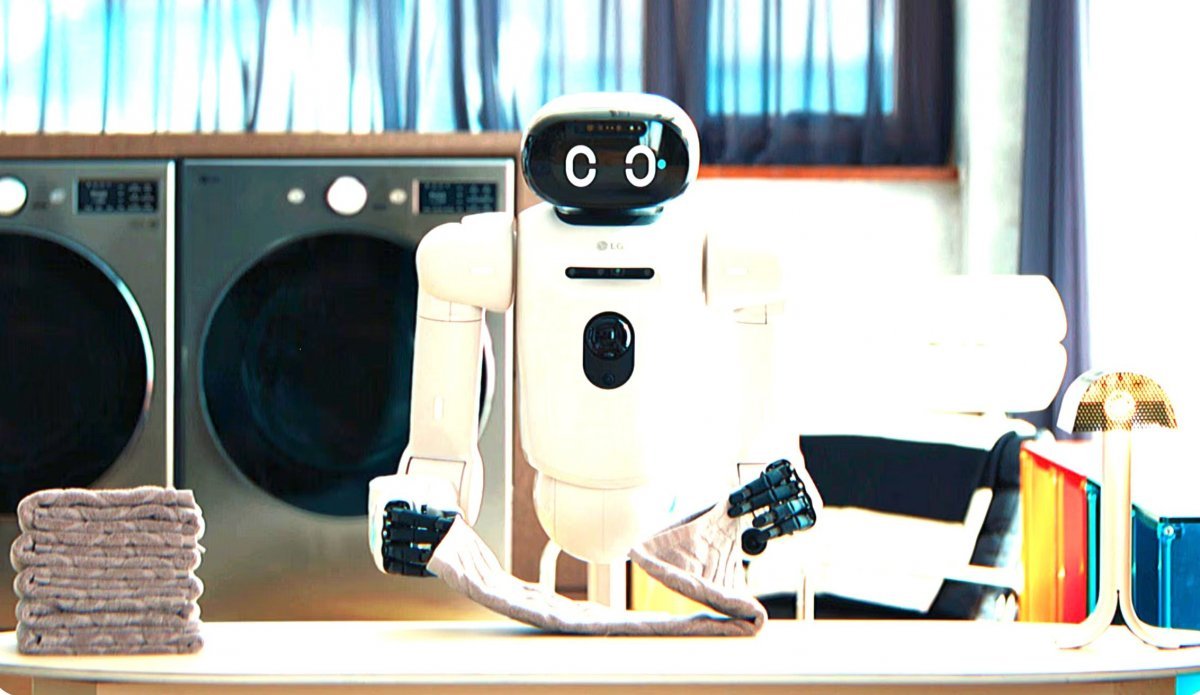
Electronics giant LG introduced the CLOiD Robot at CES. LG’s long-term vision is to have these intelligent machines handle everyday chores through robotics and connected home integration.
LG’s CLOiD robot uses AI and vision-based technology to perform household tasks such as cooking and laundry, connecting seamlessly with LG’s ThinQ ecosystem to automate home life.
Although functionality is still limited, LG demonstrated some tasks that included taking food from the fridge and putting it into an oven. It can do basic laundry and has the ability to pick up items off countertops with ease.
The robot looks very similar to what has been depicted in movies, a torso, two arms, a wheeled base and the ability to tilt. The arms have almost the same mobility as a human arm and each hand has five fingers for fine manipulation and accuracy doing tasks.
The head is essentially the brain: it has a display, a speaker, cameras, many sensors, and even attempts basic facial expressions.
Although it still has many limitations, in the world of AI it can learn and improve autonomously. This is where the big breakthroughs will come. LG’s AI technology’s Vision Language Model (VLM) converts images and video into structured, language-based understanding and the Vision Language Action (VLA) translates visual and verbal inputs into physical actions.
A robot like this may seem many years away but at CES 2026 it was demonstrated in front of a live audience. With the giant leaps being made by AI, having a CLOiD robot in your home may come sooner than you think.
Roborock Saros Rover
A stair-climbing AI robot vacuum
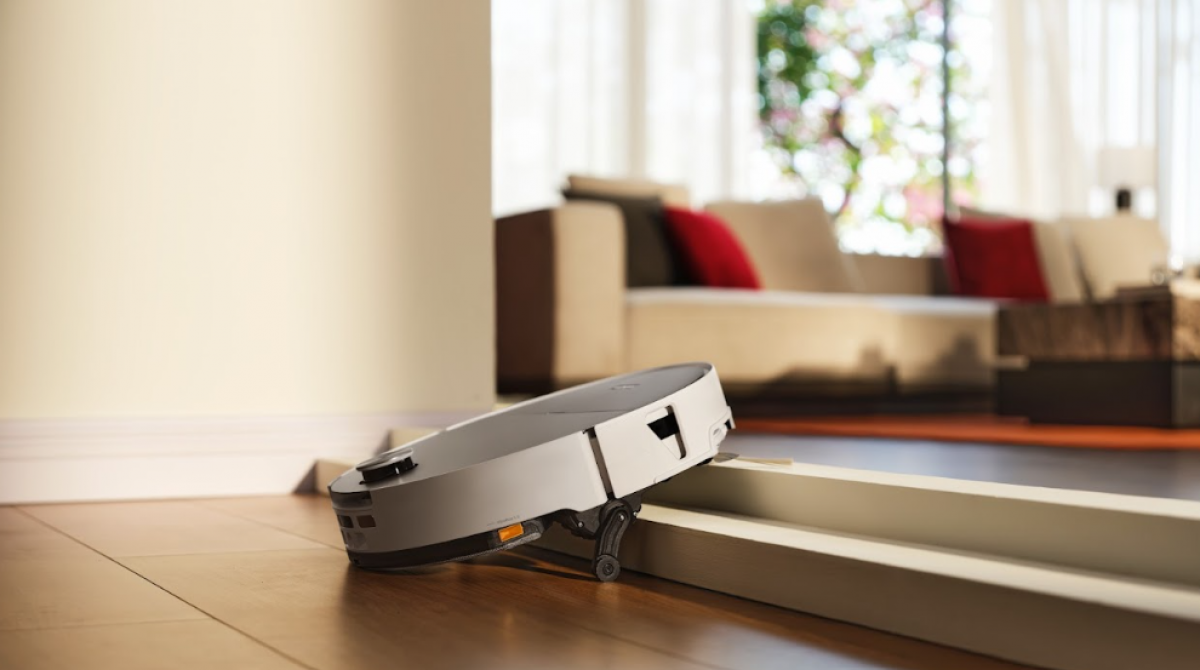
One of my favourite gadgets at home is my robot vacuum. It vacuums and mops my floors, saving me tons of time and it works when I want it to work. It even keeps my cats entertained. But up to now, the key challenge robot vacuums have had is stairs and multi-level homes.
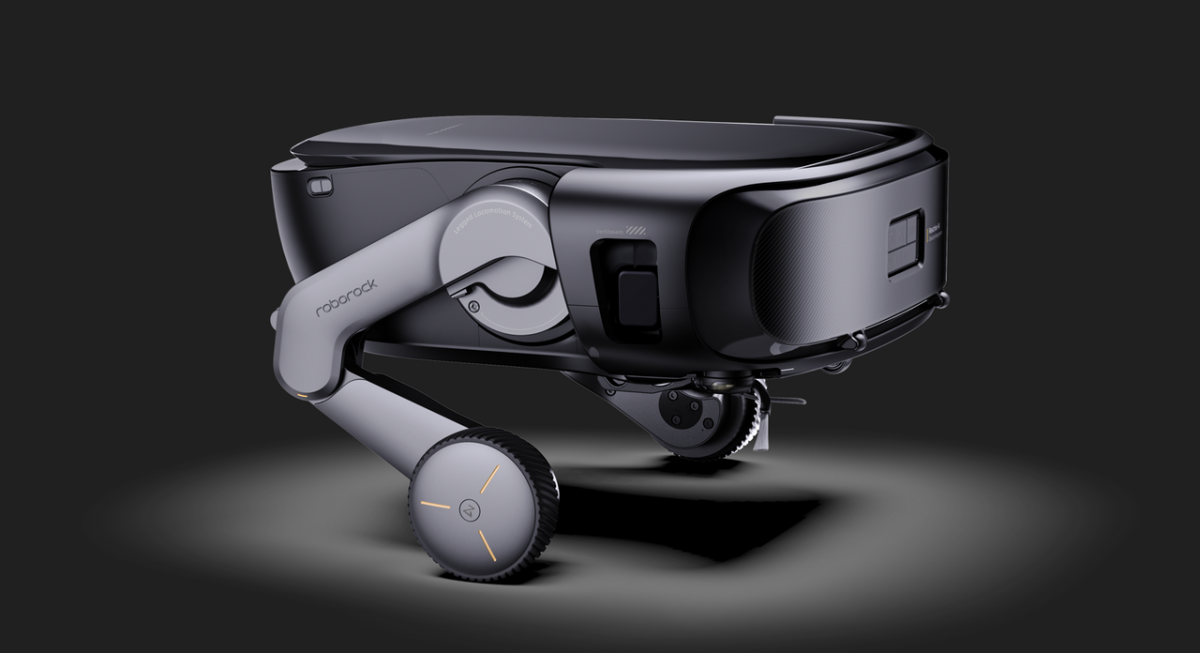
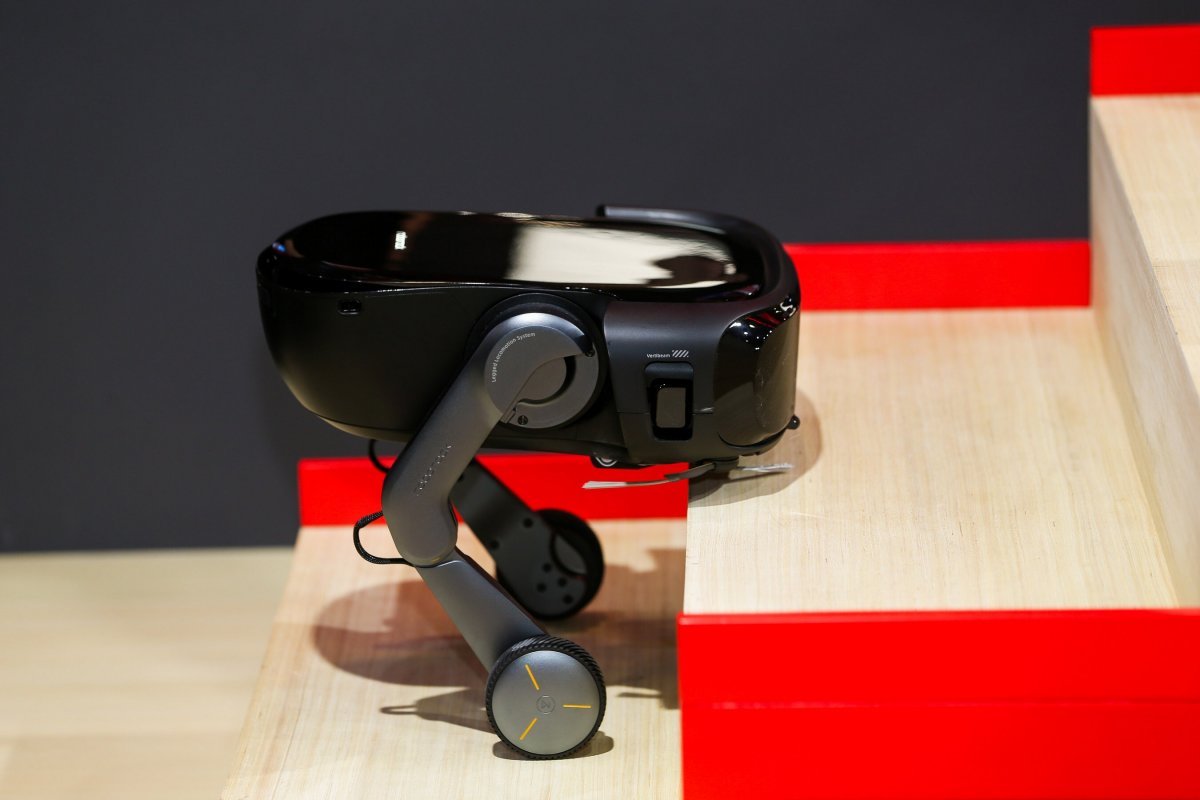
In a world first, Roborock introduced the Saros Rover, featuring the world's first two-wheel-leg architecture in a robovac.
Each of the Roborock’s wheels mimics human mobility and can lift, providing height and reach. Each wheel/leg operates independently, and it can even execute small jumps, do awkward turns, and sudden directional changes – basically, everything that is needed to get into all those out-of-reach areas that restricted automated vacuum cleaners in the past.
All of this, together with sophisticated AI algorithms and complex motion sensors, allied to 3D spatial information to understand its environment, give the Saros Rover 3D spatial information to provide precise instructions for the machine to work accurately.
Although this was a prototype, the company expects to release a final version in 2026.
Lego Smart Bricks
21st-century Lego comes to life
https://www.lego.com/en-za/smart-play
The iconic Lego interlocking blocks have been around since 1958 and if there is one toy that has crossed many generations and is still relevant today it is Lego.
Over the festive season, I purchased a few Lego sets for my two grandchildren and spent Christmas day building Lego. It brought back so many incredible childhood memories! The fact that I spent more time than my grandkids building and playing with the blocks is another issue…
But let me tell you about these Lego Smart Bricks introduced at CES 2026. They are going to take up many hours of my time this year… I just have a gut feeling.
How do I explain this?
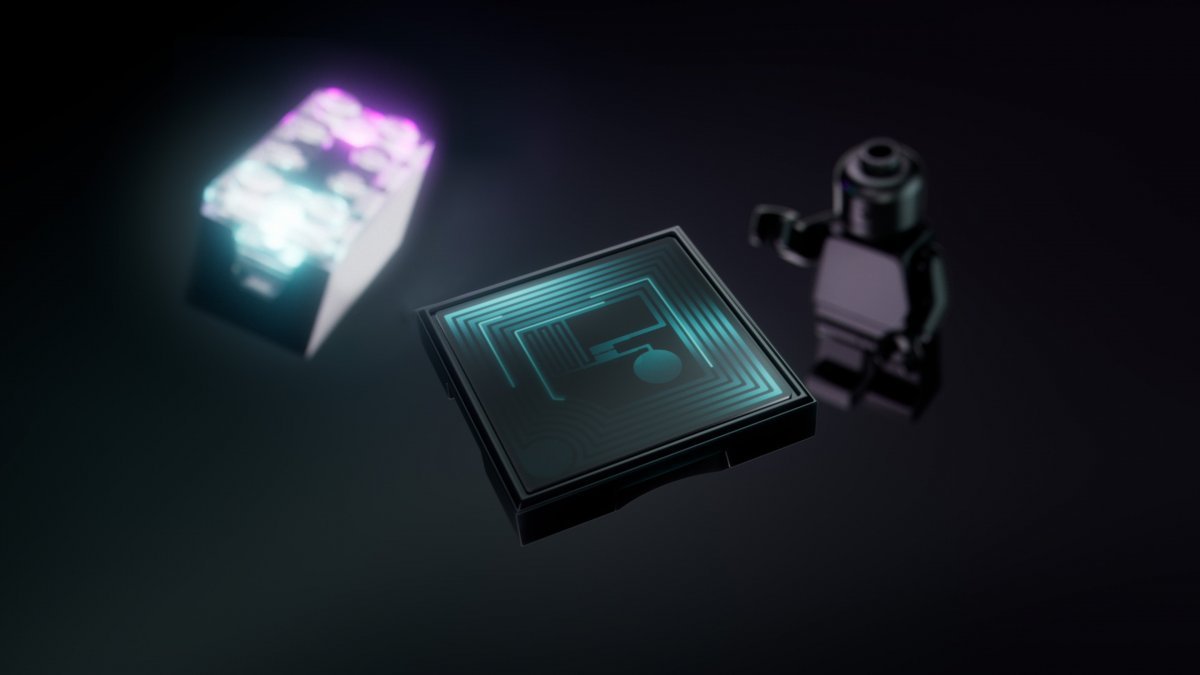
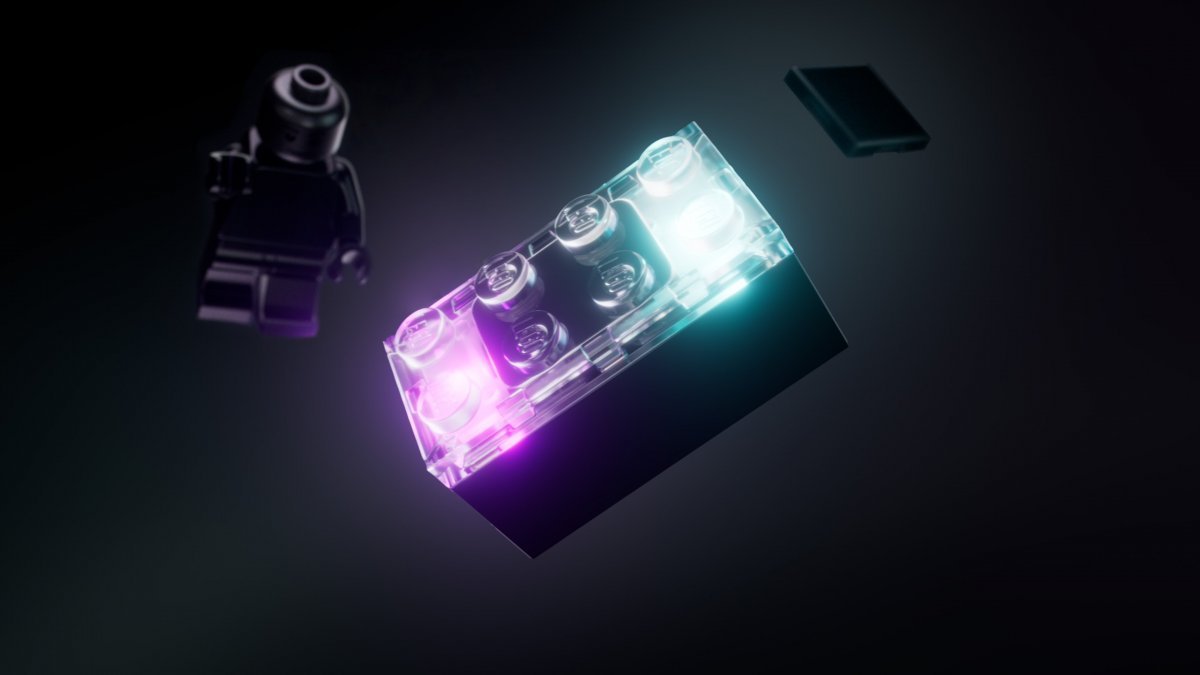
Imagine a traditional Lego block going super-high-tech, with sensors, smart tags, and smart bricks that play sounds and even have lights.
Lego says its new Smart Play System is the most revolutionary creation since the minifigure in 1978.
There are three pieces that make up this new system from Lego. Smart bricks, smart tags and smart figurines. The three pieces work together to create a cutting-edge technological play environment.
The smart brick has responsive lights built in, a colour recognition scanner, a sound synthesiser, and even an accelerometer. The smart minifigures add the personality to the experience and react differently to every scenario. The smart tag enhances what the smart brick will do and even has the ability to be used as part of mini games.
The imagination and creativity that these new toys working together are going to create is mind-blowing. And they are compatible with existing Lego.
I hope this clears any doubt as to what I want for my birthday present this year!
NuraLogix Longevity Mirror
AI mirror that gives you instant health insights
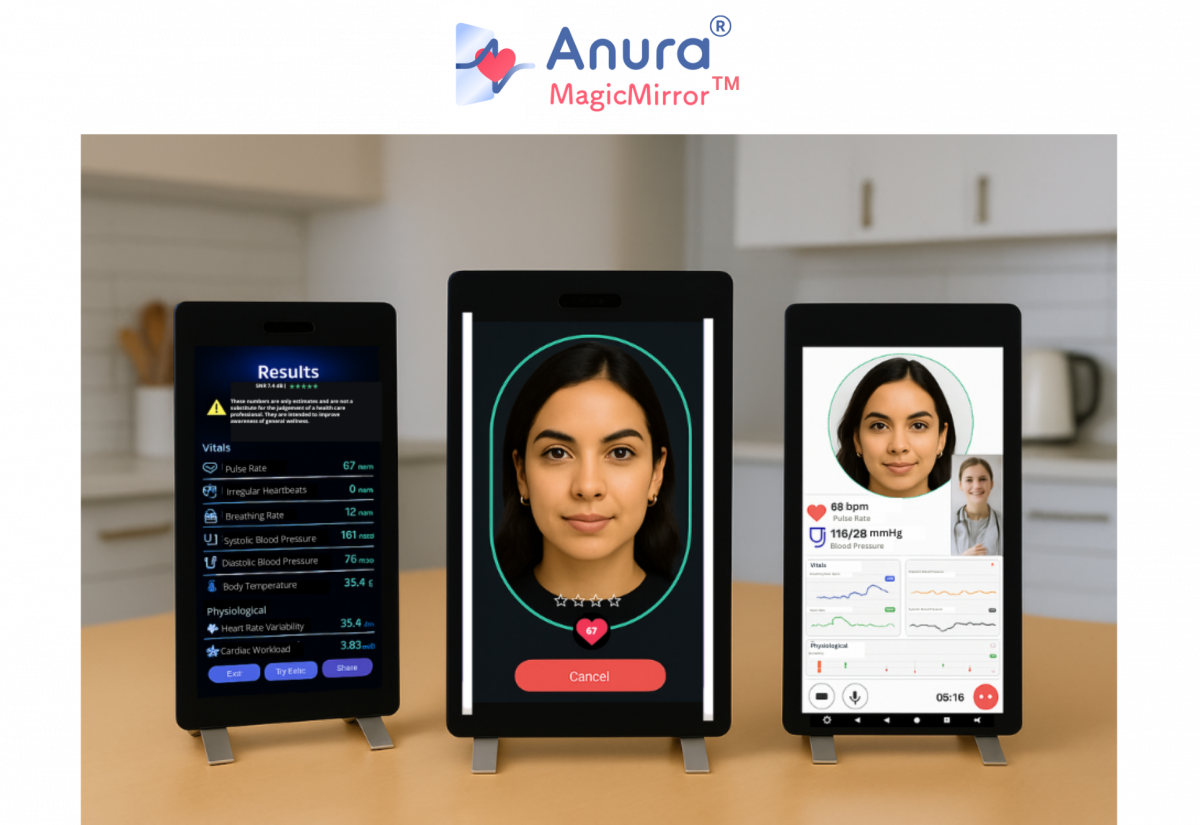
The NuraLogix AI powered longevity mirror was probably the biggest healthcare attraction at CES 2026. And it is brilliant!
Stand in front of the mirror and it takes a 30 second scan of your face. That’s all the time it takes to provide some amazing long-term health and wellness data. Although the makers say that this is not an approved medical device and one should do this in conjunction with a healthcare professional, its results are astonishing. The mirror uses NuraLogix’s patented Transdermal Optical Imaging. This technology can detect subtle, invisible changes in facial blood-flow patterns using the mirror’s built-in camera.
The magic then happens with AI and many algorithms that have been trained using thousands of patient records over many years to provide the health insights. Based on the data it collects in under 30 seconds, you will get a single longevity index score (between 0 and 100) that includes insights into your cardiovascular disease risk, your mental health, physical health, your blood pressure, breathing rate, and more.
In fact, it delivers more than 100 different health insights. It combines all of them and then explains the results along with personalised recommendations on what you can do to improve your health and live longer.
Mirrors like these will become the norm in our homes within the next five years.
A final thought
We are living in extraordinary times, and this kind of technology is going to improve exponentially and ultimately keep us healthier and warn us of potential risks.
Already, just your cellphone camera can take high-quality photos that you can use to better understand your health. You can try something right now using your phone and ChatGPT.
Take a clear selfie of yourself, upload it to ChatGPT, and then ask ChatGPT to analyse your face and provide recommendations on what you can do to look younger and stay healthier.
You will be blown away by the results it gives you.


Gallery