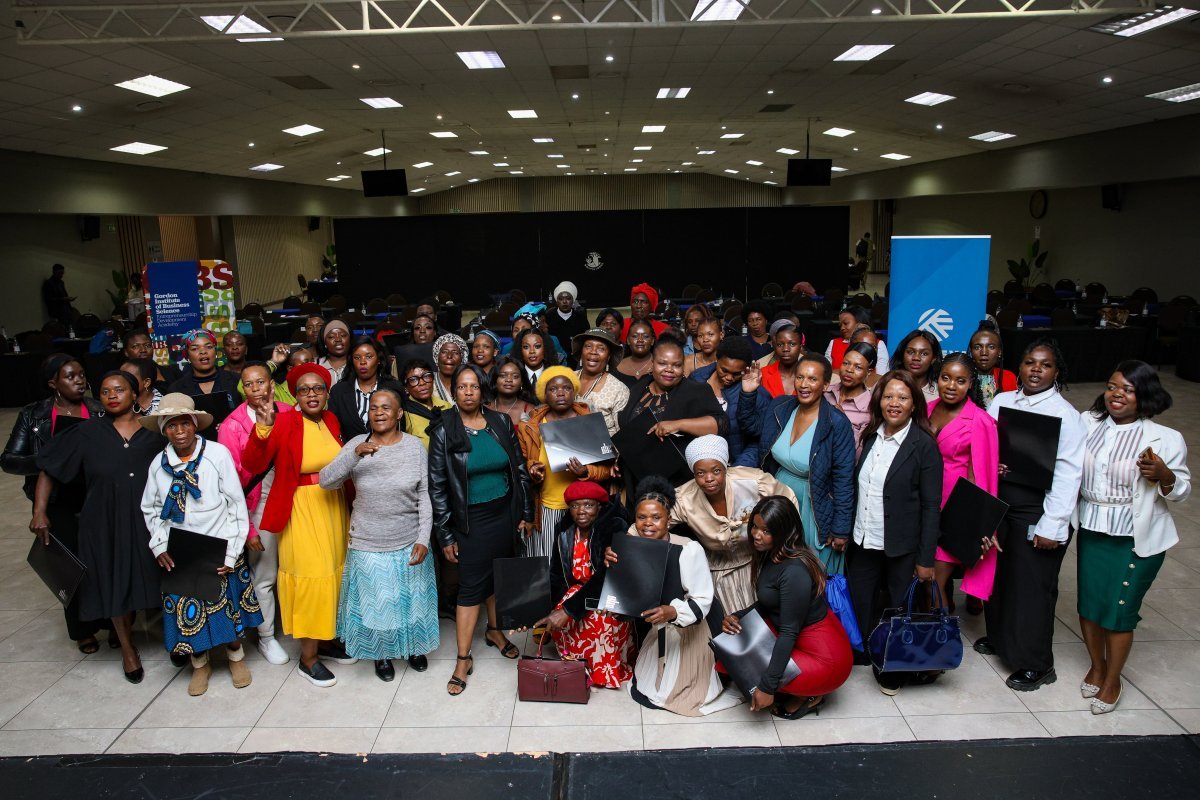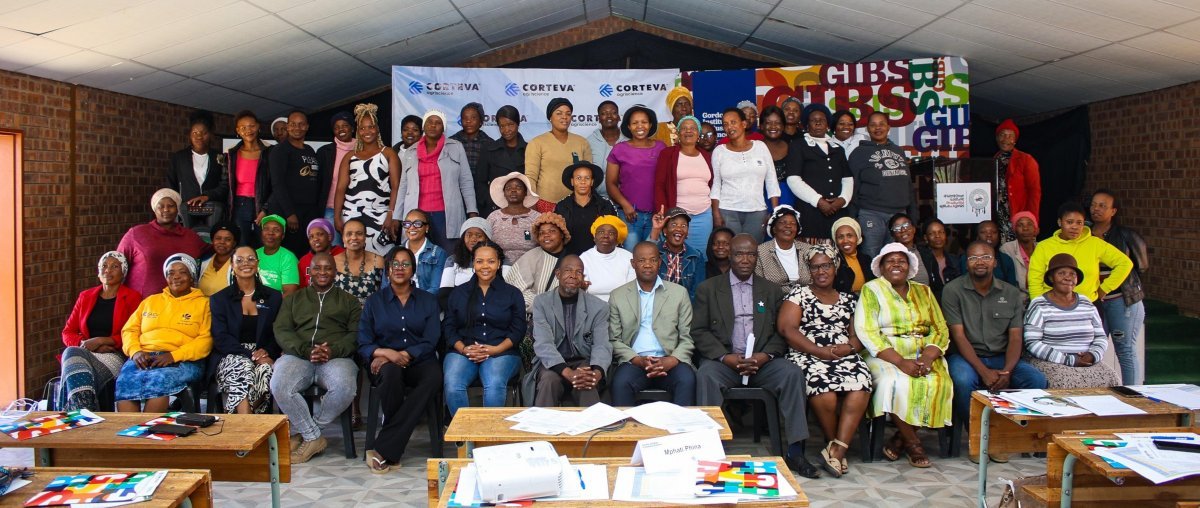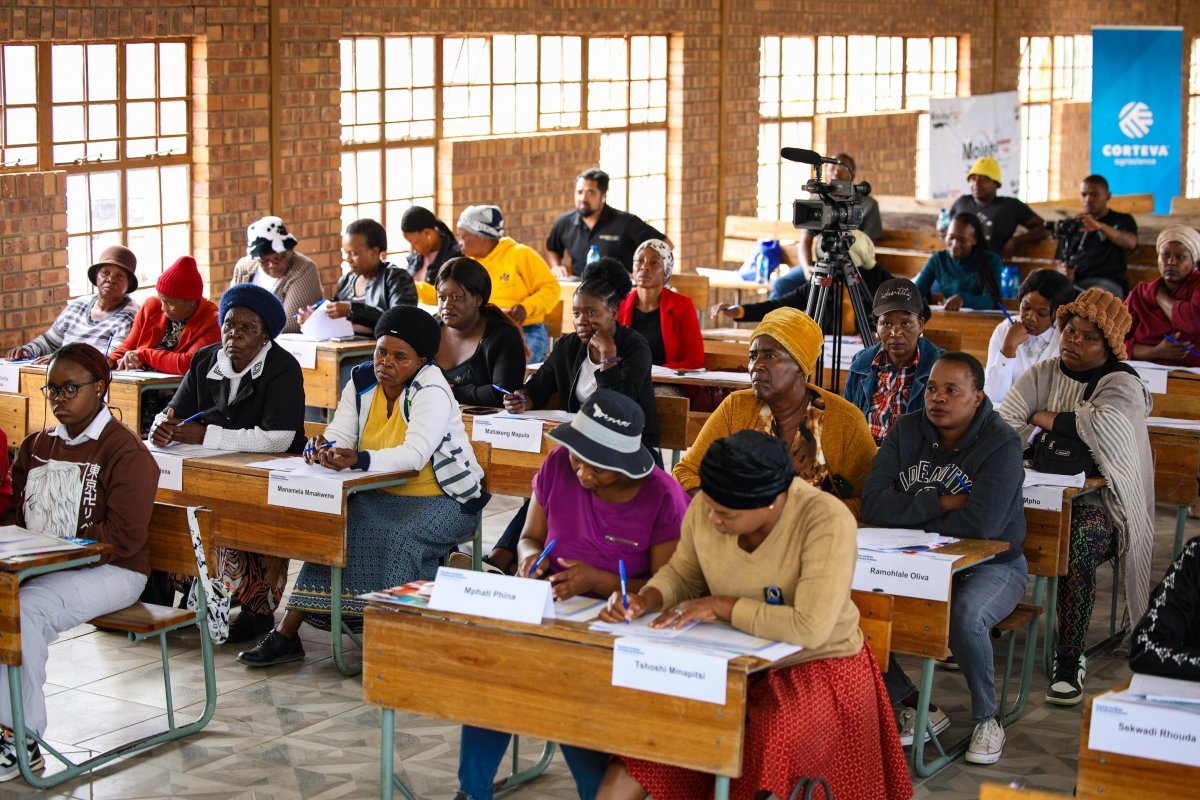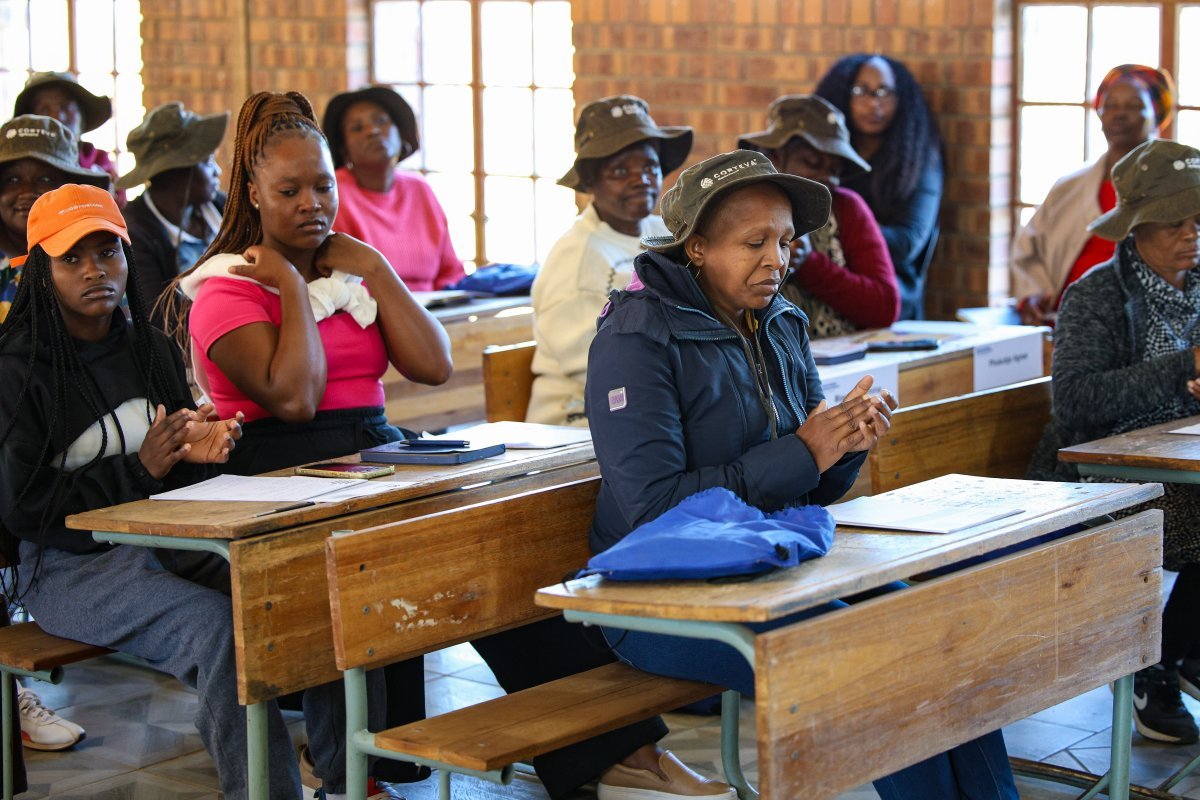

For many women in Limpopo’s rural areas, subsistence farming is a way of life and a vital source of income to support their families.
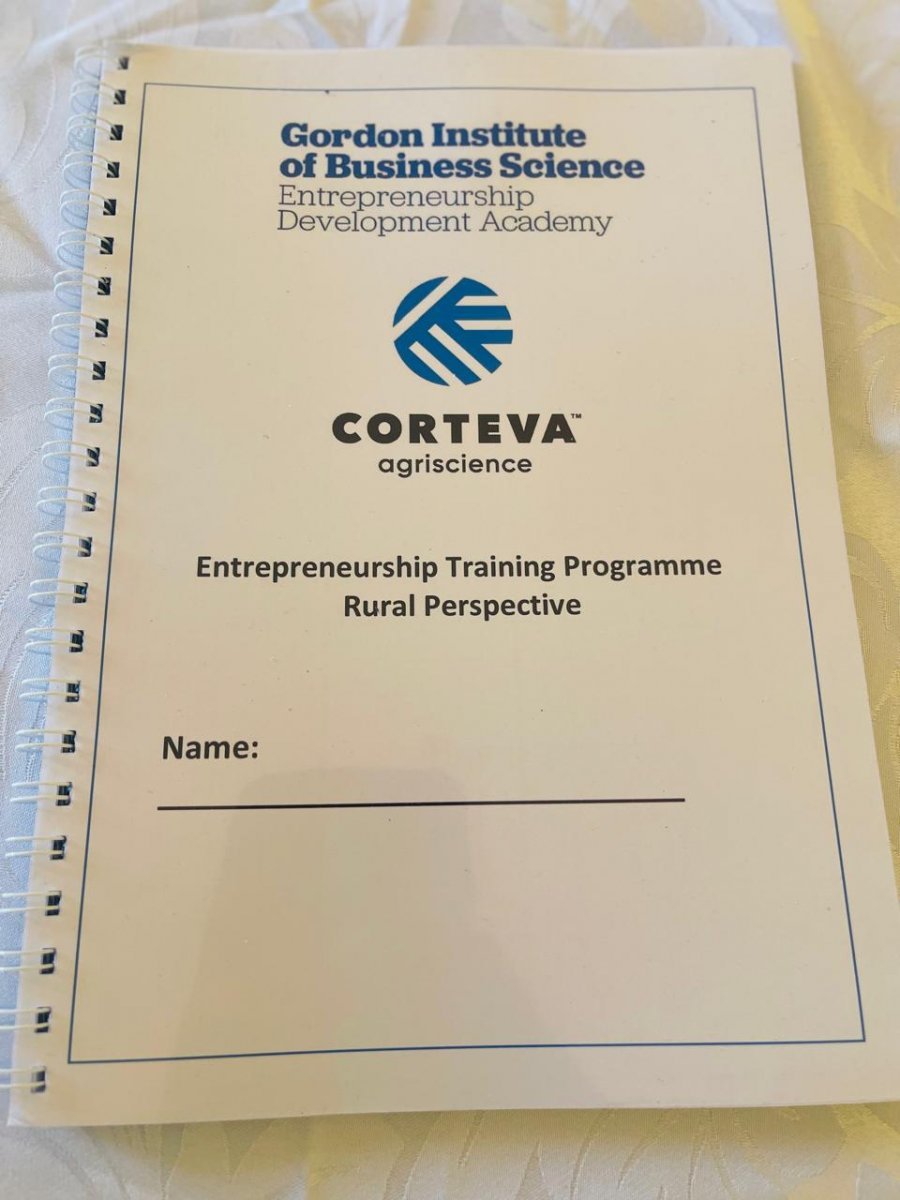
To address these issues and upskill women in Moletji Village and later Makgoba Village, in 2024, Corteva Agriscience partnered with the GIBS Entrepreneurship Development Academy (EDA) to launch the #SoilSistas initiative. The programme aims to empower women in rural communities by strengthening their entrepreneurial and agricultural skills.
Focusing initially on subsistence farmers in Moletji Village, the initiative provides practical training and resources to promote sustainable development. It has successfully built a vibrant community of female entrepreneurs while ensuring Corteva’s investment delivers tangible results.
The July 2025 Corteva SoilSista: A Rural Perspective 2024-2025 report highlights several ongoing challenges faced by women farmers in Limpopo. Many participants still lack access to banking services and have limited financial literacy, making it difficult to manage their finances or grow their farming operations.
Participants expressed strong interest in learning about soil types, suitable crops, effective fertilisation techniques and pest management to improve productivity.
Water scarcity remains one of the most pressing issues in the Moletji area, where limited access to water continues to affect irrigation and crop sustainability. In addition, most women operate as subsistence farmers without formally registered farms, which restricts their access to essential resources, funding opportunities and markets.
“The #SoilSistas initiative has made a profound impact on empowering women in rural areas through practical training and community engagement. Positive testimonials from participants highlight the programme’s effectiveness and underscore the value of Corteva’s investment in fostering sustainable agricultural practices and economic independence among women in agriculture,” says Mirriam Mashego, programme manager at GIBS.
Writing in the report, Mashego says the initial three cohorts, spanning from 2021 to 2024, were dedicated to a comprehensive programme aimed at enhancing the entrepreneurial, business, and leadership skills of women in agriculture. Through this initiative, 99 graduates emerged as empowered #SoilSistas and GIBS EDA alumni, successfully building and advancing their individual enterprises in the commercial agricultural landscape.
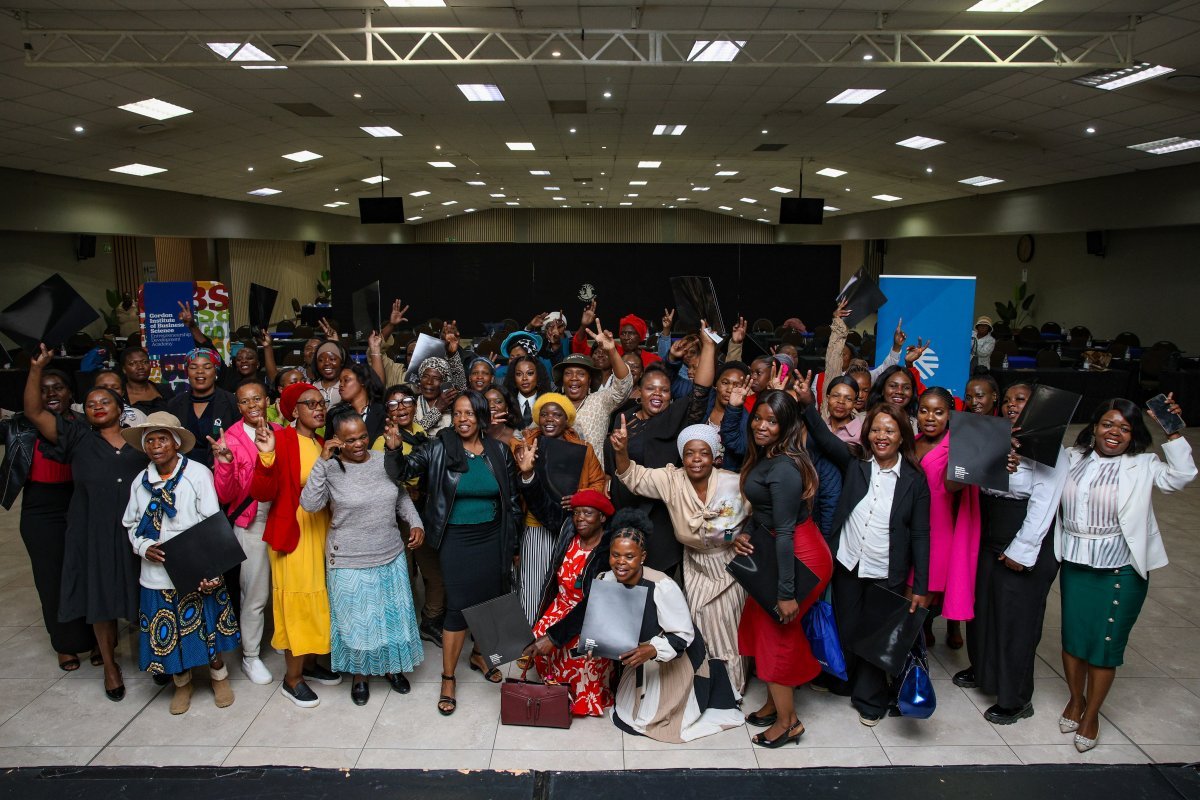
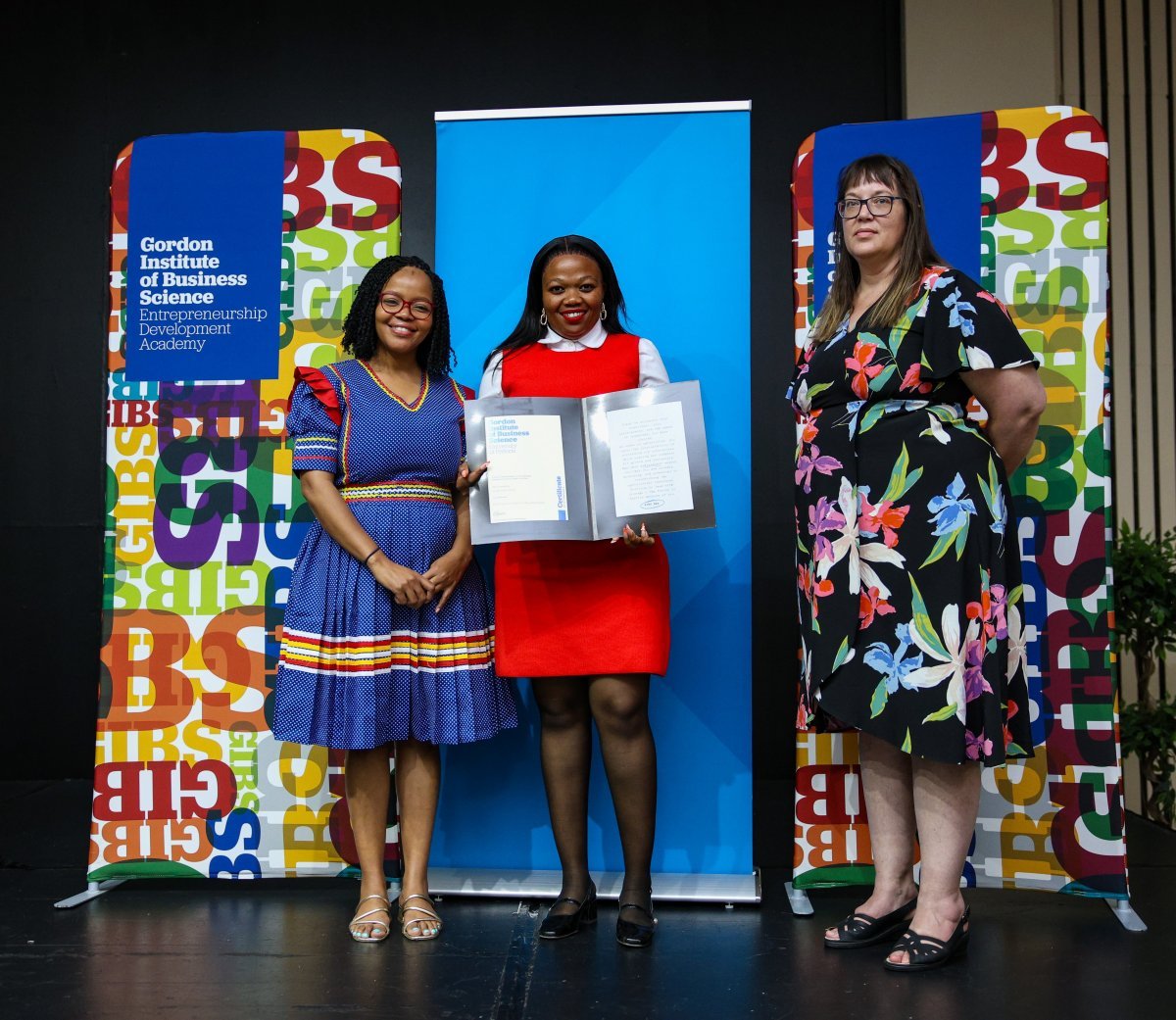
Mashego says in 2024, they shifted their focus to pilot the #SoilSistas initiative in a rural context, aptly named A Rural Perspective. This phase was rich with transformative learning experiences, challenges, and notable achievements, particularly for the women involved. Participants engaged in a series of technical interventions, leading to the certificate ceremony at the end of 2025.
“We believe this initiative not only fosters entrepreneurial growth but also lays the groundwork for sustainable development in the agricultural sector. As we move forward, we recognise the importance of reconnecting with alumni to prepare them for a step change, culminating in the new proposed programme, the #SoilSistas Future Skills Programme,” she says.
Given Mothata, a farmer from Moletji Village, says that before joining the programme, she only grew crops to feed her family as her mother was not working. “I focused on reducing household expenses by planting vegetables like spinach, Chinese cabbage, beetroot and peas to support the family,” she says.
“After attending the training, I saw an opportunity to turn this into a business. I already had land – not a large piece, but enough – and my mother let me use hers. The costs are manageable, I’ve done quotations for seeds and supplies and it’s not too bad.”
Water scarcity remains a major challenge. “At home, I use two JoJo tanks, one collects rainwater, which helps irrigate my crops.”
“The #SoilSistas training taught me that success isn’t just profit, it’s about managing finances and sustaining a business.”
Changes to the original programme of the Moletji and Makgoba villages
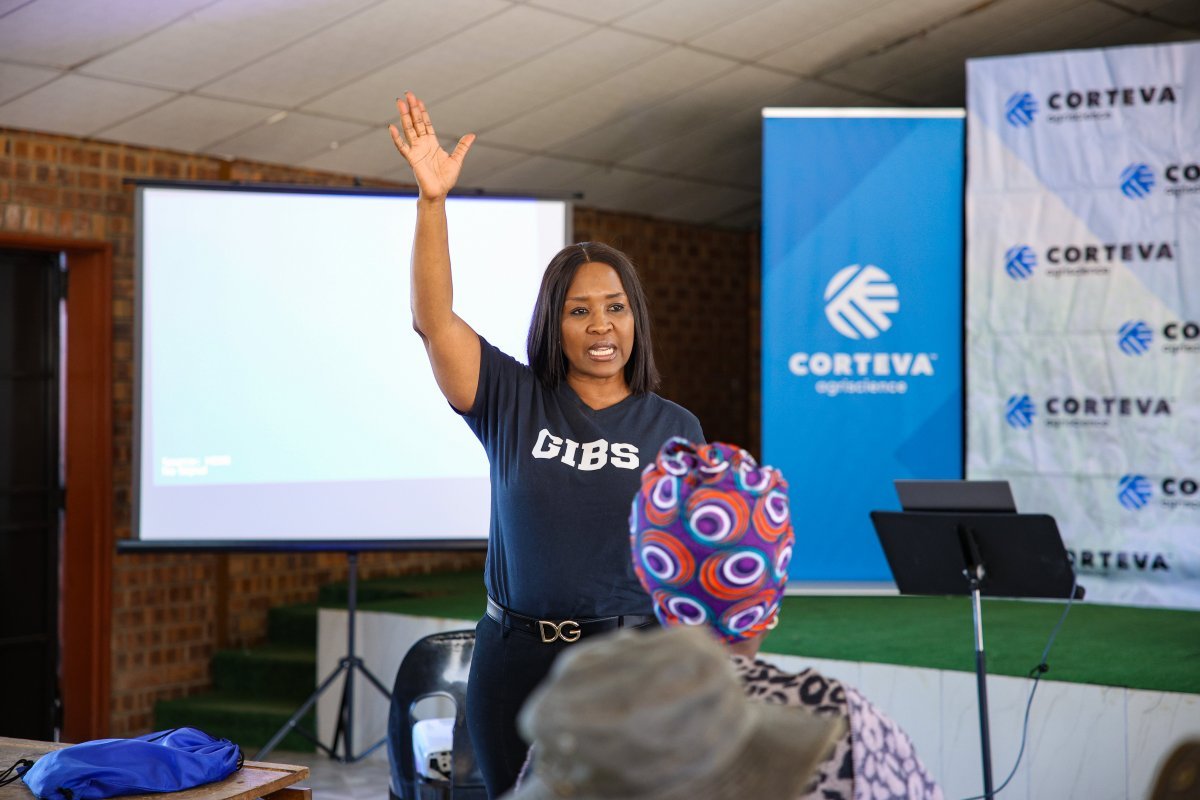
Initially designed for commercial farmers, the programme was restructured when it became clear that participants did not own land and had limited financial literacy or formal farming status. The approach shifted from classroom-based theory to practical, hands-on training in soil management, pest control, basic marketing, and financial planning.
Mashego says the shift was essential not only to enhance the learning experience but also to ensure a responsible exit from the Moletji site while maintaining connections with alumni. The goal was to continue transforming women’s lives in Limpopo by reconnecting with three #SoilSistas alumni through the Convenor Programme. These alumni proposed entrepreneurial training for women in agriculture in Makgoba village.
They were trained as mentors to guide other agri-entrepreneurs, strengthening local leadership and collaboration. Although convenors faced challenges such as bureaucratic delays, data access issues and logistical constraints, they made strong progress through stakeholder engagement and grassroots training.
Building on this, a similar programme to that offered in Moletji was developed for Makgoba, inviting 10 agricultural entrepreneurs identified as subsistence farmers. The updated programme was tailored to their specific needs, equipping participants with practical skills and knowledge for sustainable farming.
As part of the Moletji redesign, four radio segments were introduced, translating classroom materials into Sepedi and broadcasting them on Moletji Community Radio Station. This initiative aimed to empower not only the 73 women in the programme but also the wider community, reaching an estimated one million listeners.
Role of convenors
The Train the Convenor Programme equipped local convenors with the skills to mentor and support agri-entrepreneurs across Limpopo. Initiated by three #SoilSistas alumni and aimed at empowering women farmers through peer-to-peer learning and leadership, the training covered stakeholder engagement, risk management, and mentorship strategies, giving convenors practical tools to guide others and align their work with regional development goals. By fostering collaboration and confidence, the programme built a strong network of mentors driving sustainable agricultural growth.
Lindiwe Somo, a convenor from the Capricorn region, led financial modelling exercises, introduced public-private partnership concepts, and facilitated discussions to align regional development plans with local agricultural needs.
“Being part of this journey has opened my eyes to how wide the gap still is between what policy promises and what women farmers in rural Limpopo experience every day. Policies sound empowering on paper, but on the ground, we still face poor roads, inadequate transport, and limited access to finance and infrastructure.”
Somo believes true empowerment only happens when policy connects with people’s real struggles. She adds that shifting from theory to practical, hands-on training has been a breakthrough, helping women gain confidence and skills, such as those in Ga-Makgoba and Moletji.
“This journey has changed my view of leadership. It’s about working alongside others – when we lift each other, we lift the whole region,” she says.
Jennifer Serage, an alumna of #SoilSistas cohort three, is training as a convenor for the Capricorn District in Limpopo. She runs Groundstone Group, a Zebediela-based farming business growing peaches and nectarines.
Serage has led stakeholder sessions on agricultural practices and promoted peer-to-peer learning through small farmer training. “Our government has put policies in place to guide and support us, but too often these become barriers, preventing people from accessing the benefits intended for them. As a farmer and convenor, I’ve seen the gap between policy and the women working in rural areas and my role is to help bridge that.”
She praises the women who “work the soil with passion and perseverance”, adding that mentoring and knowledge-sharing are key to sustaining their efforts. “This experience has strengthened my leadership and confidence. When we grow together, we grow stronger.”
Mashego says the training interventions in Moletji and Makgoba has helped women farmers overcome farming and business challenges, equipping both villages with practical skills and resources to thrive sustainably and make a positive impact on their communities.
Looking ahead, Corteva and GIBS plan to launch the #SoilSistas Future Skills Programme for 30 alumni, offering advanced training in digital marketing, financial management, and leadership. “Building on the success of the rural pilot, this next phase aims to strengthen women’s economic resilience and expand their role as drivers of sustainable agricultural development in South Africa,” adds Mashego.
KEY TAKEAWAYS
Lessons learned
- Tailored training: Initial assumptions about participants’ farming experience led to gaps in content – shifting to hands-on technical training better addressed their real needs.
- Financial literacy: Many women were unbanked and lacked financial skills, highlighting the need to integrate financial education for better farm management and growth.
- Agricultural knowledge gaps: Training in soil management, pest control, and crop selection proved essential for building practical farming expertise.
- Water scarcity: Limited access to water remains a major barrier, reinforcing the need for training on water conservation and management.
- Community engagement: Involving alumni as convenors strengthened mentorship, empowerment and collaboration through shared local experience.
Recommendations for future programmes
Implementing these will strengthen support for entrepreneurs, promote economic growth, and improve livelihoods for women in the region.
- Prioritise practical training: Continue focusing on hands-on, needs-based training to equip participants with skills they can apply directly in their farming businesses.
- Integrate financial education: Include comprehensive financial literacy modules covering budgeting, access to banking, and financial planning to help farmers manage their operations effectively.
- Enhance agricultural content: Expand training to cover advanced topics such as sustainable practices, crop rotation, and integrated pest management, preparing participants for the realities of modern agriculture.
- Strengthen water management: Offer targeted training on water conservation and irrigation, and work with local authorities to explore practical solutions to water scarcity.
- Leverage local networks: Engage #SoilSistas alumni as convenors and mentors to share experience, foster collaboration, and build a strong peer network.
- Provide ongoing support: Establish follow-up mechanisms to ensure participants can apply their learning effectively and access continued guidance where needed.
- Encourage community engagement: Host regular events, such as Farmers’ Days, to promote knowledge sharing, peer learning, and local networking.


Gallery